


 Orlandosjm

 United States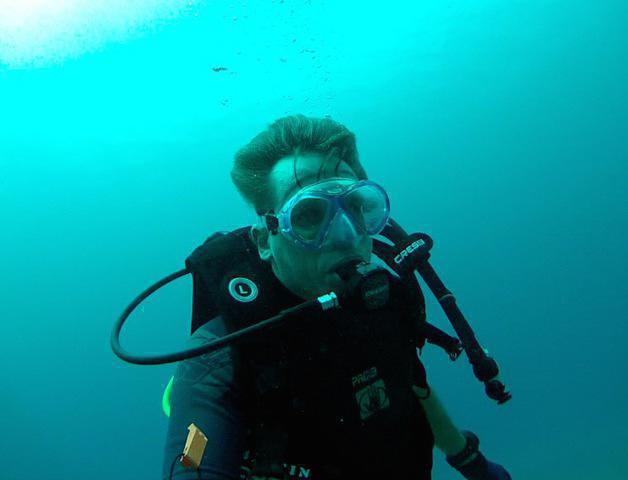
-
Nº24
 Date: 2014-09-20 - 08:13
-
 Max Depth: 18.6m Duration: 46mins
Dive Location

- Surface interval:60 mins
- Temp: Surf 31°C Bottom 29°C
- Dive type : Drift, Reef
- Visibility: Excellent Water: Salt
Specific gear used
- BCD: Cressi - Start Pro BC
- Weights: 6.4 kg
Dive reviews
| Overall review | ||
| Dive difficulty | ||
| Marine life quality |
Recent Divers in Florida West Palm Beach

Recent Pictures in Florida West Palm Beach
Dive Shop & Buddies
 Dive with Jeremy from Jim Abernethy's Scuba Adventures

Link to this spot:
- Spot:
- Country:
- Area:
- Body of water:
Dive Profile
- 1. Air
- 10L Steel 221 → 34 bar
- Average depth: 12.4m
Data provided by EOL.org
Species Identified
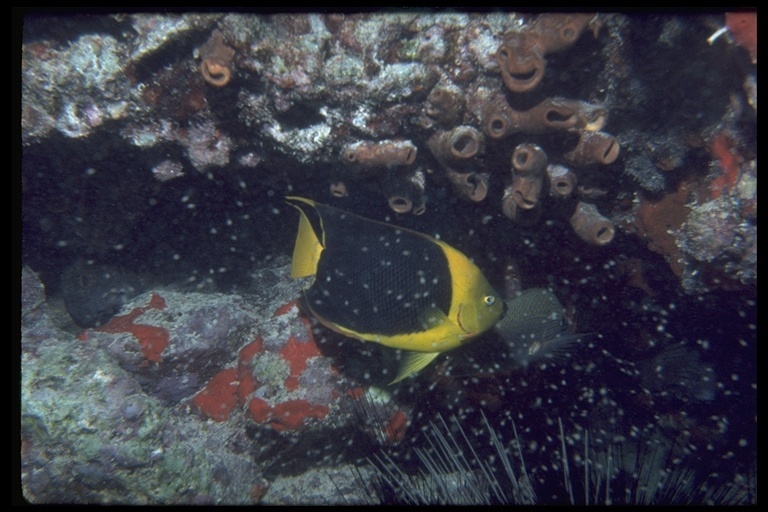
Holacanthus tricolor (Bloch, 1795) (Angelfish)
Inhabits rock jetties, rocky reefs and rich coral areas. Juveniles often associated with fire corals . Feeds on tunicates, sponges, zoantharians and algae. Marketed fresh .
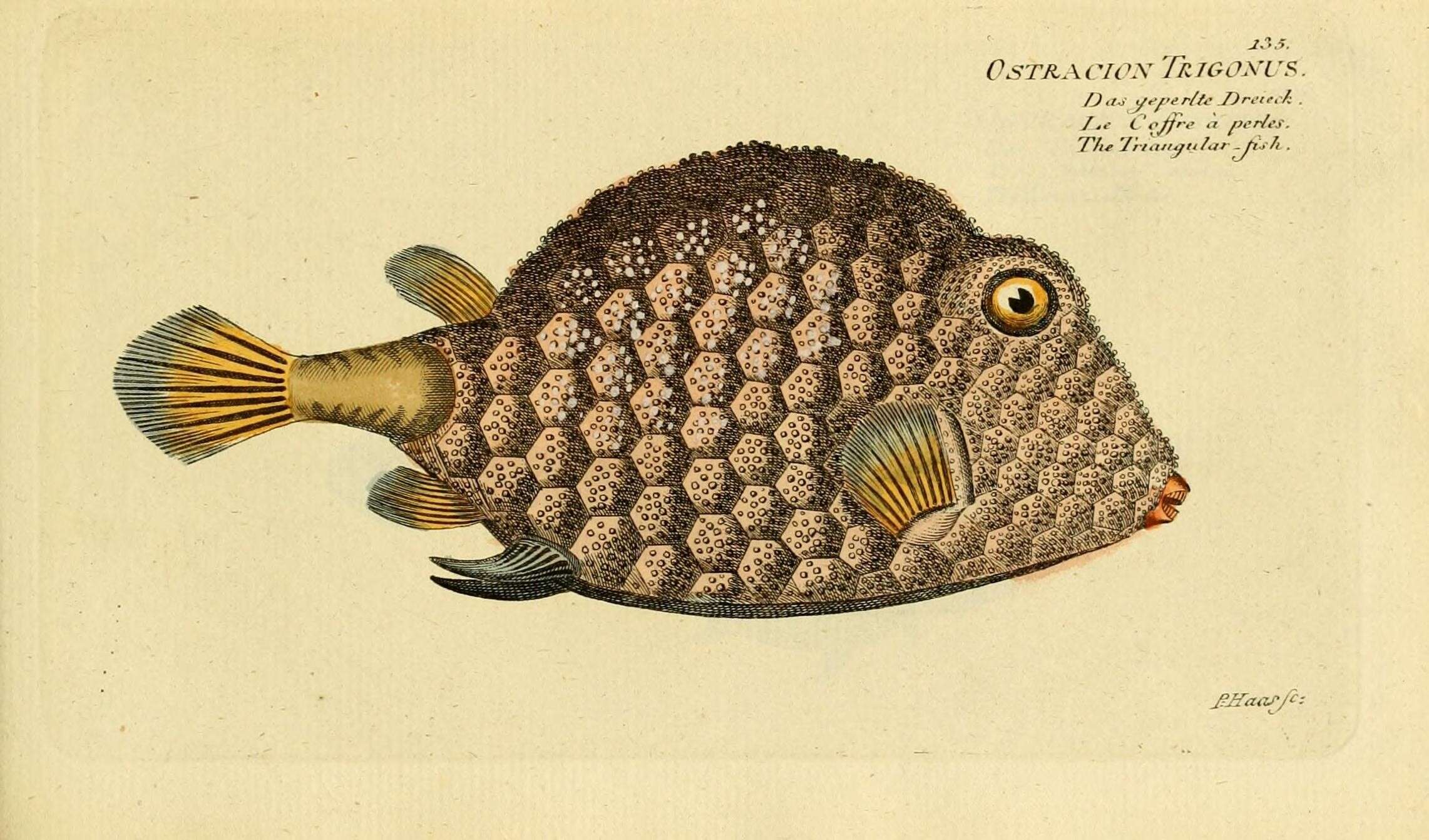
Lactophrys trigonus (Linnaeus, 1758) (Buffalo trunkfish)
Inhabits seagrass beds, coral rubble areas, and offshore reefs down to about 50 m. Feeds on a wide variety of small benthic invertebrates such as mollusks, crustaceans, worms and sessile tunicates, as well as some sea grasses . Highly esteemed food fish in the Caribbean .
Share on Social Networks
- Facebook:

personalize your shared text as well as its destination (wall, page...) or send as a private message to a friend
- Twitter: Tweet personalize your tweet
- Google Plus:
Direct link to this dive
- Long link:
- Short link:


 We are participating today in the startup contest Techcrunch Disrupt. Support Diveboard by voting for us!
























































































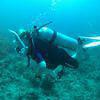
First dive of the day with Susan being the dive leader.
We entered the water positive and slowly descended to the reef area which was only at about 60 feet. I had brought along my go Pro camera with my new dive case and was eager to try it out.
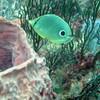
The dive was incredible as the ocean was without any wave action and visibility was fabulous. I was mostly interested in recording the sea life that was down there and was not disappointed. There were hundreds of difference species of fish including the natural angelfish and an abundance of coral. The colors were a bit more vibrant than they usually are at my 80 foot dives.
I stuck with the group until I became interested in some sea life and the lead, Susan, drifted away. My ascent was not as controlled as I would have liked it to be as I was fiddling with my safety sausage and not paying attention to things.
I use up a lot of oxygen on this dive as I was kicking around a lot trying to get closer to some of the Sealife so I could Capture it on video. I was one of the first ones to the boat and then, having started with 3200 psi, I ended up back in the boat with only 500 psi.
Excellent dive.