


 Orlandosjm



 United States
-
Nº23
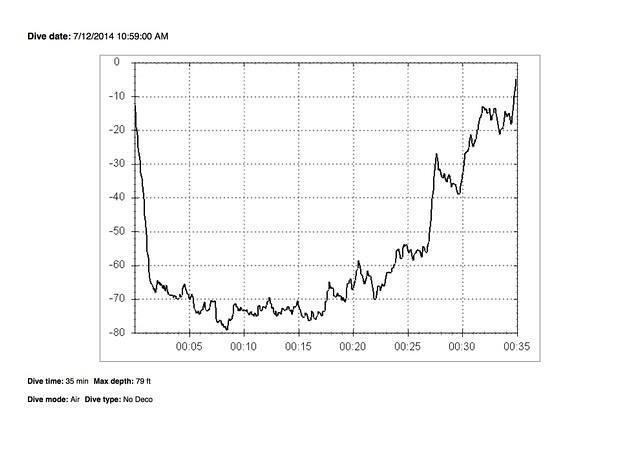
 Date: 2014-07-12 - 10:59
-
 Max Depth: 24.1m Duration: 35mins
Dive Location

- Surface interval:90 mins
- Temp: Surf 32°C Bottom 29°C
- Dive type : Recreational, Reef
- Visibility: Good Water: Salt
Specific gear used
- Boots: Sunset -
- Computer: Mares - puck
- Fins: Pro Light -
- Mask: Sopras sub - Mask
- Wet suit: Body Glove -
- Weights: 6.4 kg
Dive reviews
| Overall review | ||
| Dive difficulty | ||
| Marine life quality |
Recent Divers in Florida West Palm Beach

Recent Pictures in Florida West Palm Beach
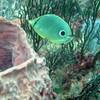
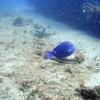
Dive Shop & Buddies
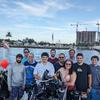
 Dive with Kyle from Jim Abernethy's Scuba Adventures
 Jim Abernethy's Scuba Adventures confirmed the dive with parameters: 24.1m / 35mins

Link to this spot:
- Spot:
- Country:
- Area:
- Body of water:
Dive Profile
- 1. Air
- 10L Aluminium 207 → 69 bar
- Average depth: 16.1m
Data provided by EOL.org

Species Identified
Holocentrus adscensionis (Osbeck, 1765) (Squirrelfish)
Occurs in shallow coral reefs, as well as deeper offshore waters . A nocturnal species, hiding in deep crevices or under coral ledges during the day; at night it usually moves over sand and grass beds, taking mainly crabs...
Read More
Read More
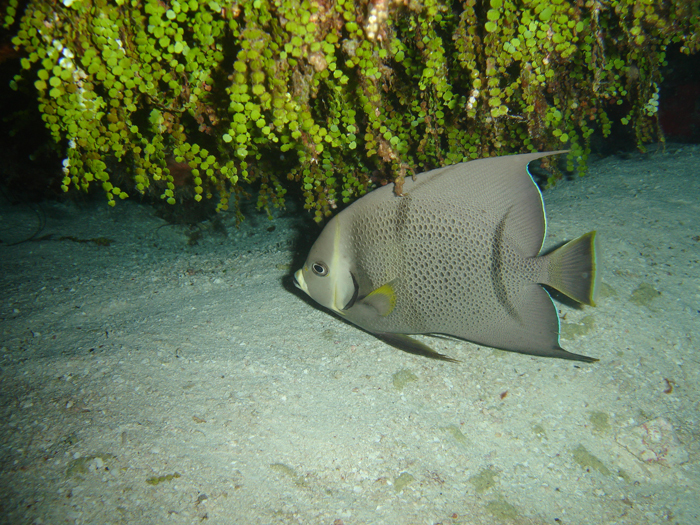
Pomacanthus arcuatus (Linnaeus, 1758) (Grey angelfish)
Common in coral reefs, usually solitary, occasionally in pairs. Juveniles are part-time cleaners. Feed mainly on sponges, but also takes tunicates, algae, zoantharians, gorgonians, hydroids, bryozoans, and seagrasses. O...
Read More
Read More
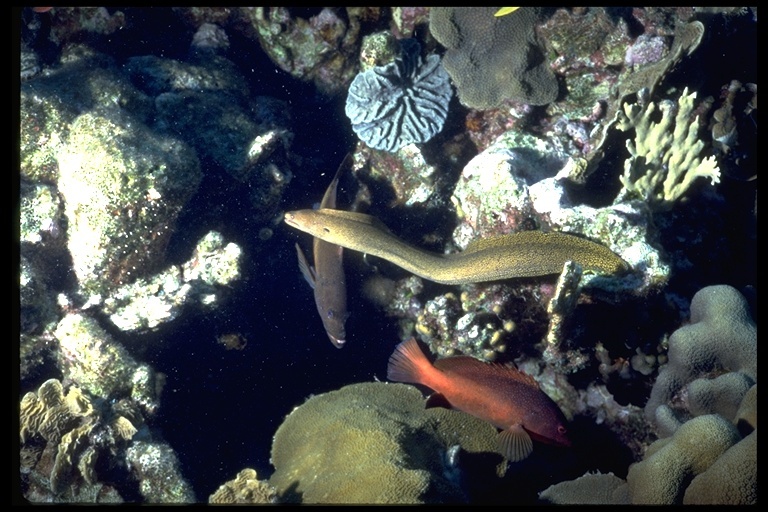
Gymnothorax miliaris (Kaup, 1856) (Bastard eel)
A benthic and solitary species inhabiting coral reefs and rocky shorelines. Usually at depths of 60 m . One of the most common and easily recognized morays of the West Indian reefs, active during the day and sometimes h...
Read More
Read More
Share on Social Networks
- Facebook:

personalize your shared text as well as its destination (wall, page...) or send as a private message to a friend
- Twitter: Tweet personalize your tweet
- Google Plus:
Direct link to this dive
- Long link:
- Short link:


 We are participating today in the startup contest Techcrunch Disrupt. Support Diveboard by voting for us!
























































































The next Dive was the Mid reef. I have to have the mid reef two other times and, though you would think that I would be bored by it at this point, I was actually was enjoying going back there. It's an interesting and fun area to explore as there are ledges that drop off about 20 feet with abundant sea life. After our minimum one hour obligatory surface interval we got ready to splash in again. I was second in line after Kyle, the dive master and this time I splashed in slightly positive and had no problems equalizing on the way down. I stayed with the group fairly closely also this time keeping an eye on Kyle and yet still having a time to explore and videotape the surrounding sea life. We hung out together in the beginning and the rest of them didn't trail off until we got close to the end of the Dive when it was ended up just being Kyle and myself. I again was videotaping things endlessly as I want to be able to start identifying the ocean wildlife.