


 April Leonard


 Netherlands Antilles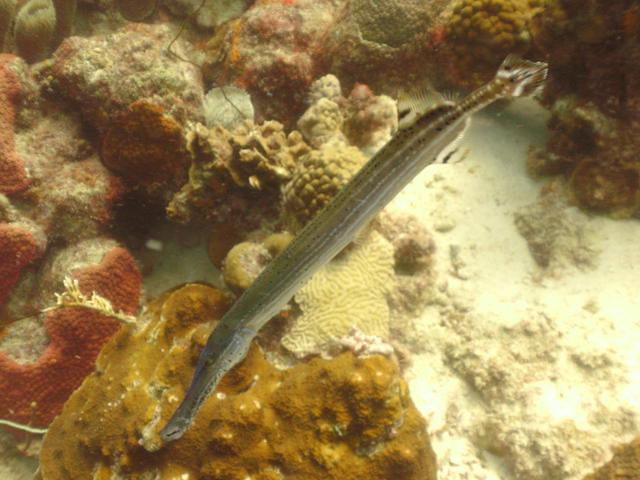
-
Nº39
 Date: 2015-07-06 - 12:08
-
 Max Depth: 18m Duration: 40mins
Dive Location

- Temp: Surf 32°C Bottom 26°C
- Dive type : Recreational, Reef, Photo, Shore dive
- Water: Salt
Specific gear used
- BCD: Oceanic - Hera
- Computer: Oceanic - Pro Plus 2.1
- Regulator: Oceanic - Delta 4
- Weights: 3.6 kg
Dive reviews
| Overall review | ||
| Marine life quality |
Recent Divers in Bonaire



Recent Pictures in Bonaire
Dive Shop & Buddies
 Dive with Dive Friends Bonaire
 Dive buddies:
Justin Jantes,
Joe_kickass
Dive buddies:
Justin Jantes,
Joe_kickass

Link to this spot:
- Spot:
- Country:
- Area:
- Body of water:
Dive Profile
- 1. Nitrox 32
- 0L Steel 200 → 50 bar
- Average depth: m
- 2. Air
- 0L Steel 200 → 50 bar
- Average depth: m
- 3. Air
- 0L Steel 200 → 50 bar
- Average depth: 12.3m
Data provided by EOL.org



Species Identified
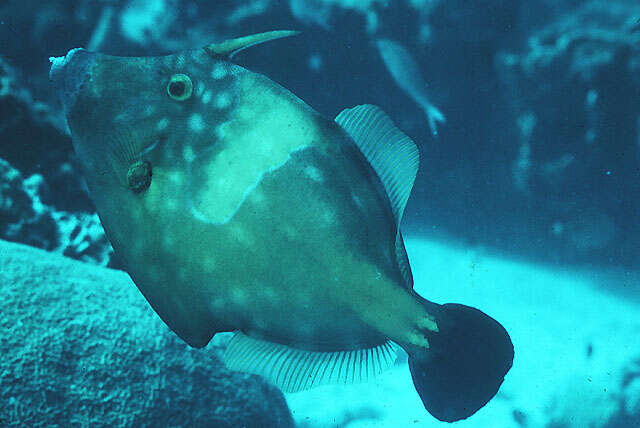
Aluterus scriptus (Osbeck, 1765) (Unicornfish)
Cantherhines macrocerus (Hollard, 1853) (chivo)
Inhabits coral reefs or rocky bottoms . Found among gorgonians. Occurs in pairs . Feeds mainly on sponges, gorgonians, and algae but also eats hydroids and stinging coral .
Synodus intermedius (Spix & Agassiz, 1829) (Lizardfish)
Found on the sandy bottom around boulders or in sandy corridors in patch reefs . Uncommon near the shore.
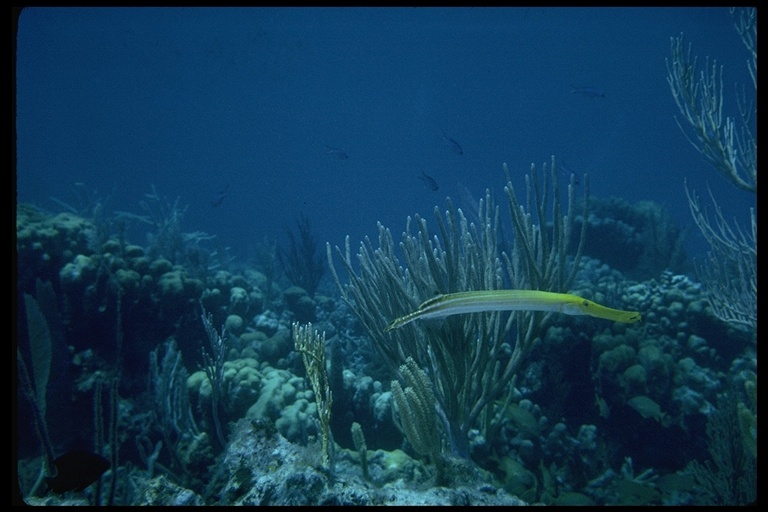
Aulostomus maculatus Valenciennes, 1841 (Caribbean trumpetfish)
Commonly found in weedy areas and especially around reefs, where they usually swim snout-down among sea whips . A solitary ambusher of small fishes and crustaceans that lurk among branching coral or gorgonians. Often swi...
Read More
Read More
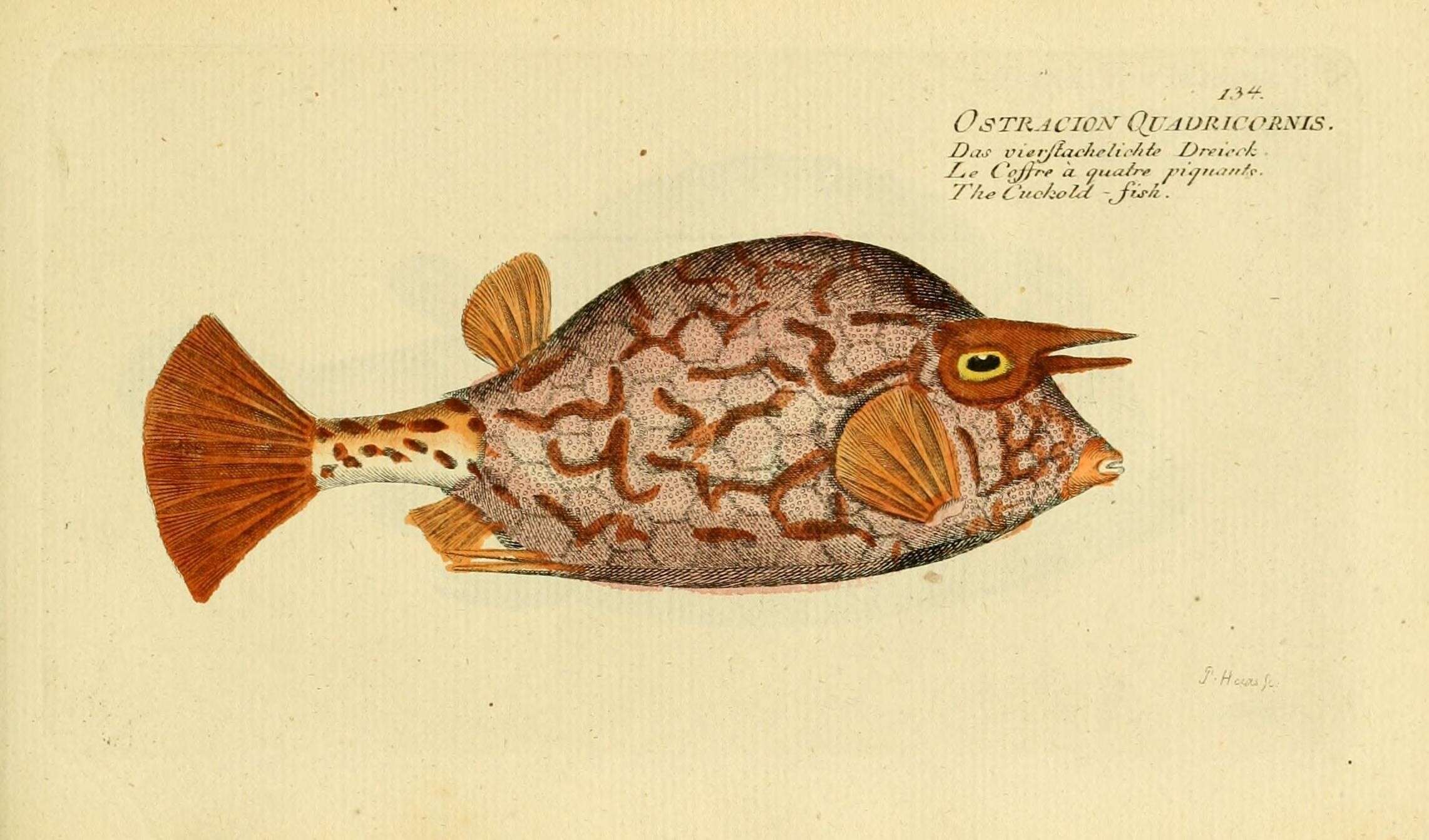
Acanthostracion quadricornis (Linnaeus, 1758) (Cowfish)
Found in shallow water down to about 80 m, mainly in seagrass beds . Feeds on sessile invertebrates such as tunicates, gorgonians and anemones, as well as on slow-moving crustaceans, sponges , hermit crabs and marine plants . Oviparous . Considered an excellent food fish; marketed fresh .
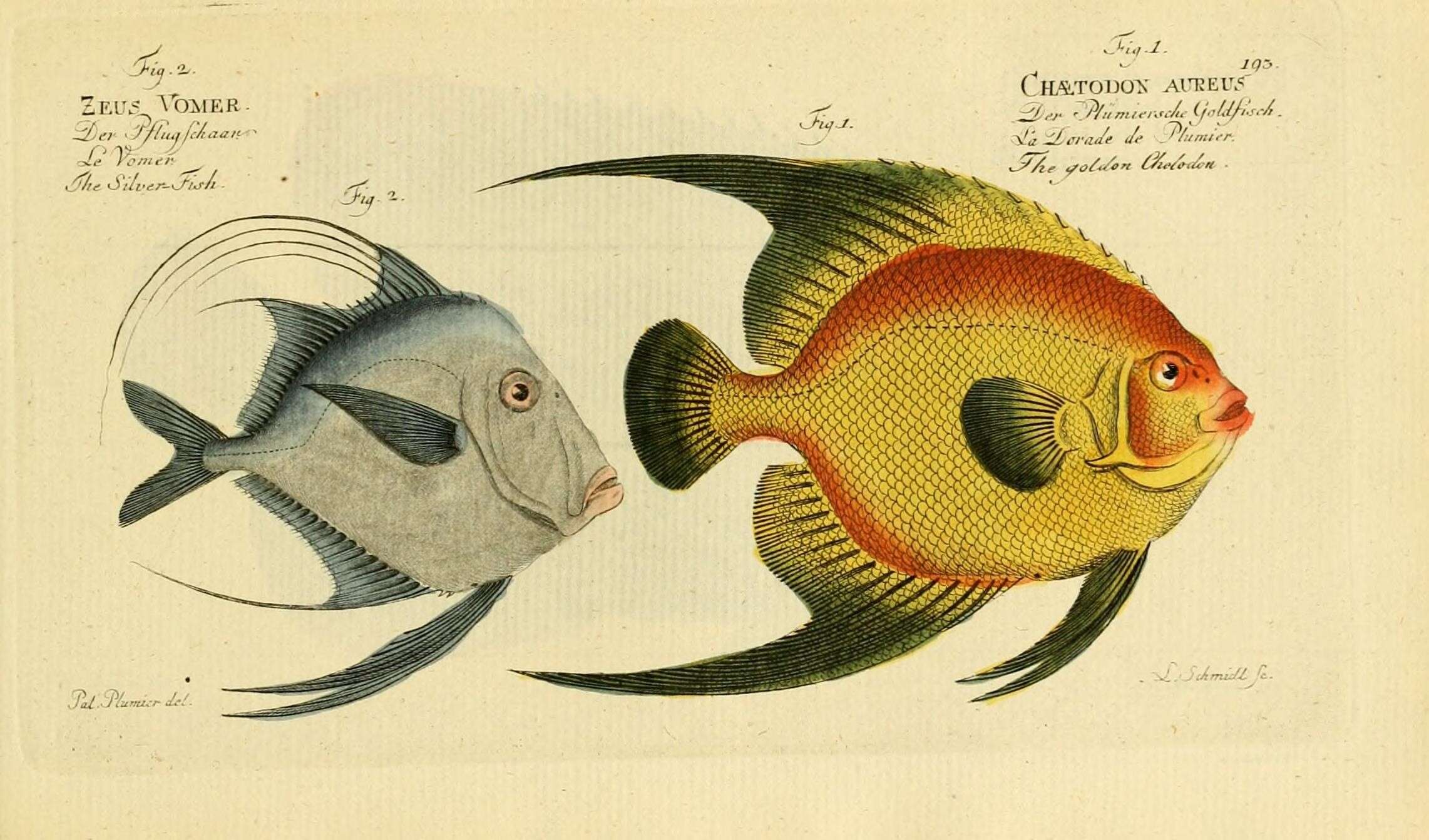
Holacanthus ciliaris (Linnaeus, 1758) (queen angelfish)
Found on coral reefs. Generally occurs solitarily or in pairs. Moves gracefully between seafans, seawhips, and corals . Stomach contents of 26 specimens indicate that the species feeds almost exclusively on sponges supp...
Read More
Read More
Pomacanthus paru (Bloch, 1787) (French angelfish)
Common in shallow reefs. Usually in pairs, often near sea fans . Feed on sponges, algae, bryozoans, zoantharians, gorgonians and tunicates . Oviparous , monogamous . Spawning pairs are strongly territorial, with usuall...
Read More
Read More
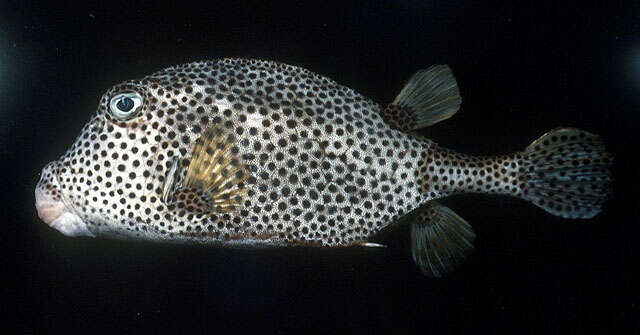
Lactophrys bicaudalis (Linnaeus, 1758) (Trunkfish)
Found in clear water around coral reefs. Sometimes under ledges and near small holes . Feeds on a variety of small bottom invertebrates such as mollusks, crustaceans, starfishes, sea urchins, sea cucumbers, sessile tunic...
Read More
Read More
Hermodice carunculata (Pallas, 1766) (bearded fireworm)
Share on Social Networks
- Facebook:

personalize your shared text as well as its destination (wall, page...) or send as a private message to a friend
- Twitter: Tweet personalize your tweet
- Google Plus:
Direct link to this dive
- Long link:
- Short link:


 We are participating today in the startup contest Techcrunch Disrupt. Support Diveboard by voting for us!
























































































The current was strong here! We hardly had to swim to get to the exit point. Visibility not great but we saw some cool fish: scrawled filefish, white spotted file fish, a lizard fish, trumpet fish, some kind of worm, a honeycomb cowfish, french angels, queen angel, and a baby trunkfish.