



 April Leonard


 Netherlands Antilles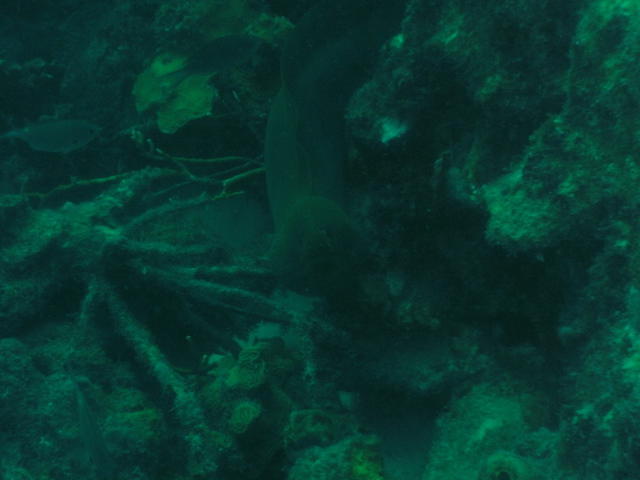
-
Nº42
 Date: 2015-07-07 - 14:31
-
 Max Depth: 23.2m Duration: 39mins
Dive Location

- Temp: Surf 33°C Bottom 26°C
- Dive type : Recreational, Reef, Photo
- Visibility: Average Water: Salt
Specific gear used
- BCD: Oceanic - Hera
- Computer: Oceanic - Pro Plus 2.1
- Regulator: Oceanic - Delta 4
- Weights: 3.6 kg
Dive reviews
| Overall review | ||
| Marine life quality |
Recent Divers in Bonaire




Recent Pictures in Bonaire
Dive Shop & Buddies
 Dive with Dive Friends Bonaire
 Dive buddies:
Justin Jantes,
Joe_kickass
Dive buddies:
Justin Jantes,
Joe_kickass

Link to this spot:
- Spot:
- Country:
- Area:
- Body of water:
Dive Profile
- 1. Nitrox 32
- 0L Steel 200 → 50 bar
- Average depth: m
- 2. Air
- 0L Steel 200 → 50 bar
- Average depth: m
- 3. Air
- 0L Steel 200 → 50 bar
- Average depth: 11.2m
Data provided by EOL.org
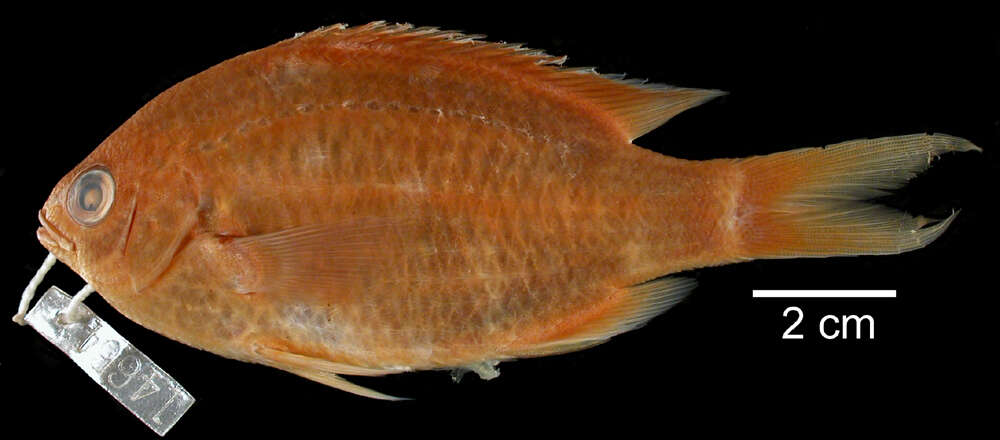


Species Identified
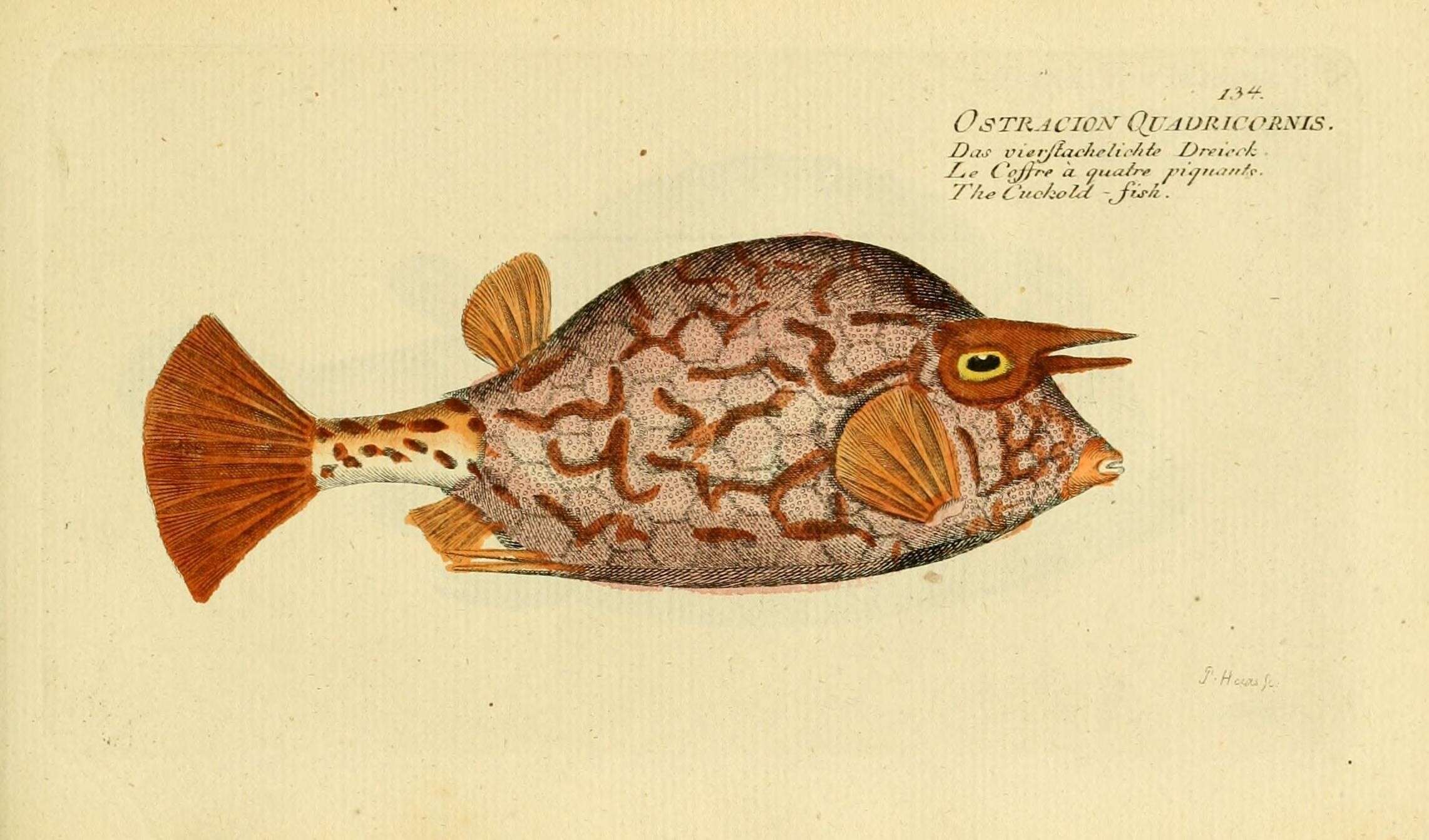
Acanthostracion quadricornis (Linnaeus, 1758) (Cowfish)
Found in shallow water down to about 80 m, mainly in seagrass beds . Feeds on sessile invertebrates such as tunicates, gorgonians and anemones, as well as on slow-moving crustaceans, sponges , hermit crabs and marine plants . Oviparous . Considered an excellent food fish; marketed fresh .
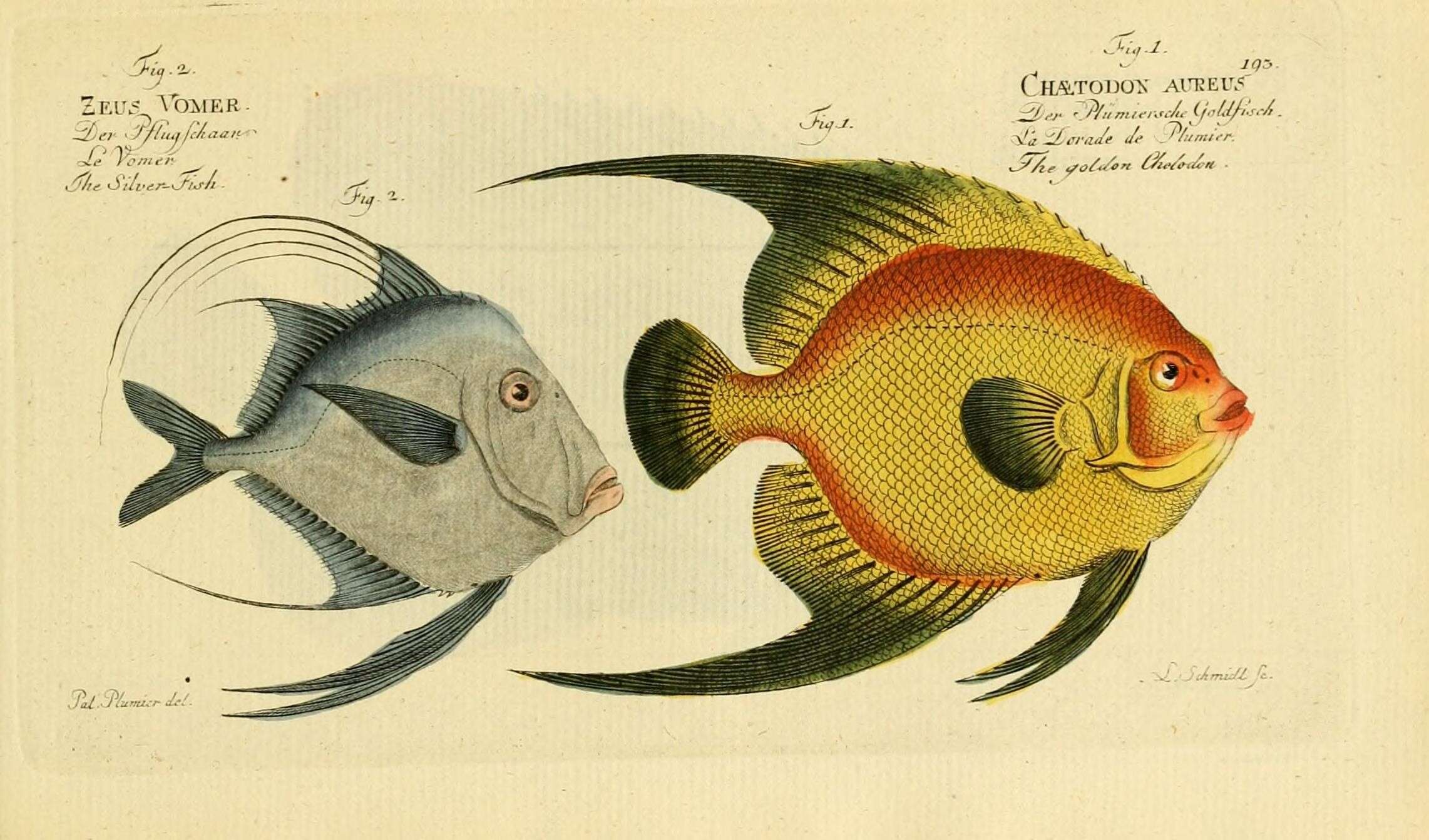
Pomacanthus paru (Bloch, 1787) (French angelfish)
Common in shallow reefs. Usually in pairs, often near sea fans . Feed on sponges, algae, bryozoans, zoantharians, gorgonians and tunicates . Oviparous , monogamous . Spawning pairs are strongly territorial, with usuall...
Read More
Read More
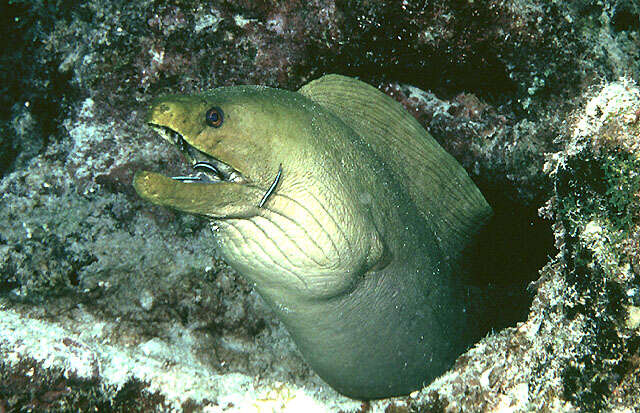
Gymnothorax funebris Ranzani, 1839 (Green cong)
A benthic and solitary species occurring along rocky shorelines, reefs, and mangroves .Usually found shallower than 30 m . Due to its large size and aggressiveness, the bites of this moray are particularly dangerous . F...
Read More
Read More
Chromis multilineata (Guichenot, 1853) (Cavalley pilot)
Generally occurs in steep slopes and patch reefs. A diurnal species , it most commonly forms moderate-sized feeding-schools over reef tops, rising above the bottom to feed on plankton, mainly copepods. Often seen with Chromis cyanea . Rarely marketed .
Chromis cyanea (Poey, 1860) (blue chromis)
Common above deep outer reefs and feeds in aggregations of the small zooplankton, primarily copepods . Often with creole wrasse. Retreats into coral crevices when frightened .
Lutjanus apodus (Walbaum, 1792) (Dogtooth snapper)
Occurs in shallow, clear, warm, coastal waters over coral reefs. Often near the shelter of elkhorn corals and gorgonians . Juveniles are encountered over sand bottoms with or without seagrass , and over muddy bottoms of ...
Read More
Read More
Aluterus scriptus (Osbeck, 1765) (Unicornfish)
Share on Social Networks
- Facebook:

personalize your shared text as well as its destination (wall, page...) or send as a private message to a friend
- Twitter: Tweet personalize your tweet
- Google Plus:
Direct link to this dive
- Long link:
- Short link:


 We are participating today in the startup contest Techcrunch Disrupt. Support Diveboard by voting for us!
























































































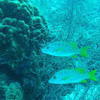
Although the visibility wasn't great, this was our favorite dive so far! On the sandy shallows I saw a very young juvenile french angel and a cowfish. During the dive we saw a hugh green moray eel. Most of the fish on the reef were the normal fish but they were extremely active! There were probably thousands of grey chromas swimming all over as if they were feeding. There were also many school masters throughout and a school of small purple fish, and two scrawled file fish that were changing colors.