


 April Leonard


 Netherlands Antilles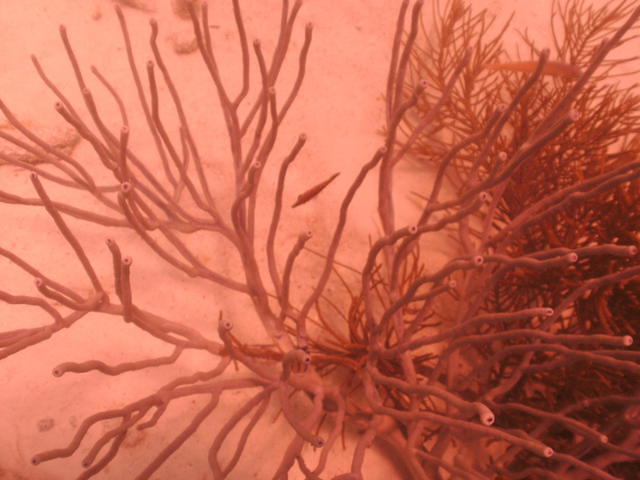
-
Nº67
 Date: 2016-10-03 - 13:05
-
 Max Depth: 16.2m Duration: 39mins
Dive Location

- Temp: Surf 35°C Bottom 29°C
- Dive type : Recreational, Reef, Photo, Shore dive
- Water: Salt
Specific gear used
- BCD: Oceanic - Hera
- Computer: Oceanic - Pro Plus 2.1
- Regulator: Oceanic - Delta 4
Dive reviews
| Overall review | ||
| Dive difficulty | ||
| Marine life quality |
Recent Divers in Bonaire



Recent Pictures in Bonaire
Dive Shop & Buddies
 Dive with Buddy Dive
 Dive buddies:
Justin Jantes,
Kevin Rapine,
Joe_kickass
Dive buddies:
Justin Jantes,
Kevin Rapine,
Joe_kickass

Link to this spot:
- Spot:
- Country:
- Area:
- Body of water:
Dive Profile
- 1. Nitrox 32
- 0L Steel 200 → 50 bar
- Average depth: m
- 2. Air
- 0L Steel 200 → 50 bar
- Average depth: m
- 3. Air
- 0L Steel 200 → 50 bar
- Average depth: 9.2m
Data provided by EOL.org

Species Identified
Aetobatus narinari (Euphrasen, 1790) (Bishop ray)
Large groups of spotted eagle rays may be seen outside of the breeding season. These rays swim close to the surface and can occasionally be seen jumping clear out of the water (known as 'breaching') . Females give birth to...
Read More
Read More
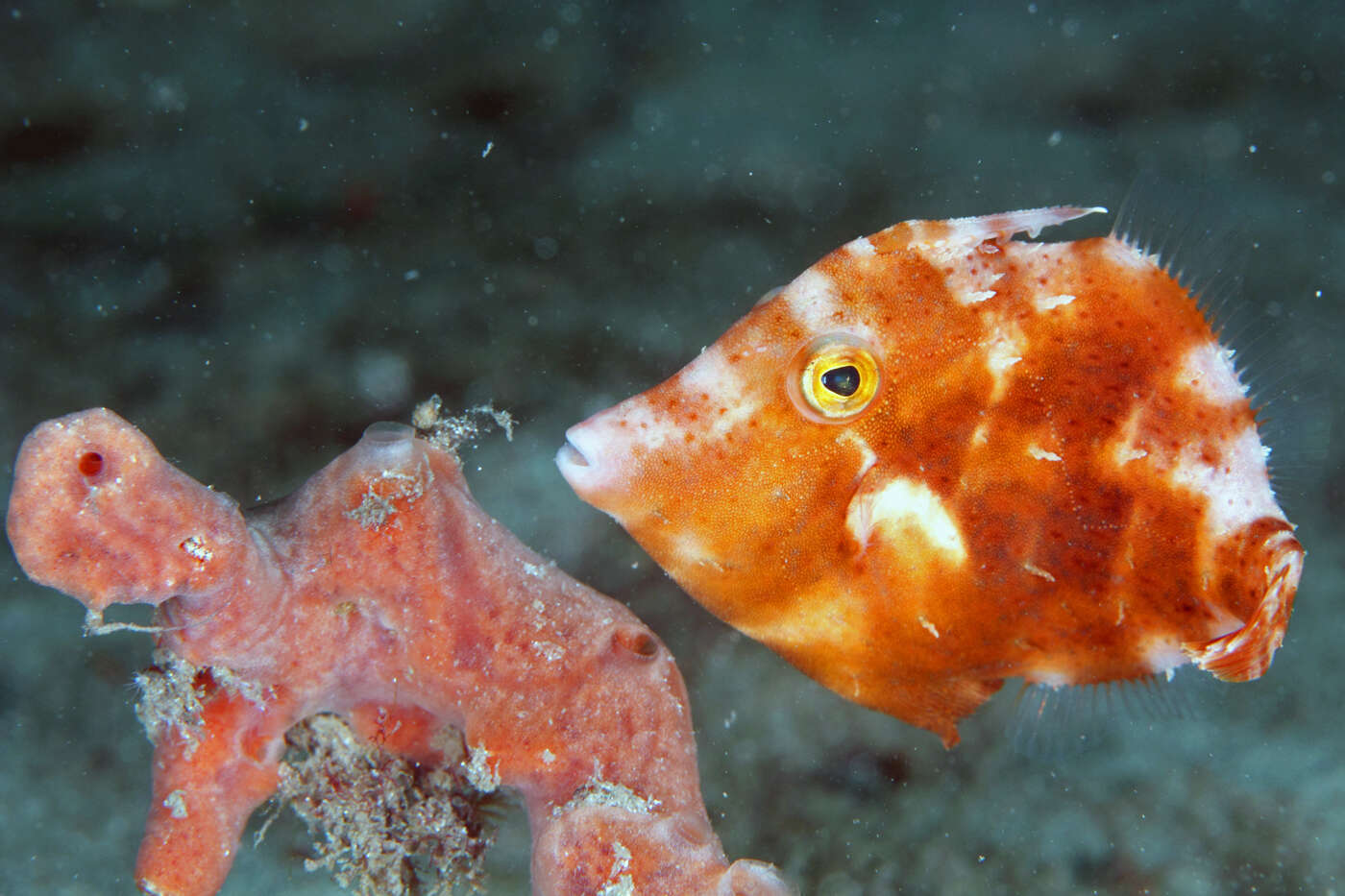
Monacanthus ciliatus (Mitchill, 1818) (Fringed Fiiefish)
Occurs in shallow water down to 50 m depth, over sandy and rocky bottoms, but more commonly in grass beds . Often seen moving head down among seagrass blades . The young are often associated with floating Sargassum . Feeds on plants and algae, and also on small crustaceans . Rarely consumed .
Megalops atlanticus Valenciennes, 1847 (Atlantic tarpon)
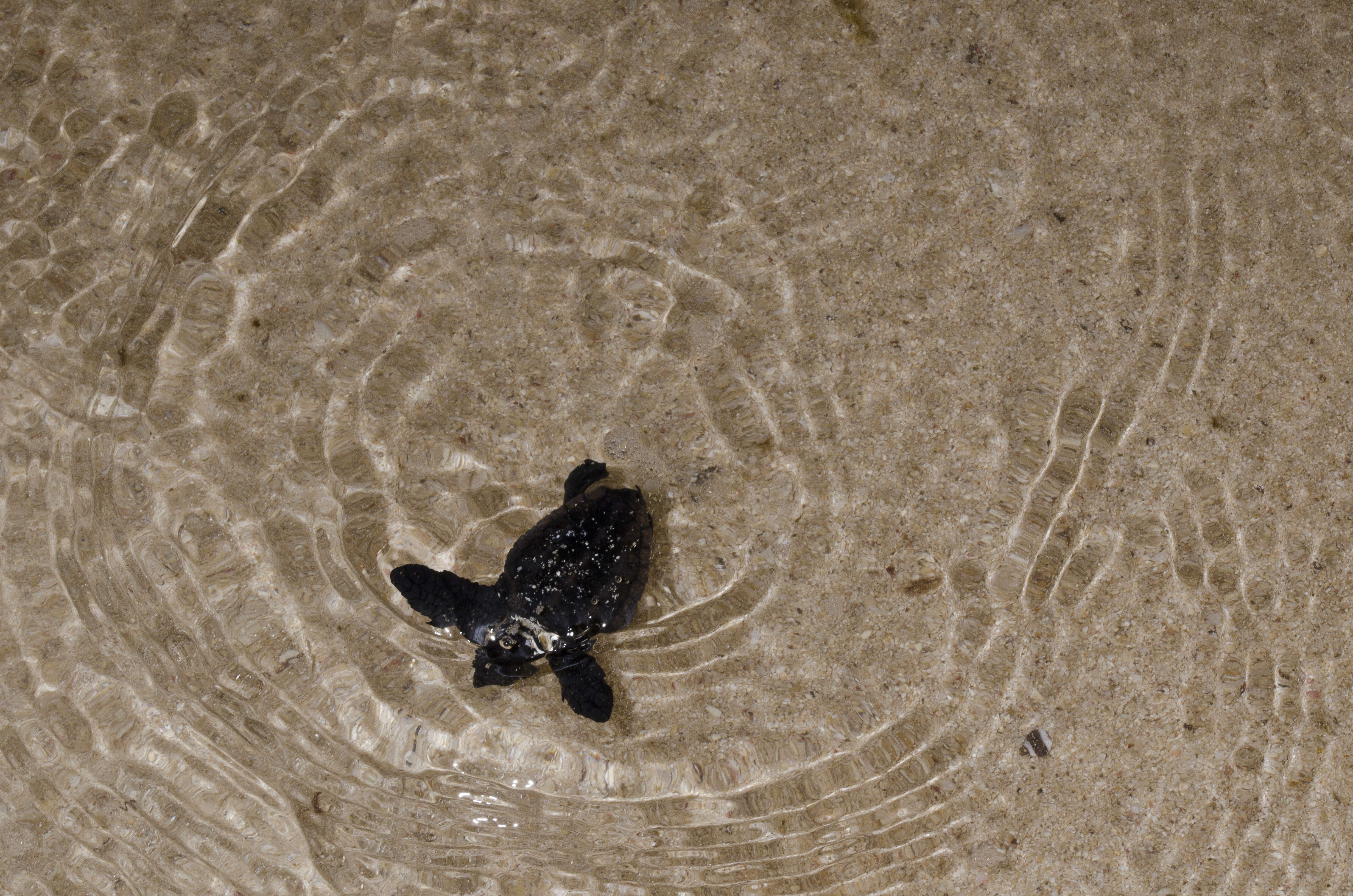
Caretta caretta Linnaeus 1758 (Loggerhead Turtle)
Adults are primarily carnivorous, using their powerful jaws to crack open crustaceans such as crabs and even seemingly impenetrable molluscs such as the queen conch (Strombus gigas) and giant clam (Tridacna s...
Read More
Read More
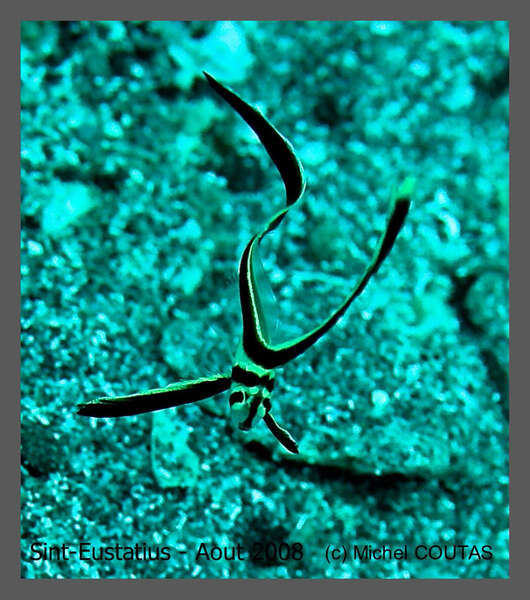
Equetus lanceolatus (Linnaeus, 1758) (Jack-knifefish)
Inhabits bays and sounds; also deep coral reefs . Juveniles sometimes inshore . Easily approached . Has been reared in captivity . Feeds mainly on small shrimps and crabs, but also on polychaete worms and gastropod mollusks .
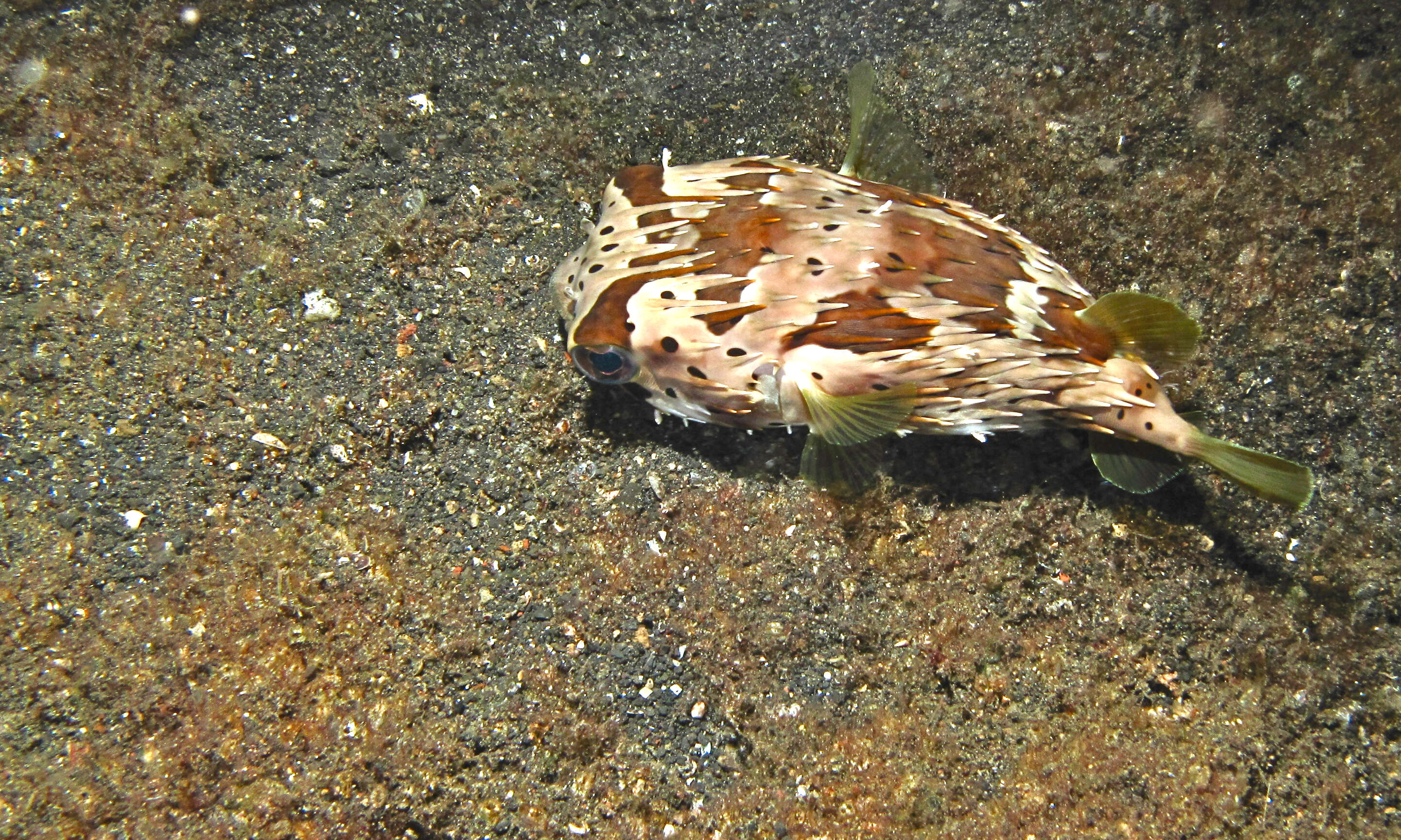
Diodon holocanthus Linnaeus, 1758 (Long-spine porcupinefish)
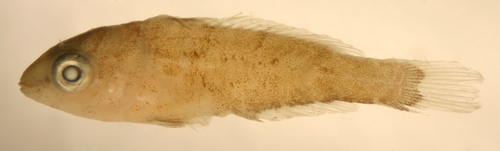
Nicholsina usta (Valenciennes, 1840) (Emerald parrotfish)
Share on Social Networks
- Facebook:

personalize your shared text as well as its destination (wall, page...) or send as a private message to a friend
- Twitter: Tweet personalize your tweet
- Google Plus:
Direct link to this dive
- Long link:
- Short link:


 We are participating today in the startup contest Techcrunch Disrupt. Support Diveboard by voting for us!
























































































Justin's tank was very low on air to begin with - he left a bit early and Kevin and I hung out around our exit point for awhile. This was a great dive - lots of live and interesting reef structure. We saw a spotted eagle ray, a tiny filefish, a tarpon, a turtle, and a drum. After Justin left, Kevin chased a pufferfish around with the camera and we saw a huge midnight parrotfish.