



 April Leonard


 Netherlands Antilles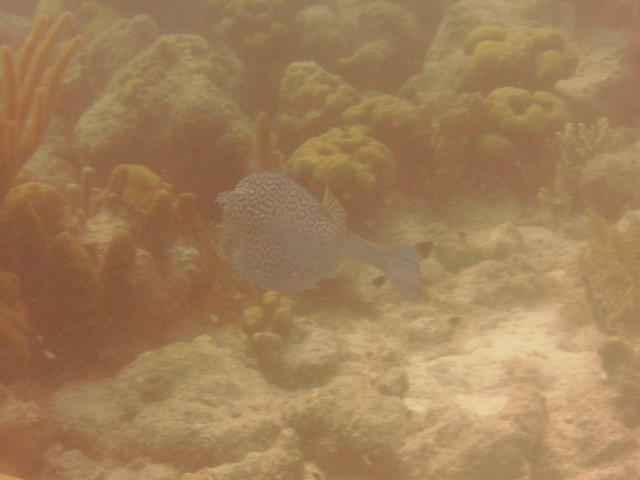
-
Nº45
 Date: 2015-07-08 - 16:05
-
 Max Depth: 18.1m Duration: 41mins
Dive Location

- Temp: Surf 33°C Bottom 26°C
- Dive type : Recreational, Reef, Photo, Shore dive
- Visibility: Average Water: Salt
Specific gear used
- BCD: Oceanic - Hera
- Computer: Oceanic - Pro Plus 2.1
- Regulator: Oceanic - Delta 4
- Weights: 3.6 kg
Dive reviews
| Overall review | ||
| Marine life quality |
Recent Divers in Bonaire



Recent Pictures in Bonaire
Dive Shop & Buddies
 Dive with Dive Friends Bonaire
 Dive buddies:
Justin Jantes,
Joe_kickass
Dive buddies:
Justin Jantes,
Joe_kickass

Link to this spot:
- Spot:
- Country:
- Area:
- Body of water:
Dive Profile
- 1. Nitrox 32
- 0L Steel 200 → 50 bar
- Average depth: m
- 2. Air
- 0L Steel 200 → 50 bar
- Average depth: m
- 3. Air
- 0L Steel 200 → 50 bar
- Average depth: 9.9m
Data provided by EOL.org
Species Identified
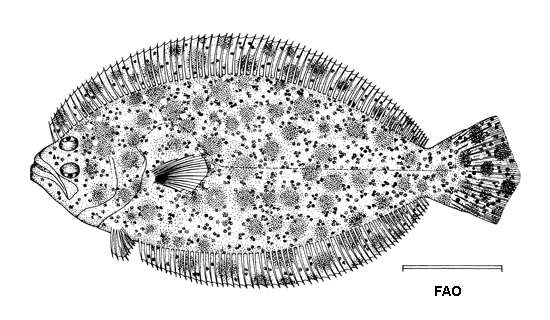
Paralichthys tropicus Ginsburg, 1933 (Tropical flounder)
Found over muddy and sandy bottoms. Marketed fresh.
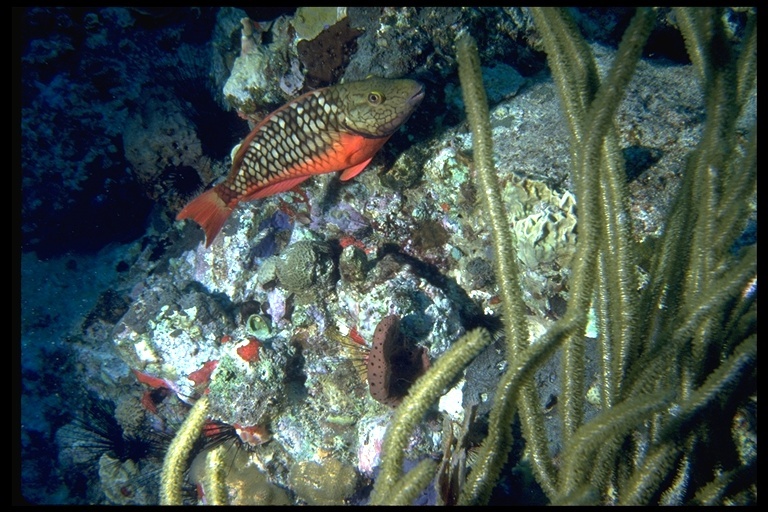
Sparisoma viride (Bonnaterre, 1788) (Dark green parrotfish)
Inhabits coral reefs with clear water . Young may be found in seagrass beds and other heavily vegetated bottoms. Feeds mainly on soft algae, but has been observed to graze on live corals like, Montastraea annularis . Pr...
Read More
Read More
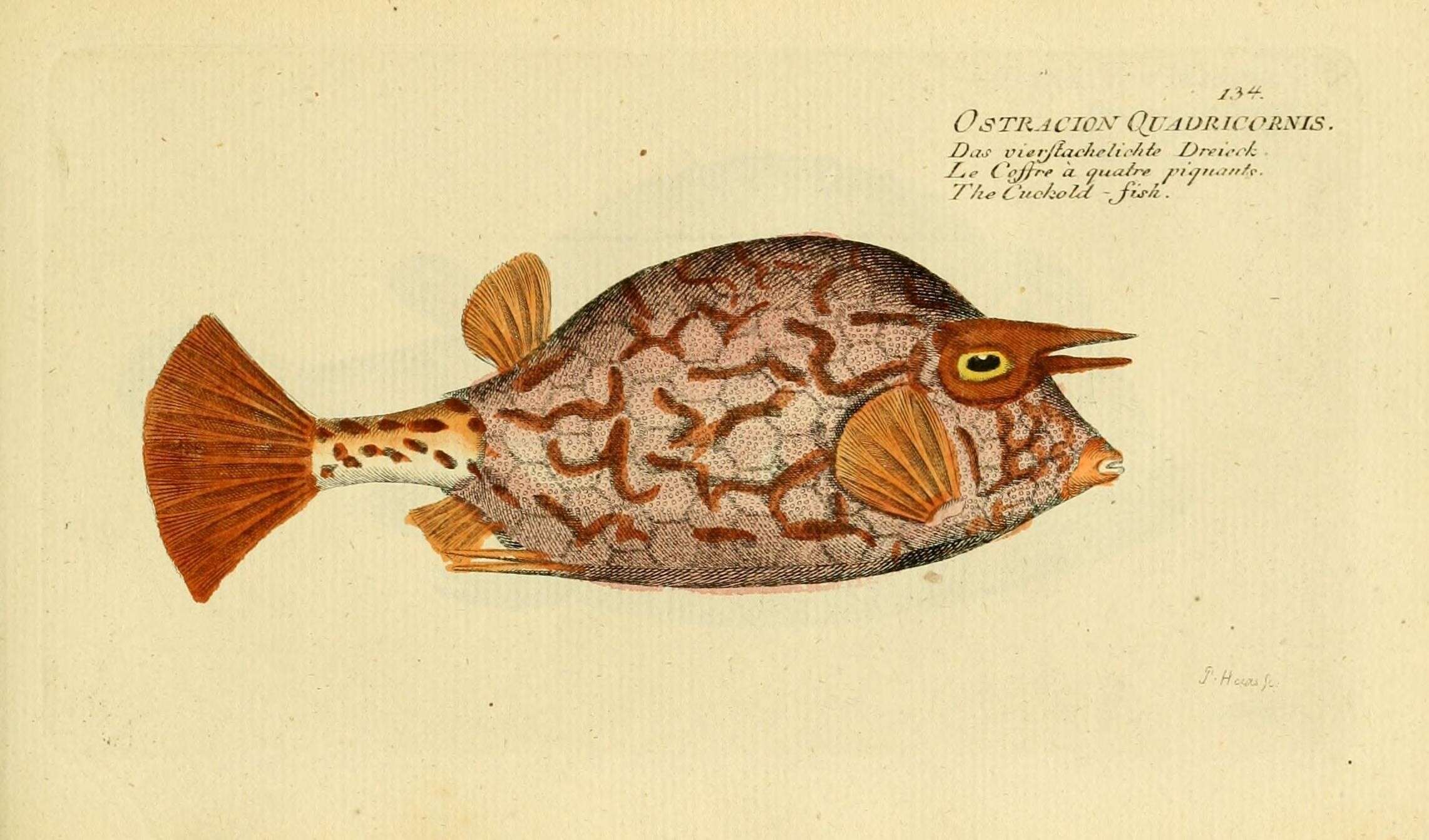
Acanthostracion quadricornis (Linnaeus, 1758) (Cowfish)
Found in shallow water down to about 80 m, mainly in seagrass beds . Feeds on sessile invertebrates such as tunicates, gorgonians and anemones, as well as on slow-moving crustaceans, sponges , hermit crabs and marine plants . Oviparous . Considered an excellent food fish; marketed fresh .
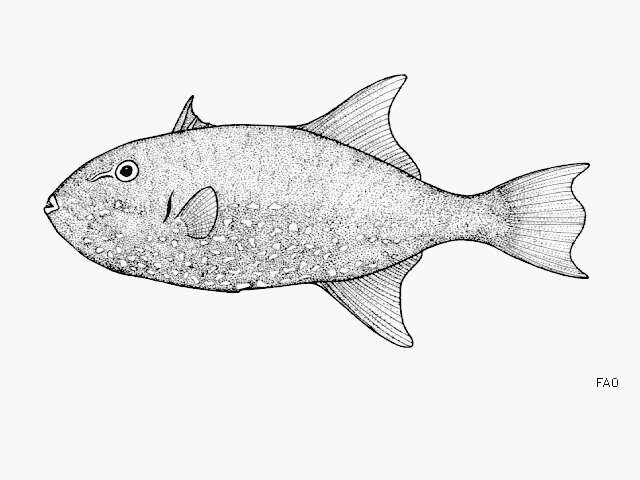
Canthidermis maculata (Bloch, 1786) (Spotted oceanic triggerfish)
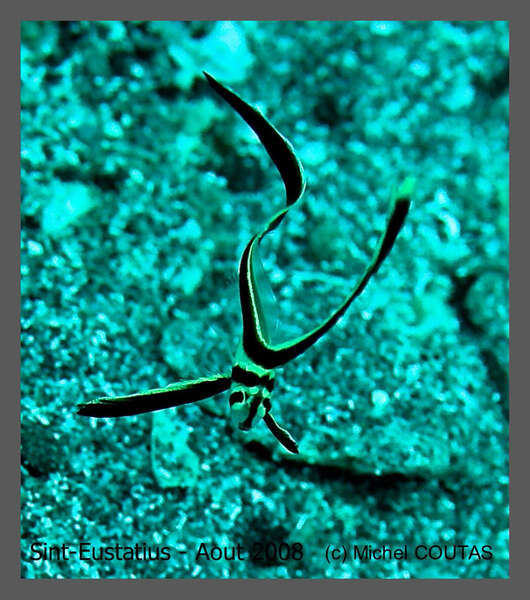
Equetus lanceolatus (Linnaeus, 1758) (Jack-knifefish)
Inhabits bays and sounds; also deep coral reefs . Juveniles sometimes inshore . Easily approached . Has been reared in captivity . Feeds mainly on small shrimps and crabs, but also on polychaete worms and gastropod mollusks .
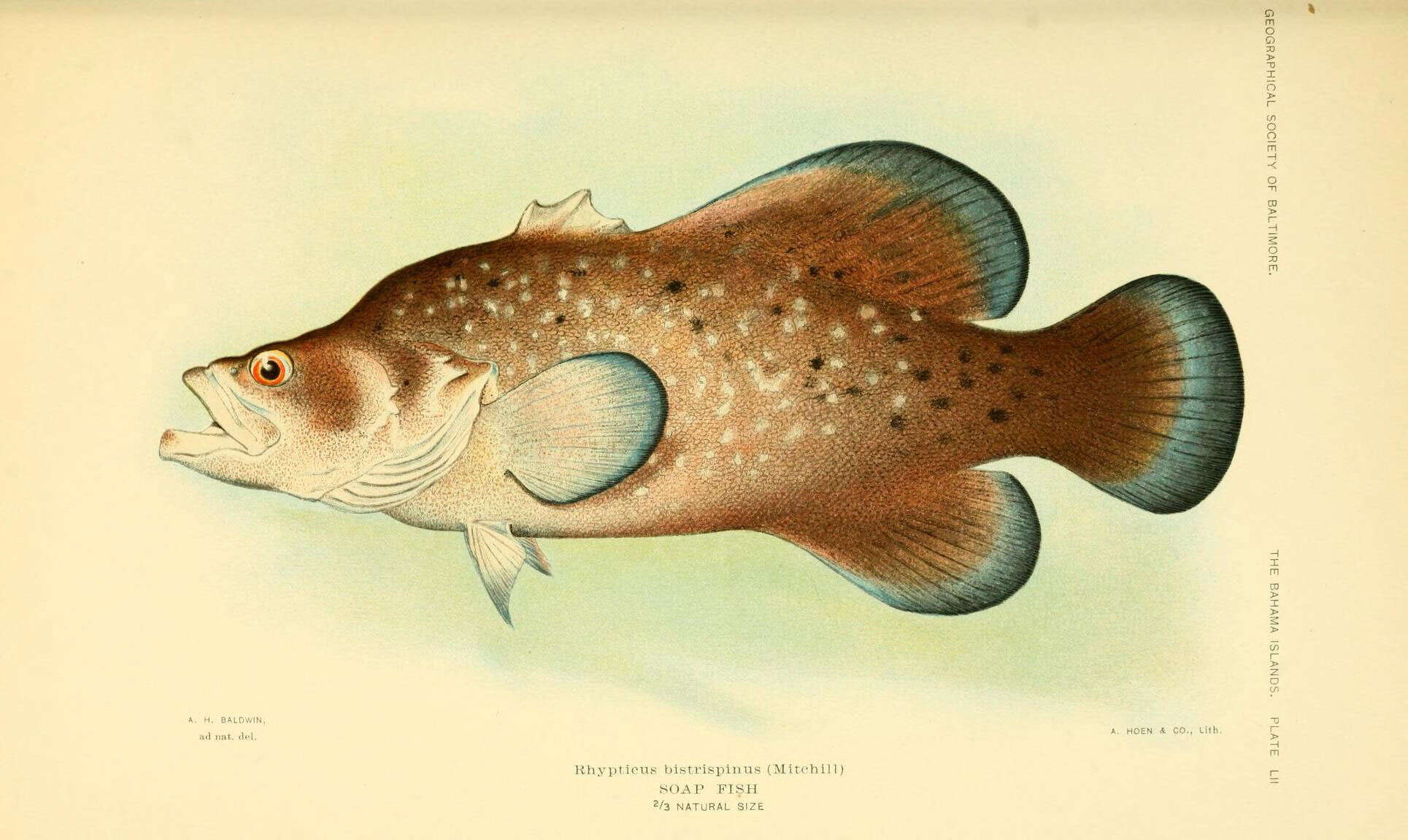
Rypticus bistrispinus (Mitchill, 1818) (Soapfish)
A solitary species inhabiting sandy bottom strewn with rocks . Rarely observed on reefs . Like other soapfishes, it has special skin glands that produce an irritating, mildly toxic slime .
Share on Social Networks
- Facebook:

personalize your shared text as well as its destination (wall, page...) or send as a private message to a friend
- Twitter: Tweet personalize your tweet
- Google Plus:
Direct link to this dive
- Long link:
- Short link:


 We are participating today in the startup contest Techcrunch Disrupt. Support Diveboard by voting for us!
























































































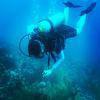
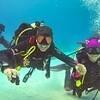
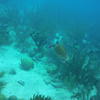
This was a nice dive but the visibility was poor and the current was quite strong. We saw a peacock flounder and a huge midnight parrot fish in the sandy shallows. There was a big cowfish at the top of the reef. We saw our first black durgon of the trip during this dive. There was also a large drum fish and a soapfish. The reef structure was interesting with a large coral pillar we swam around at our turn-around point.