


 April Leonard

 Netherlands Antilles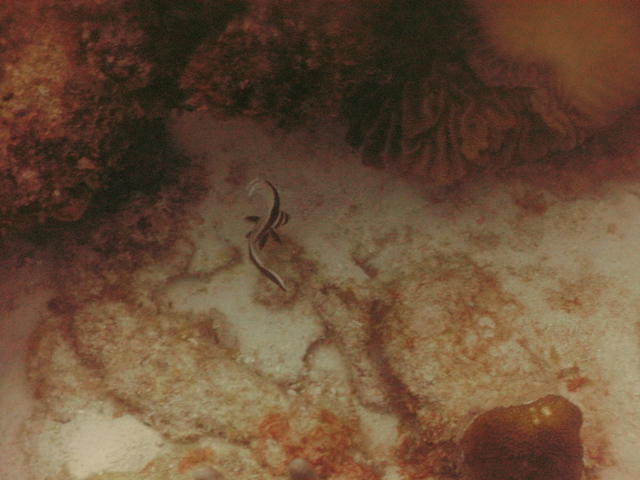
-
Nº38
 Date: 2015-07-06 - 10:16
-
 Max Depth: 21.9m Duration: 38mins
Dive Location

- Temp: Surf 33°C Bottom 26°C
- Dive type : Recreational, Reef, Photo, Shore dive
- Visibility: Average Water: Salt
Specific gear used
- BCD: Oceanic - Hera
- Computer: Oceanic - Pro Plus 2.1
- Regulator: Oceanic - Delta 4
- Weights: 3.6 kg
Dive reviews
| Overall review | ||
| Marine life quality |
Recent Divers in Bonaire



Recent Pictures in Bonaire
Dive Shop & Buddies
 Dive with Dive Friends Bonaire
 Dive buddies:
Justin Jantes,
Joe_kickass
Dive buddies:
Justin Jantes,
Joe_kickass

Link to this spot:
- Spot:
- Country:
- Area:
- Body of water:
Dive Profile
- 1. Nitrox 31
- 0L Steel 200 → 50 bar
- Average depth: m
- 2. Air
- 0L Steel 200 → 50 bar
- Average depth: m
- 3. Air
- 0L Steel 200 → 50 bar
- Average depth: 11.9m
Data provided by EOL.org
Species Identified
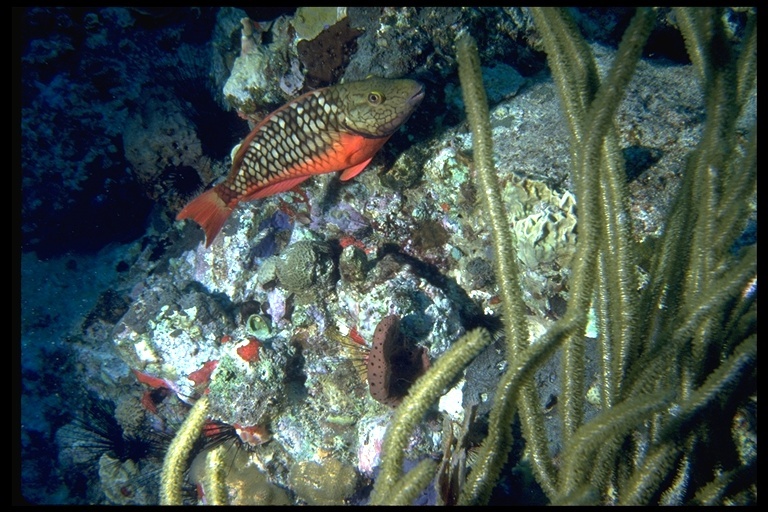
Sparisoma viride (Bonnaterre, 1788) (Dark green parrotfish)
Inhabits coral reefs with clear water . Young may be found in seagrass beds and other heavily vegetated bottoms. Feeds mainly on soft algae, but has been observed to graze on live corals like, Montastraea annularis . Pr...
Read More
Read More
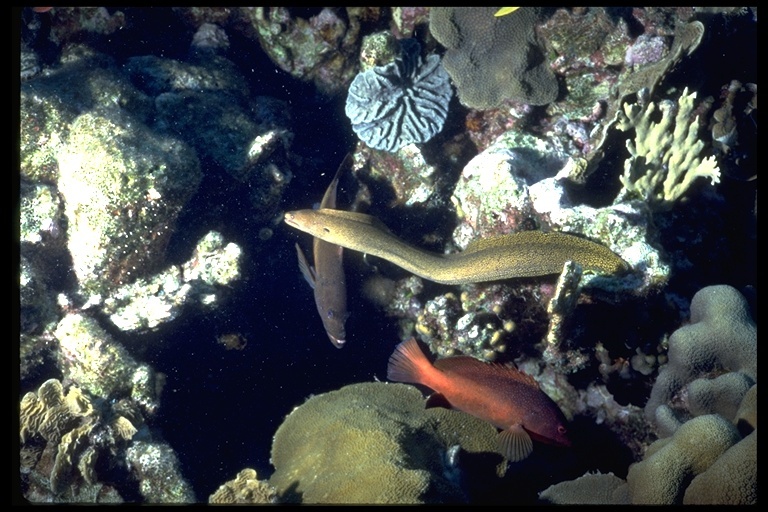
Gymnothorax miliaris (Kaup, 1856) (Bastard eel)
A benthic and solitary species inhabiting coral reefs and rocky shorelines. Usually at depths of 60 m . One of the most common and easily recognized morays of the West Indian reefs, active during the day and sometimes h...
Read More
Read More
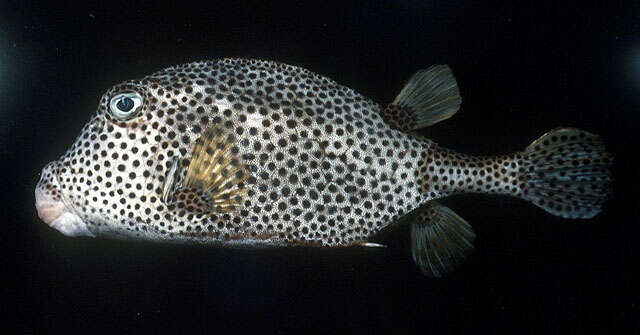
Lactophrys bicaudalis (Linnaeus, 1758) (Trunkfish)
Found in clear water around coral reefs. Sometimes under ledges and near small holes . Feeds on a variety of small bottom invertebrates such as mollusks, crustaceans, starfishes, sea urchins, sea cucumbers, sessile tunic...
Read More
Read More
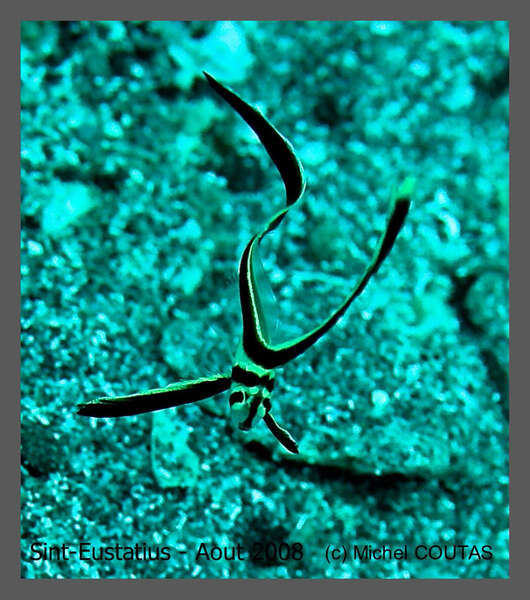
Equetus lanceolatus (Linnaeus, 1758) (Jack-knifefish)
Inhabits bays and sounds; also deep coral reefs . Juveniles sometimes inshore . Easily approached . Has been reared in captivity . Feeds mainly on small shrimps and crabs, but also on polychaete worms and gastropod mollusks .
Share on Social Networks
- Facebook:

personalize your shared text as well as its destination (wall, page...) or send as a private message to a friend
- Twitter: Tweet personalize your tweet
- Google Plus:
Direct link to this dive
- Long link:
- Short link:


 We are participating today in the startup contest Techcrunch Disrupt. Support Diveboard by voting for us!
























































































This was our first dive completely on our own. Justin did a great job finding our exit point which I would have missed otherwise. For some reason I had difficulty controlling my buoyancy (found out later that my BCD wasn't holding air) on this dive and the visibility wasn't great. We saw many parrotfish, a baby moray, trunk fish, and a young drumfish. Saw four iguanas on the shore before the dive.