


 April Leonard


 Netherlands Antilles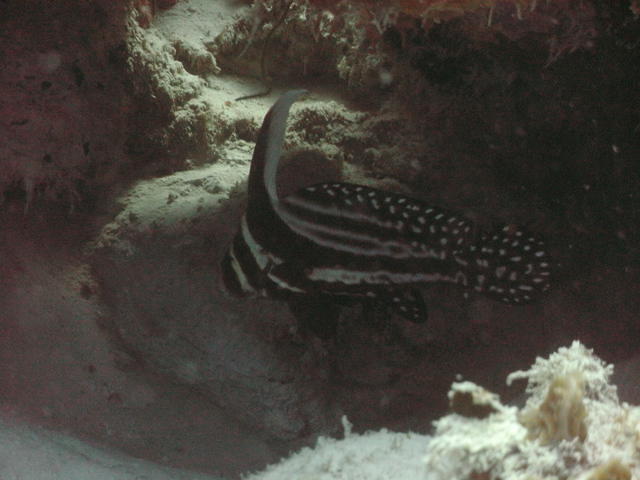
-
Nº71
 Date: 2016-10-06 - 11:54
-
 Max Depth: 21.6m Duration: 30mins
Dive Location

- Temp: Surf 33°C Bottom 28°C
- Dive type : Recreational, Reef, Photo, Shore dive
- Water: Salt
Specific gear used
- BCD: Oceanic - Hera
- Computer: Oceanic - Pro Plus 2.1
- Regulator: Oceanic - Delta 4
Dive reviews
| Overall review | ||
| Dive difficulty | ||
| Marine life quality |
Recent Divers in Bonaire



Recent Pictures in Bonaire
Dive Shop & Buddies
 Dive with Buddy Dive
 Dive buddies:
Justin Jantes,
Kevin Rapine,
Joe_kickass
Dive buddies:
Justin Jantes,
Kevin Rapine,
Joe_kickass

Link to this spot:
- Spot:
- Country:
- Area:
- Body of water:
Dive Profile
- 1. Nitrox 32
- 0L Steel 200 → 50 bar
- Average depth: m
- 2. Air
- 0L Steel 200 → 50 bar
- Average depth: m
- 3. Air
- 0L Steel 200 → 50 bar
- Average depth: 14.2m
Data provided by EOL.org

Species Identified
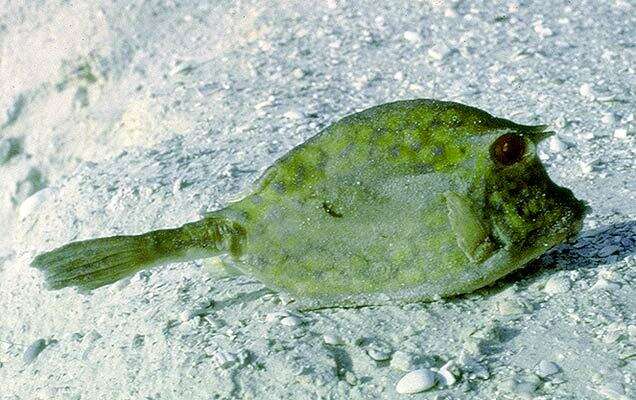
Acanthostracion polygonius Poey, 1876 (honeycomb cowfish)
Occurs in clear water around coral reefs. Feeds on sponges, alcyonarians, tunicates, and shrimp. Uncommon and wary . Consumed fresh, generally roasted .
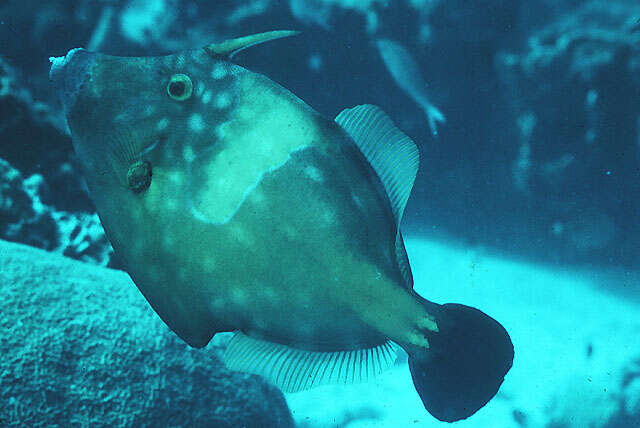
Cantherhines macrocerus (Hollard, 1853) (chivo)
Inhabits coral reefs or rocky bottoms . Found among gorgonians. Occurs in pairs . Feeds mainly on sponges, gorgonians, and algae but also eats hydroids and stinging coral .
Scorpaena plumieri Bloch, 1789 (Spotted scorpionfish)
Found mostly in shallow coral reef and rocky areas. Lies motionless on the bottom . Feeds mostly on other fishes and crustaceans. Moderately common below about 5 m depth to at least 55 m. Displays characteristic bright...
Read More
Read More
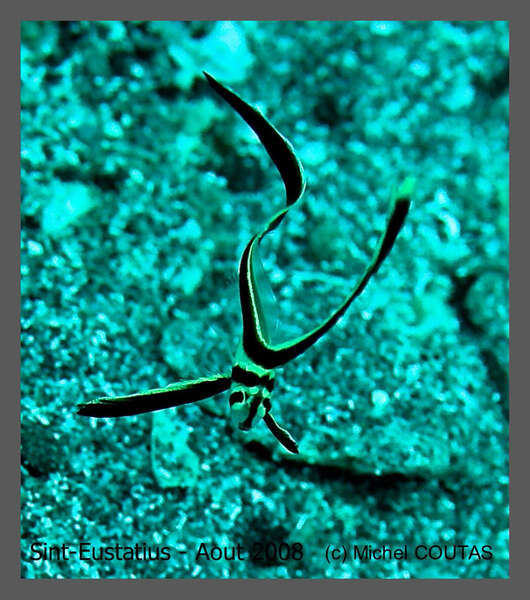
Equetus lanceolatus (Linnaeus, 1758) (Jack-knifefish)
Inhabits bays and sounds; also deep coral reefs . Juveniles sometimes inshore . Easily approached . Has been reared in captivity . Feeds mainly on small shrimps and crabs, but also on polychaete worms and gastropod mollusks .
Share on Social Networks
- Facebook:

personalize your shared text as well as its destination (wall, page...) or send as a private message to a friend
- Twitter: Tweet personalize your tweet
- Google Plus:
Direct link to this dive
- Long link:
- Short link:


 We are participating today in the startup contest Techcrunch Disrupt. Support Diveboard by voting for us!
























































































The current was very strong on this dive - almost too strong to be enjoyable. It was difficult to stop and look at anything. This may have been a good dive if not for the current - we saw many chromas, cow fish, a white spotted file fish, a scorpion fish, and an intermediate stage drum.