



 April Leonard


 Cayman Islands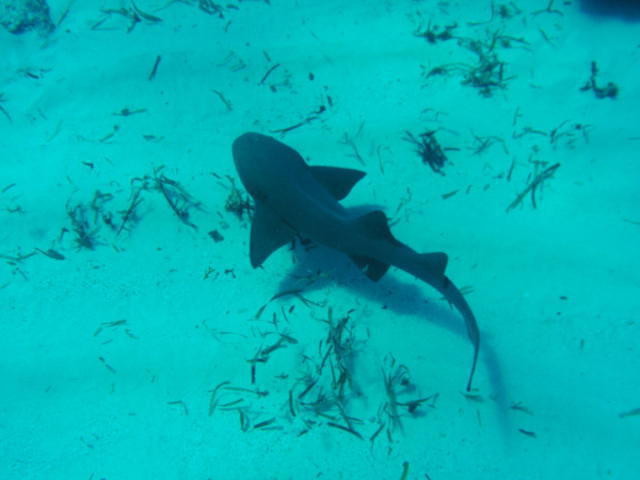
-
Nº25
 Date: 2014-06-29 - 09:56
-
 Max Depth: 18.9m Duration: 49mins
Dive Location

- Surface interval:41 mins
- Temp: Surf 29°C Bottom 28°C
- Dive type : Recreational, Reef, Photo
- Visibility: Excellent Water: Salt
Specific gear used
- BCD: Oceanic - Hera
- Computer: Oceanic - Pro Plus 2.1
- Regulator: Oceanic - Delta 4
- Weights: 4.5 kg
Dive reviews
| Overall review | ||
| Dive difficulty | ||
| Marine life quality |
Recent Divers in East End Grand Cayman

Recent Pictures in East End Grand Cayman
Dive Shop & Buddies
 Dive with Ocean Frontiers, Ltd.
 Dive buddies:
Justin Jantes,
Kevin Rapine,
Joe_kickass
Dive buddies:
Justin Jantes,
Kevin Rapine,
Joe_kickass

Link to this spot:
- Spot:
- Country:
- Area:
- Body of water:
Dive Profile
- 1. Air
- 0L Steel 200 → 50 bar
- Average depth: m
- 2. Air
- 0L Steel 200 → 50 bar
- Average depth: m
- 3. Air
- 0L Steel 200 → 50 bar
- Average depth: 14m
Data provided by EOL.org


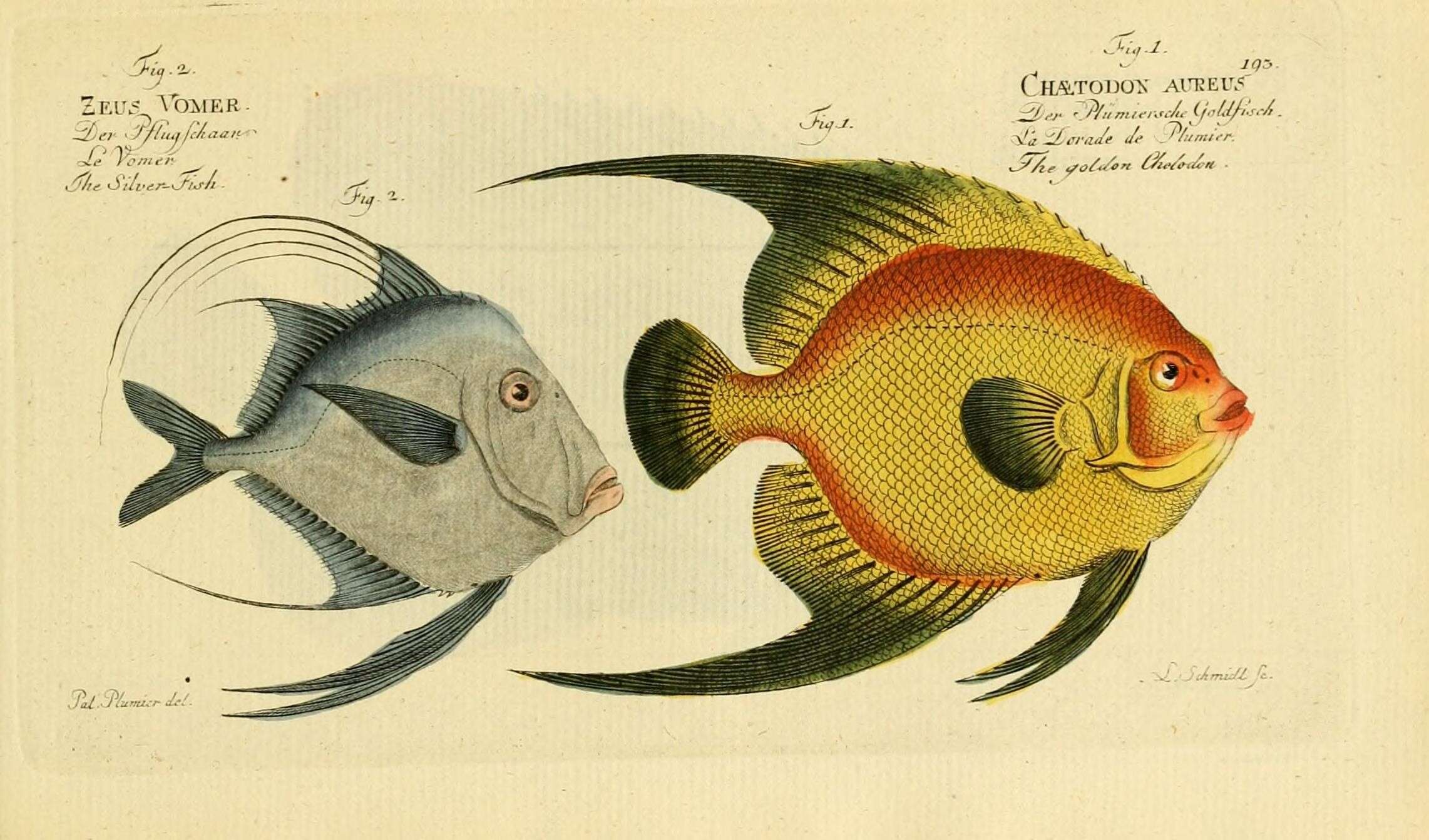
Species Identified
Ginglymostoma cirratum (Bonnaterre, 1788) (Nurse shark)
During the day the nurse shark is a sluggish animal, spending most of its time resting on sandy bottoms, or in crevices in rocks and coral reefs. Often several nurse sharks may congregate when resting, sometimes even pili...
Read More
Read More
Holocentrus adscensionis (Osbeck, 1765) (Squirrelfish)
Occurs in shallow coral reefs, as well as deeper offshore waters . A nocturnal species, hiding in deep crevices or under coral ledges during the day; at night it usually moves over sand and grass beds, taking mainly crabs...
Read More
Read More
Pomacanthus paru (Bloch, 1787) (French angelfish)
Common in shallow reefs. Usually in pairs, often near sea fans . Feed on sponges, algae, bryozoans, zoantharians, gorgonians and tunicates . Oviparous , monogamous . Spawning pairs are strongly territorial, with usuall...
Read More
Read More
Share on Social Networks
- Facebook:

personalize your shared text as well as its destination (wall, page...) or send as a private message to a friend
- Twitter: Tweet personalize your tweet
- Google Plus:
Direct link to this dive
- Long link:
- Short link:


 We are participating today in the startup contest Techcrunch Disrupt. Support Diveboard by voting for us!
























































































Small sections of coral reef in a large circle with a sandy area in the middle. We saw a nurse shark, a huge squirrel fish, and a giant frenc angel. The reefs in Grand Cayman seem much deeper than in Roatan and Key Largo - makes it deceptive for air consumption.