


 Beachnutts



 Philippines
-
Nº98
 Date: 2023-08-20 - 01:45
-
 Max Depth: 19.5m Duration: 79mins
Dive Location

- Surface interval:127 mins
- Temp: Surf 26°C Bottom 26°C
- Dive type : Recreational, Drift, Photo
- Visibility: Average Water: Salt
Specific gear used
- BCD: Oceanic - OceanPro
- Camera: Olympus - TG6
- Computer: Oceanic - OCS
- Fins: Scubapro - Jet Fins
- Knife: Scuba MAx - folding
- Lift bag: ScubaMax - SMB
- Light: Odnum - Diving
- Light: Sofirn - SD05
- Mask: Promate - Scope
- Regulator: Aqualung - Titan LX
- Wet suit: Blue Ocean - Diveskin
Dive reviews
| Overall review | ||
| Dive difficulty | ||
| Marine life quality |
Recent Divers in Talikud Island, Davao
Recent Pictures in Talikud Island, Davao
Dive Shop & Buddies
 Dive with Blake Auge
 Dive buddies:
Beachnutts

Link to this spot:
- Spot:
- Country:
- Area:
- Body of water:
Dive Profile
- 1. Air
- 10L Aluminium 207 → 31 bar
- Average depth: 13m
Data provided by EOL.org



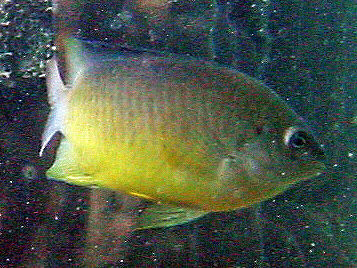
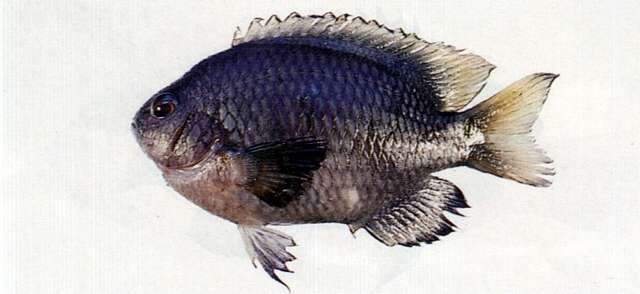
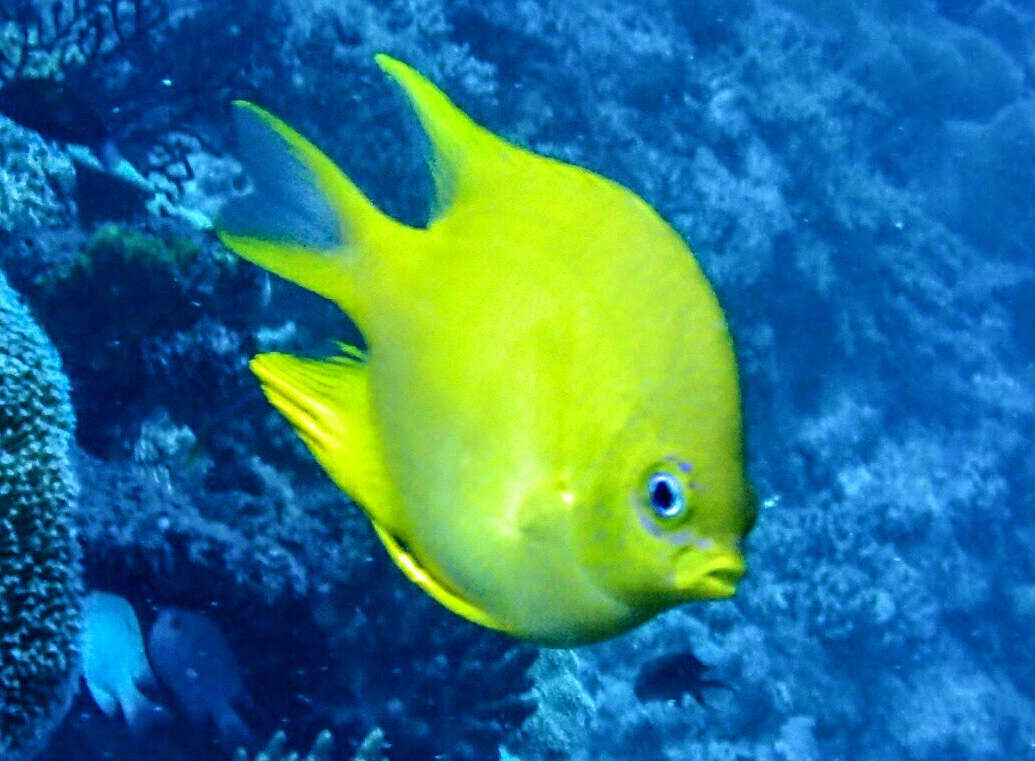




Species Identified
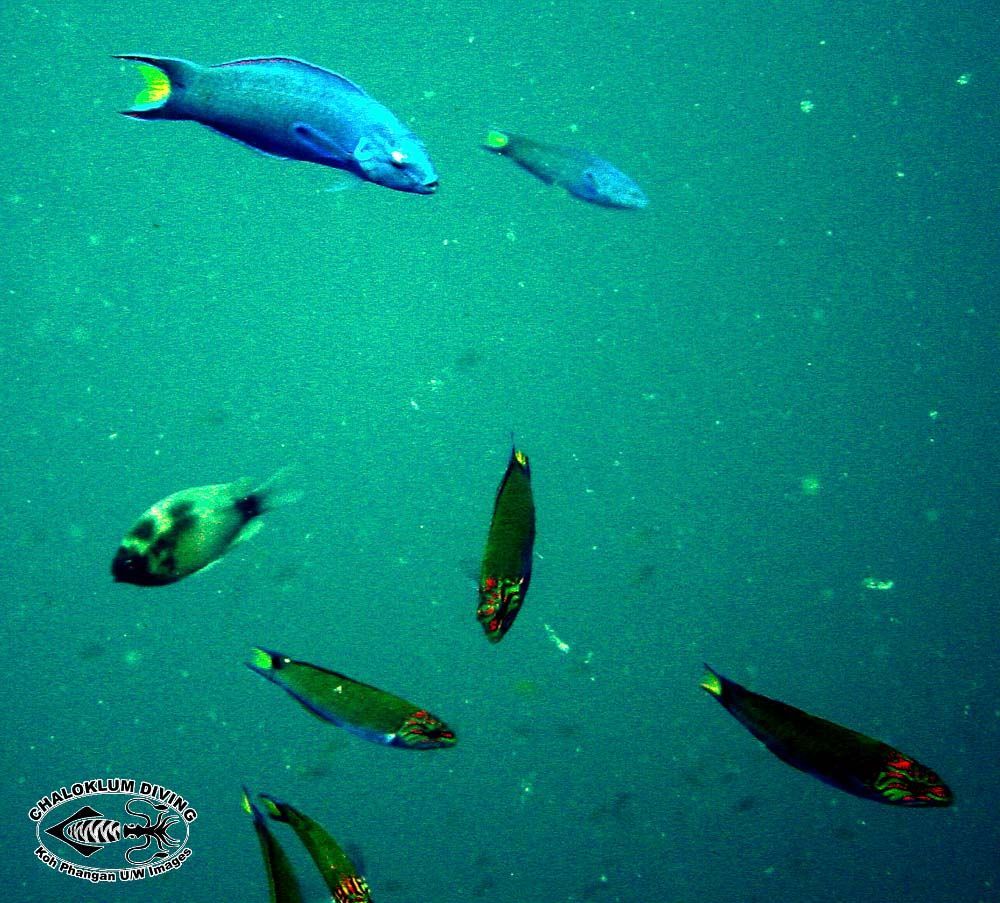
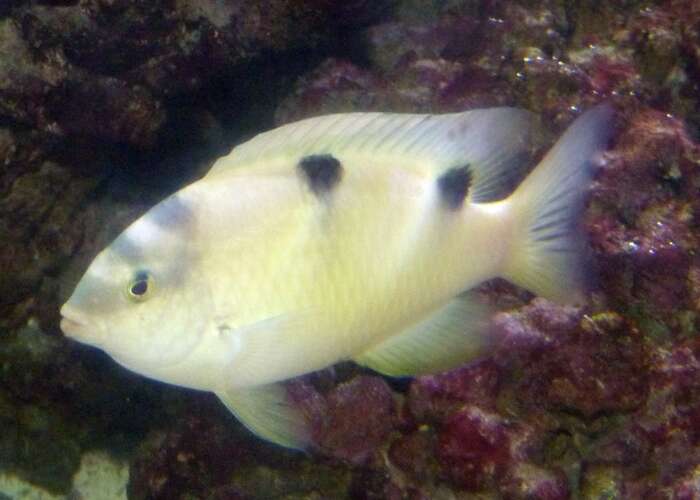
Thalassoma lunare (Linnaeus, 1758) (Blue wrasse)
Occurs in the upper portions of lagoon and coastal reefs, and in protected seaward reefs . Enters estuaries . Usually found on upper portions of ledges and heads . Feeds mainly on small benthic invertebrates and fish eggs . A protogynous hermaphrodite .
Pseudocheilinus evanidus Jordan and Evermann, 1903 (Striated wrasse)
Found among patches of rubble or among branching coral of seaward reef slopes from 6 to at least 40 m . Benthopelagic . Rare in less than 20 m . Generally solitary and feeds on small benthic invertebrates .
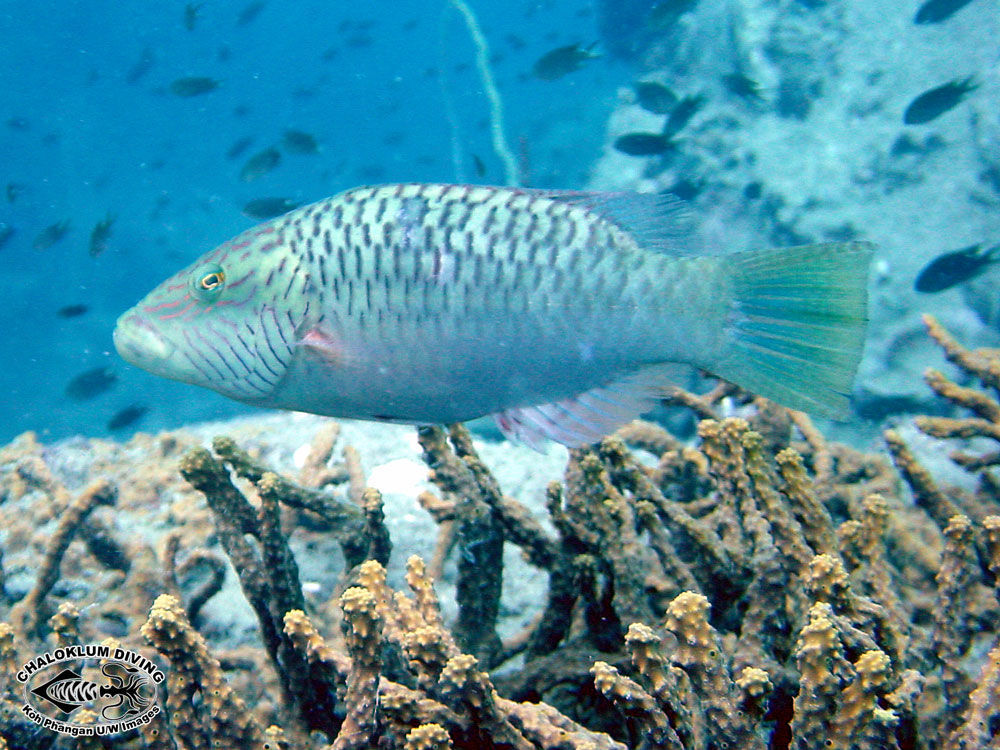
Oxycheilinus digramma (Lacepède, 1801) (Cheeklined wrasse)
Inhabits lagoon and sheltered seaward reefs in coral rich areas . Possibly to 120 m depths. Young is more inshore on sheltered reef crests or slopes, usually amongst soft corals or stinging hydrozoans . Feeds on hard-sh...
Read More
Read More
Cheilinus trilobatus Lacepède, 1801 (Tripletail wrasse)
Adults inhabit lagoon and seaward reefs at depths of 1 to over 30 m, and relatively common along shallow reef margins with good coral cover . Usually solitary . Feed mainly on shelled benthic invertebrates such as mollus...
Read More
Read More
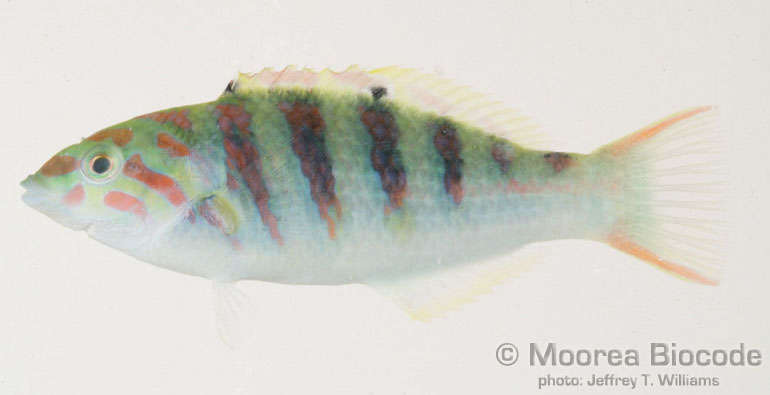
Thalassoma hardwicke (Bennett, 1830) (Sixbar wrasse)
Occurs in shallow lagoon and seaward reefs, slopes and along drop-offs to moderate depths. Occurs in small, loose groups . Feeds on benthic and planktonic crustaceans, small fishes, and foraminiferans.
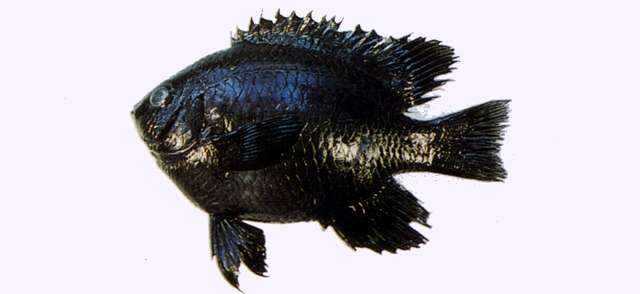
Neoglyphidodon melas (Cuvier, 1830) (black damselfish)
Found in coral-rich areas of lagoon and seaward reefs and usually associated with soft corals on which it feeds . Occur singly or in pairs . Juveniles are encountered in around staghorn Acropora corals . Adults often near Tridacna clams and may feed on their feces .
Pomacentrus simsiang Bleeker, 1856 (Blueback damsel)
Occurs singly or in small aggregations at slightly turbid areas of lagoon and coastal reefs. Feeds mainly on benthic algae.
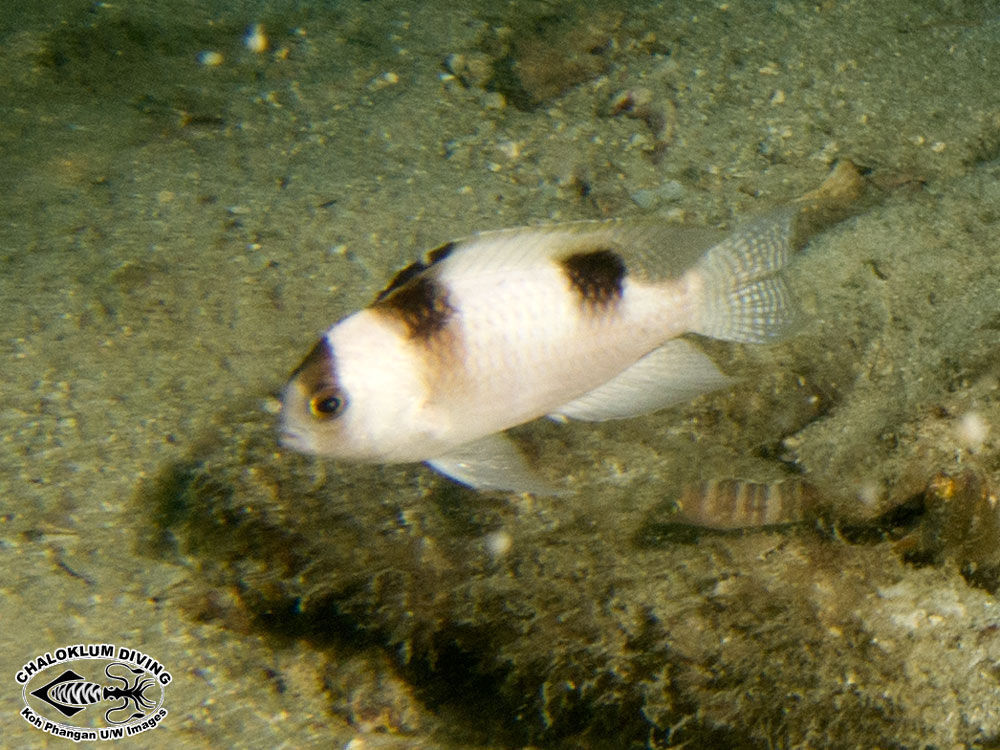
Dischistodus fasciatus (Cuvier, 1830) (Banded damsel)
Inhabits silty lagoon and coastal reefs around coral outcrops and seagrass beds . Often adjacent to clear mangrove coasts among rubble and Sargassum algae, to a few meters depth .
Dischistodus prosopotaenia (Bleeker, 1852) (Honey-head damsel)
Inhabits lagoons and coastal reefs, usually in silty areas . The true D. prosopotaenia ranges from Singapore to Sulawesi while the yellow-breasted variant ranges from Irian Jaya to eastern Australia and Vanuatu .
Pomacentrus chrysurus Cuvier, 1830 (Whitetail damsel)
Inhabits sandy areas of lagoons and inshore reefs around rock or coral outcrops. Feeds primarily on algae.
Pomacentrus tripunctatus Cuvier, 1830 (Threespot damsel)
A shallow water species, solitary, in holes of small rocks on sandy bottom with coral rubbles. Inhabits shallow bays, silty coastal reefs and harbors with sparse coral and algal growth. Feeds mainly on benthic algae.
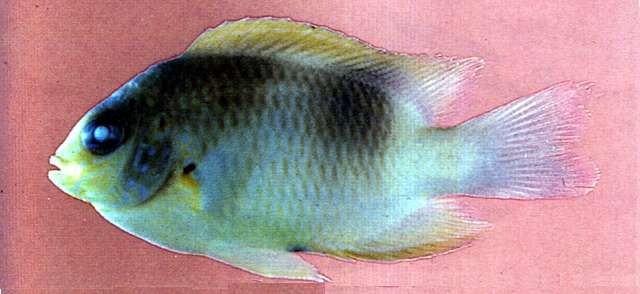
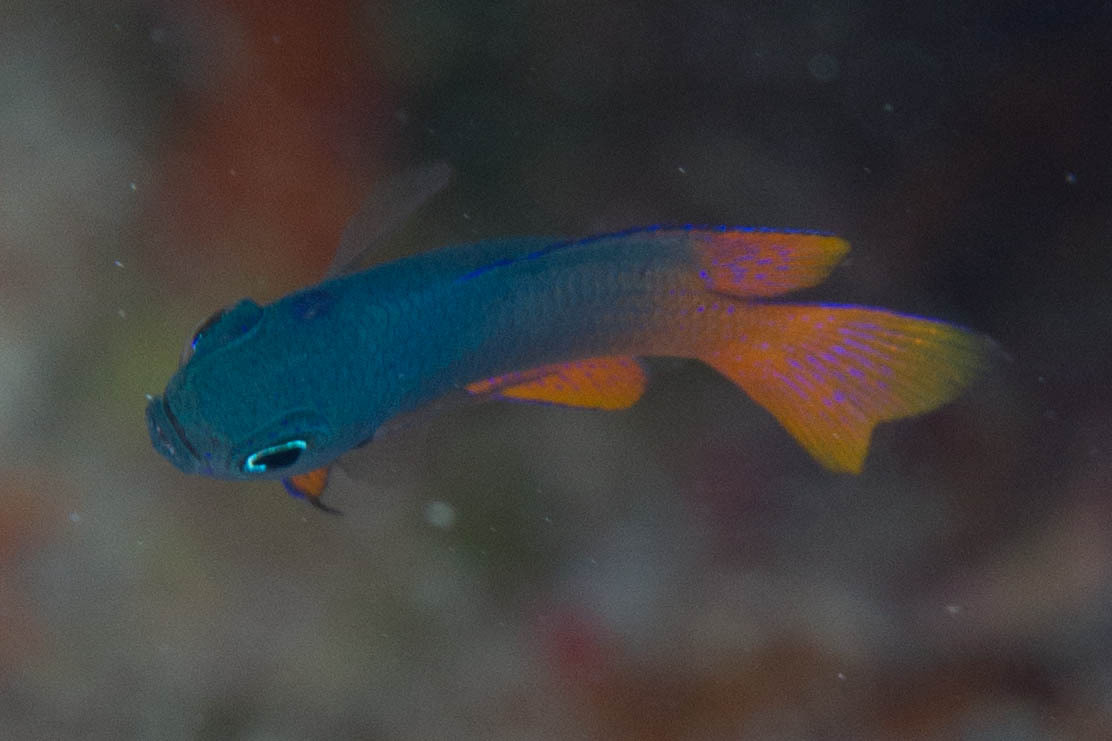
Amblyglyphidodon aureus (Cuvier, 1830) (Golden damsel)
Occurs in steep outer reef, occasionally in deep lagoons and along channel walls, usually in current prone habitats and where there are abundant gorgonian and long sea-whip corals on which they lay and guard eggs. Juvenil...
Read More
Read More
Pomacentrus lepidogenys Fowler and Bean, 1928 (Scaly damsel)
Inhabits lagoons, passages, and outer reef slopes. Feeds on zooplankton in the water column, a short distance from the bottom. Occurs singly or in small groups.
Chromis atripes Fowler and Bean, 1928 (Dark-fin chromis)
Inhabits coral rich areas of outer reef passes and slopes. Occurs singly or in small groups near the bottom.
Dischistodus melanotus (Bleeker, 1858) (Black-vent damsel)
Occurs in lagoon reefs and generally prefers small patch reefs with sand or rubble substrates . Feeds on benthic algae which it aggressively guards against other herbivores . Juveniles secretive in rubble .
Dischistodus perspicillatus (Cuvier, 1830) (White damsel)
Occurs in small patch reefs of shallow lagoons, with algae or seagrass habitats. The stomach of several specimens examined contained mainly algae and detritus mixed with sand grains.
Pomacentrus philippinus Evermann and Seale, 1907 (Philippine damsel)
Occurs in lagoons, steep-sided channels, and seaward reefs from 2 to over 12 m . Usually found in groups off the sides of vertical drop-offs and overhanging ledges .
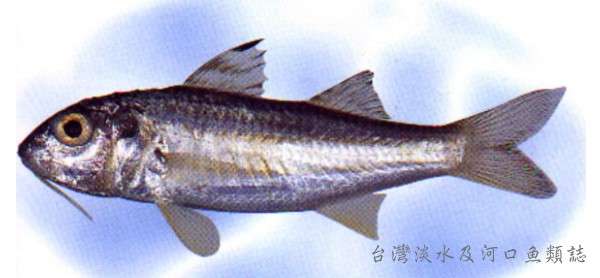
Upeneus sulphureus Cuvier, 1829 (Goat fish)
Found in coastal waters, entering estuaries . Forms schools . Has appearance of sillaginids when schooling .
Cephalopholis argus Bloch and Schneider, 1801 (Grouper)
A generally common species found in a variety of coral habitats from tide pools to depths of at least 40 m; prefers the 1 to 10 m reef zone. Juvenile prefers shallow, protected coral thickets . Benthic and benthopelagi...
Read More
Read More
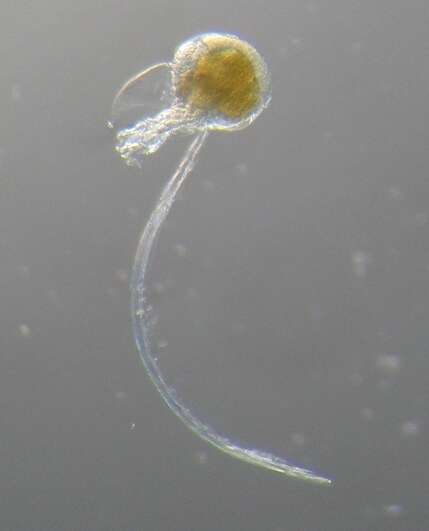
Appendicularia sicula Fol, 1874
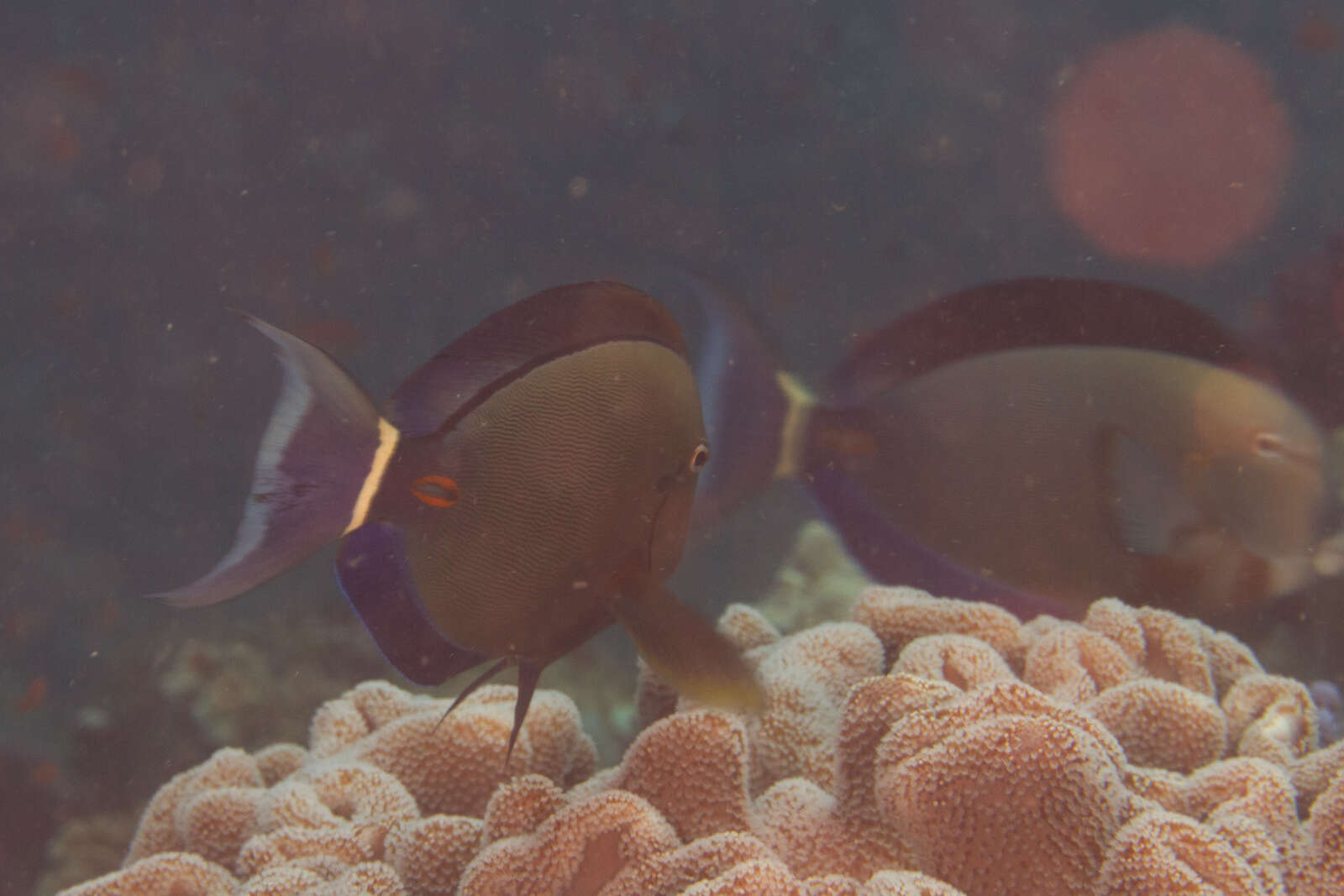
Acanthurus nigrofuscus (Forsskål, 1775) (Brown surgeonfish)
Found on hard substrates of shallow lagoon and seaward reefs from the lower surge zone to a depth of more than 15 m . Benthopelagic . Feed on filamentous algae. Form spawning aggregations . Adults usually in small grou...
Read More
Read More
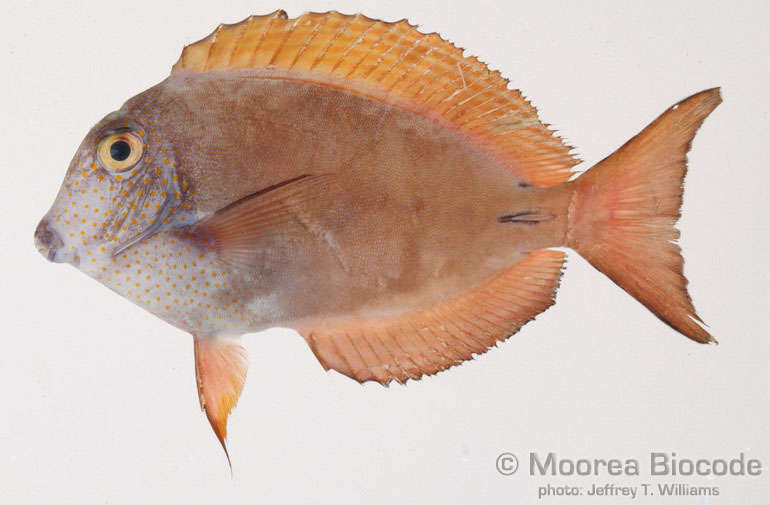
Acanthurus auranticavus Randall, 1956 (Orange-socket surgeonfish)
Inhabits shallow reefs, both in lagoons and outer reef areas. Frequently moves in groups. Juveniles found between soft corals in lagoons at depths of up to 2 m . Adults in groups, often mixed with other similar species .
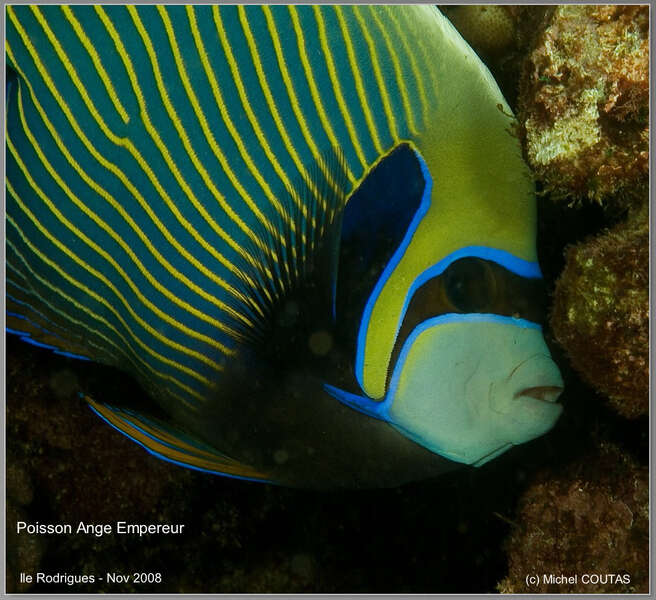
Pomacanthus imperator (Bloch, 1787) (Angel fish)
Juveniles are encountered under ledges, or in holes of outer lagoon patch reefs or semi-protected areas of exposed channels and outer reef flats. Subadults move to reef front holes and surge channels. Large adults inhabi...
Read More
Read More
Cirrhitichthys oxycephalus (Bleeker, 1855) (Coral hawkfish)
Share on Social Networks
- Facebook:

personalize your shared text as well as its destination (wall, page...) or send as a private message to a friend
- Twitter: Tweet personalize your tweet
- Google Plus:
Direct link to this dive
- Long link:
- Short link:


 We are participating today in the startup contest Techcrunch Disrupt. Support Diveboard by voting for us!
























































































2nd dive 2 tanker aboard Romyca
Drop in offshore near front of Tiffanie Pier
North swim to depth and then mid to shallow range looking for frogfish and macro boat PU
solo, multilevel