


 Beachnutts


 Philippines
-
Nº107
 Date: 2023-10-21 - 01:05
-
 Max Depth: 23.8m Duration: 80mins
Dive Location

- Surface interval:108 mins
- Temp: Surf 26°C Bottom 26°C
- Dive type : Recreational, Reef, Photo
- Visibility: Excellent Water: Salt
Specific gear used
- BCD: Scubapro - Glide Plus
- Camera: Olympus - TG6
- Computer: Oceanic - OCS
- Fins: Atomic Aquatics - Blade Fins
- Fins: Scubapro - Jet Fins
- Knife: Scuba MAx - folding
- Lift bag: ScubaMax - SMB
- Light: Sofirn - SD05
- Mask: Promate - Scope
- Regulator: Aqualung - Legend
- Wet suit: Blue Ocean - Diveskin
- Weights: 3.2 kg
Dive reviews
| Overall review | ||
| Dive difficulty | ||
| Marine life quality |
Dive Shop & Buddies
 Dive buddies:
Mike Tacansan,
Max,
Cesar
Dive buddies:
Mike Tacansan,
Max,
Cesar

Link to this spot:
- Spot:
- Country:
- Area:
- Body of water:
Dive Profile
- 1. Air
- 10L Aluminium 207 → 21 bar
- Average depth: 15.8m
Data provided by EOL.org





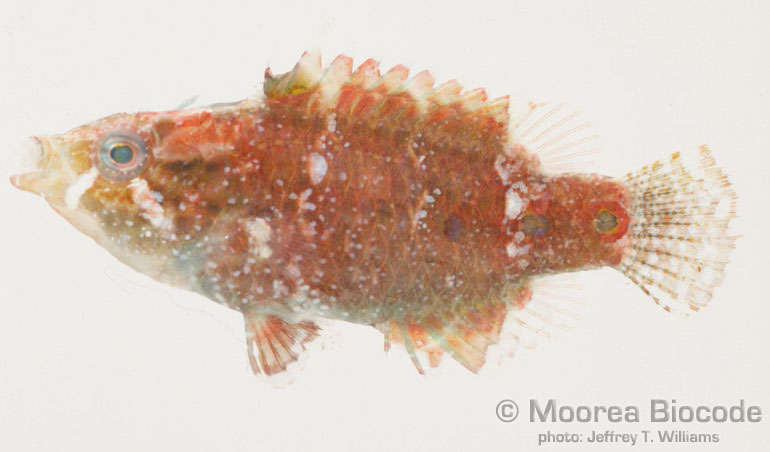





Species Identified
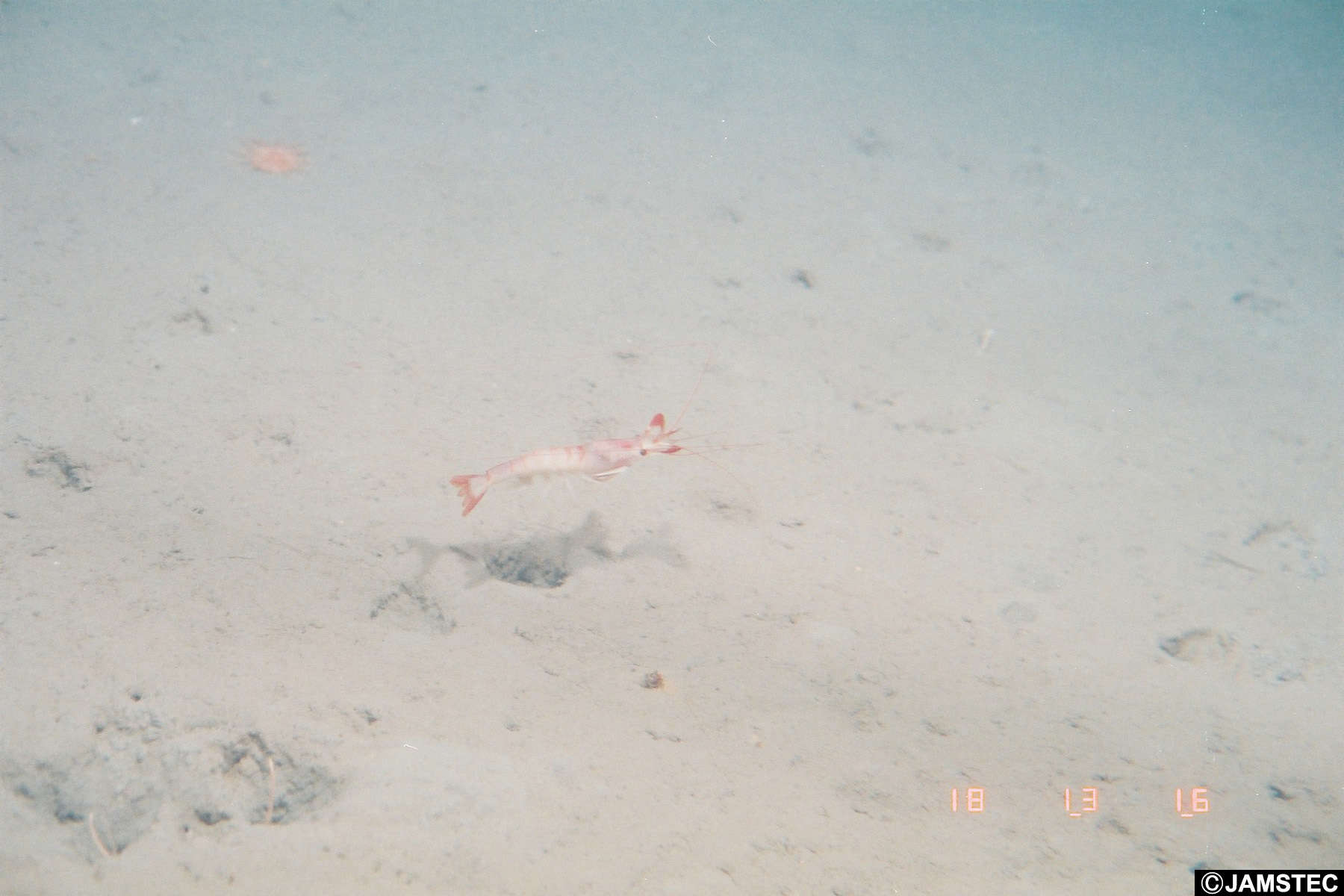
Aristeus virilis (Bate, 1881) (stout red shrimp)
Penaeopsis rectacuta (Bate, 1881) (needle shrimp)
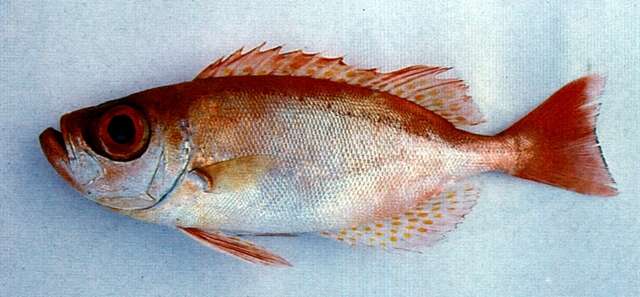
Priacanthus macracanthus Cuvier, 1829 (Red bigeye)
Occurs in inshore and offshore reefs from less than 20 m to more than 400 m depths. Apparently forms aggregations in open bottom areas and is very abundant in the South China Sea and Andaman Sea. Marketed fresh, whole. Sound production has been studied in this species.
Scorpaenodes albaiensis (Evermann & Seale, 1907) (Longfingered scorpionfish)
Rare species . Very secretive in coastal coral reefs and rarely seen by divers, even at night .
Dendrochirus zebra (Cuvier, 1829) (Zebra turkeyfish)
Found on coral, rubble, or rock bottoms of reef flats ; also in coastal to outer reef habitats in sheltered lagoons and in caves, sometimes in small aggregations. Usually shallow, from 3-60m but also reported to 80 m dep...
Read More
Read More
Pterois russelii Bennett, 1831 (Plaintail turkeyfish)
Found on muddy substrates, from well-protected shallow estuaries to quiet, deep offshore reefs .
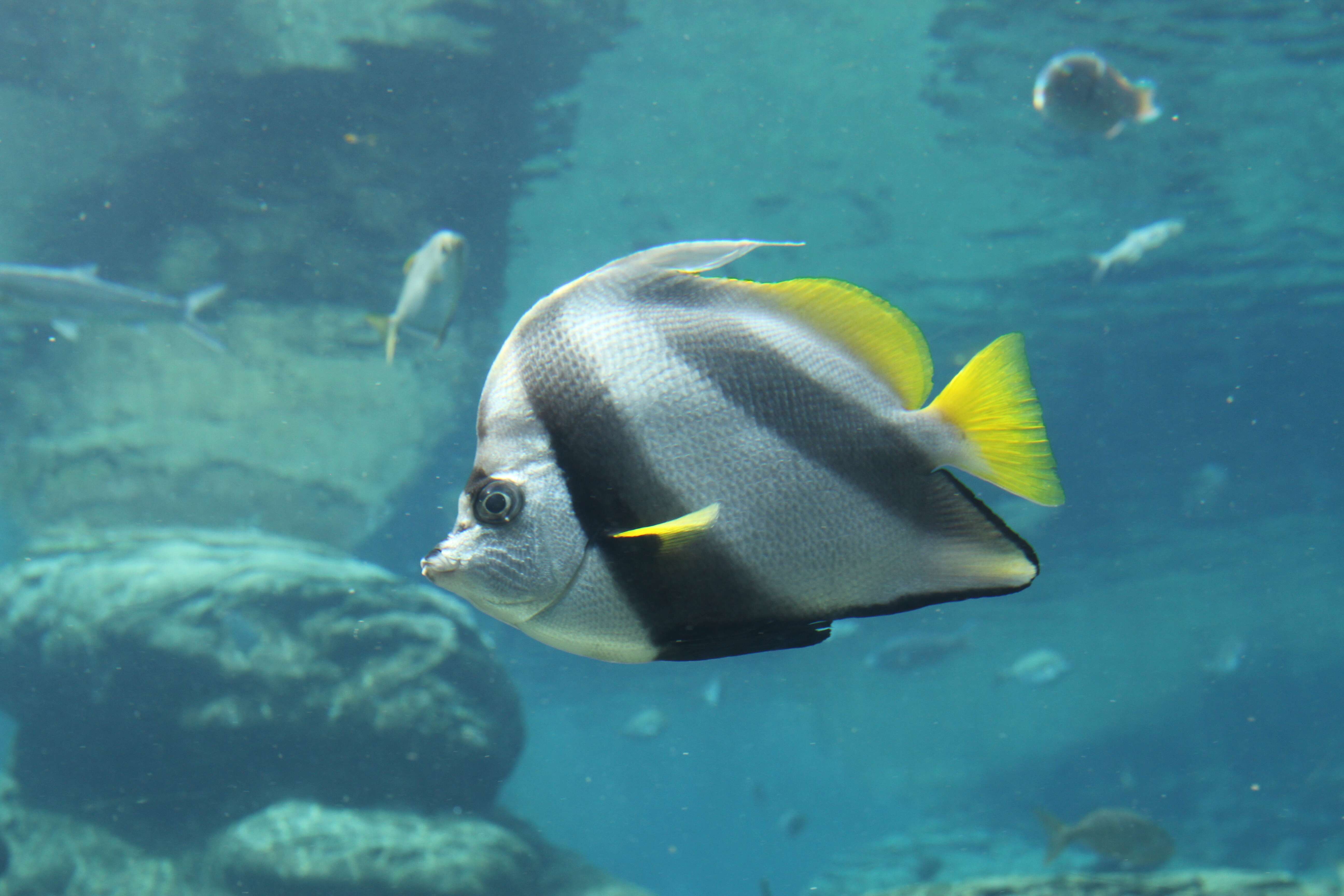
Heniochus diphreutes Jordan, 1903 (False moorish idol)
Occur primarily along outer reef slopes, in current channels. Juveniles in aggregations around isolated patch reefs, adults in large schools well above the bottom . In Indonesia, adults most common in depth 40-50 m, repo...
Read More
Read More
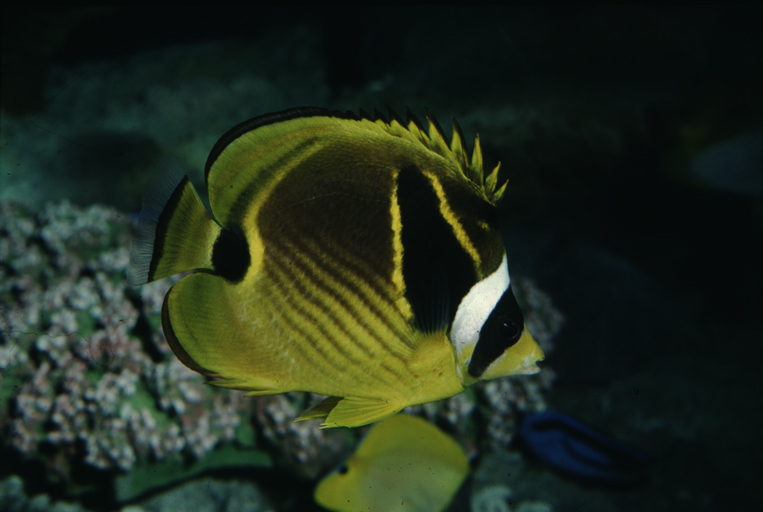
Chaetodon lunula (Lacepède, 1802) (Butterflyfish)
Cephalopholis argus Bloch and Schneider, 1801 (Grouper)
A generally common species found in a variety of coral habitats from tide pools to depths of at least 40 m; prefers the 1 to 10 m reef zone. Juvenile prefers shallow, protected coral thickets . Benthic and benthopelagi...
Read More
Read More
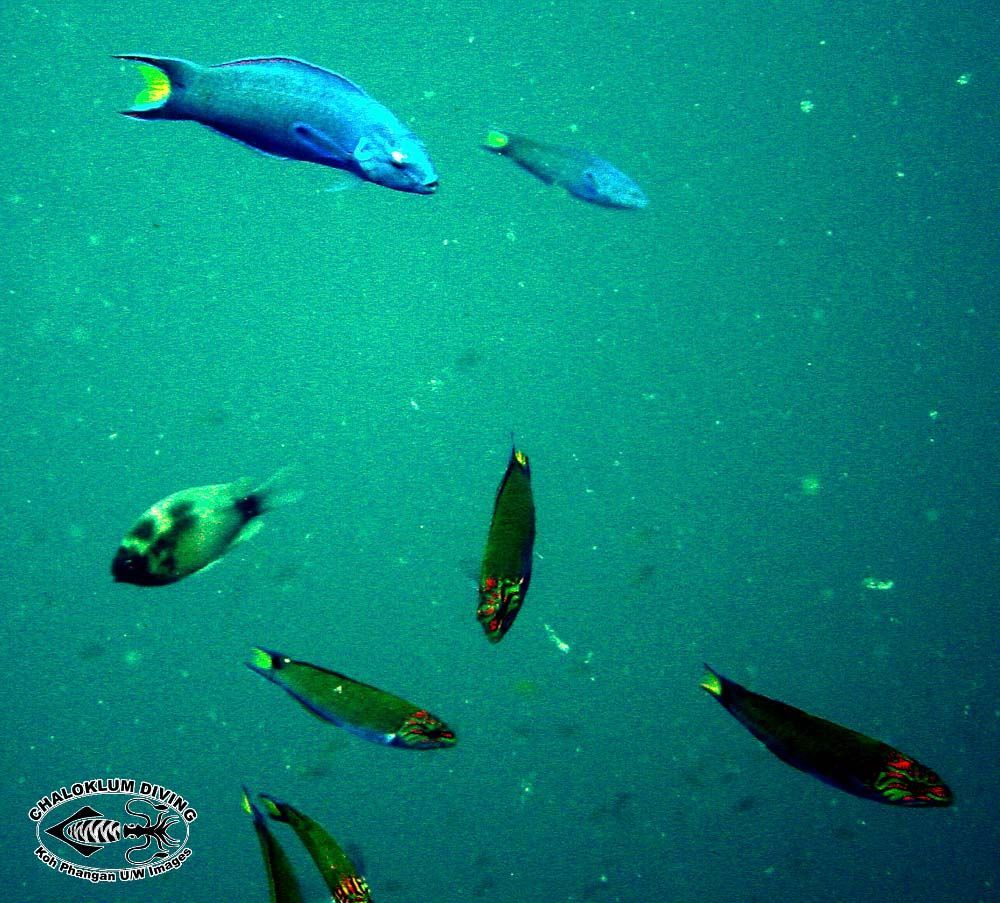
Thalassoma lunare (Linnaeus, 1758) (Blue wrasse)
Occurs in the upper portions of lagoon and coastal reefs, and in protected seaward reefs . Enters estuaries . Usually found on upper portions of ledges and heads . Feeds mainly on small benthic invertebrates and fish eggs . A protogynous hermaphrodite .
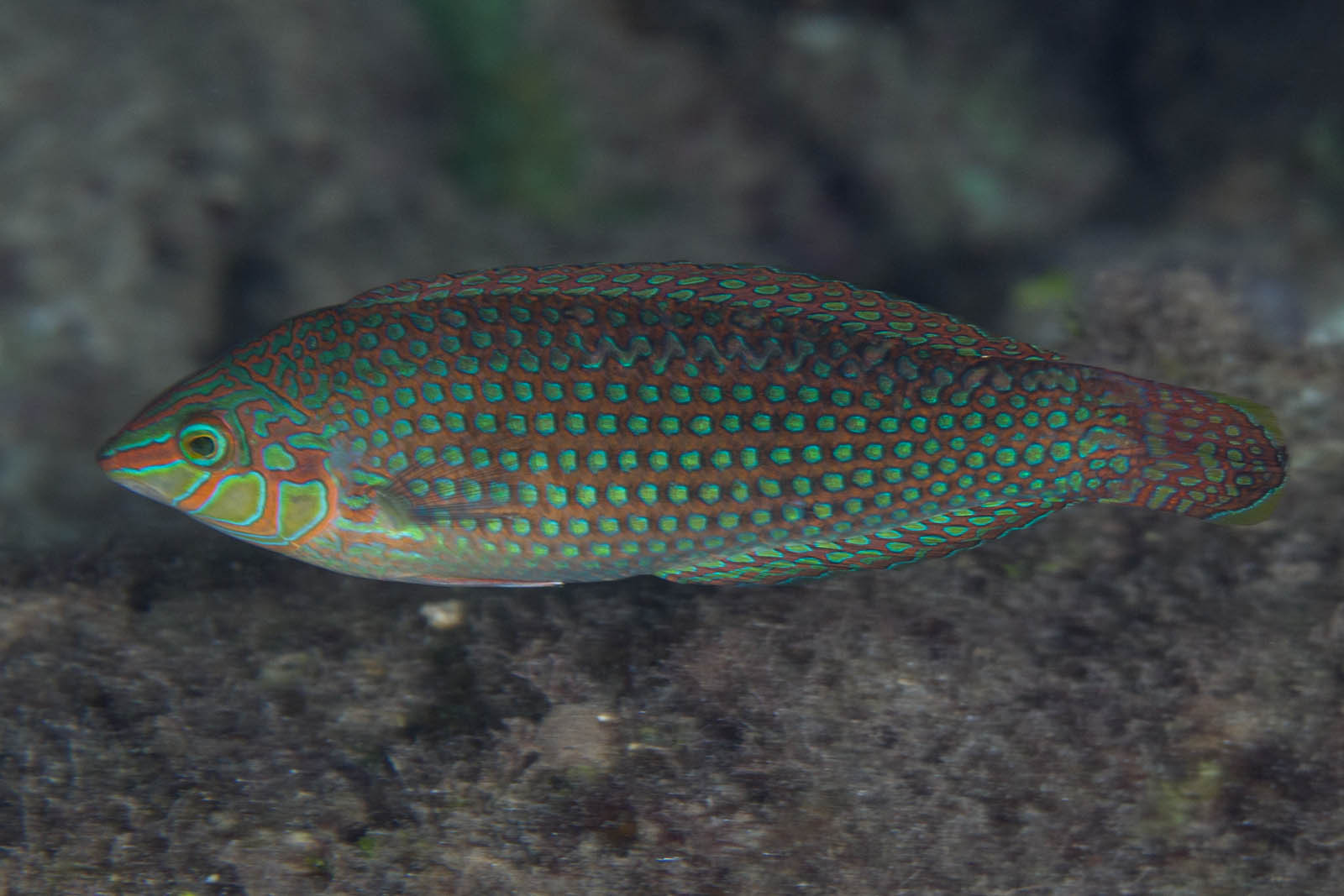
Halichoeres argus (Bloch and Schneider, 1801) (Argus wrasse)
Inhabits shallow coastal reefs and seagrass flats , also in algae-rocky reef flats and lagoons .
Epibulus insidiator (Pallas, 1770) (Slingjaw wrasse)
Inhabit coral-rich areas of lagoon and seaward reefs . Benthopelagic . Generally solitary . Feed on small coral-dwelling crustaceans and fishes . Capable of drift migration along with floating leaves . Adults usually ...
Read More
Read More
Stethojulis trilineata (Bloch and Schneider, 1801) (Threeline rainbowfish)
Often found on exposed reefs with shallow clear water. Usually swim in loose groups along upper parts of drop-offs or above reef crests .
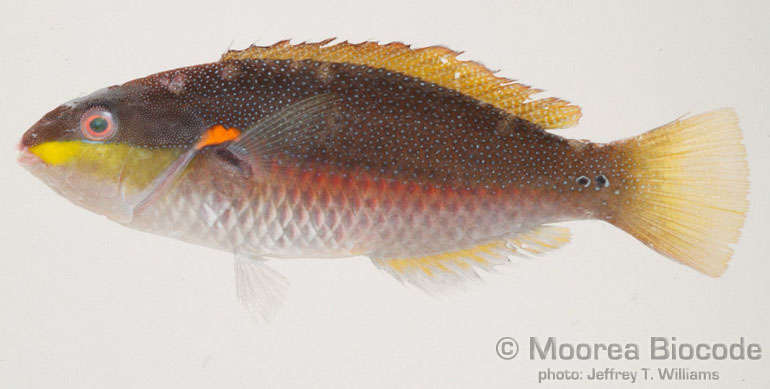
Stethojulis bandanensis (Bleeker, 1851) (Red shoulder wrasse)
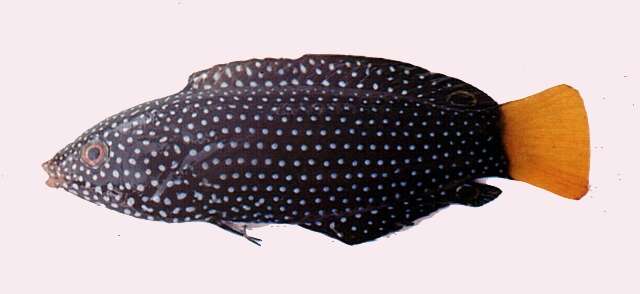
Anampses meleagrides Valenciennes, 1840 (Spotted wrasse)
Found in areas of mixed coral, rubble, consolidated limestone, and sand of seaward reefs; also in soft coral or sponge habitats . Minimum depth reported taken from Ref. 30874.
Cheilinus oxycephalus Bleeker, 1853 (Snooty wrasse)
Found in coral-rich areas of lagoon and seaward reefs at depths of 1 to over 40 m . A secretive species , rarely ventures more than a few centimeters from shelter . A shy species, usually found in pairs when adult .
Thalassoma jansenii (Bleeker, 1856) (Jansen's wrasse)
Occurs in exposed crests of seaward and lagoon reefs, usually rock-based. Minimum depth reported from Ref. 27115.
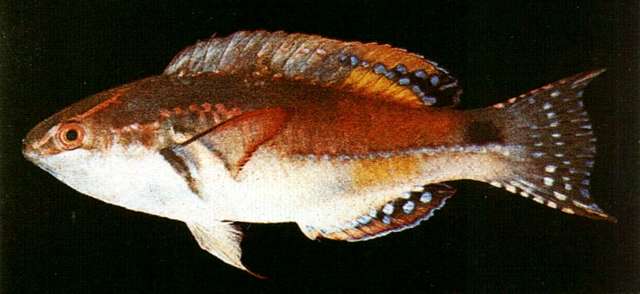
Cirrhilabrus exquisitus Smith, 1957 (Exquisite wrasse)
Occurs over rubble or low patch reefs in areas of current ; also on reef edges and around bommies with rubble zones ; often in moderately large groups and mixed sex during feeding on zooplankton well above the substrate. ...
Read More
Read More
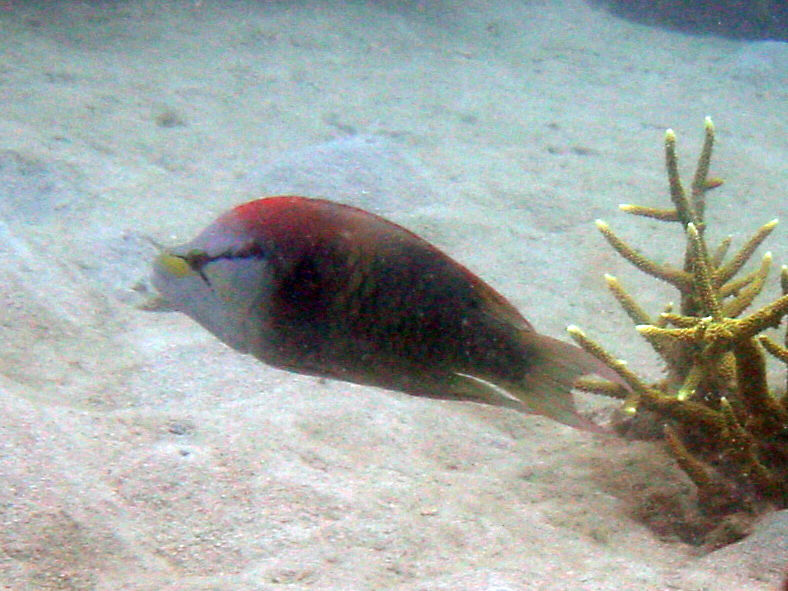
Labrichthys unilineatus (Guichenot, 1847) (Tubelip wrasse)
Inhabits shallow lagoon and semi-protected seaward reefs with high coral cover . Found near branching corals and feeds on its coral polyps, particularly staghorn Acropora .
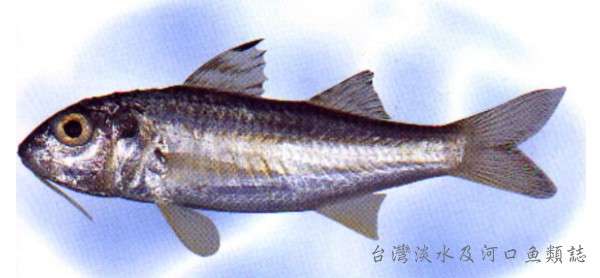
Upeneus sulphureus Cuvier, 1829 (Goat fish)
Found in coastal waters, entering estuaries . Forms schools . Has appearance of sillaginids when schooling .
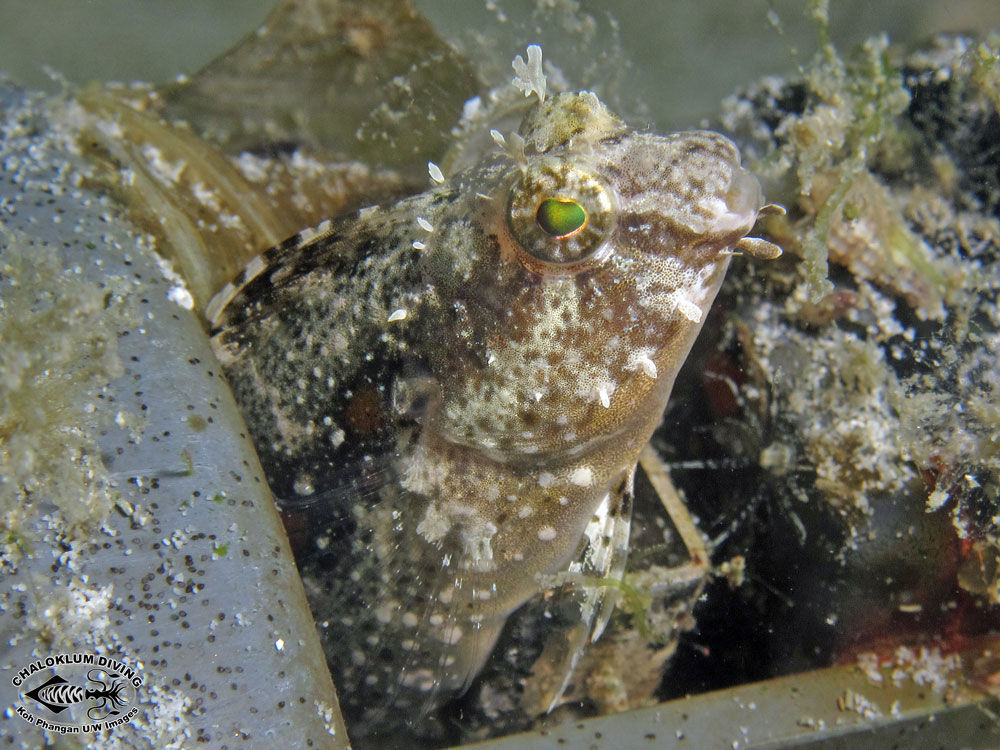
Petroscirtes mitratus Rüppell, 1830 (Floral blenny)
Inhabit shallow protected lagoons and reef flats with algal and seagrass clumps. Juveniles often in floating Sargassum weeds and maybe dispersed over great distances . Swim with its tail oriented vertically. Uses empty ...
Read More
Read More
Cirrhitichthys oxycephalus (Bleeker, 1855) (Coral hawkfish)
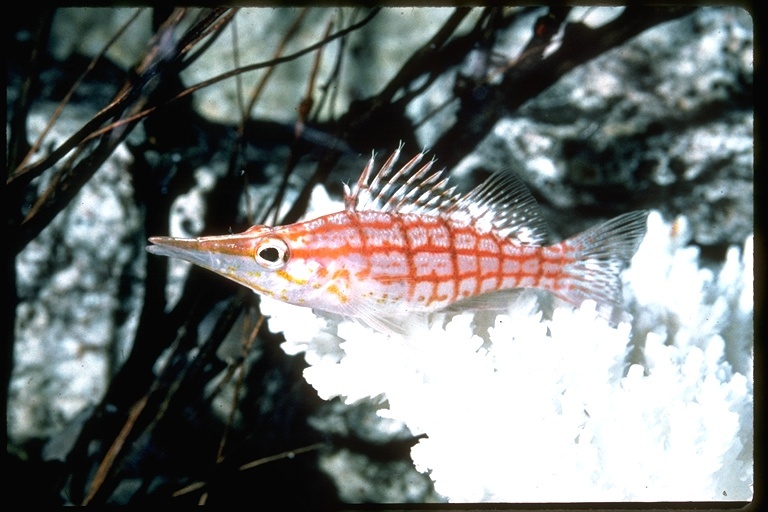
Oxycirrhites typus Bleeker, 1857 (Longnose hawkfish)
Rhabdastrella globostellata (Carter, 1883)
Ptilocaulis spiculifer (Lamarck, 1813)
Luffariella variabilis (Polejaeff, 1884)
Stelletta purpurea Ridley 1884
Carteriospongia foliascens (Pallas 1766)
Stelletta clavosa Ridley, 1884
Dactylospongia elegans (Thiele, 1899)
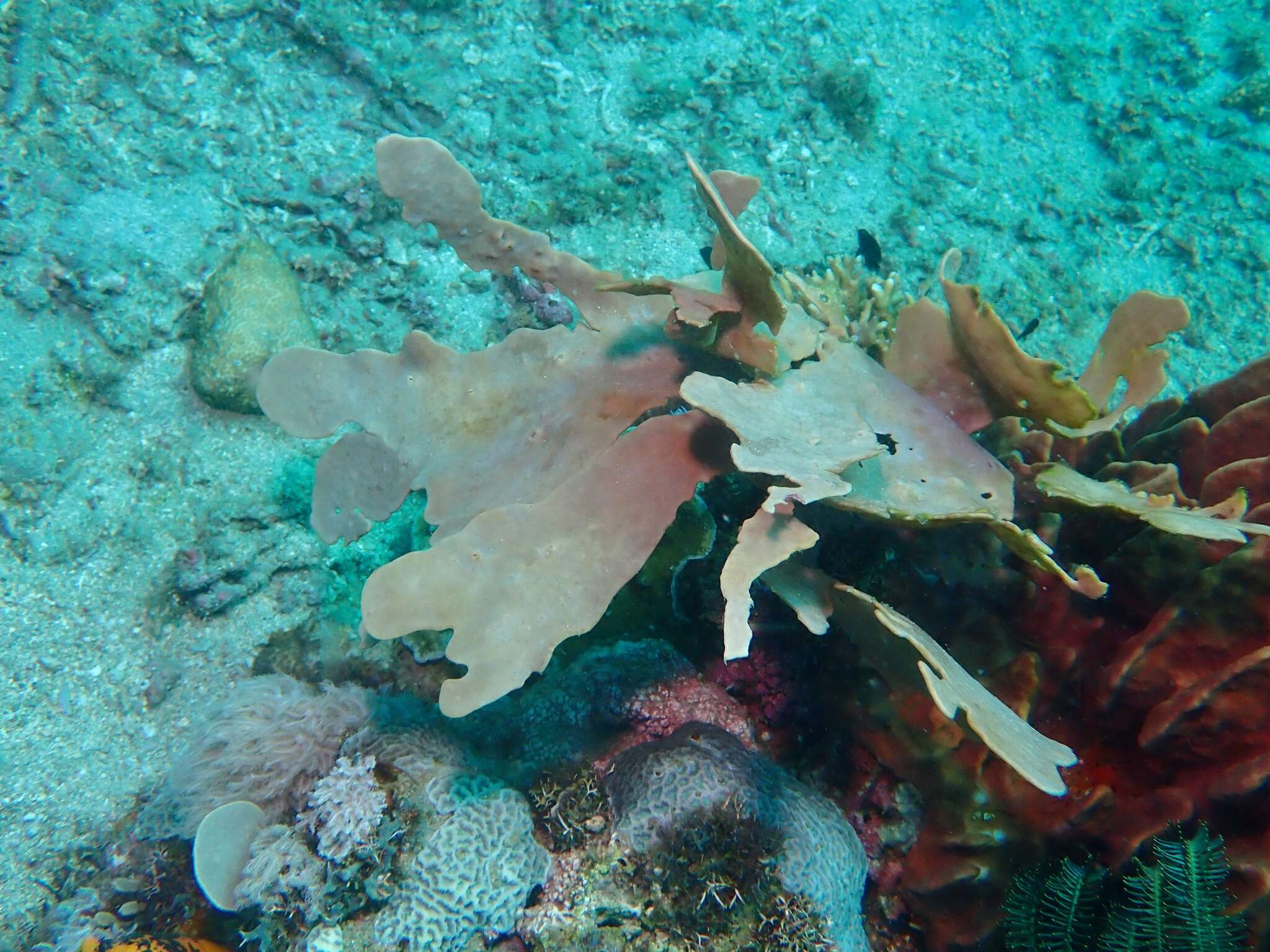
Phyllospongia papyracea (Esper, 1794)
Rhizaxinella nuda Wilson, 1925
Spongionella nigra Dendy, 1889
Thenea grayi Sollas, 1886
Scleritoderma nodosum Thiele, 1900
Stelletta debilis Thiele, 1900
Hyattella intestinalis (Lamarck 1814)
Stylissa massa (Carter, 1887)
Agelas ceylonica Dendy, 1905
Share on Social Networks
- Facebook:

personalize your shared text as well as its destination (wall, page...) or send as a private message to a friend
- Twitter: Tweet personalize your tweet
- Google Plus:
Direct link to this dive
- Long link:
- Short link:


 We are participating today in the startup contest Techcrunch Disrupt. Support Diveboard by voting for us!
























































































2nd dive 2 tanker aboard Datu Budas
Red House exit from entry along top of Dizon Wall
very clear, very active fish on the reef, beautiful dive
boat PU
multilevel