


 Beachnutts


 Philippines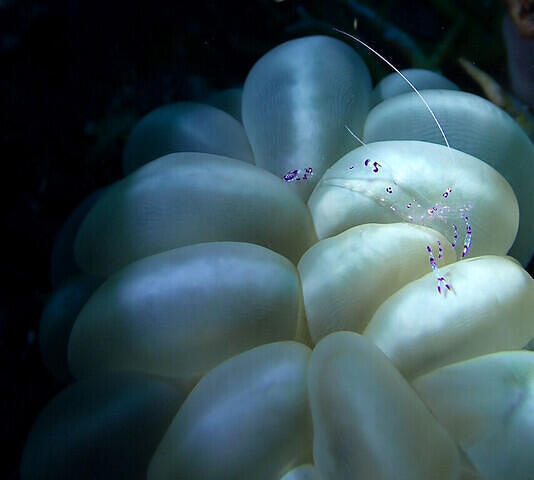
-
Nº143
 Date: 2024-07-26 - 09:08
-
 Max Depth: 23.5m Duration: 63mins
Dive Location

- Temp: Surf 28°C Bottom 28°C
- Dive type : Recreational, Reef, Photo
- Visibility: Good Water: Salt
Specific gear used
- BCD: Aqualung - PRO HD
- Boots: Orca - Dive shoes
- Camera: Olympus - TG6
- Computer: Oceanic - OCS
- Fins: Scubapro - Go Rescue
- Knife: Scuba MAx - folding
- Lift bag: ScubaMax - SMB
- Light: Sofirn - SD05
- Mask: Promate - Scope
- Regulator: Aqualung - Legend
- Wet suit: Blue Ocean - Diveskin
- Weights: 3.2 kg
Dive reviews
| Overall review | ||
| Dive difficulty | ||
| Marine life quality |
Recent Divers in Camiguin

Recent Pictures in Camiguin
Dive Shop & Buddies
 Dive with Rebecca
 Dive buddies:
Beachnutts
Dive buddies:
Beachnutts

Link to this spot:
- Spot:
- Country:
- Area:
- Body of water:
Dive Profile
Data provided by EOL.org













Species Identified
Pyrosoma atlanticum Péron, 1804
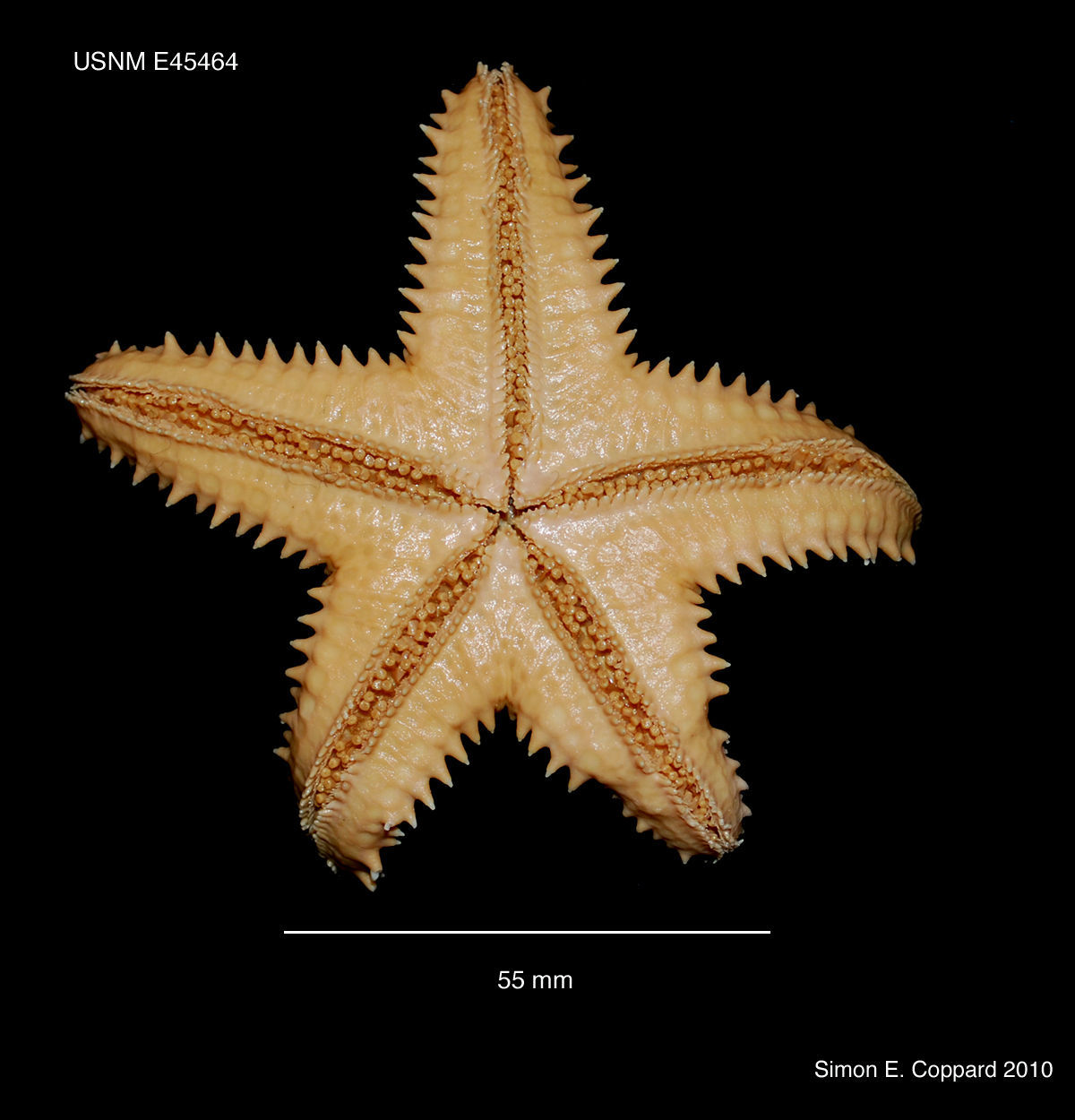
Asteropsis carinifera (Lamarck, 1816)
Actinodendron arboreum (Quoy and Gaimard, 1833)
burrowing
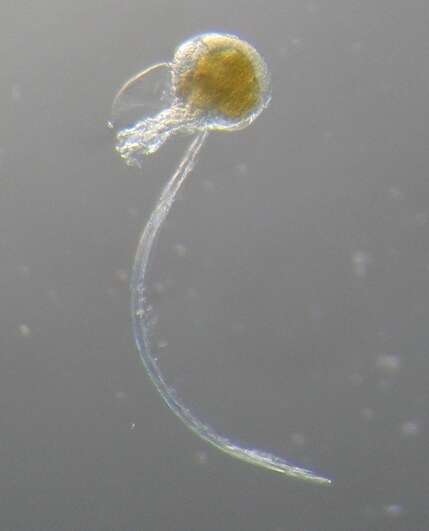
Appendicularia sicula Fol, 1874
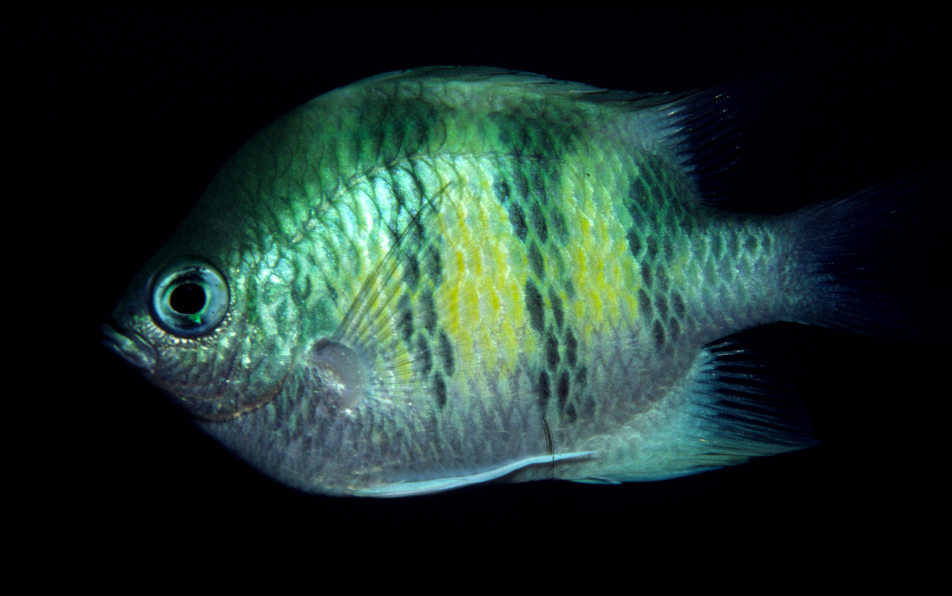
Amblyglyphidodon curacao (Bloch, 1787) (Black-snouted sergeant-major)
Inhabits lagoons, coastal embayments, reef passages and outer reefs. Juveniles often found among Sarcophyton and Sinularia soft corals. Feeding aggregations are frequently observed over growths of the staghorn coral Acro...
Read More
Read More
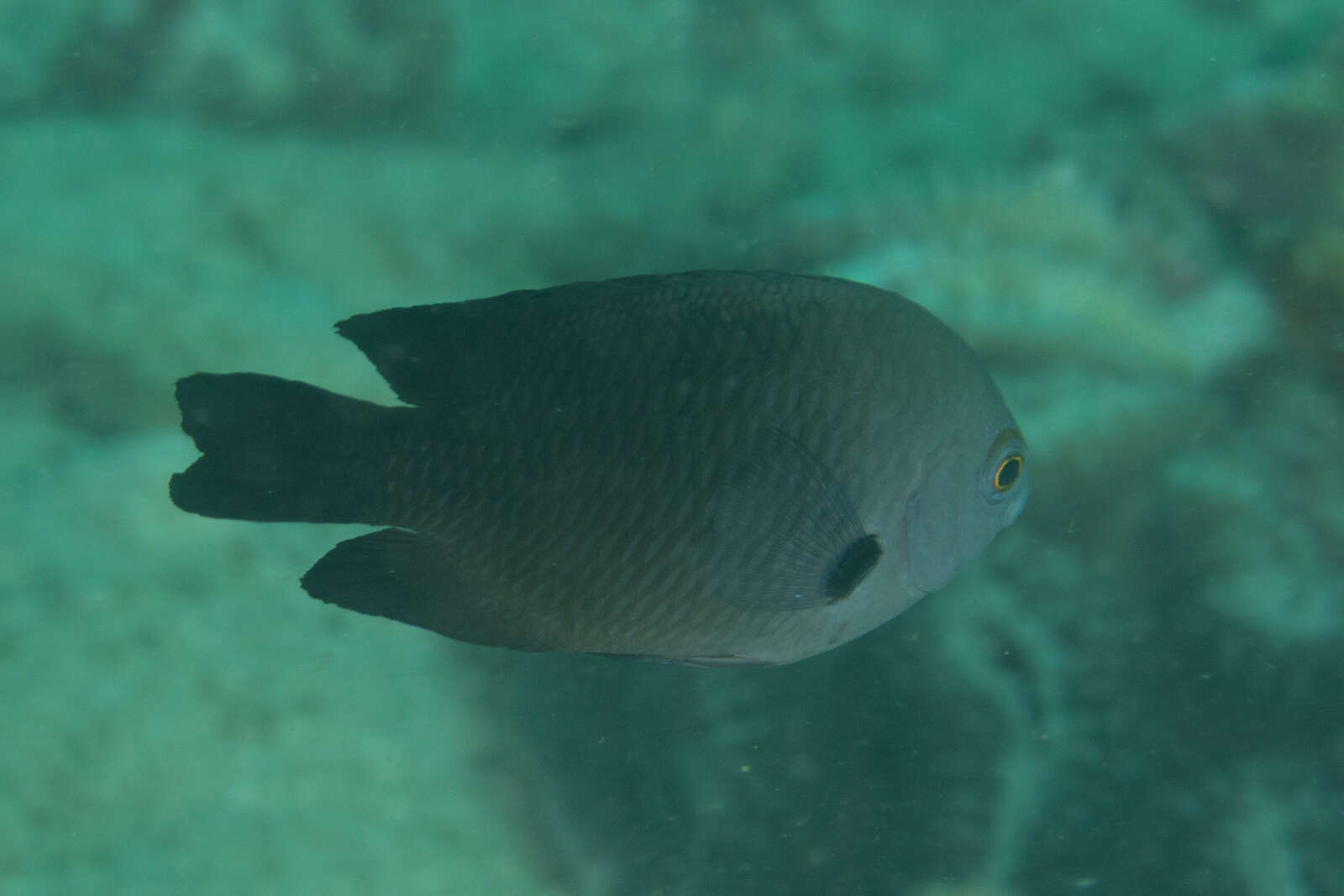
Pomacentrus brachialis Cuvier, 1830 (Charcoal damsel)
Found in passages and outer reef slopes ; also in current prone and clear water reef flats to 40 m depth . Occurs singly or in small groups . Feeds on zooplankton and benthic algae .
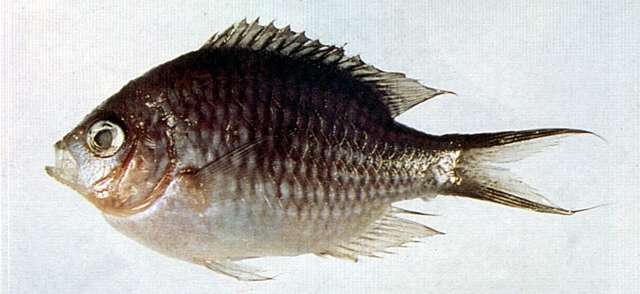
Chromis weberi Fowler and Bean, 1928 (Weber's chromis)
Occurs singly or in small to large aggregations in passes and steep outer reef slopes.
Plectroglyphidodon lacrymatus (Quoy and Gaimard, 1825) (whitespeckled demoiselle)
Inhabits clear lagoon and seaward reefs, in areas with mixed coral and rubble or dead coral rocks. Feeds mainly on benthic algae and associated small invertebrates and fish eggs.
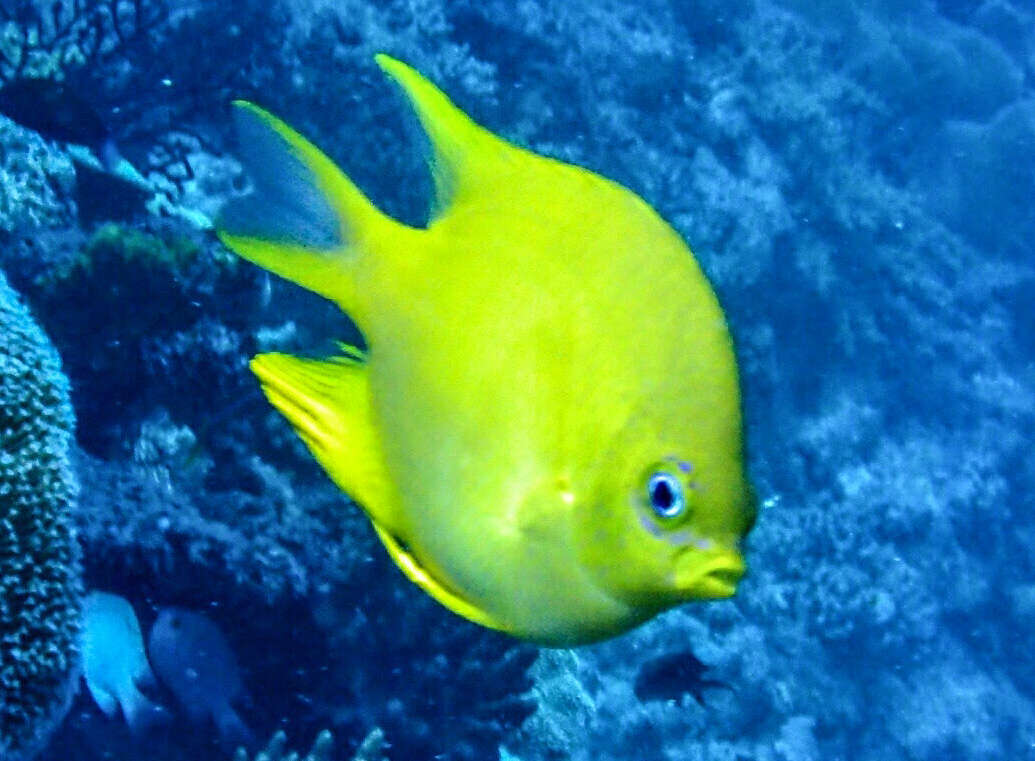
Amblyglyphidodon aureus (Cuvier, 1830) (Golden damsel)
Occurs in steep outer reef, occasionally in deep lagoons and along channel walls, usually in current prone habitats and where there are abundant gorgonian and long sea-whip corals on which they lay and guard eggs. Juvenil...
Read More
Read More
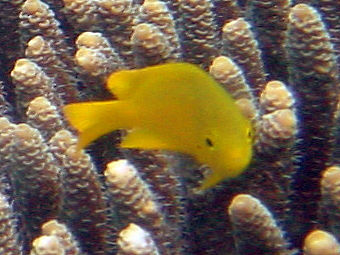
Pomacentrus moluccensis Bleeker, 1853 (Lemon damsel)
Inhabits clear lagoon and seaward reefs among branching corals. Occurs in small aggregations. Feeds mainly on algae and planktonic crustaceans.
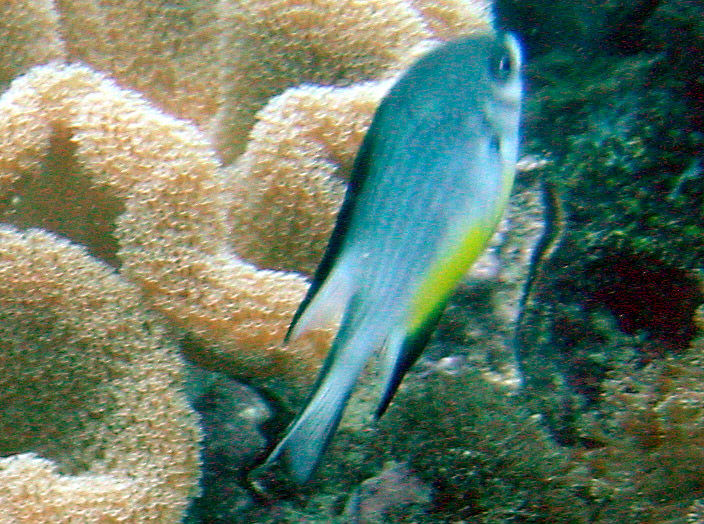
Amblyglyphidodon leucogaster (Bleeker, 1847) (goldenscaled damselfish)
Inhabits lagoons, reef passages, and the outer reef slopes as solitary individuals or in small groups. Feeds on copepods, amphipods, mysids, fish eggs, crustacean larvae, and a small portion of algae.
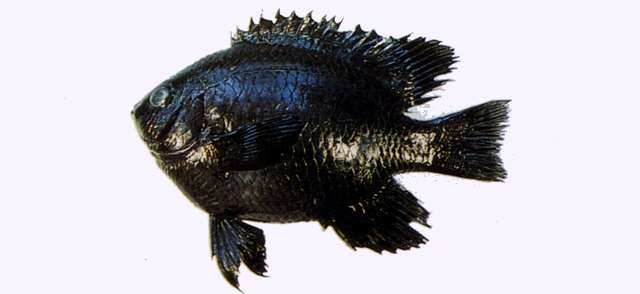
Neoglyphidodon melas (Cuvier, 1830) (black damselfish)
Found in coral-rich areas of lagoon and seaward reefs and usually associated with soft corals on which it feeds . Occur singly or in pairs . Juveniles are encountered in around staghorn Acropora corals . Adults often near Tridacna clams and may feed on their feces .
Chromis ternatensis (Bleeker, 1856) (Ternate chromis)
Schools above branching corals along upper margins of clear lagoon and outer reef slopes. Often associated with branching Acropora.
Dischistodus perspicillatus (Cuvier, 1830) (White damsel)
Occurs in small patch reefs of shallow lagoons, with algae or seagrass habitats. The stomach of several specimens examined contained mainly algae and detritus mixed with sand grains.
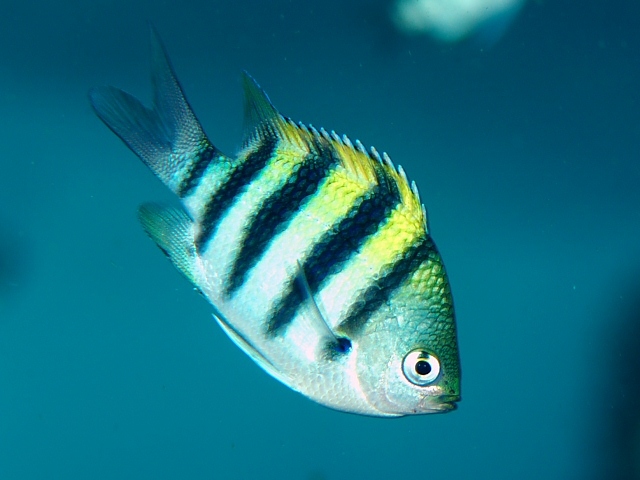
Abudefduf vaigiensis (Quoy and Gaimard, 1825) (Five finger)
Adults inhabit upper edge of outer reef slopes and inshore rocky reefs. Juveniles associated with drifting seaweed . Benthopelagic . Feed on zooplankton, benthic algae, and small invertebrates . Often in aggregations ...
Read More
Read More
Dascyllus aruanus (Linnaeus, 1758) (black-and-white damselfish)
Territorial, inhabit shallow lagoon and subtidal reef flats. Form large aggregations above staghorn Acropora thickets or in smaller groups above isolated coral heads. Feed on zooplankton, benthic invertebrates, and algae...
Read More
Read More
Chrysiptera cyanea (Quoy and Gaimard, 1825) (cornflower sargeantmajor)
Found amongst rubble and coral of clear sheltered lagoons and subtidal reef flats . Occurs in groups of a male and several females or juveniles . Feeds on algae, pelagic tunicates and copepods.
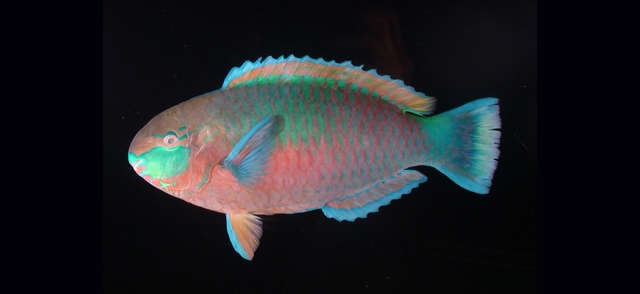
Scarus hypselopterus Bleeker, 1853 (Yellow-tail parrotfish)
A rare species found in coastal and outer reefs with dense coral cover ; often silty habitats .
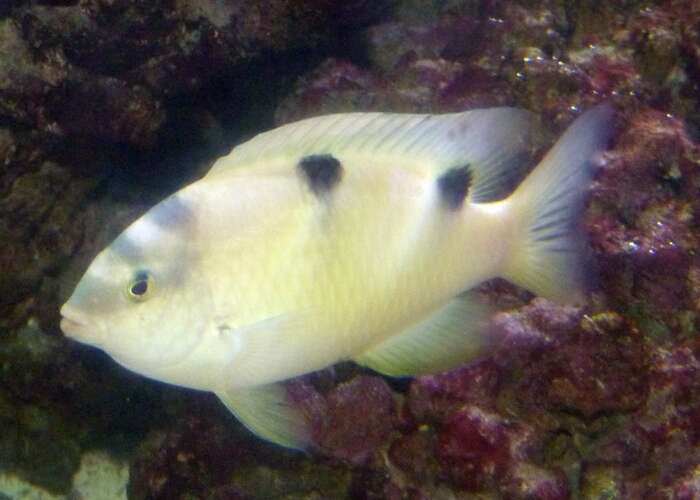
Scarus niger Forsskål, 1775 (loro)
Inhabits coral-rich areas of clear lagoons, channels, and outer reef slopes . Generally solitary . Juveniles in small groups on algae and coral reefs inshore . Feeds on benthic algae . Males maintain small harems and pair spawn .
Scarus quoyi Valenciennes, 1840 (Quoy's parrotfish)
Inhabits coral-rich areas of outer channels and seaward reefs . Occurs singly or in small groups over intertidal flats to graze on algae during high water mark .
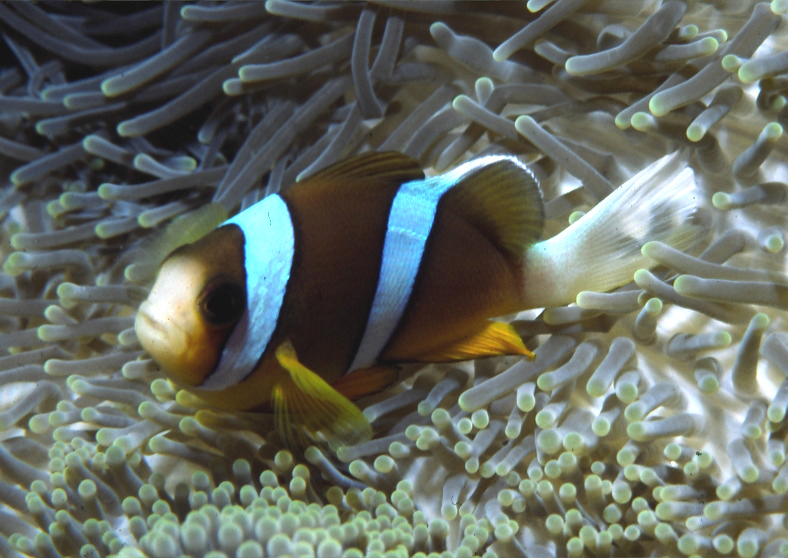
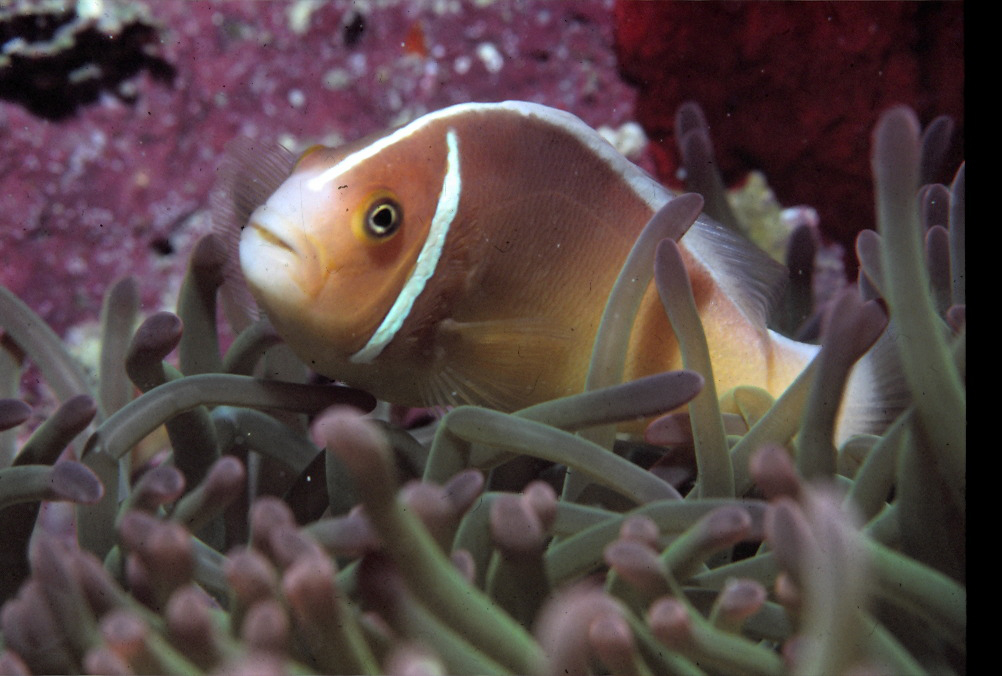
Amphiprion clarkii (Bennett, 1830) (Brown anemonefish)
Inhabits lagoons and outer reef slopes. Omnivorous. Oviparous, with elliptical eggs . Monogamous . Has been reared in captivity . Associated with the anemones: Cryptodendrum adhaesivum, Entacmaea quadricolor, Heterac...
Read More
Read More
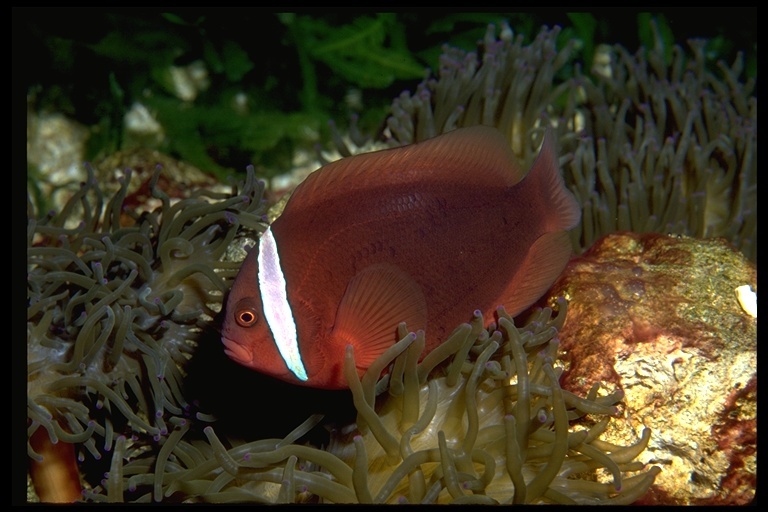
Amphiprion frenatus Brevoort, 1856 (oneband anemonefish)
Found in lagoon reefs and embayment. Monogamous , protandrous hermaphrodite . Associated with the anemone Entacmaea quadricolor . Has been reared in captivity .
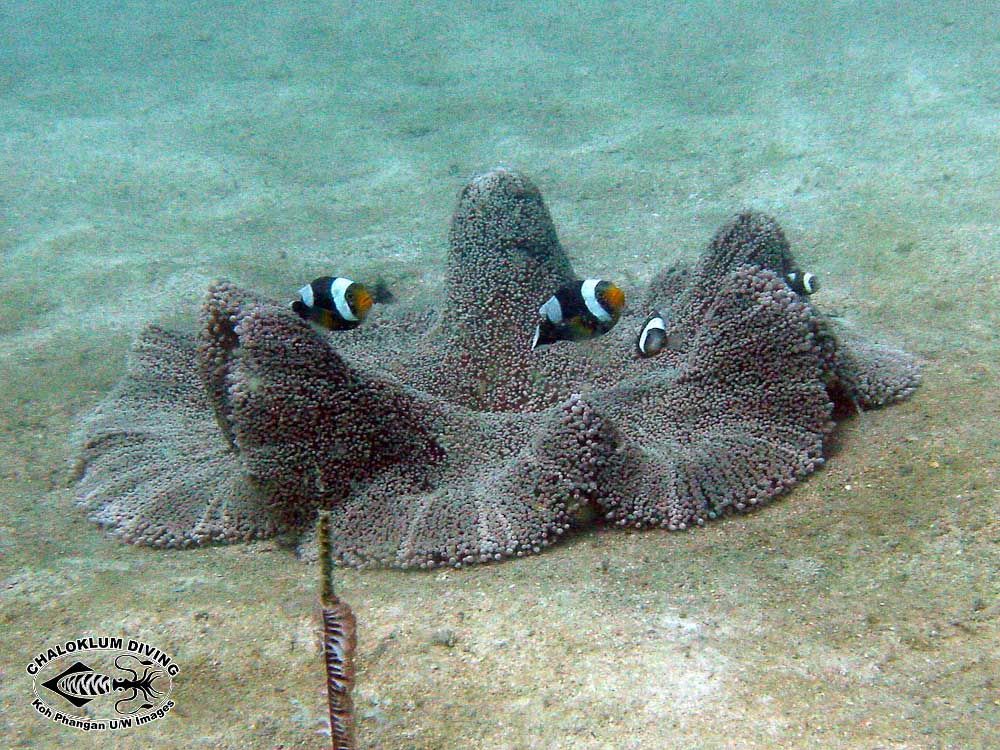
Amphiprion polymnus (Linnaeus, 1758) (yellowfinned anemonefish)
Inhabits silty lagoons and harbors. Monogamous . A protandrous hermaphrodite . Associated with the anemones: Heteractis crispa and Stichodactyla haddoni . Has been reared in captivity .
Amphiprion ocellaris Cuvier, 1830 (false clown anemonefish)
Premnas biaculeatus (Bloch, 1790) (Spinecheek anemonefish)
Inhabits lagoon and seaward reefs , found mainly in protected coastal waters and lagoons. Typically found in pairs in which males are much smaller than females . Feeds primarily on zooplankton and benthic algae . Has been reared in captivity . Associated with the anemone Entacmaea quadricolor .
Amphiprion perideraion Bleeker, 1855 (False skunk-striped anemonefish)
Inhabits lagoon and seaward reefs . Mainly diurnal. Non-burrowing. Monogamous . A protandrous hermaphrodite . Associated with the anemones: Heteractis magnifica , Heteractis crispa, Macrodactyla doreensis, and Sticho...
Read More
Read More
Amphiprion percula (Lacepède, 1802) (Orange clownfish)
Inhabits lagoon and seaward reefs . Each group of fish consists of a breeding pair and 0-4 non-breeders. Within each group there is a size-based hierarchy: the female is largest, the male is second largest, and the non-...
Read More
Read More
Gomphosus varius Lacepède, 1801 (Bird wrasse)
Found in coral-rich areas of lagoon and seaward reefs to a depth of at least 30 m . Benthopelagic . Feeds mainly on small benthic crustaceans, sometimes on small fishes, brittle stars, and mollusks .
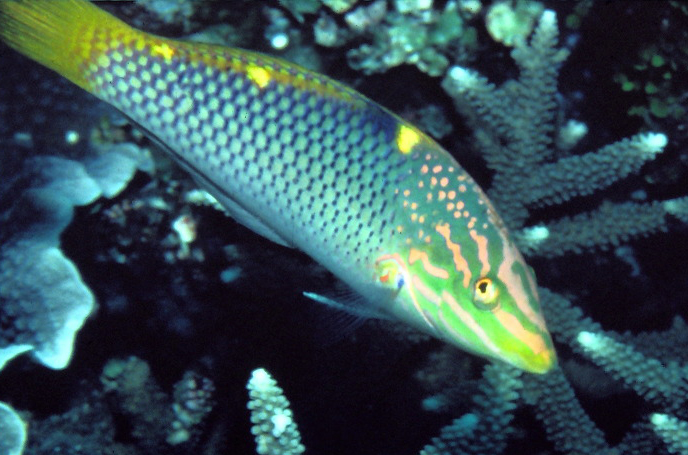
Halichoeres hortulanus (Lacepède, 1801) (Checkerboard wrasse)
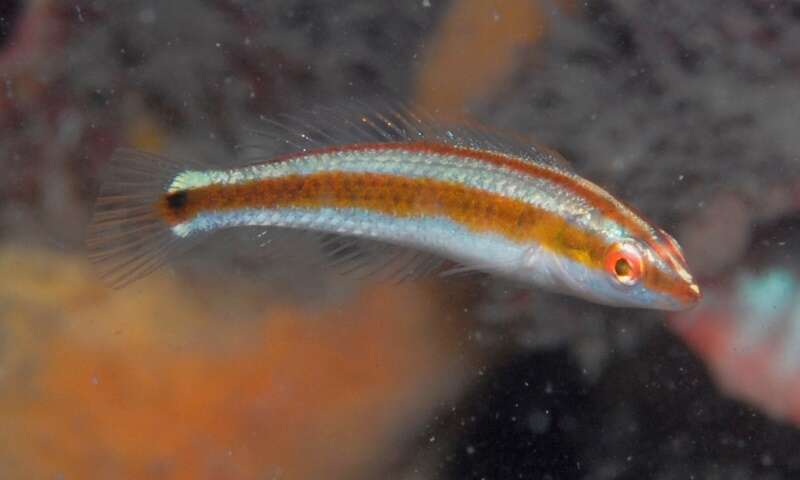
Pseudocheilinus evanidus Jordan and Evermann, 1903 (Striated wrasse)
Found among patches of rubble or among branching coral of seaward reef slopes from 6 to at least 40 m . Benthopelagic . Rare in less than 20 m . Generally solitary and feeds on small benthic invertebrates .
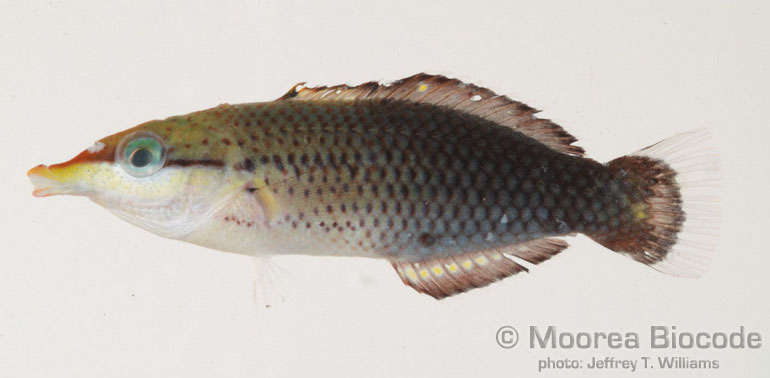
Halichoeres hartzfeldii (Bleeker, 1852) (Hartzfeld's wrasse)
Inhabits seaward reefs, prefers open expanses of sand or mixed sand, rubble, and pavement usually below 11 m. Occurs in loose groups of one male and numerous smaller females and juveniles. Small groups of females and males moving over large areas by themselves, regularly checking females .
Centropyge multifasciata (Smith & Radcliffe, 1911) (Barred angelfish)
Inhabits ledges and caves and crevices of steep outer reef slopes; occasionally found in clear lagoon reefs. It is secretive and rarely goes out more than a few centimeters from an escape hole . Forms pairs or small grou...
Read More
Read More
Pygoplites diacanthus (Boddaert, 1772) (Bluebanded angelfish)
Occurs in coral rich areas of lagoon and seaward reefs to a depth of 48 m or more. Often found in the vicinity of caves and feeds on sponges and tunicates. Solitary or in pairs, or in groups. Frequently exported through the aquarium trade . Rarely survives in the aquarium.
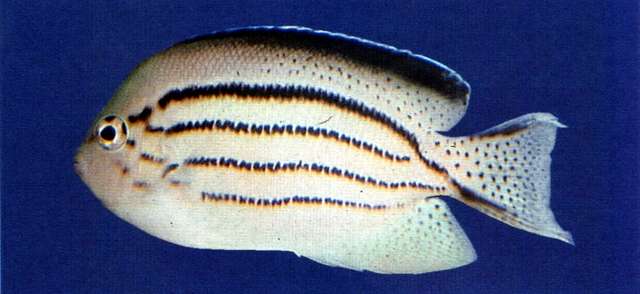
Genicanthus lamarck (Lacepède, 1802) (Blackstriped angelfish)
Inhabit shallow reef crests and deep reefs adjacent to steep slopes. Form aggregations to feed in midwater well above the bottom; harems of 3-7 individuals. Feeds on plankton. Frequently exported through the aquarium trade .
Centropyge tibicen (Cuvier, 1831) (Keyhole angelfish)
Relatively uncommon in mixed coral and rubble areas of lagoon and seaward reefs. The largest member of the genus . Feeds mainly on algae. Forms harems of 3-7 individuals. Frequently exported through the aquarium trade .
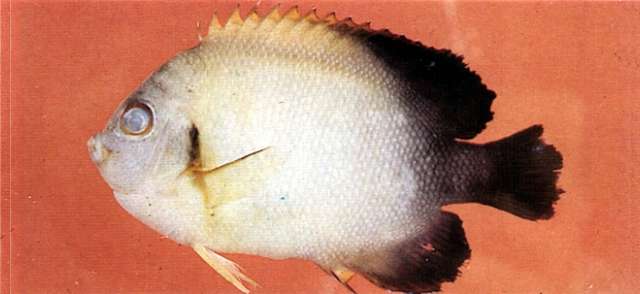
Centropyge vrolikii (Bleeker, 1853) (Pearlscale angelfish)
Inhabit lagoon and seaward reefs, mainly in coral rich areas . Feed on algae. Oviparous , monogamous . Frequently exported through the aquarium trade. Form hybrids with Centropyge eibli and C. flavissima at areas of sympatry. Mimicked by juveniles of the acanthurid Acanthurus pyroferus .
Share on Social Networks
- Facebook:

personalize your shared text as well as its destination (wall, page...) or send as a private message to a friend
- Twitter: Tweet personalize your tweet
- Google Plus:
Direct link to this dive
- Long link:
- Short link:


 We are participating today in the startup contest Techcrunch Disrupt. Support Diveboard by voting for us!
























































































Camiguin 1st dive 2 dive trip White Island dive sites. Kilambing North
Kilambing North is one out of 5 dive sites at White Island. The huge hard coral garden covers an area of several hundreds of meters and gives habitat to plenty of reef creatures.
Green turtles as well as sea snakes are living here all year around. Frog Fish can be observed in spring and stingrays come along the sandy areas from time to time.
Drop in from small bangka, descend to sloping sand , and then to bottom. Some nice hard corals, thick then patchy. back to boat,