


 Beachnutts


 Philippines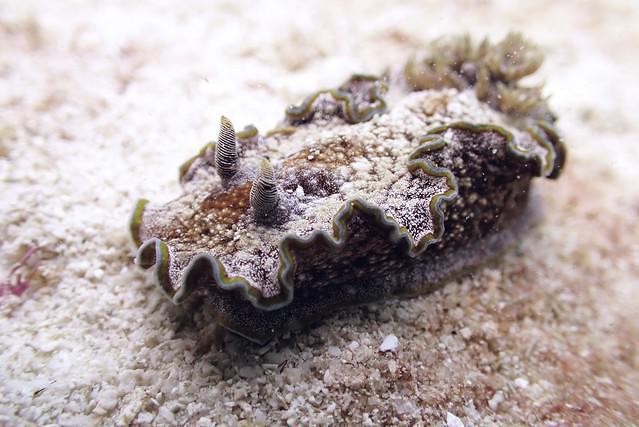
-
Nº79
 Date: 2023-04-30 - 12:49
-
 Max Depth: 18.9m Duration: 66mins
Dive Location

- Surface interval:74 mins
- Temp: Surf 27°C Bottom 27°C
- Dive type : Recreational, Drift, Reef, Photo
- Visibility: Good Water: Salt
Specific gear used
- BCD: Scubapro - Glide Plus
- Camera: Olympus - TG6
- Compass:
- Computer: Oceanic - OCS
- Fins: Scubapro - Jet Fins
- Knife: Scuba MAx - folding
- Lift bag: ScubaMax - SMB
- Light: Sofirn - SD05
- Regulator: Aqualung - Titan LX
- Wet suit: Blue Ocean - Diveskin
- Weights: 3.2 kg
Dive reviews
| Overall review | ||
| Dive difficulty | ||
| Marine life quality |
Dive Shop & Buddies
 Dive with Weng

Link to this spot:
- Spot:
- Country:
- Area:
- Body of water:
Dive Profile
- 1. Air
- 10L Aluminium 207 → 34 bar
- Average depth: 12.6m
Data provided by EOL.org



Species Identified
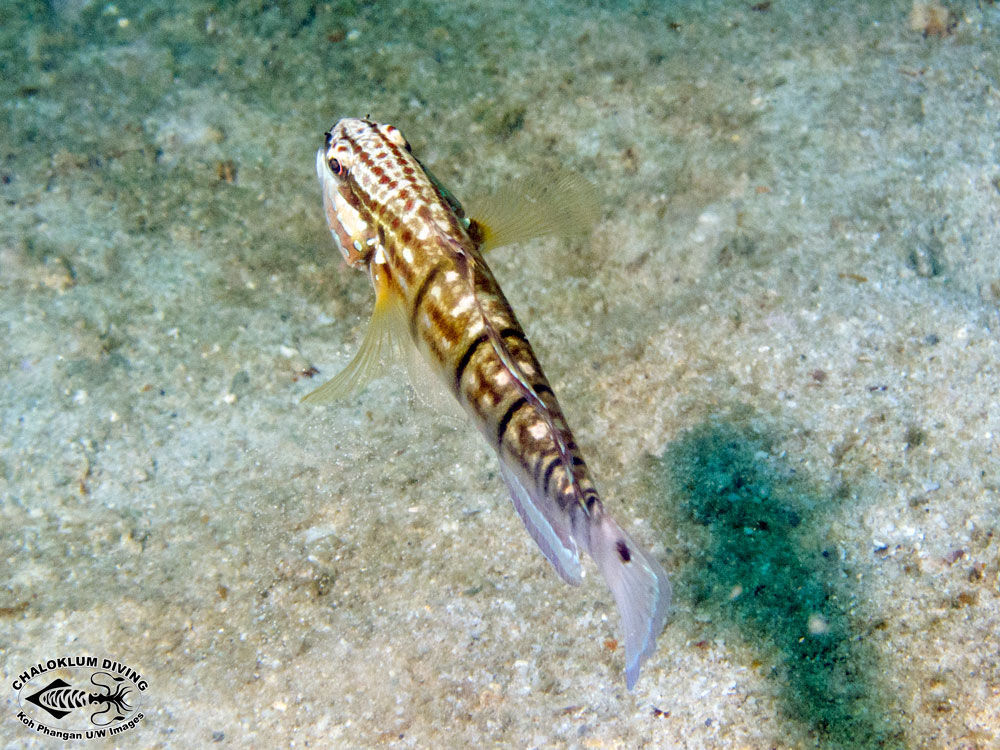
Amblygobius phalaena (Valenciennes, 1837) (Banded goby)
Adults inhabit coastal reefs and lagoons on sand and rubble margins of algal reefs and sometimes near seagrass beds . Feed by sifting mouthfuls of sand and expelling it through the gills, to capture small invertebrates, o...
Read More
Read More
Amblyeleotris wheeleri (Polunin & Lubbock, 1977) (Gorgeous prawn-goby)
Apparently the most common shallow-water species of the genus found in coral reef areas, but may occur at depths greater than 30 m. Usually found in rubble areas near or within coral reefs and in symbiotic association wit...
Read More
Read More
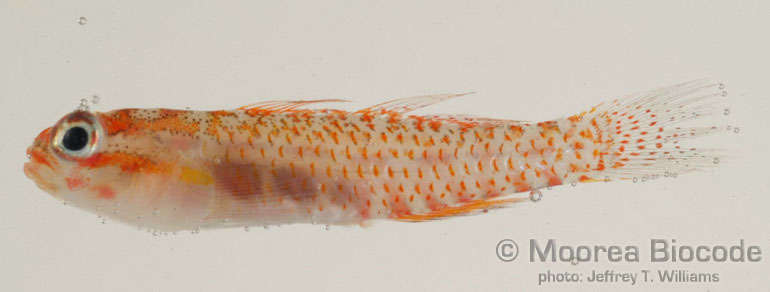
Eviota albolineata Jewett & Lachner, 1983 (Spotted fringefin goby)
Occurs in shallow lagoon and channel reefs at depths usually less than 3 m.
Entomacrodus thalassinus (Jordan & Seale, 1906) (Sea blenny)
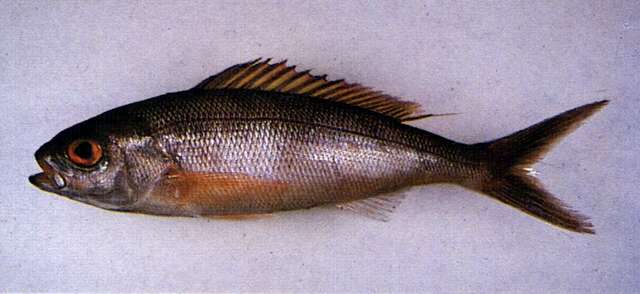
Pristipomoides sieboldii (Bleeker, 1854) (flower jobfish)
Occurs over rocky bottoms ; off Guam, caught most abundantly from about 180 to 270 m . Feeds mainly on fishes, shrimps, crabs, polychaetes, cephalopods and urochordates. Marketed mostly fresh. Caught mainly with bottom longlines and deep handlines.
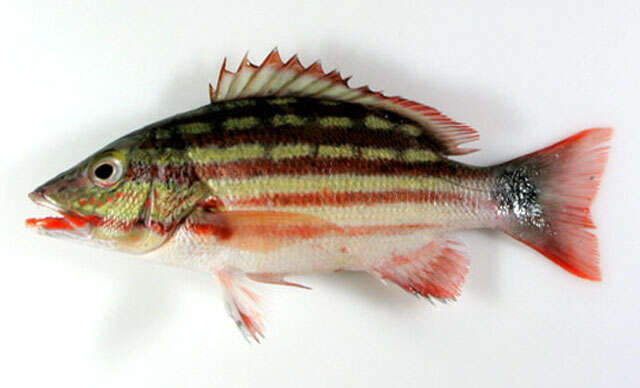
Lutjanus decussatus (Cuvier, 1828) (lattice snapper)
Inhabits both inshore and offshore coral reefs where it occurs singly or in schools. Small juveniles on shallow protected reef flats and are used in the aquarium trade.
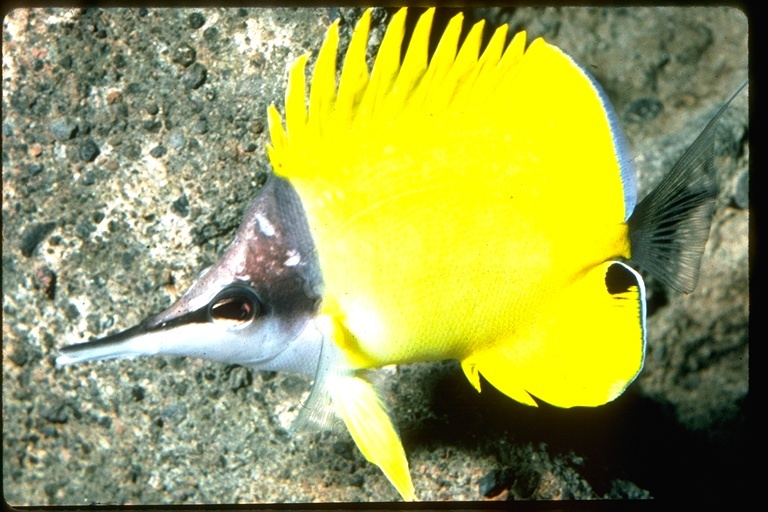
Forcipiger flavissimus Jordan & McGregor, 1898 (Butterflyfish)
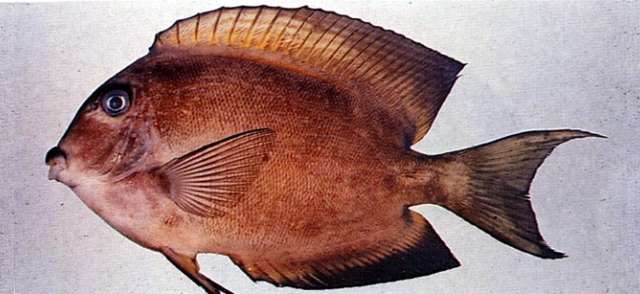
Ctenochaetus binotatus Randall, 1955 (Twospot surgeonfish)
Inhabits coral and rubble areas of deep lagoon and seaward reefs. Feeds by scooping film of detritus and unicellular algae that produce ciguatera toxin making this species a key link in the ciguatera food chain . Caught with nets .
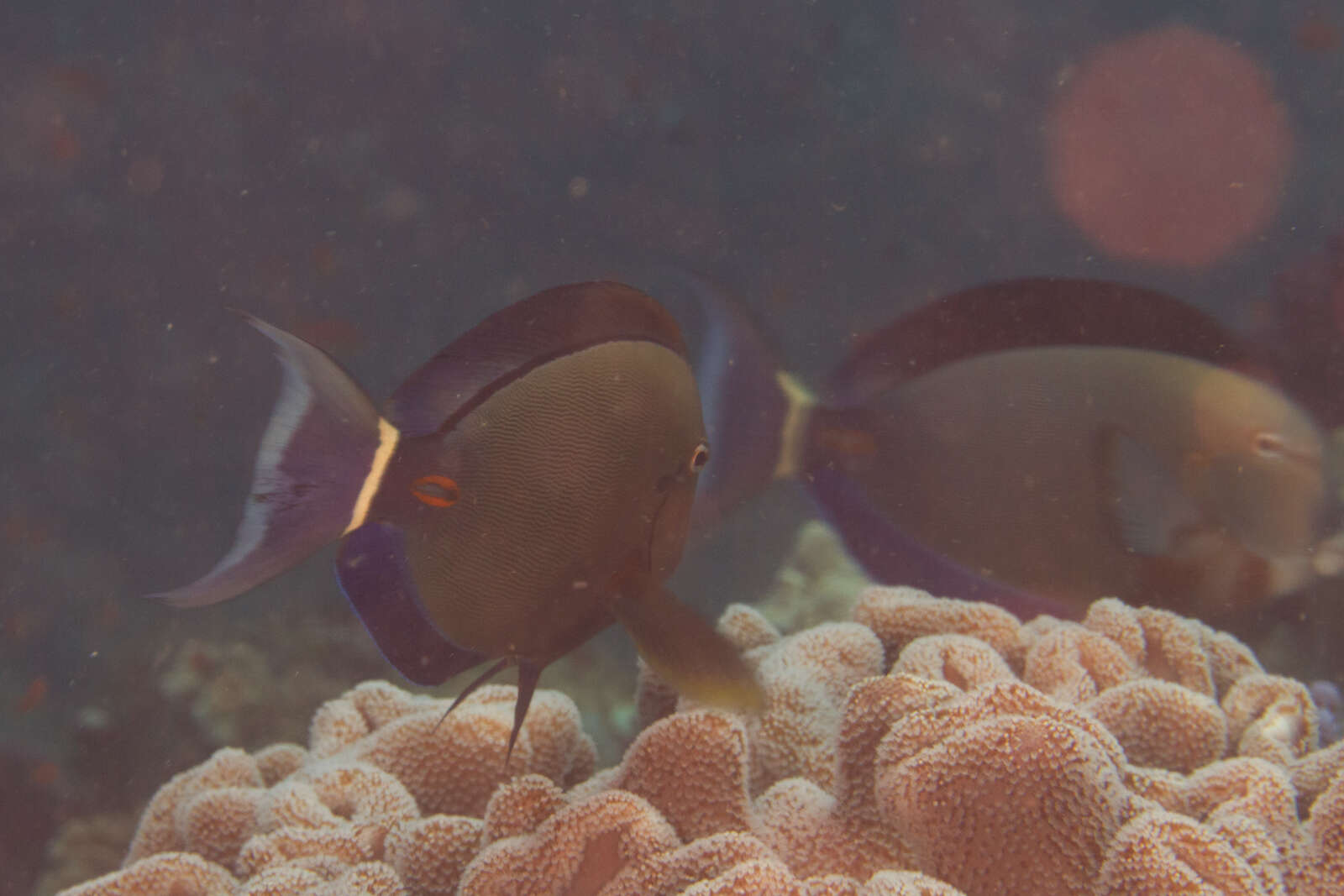
Acanthurus auranticavus Randall, 1956 (Orange-socket surgeonfish)
Inhabits shallow reefs, both in lagoons and outer reef areas. Frequently moves in groups. Juveniles found between soft corals in lagoons at depths of up to 2 m . Adults in groups, often mixed with other similar species .
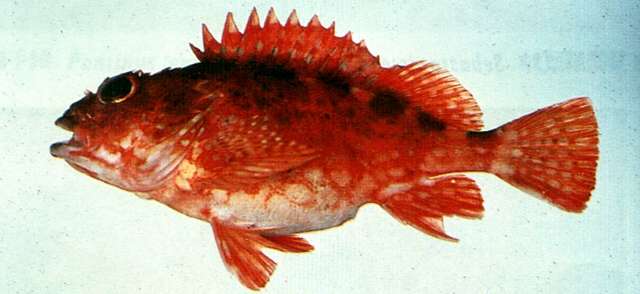
Sebastiscus marmoratus (Cuvier, 1829) (Filefish)
Found near shore, on rock bottom . Commercially cultured in Japan. Viviparous . Anterolateral glandular grooves with venom gland .
Parabembras curtus (Temminck & Schlegel, 1843) (Ubagochi)
Diodon liturosus Shaw, 1804 (Black-blotched porcupinefish)
Inhabits reef edges and slopes . Hides in caves and ledges during the day and forages at night . Also found below plate-corals during the day and often deep, ranging to at least 40 meters depth. Juveniles occur in lagoo...
Read More
Read More
Share on Social Networks
- Facebook:

personalize your shared text as well as its destination (wall, page...) or send as a private message to a friend
- Twitter: Tweet personalize your tweet
- Google Plus:
Direct link to this dive
- Long link:
- Short link:


 We are participating today in the startup contest Techcrunch Disrupt. Support Diveboard by voting for us!
























































































2nd dive 2 tank boat trip Datu Budas
drop in on buoy front of Coral Garden Beach Resort
swim/ drift North looking for photos/ macro/ nudis
SOLO dive , rejoin group, back towards boat, boat PU near pier.
SI 1:14
split in spg hose, borrowed spg Jun