


 Beachnutts



 Philippines
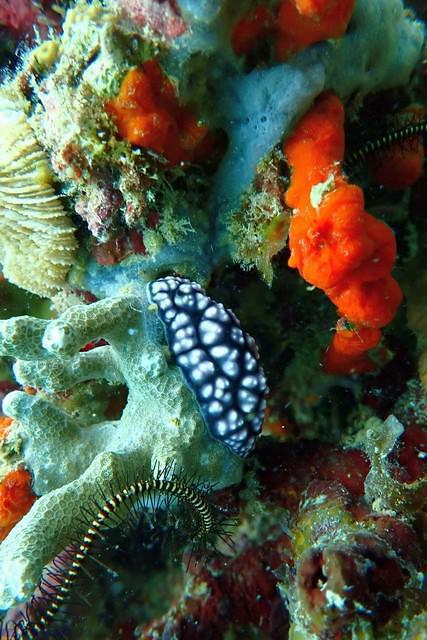
-
Nº88
 Date: 2023-07-02 - 01:04
-
 Max Depth: 23.2m Duration: 81mins
Dive Location

- Surface interval:72 mins
- Temp: Surf 27°C Bottom 27°C
- Dive type : Recreational, Reef, Photo
- Visibility: Average Water: Salt
Specific gear used
- BCD: Scubapro - Glide Plus
- Camera: Olympus - TG6
- Computer: Oceanic - OCS
- Fins: Scubapro - Jet Fins
- Knife: Scuba MAx - folding
- Lift bag: ScubaMax - SMB
- Mask: Promate - Scope
- Regulator: Aqualung - Titan LX
- Wet suit: Blue Ocean - Diveskin
- Light: Cree - L2
- Weights: 3.2 kg
Dive reviews
| Overall review | ||
| Dive difficulty | ||
| Marine life quality |
Recent Divers in Samal island, Davao
Recent Pictures in Samal island, Davao
Dive Shop & Buddies
 Dive with Blake Auge
 Dive buddies:
Ton Ton

Link to this spot:
- Spot:
- Country:
- Area:
- Body of water:
Dive Profile
- 1. Air
- 10L Aluminium 207 → 34 bar
- Average depth: 15.4m
Data provided by EOL.org








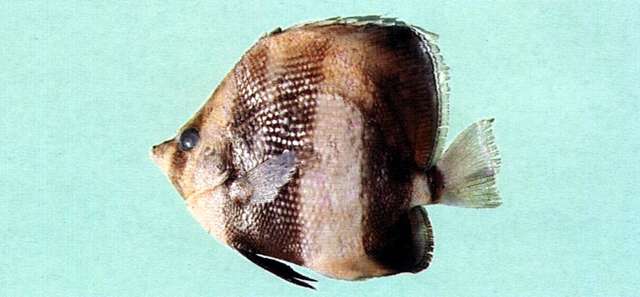

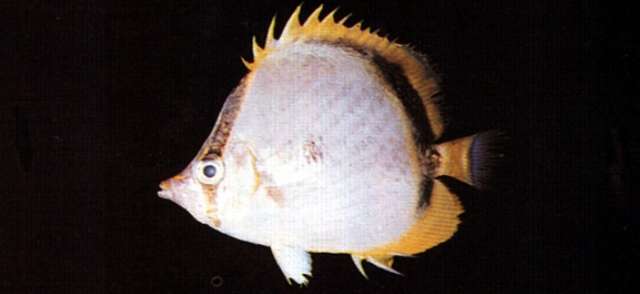
Species Identified
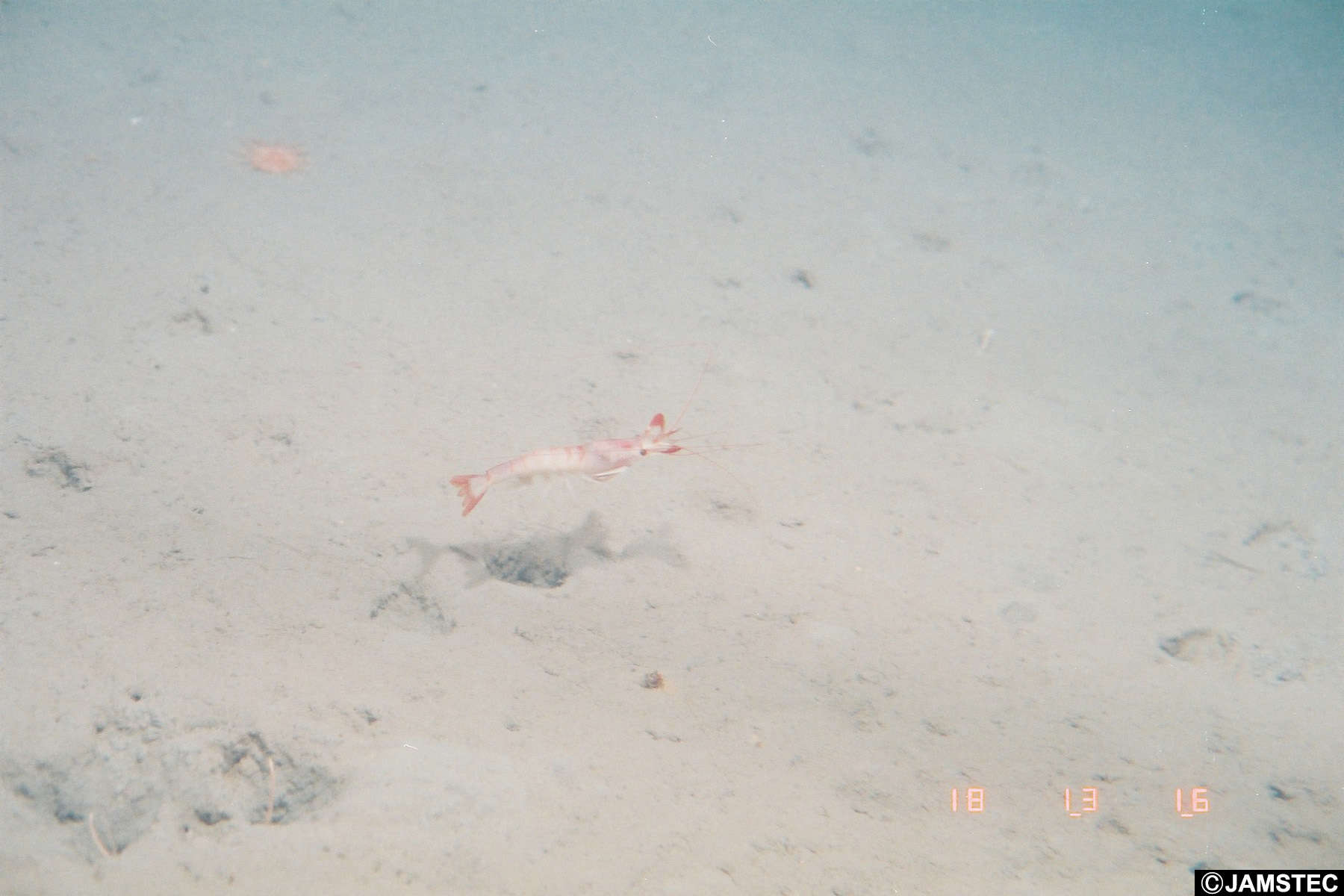
Aristeus virilis (Bate, 1881) (stout red shrimp)
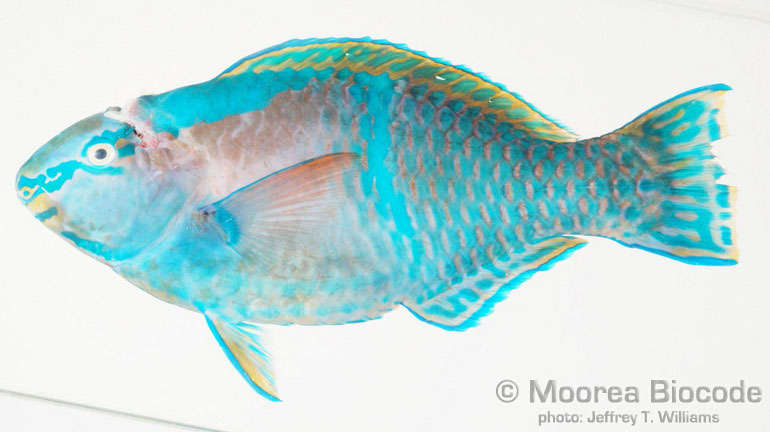
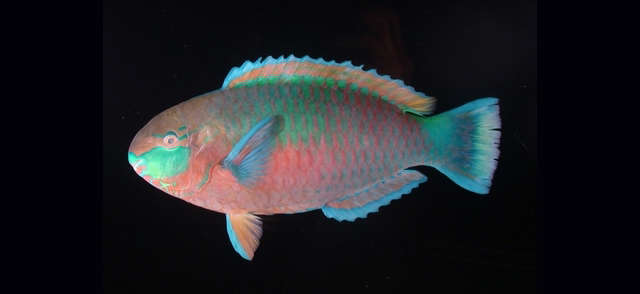
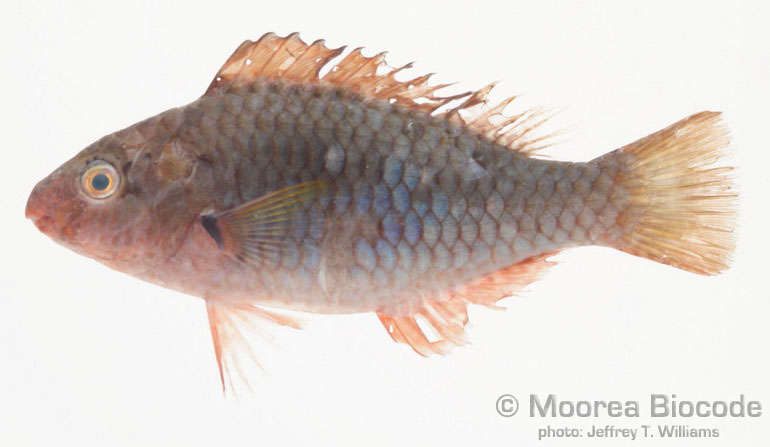
Scarus oviceps Valenciennes, 1840 (Darkcapped parrotfish)
Inhabits lagoon and seaward reefs to at least 10 m . Occurs singly .
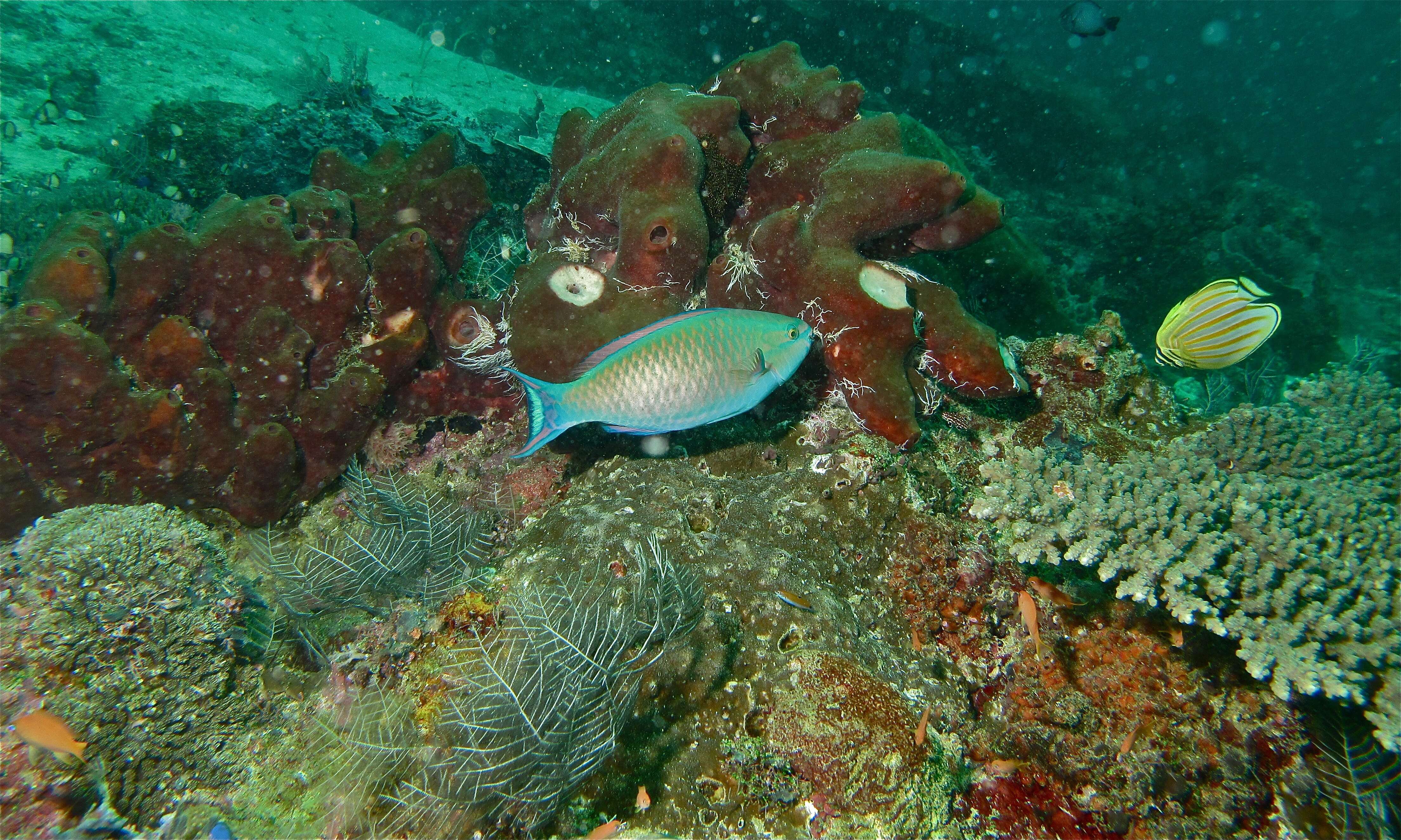
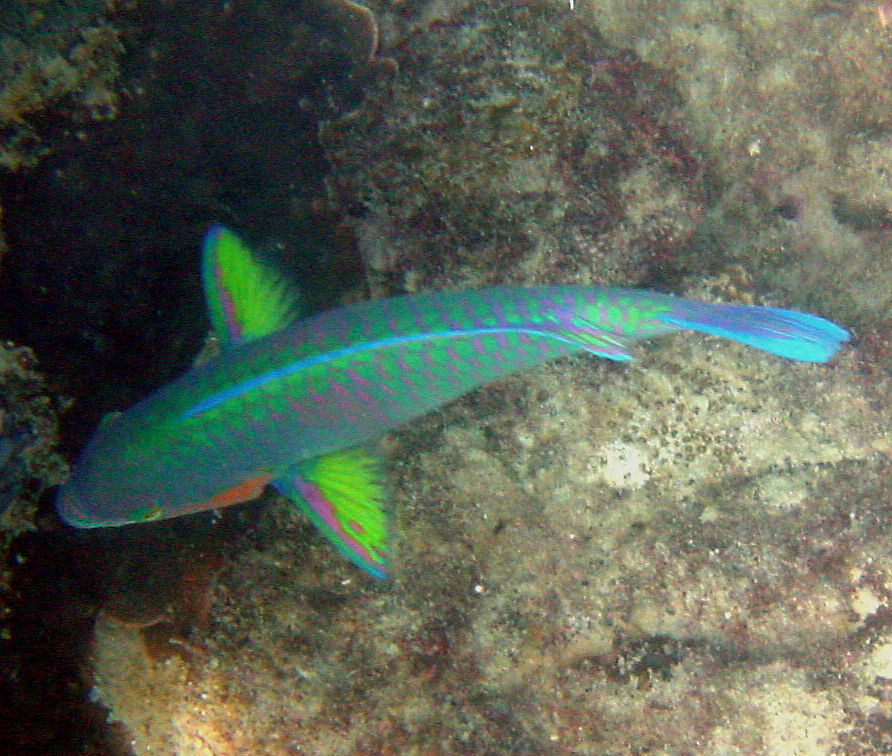
Scarus schlegeli (Bleeker, 1861) (Yellowband parrotfish)
Inhabits lagoon and seaward reefs from 1 to over 50 m depth. Adults are common in areas with rich coral and high vertical relief . Juveniles may school with other species. Form feeding aggregations on rubble and mixed r...
Read More
Read More
Scarus quoyi Valenciennes, 1840 (Quoy's parrotfish)
Inhabits coral-rich areas of outer channels and seaward reefs . Occurs singly or in small groups over intertidal flats to graze on algae during high water mark .
Scarus tricolor Bleeker, 1847 (Tricolour parrotfish)
Inhabits lagoon and seaward reefs, in areas with dense coral growth up to at least 30 m. Usually solitary, sometimes in groups . Feeds on benthic algae .
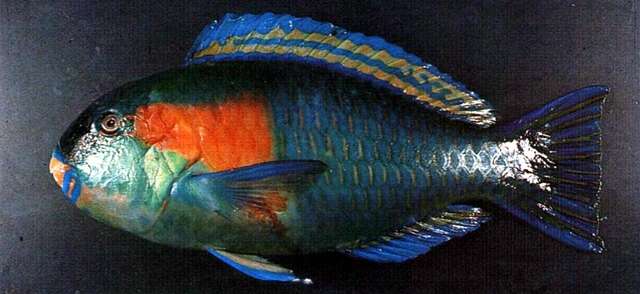
Chlorurus bowersi (Snyder, 1909) (Bower's parrotfish)
Inhabits channel and lagoon reef slopes, in coral-rich areas . Occurs singly .
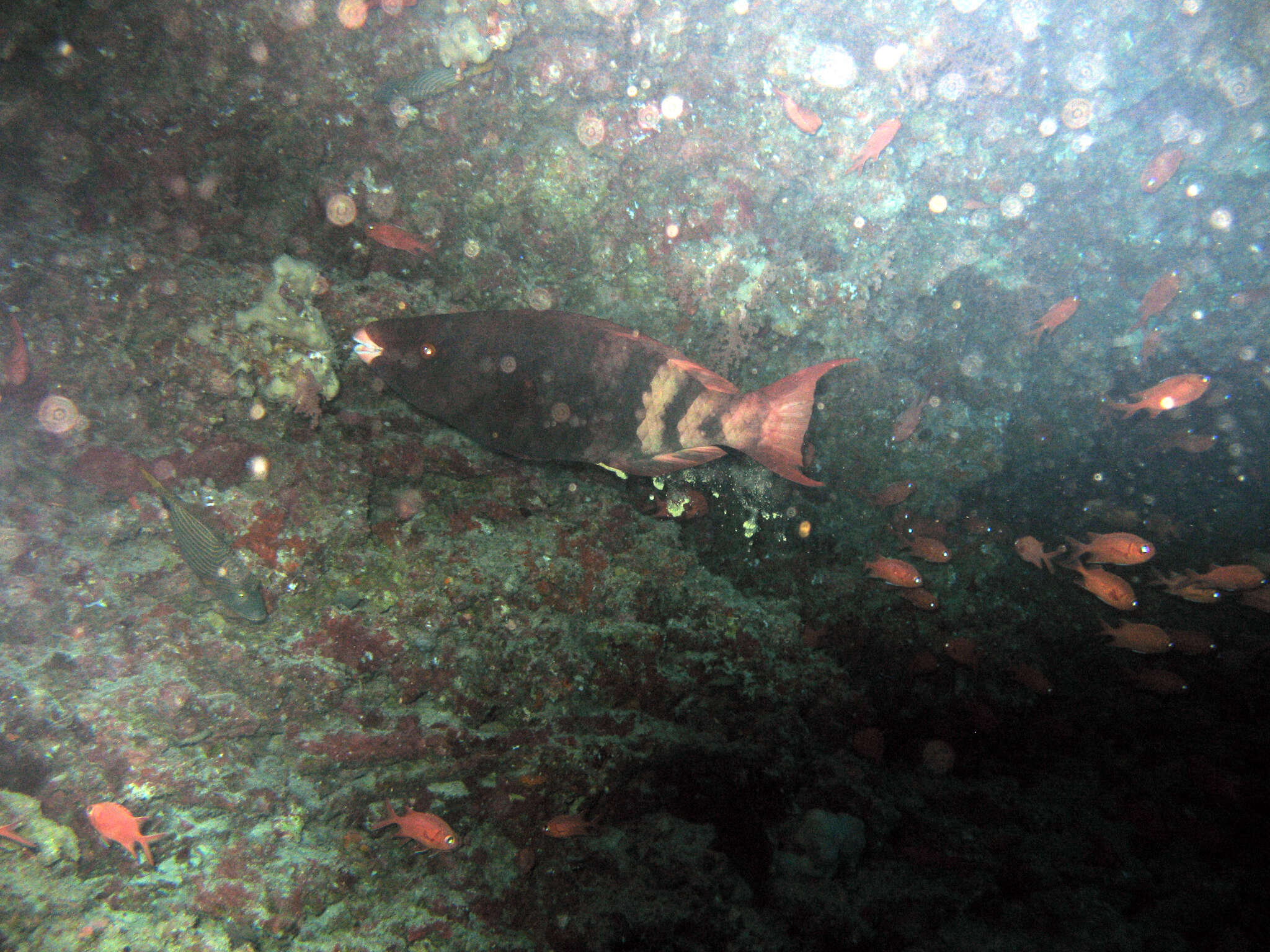
Scarus caudofasciatus (Günther, 1862) (Redbarred parrotfish)
Inhabits steep outer reef slopes . Solitary and wary species . Caught with nets and other kinds of artisanal gear. Mainly sold fresh.
Scarus rubroviolaceus Bleeker, 1847 (Ember parrotfish)
Scarus rivulatus Valenciennes, 1840 (Rivulated parrotfish)
Inhabits rocky and coral reefs from tidal pools to at least 10 m deep. Form schools with 30 to 40 individuals. Grazes on benthic algae and corals . Reproductively active terminal males become bicolored .
Scarus chameleon Choat and Randall, 1986 (Chameleon parrotfish)
Inhabits outer reef flats and exposed lagoon and seaward slopes from a depth of 3 to at least 30 m . Feeds mainly on algae . Females often in schools of mixed species when feeding, males usually seen separate .
Scarus festivus Valenciennes, 1840 (Festive parrotfish)
Found in clear lagoon and seaward reefs . Feeds on benthic algae .
Scorpaenodes albaiensis (Evermann & Seale, 1907) (Longfingered scorpionfish)
Rare species . Very secretive in coastal coral reefs and rarely seen by divers, even at night .
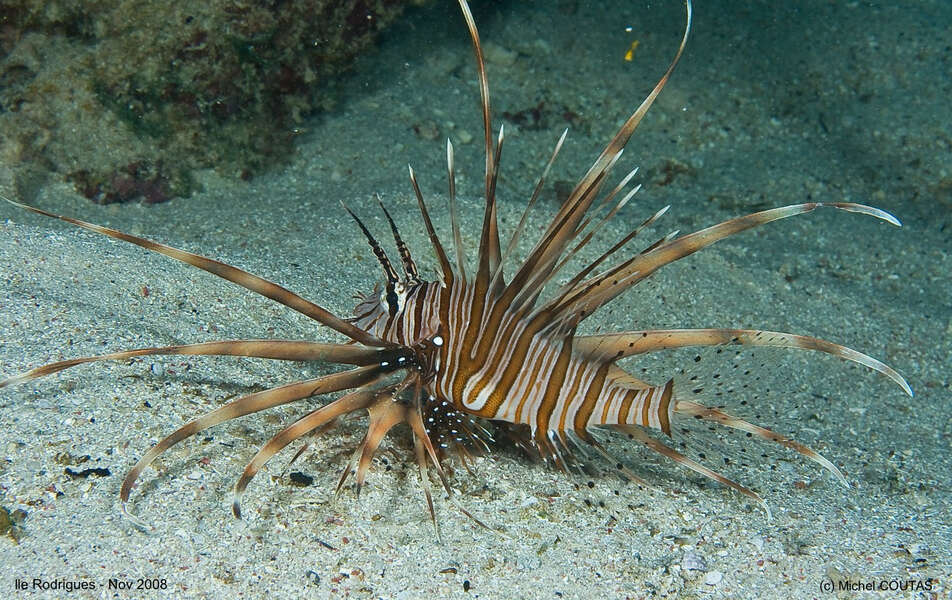
Pterois volitans (Linnaeus, 1758) (Red lionfish)
Scorpaenopsis vittapinna Randall & Eschmeyer, 2001 (Bigmouth scorpionfish)
Inhabits coral reefs and areas with rubble bottom .
Pterois russelii Bennett, 1831 (Plaintail turkeyfish)
Found on muddy substrates, from well-protected shallow estuaries to quiet, deep offshore reefs .
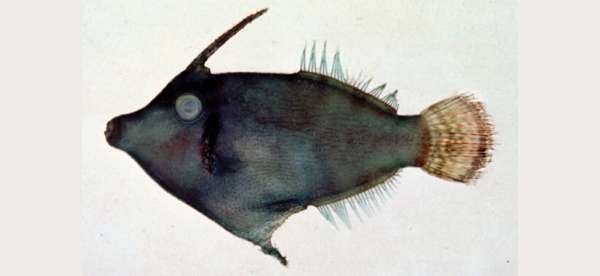
Pervagor melanocephalus (Bleeker, 1853) (Redtail filefish)
Inhabits clear coastal reefs and protected outer reef habitats with rich invertebrate growth . Prefers deeper reefs. Often in pairs . Secretive, adults are usually in pairs .
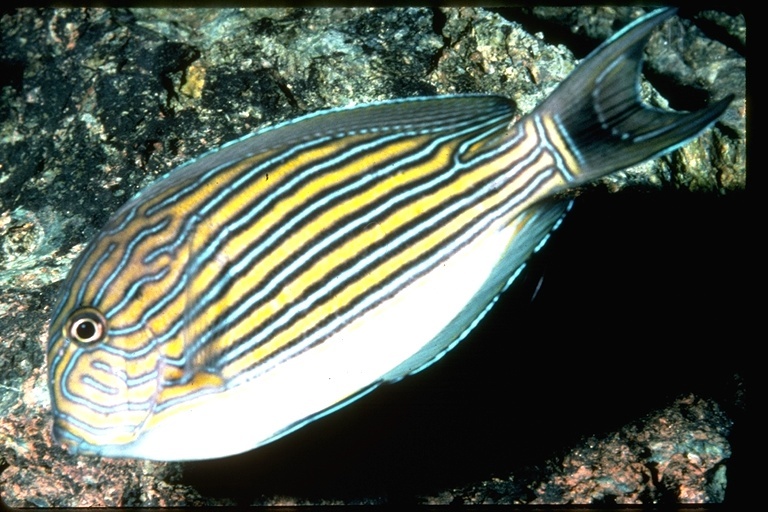
Acanthurus lineatus (Linnaeus, 1758) (Blue banded surgeonfish)
A territorial species which is common in surge zones of exposed seaward reefs. The large male controls well-defined feeding territories and harems of females . Benthopelagic . Adult usually forms schools and commonly f...
Read More
Read More
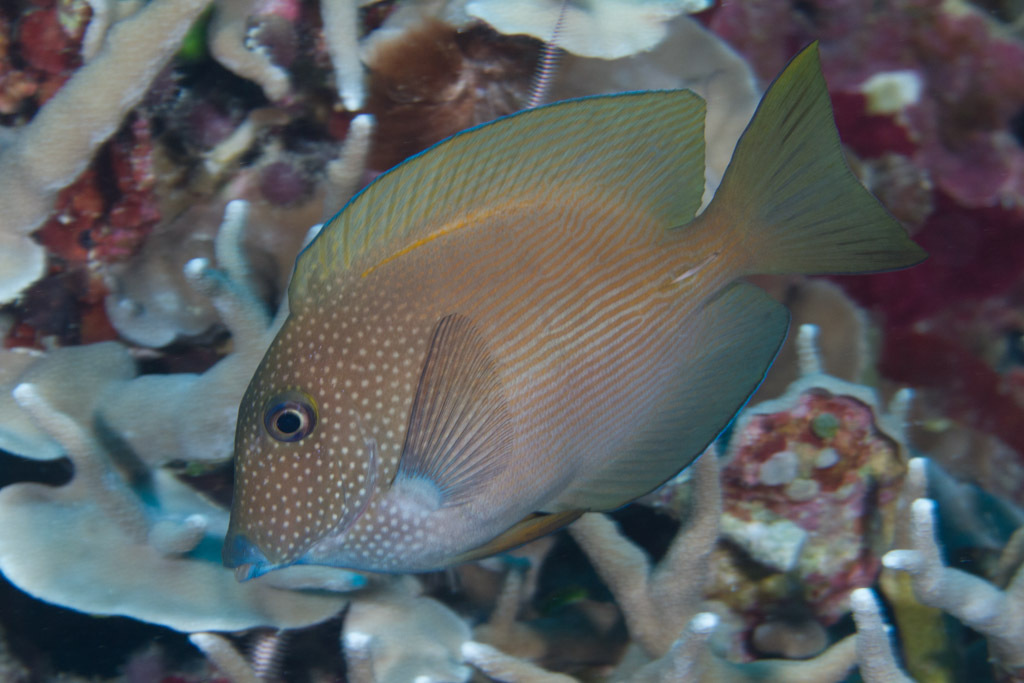
Ctenochaetus striatus (Quoy and Gaimard, 1825) (Striated surgeonfish)
Inhabits reef flats and lagoon and seaward reefs to a depth of over 30 m. Occurs over coral , rock, pavement, or rubble substrates. May occur singly or in small to very large, often mixed-species aggregations . Feeds on...
Read More
Read More
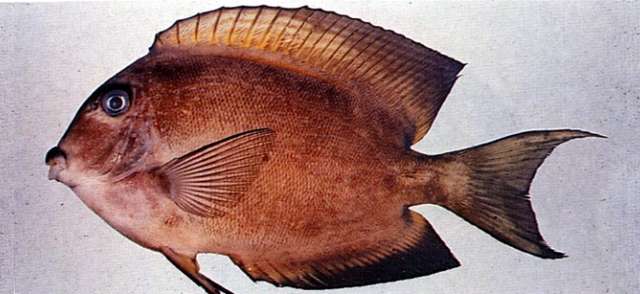
Ctenochaetus binotatus Randall, 1955 (Twospot surgeonfish)
Inhabits coral and rubble areas of deep lagoon and seaward reefs. Feeds by scooping film of detritus and unicellular algae that produce ciguatera toxin making this species a key link in the ciguatera food chain . Caught with nets .
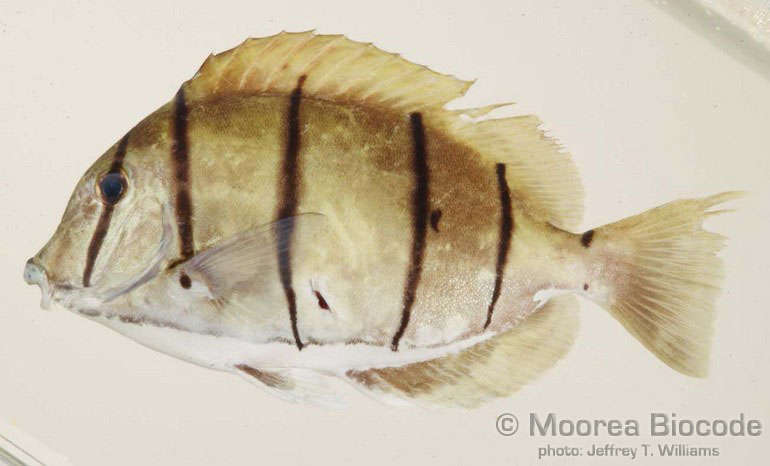
Acanthurus triostegus (Linnaeus, 1758) (Convict surgeonfish)
Occur in lagoon and seaward reefs with hard substrate; young abundant in tide pools . Benthopelagic . Often feeding near freshwater run-offs where certain algae grow on rocks that are grazed . Occasionally form schools;...
Read More
Read More
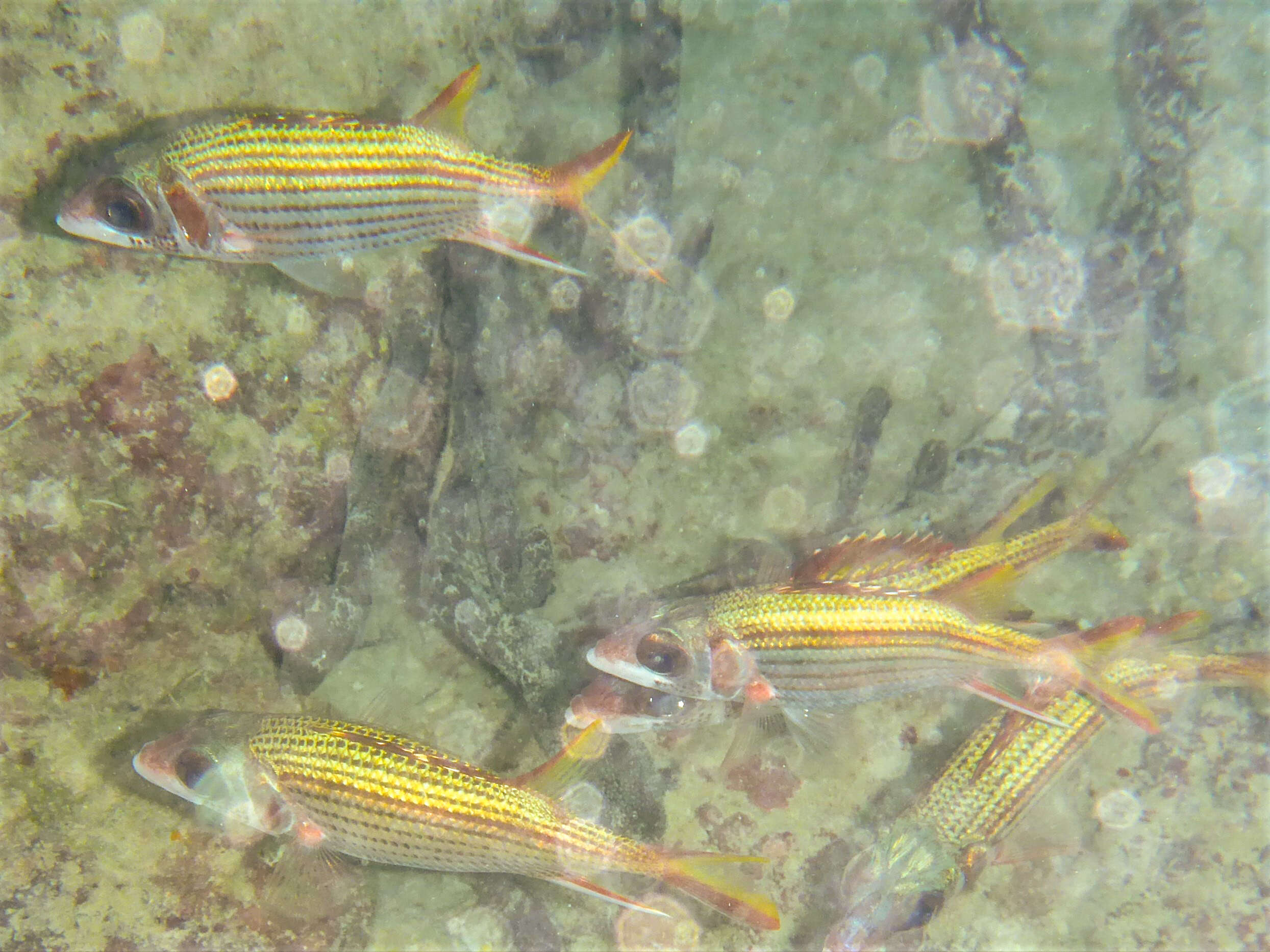
Neoniphon opercularis (Valenciennes, 1831) (Black squirrelfish)
Inhabits subtidal reef flats and lagoon and seaward reefs to depths of at least 20 m. Found singly or in small groups in coral-rich areas . Feeds mainly on benthic crabs and shrimps. Large spine at the corner of preope...
Read More
Read More
Sargocentron microstoma (Günther, 1859) (Smallmouth squirrelfish)
Inhabits virtually all coral reef zones . Benthopelagic in or near crevices and holes . Common in thickets of staghorn Acropora or in large Pocillopora heads . Feeds on small crustaceans, worms, and fishes during the ni...
Read More
Read More
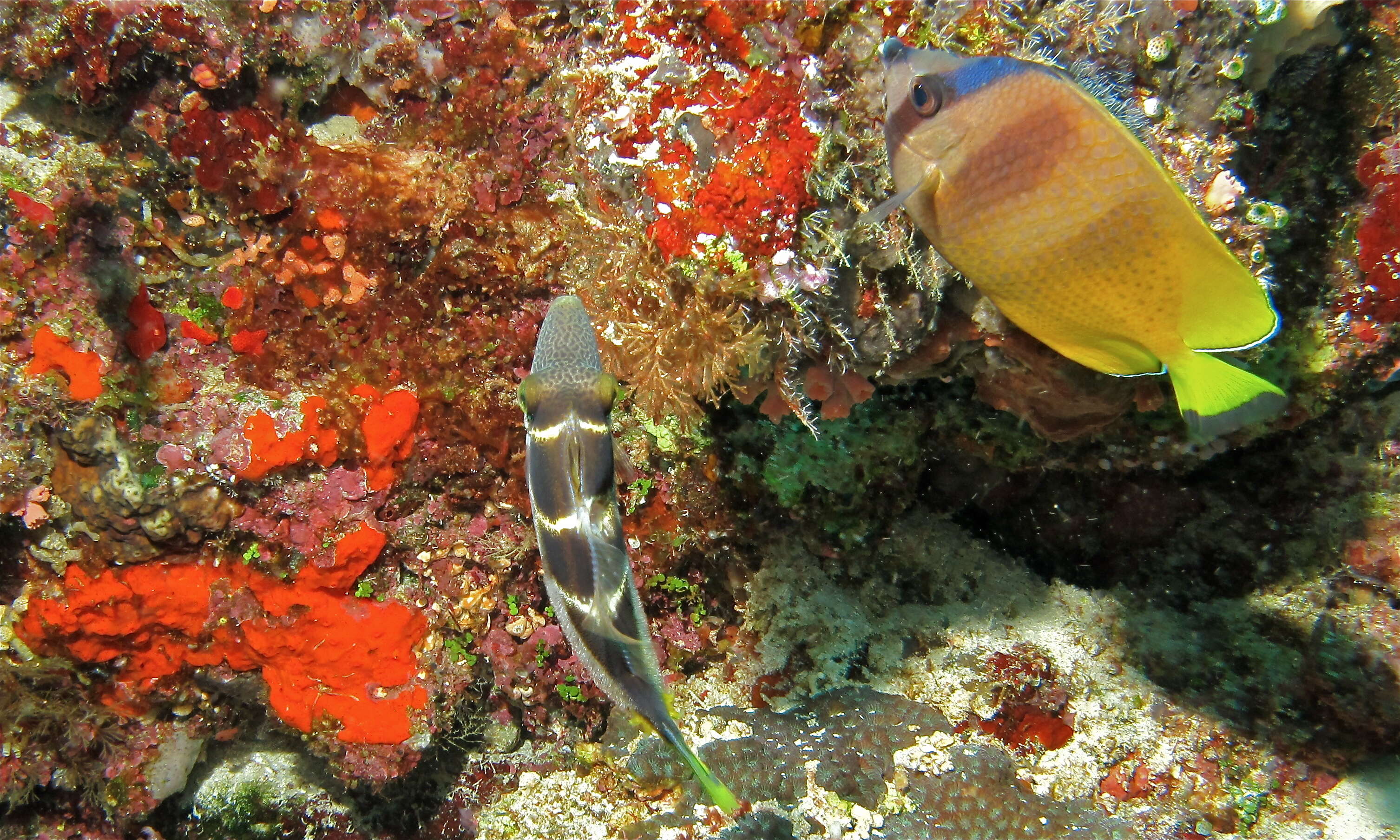
Chaetodon kleinii Bloch, 1790 (Sunburst butterflyfish)
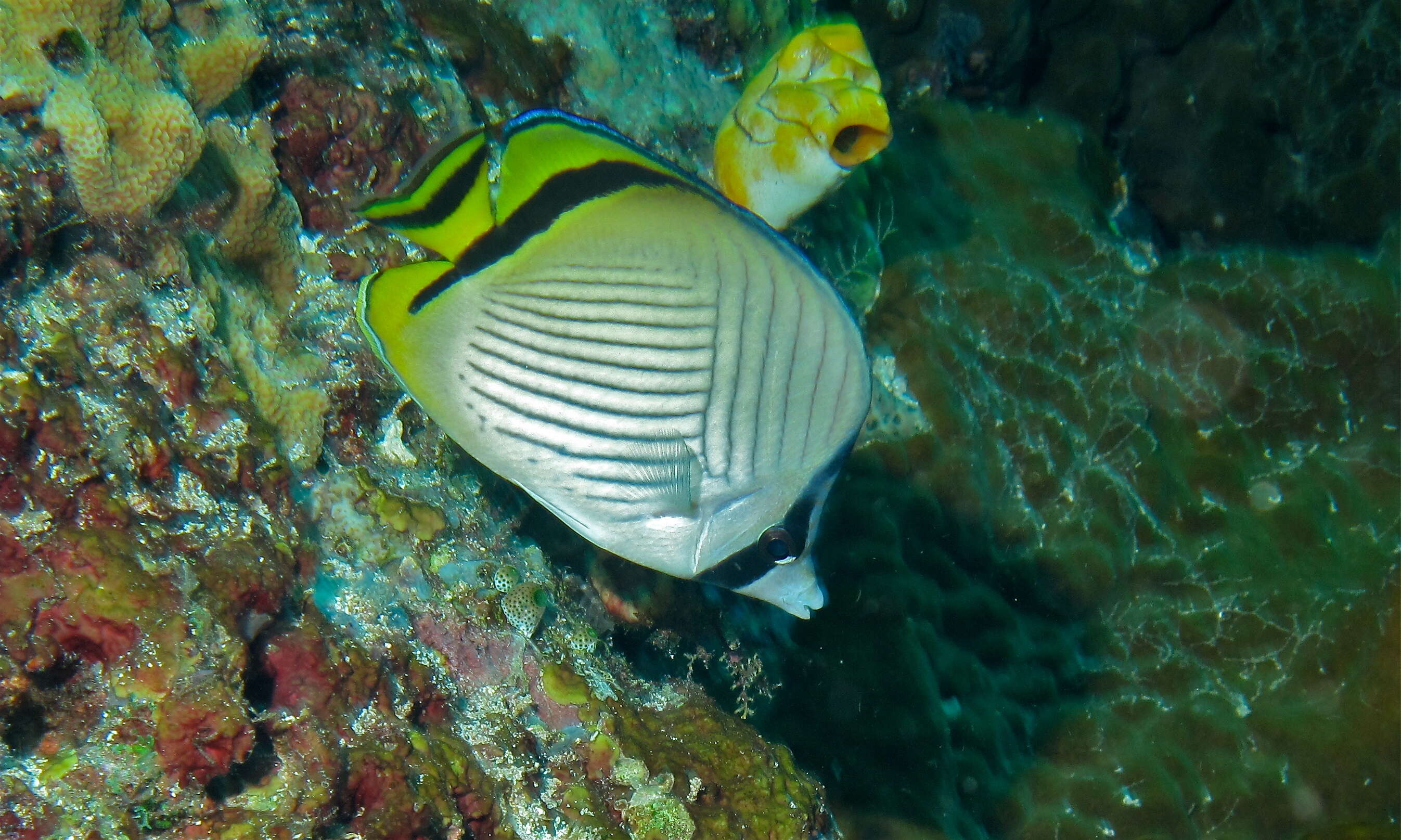
Chaetodon vagabundus Linnaeus, 1758 (Vagabond butterflyfish)
Found in reef flats, lagoon and seaward reefs and sometimes in turbid waters subject to freshwater runoff. Swim in pairs. Omnivorous, feed on algae, coral polyps, crustaceans and worms . Oviparous , monogamous . Stab...
Read More
Read More
Chaetodon speculum Cuvier, 1831 (Mirror butterflyfish)
In coastal reef slopes rich with hydroids and anemones. Small juveniles secretive in coral thickets . Usually solitary and relatively uncommon. Feed on coral polyps and invertebrates . Oviparous , monogamous . Form pairs during breeding .
Chaetodon rafflesii [Bennett], 1830 (Latticed coralfish)
An uncommon species found in areas of rich coral growth of lagoon and protected reef flats and seaward reefs . Often in pairs . Feed on sea anemones, polychaetes, and octocorallian and scleractinian coral polyps. Ovipar...
Read More
Read More
Chaetodon punctatofasciatus Cuvier, 1831 (Spotband butterflyfish)
Common in coral rich areas and clear waters of lagoon and seaward reefs. Sometimes found on outer subtidal reef flats . Juveniles secretive . Feed on filamentous algae, corals, and benthic invertebrates. Often in pairs...
Read More
Read More
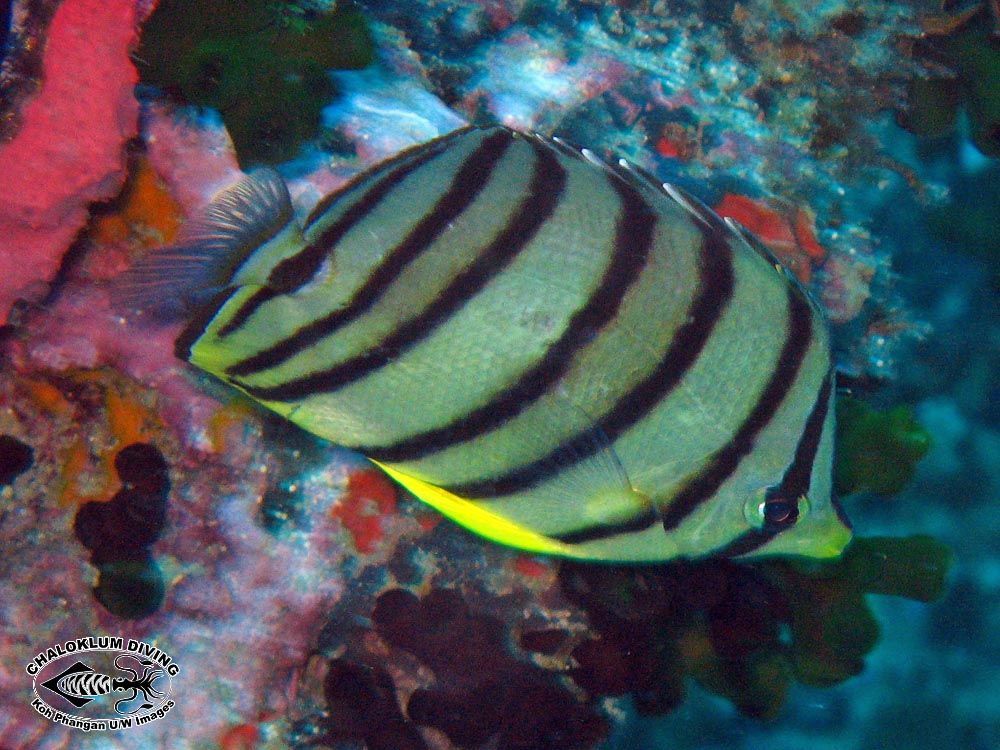
Chaetodon octofasciatus Bloch, 1787 (Eightband butterflyfish)
Swim in pairs in coral rich areas of sheltered lagoon and inshore reefs; juveniles seen in groups among Acropora corals. Feed exclusively on coral polyps. Oviparous . Form pairs during breeding .
Coradion chrysozonus (Cuvier, 1831) (Goldengirdled coralfish)
Found in coastal to outer reef drop-offs with rich invertebrate growth to 60 m depth; may also occur in areas with sparse coral growth. Feed on sponges . Oviparous . Form pairs during breeding .
Chaetodon meyeri Bloch and Schneider, 1801 (Scrawled butterflyfish)
Chaetodon selene Bleeker, 1853 (Yellowdotted butterflyfish)
Inhabit coastal reefs, primarily on rubble slopes . Oviparous . Adults usually swim in pairs in search of small benthic invertebrates .
Share on Social Networks
- Facebook:

personalize your shared text as well as its destination (wall, page...) or send as a private message to a friend
- Twitter: Tweet personalize your tweet
- Google Plus:
Direct link to this dive
- Long link:
- Short link:


 We are participating today in the startup contest Techcrunch Disrupt. Support Diveboard by voting for us!
























































































2nd dive Datu Budas to Marisa, still murky green, silty water on Marisa seamount
swim around to right, boat pick up, thermocline around 30-40 feet. Better than 1st dive
multilevel
Ghost net found on top of reef