


 Beachnutts


 Philippines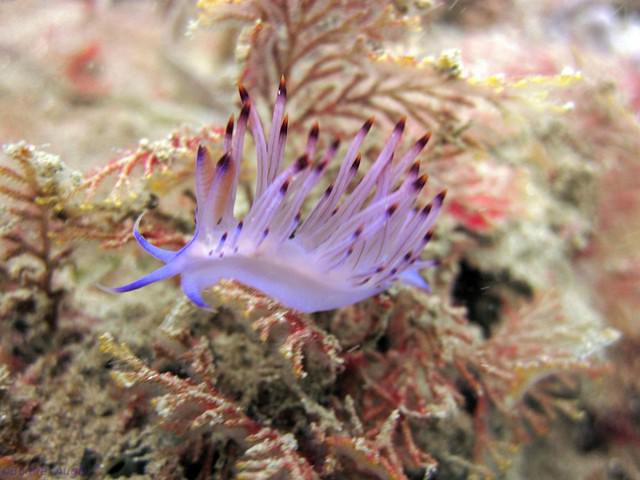
-
Nº44
 Date: 2022-11-01 - 12:10
-
 Max Depth: 22.3m Duration: 79mins
Dive Location

- Temp: Surf 27°C Bottom 27°C
- Dive type : Recreational, Reef, Photo, Muck Dive
- Visibility: Bad Water: Salt
Specific gear used
- BCD: Oceanic - OceanPro
- Camera: Canon - Powershot SD780
- Computer: Oceanic - OCS
- Fins: Scubapro - Jet Fins
- Knife: Scuba MAx - folding
- Mask: Promate - Scope
- Regulator: SEAC - Synchro
- Lift bag: ScubaMax - SMB
- Weights: 3.2 kg
Dive reviews
| Overall review | ||
| Dive difficulty | ||
| Marine life quality |
Dive Shop & Buddies
 Dive with Blake Auge

Link to this spot:
- Spot:
- Country:
- Area:
- Body of water:
Dive Profile
- 1. Air
- 10L Aluminium 207 → 21 bar
- Average depth: 14.8m
Data provided by EOL.org







Species Identified
Gobiusculus flavescens (Fabricius, 1779) (Two-spotted goby)
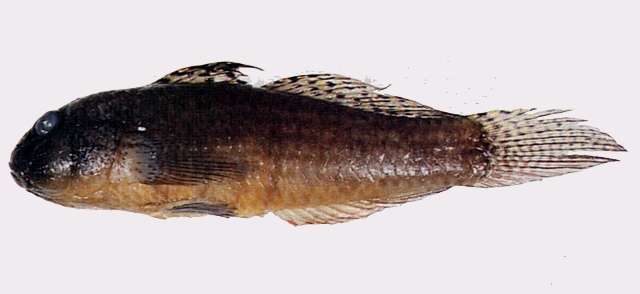
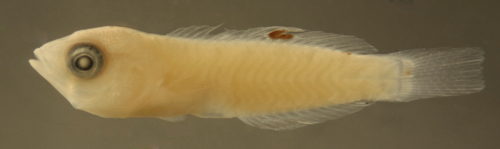
Exyrias puntang (Bleeker, 1851) (Puntang goby)
Inhabits muddy bottoms of shallow, turbid marine to brackish coastal inlets and estuaries. Also lives in shallow coastal waters, large tidal pools, mangroves, siltty lagoons and brackish lakes .
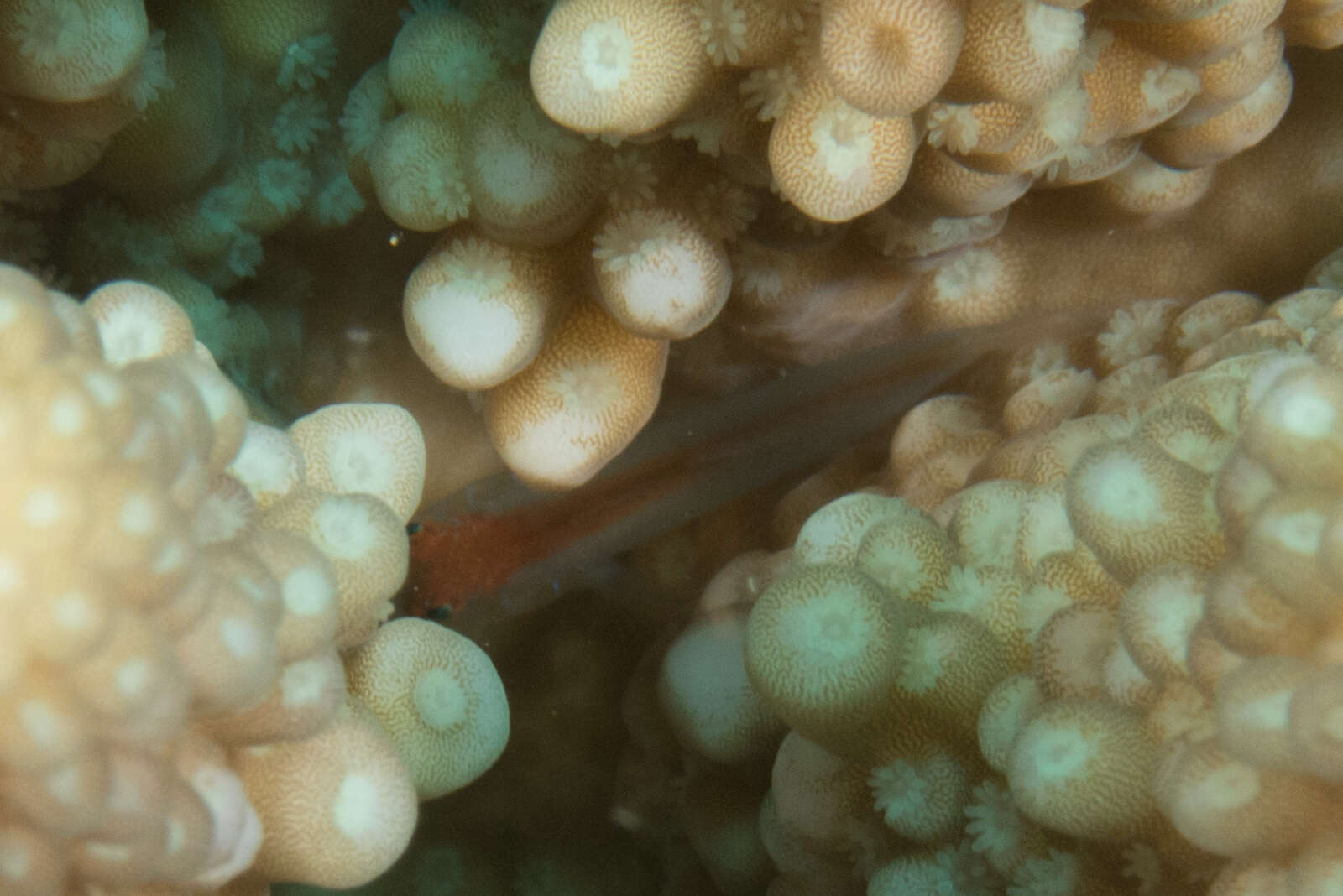
Gobiodon rivulatus (Rüppell, 1830) (orangespotted goby)
Marine species usually living on coral reefs but also recorded from pools, freshwater streams or lagoon mouths . Found on tabletop Acropora corals ; a coral-commensal species . Monogamous . The male takes care of eggs ...
Read More
Read More
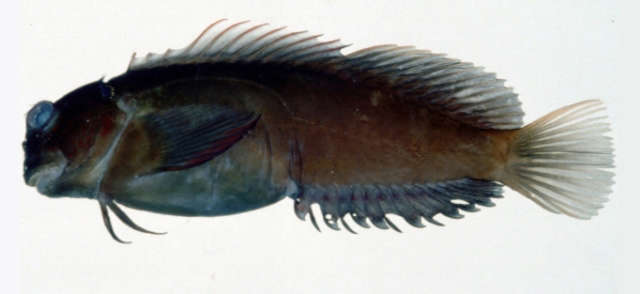
Cirripectes variolosus (Valenciennes, 1836) (collared blenny)
Inhabit exposed seaward reefs where it usually shelters at bases or among the branches of Pocilloporid corals . Benthic . Oviparous. Eggs are demersal and adhesive .
Cirripectes quagga (Fowler & Ball, 1924) (Squiggly blenny)
Found in algal ridge and crests between surge channels of exposed seaward reefs . Usually taken in water less than 10 m deep, but has been collected at depths as great as 19 m in the Marquesas Islands . Benthic . Oviparous . Eggs are demersal and adhesive .
Cirripectes filamentosus (Alleyne & Macleay, 1877) (Filamentous blenny)
Usually found on coral or rocky reefs. Oviparous . Eggs are demersal and adhesive .
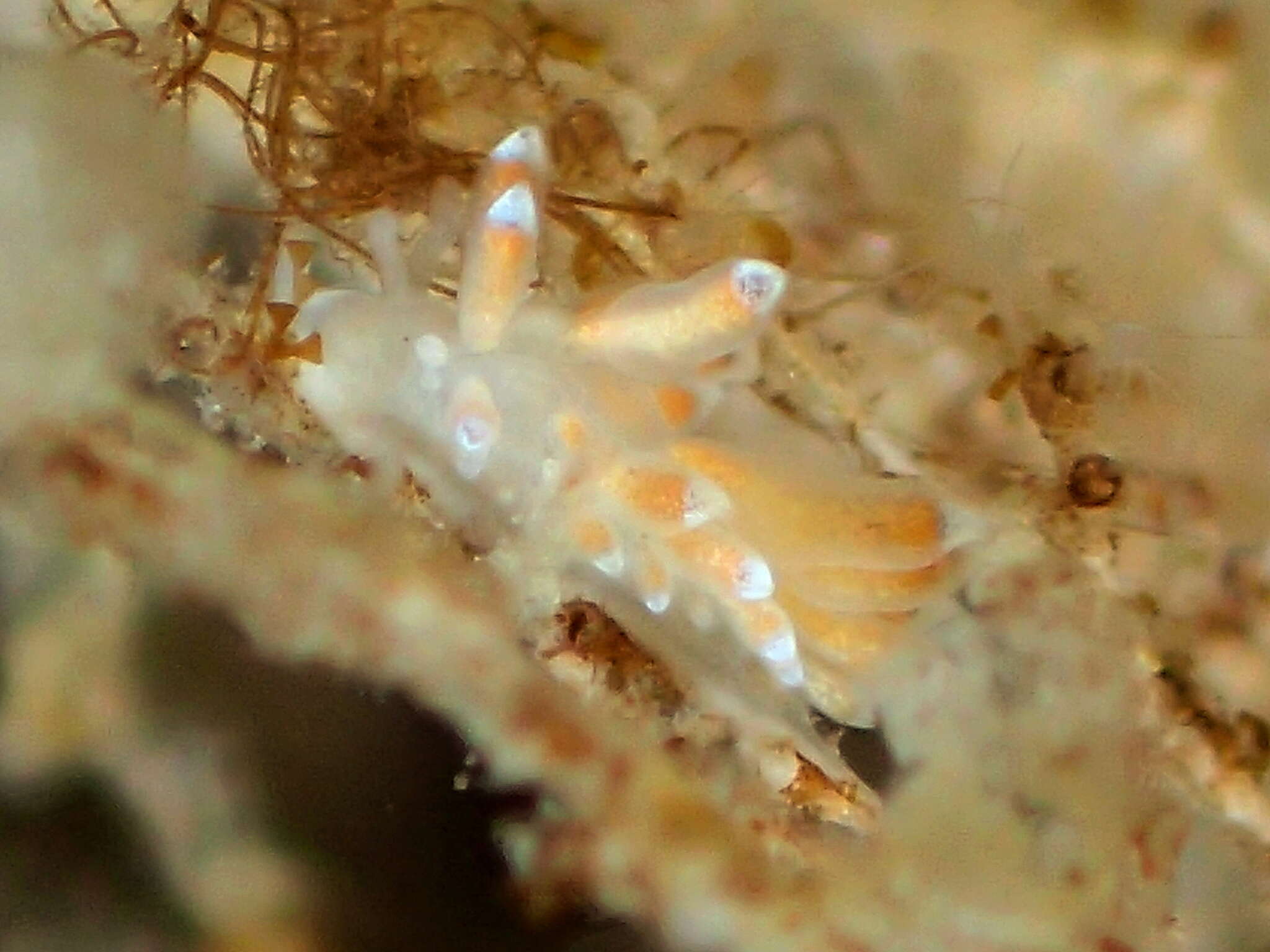
Flabellina nobilis (A. E. Verrill, 1880)
Eubranchus sanjuanensis Roller, 1972
Cadlina sparsa (Odhner, 1921) (dark-spot cadlina)
Halichoeres semicinctus (Ayres, 1859) (rock wrasse)
Symphodus mediterraneus (Linnaeus, 1758) (axillary wrasse)
Littoral, found mainly in eel-grass beds. Often in pairs. Males nest-makers. Feed mainly on mollusks, gastropods, bivalves, tubicolous worms, chitons, sea urchins and bryozoans .
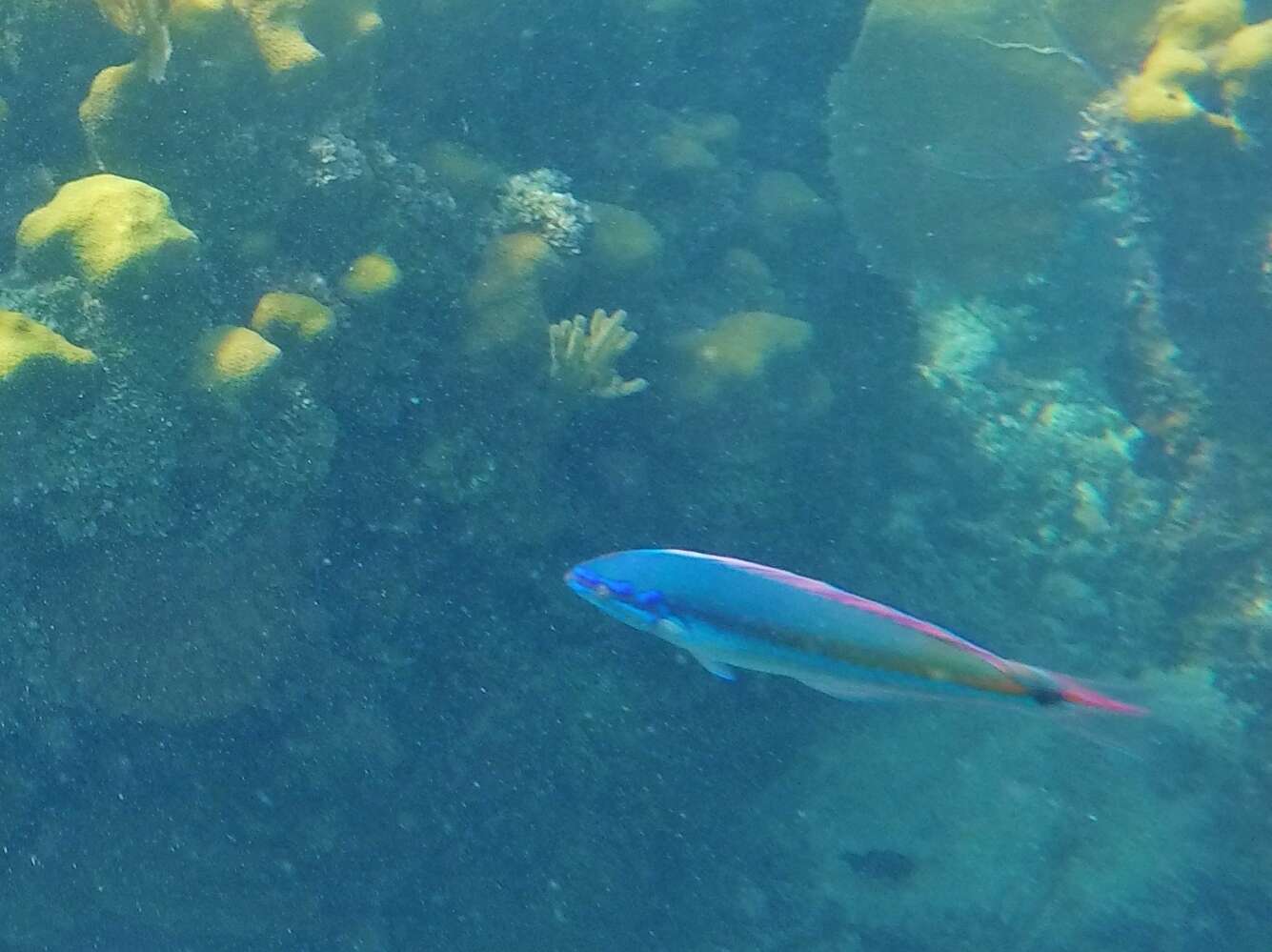
Halichoeres poeyi (Steindachner, 1867) (blackear wrasse)
Commonly found in clear seagrass beds; uncommon on reefs or muddy bays . A protogynous hermaphrodite . Generally of no interest to fisheries because of its small average size .
Halichoeres pictus (Poey, 1860) (painted wrasse)
Inhabits coral reefs, normally high above the bottom. Swims with worm-like movements. Feeds on various invertebrates. A protogynous hermaphrodite . Generally of no interest to fisheries because of its small average size .
Suezichthys gracilis (Steindachner and Döderlein, 1887) (Slender wrasse)
Found around coral and rock patches in shallow protected sandy areas . Amphipods, small crustaceans, and polychaetes have been reported from the stomachs of Japanese specimens.
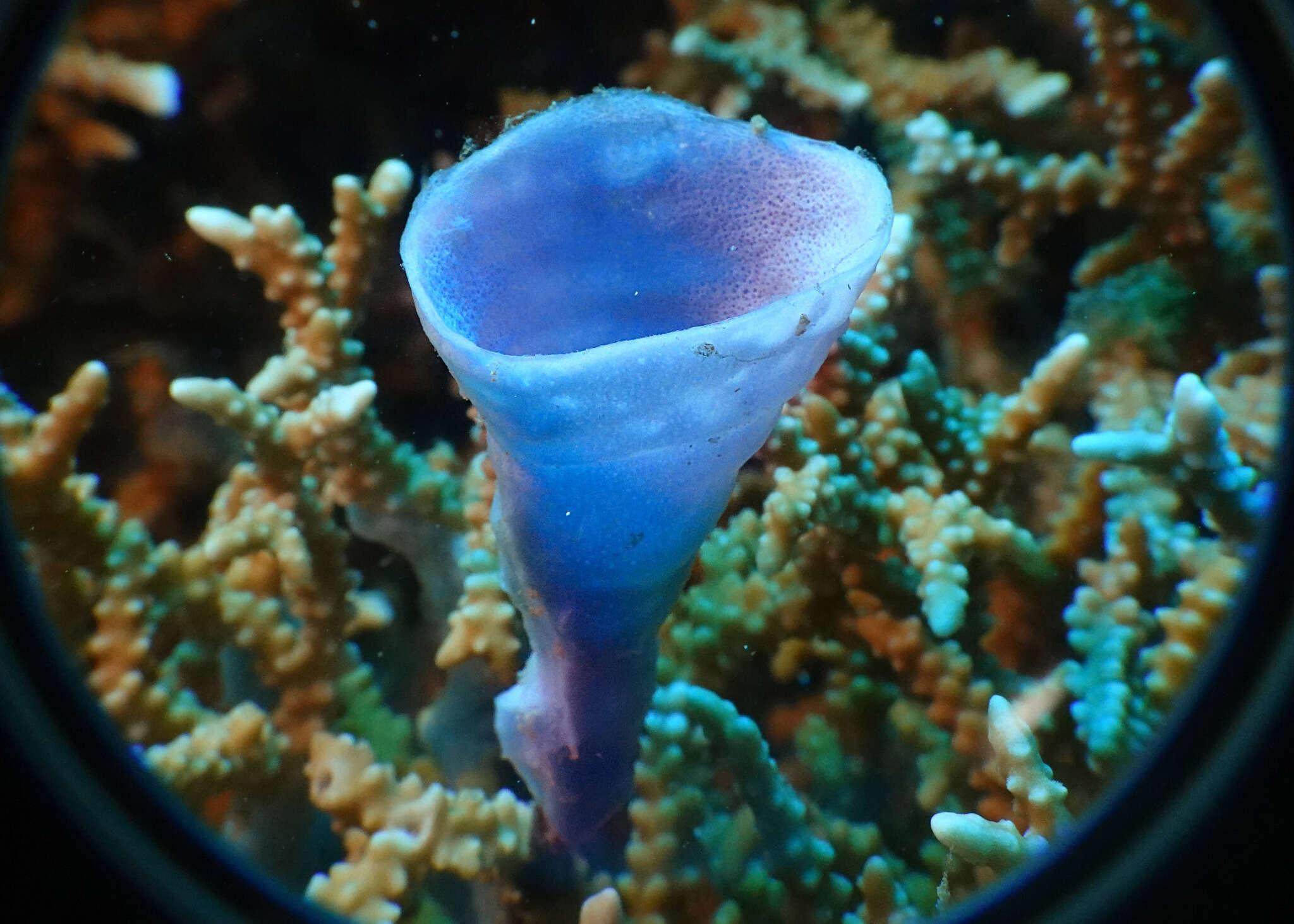
Hemiasterella
Vulcanella gracilis (Sollas, 1888)
Haliclona griessingeri Van Lent & De Weerdt, 1987
Haliclona fascigera (Hentschel, 1912)
Vulcanella verrucolosa (Pulitzer-Finali, 1983)
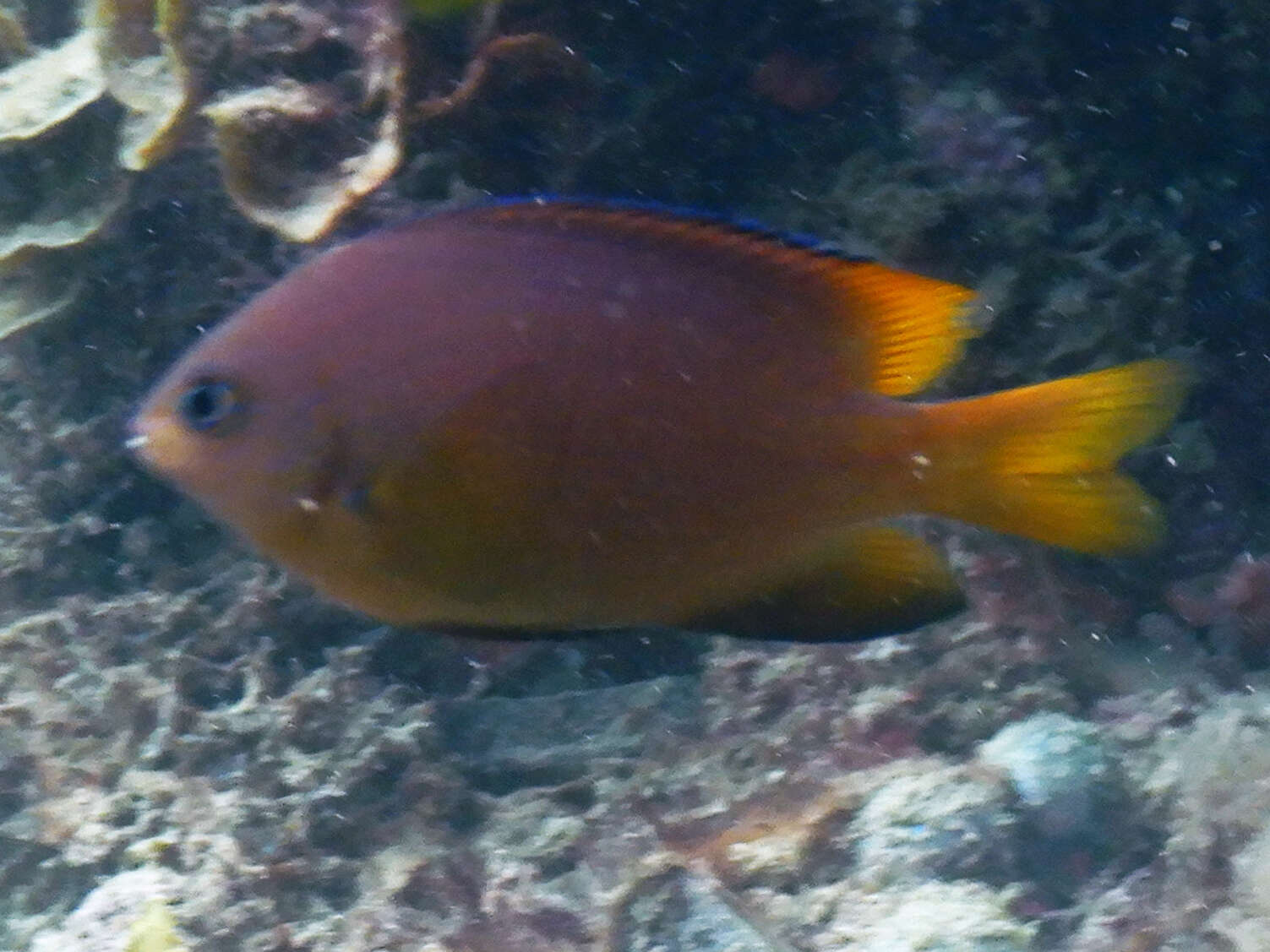
Pomacentrus baenschi Allen, 1991 (Baensch's damsel)
Inhabits inshore and offshore coral reefs.
Pomacentrus atriaxillaris Allen, 2002
Stegastes leucostictus (Müller & Troschel, 1848) (Yellow-belly)
Occurs in seagrass beds, coral or rocky reefs and sandy areas. Also found around mangrove shores and sponge beds; less common on flourishing coral reefs . Remains within 50 cm from the substrate. Adults feed on algae, p...
Read More
Read More
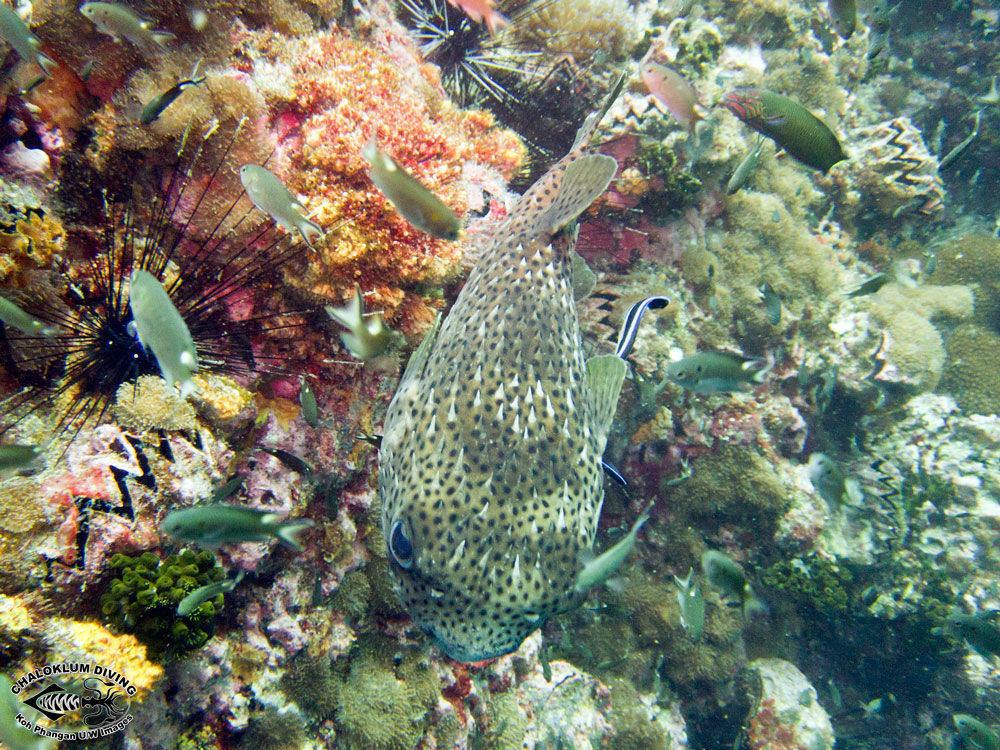
Diodon liturosus Shaw, 1804 (Black-blotched porcupinefish)
Inhabits reef edges and slopes . Hides in caves and ledges during the day and forages at night . Also found below plate-corals during the day and often deep, ranging to at least 40 meters depth. Juveniles occur in lagoo...
Read More
Read More
Diodon hystrix Linnaeus, 1758 (Spot-fin porcupinefish)
Share on Social Networks
- Facebook:

personalize your shared text as well as its destination (wall, page...) or send as a private message to a friend
- Twitter: Tweet personalize your tweet
- Google Plus:
Direct link to this dive
- Long link:
- Short link:


 We are participating today in the startup contest Techcrunch Disrupt. Support Diveboard by voting for us!
























































































Davao Boat Club, Halloween (day after) pier dive, dark water with seasnakes and
single, solo dive hi tide 10:49am
drop in end of pier to depth looking for macro. buck up to barrel seamount, back to shallows and beach
lots of trash and silt, hard to spot