


 Beachnutts


 Philippines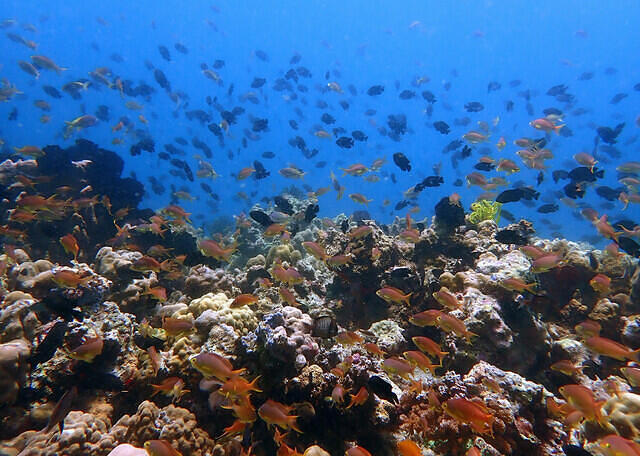
-
Nº177
 Date: 2025-05-25 - 10:26
-
 Max Depth: 23.8m Duration: 93mins
Dive Location

- Temp: Surf 28°C Bottom 28°C
- Dive type : Recreational, Reef, Photo
- Visibility: Average Water: Salt
Specific gear used
- BCD: Scubapro - Glide Plus
- Boots: Orca - Dive shoes
- Camera: Olympus - TG6
- Computer: Oceanic - OCS
- Fins: Scubapro - Jet Fins
- Knife: Scuba MAx - folding
- Lift bag: ScubaMax - SMB
- Mask: Promate - Scope
- Regulator: SEAC - Synchro
- Wet suit: Blue Ocean - Diveskin
- Weights: 3.2 kg
Dive reviews
| Overall review | ||
| Dive difficulty | ||
| Marine life quality |
Recent Divers in Samal island, Davao

Recent Pictures in Samal island, Davao
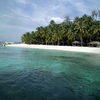
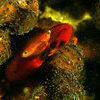
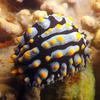
Dive Shop & Buddies
 Dive with Blake Auge
 Dive buddies:
Maeng,
Mike Tacansan,
Eric Cembrano,
Beachnutts
Dive buddies:
Maeng,
Mike Tacansan,
Eric Cembrano,
Beachnutts

Link to this spot:
- Spot:
- Country:
- Area:
- Body of water:
Dive Profile
- 1. Air
- 10L Aluminium 207 → 21 bar
- Average depth: 15.8m
Data provided by EOL.org
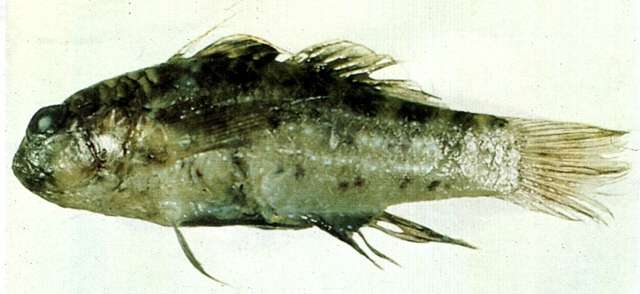
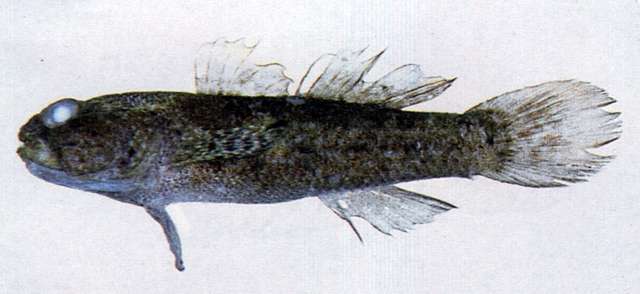
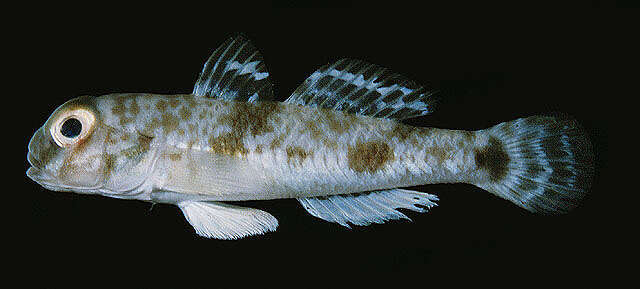
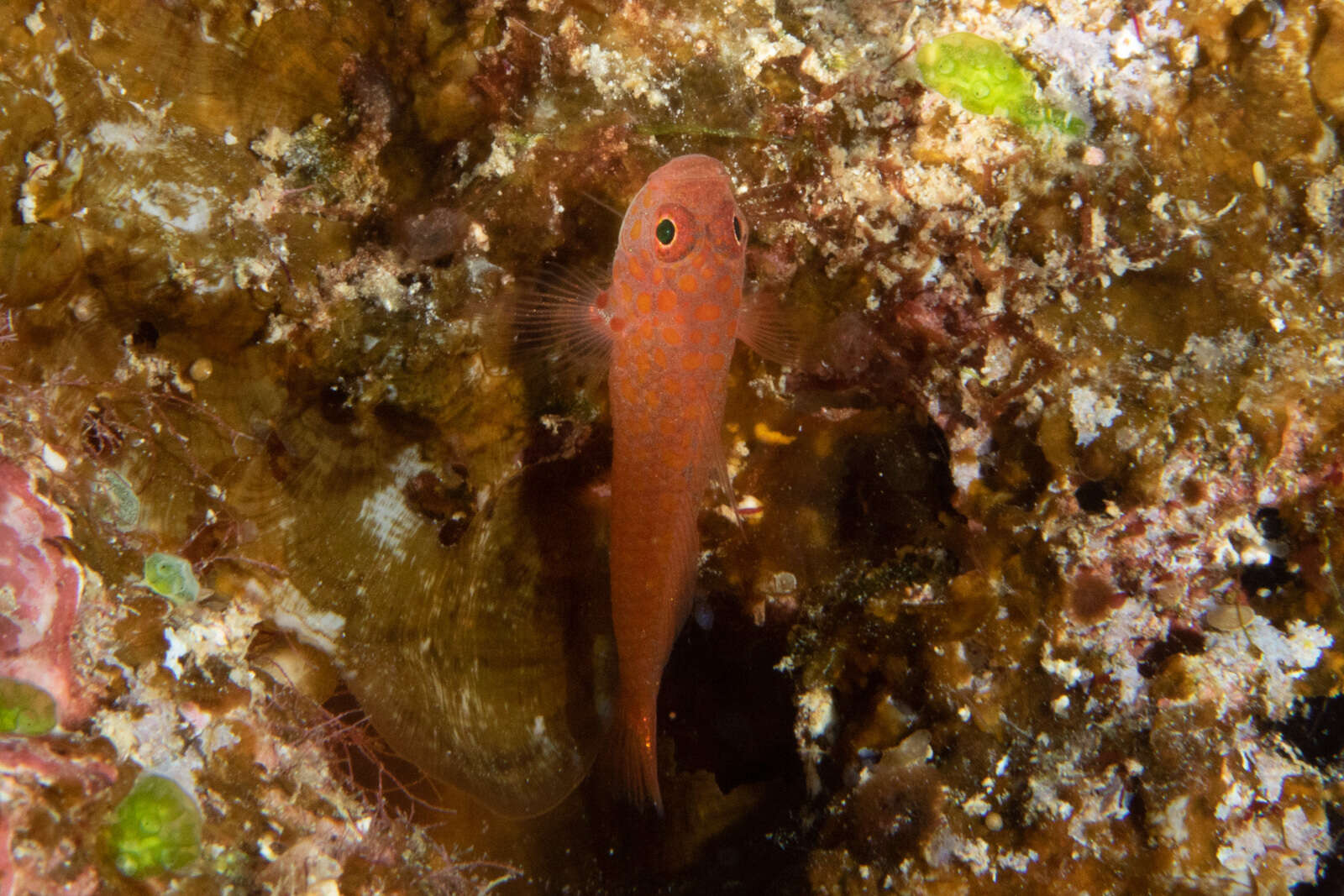
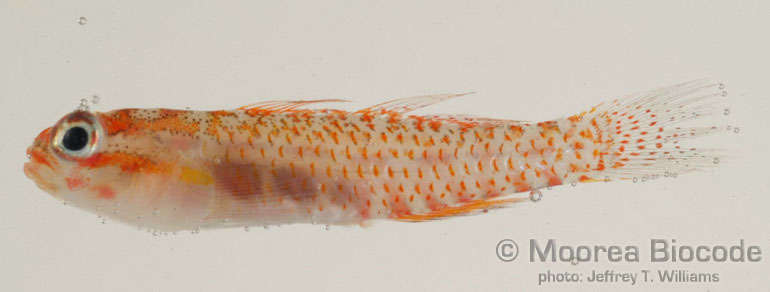
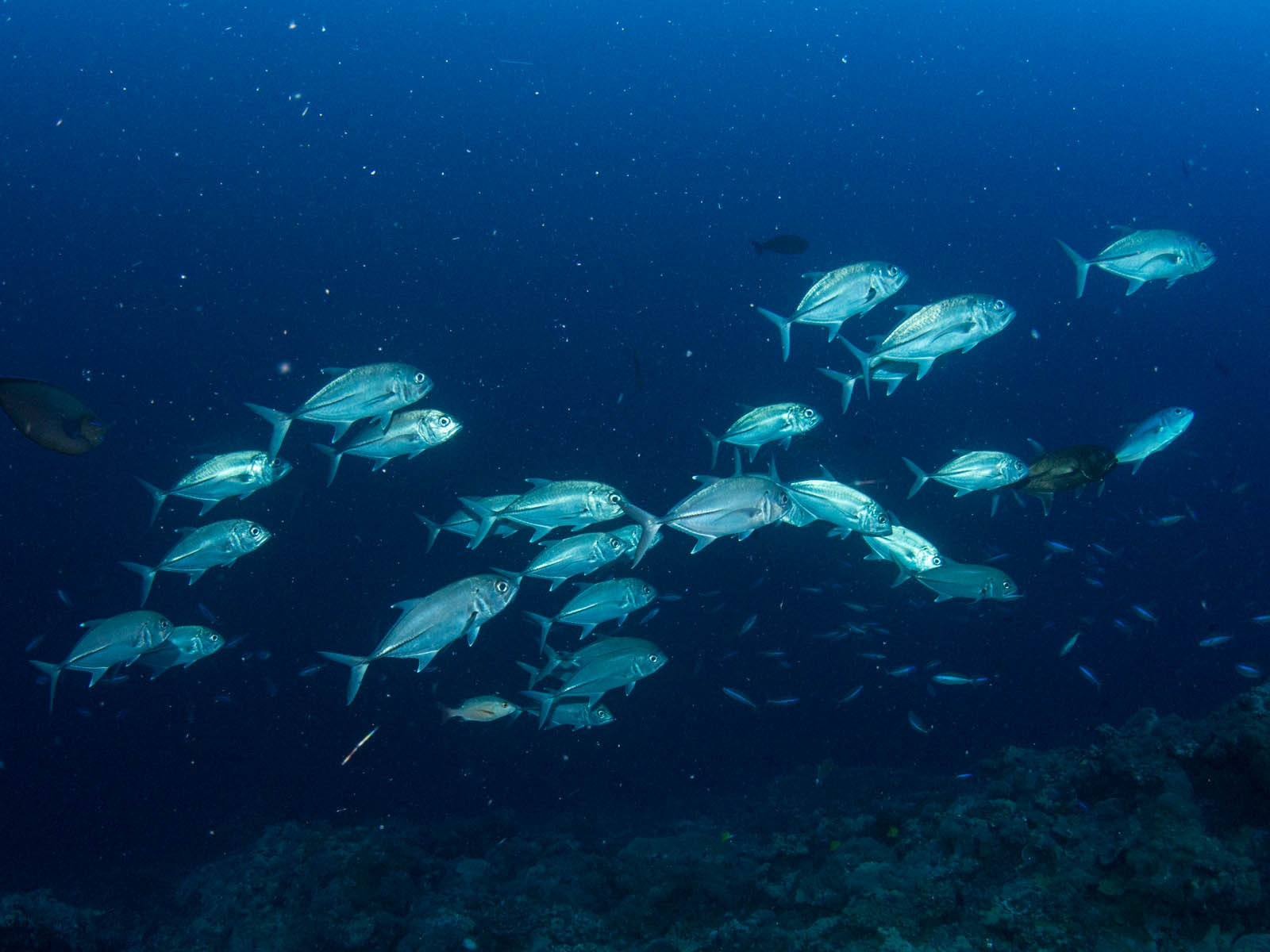
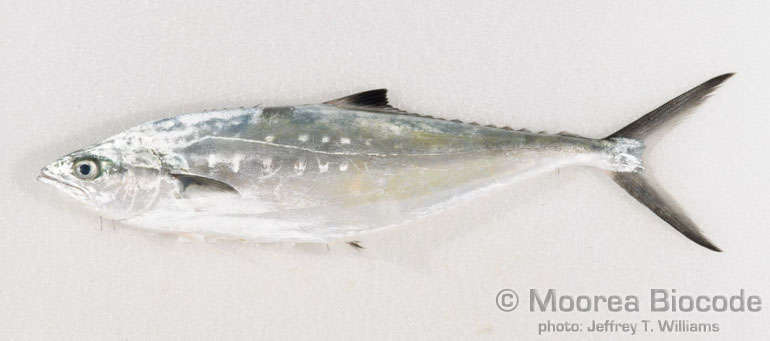
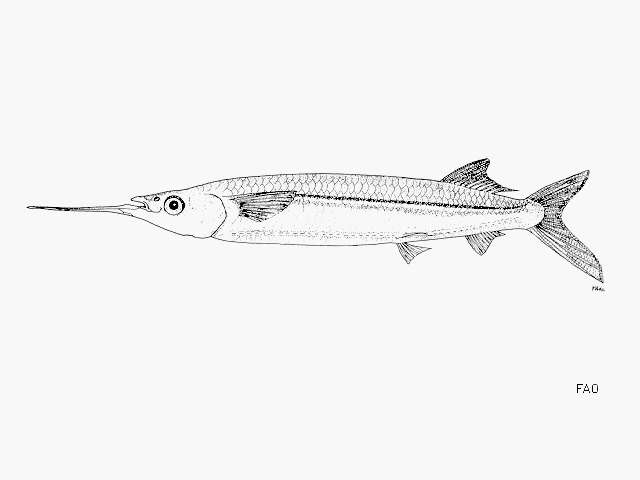
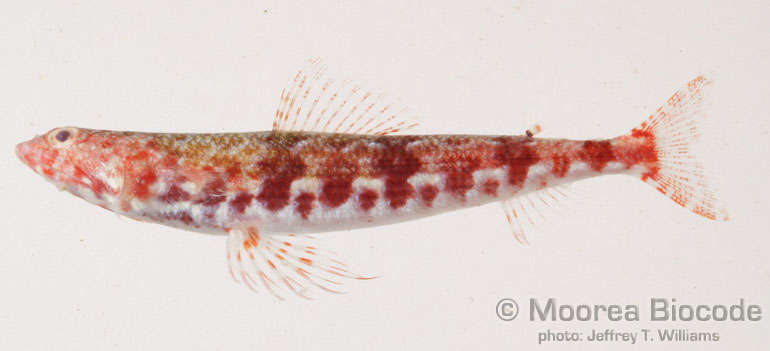
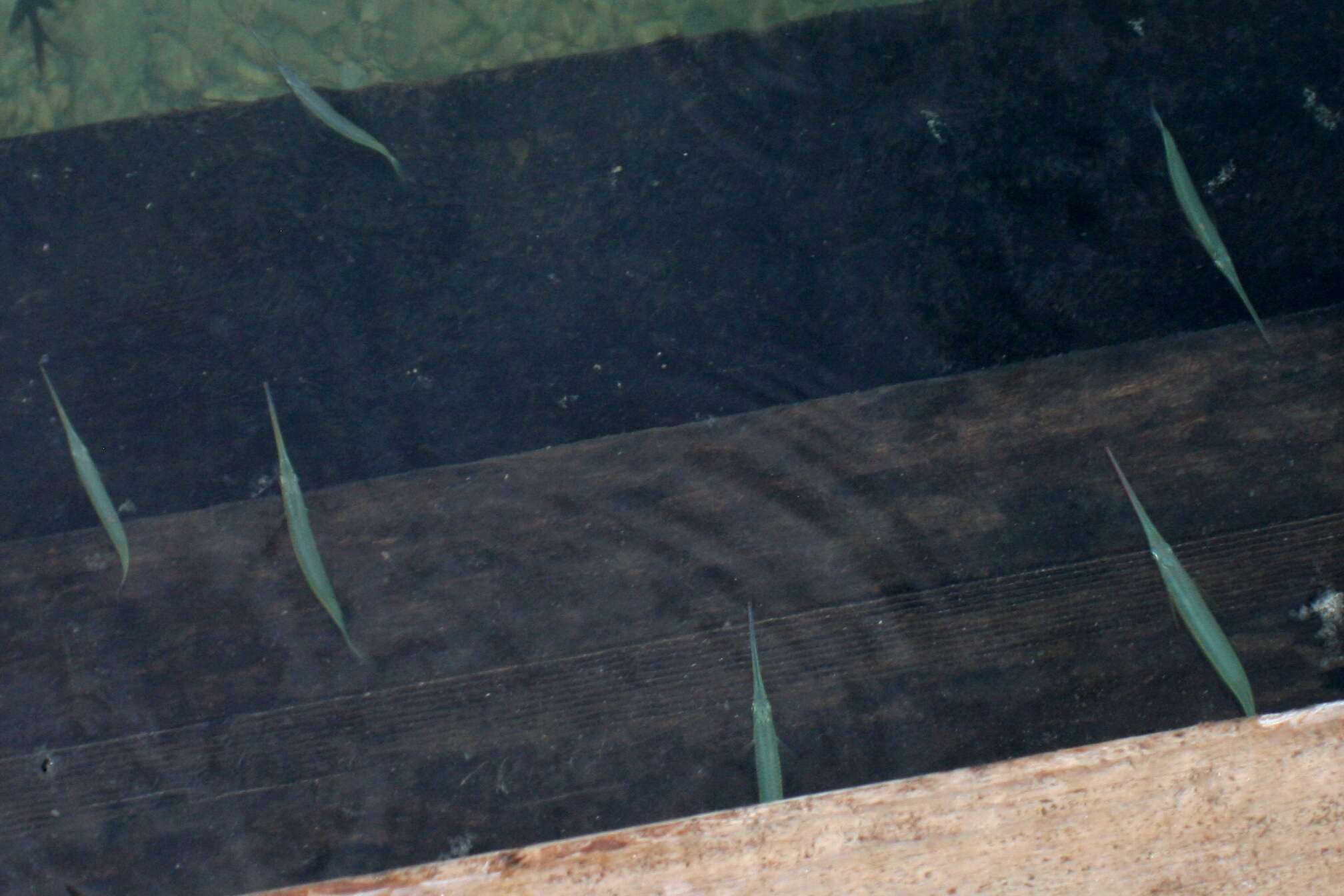
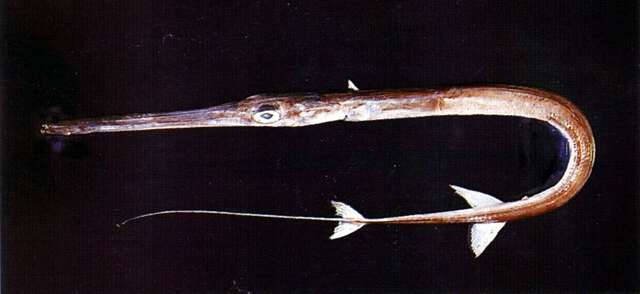
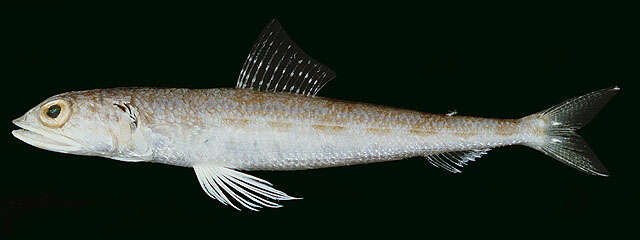
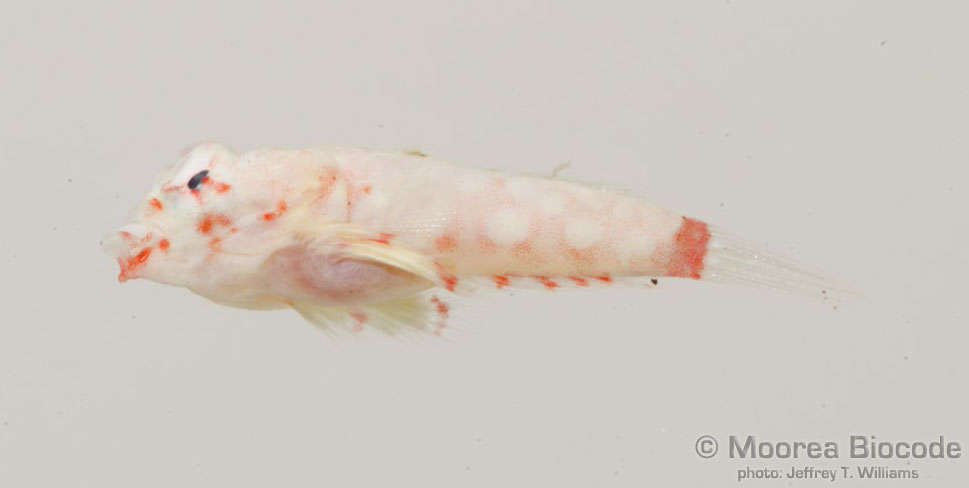


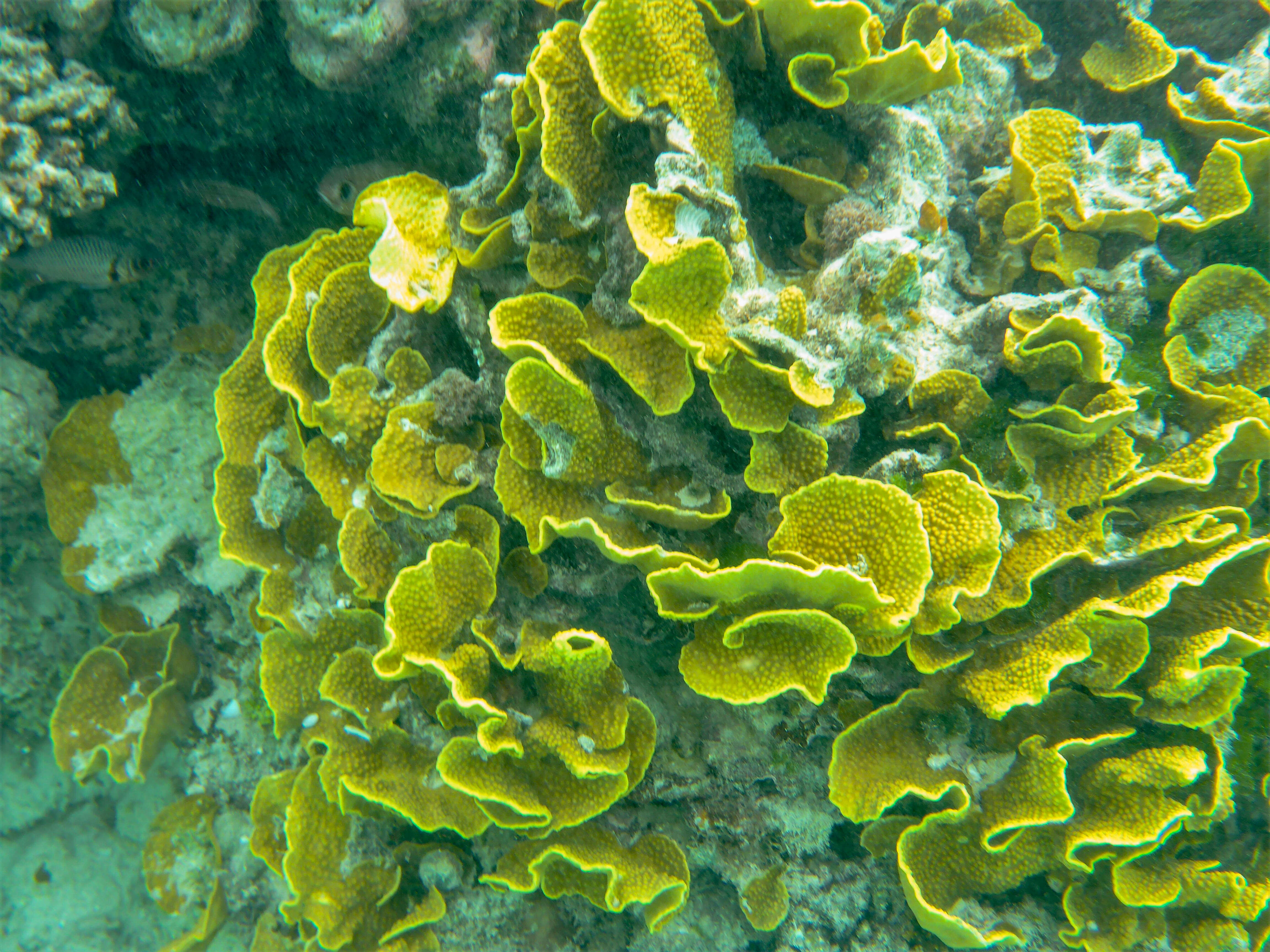
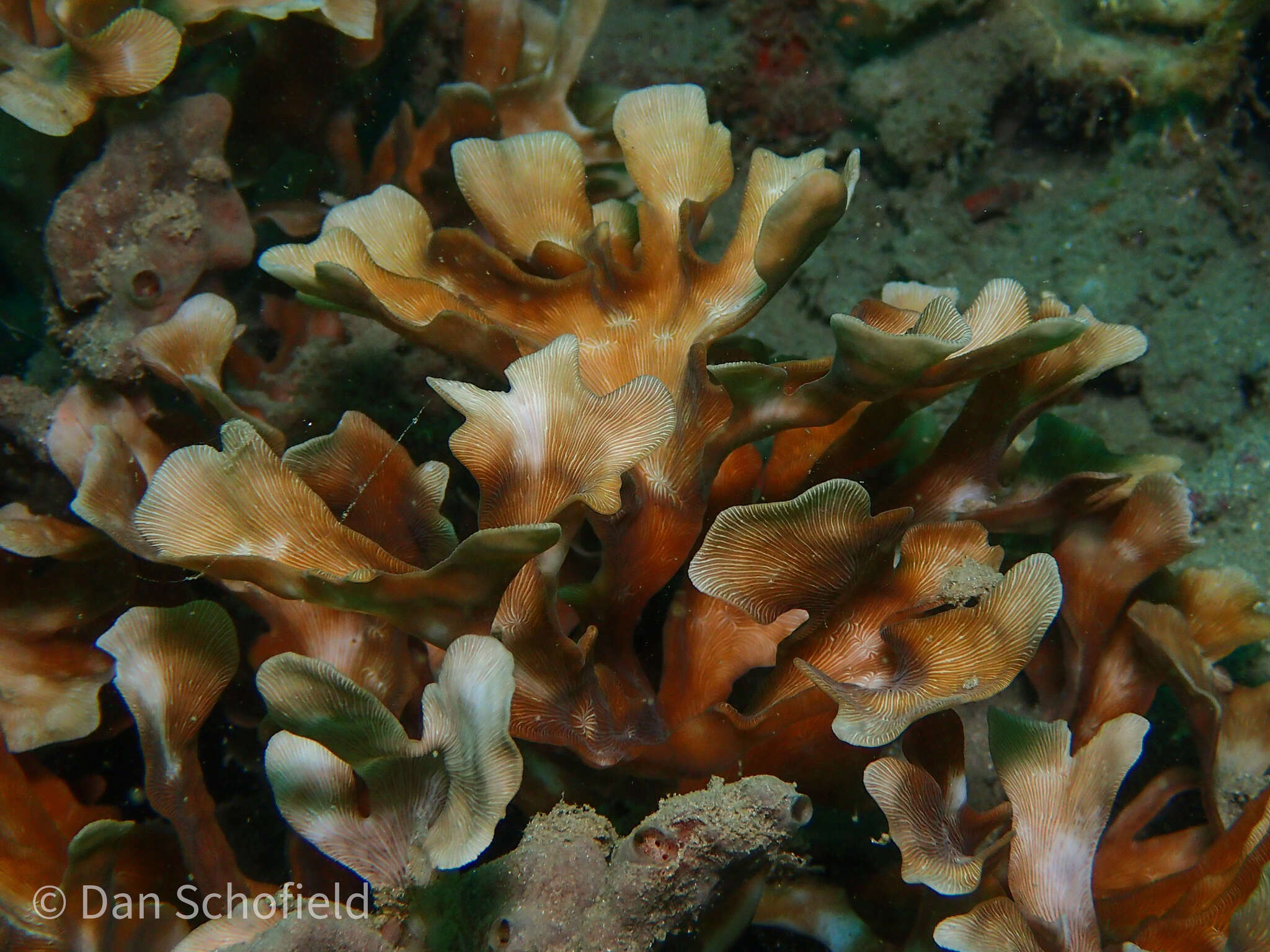


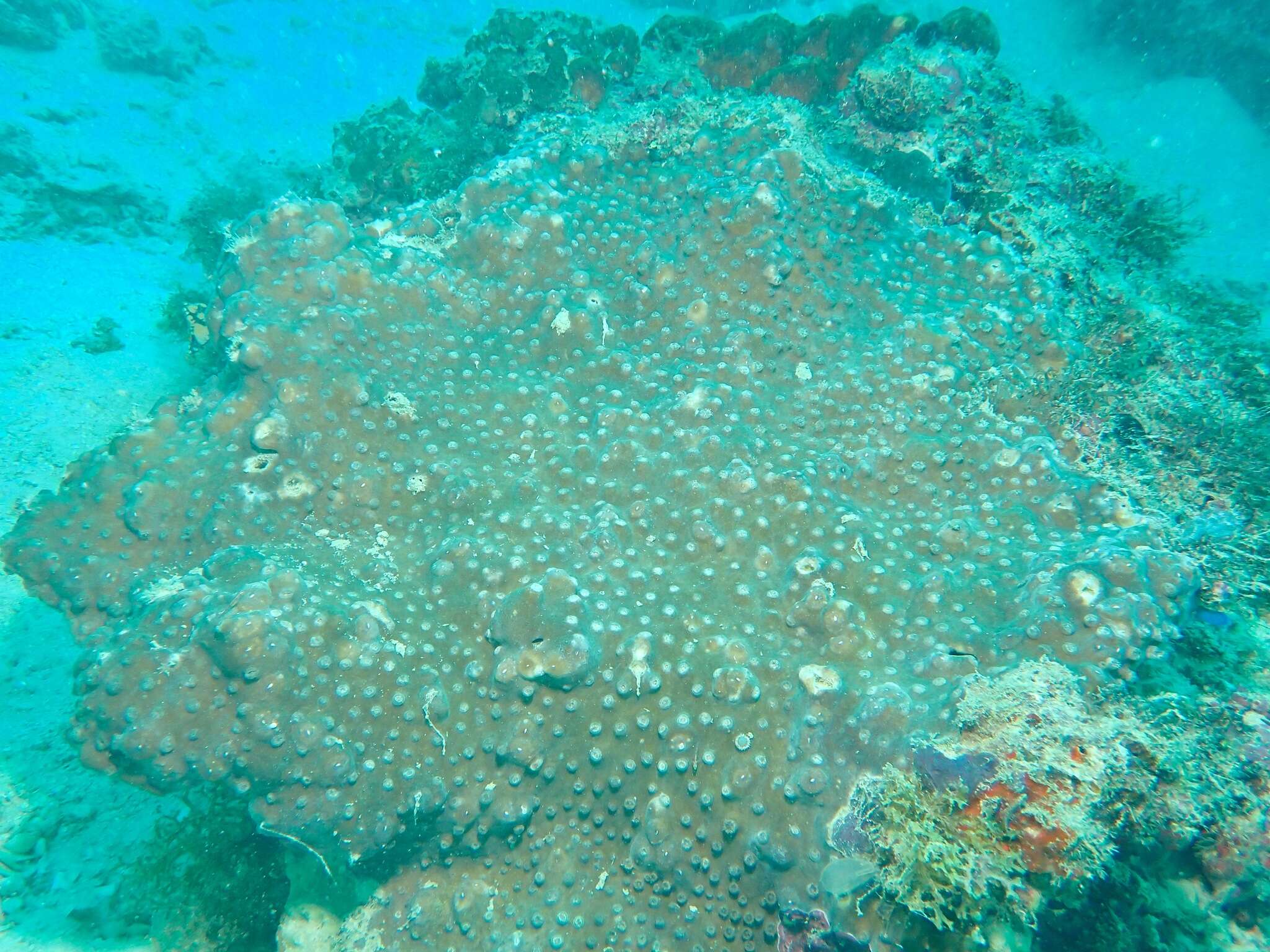










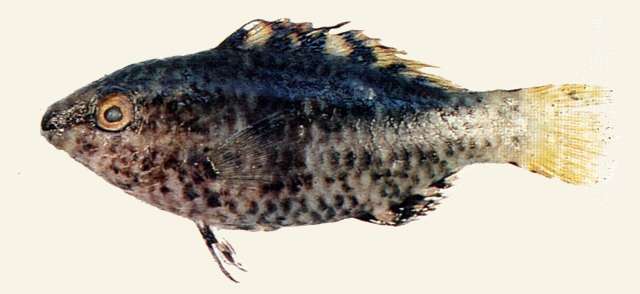

Species Identified
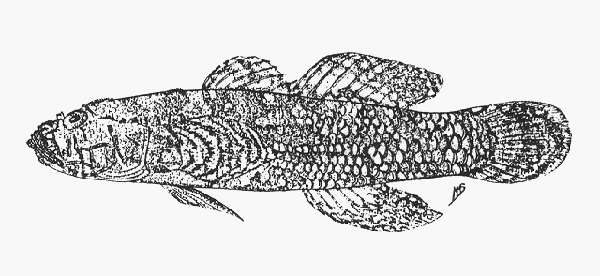
Exyrias puntang (Bleeker, 1851) (Puntang goby)
Inhabits muddy bottoms of shallow, turbid marine to brackish coastal inlets and estuaries. Also lives in shallow coastal waters, large tidal pools, mangroves, siltty lagoons and brackish lakes .
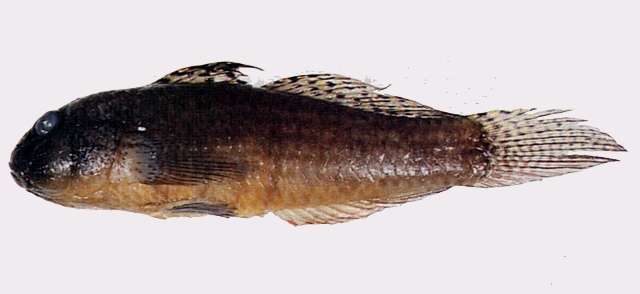
Callogobius flavobrunneus (Smith, 1958) (Slimy goby)
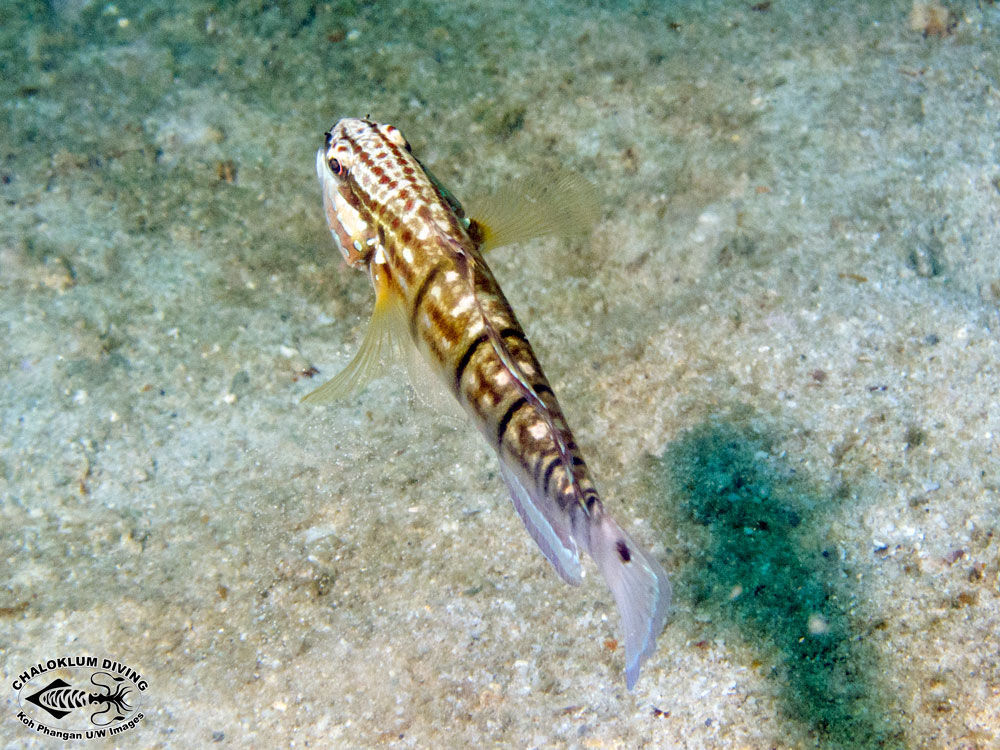
Amblygobius phalaena (Valenciennes, 1837) (Banded goby)
Adults inhabit coastal reefs and lagoons on sand and rubble margins of algal reefs and sometimes near seagrass beds . Feed by sifting mouthfuls of sand and expelling it through the gills, to capture small invertebrates, o...
Read More
Read More
Asterropteryx semipunctata Rüppell, 1830 (Starry goby)
Found on algal-coated reef rock and rubble of inner flats and turbid lagoons . Takes refuge in burrows or holes in the reef . Benthic .
Bathygobius cyclopterus (Valenciennes, 1837) (roundfin goby)
Inhabits intertidal seaward reef flats .
Yongeichthys criniger (Valenciennes, 1837) (horny goby)
Inhabits shallow to deep coastal mud or silty sand flats . Toxicity in this species is particularly high in the skin. Its toxicity varies with the locality and some specimens are nontoxic altogether .
Trimma macrophthalma (Tomiyama, 1936) (Flame goby)
Eviota albolineata Jewett & Lachner, 1983 (Spotted fringefin goby)
Occurs in shallow lagoon and channel reefs at depths usually less than 3 m.
Caranx sexfasciatus Quoy and Gaimard, 1825 (Bayad)
Scomberoides lysan (Forsskål, 1775) (Doublespotted queenfish)
Found only in relatively clear waters , adults in clear lagoon and seaward reefs, juveniles in shallow inshore and brackish waters . Pelagic . Mainly solitary but sometimes forms small loose groups . Adults feed on smal...
Read More
Read More
Hemiramphus marginatus (Forsskål, 1775) (Yellowtip halfbeak)
Synodus variegatus (Lacepède, 1803) (Variegated lizardfish)
Inhabits deep lagoon and seaward reefs to depths over 40 m ; sometimes found on sandy bottoms concealing itself in the sand. Prefers to rest on hard surfaces and frequently occurs in pairs . Benthic . Feeds on small fis...
Read More
Read More
Strongylura incisa (Valenciennes, 1846) (Reef needlefish)
Occurs over both lagoon and seaward reefs. Oviparous . Eggs may be found attached to objects in the water by tendrils on the egg's surface .
Fistularia petimba Lacepède, 1803 (Pacific cornetfish)
Synodus englemani Schultz, 1953 (Engleman's lizardfish)
Found in inshore waters.
Synodus tectus Cressey, 1981 (Tail-bar lizardfish)
Occurs over soft bottoms of the continental shelf and inshore waters .
Synchiropus ocellatus (Pallas, 1770) (Ocellated dragonet)
Inhabits sandy areas of lagoon and seaward reefs . Also in sheltered rocky reef habitats in few meters depth, usually in small loose groups .
Synchiropus circularis Fricke, 1984 (Circled dragonet)
Found on seaward reefs of Guam and Tinian, to a depth of 8 m .
Diplogrammus xenicus (Jordan & Thompson, 1914) (Kobu-numeri)
Found on sandy bottoms of rocky or coral reefs.
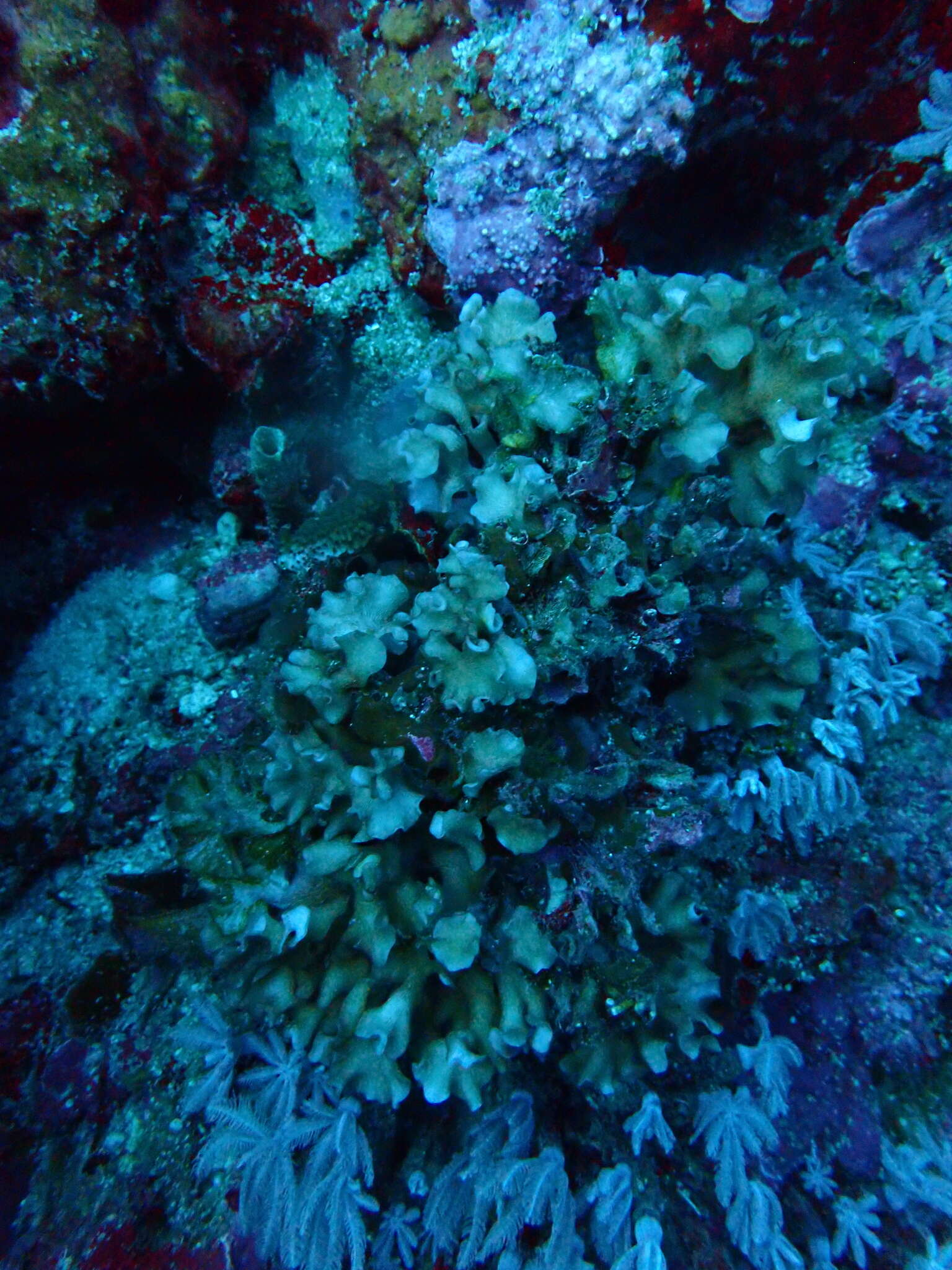
Pavona decussata (Dana, 1846) (Leaf coral)
zooxanthellate
Leptoseris papyracea (Dana, 1846) (Porcelain coral)
zooxanthellate
Galaxea astreata (Lamarck, 1816) (Octopus coral)
zooxanthellate
Pavona venosa (Ehrenberg, 1834) (Leaf coral)
zooxanthellate
Pachyseris gemmae Nemenzo, 1955 (Serpent coral)
zooxanthellate
Pachyseris speciosa (Dana, 1846) (Serpent coral)
zooxanthellate
Turbinaria stellulata (Lamarck, 1816) (Disc coral)
zooxanthellate
Leptoseris gardineri Van der Horst, 1921 (Porcelain coral)
zooxanthellate
Pachyseris rugosa (Lamarck, 1801) (Serpent coral)
zooxanthellate
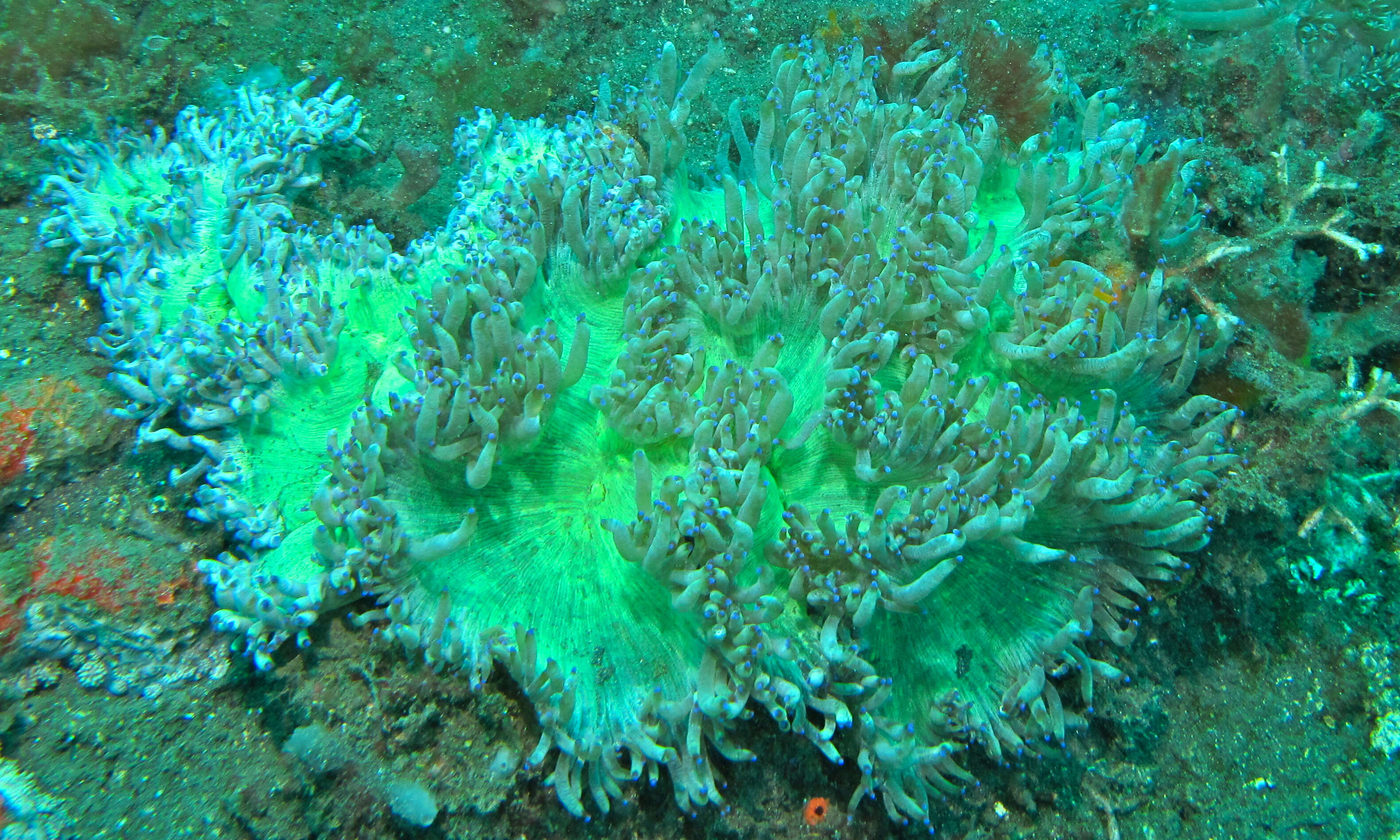
Catalaphyllia jardinei (Saville-Kent, 1893) (Wonder coral)
zooxanthellate
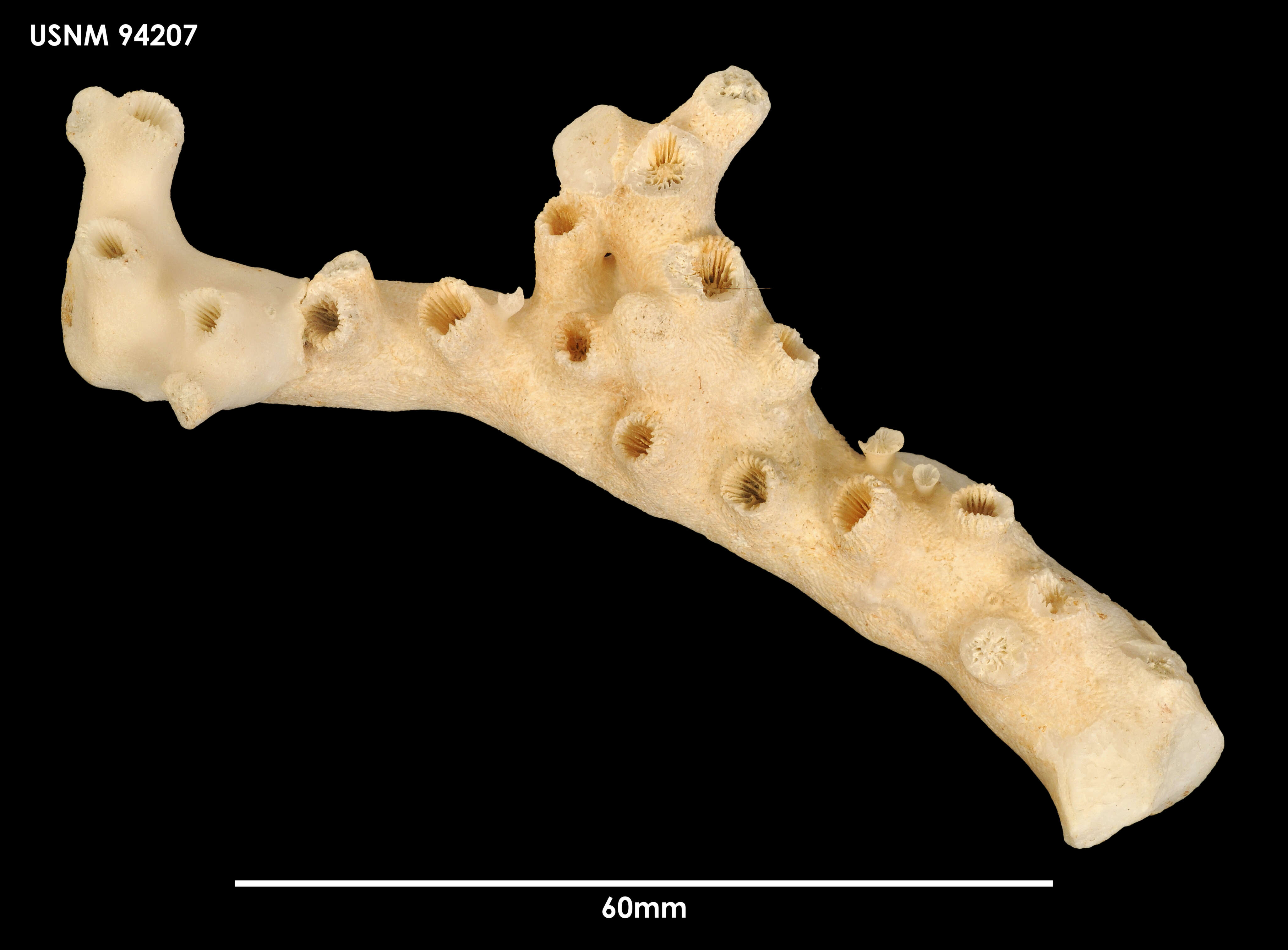
Enallopsammia rostrata (Pourtalès, 1878)
azooxanthellate
Ericiocyathus echinatus Cairns and Zibrowius, 1997
azooxanthellate
Heterocyathus alternatus Verrill, 1865 (Striped bum coral)
azooxanthellate
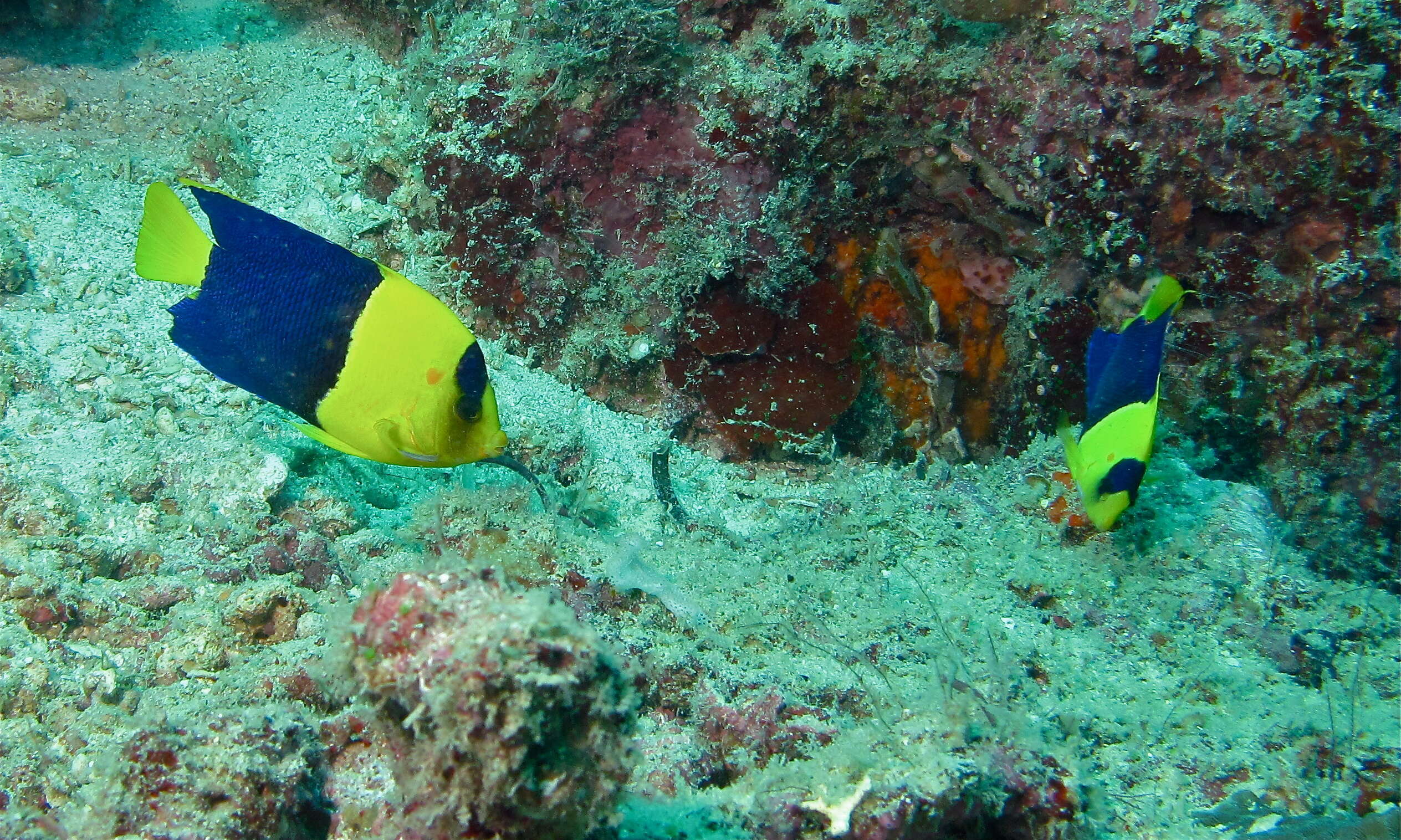
Centropyge bicolor (Bloch, 1787) (Bicolor angelfish)
Inhabits lagoon, channel, or protected seaward reef slopes, drop offs, coral and rubble areas . Usually in pairs or in small groups. Feeds on algae, small crustaceans and worms. Darts from one hiding place to the next. Commonly exported through the aquarium trade .
Centropyge eibli Klausewitz, 1963 (Blacktail angelfish)
Inhabits rocky areas of seaward reefs as well as rich coral areas . Feeds on algae; forms harems of 3-7 individuals. Frequently exported through the aquarium trade. Forms hybrids with Centropyge vrolikii in areas where ...
Read More
Read More
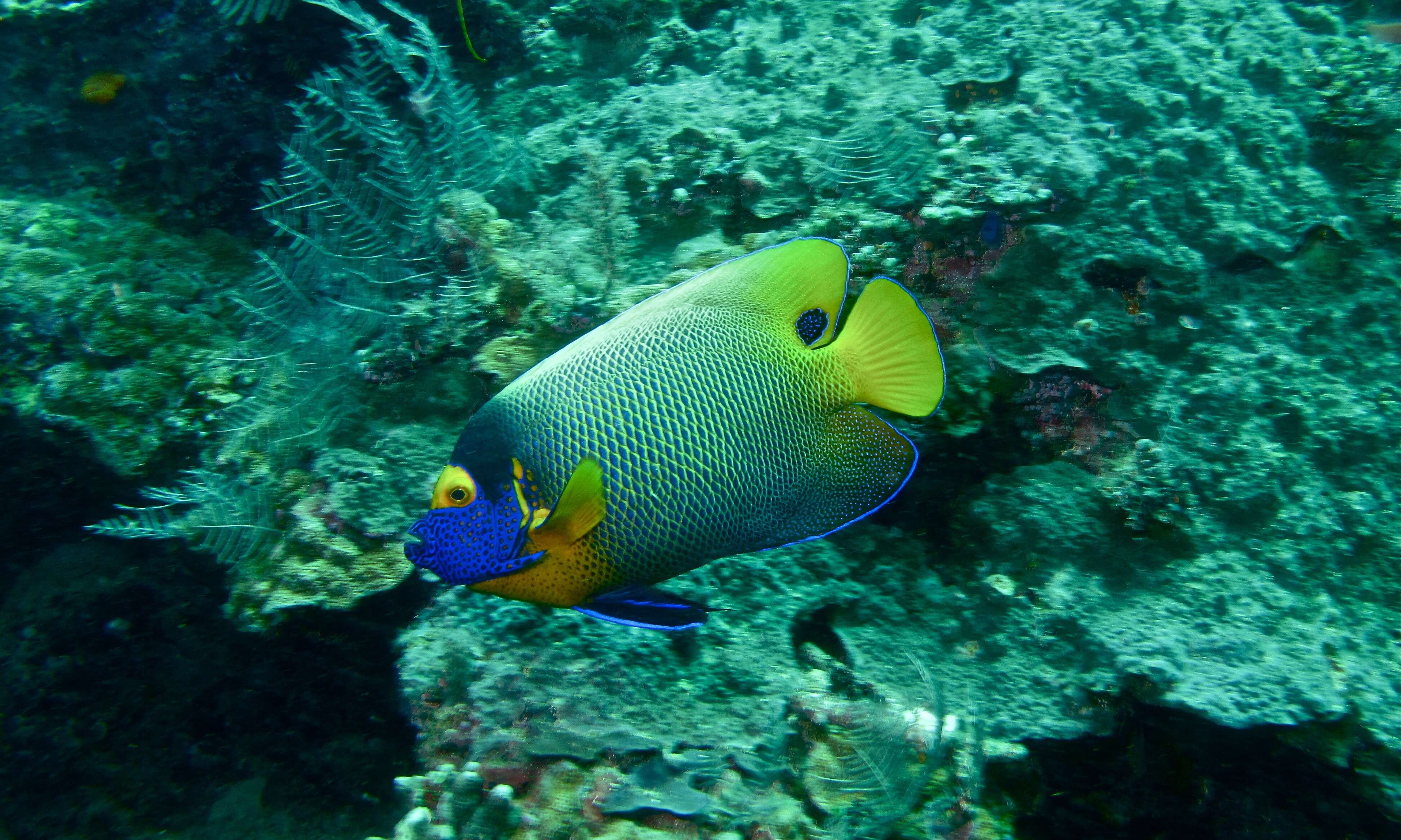
Pomacanthus xanthometopon (Bleeker, 1853) (Yellowface angelfish)
Found in coral rich areas of lagoons, channels, and outer reef slopes. Often near caves . Juveniles settle in very shallow inshore caves with algae growth . Usually solitary. Feeds on sponges and other encrusting organ...
Read More
Read More
Pygoplites diacanthus (Boddaert, 1772) (Bluebanded angelfish)
Occurs in coral rich areas of lagoon and seaward reefs to a depth of 48 m or more. Often found in the vicinity of caves and feeds on sponges and tunicates. Solitary or in pairs, or in groups. Frequently exported through the aquarium trade . Rarely survives in the aquarium.
Scarus forsteni (Bleeker, 1861) (Forsten's parrotfish)
Often found on exposed outer lagoon and seaward reefs, usually in rich coral habitats. Generally solitary. In Hong Kong live fish markets .
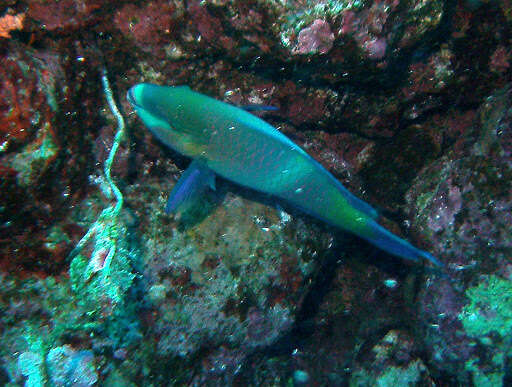
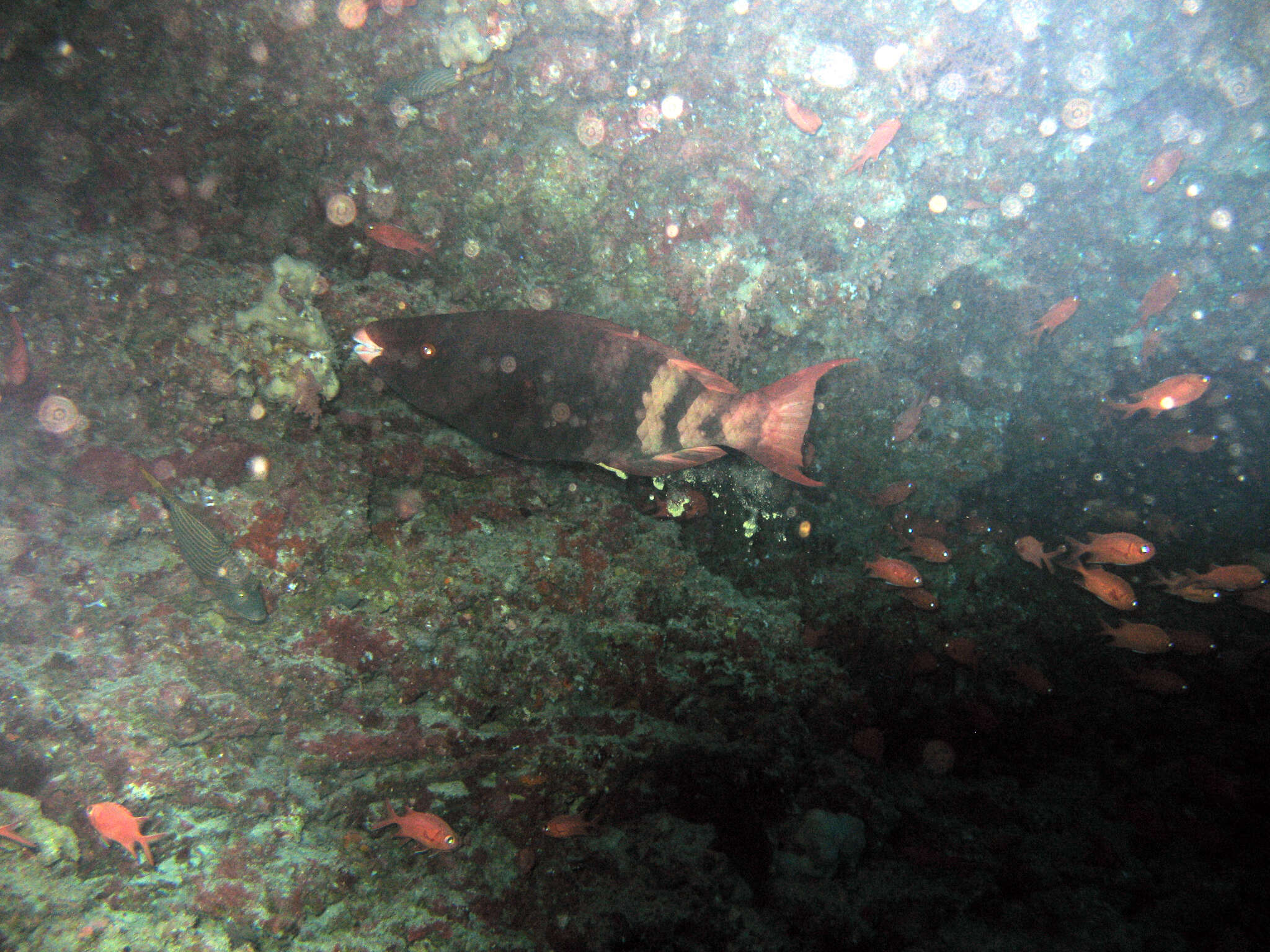
Scarus rubroviolaceus Bleeker, 1847 (Ember parrotfish)
Scarus dubius Bennett, 1828 (Regal parrot)
Inhabits seaward reefs . Benthopelagic . Grazes on benthic algae. Protogynous .
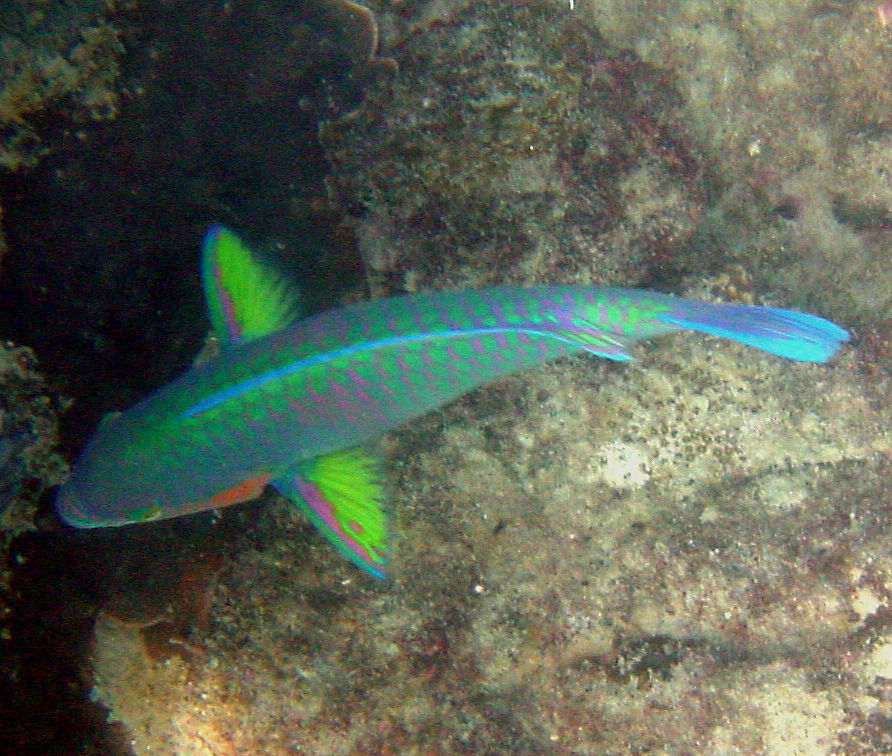
Scarus festivus Valenciennes, 1840 (Festive parrotfish)
Found in clear lagoon and seaward reefs . Feeds on benthic algae .
Scarus chameleon Choat and Randall, 1986 (Chameleon parrotfish)
Inhabits outer reef flats and exposed lagoon and seaward slopes from a depth of 3 to at least 30 m . Feeds mainly on algae . Females often in schools of mixed species when feeding, males usually seen separate .
Scarus rivulatus Valenciennes, 1840 (Rivulated parrotfish)
Inhabits rocky and coral reefs from tidal pools to at least 10 m deep. Form schools with 30 to 40 individuals. Grazes on benthic algae and corals . Reproductively active terminal males become bicolored .
Scarus ferrugineus Forsskål, 1775 (Rusty parrotfish)
Inhabits protected coral slopes . Individuals in the terminal phase form harems . Feeds mainly on benthic algae .
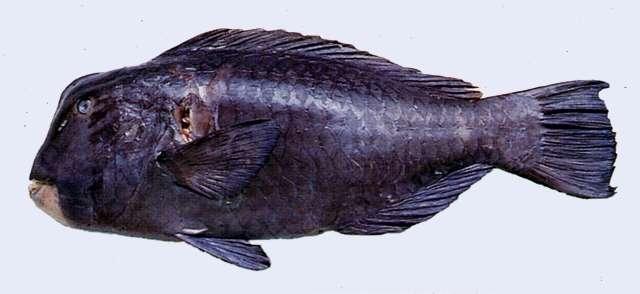
Bolbometopon muricatum (Valenciennes, 1840) (Green humphead parrotfish)
The gregarious humphead parrotfish is always found in small shoals, sometimes consisting of up to 75 individuals . It feeds on a diet of live corals and algae that grow on the ocean bottom, and uses its large bulbous head...
Read More
Read More
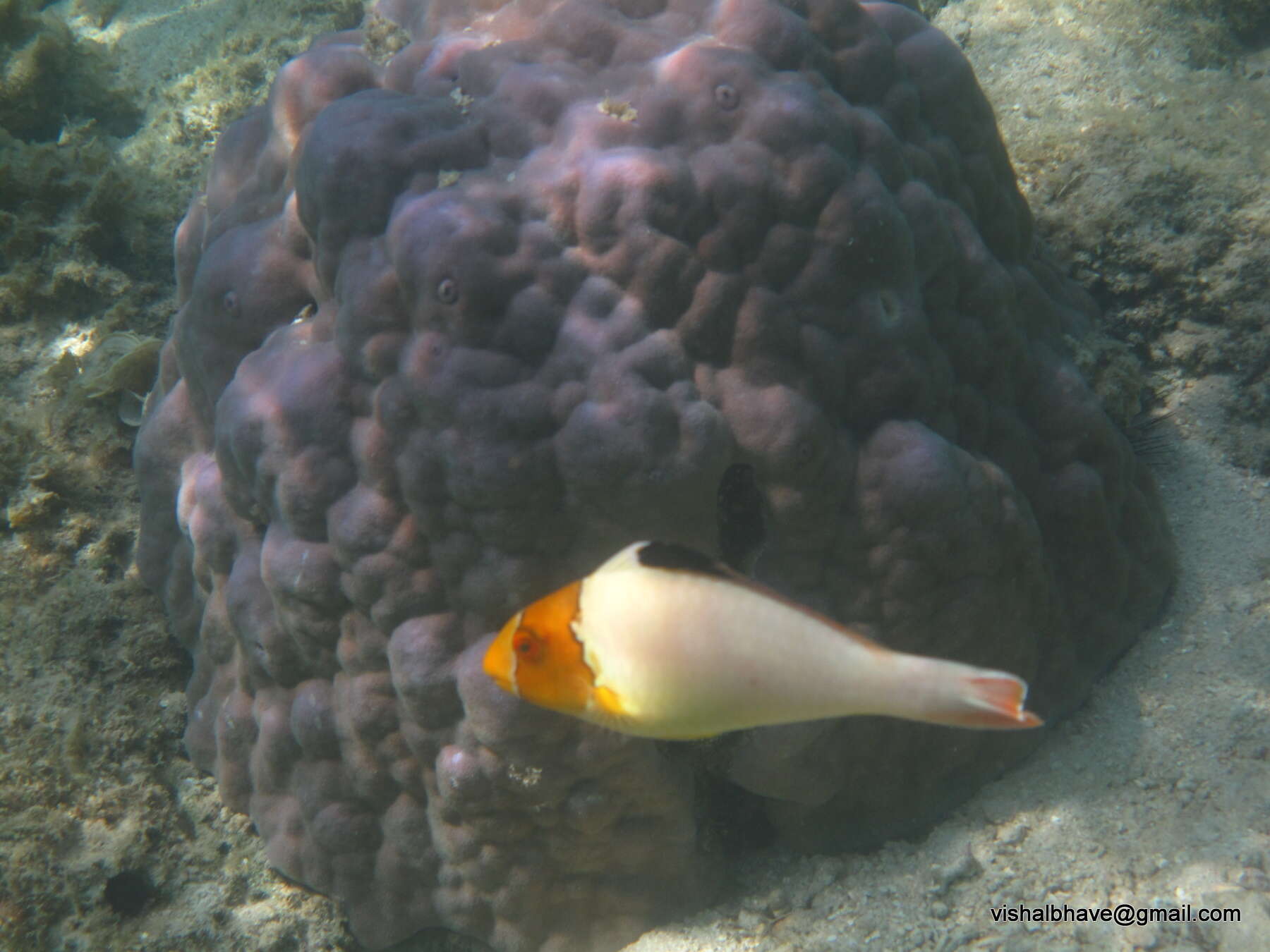
Cetoscarus bicolor (Rüppell, 1829) (Bicolour parrotfish)
Occurs in clear lagoon and seaward reefs . Juveniles usually solitary; adults form harems ; males are territorial. Goes to several changes during growth and very large females change sex to the brightly colored male. Sm...
Read More
Read More
Chlorurus capistratoides (Bleeker, 1847) (Pink-margined parrotfish)
Found in clear coastal and inner reefs. Shallow coral and algae habitat. Usually mixes with other species when feeding .
Chlorurus troschelii (Bleeker, 1853) (Troschel's parrotfish)
Inhabits clear shallow seaward reefs, in areas with high coral cover .
Scarus caudofasciatus (Günther, 1862) (Redbarred parrotfish)
Inhabits steep outer reef slopes . Solitary and wary species . Caught with nets and other kinds of artisanal gear. Mainly sold fresh.
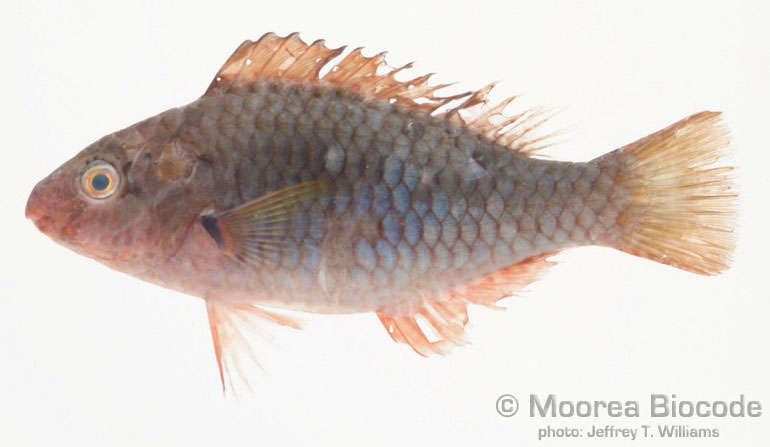
Scarus schlegeli (Bleeker, 1861) (Yellowband parrotfish)
Inhabits lagoon and seaward reefs from 1 to over 50 m depth. Adults are common in areas with rich coral and high vertical relief . Juveniles may school with other species. Form feeding aggregations on rubble and mixed r...
Read More
Read More
Scarus oviceps Valenciennes, 1840 (Darkcapped parrotfish)
Inhabits lagoon and seaward reefs to at least 10 m . Occurs singly .
Scarus prasiognathos Valenciennes, 1840 (Singapore parrotfish)
Usually associated with outer reefs but will enter shallow water in protected areas. Often in large schools . Grazes on benthic algae . Also caught with nets and other types of artisanal gear.
Scarus flavipectoralis Schultz, 1958 (Yellowfin parrotfish)
Inhabits lagoon and channel reefs, usually deeper 20 m .
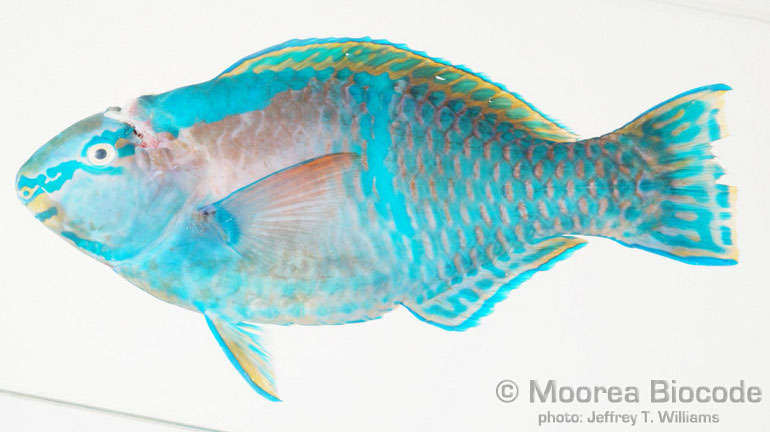
Scarus ghobban Forsskål, 1775 (Blue-barred parrotfish)
Share on Social Networks
- Facebook:

personalize your shared text as well as its destination (wall, page...) or send as a private message to a friend
- Twitter: Tweet personalize your tweet
- Google Plus:
Direct link to this dive
- Long link:
- Short link:


 We are participating today in the startup contest Techcrunch Disrupt. Support Diveboard by voting for us!
























































































2 tanker aboard Datu Budas forthe Samal dive seafari
Midway nice skies sunny breezy cool small chop
more bottom time, more photos
solo near group