


 Beachnutts



 Philippines
-
Nº175
 Date: 2025-05-18 - 10:03
-
 Max Depth: 23.5m Duration: 92mins
Dive Location

- Temp: Surf 28°C Bottom 28°C
- Dive type : Recreational, Reef, Photo
- Visibility: Average Water: Salt
Specific gear used
- BCD: Scubapro - Glide Plus
- Boots: Orca - Dive shoes
- Camera: Olympus - TG6
- Computer: Oceanic - OCS
- Fins: Scubapro - Jet Fins
- Knife: Scuba MAx - folding
- Lift bag: ScubaMax - SMB
- Light: Sofirn - SD05
- Mask: Promate - Scope
- Regulator: SEAC - Synchro
- Wet suit: Blue Ocean - Diveskin
- Weights: 3.2 kg
Dive reviews
| Overall review | ||
| Dive difficulty | ||
| Marine life quality |
Recent Divers in Talicud island, Davao
Recent Pictures in Talicud island, Davao
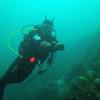
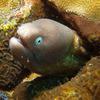
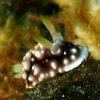
Dive Shop & Buddies
 Dive with Blake Auge

Link to this spot:
- Spot:
- Country:
- Area:
- Body of water:
Dive Profile
- 1. Air
- 10L Aluminium 207 → 21 bar
- Average depth: 15.6m
Data provided by EOL.org

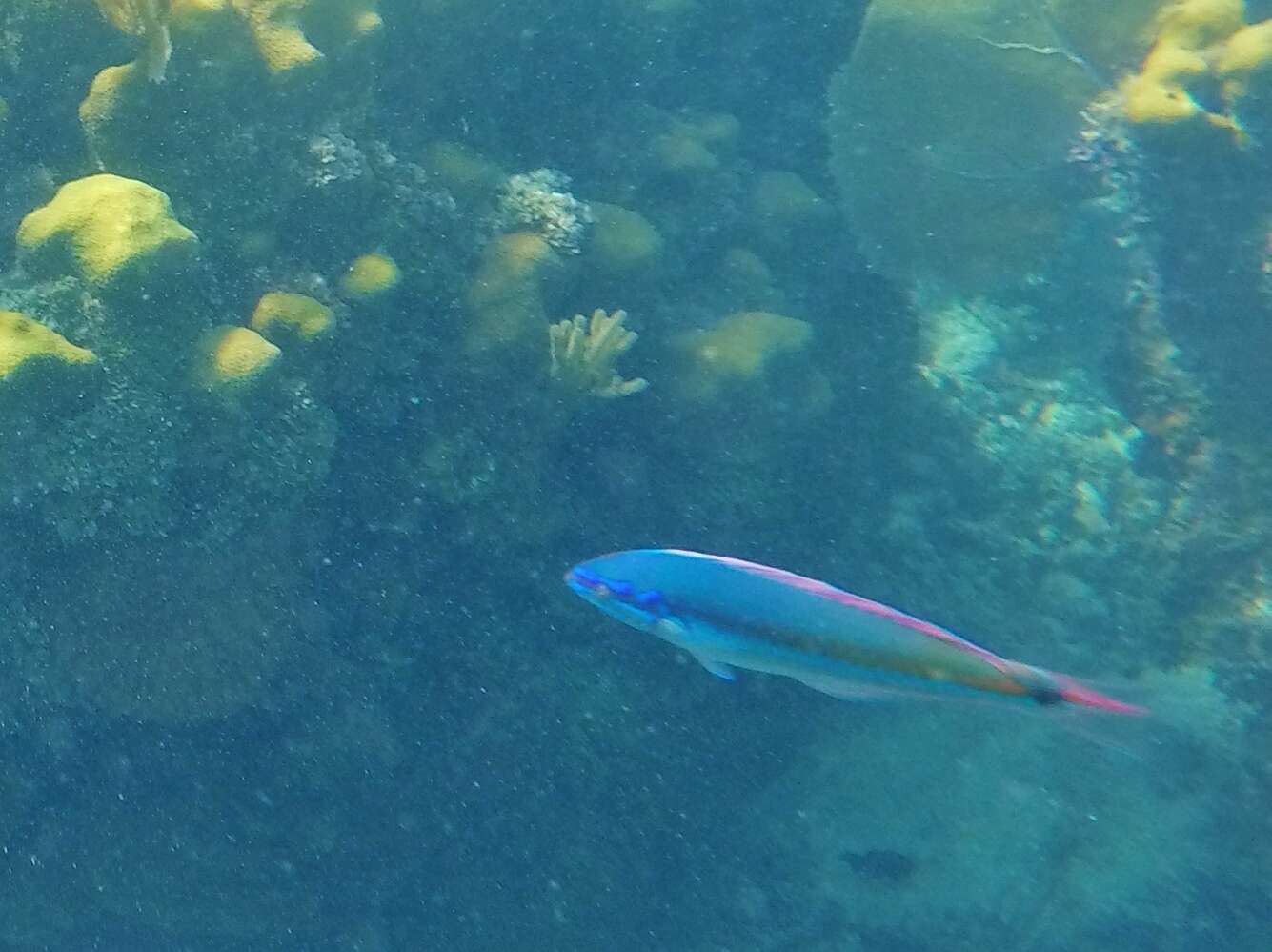
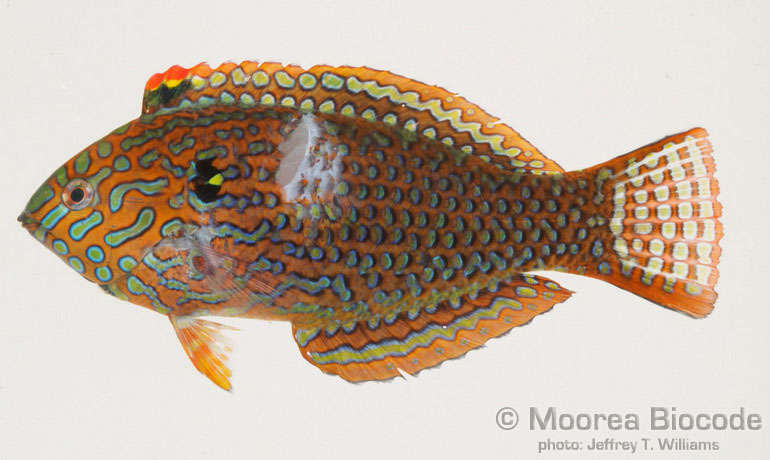




Species Identified
Paradella tuberculata Muller, 1991E
Mesosignum latum Birstein, 1970
Gigantione pratti Danforth, 1967
Halichoeres pictus (Poey, 1860) (painted wrasse)
Inhabits coral reefs, normally high above the bottom. Swims with worm-like movements. Feeds on various invertebrates. A protogynous hermaphrodite . Generally of no interest to fisheries because of its small average size .
Macropharyngodon meleagris (Valenciennes, 1839) (Blackspotted wrasse)
Inhabits subtidal reef flats and outer lagoon and seaward reefs . Usually in areas with mixed sand, rubble, and coral . Feeds mainly on gastropods, other hard-shelled prey , and foraminiferans . Rarely marketed. Minimum depth reported from Ref. 27115.
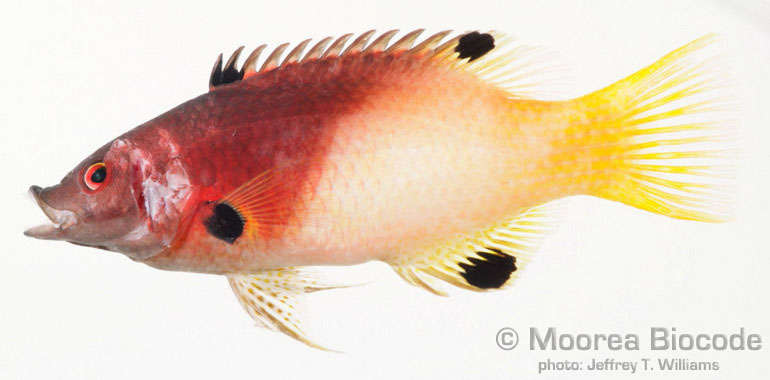
Bodianus axillaris (Bennett, 1832) (Axilspot hogfish)
Inhabits clear lagoon and seaward reefs. Juveniles occur solitary in caves or under ledges and act as cleaners by picking at bodies of other fishes . Feeds mainly on benthic, hard-shelled, invertebrates such as mollusks...
Read More
Read More
Bodianus diana (Lacepède, 1801) (Diana's hogfish)
Found in coral rich areas of seaward reefs . Juveniles often shelter near black corals and gorgonians; also frequent cave ceilings . Feeds mainly on benthic invertebrates such as mollusks and crustaceans. Juveniles regularly remove parasites from other fishes .
Bodianus mesothorax (Bloch and Schneider, 1801) (Splitlevel hogfish)
Ranging into subtropical zones as juveniles expatriates caused by warm currents during pelagic stage . Inhabit coral-rich outer reef slopes at depths of 5 to over 20 m, particularly near caves. Juveniles in caves; adults...
Read More
Read More
Pomadasys unimaculatus Tian, 1982 (Red patched grunter)
Occurs in mixed sandy and muddy bottom .
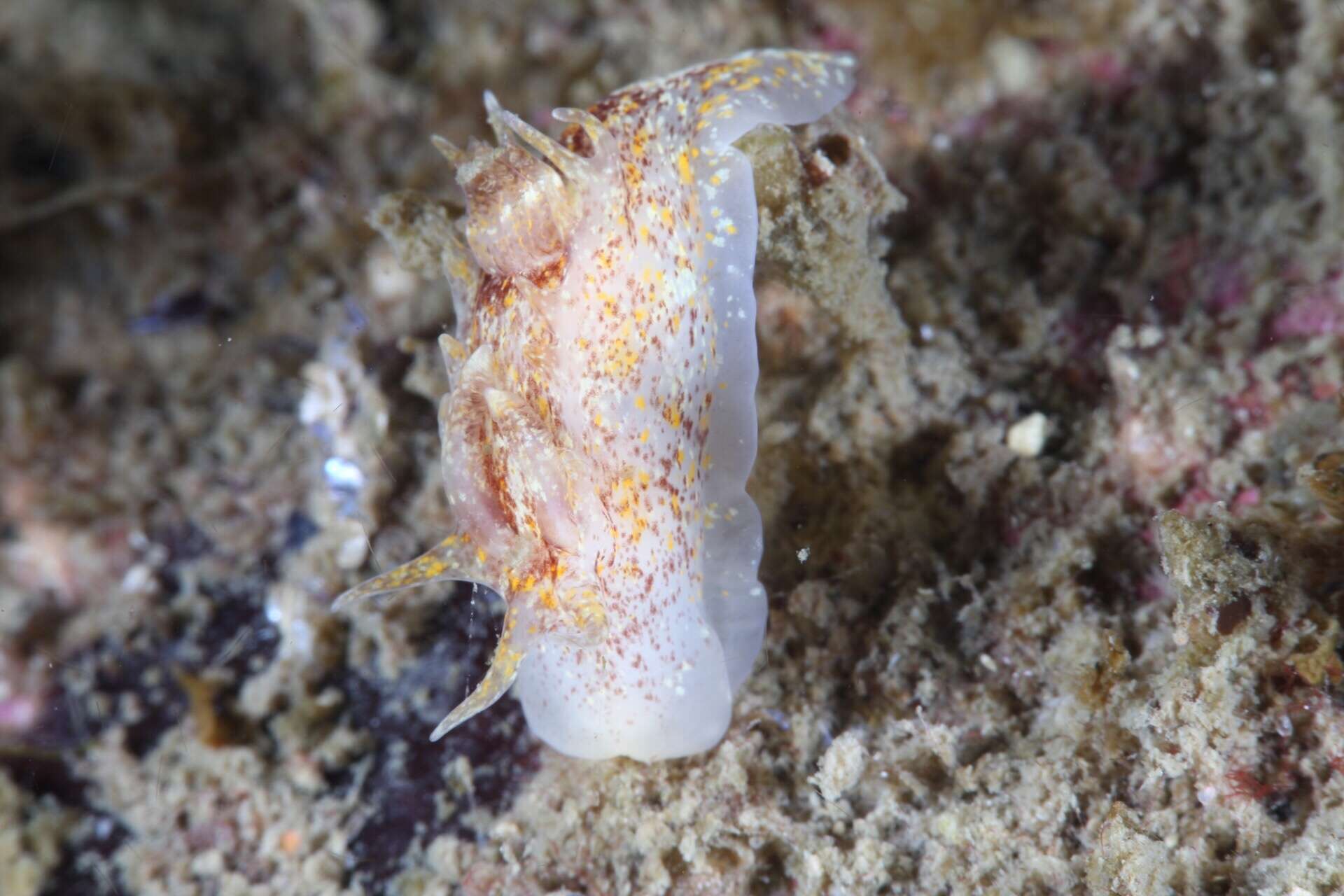
Okenia quadricornis (Montagu, 1815) (seasquirt okenia)
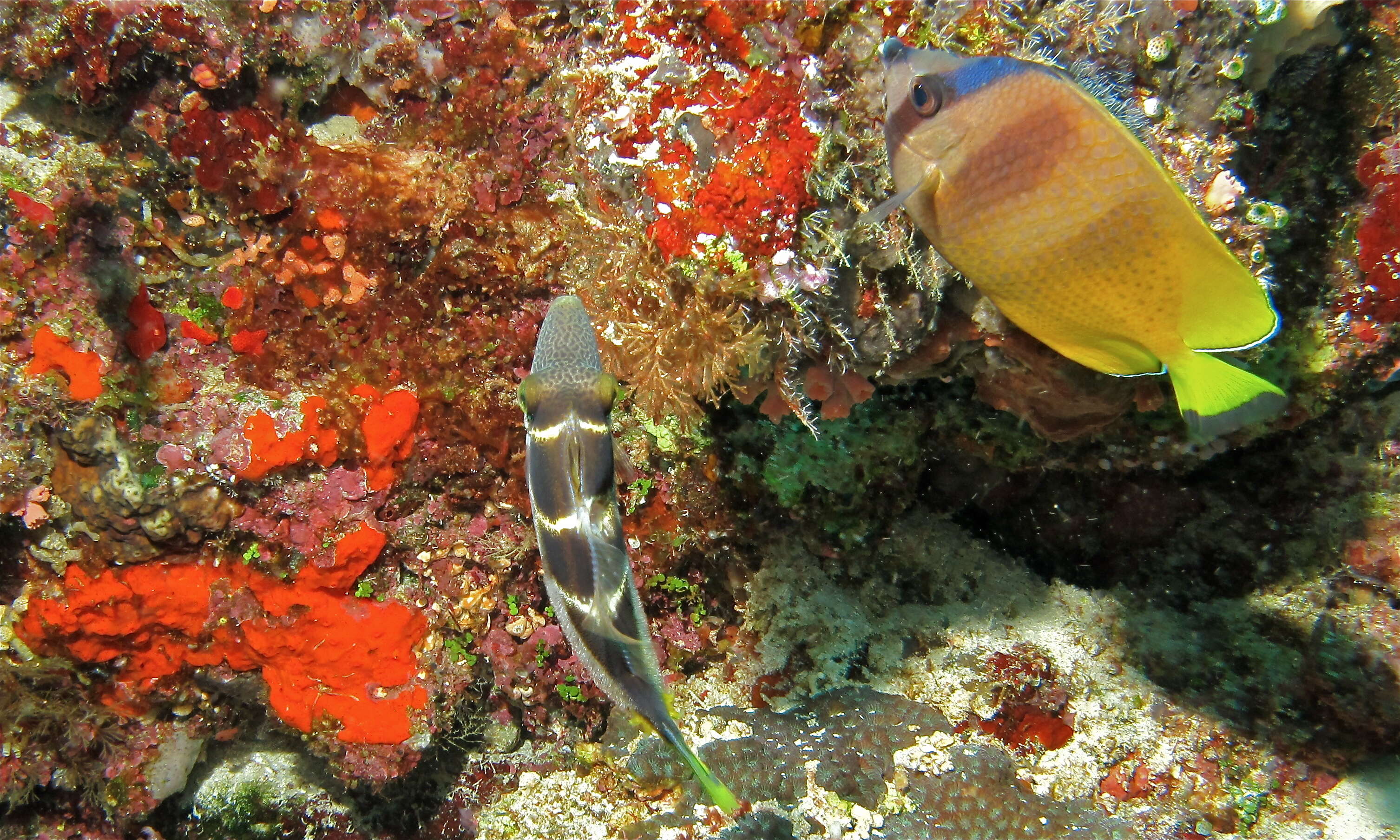
Chaetodon kleinii Bloch, 1790 (Sunburst butterflyfish)
Chaetodon aureofasciatus Macleay, 1878 (Golden butterflyfish)
Inhabit coastal and inner reefs; juveniles among branching corals. Solitary or paired . Oviparous . Form pairs during breeding .
Chaetodon adiergastos Seale, 1910 (Philippine butterflyfish)
Inhabit coral reefs and occurs in pairs or groups, usually near soft coral . Juveniles solitary and found on shallow protected reefs or in estuaries . Oviparous . Form pairs during breeding . Have never been imported although they can be easily maintained in a tank.
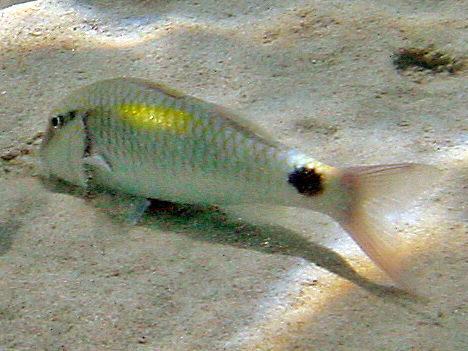
Parupeneus pleurostigma (Bennett, 1831) (Sidedspot goatfish)
Primarily an insular species . Usually solitary, it occurs in seagrass beds as well as over sand, rubble, or coral and rock bottoms of shallow lagoon and seaward reefs to a depth of at least 46 m . Benthopelagic . Feed...
Read More
Read More
Parupeneus indicus (Shaw, 1803) (Indian goatfish)
Inhabit shallow sandy or silty areas of coastal and inner lagoon reefs . Occur singly or in schools . Large adults usually at moderate depths to about 30 m . Feed on benthic invertebrates; the diet including small crab...
Read More
Read More
Share on Social Networks
- Facebook:

personalize your shared text as well as its destination (wall, page...) or send as a private message to a friend
- Twitter: Tweet personalize your tweet
- Google Plus:
Direct link to this dive
- Long link:
- Short link:


 We are participating today in the startup contest Techcrunch Disrupt. Support Diveboard by voting for us!
























































































1st dive two tanks on Datu Budas @ Talikud Island
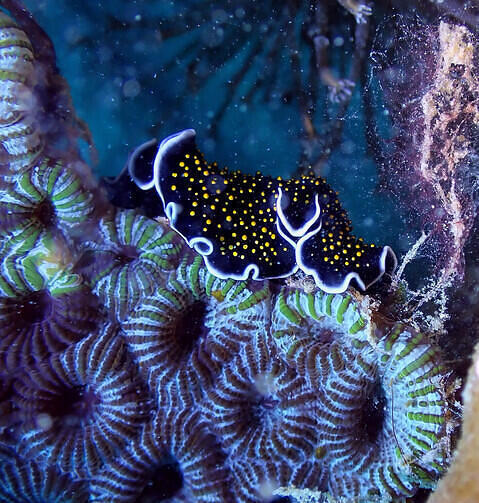
Offshore West of CGBR back to the Chromodoris Forest
with Magz, loose group with Pitan
mostly solo, multilevel