


 Beachnutts


 Philippines
-
Nº115
 Date: 2023-12-30 - 01:57
-
 Max Depth: 20.7m Duration: 78mins
Dive Location

- Temp: Surf 26°C Bottom 26°C
- Dive type : Recreational, Reef, Photo, Muck dive
- Visibility: Average Water: Salt
Specific gear used
- BCD: Oceanic - OceanPro
- Camera: Olympus - TG6
- Compass:
- Computer: Oceanic - OCS
- Fins: Scubapro - Jet Fins
- Knife: Scuba MAx - folding
- Lift bag: ScubaMax - SMB
- Light: Sofirn - SD05
- Mask: Promate - Scope
- Regulator: Aqualung - Calypso
- Wet suit: Blue Ocean - Diveskin
- Weights: 3.2 kg
Dive reviews
| Overall review | ||
| Dive difficulty | ||
| Marine life quality |
Dive Shop & Buddies
 Dive with Blake Auge
 Dive buddies:
Beachnutts
Dive buddies:
Beachnutts

Link to this spot:
- Spot:
- Country:
- Area:
- Body of water:
Dive Profile
- 1. Air
- 10L Aluminium 207 → 21 bar
- Average depth: 13.8m
Data provided by EOL.org









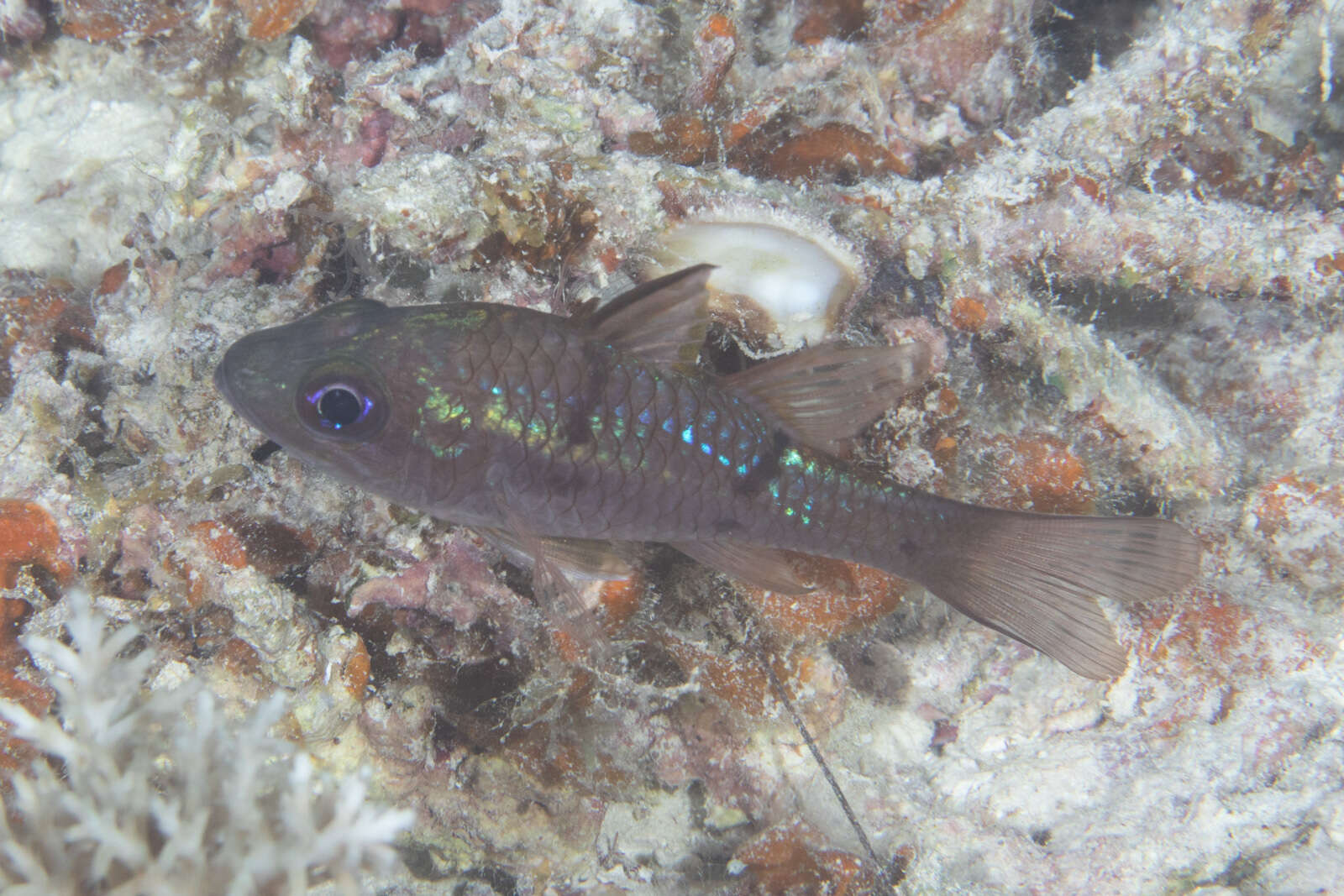
Species Identified
Craniella simillima (Bowerbank, 1873)
Stelletta debilis Thiele, 1900
Scleritoderma nodosum Thiele, 1900
Phorbas roxasi (de Laubenfels, 1935)
Stylissa massa (Carter, 1887)
Haliclona cribriformis (Ridley, 1884)
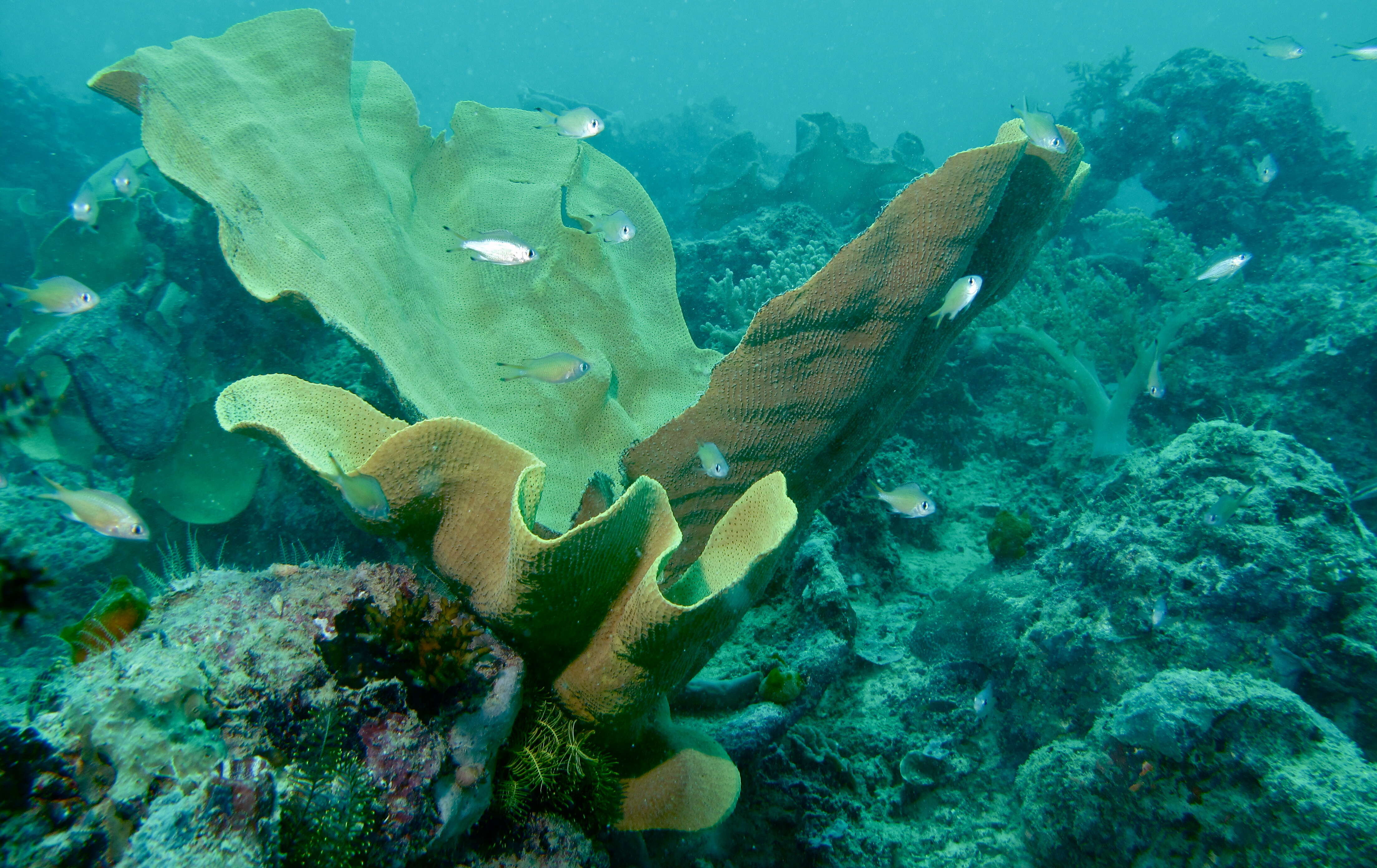
Ianthella basta (Pallas 1766)
Amphimedon paraviridis Fromont, 1993
Spirastrella decumbens Ridley 1884
Eurete freelandi Ijima, 1927
Haliclona bawiana (Lendenfeld, 1897)
Isops perarmata (Bowerbank, 1873)
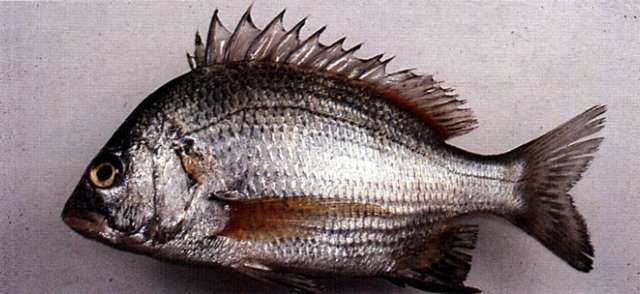
Acanthopagrus berda (Forsskål, 1775) (Picnic seabream)
Mainly in brackish waters of estuaries and inlets, coastal rivers and tidal creeks, occasionally entering lower sections of freshwater streams . Juveniles inhabit protected bays and estuaries . Usually occurs singly or s...
Read More
Read More
Echidna nebulosa (Ahl, 1789) (Snowflake moray)
Found between rocks and corals of intertidal reef flats, also in shallow lagoon and seaward reefs to depths of at least 10 m . Are benthic . Feed mainly on crustaceans. Protogynous hermaphroditism unconfirmed for this species . Safely kept with small aquarium fishes .
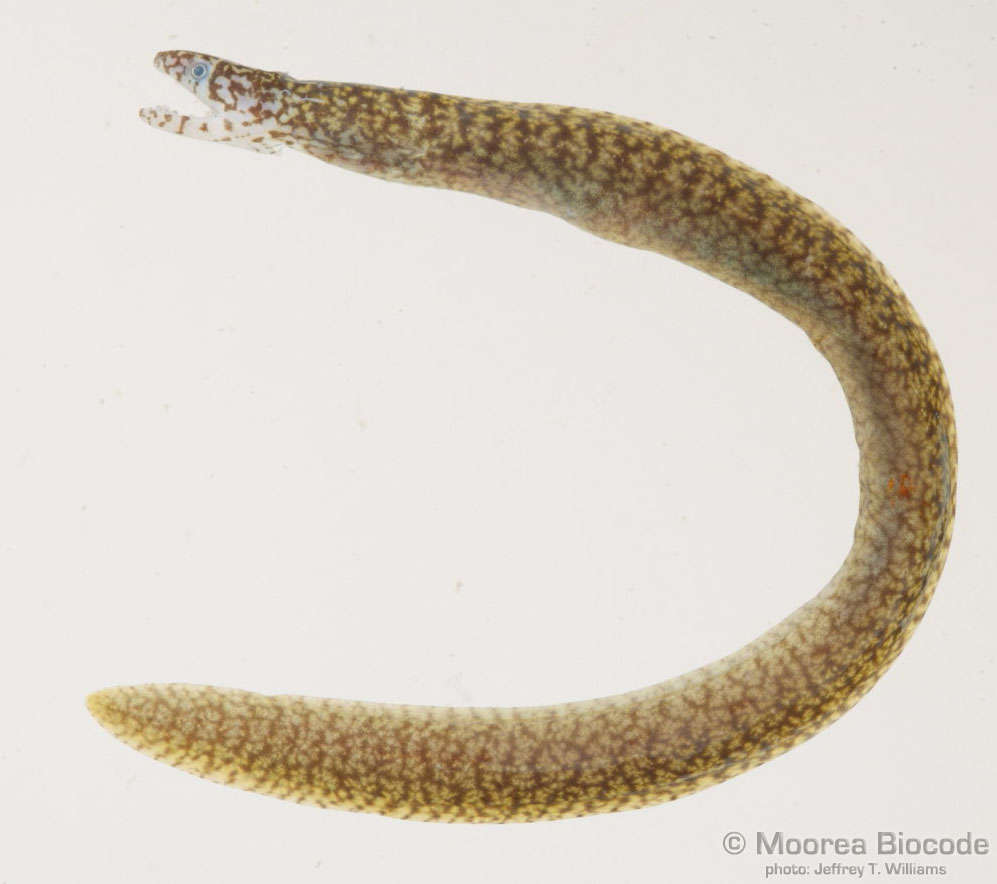
Gymnothorax richardsonii (Bleeker, 1852) (Little moray)
Inhabits shallow lagoons and seaward reefs. Often under large, loose dead coral pieces .
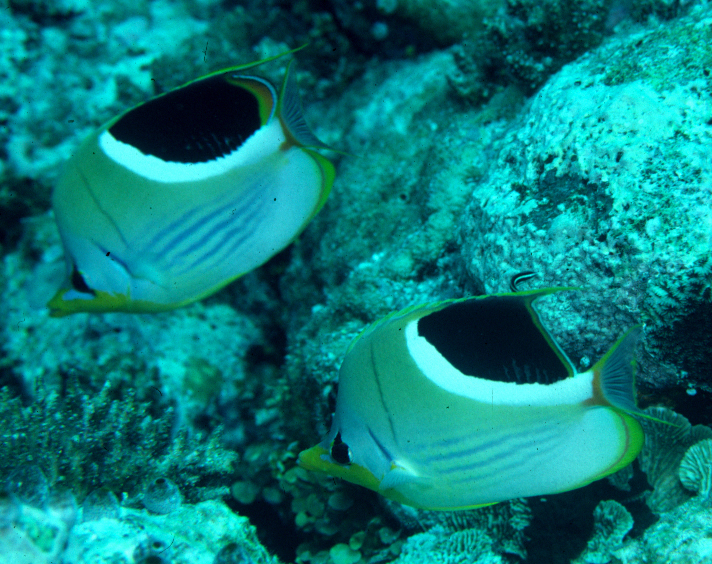
Chaetodon ephippium Cuvier, 1831 (Saddle butterflyfish)
Occur in lagoons and seaward reefs to a depth of 30 m, prefer coral-rich and clear water areas . Benthopelagic . Encountered singly, in pairs or small groups (adults often in pairs; juveniles solitary and inshore). Feed...
Read More
Read More
Chaetodon trifascialis Quoy and Gaimard, 1825 (Chevron butterflyfish)
Territorial species which occur in shallow lagoon and semi-protected seaward reefs . Benthopelagic . Closely associated with tabular and staghorn Acropora corals upon which they feed on their polyps and mucus. Solitary ...
Read More
Read More
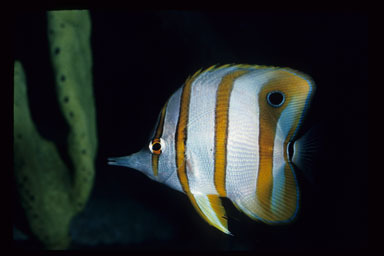
Chelmon rostratus (Linnaeus, 1758) (Copperband butterflyfish)
A common species found singly and in pairs along rocky shores and coral reefs; also in estuaries and silty inner reefs . Territorial species . Oviparous , monogamous . Forms pairs during breeding .
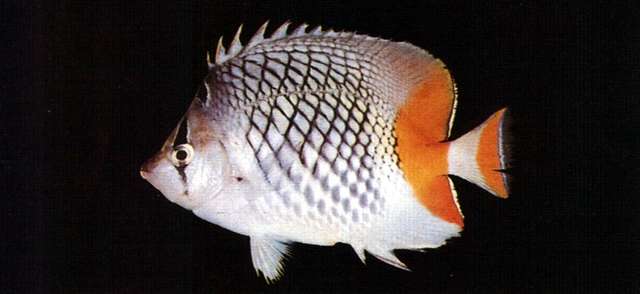
Chaetodon xanthurus Bleeker, 1857 (Pearlscale butterflyfish)
Clear coastal to outer reef slopes and drop-offs . Found around staghorn corals. The only member of the family with a crosshatch pattern of dark lines on the sides. Generally seen below 15 m depth and occurs singly or i...
Read More
Read More
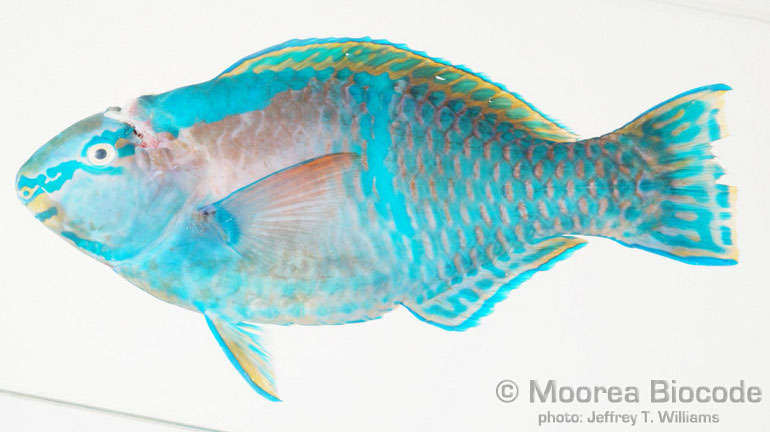
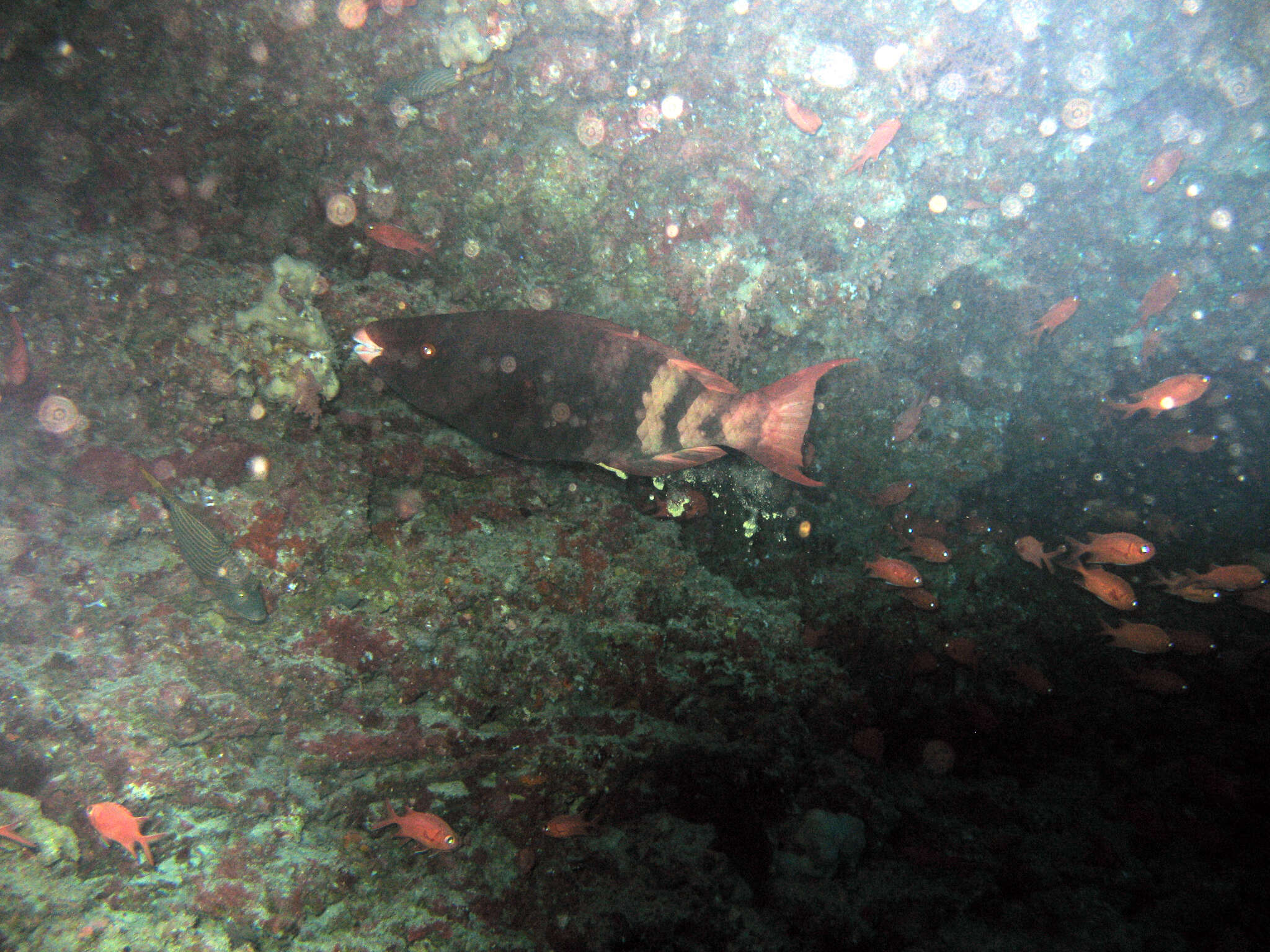
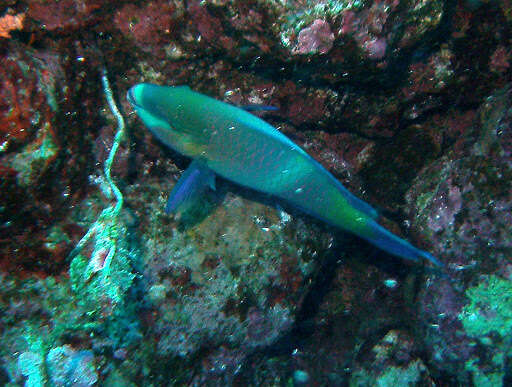
Scarus schlegeli (Bleeker, 1861) (Yellowband parrotfish)
Inhabits lagoon and seaward reefs from 1 to over 50 m depth. Adults are common in areas with rich coral and high vertical relief . Juveniles may school with other species. Form feeding aggregations on rubble and mixed r...
Read More
Read More
Scarus caudofasciatus (Günther, 1862) (Redbarred parrotfish)
Inhabits steep outer reef slopes . Solitary and wary species . Caught with nets and other kinds of artisanal gear. Mainly sold fresh.
Scarus ferrugineus Forsskål, 1775 (Rusty parrotfish)
Inhabits protected coral slopes . Individuals in the terminal phase form harems . Feeds mainly on benthic algae .
Scarus festivus Valenciennes, 1840 (Festive parrotfish)
Found in clear lagoon and seaward reefs . Feeds on benthic algae .
Scarus chameleon Choat and Randall, 1986 (Chameleon parrotfish)
Inhabits outer reef flats and exposed lagoon and seaward slopes from a depth of 3 to at least 30 m . Feeds mainly on algae . Females often in schools of mixed species when feeding, males usually seen separate .
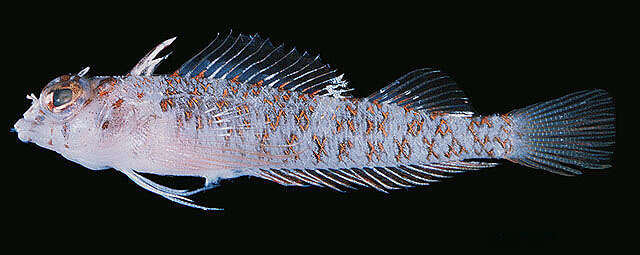
Enchelyurus kraussii (Klunzinger, 1871) (Krauss' blenny)
Cryptic among coral and rubble on reef flats and upper portion of seaward reefs . Oviparous . Eggs are demersal and adhesive .
Salarias guttatus Valenciennes, 1836 (Breast-spot blenny)
Found in the intertidal areas and shallow coastal reefs . Inhabits rubble and algae reefs . Oviparous . Eggs are demersal and adhesive .
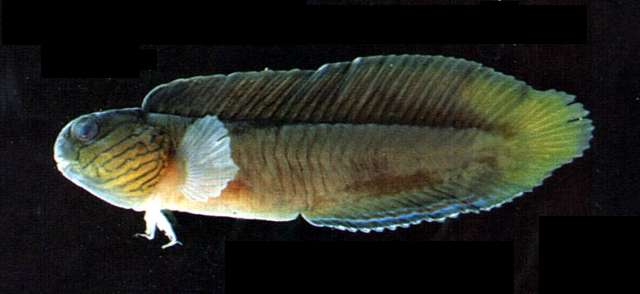
Ecsenius pictus McKinney & Springer, 1976 (White-lined comb-tooth)
Found among coral . Occurs mainly along outer reef walls with rich coral and other invertebrate growth at moderate depths to about 25 m. Usually seen in pairs and often perched on large sponges . A deep-dwelling species...
Read More
Read More
Salarias sinuosus Snyder, 1908 (Fringelip blenny)
Found in shallow protected reefs, usually in intertidal areas . Oviparous . Eggs are demersal and adhesive .
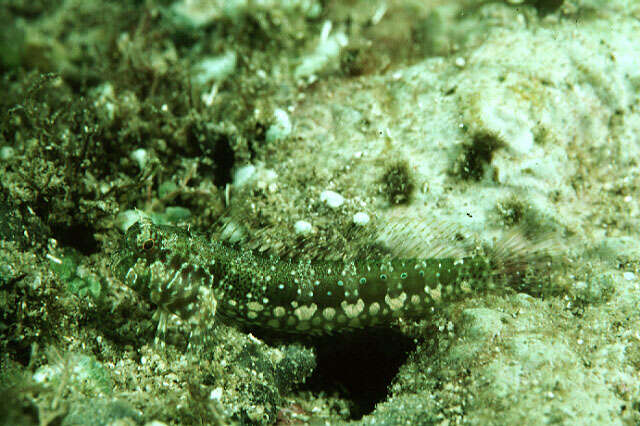
Helcogramma springeri Hansen, 1986 (Springer's triplefin)
Lives on rock surfaces and under ledges. Common at depths less than 10 m.
Amphiprion ocellaris Cuvier, 1830 (false clown anemonefish)
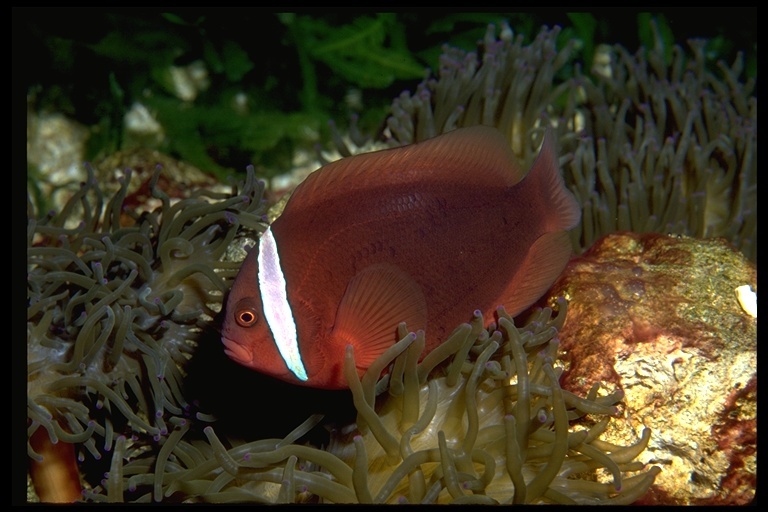
Premnas biaculeatus (Bloch, 1790) (Spinecheek anemonefish)
Inhabits lagoon and seaward reefs , found mainly in protected coastal waters and lagoons. Typically found in pairs in which males are much smaller than females . Feeds primarily on zooplankton and benthic algae . Has been reared in captivity . Associated with the anemone Entacmaea quadricolor .
Amphiprion frenatus Brevoort, 1856 (oneband anemonefish)
Found in lagoon reefs and embayment. Monogamous , protandrous hermaphrodite . Associated with the anemone Entacmaea quadricolor . Has been reared in captivity .
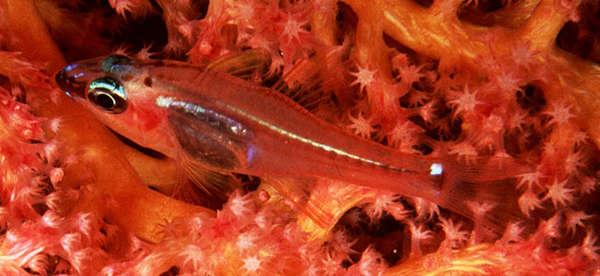
Apogon dispar Fraser & Randall, 1976 (Redspot cardinalfish)
Found in caves of drop-offs; also in clear coastal to outer reefs, commonly in large black corals growing away from walls .
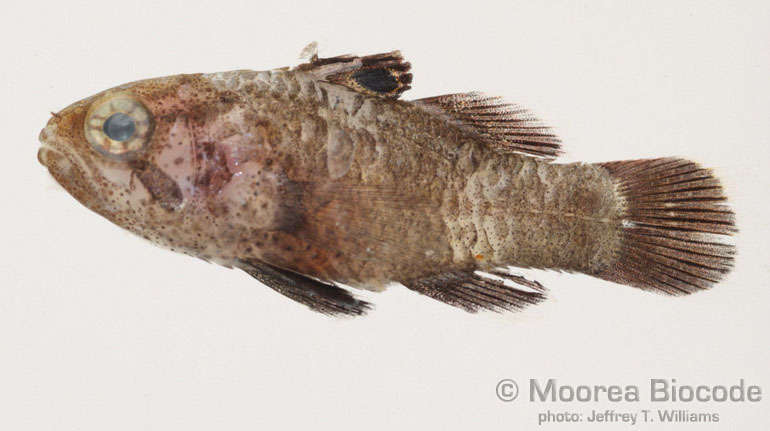
Apogonichthys ocellatus (Weber, 1913) (Ocellated cardinalfish)
Occurs inshore . Found in shallow sheltered lagoons and harbors, hiding among rocks, rubble, or clumps of brown algae . Nocturnal species.
Apogon rhodopterus Bleeker, 1852 (Redfin cardinalfish)
Inhabits shallow protected reefs of lagoons or harbors . Nocturnal and usually seen solitary .
Share on Social Networks
- Facebook:

personalize your shared text as well as its destination (wall, page...) or send as a private message to a friend
- Twitter: Tweet personalize your tweet
- Google Plus:
Direct link to this dive
- Long link:
- Short link:


 We are participating today in the startup contest Techcrunch Disrupt. Support Diveboard by voting for us!
























































































Last dive of 2023 @DBC
Sunny, warm and bright, breezy
single dive, off end of pier, down North side, back up the middle, current kicking up, to shallows and incline to exit, to beach.
multilevel