


 Beachnutts



 Philippines
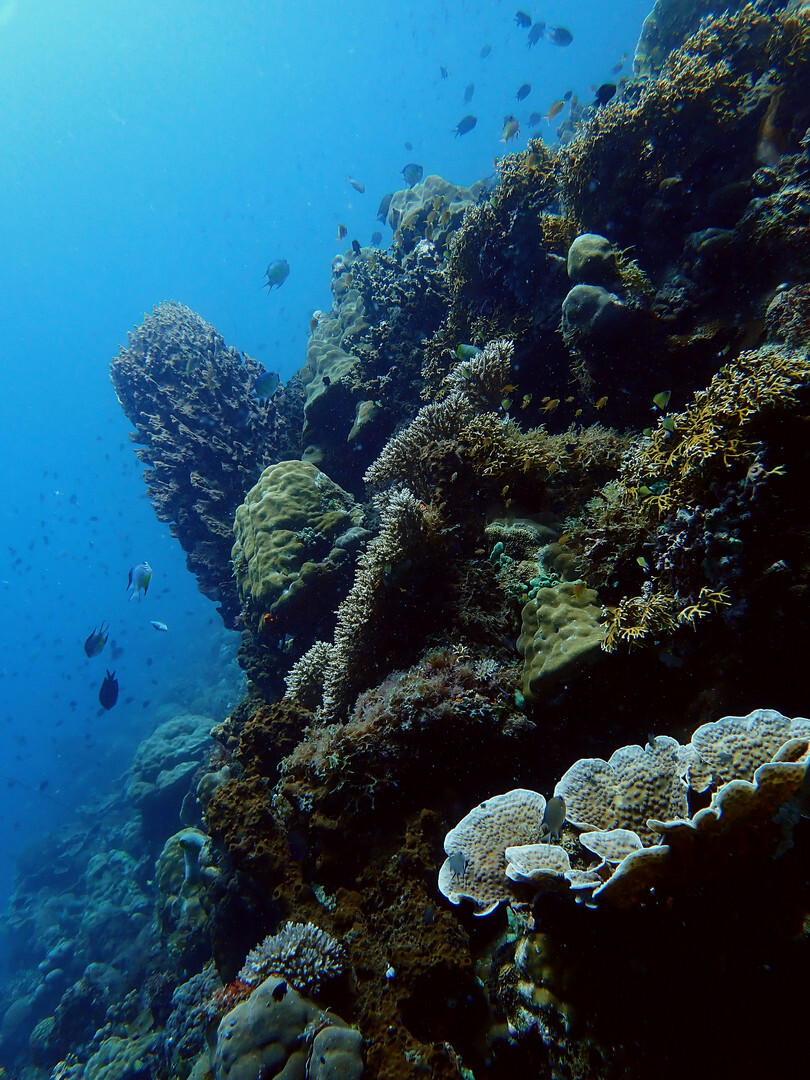
-
Nº194
 Date: 2026-02-01 - 01:26
-
 Max Depth: 16.2m Duration: 78mins
Dive Location

- Surface interval:89 mins
- Temp: Surf 26°C Bottom 26°C
- Dive type : Recreational, Reef, Photo
- Visibility: Average Water: Salt
Specific gear used
- BCD: Scubapro - Glide Plus
- Boots: Cressi Sub - Dive Shoes
- Camera: Olympus - TG6
- Compass:
- Computer: Oceanic - OCS
- Fins: Scubapro - Jet Fins
- Knife: Scuba MAx - folding
- Lift bag: ScubaMax - SMB
- Light: Sofirn - SD05
- Mask: Promate - Scope
- Regulator: Aqualung - Legend
- Wet suit: Blue Ocean - Diveskin
- Weights: 3.2 kg
Dive reviews
| Overall review | ||
| Dive difficulty | ||
| Marine life quality |
Recent Divers in Talicud island, Davao
Recent Pictures in Talicud island, Davao
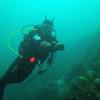
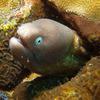
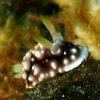
Dive Shop & Buddies
 Dive with Pitan
 Dive buddies:
Reymar Tano,
Beachnutts

Link to this spot:
- Spot:
- Country:
- Area:
- Body of water:
Dive Profile
- 1. Air
- 10L Aluminium 207 → 21 bar
- Average depth: 10.8m
Data provided by EOL.org


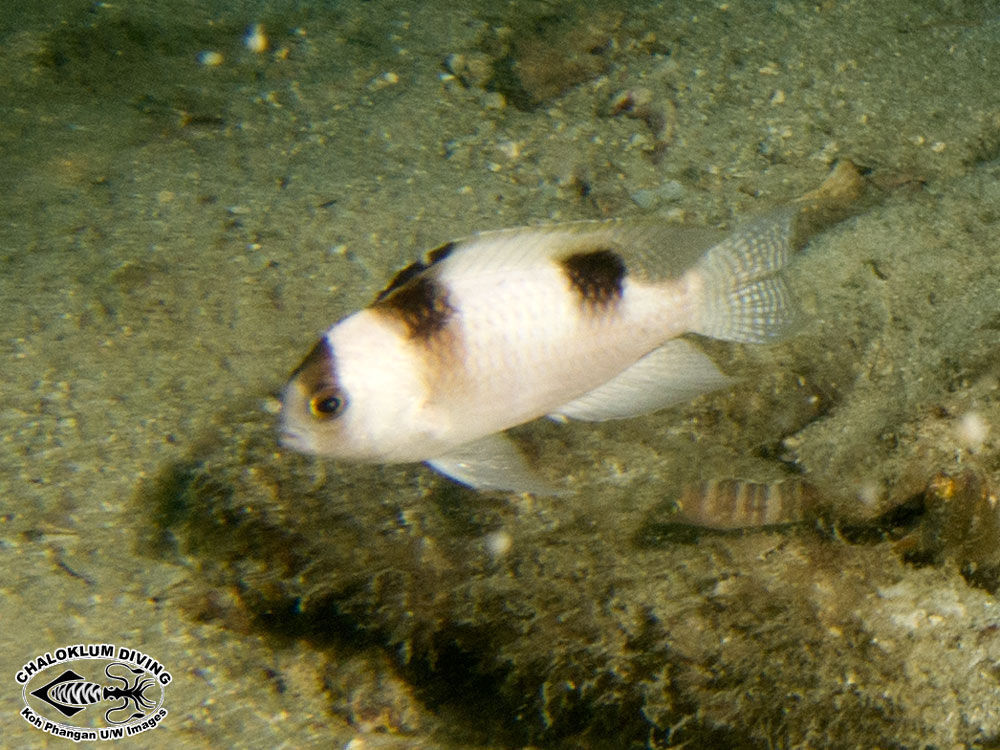
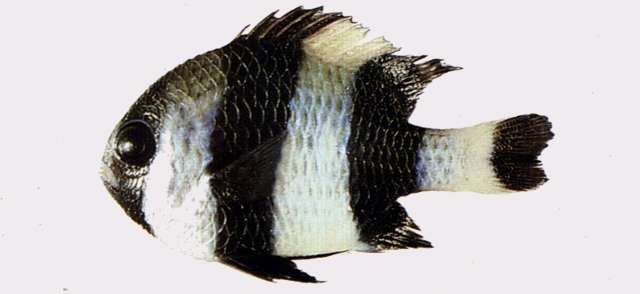


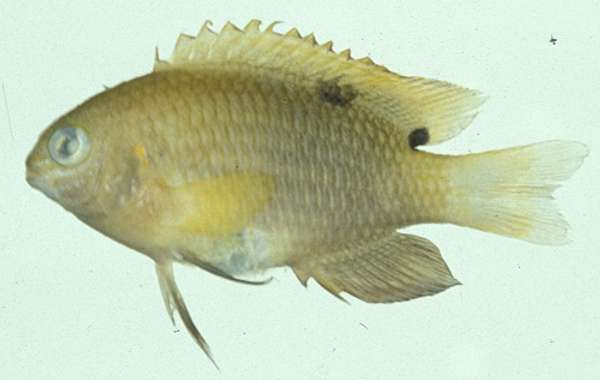

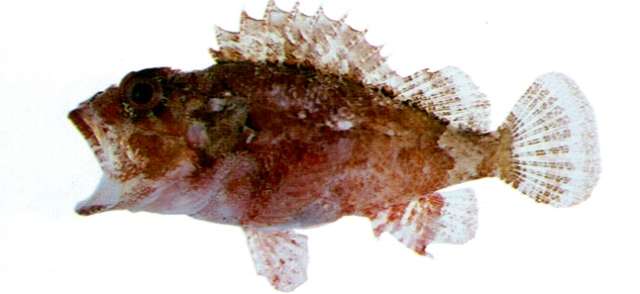
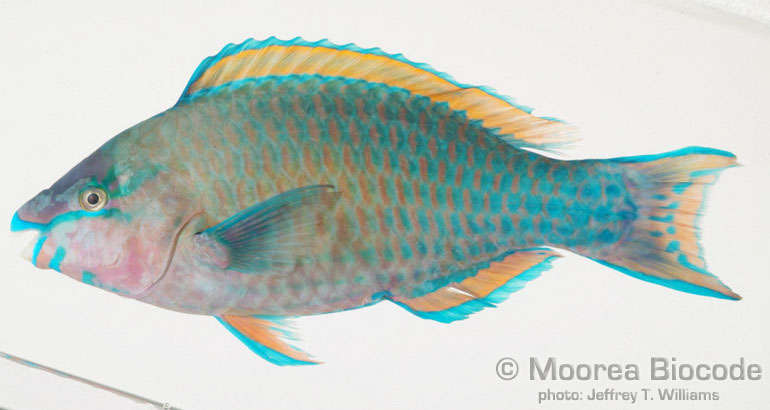

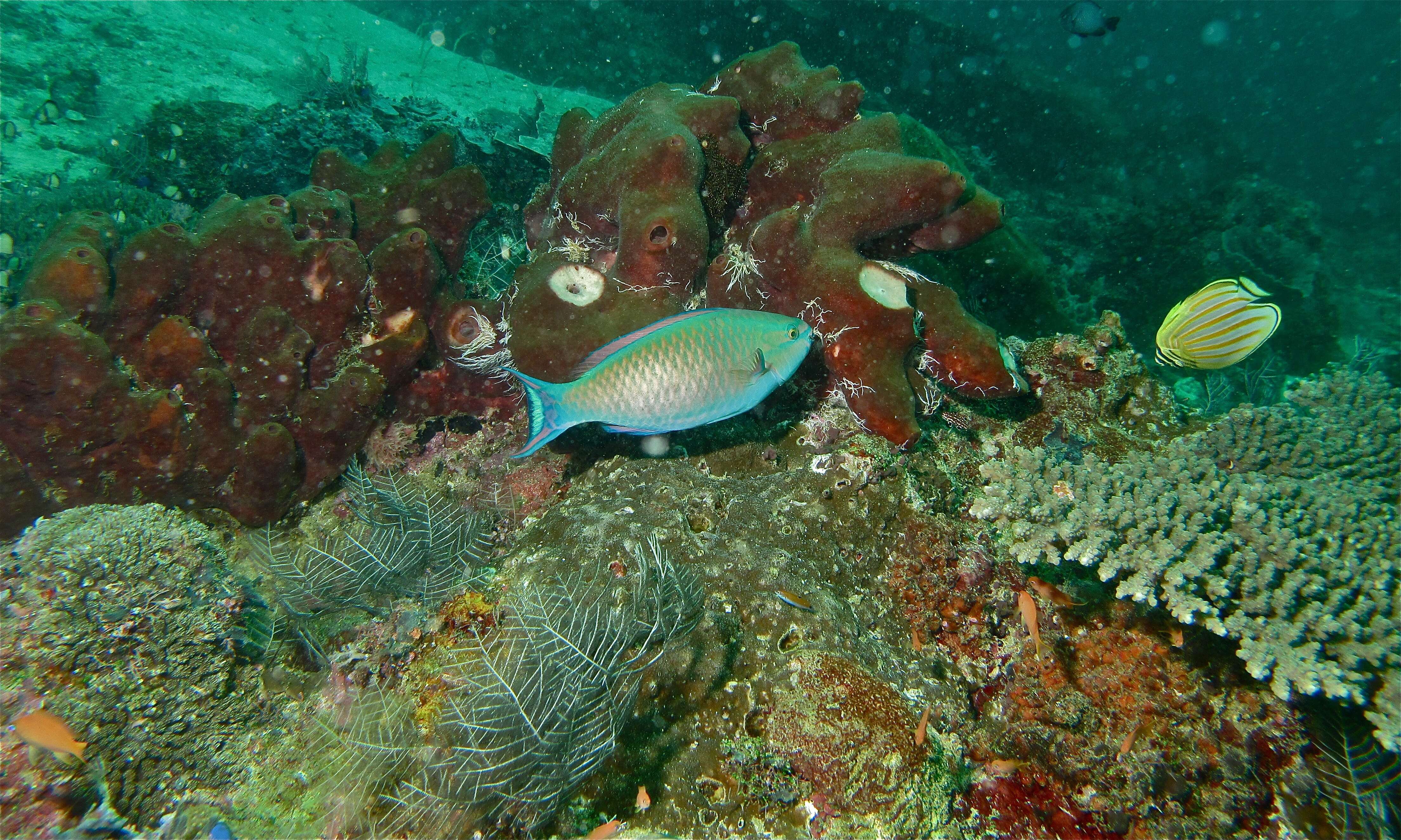
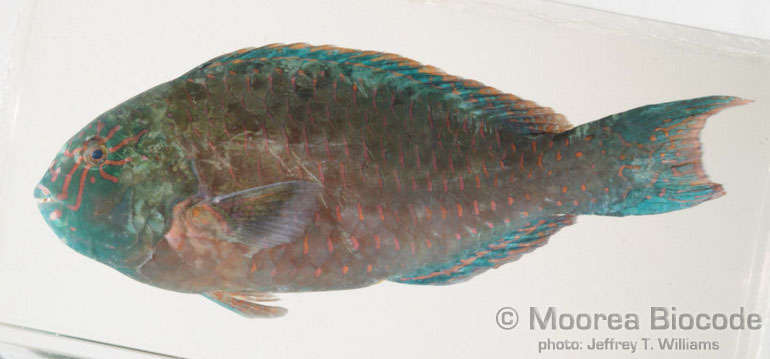
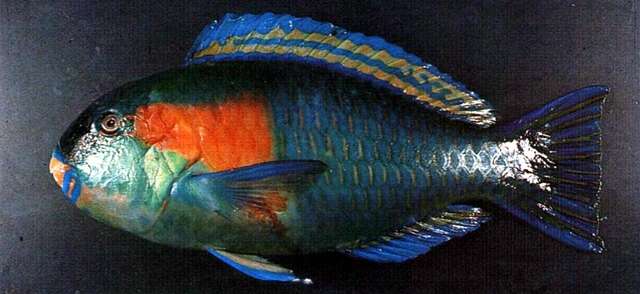
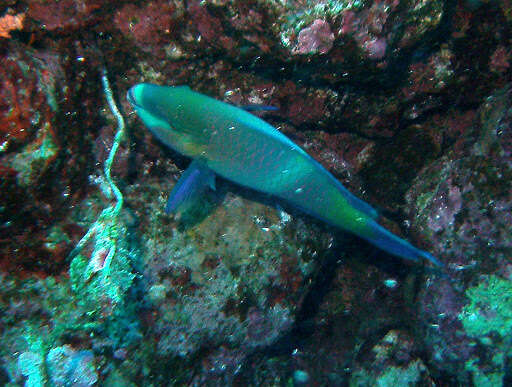
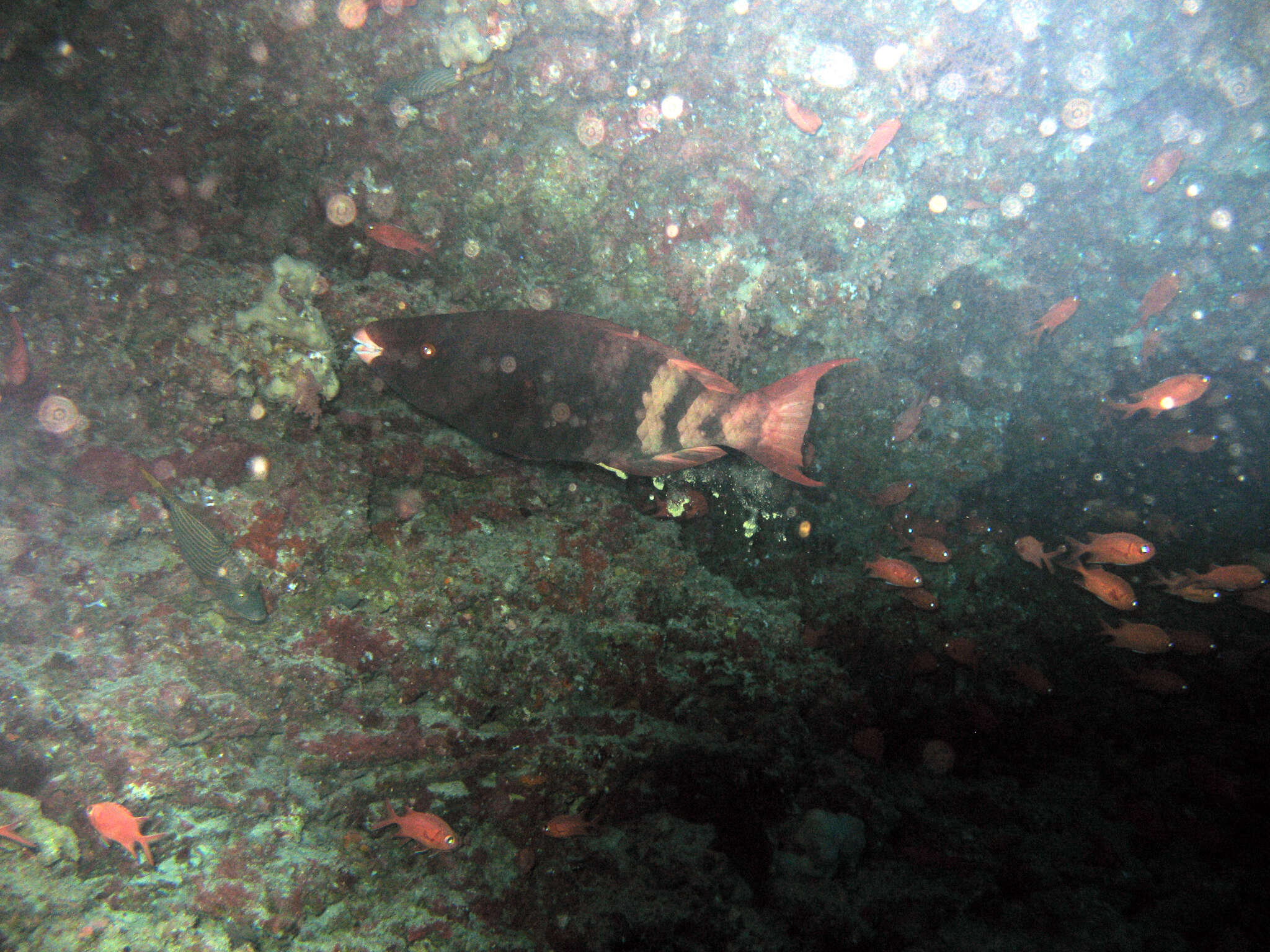

Species Identified
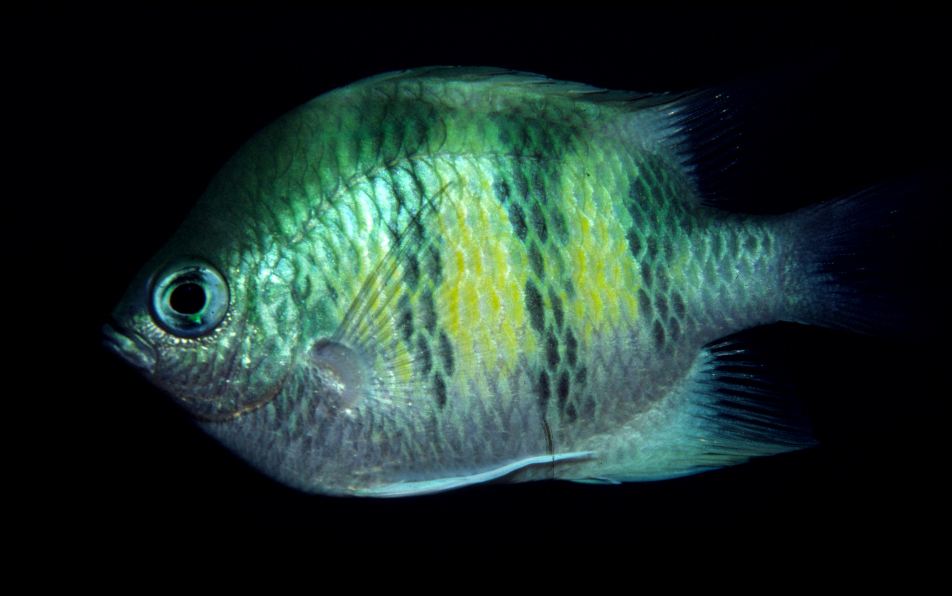
Amblyglyphidodon curacao (Bloch, 1787) (Black-snouted sergeant-major)
Inhabits lagoons, coastal embayments, reef passages and outer reefs. Juveniles often found among Sarcophyton and Sinularia soft corals. Feeding aggregations are frequently observed over growths of the staghorn coral Acro...
Read More
Read More
Chrysiptera biocellata (Quoy and Gaimard, 1825) (bluebanded damselfish)
Occurs in protected inner reef flats and shallow lagoons and channels, over rubble and rocky outcrops. Feeds primarily on filamentous algae.
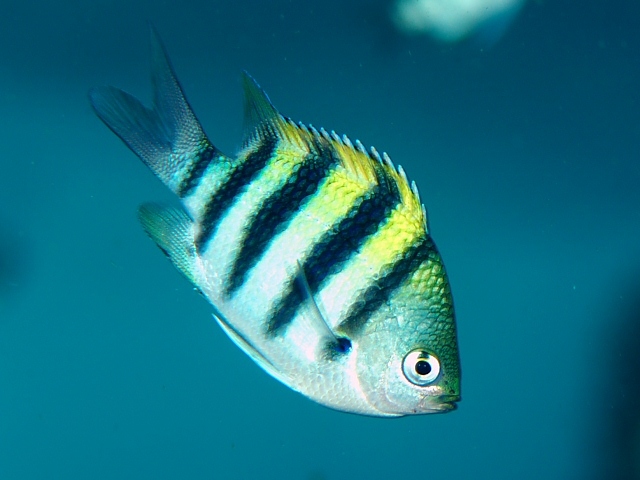
Abudefduf vaigiensis (Quoy and Gaimard, 1825) (Five finger)
Adults inhabit upper edge of outer reef slopes and inshore rocky reefs. Juveniles associated with drifting seaweed . Benthopelagic . Feed on zooplankton, benthic algae, and small invertebrates . Often in aggregations ...
Read More
Read More
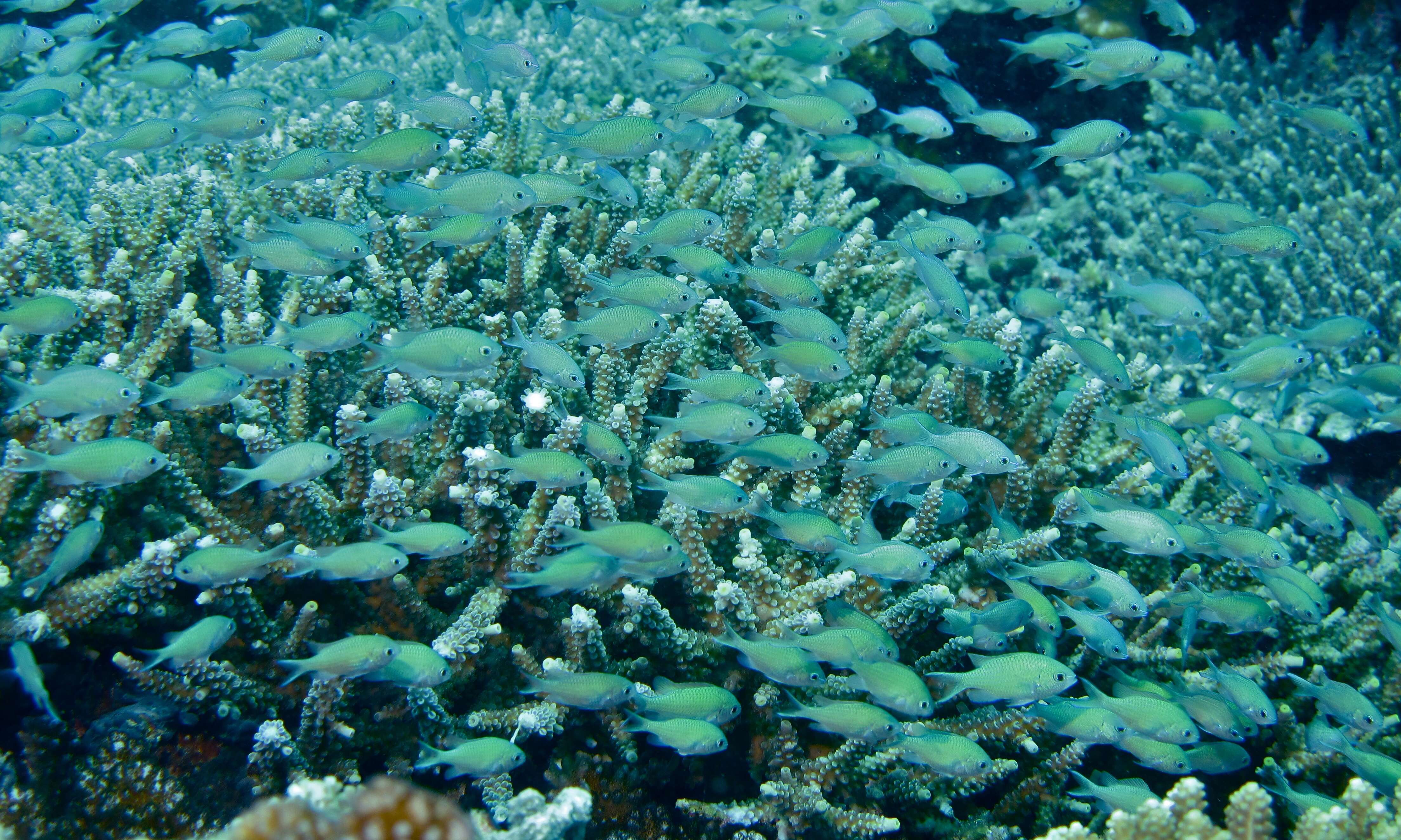
Chromis viridis (Cuvier, 1830) (blue-green chromis)
Found in large aggregations above thickets of branching Acropora corals in sheltered areas such as subtidal reef flats and lagoons. Juveniles closely tied to individual coral heads . Phytoplankton feeders. Breeding is d...
Read More
Read More
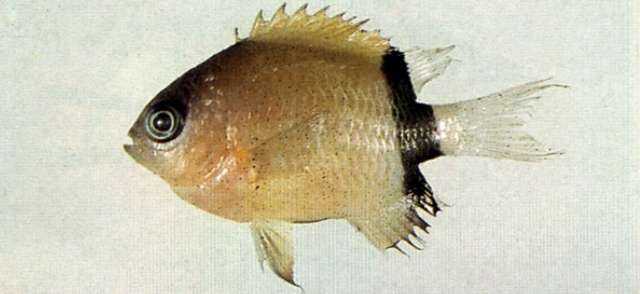
Chromis retrofasciata Weber, 1913 (Black-bar chromis)
Inhabits coral-rich areas of clear lagoon and seaward reefs. Occurs singly or in small groups and remains close to thickly branching coral shelter .
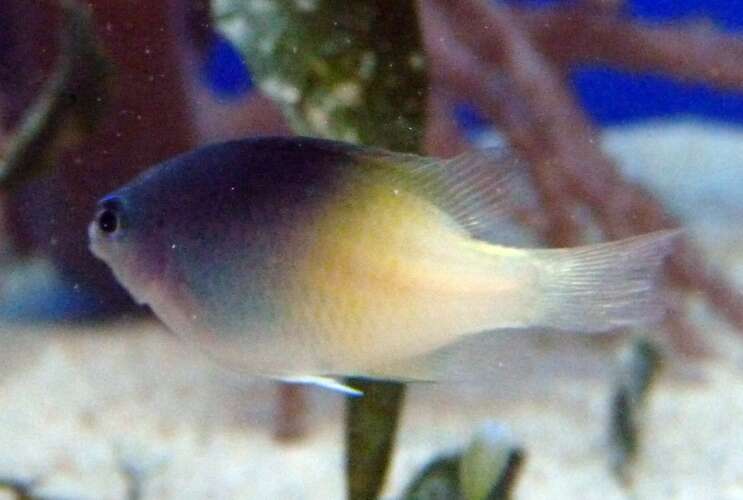
Chrysiptera rollandi (Whitley, 1961) (Rolland's demoiselle)
Occurs singly or in small groups in lagoons, harbors, and outer reef slopes. Found among corals and coral rubble . Feeds mainly on zooplankton.
Chrysiptera cyanea (Quoy and Gaimard, 1825) (cornflower sargeantmajor)
Found amongst rubble and coral of clear sheltered lagoons and subtidal reef flats . Occurs in groups of a male and several females or juveniles . Feeds on algae, pelagic tunicates and copepods.
Amblyglyphidodon leucogaster (Bleeker, 1847) (goldenscaled damselfish)
Inhabits lagoons, reef passages, and the outer reef slopes as solitary individuals or in small groups. Feeds on copepods, amphipods, mysids, fish eggs, crustacean larvae, and a small portion of algae.
Dischistodus fasciatus (Cuvier, 1830) (Banded damsel)
Inhabits silty lagoon and coastal reefs around coral outcrops and seagrass beds . Often adjacent to clear mangrove coasts among rubble and Sargassum algae, to a few meters depth .
Dascyllus melanurus Bleeker, 1854 (blacktailed humbug)
Schooling species, inhabits sheltered lagoons, harbors and inlets. Also in somewhat open substrates with outcrops of Acropora corals . Often associated with small coral heads. Feeds on a variety of plankton, including l...
Read More
Read More
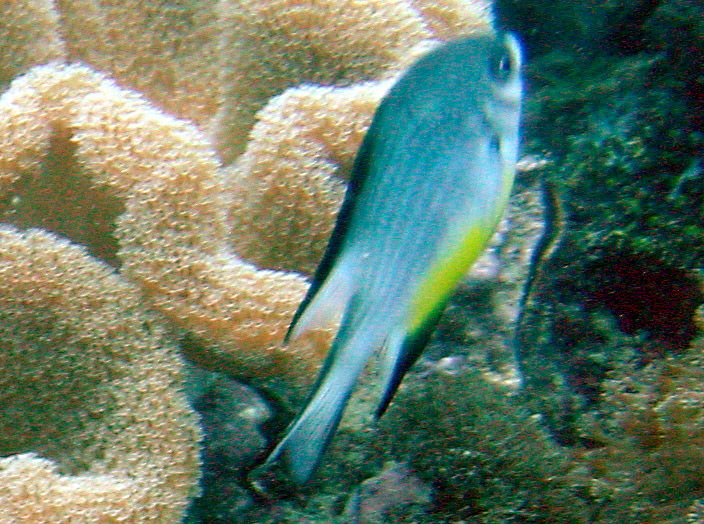
Pomacentrus simsiang Bleeker, 1856 (Blueback damsel)
Occurs singly or in small aggregations at slightly turbid areas of lagoon and coastal reefs. Feeds mainly on benthic algae.
Dischistodus chrysopoecilus (Schlegel and Müller, 1839) (Lagoon damsel)
Found among coral outcrops and seagrass beds of silty areas of lagoon and coastal reefs , usually subtidal to a few meters depth .
Chrysiptera unimaculata (Cuvier, 1830) (Onespot demoiselle)
Found solitarily or in small groups among coastal algal reefs, rubble or over open beach-rock of reef flats exposed to moderate surge and feeds mainly on benthic algae .
Eretmochelys imbricata (LINNAEUS) 1766 (Hawksbill Turtle)
Hawksbills may take decades to mature and it could be between 20 to 40 years before they are ready to breed . Upon reaching sexual maturity, a female will typically lay up to five clutches of around 100 to 140 eggs in one ...
Read More
Read More
Parascorpaena mcadamsi (Fowler, 1938) (McAdam's scorpionfish)
Secretive in reefs during the day and usually seen only at night .
Coradion chrysozonus (Cuvier, 1831) (Goldengirdled coralfish)
Found in coastal to outer reef drop-offs with rich invertebrate growth to 60 m depth; may also occur in areas with sparse coral growth. Feed on sponges . Oviparous . Form pairs during breeding .
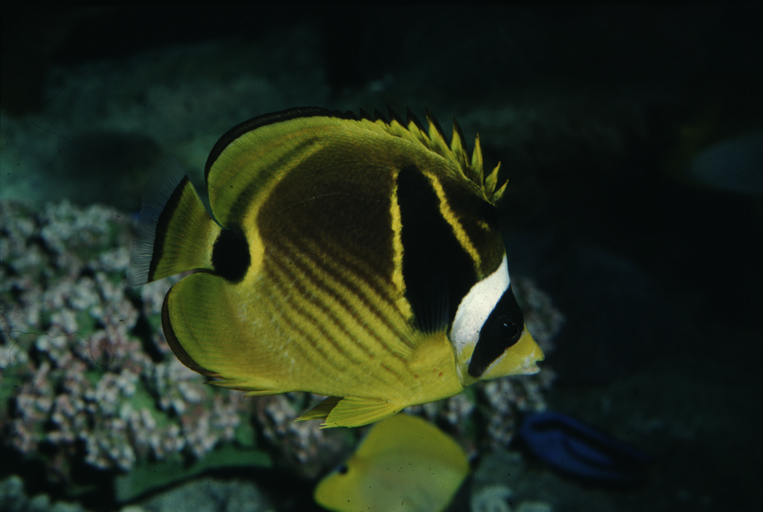
Chaetodon lunula (Lacepède, 1802) (Butterflyfish)
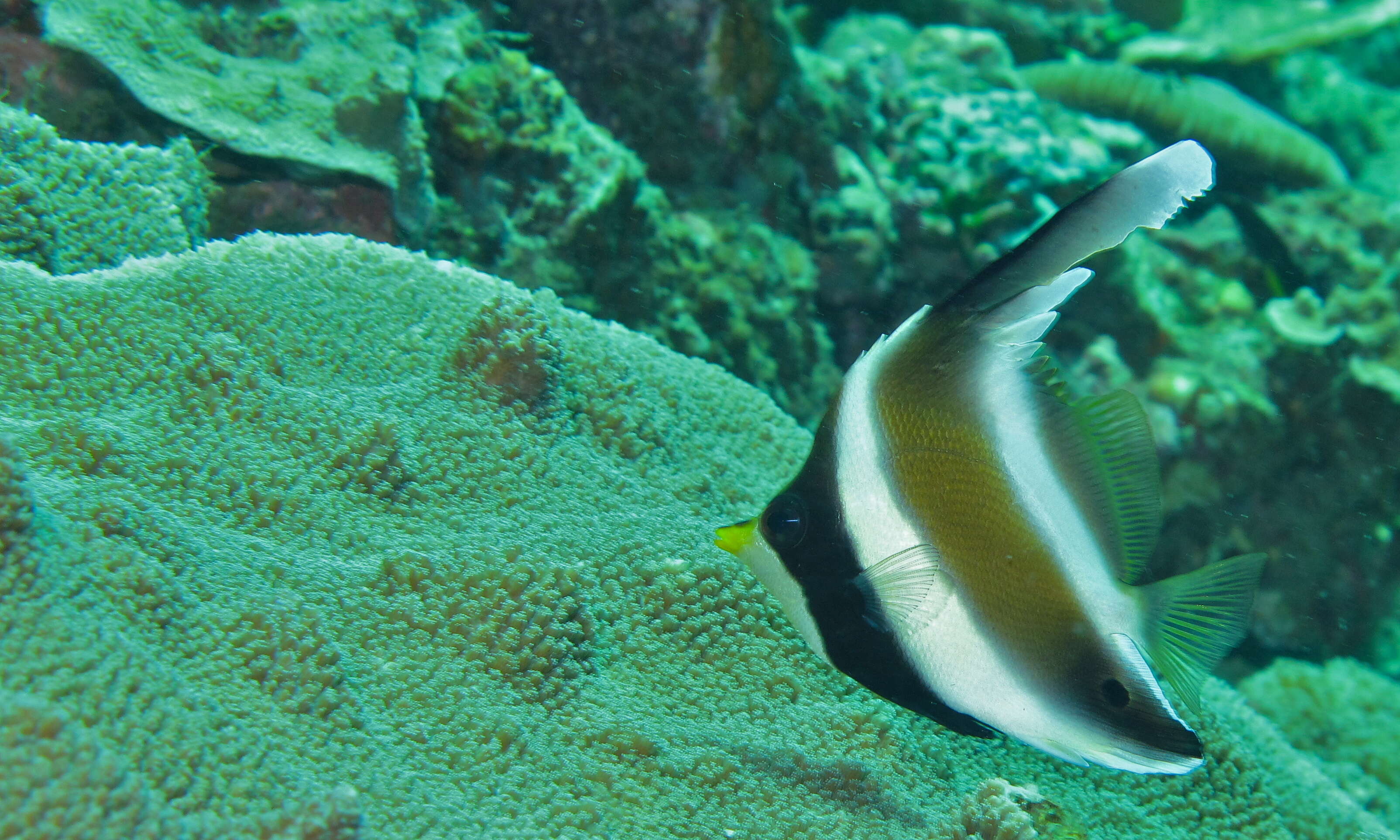
Heniochus chrysostomus Cuvier, 1831 (Threeband pennantfish)
Common in coral-rich areas of subtidal reef flats and lagoon and seaward reefs. Juveniles solitary and usually found in estuaries and lagoons; adults usually in pairs . Feed mainly on coral polyps. Oviparous . Form pairs during breeding . Minimum depth reported taken from Ref. 30874.
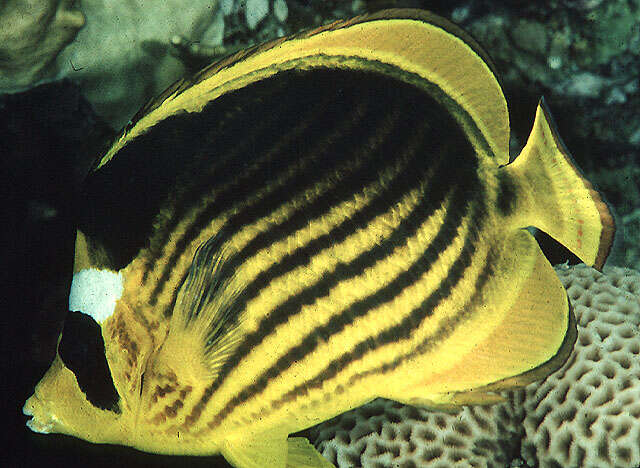
Chaetodon fasciatus Forsskål, 1775 (Diagonal butterflyfish)
Commonly found on reef flats . Usually solitary or in pairs in areas with rich coral growth. Monogamous . Feed mainly on coral polyps . Oviparous . Form pairs during breeding .
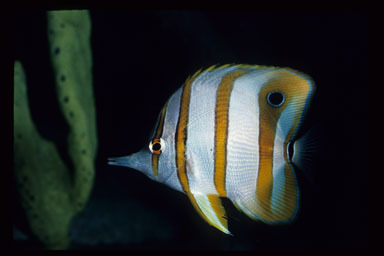
Chelmon rostratus (Linnaeus, 1758) (Copperband butterflyfish)
A common species found singly and in pairs along rocky shores and coral reefs; also in estuaries and silty inner reefs . Territorial species . Oviparous , monogamous . Forms pairs during breeding .
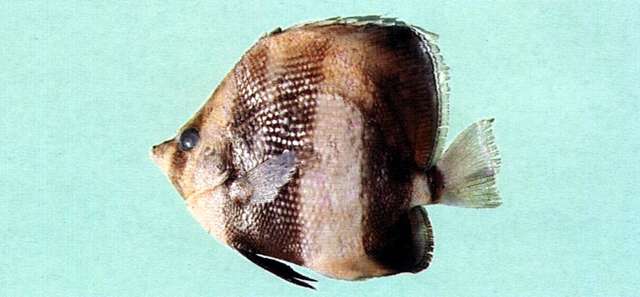
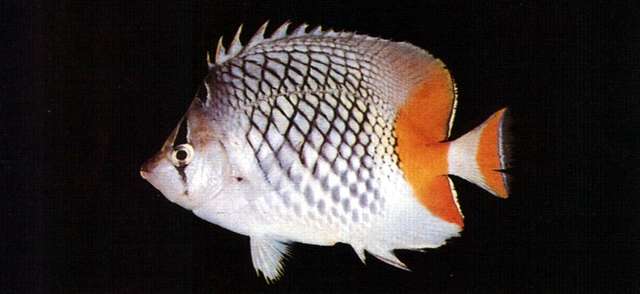
Chaetodon xanthurus Bleeker, 1857 (Pearlscale butterflyfish)
Clear coastal to outer reef slopes and drop-offs . Found around staghorn corals. The only member of the family with a crosshatch pattern of dark lines on the sides. Generally seen below 15 m depth and occurs singly or i...
Read More
Read More
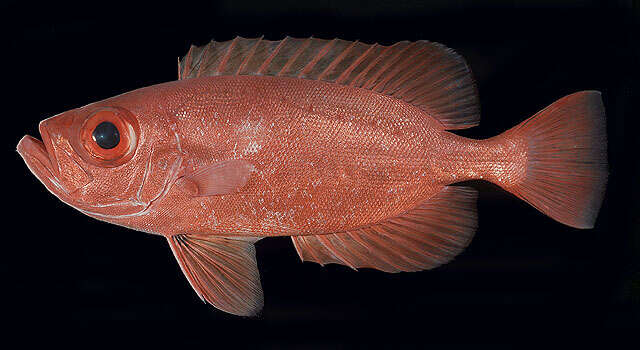
Priacanthus blochii Bleeker, 1853 (Paeony bulleye)
Occurs in lagoon and seaward reefs, under ledges or in caves by day ; often silty habitat . Rarely trawled .
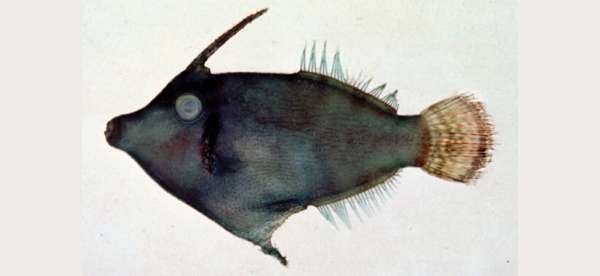
Pervagor melanocephalus (Bleeker, 1853) (Redtail filefish)
Inhabits clear coastal reefs and protected outer reef habitats with rich invertebrate growth . Prefers deeper reefs. Often in pairs . Secretive, adults are usually in pairs .
Scarus psittacus Forsskål, 1775 (Common parrotfish)
Inhabit reef flats and lagoon and seaward reefs to at least 25 m depth . Found over corals . Benthopelagic . Initial-phase fish stage usually form small feeding schools . Graze on benthic algae . Secrete a mucus cocoon .
Calotomus spinidens (Quoy and Gaimard, 1824) (Spinytooth parrotfish)
Found in coastal bays and deep lagoons . Inhabits seagrass beds or dense beds of algae. Well-camouflaged and easily overlooked . Feeds on these or the associated epiphytes. Caught nets and other types of artisanal gear.
Scarus tricolor Bleeker, 1847 (Tricolour parrotfish)
Inhabits lagoon and seaward reefs, in areas with dense coral growth up to at least 30 m. Usually solitary, sometimes in groups . Feeds on benthic algae .
Calotomus carolinus (Valenciennes, 1840) (Carolines parrotfish)
Chlorurus bowersi (Snyder, 1909) (Bower's parrotfish)
Inhabits channel and lagoon reef slopes, in coral-rich areas . Occurs singly .
Scarus ferrugineus Forsskål, 1775 (Rusty parrotfish)
Inhabits protected coral slopes . Individuals in the terminal phase form harems . Feeds mainly on benthic algae .
Scarus caudofasciatus (Günther, 1862) (Redbarred parrotfish)
Inhabits steep outer reef slopes . Solitary and wary species . Caught with nets and other kinds of artisanal gear. Mainly sold fresh.
Scarus chameleon Choat and Randall, 1986 (Chameleon parrotfish)
Inhabits outer reef flats and exposed lagoon and seaward slopes from a depth of 3 to at least 30 m . Feeds mainly on algae . Females often in schools of mixed species when feeding, males usually seen separate .
Share on Social Networks
- Facebook:

personalize your shared text as well as its destination (wall, page...) or send as a private message to a friend
- Twitter: Tweet personalize your tweet
- Google Plus:
Direct link to this dive
- Long link:
- Short link:


 We are participating today in the startup contest Techcrunch Disrupt. Support Diveboard by voting for us!
























































































2nd dive frog search
lots of fish, no frogs, little macro to spot
solo
multilevel