


 Beachnutts


 Philippines
-
Nº975
 Date: 2020-11-28 - 08:35
-
 Max Depth: 12.2m Duration: 82mins
Dive Location

- Surface interval:0 mins
- Temp: Surf 82°C Bottom 82°C
- Dive type : Recreational, Reef, Photo, Muck Dive
- Visibility: Average Water: Salt
Specific gear used
- BCD: Oceanic - OceanPro
- Camera: Canon - Powershot SD780
- Compass:
- Computer: Oceanic - OCS
- Fins: Scubapro - Jet Fins
- Mask: Promate - Scope
- Regulator: Aqua Lung - Legend LX
- Wet suit: Blue Ocean - Diveskin
- Weights: 4 kg
Dive reviews
| Overall review | ||
| Dive difficulty | ||
| Marine life quality |
Dive Shop & Buddies
 Dive with Blake Auge

Link to this spot:
- Spot:
- Country:
- Area:
- Body of water:
Dive Profile
Data provided by EOL.org
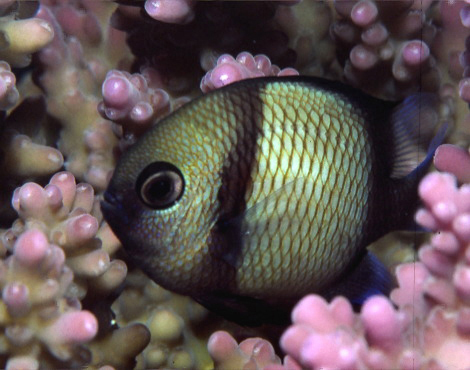

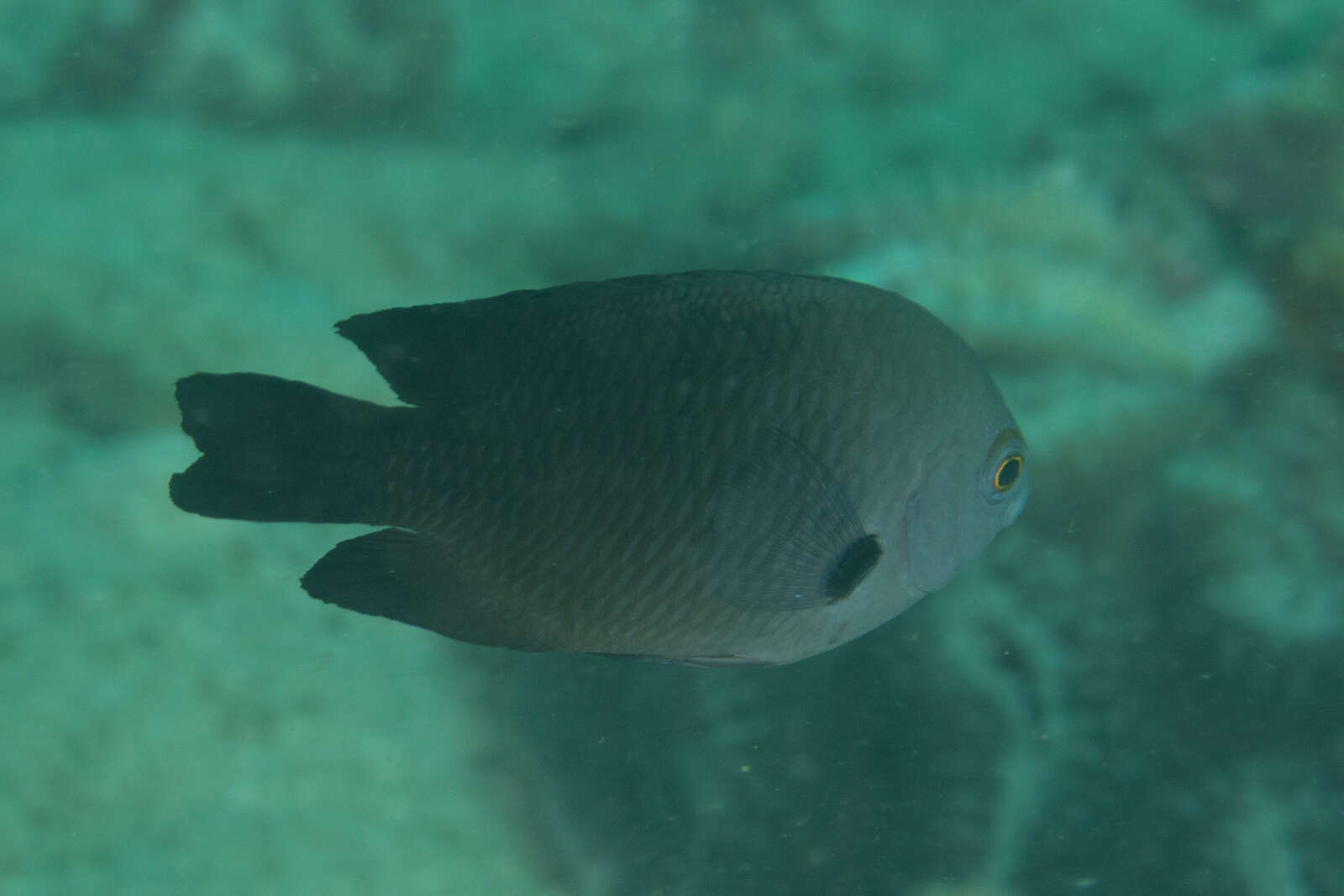
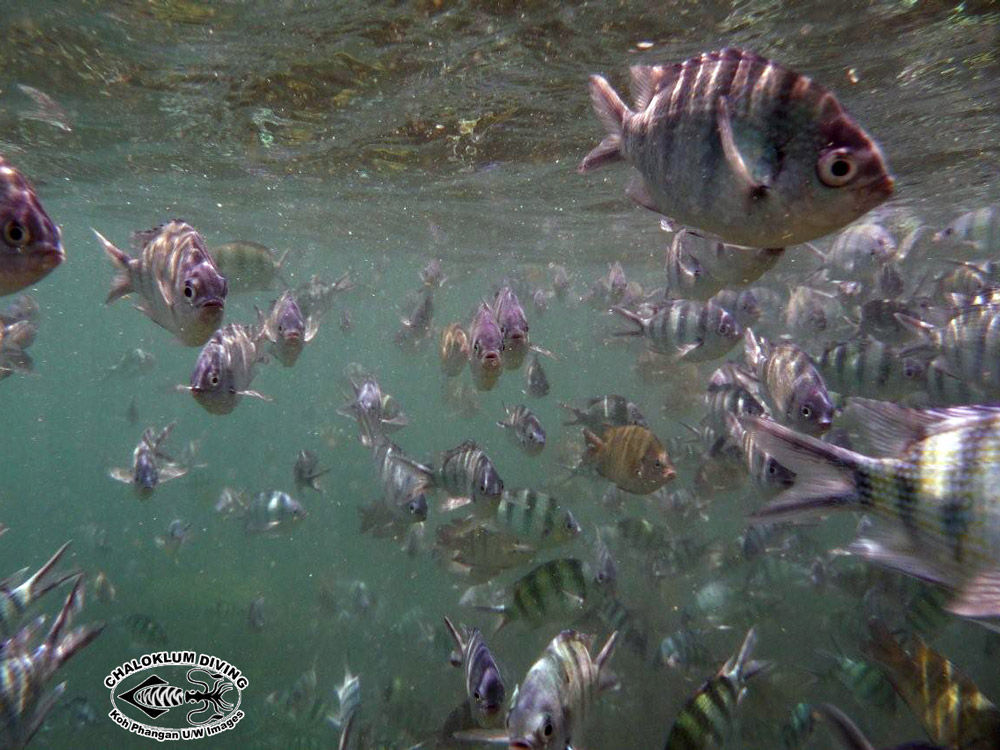
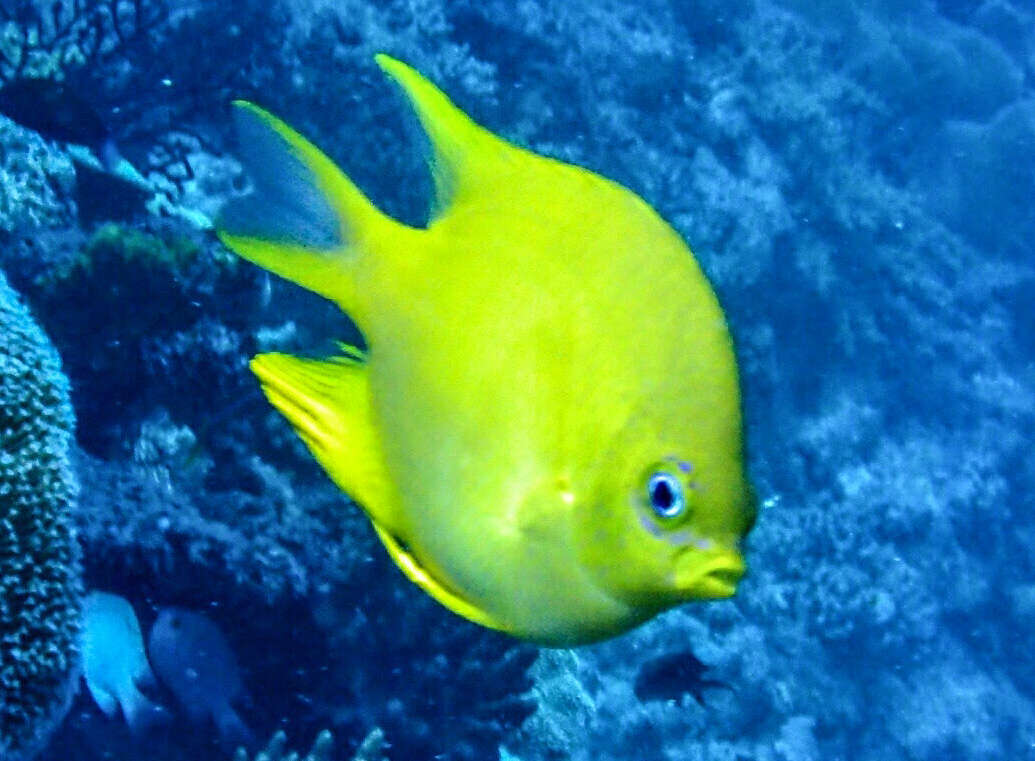
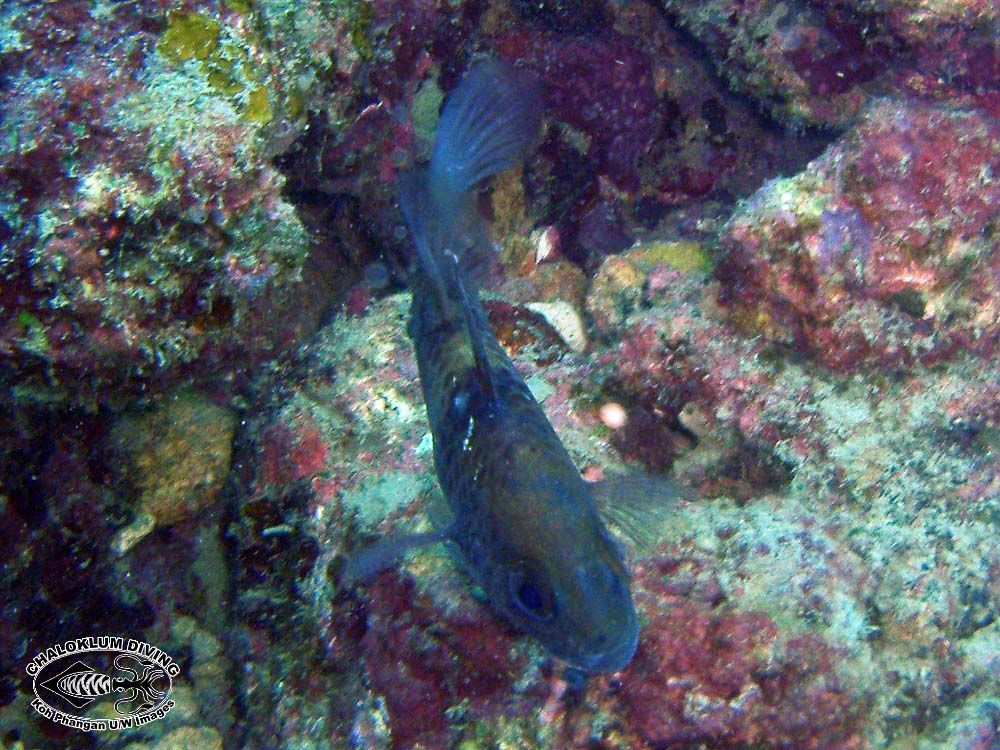
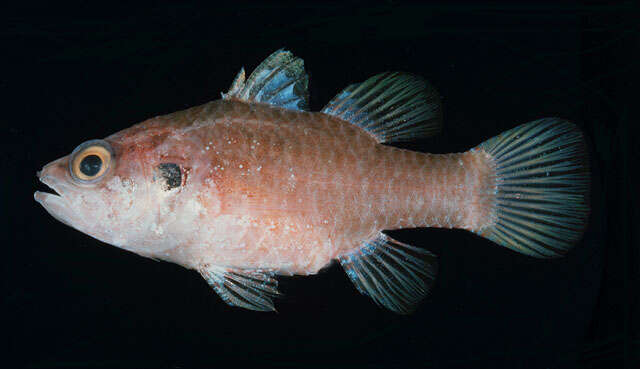
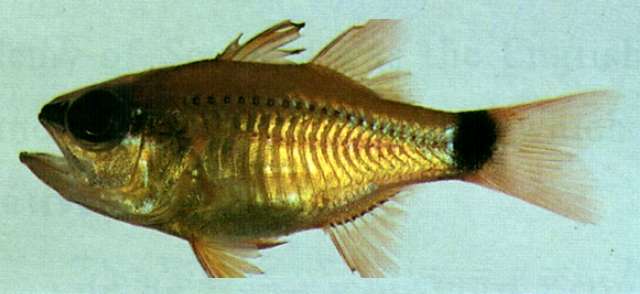
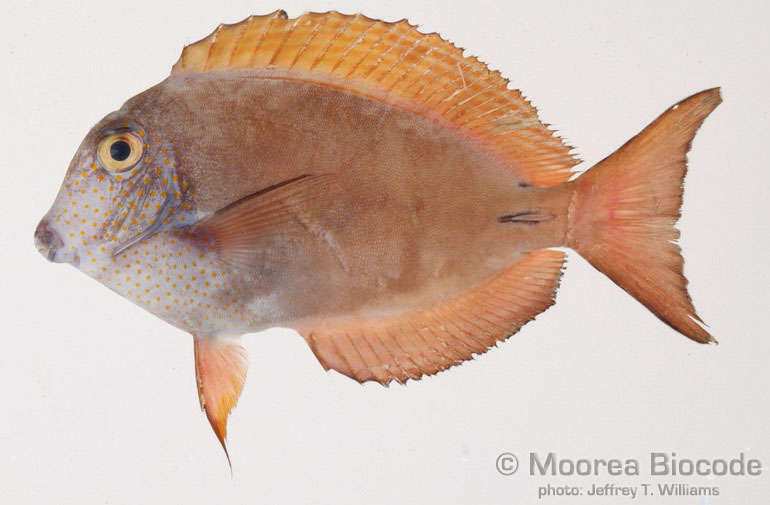


Species Identified
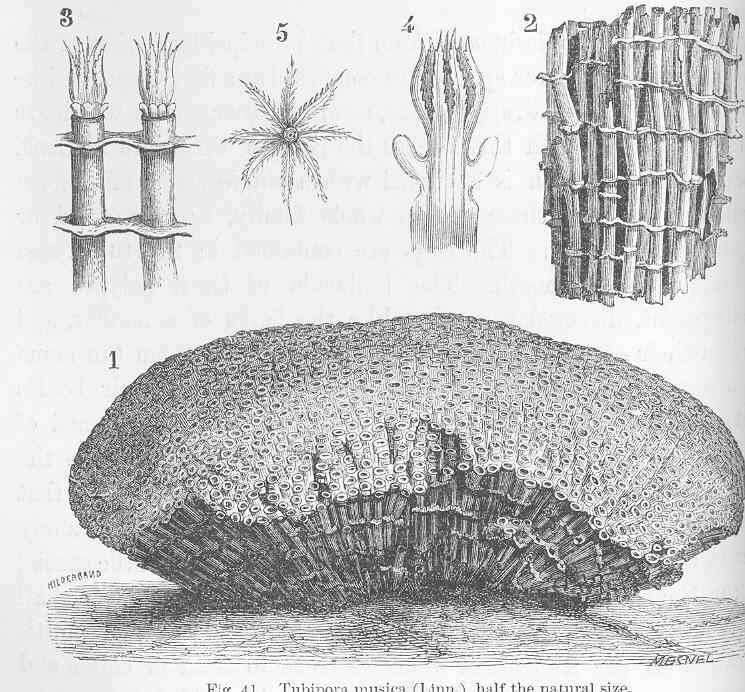
Tubipora musica Linnaeus, 1758 (Organ-pipe coral)
zooxanthellate
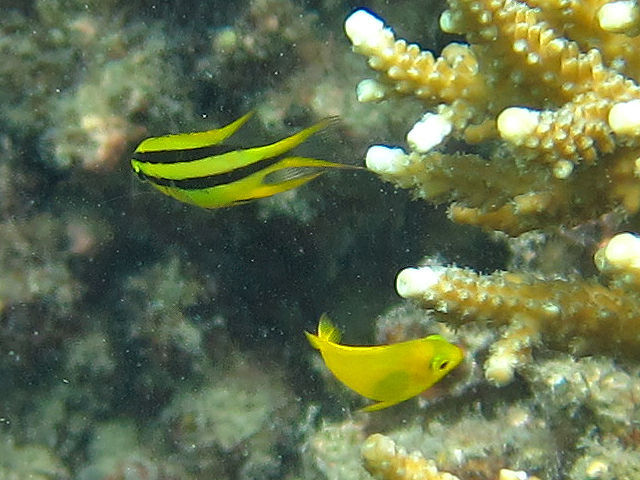
Neoglyphidodon nigroris (Cuvier, 1830) (Yellowfin damsel)
Two forms: long-tailed and black as adults occurs in the Andaman Sea, ranging east to western Bali and north to Japan. Second form, probably valid as N. xanthurus occurs in the rest of the West Pacific and the two overla...
Read More
Read More
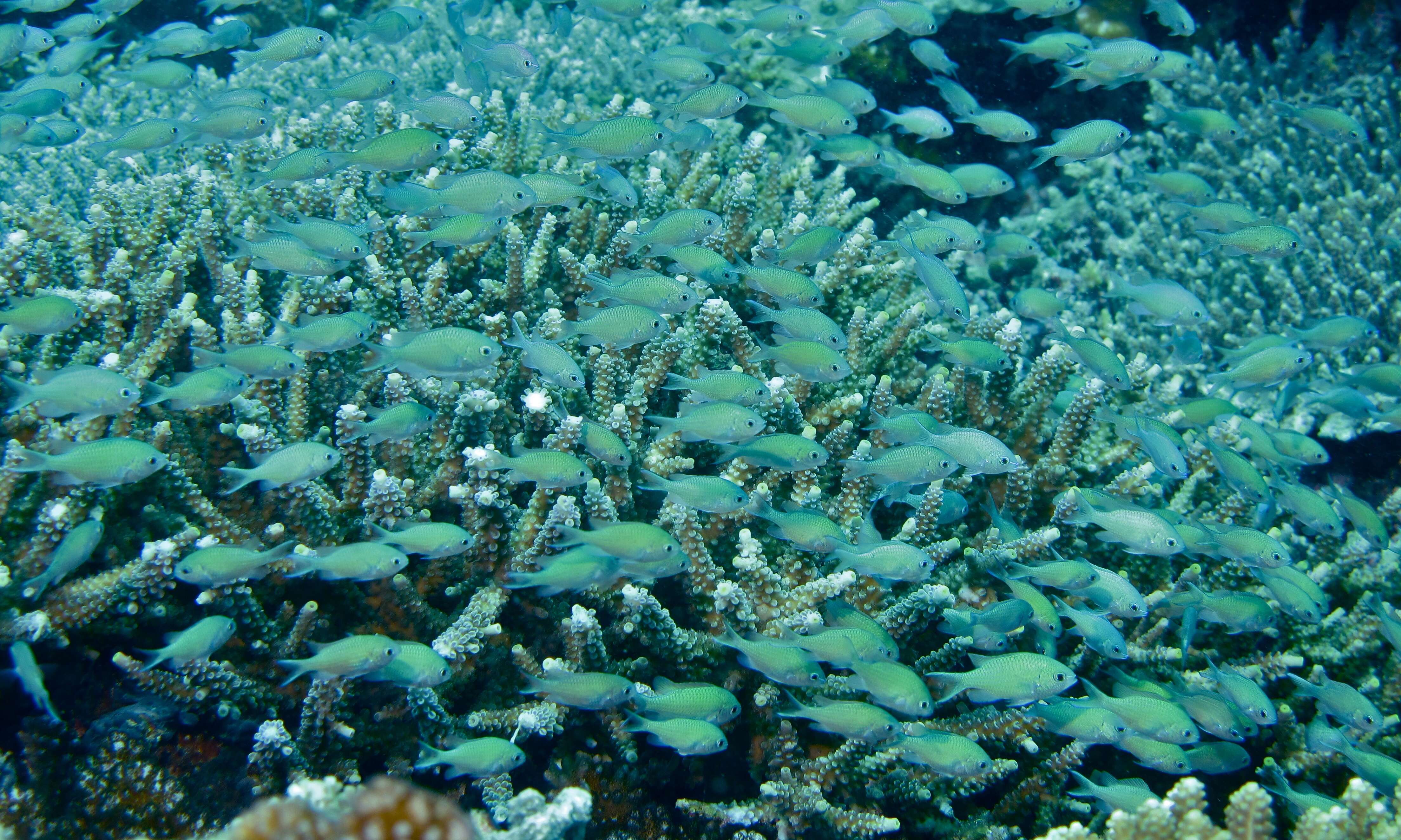
Chromis viridis (Cuvier, 1830) (blue-green chromis)
Found in large aggregations above thickets of branching Acropora corals in sheltered areas such as subtidal reef flats and lagoons. Juveniles closely tied to individual coral heads . Phytoplankton feeders. Breeding is d...
Read More
Read More
Dascyllus reticulatus (Richardson, 1846) (twostriped damselfish)
Occurs in outer lagoon and seaward reefs. Inhabits branching coral heads, particularly Pocillopora eydouxi. Forms schools, often in silty habitats . Male prepares a nest by cleaning with its mouth a rock or coral surface where the female will attach the eggs .
Dascyllus aruanus (Linnaeus, 1758) (black-and-white damselfish)
Territorial, inhabit shallow lagoon and subtidal reef flats. Form large aggregations above staghorn Acropora thickets or in smaller groups above isolated coral heads. Feed on zooplankton, benthic invertebrates, and algae...
Read More
Read More
Pomacentrus brachialis Cuvier, 1830 (Charcoal damsel)
Found in passages and outer reef slopes ; also in current prone and clear water reef flats to 40 m depth . Occurs singly or in small groups . Feeds on zooplankton and benthic algae .
Abudefduf sexfasciatus (Lacepède, 1801) (Natal sergeant)
Inhabits inshore and offshore coral or rocky reefs. Also in shallow coastal reef flats or crests, usually where lots of tall soft corals or hydroid colonies are present . Feeds on zooplankton and algae and aggregates high in the water column .
Amblyglyphidodon aureus (Cuvier, 1830) (Golden damsel)
Occurs in steep outer reef, occasionally in deep lagoons and along channel walls, usually in current prone habitats and where there are abundant gorgonian and long sea-whip corals on which they lay and guard eggs. Juvenil...
Read More
Read More
Apogon trimaculatus Cuvier, 1828 (Three-spot cardinalfish)
Inhabits inshore coral reefs . Nocturnal species .
Fowleria aurita (Valenciennes, 1831) (Crosseyed cardinalfish)
Occurs inshore in reef areas . Commonly found among weeds in tide pools . Nocturnal species . Minimum depth reported taken from Ref. 30874.
Apogon fleurieu (Lacepède, 1802) (Cardinalfish)
Common in shallow coastal reefs with moderate currents . Also in tidal channels of estuaries . Adults usually in small schools comprising pairs .
Acanthurus nigrofuscus (Forsskål, 1775) (Brown surgeonfish)
Found on hard substrates of shallow lagoon and seaward reefs from the lower surge zone to a depth of more than 15 m . Benthopelagic . Feed on filamentous algae. Form spawning aggregations . Adults usually in small grou...
Read More
Read More
Zebrasoma veliferum (Bloch, 1795) (Desjardin's sailfin tang)
Acanthurus olivaceus Bloch and Schneider, 1801 (Orangespot surgeonfish)
Inhabit seaward reefs, in areas of bare rock or mixed rubble and sand, from 9 to at least 46 m depth; juveniles inhabit protected bays and lagoons, singly or in small groups in as little as 3 m . Benthopelagic . Adults o...
Read More
Read More
Share on Social Networks
- Facebook:

personalize your shared text as well as its destination (wall, page...) or send as a private message to a friend
- Twitter: Tweet personalize your tweet
- Google Plus:
Direct link to this dive
- Long link:
- Short link:


 We are participating today in the startup contest Techcrunch Disrupt. Support Diveboard by voting for us!
























































































DBC Yellowtail Rock
40ft @ 82mins
South 210 out 30 back heading swim, around yellowtail Rock and back
current and poor viz