


 Beachnutts


 Philippines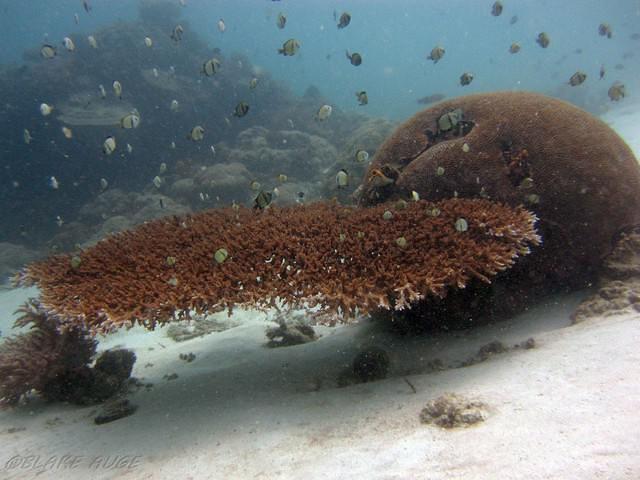
-
Nº1000
 Date: 2022-03-01 - 10:38
-
 Max Depth: 23.5m Duration: 51mins
Dive Location

- Temp: Surf 24°C Bottom 24°C
- Dive type : Recreational, Drift, Reef, Photo, Shore
- Visibility: Good Water: Salt
Specific gear used
- BCD: Oceanic - OceanPro
- Camera: Canon - Powershot SD780
- Compass:
- Computer: Oceanic - OCS
- Fins: Scubapro - Jet Fins
- Knife: Scuba MAx - folding
- Mask: Promate - Scope
- Regulator: Aqua Lung - Legend LX
- Regulator: SEAC - Synchro
- Wet suit: Blue Ocean - Diveskin
- Weights: 4.1 kg
Dive reviews
| Overall review | ||
| Dive difficulty | ||
| Marine life quality |
Recent Divers in Samal island, Davao

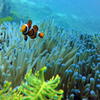
Recent Pictures in Samal island, Davao

Link to this spot:
- Spot:
- Country:
- Area:
- Body of water:
Dive Profile
- 1. Air
- 10L Aluminium 207 → 24 bar
- Average depth: 15.6m
Data provided by EOL.org
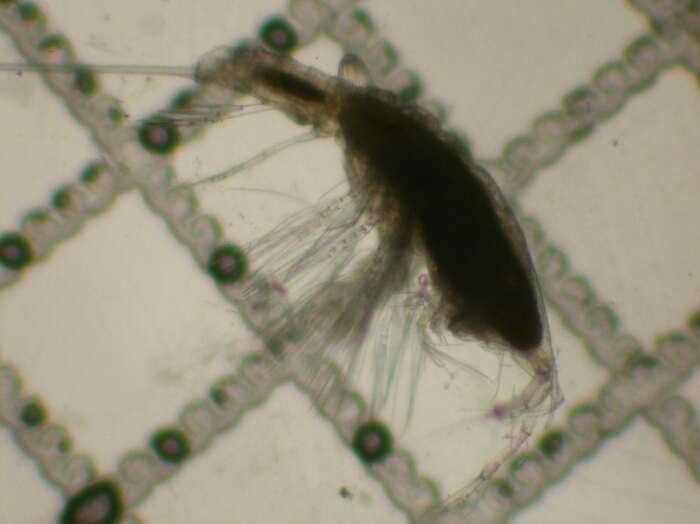
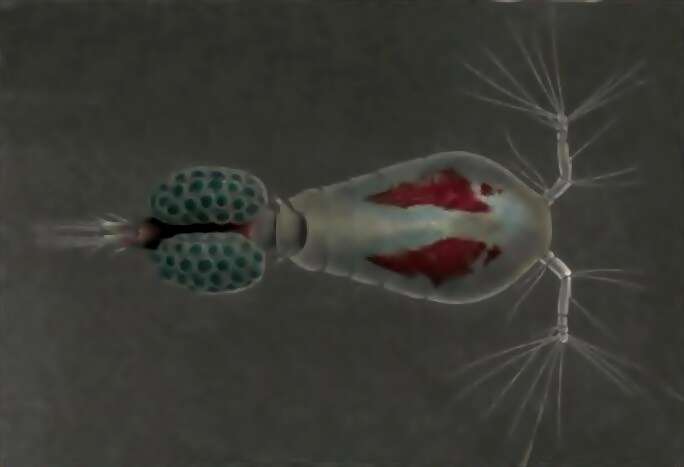

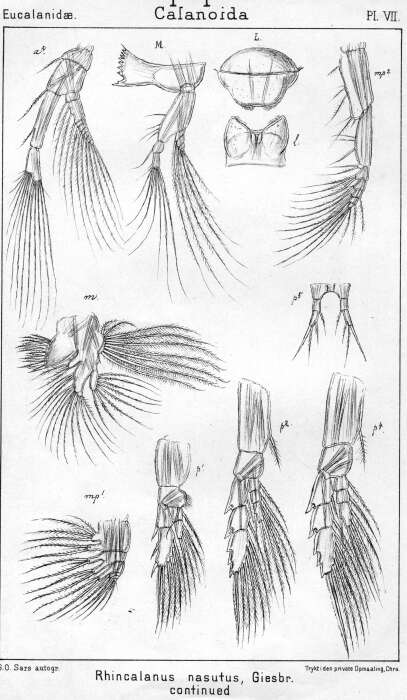

Species Identified
Aegisthus mucronatus Giesbrecht, 1891
Oncaea venusta Philippi, 1843
Colanthura kensleyi Poore, 1984D
Pareucalanus attenuatus (Dana, 1849)
Rhincalanus nasutus Giesbrecht, 1888
Lubbockia squillimana Claus, 1863
Stelletta clavosa Ridley, 1884
Carteriospongia foliascens (Pallas 1766)
Psammocinia vesiculifera (Poléjaeff, 1884)
Isops perarmata (Bowerbank, 1873)
Farrea nodulosa Ijima, 1927
Callyspongia fibrosa (Ridley & Dendy, 1886)
Sidonops picteti Topsent, 1897
Haliclona bawiana (Lendenfeld, 1897)
Diodon liturosus Shaw, 1804 (Black-blotched porcupinefish)
Inhabits reef edges and slopes . Hides in caves and ledges during the day and forages at night . Also found below plate-corals during the day and often deep, ranging to at least 40 meters depth. Juveniles occur in lagoo...
Read More
Read More
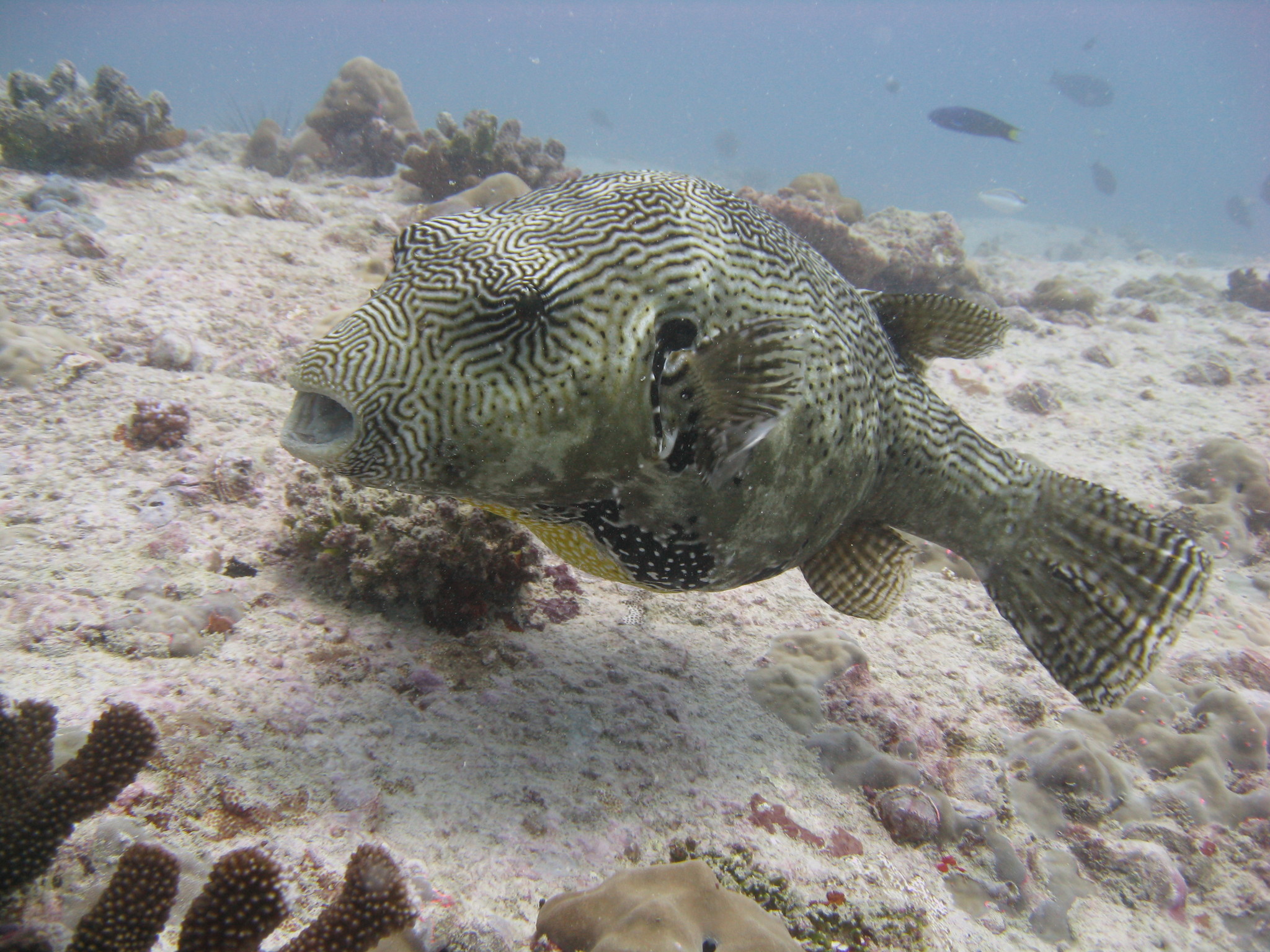
Arothron mappa (Lesson, 1831) (Map puffer)
Occur in clear lagoon and sheltered seaward reefs . Adults usually along deep drop-offs . Usually close to shelter. Occur singly . Feed on algae, sponges, and benthic invertebrates.
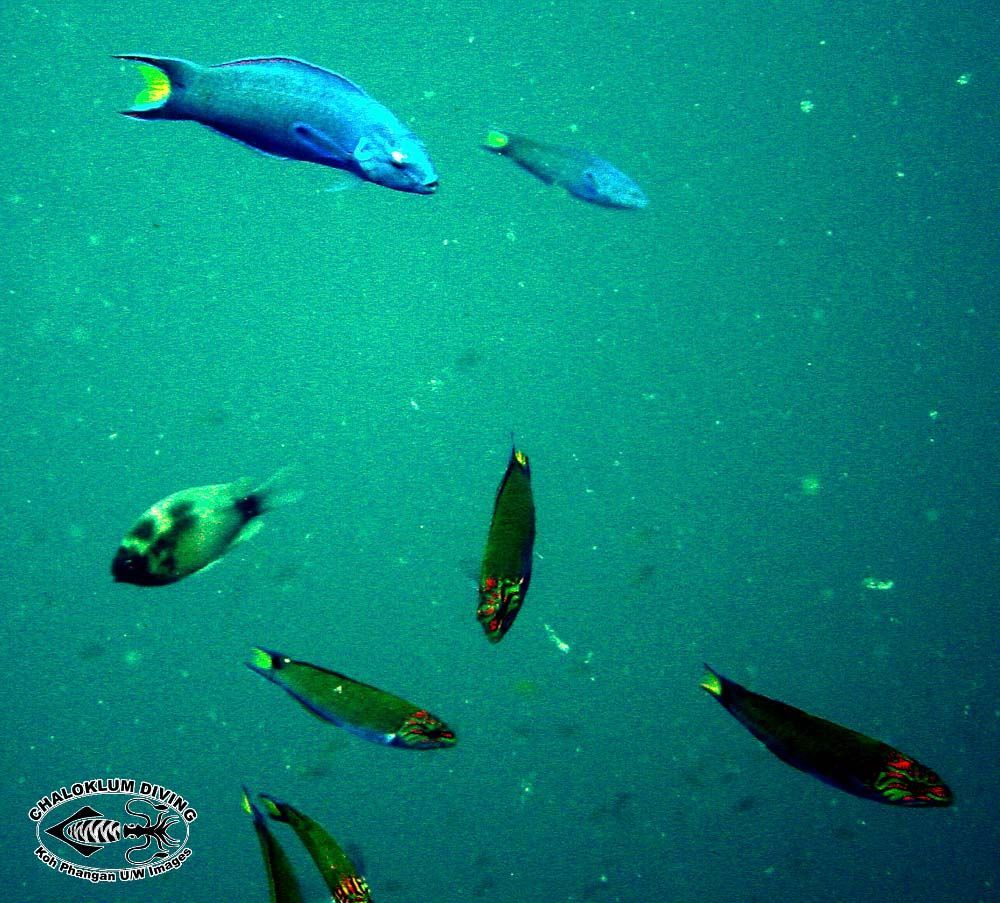
Thalassoma lunare (Linnaeus, 1758) (Blue wrasse)
Occurs in the upper portions of lagoon and coastal reefs, and in protected seaward reefs . Enters estuaries . Usually found on upper portions of ledges and heads . Feeds mainly on small benthic invertebrates and fish eggs . A protogynous hermaphrodite .
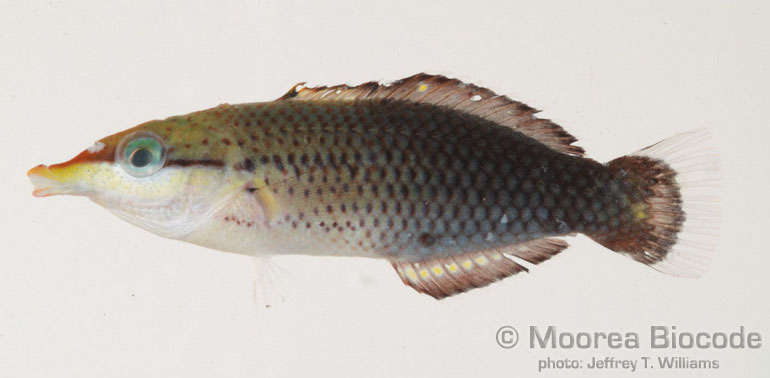
Gomphosus varius Lacepède, 1801 (Bird wrasse)
Found in coral-rich areas of lagoon and seaward reefs to a depth of at least 30 m . Benthopelagic . Feeds mainly on small benthic crustaceans, sometimes on small fishes, brittle stars, and mollusks .
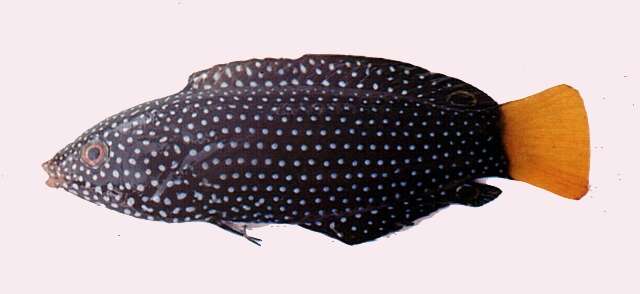
Anampses meleagrides Valenciennes, 1840 (Spotted wrasse)
Found in areas of mixed coral, rubble, consolidated limestone, and sand of seaward reefs; also in soft coral or sponge habitats . Minimum depth reported taken from Ref. 30874.
Share on Social Networks
- Facebook:

personalize your shared text as well as its destination (wall, page...) or send as a private message to a friend
- Twitter: Tweet personalize your tweet
- Google Plus:
Direct link to this dive
- Long link:
- Short link:


 We are participating today in the startup contest Techcrunch Disrupt. Support Diveboard by voting for us!
























































































#1000 finally, glad to make it
Hyahay Resort Samal Island, Philippines, house Reef
Coral Heads and sloping sand
RIPPING DANGEROUS CURRENT, hard to swim, hard to control
1000 more to come