


 Beachnutts


 Philippines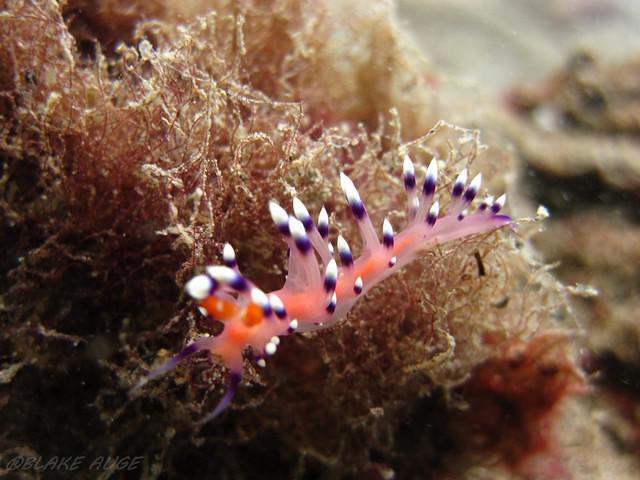
-
Nº996
 Date: 2021-12-09 - 10:40
-
 Max Depth: 12.5m Duration: 81mins
Dive Location

- Temp: Surf 26°C Bottom 26°C
- Dive type : Recreational, Photo, Muck Dive
- Visibility: Average Water: Salt
Specific gear used
- BCD: Oceanic - OceanPro
- Camera: Canon - Powershot SD780
- Compass:
- Computer: Oceanic - OCS
- Fins: Scubapro - Jet Fins
- Mask: Promate - Scope
- Regulator: Aqua Lung - Legend LX
- Wet suit: Blue Ocean - Diveskin
- Knife: Scuba MAx - folding
- Weights: 4.1 kg
Dive reviews
| Overall review | ||
| Dive difficulty | ||
| Marine life quality |
Dive Shop & Buddies
 Dive with Blake Auge

Link to this spot:
- Spot:
- Country:
- Area:
- Body of water:
Dive Profile
- 1. Air
- 10L Aluminium 207 → 21 bar
- Average depth: 8.3m
Data provided by EOL.org



Species Identified
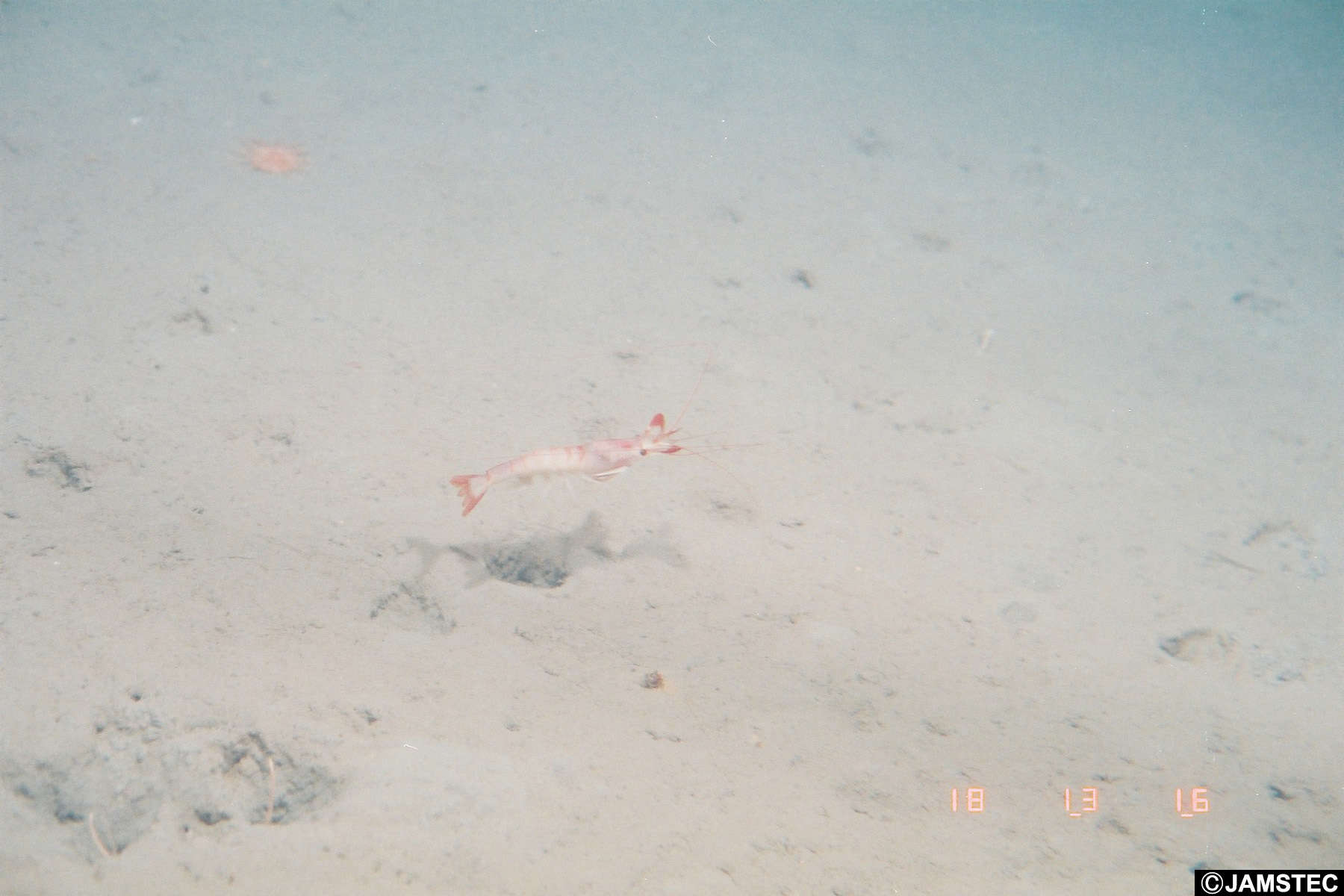
Aristeus virilis (Bate, 1881) (stout red shrimp)
Hadropenaeus lucasii (Bate, 1881) (trident shrimp)
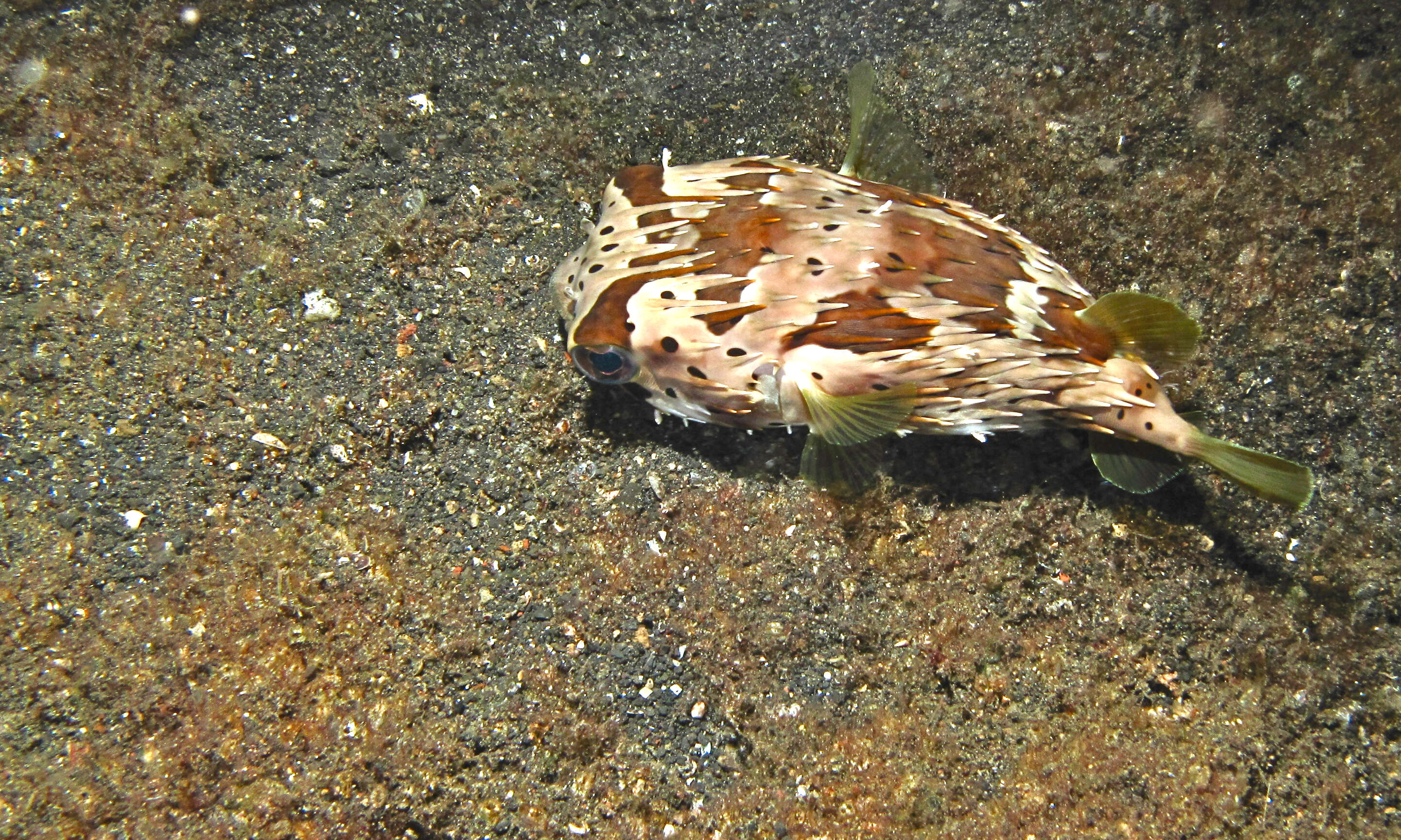
Diodon holocanthus Linnaeus, 1758 (Long-spine porcupinefish)
Diodon liturosus Shaw, 1804 (Black-blotched porcupinefish)
Inhabits reef edges and slopes . Hides in caves and ledges during the day and forages at night . Also found below plate-corals during the day and often deep, ranging to at least 40 meters depth. Juveniles occur in lagoo...
Read More
Read More
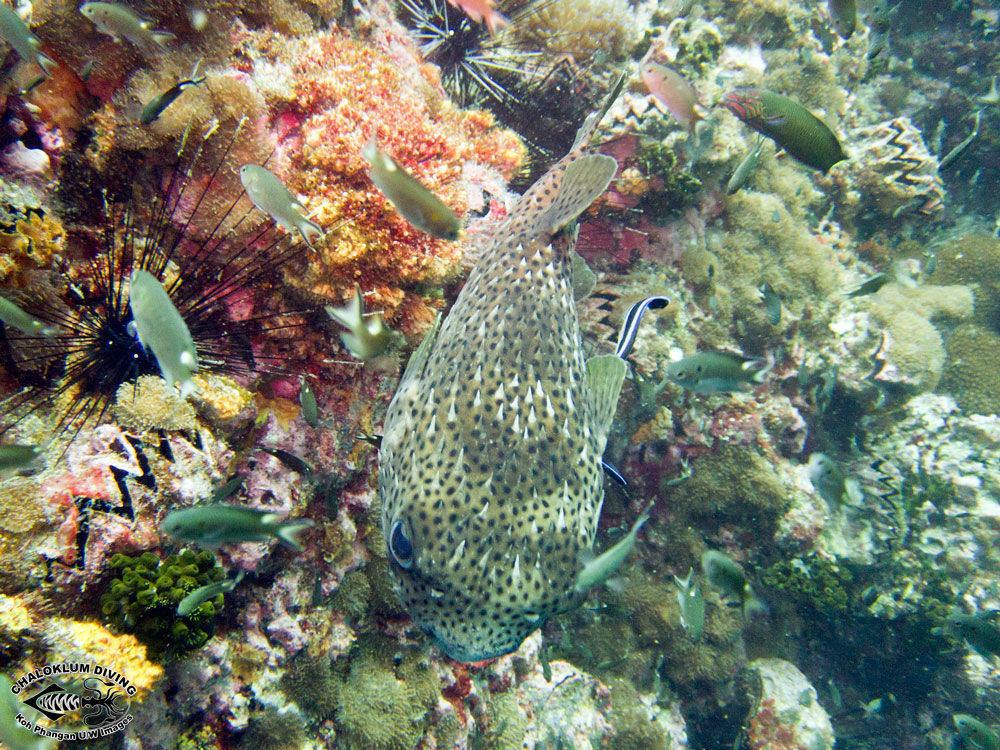
Diodon hystrix Linnaeus, 1758 (Spot-fin porcupinefish)
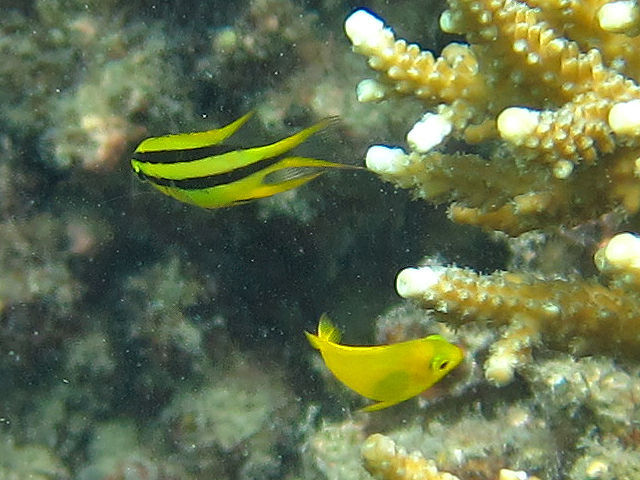
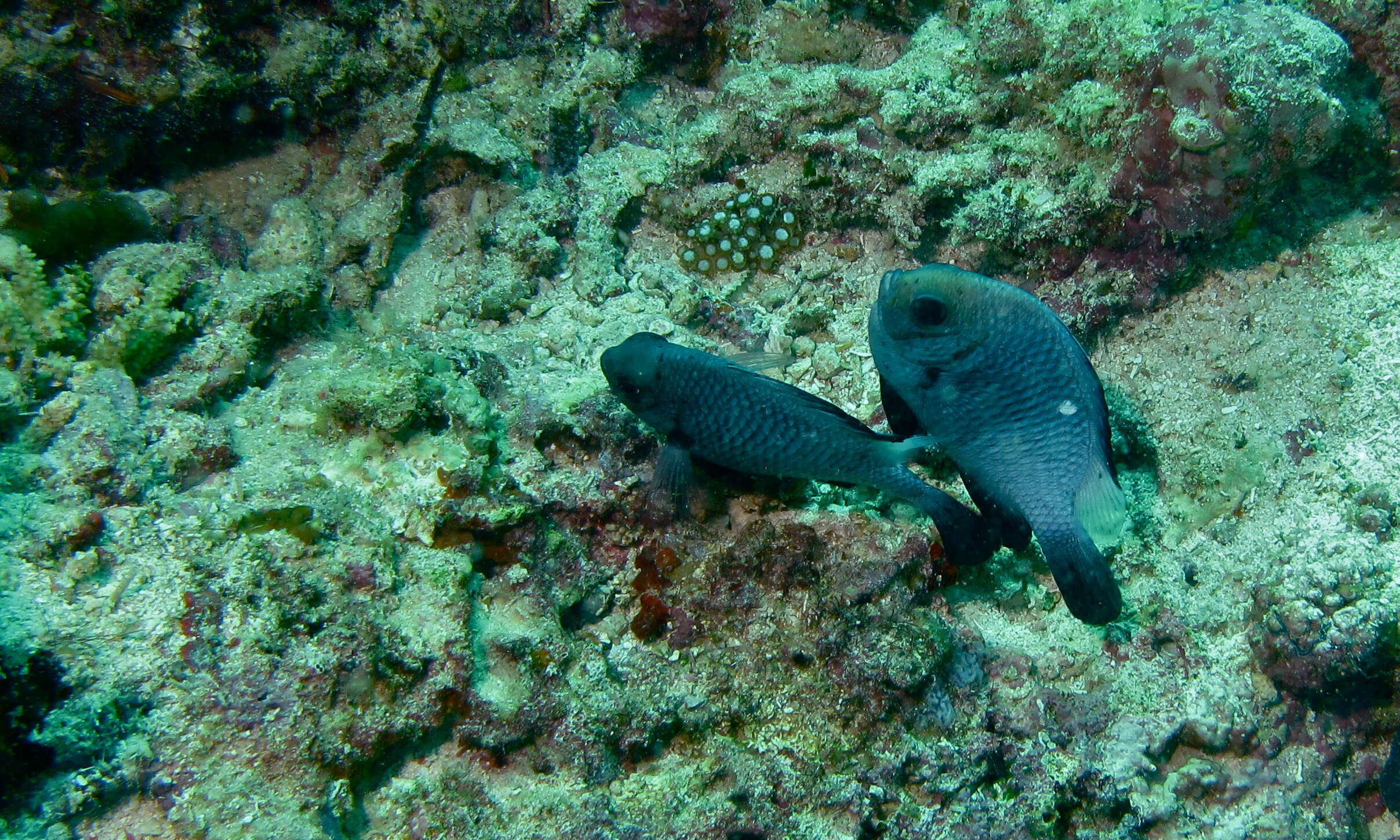
Neoglyphidodon nigroris (Cuvier, 1830) (Yellowfin damsel)
Two forms: long-tailed and black as adults occurs in the Andaman Sea, ranging east to western Bali and north to Japan. Second form, probably valid as N. xanthurus occurs in the rest of the West Pacific and the two overla...
Read More
Read More
Dascyllus trimaculatus (Rüppell, 1829) (threespot humbug)
Inhabits coral and rocky reefs, juveniles often commensal with large sea anemones, sea urchins, or small coral heads . Occurs in small to large aggregations. Stomach contents include algae, copepods, and other planktonic crustaceans.
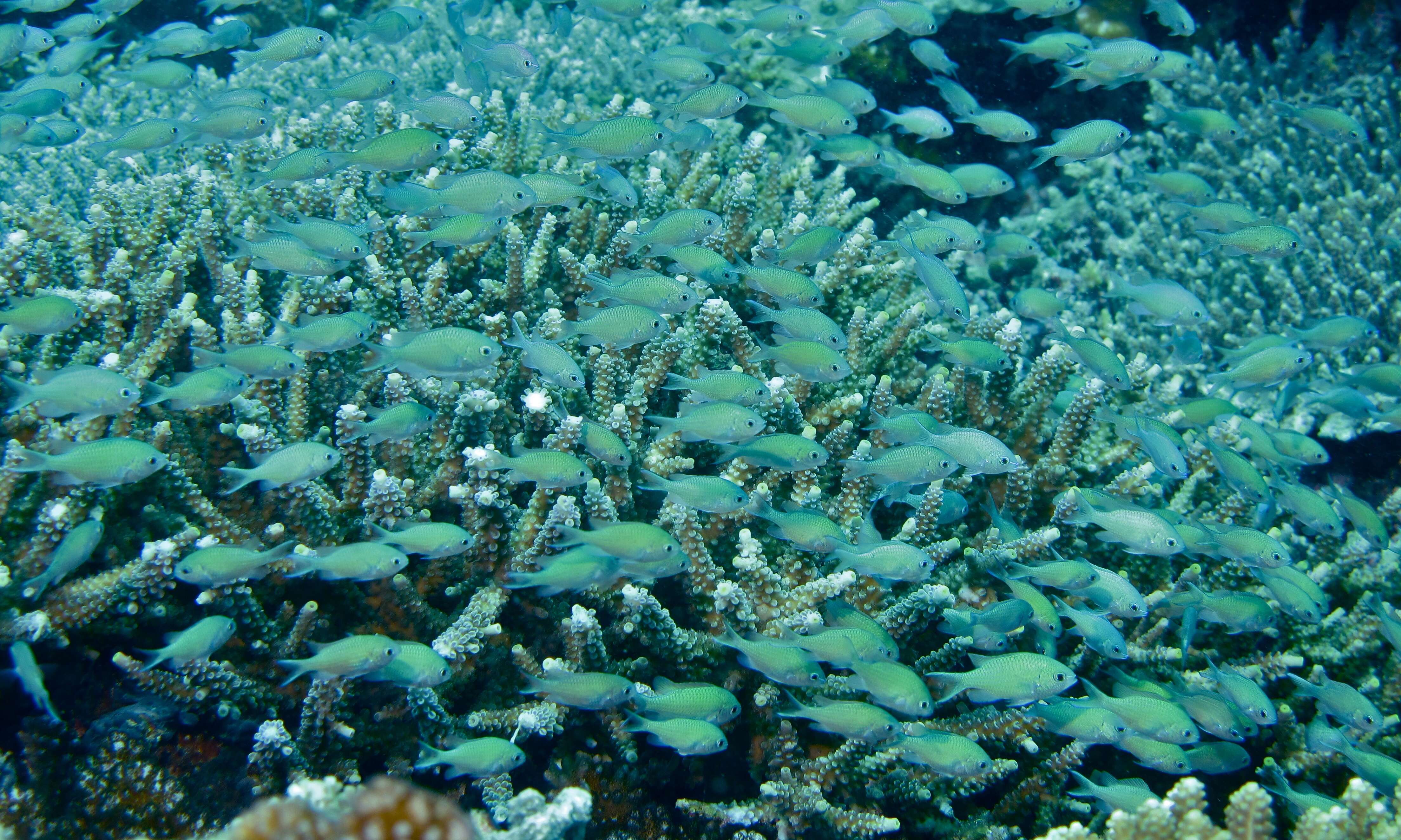
Chromis viridis (Cuvier, 1830) (blue-green chromis)
Found in large aggregations above thickets of branching Acropora corals in sheltered areas such as subtidal reef flats and lagoons. Juveniles closely tied to individual coral heads . Phytoplankton feeders. Breeding is d...
Read More
Read More
Pomacentrus chrysurus Cuvier, 1830 (Whitetail damsel)
Inhabits sandy areas of lagoons and inshore reefs around rock or coral outcrops. Feeds primarily on algae.
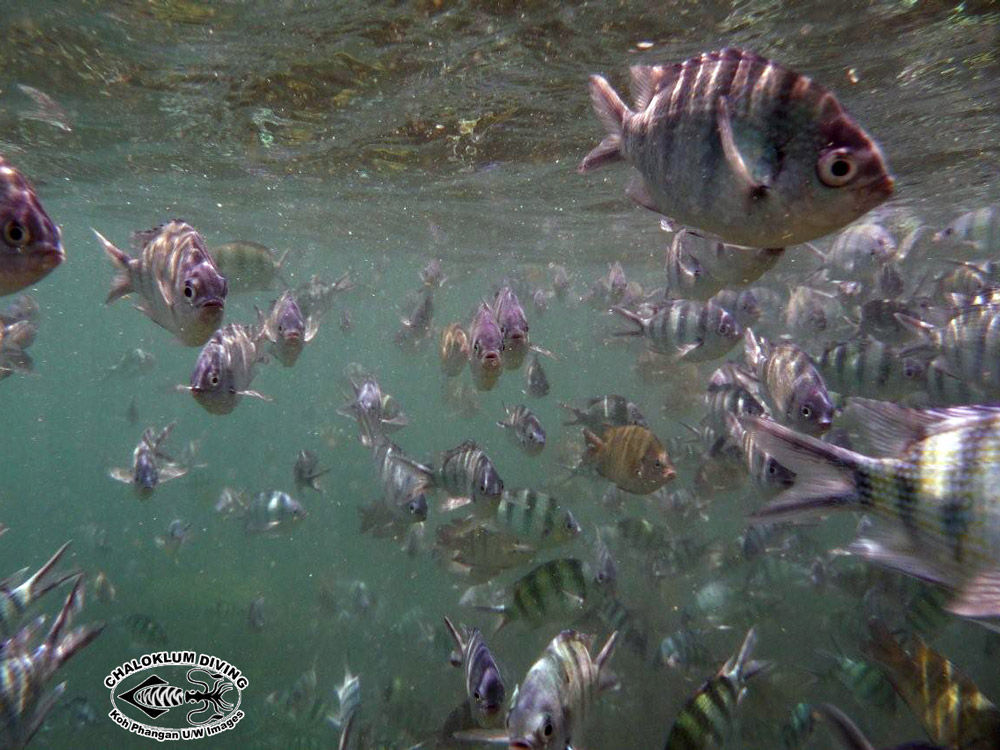
Abudefduf sexfasciatus (Lacepède, 1801) (Natal sergeant)
Inhabits inshore and offshore coral or rocky reefs. Also in shallow coastal reef flats or crests, usually where lots of tall soft corals or hydroid colonies are present . Feeds on zooplankton and algae and aggregates high in the water column .
Stegastes fasciolatus (Ogilby, 1889) (Pacific gregory)
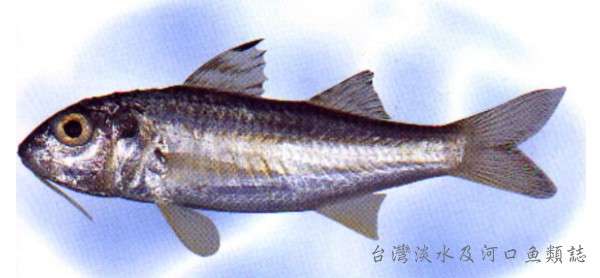
Upeneus sulphureus Cuvier, 1829 (Goat fish)
Found in coastal waters, entering estuaries . Forms schools . Has appearance of sillaginids when schooling .
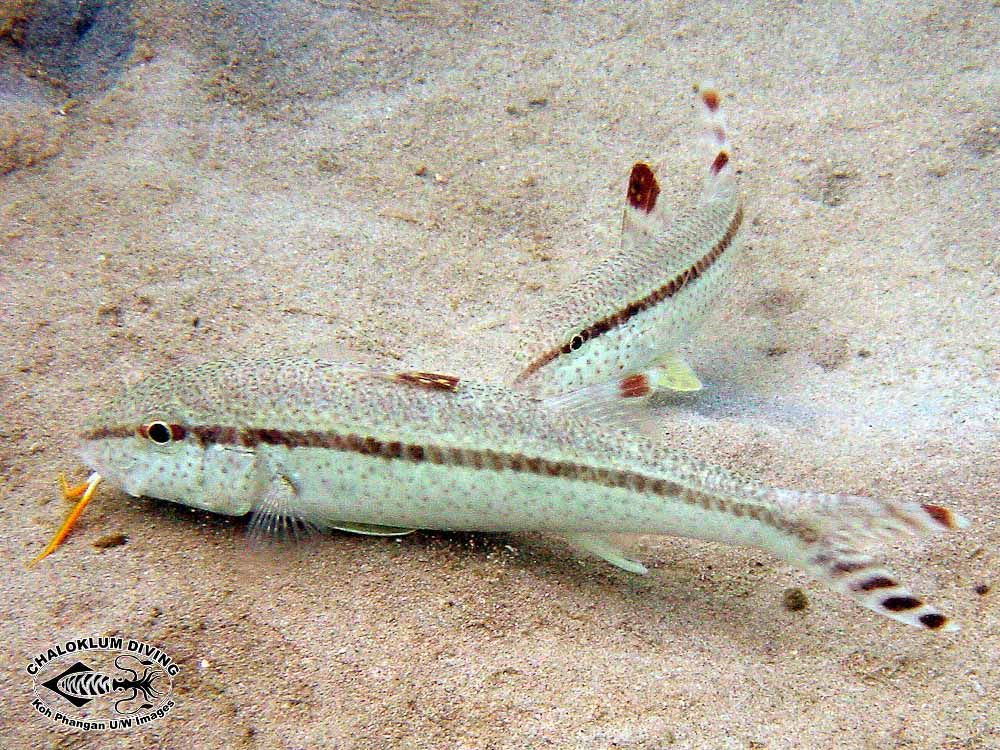
Upeneus tragula Richardson, 1846 (Freckled goatfish)
Found over sand and mud bottoms near coral reefs . Known to enter lower reaches of rivers. Generally solitary , but forms small to moderately large aggregations at all sizes . Minimum depth from Ref. 3470.
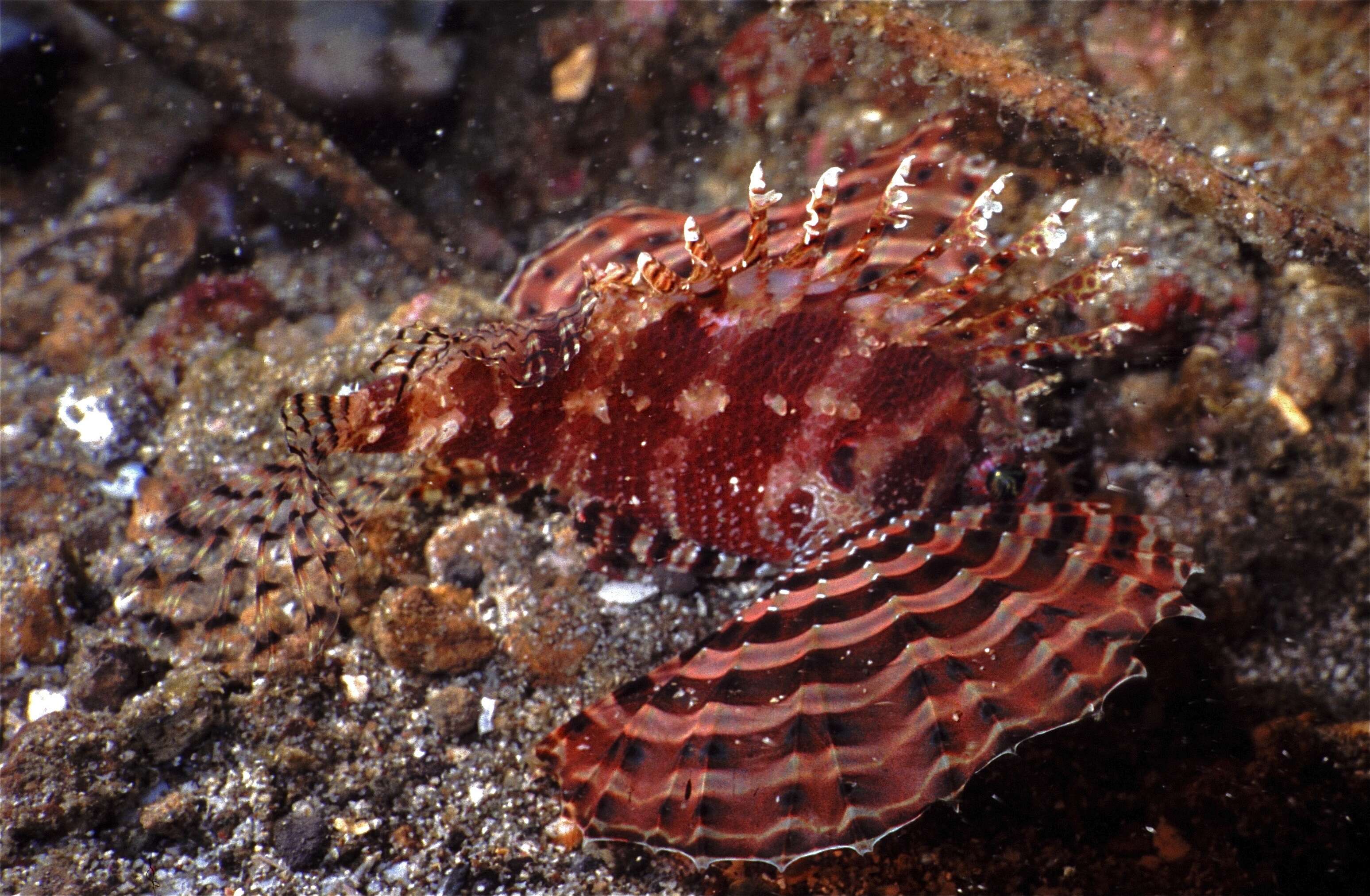
Dendrochirus zebra (Cuvier, 1829) (Zebra turkeyfish)
Found on coral, rubble, or rock bottoms of reef flats ; also in coastal to outer reef habitats in sheltered lagoons and in caves, sometimes in small aggregations. Usually shallow, from 3-60m but also reported to 80 m dep...
Read More
Read More
Dendrochirus brachypterus (Cuvier, 1829) (Shortfin turkeyfish)
Common in reef flats and shallow lagoons, in areas with weed-covered rocks on sandy substrates. Adults often found on sponges and juveniles are sometimes found in small aggregations on remote bommies with 10 or so individuals . Nocturnal. Feeds on small crustaceans .
Share on Social Networks
- Facebook:

personalize your shared text as well as its destination (wall, page...) or send as a private message to a friend
- Twitter: Tweet personalize your tweet
- Google Plus:
Direct link to this dive
- Long link:
- Short link:


 We are participating today in the startup contest Techcrunch Disrupt. Support Diveboard by voting for us!
























































































Single, multilevel dive @DBC
High tide 9:21am
Explore normal places, no current, decent viz, lots of nudis