


 Beachnutts



 Philippines
-
Nº130
 Date: 2024-04-19 - 08:51
-
 Max Depth: 20.4m Duration: 87mins
Dive Location

- Temp: Surf 26°C Bottom 26°C
- Dive type : Recreational, Reef, Photo, Muck Dive
- Visibility: Average Water: Salt
Specific gear used
- BCD: Scubapro - Glide Plus
- Boots: Orca - Dive shoes
- Camera: Olympus - TG6
- Computer: Oceanic - OCS
- Fins: Scubapro - Jet Fins
- Knife: Scuba MAx - folding
- Lift bag: ScubaMax - SMB
- Light: Sofirn - SD05
- Mask: Promate - Scope
- Regulator: Aqualung - Calypso
- Wet suit: Blue Ocean - Diveskin
- Weights: 3.2 kg
Dive reviews
| Overall review | ||
| Dive difficulty | ||
| Marine life quality |
Dive Shop & Buddies
 Dive with Blake Auge
 Dive buddies:
Beachnutts

Link to this spot:
- Spot:
- Country:
- Area:
- Body of water:
Dive Profile
- 1. Air
- 10L Aluminium 207 → 24 bar
- Average depth: 13.6m
Data provided by EOL.org








Species Identified
Symphodus mediterraneus (Linnaeus, 1758) (axillary wrasse)
Littoral, found mainly in eel-grass beds. Often in pairs. Males nest-makers. Feed mainly on mollusks, gastropods, bivalves, tubicolous worms, chitons, sea urchins and bryozoans .
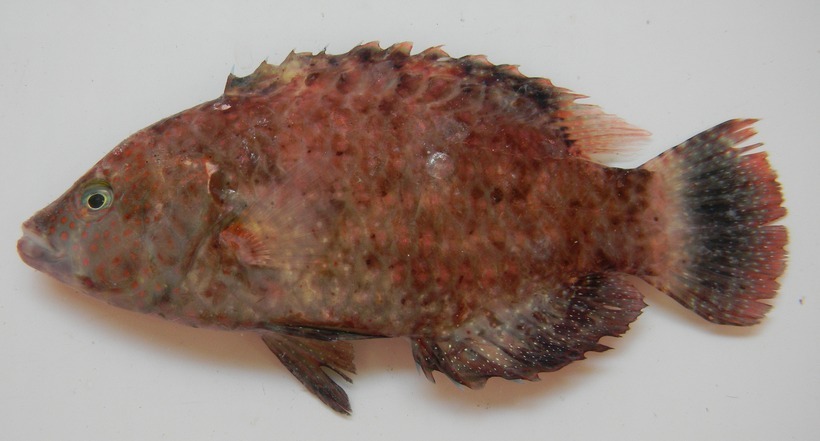
Halichoeres semicinctus (Ayres, 1859) (rock wrasse)
Xiphocheilus typus Bleeker, 1857 (Blue-banded wrasse)
Lives on flat sandy bottoms or rubble .
Cheilinus chlorourus (Bloch, 1791) (yellowdotted maori wrasse)
Inhabits lagoon and coastal reefs, in areas with mixed sand, rubble, and coral . Occasionally in grassy areas. Feeds mainly on benthic invertebrates such as mollusks and crustaceans.
Paraclinus mexicanus (Gilbert, 1904) (Blenny)
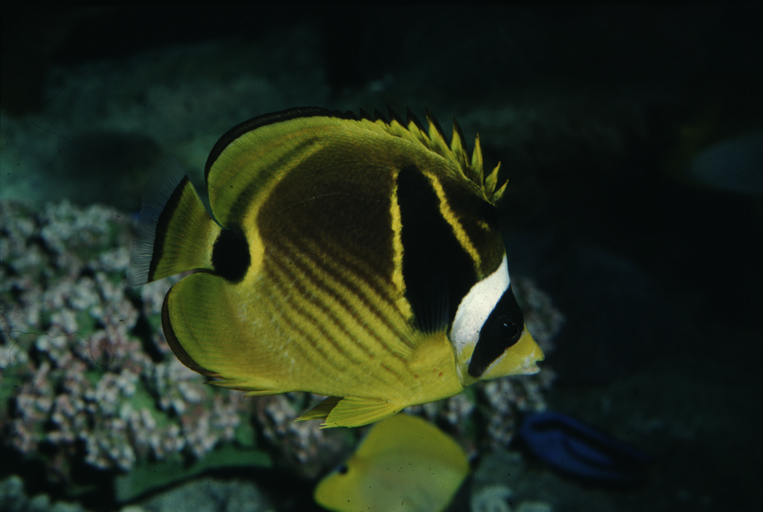
Chaetodon lunula (Lacepède, 1802) (Butterflyfish)
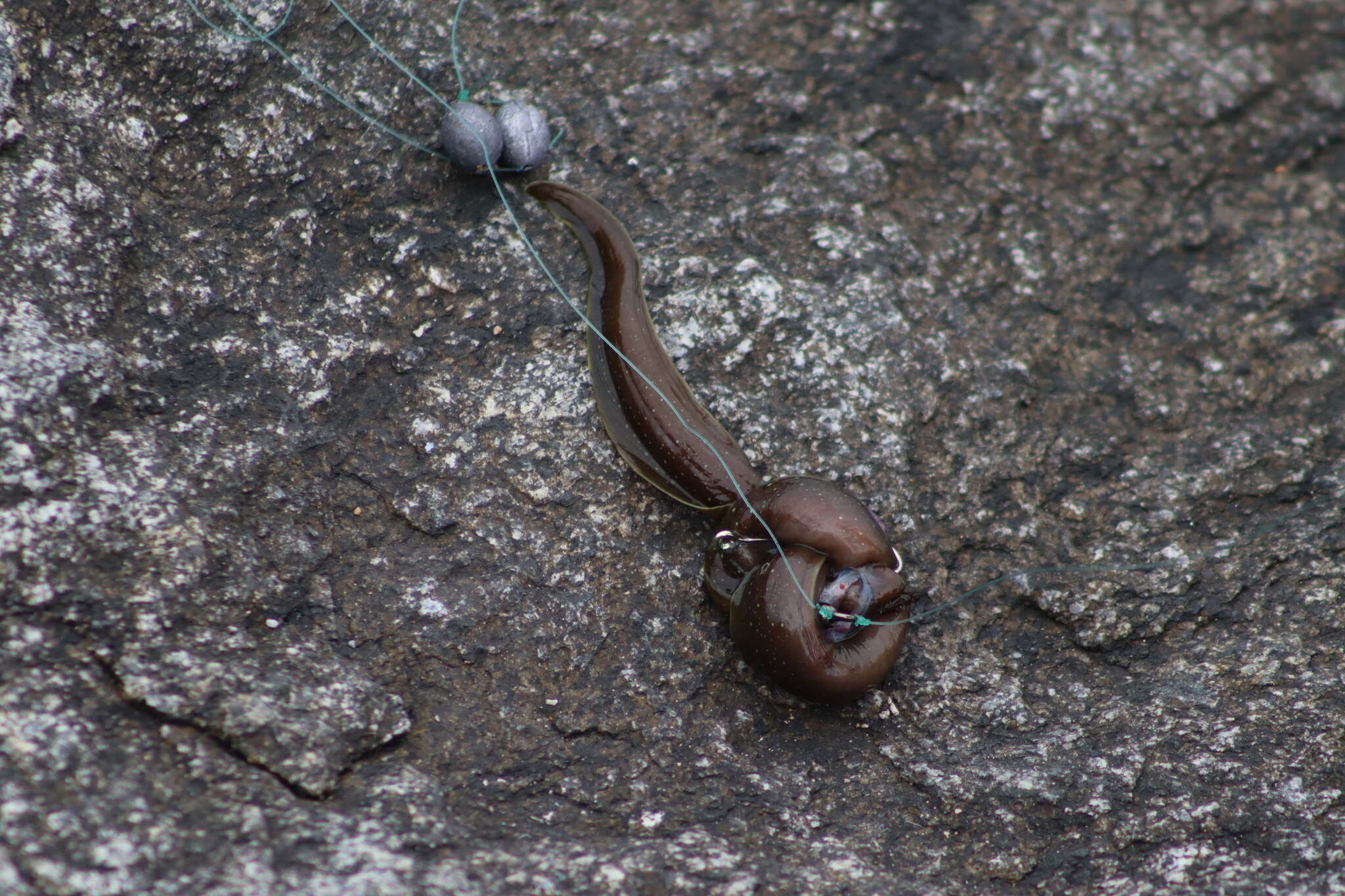
Anguilla rostrata (Lesueur, 1817) (Eel)
Occur in streams, rivers, muddy or silt-bottomed lakes ; usually in permanent streams with continuous flow. Hide during the day in undercut banks and in deep pools near logs and boulders. Feed on larvae of Ephemeroptera,...
Read More
Read More
Echidna nocturna (Cope, 1872) (Moray)
Micropogonias ectenes (Jordan & Gilbert, 1882) (Croaker)
Synodus poeyi Jordan, 1887 (offshore lizardfish)
Absent from the shore zone.
Synodus falcatus Waples & Randall 1989 (Red lizard fish)
Benthic .
Nomorhamphus megarrhamphus (Brembach, 1982) (Keihäspainijakala)
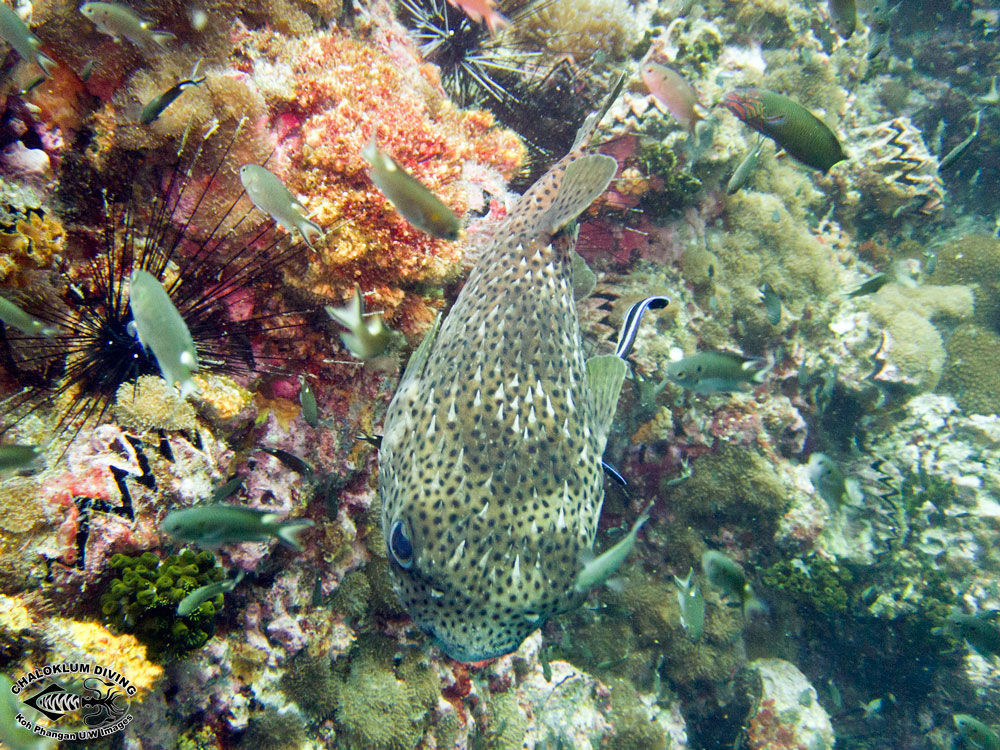
Chilomycterus antennatus (Cuvier, 1816) (Bridled burrfish)
Occurs usually on or near coral reefs . Rare, most often found from seagrass beds .
Diodon liturosus Shaw, 1804 (Black-blotched porcupinefish)
Inhabits reef edges and slopes . Hides in caves and ledges during the day and forages at night . Also found below plate-corals during the day and often deep, ranging to at least 40 meters depth. Juveniles occur in lagoo...
Read More
Read More
Diodon hystrix Linnaeus, 1758 (Spot-fin porcupinefish)
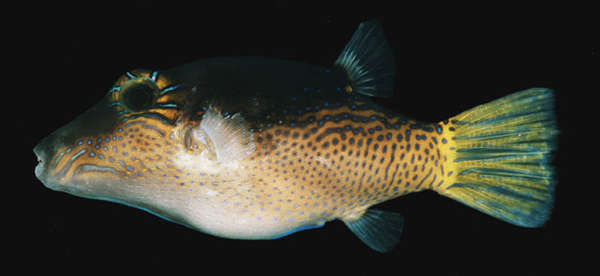
Canthigaster rostrata (Bloch, 1786) (sharpnose puffer)
Inhabits reefs and marginal habitats such as seagrass beds . Diet consists of seagrass, sponges, crabs and other crustaceans, mollusks, polychaete worms, sea urchins, starfishes, hydroids and algae . Monogamous .
Canthigaster epilampra (Jenkins, 1903) (Lantern toby)
Inhabits outer reef slopes, generally at depths greater than 24 m, but also seen below 6 m . Benthopelagic . Solitary or paired. Feeds on mollusks, echinoderms, brachiopods, and filamentous algae .
Sphoeroides dorsalis Longley, 1934 (Puffer)
Found over soft bottoms.
Canthigaster ocellicincta Allen & Randall, 1977 (Shy toby)
Inhabits invertebrate-rich inshore reef to outer reef walls where usually in caves in depths of about 25 meters or more. Found singly or in pairs and on one occasion a small groups was observed among plate-corals on soft ...
Read More
Read More
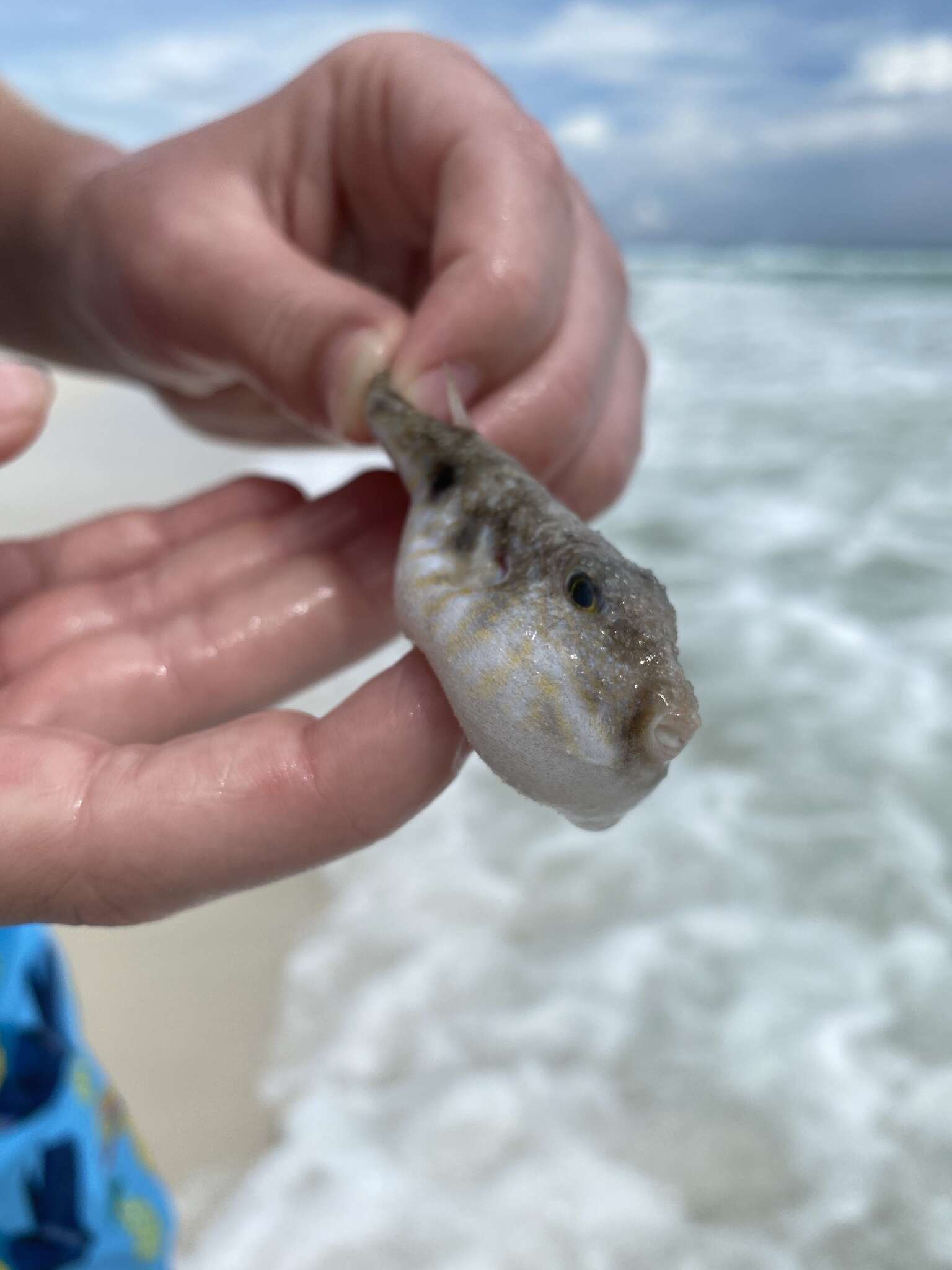
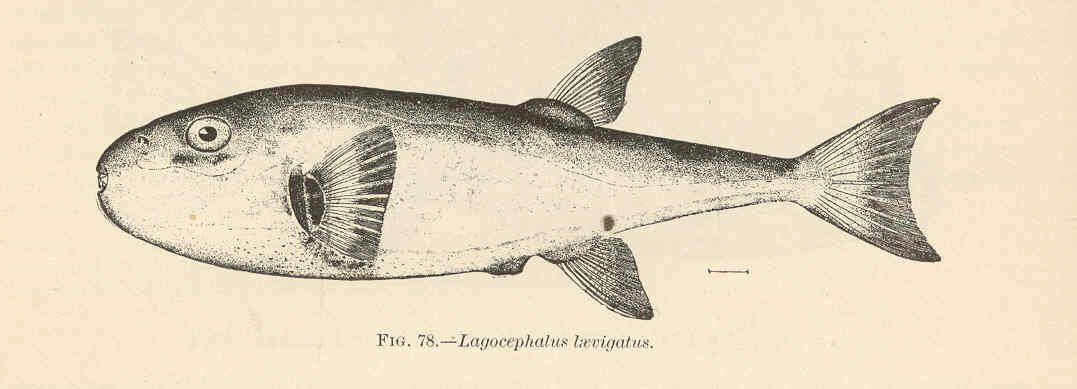
Lagocephalus laevigatus (Linnaeus, 1766) (Puffer)
Inhabits inshore and near-shore areas, over sand or mud bottoms. Usually found alone or in small, loose aggregates. Adults are pelagic, but near continental margins; young are commonly found on coastal and offshore banks...
Read More
Read More
Stephanolepis hispidus (Linnaeus, 1766) (Common filefish)
Found on sand or mud bottoms. Associated with Sargassum . Adults feed on benthic invertebrates . Edible but generally rejected by fishers .
Oxymonacanthus longirostris (Bloch & Schneider, 1801) (Harlequin filefish)
Occurs in clear lagoon and seaward reefs from 0.5 to at least 30 m. Found in pairs or small groups and nests near bases of dead corals, often on clumps of algae. Monogamous . Feeds exclusively on Acropora polyps. Feeding takes place throughout the day becoming less towards the evening .
Pervagor aspricaudus (Hollard, 1854) (Orangetail filefish)
Inhabits clear lagoon and seaward reefs . Benthopelagic .
Share on Social Networks
- Facebook:

personalize your shared text as well as its destination (wall, page...) or send as a private message to a friend
- Twitter: Tweet personalize your tweet
- Google Plus:
Direct link to this dive
- Long link:
- Short link:


 We are participating today in the startup contest Techcrunch Disrupt. Support Diveboard by voting for us!
























































































2 dives DBC 420
clam, clear conditions, level tides
North rocks first to depth back up to shallows and exit
multilevel, SOLO