


 Beachnutts


 Philippines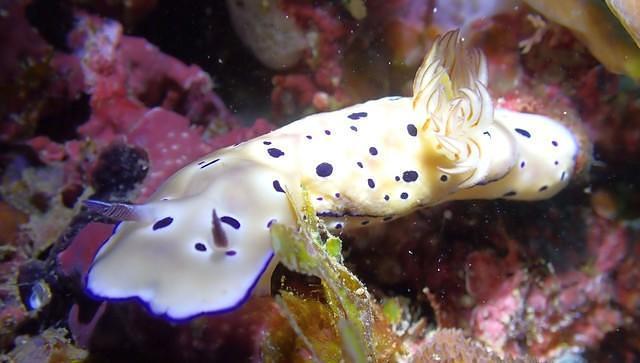
-
Nº105
 Date: 2023-10-08 - 12:44
-
 Max Depth: 19.8m Duration: 84mins
Dive Location

- Surface interval:85 mins
- Temp: Surf 26°C Bottom 26°C
- Dive type : Recreational, Reef, Photo, Wall
- Visibility: Average Water: Salt
Specific gear used
- BCD: Scubapro - Glide Plus
- Camera: Olympus - TG6
- Computer: Oceanic - OCS
- Fins: Scubapro - Jet Fins
- Knife: Scuba MAx - folding
- Lift bag: ScubaMax - SMB
- Light: Sofirn - SD05
- Mask: Promate - Scope
- Regulator: Aqualung - Legend
- Wet suit: Blue Ocean - Diveskin
- Weights: 3.2 kg
Dive reviews
| Overall review | ||
| Dive difficulty | ||
| Marine life quality |
Recent Divers in Talikud Island, Davao

Recent Pictures in Talikud Island, Davao
Dive Shop & Buddies
 Dive buddies:
Maeng,
Mike Tacansan,
Cesar
Dive buddies:
Maeng,
Mike Tacansan,
Cesar

Link to this spot:
- Spot:
- Country:
- Area:
- Body of water:
Dive Profile
- 1. Air
- 10L Aluminium 207 → 21 bar
- Average depth: 13.2m
Data provided by EOL.org











Species Identified
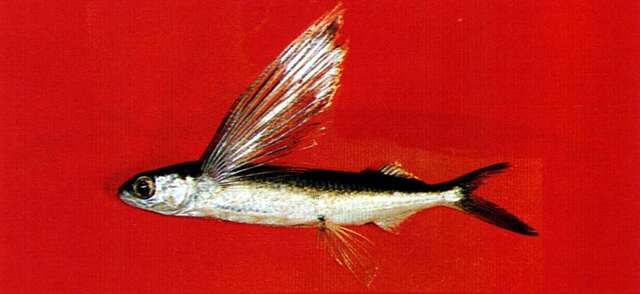
Hirundichthys oxycephalus (Bleeker, 1852) (Bony flyingfish)
Inhabits surface neritic waters. Capable of leaping out of the water and gliding for long distances above the surface.
Coelorinchus charius Iwamoto & Williams, 1999 (Graceful whiptail)
Found on the continental slope. Benthic .
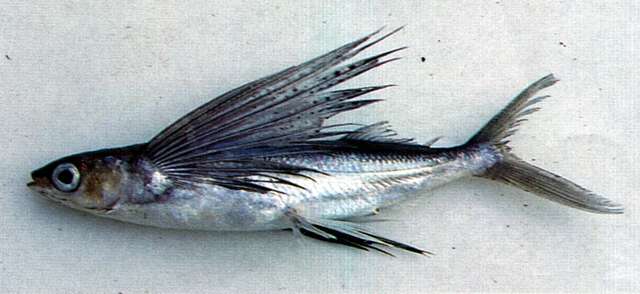
Cheilopogon spilopterus (Valenciennes, 1847) (Manyspotted flyingfish)
Occurs in neritic surface waters. Feeds on zooplankton and small fish .
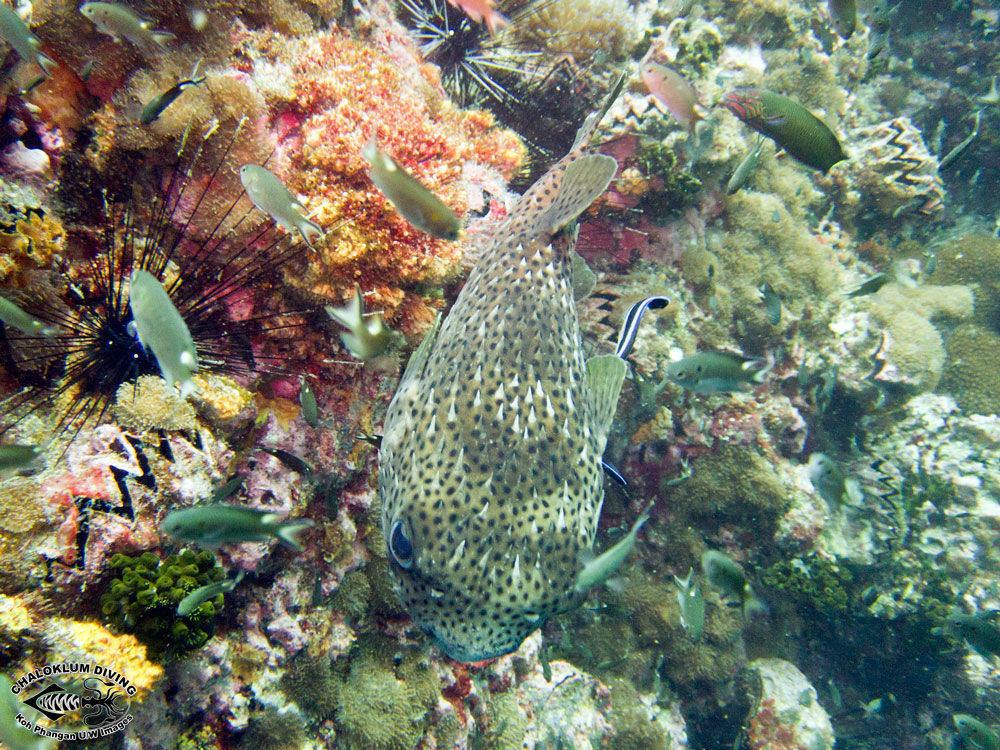
Diodon hystrix Linnaeus, 1758 (Spot-fin porcupinefish)
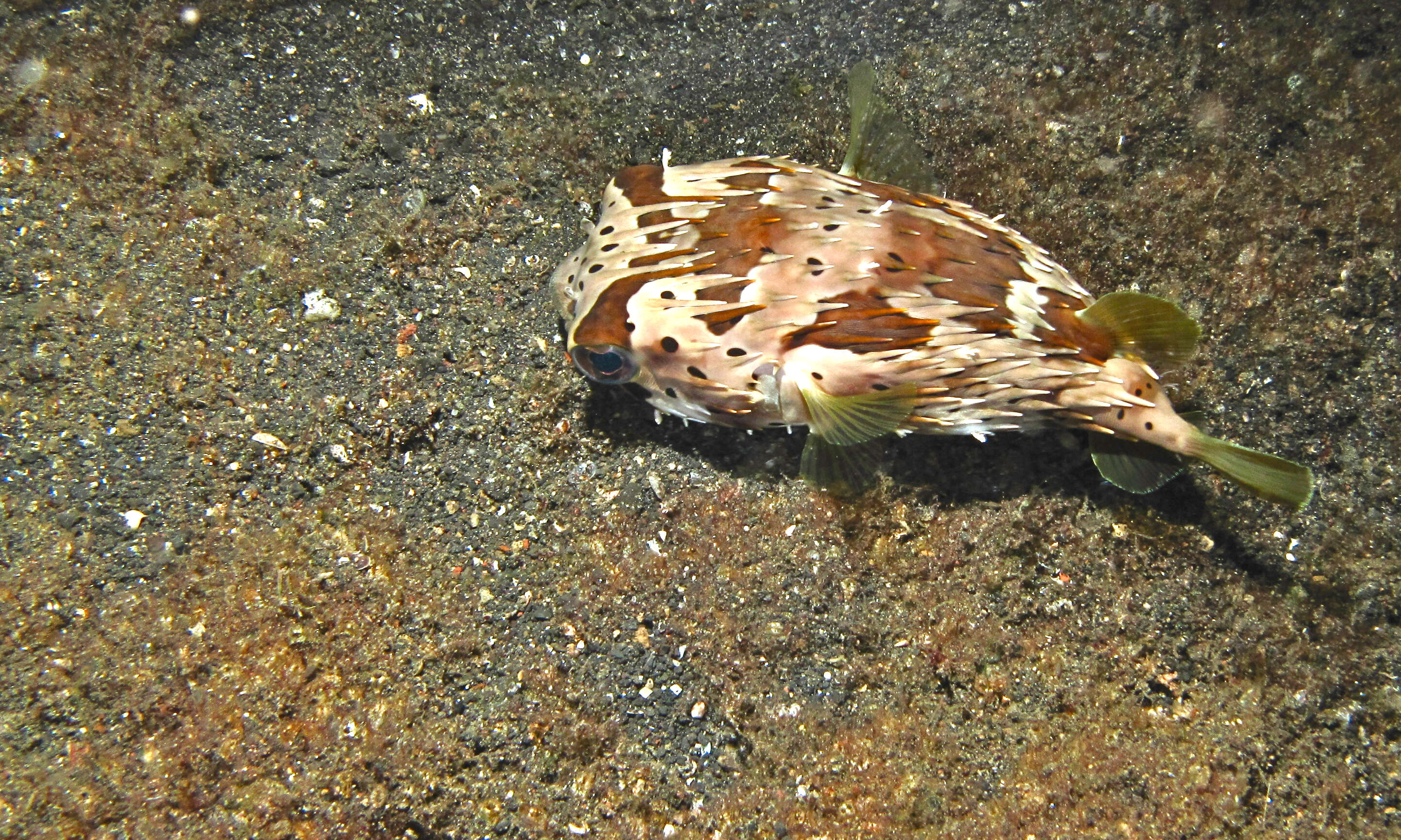
Diodon holocanthus Linnaeus, 1758 (Long-spine porcupinefish)
Thalassoma amblycephalum (Bleeker, 1856) (Bluntheaded wrasse)
Occurs in aggregations over shallow lagoon and seaward reefs and on reef flats . Feeds mainly on crustacean zooplankton . Rarely marketed.
Novaculichthys taeniourus (Lacepède, 1801) (Rockmover wrasse)
Thalassoma quinquevittatum (Lay and Bennett, 1839) (Fivestripe wrasse)
Found in clear outer lagoon reefs and exposed seaward reefs. Abundant in shallow exposed areas with surge channels , with gutters, large Acropora plates and algae bottom . Benthopelagic . Males are often in small loose...
Read More
Read More
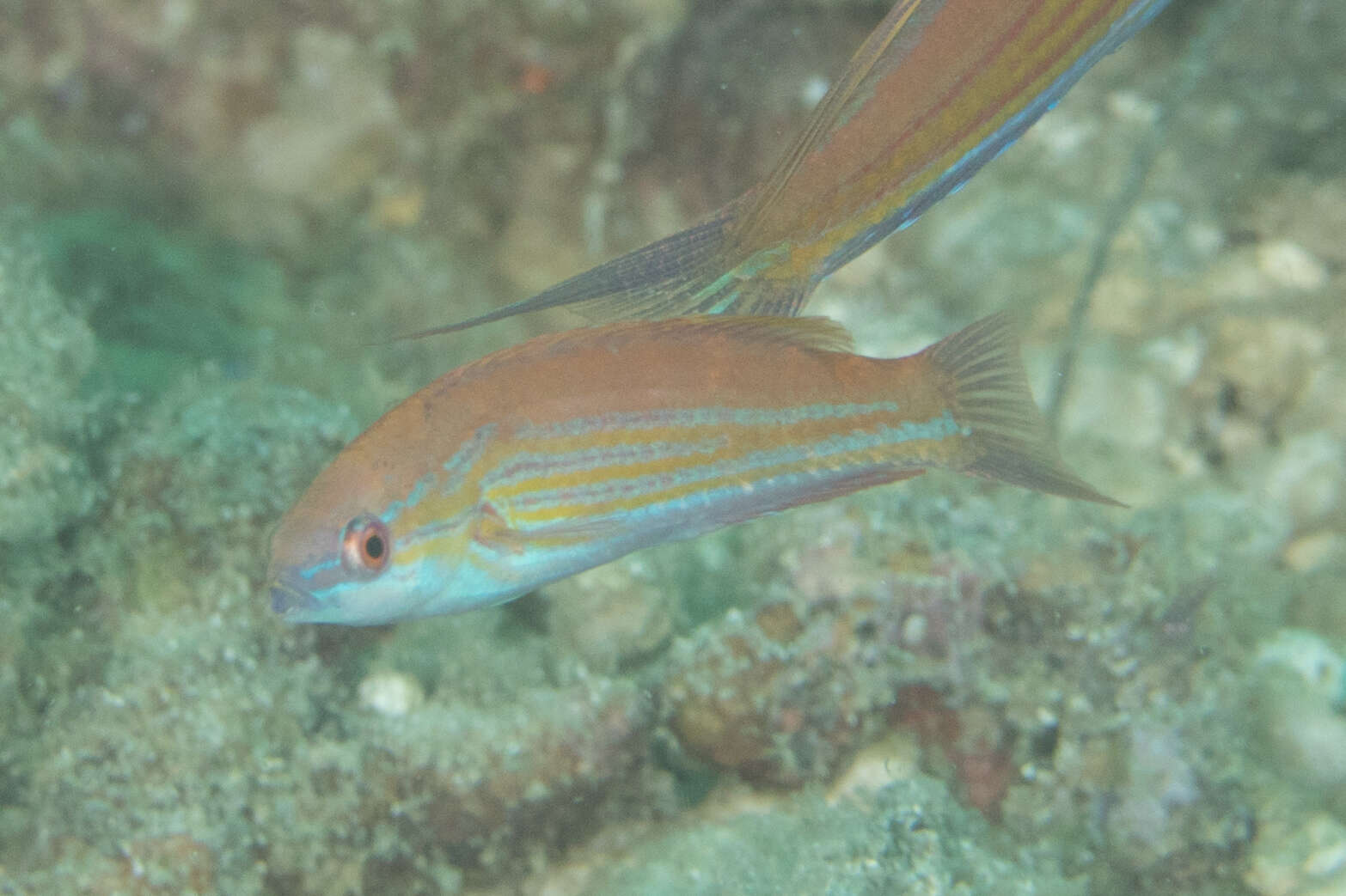
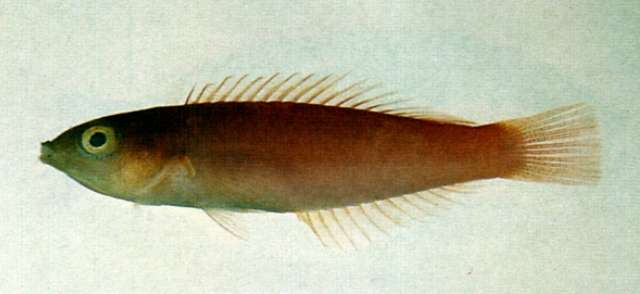
Paracheilinus filamentosus Allen, 1974 (Filamentous wrasse)
Found in rubble areas in passages and outer reef slopes. Also occurs in lagoons. Feeds on zooplankton and other benthic invertebrates. Some geographical variations of nuptial males that are influenced by the presence of...
Read More
Read More
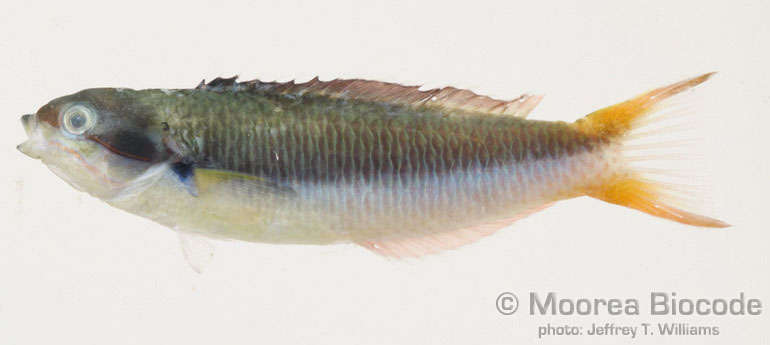
Pseudojuloides cerasinus (Snyder, 1904) (Smalltail wrasse)
Occurs in clear lagoon and seaward reefs; common over coral rubble with algal clumps or in areas dominated with live coral . Rarely seen at depths less than 21 m . Benthopelagic .
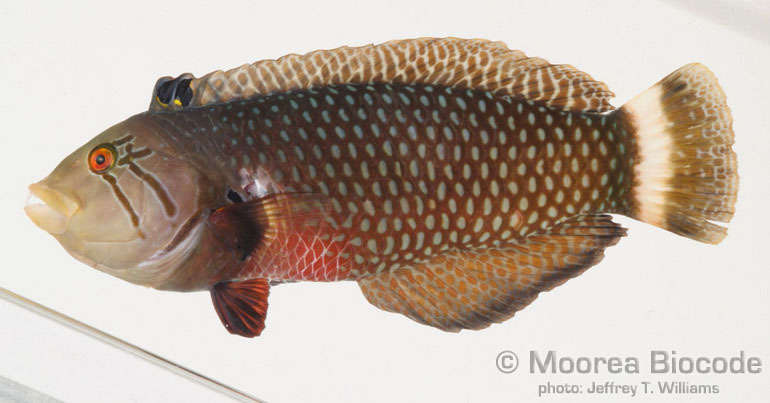
Thalassoma jansenii (Bleeker, 1856) (Jansen's wrasse)
Occurs in exposed crests of seaward and lagoon reefs, usually rock-based. Minimum depth reported from Ref. 27115.
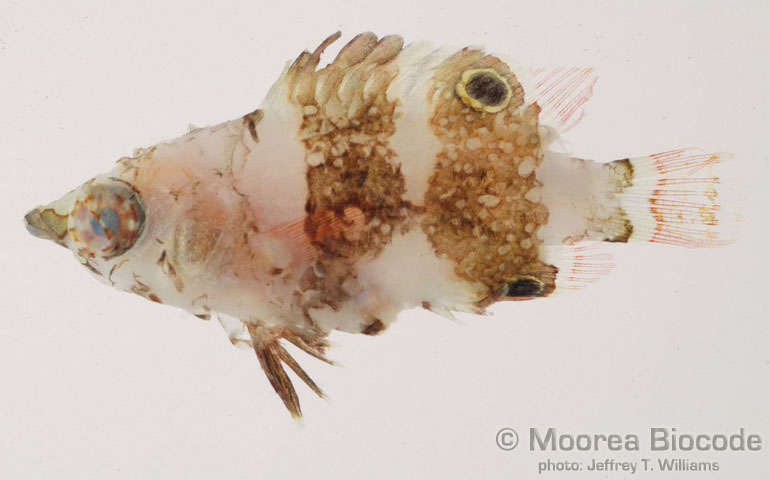
Wetmorella nigropinnata (Seale, 1901) (Sharpnose wrasse)
Inhabits lagoon and seaward reefs, in caves and crevices . A secretive species. Feeds on benthic invertebrates .
Amphiprion ocellaris Cuvier, 1830 (false clown anemonefish)
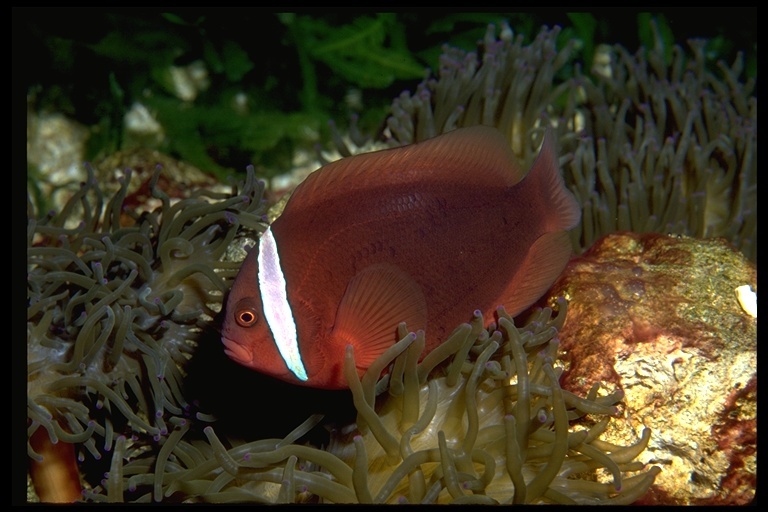
Amphiprion frenatus Brevoort, 1856 (oneband anemonefish)
Found in lagoon reefs and embayment. Monogamous , protandrous hermaphrodite . Associated with the anemone Entacmaea quadricolor . Has been reared in captivity .
Premnas biaculeatus (Bloch, 1790) (Spinecheek anemonefish)
Inhabits lagoon and seaward reefs , found mainly in protected coastal waters and lagoons. Typically found in pairs in which males are much smaller than females . Feeds primarily on zooplankton and benthic algae . Has been reared in captivity . Associated with the anemone Entacmaea quadricolor .
Amphiprion percula (Lacepède, 1802) (Orange clownfish)
Inhabits lagoon and seaward reefs . Each group of fish consists of a breeding pair and 0-4 non-breeders. Within each group there is a size-based hierarchy: the female is largest, the male is second largest, and the non-...
Read More
Read More
Chaetodon vagabundus Linnaeus, 1758 (Vagabond butterflyfish)
Found in reef flats, lagoon and seaward reefs and sometimes in turbid waters subject to freshwater runoff. Swim in pairs. Omnivorous, feed on algae, coral polyps, crustaceans and worms . Oviparous , monogamous . Stab...
Read More
Read More
Chaetodon speculum Cuvier, 1831 (Mirror butterflyfish)
In coastal reef slopes rich with hydroids and anemones. Small juveniles secretive in coral thickets . Usually solitary and relatively uncommon. Feed on coral polyps and invertebrates . Oviparous , monogamous . Form pairs during breeding .
Chaetodon punctatofasciatus Cuvier, 1831 (Spotband butterflyfish)
Common in coral rich areas and clear waters of lagoon and seaward reefs. Sometimes found on outer subtidal reef flats . Juveniles secretive . Feed on filamentous algae, corals, and benthic invertebrates. Often in pairs...
Read More
Read More
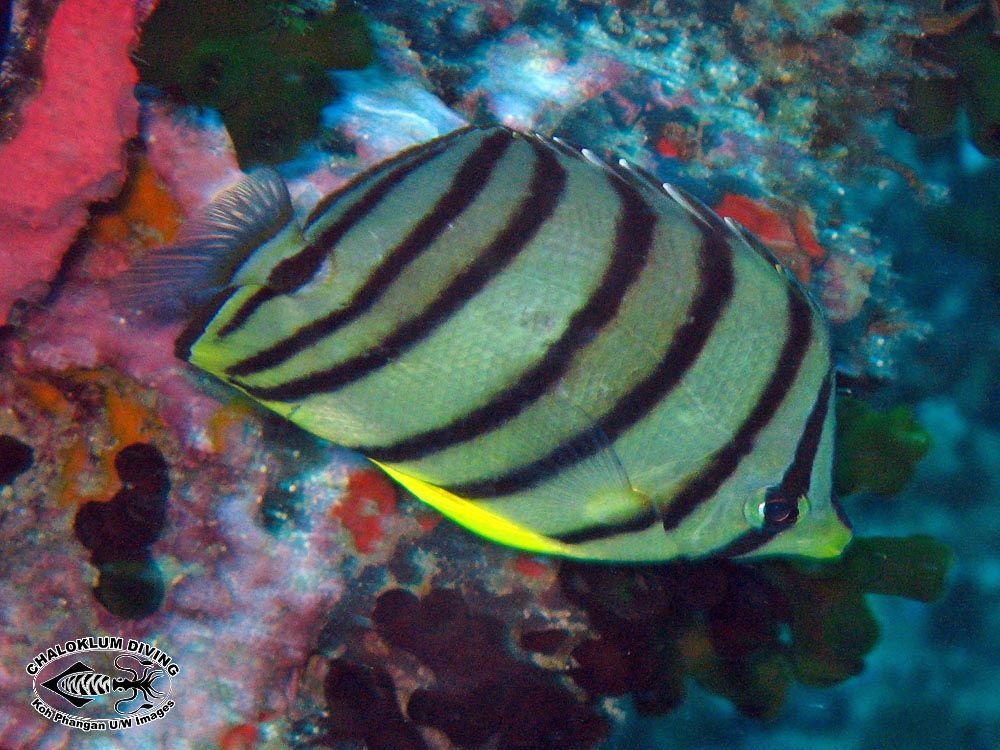
Chaetodon octofasciatus Bloch, 1787 (Eightband butterflyfish)
Swim in pairs in coral rich areas of sheltered lagoon and inshore reefs; juveniles seen in groups among Acropora corals. Feed exclusively on coral polyps. Oviparous . Form pairs during breeding .
Chaetodon meyeri Bloch and Schneider, 1801 (Scrawled butterflyfish)
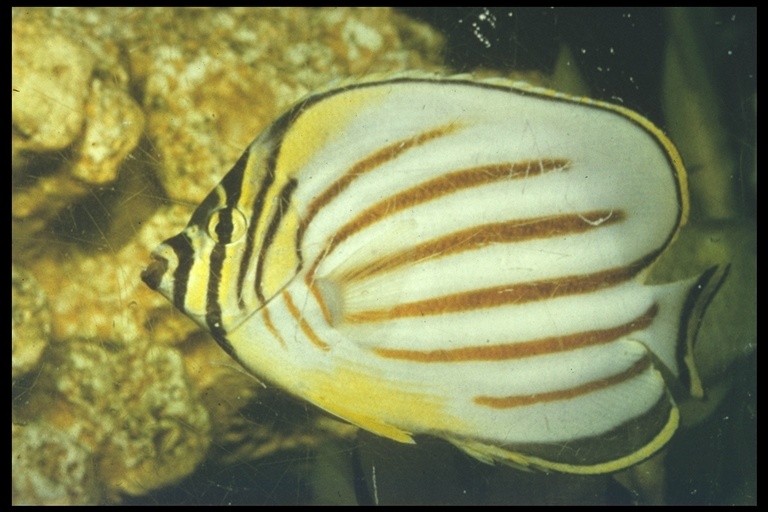
Chaetodon ornatissimus Cuvier, 1831 (Ornate butterflyfish)
Occur in clear waters and coral-rich areas of lagoon and seaward reefs. However, only common in seaward reefs . Benthopelagic . Juveniles are solitary, living among branching corals, while adults are almost always in pa...
Read More
Read More
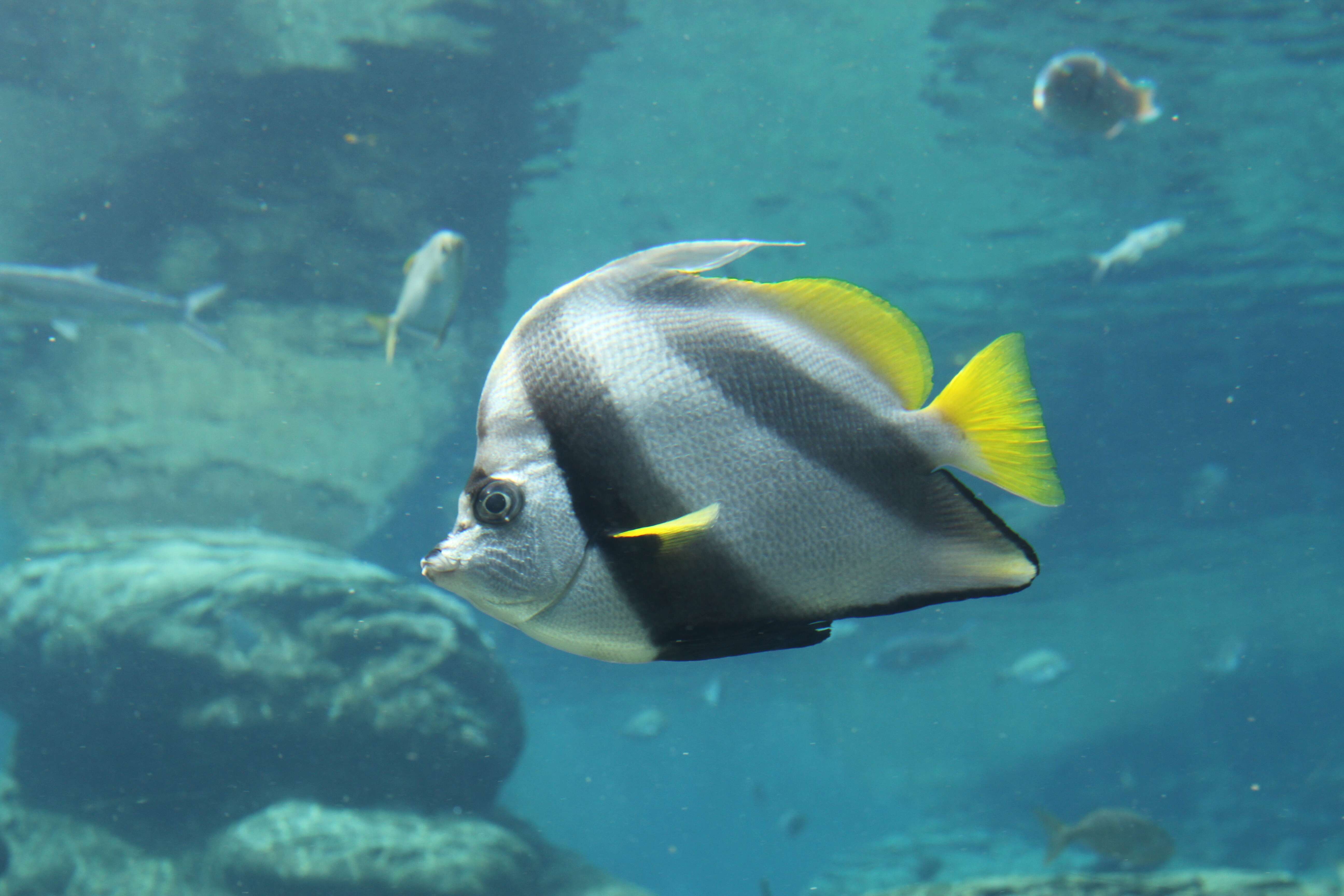
Heniochus diphreutes Jordan, 1903 (False moorish idol)
Occur primarily along outer reef slopes, in current channels. Juveniles in aggregations around isolated patch reefs, adults in large schools well above the bottom . In Indonesia, adults most common in depth 40-50 m, repo...
Read More
Read More
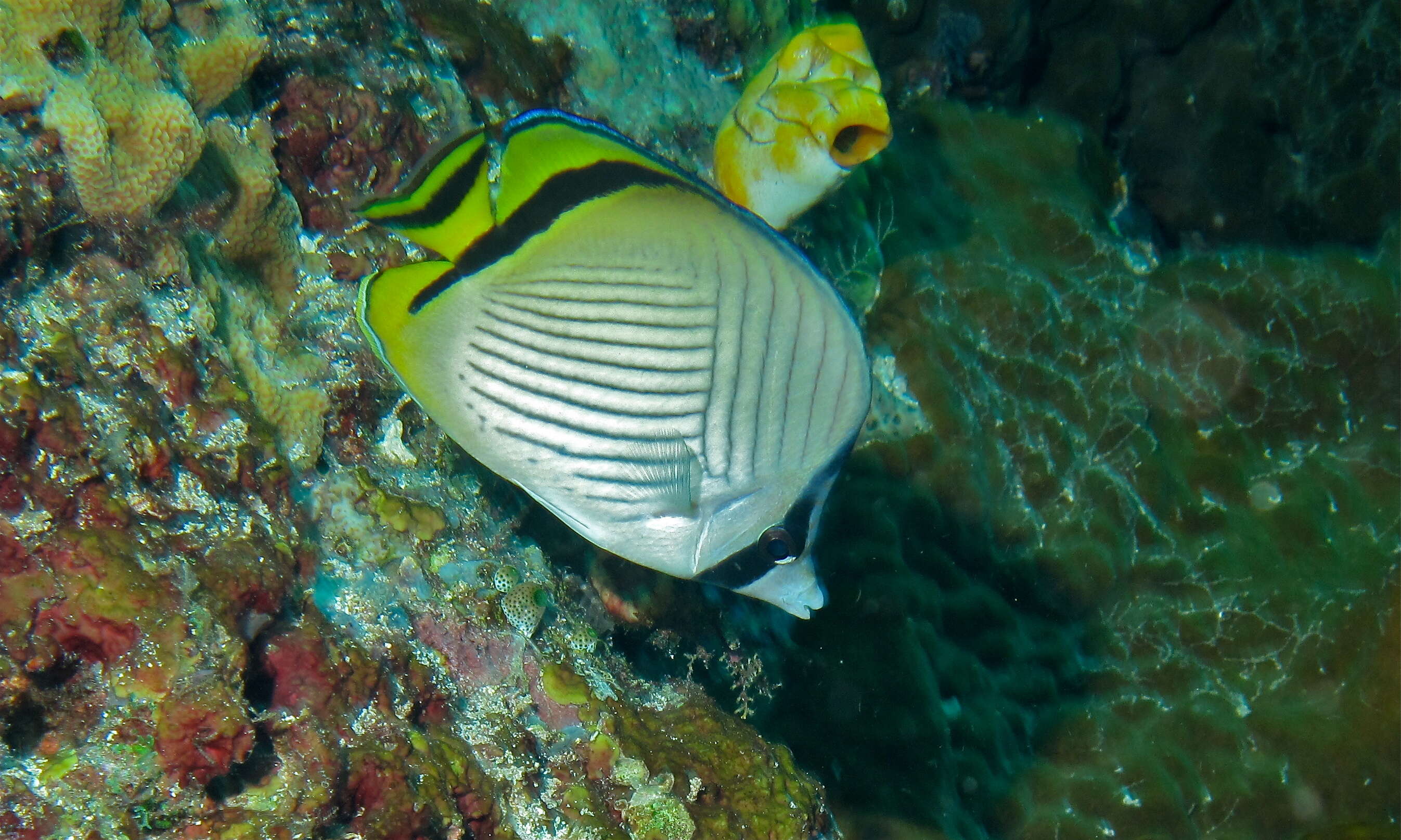
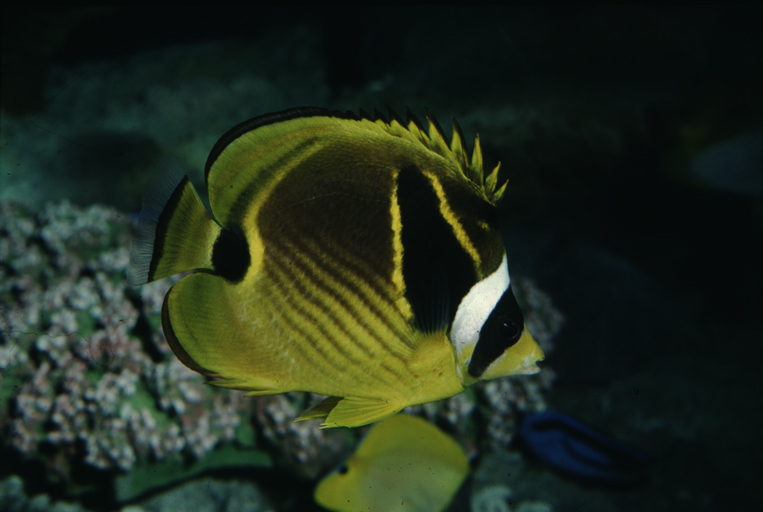
Chaetodon lunula (Lacepède, 1802) (Butterflyfish)
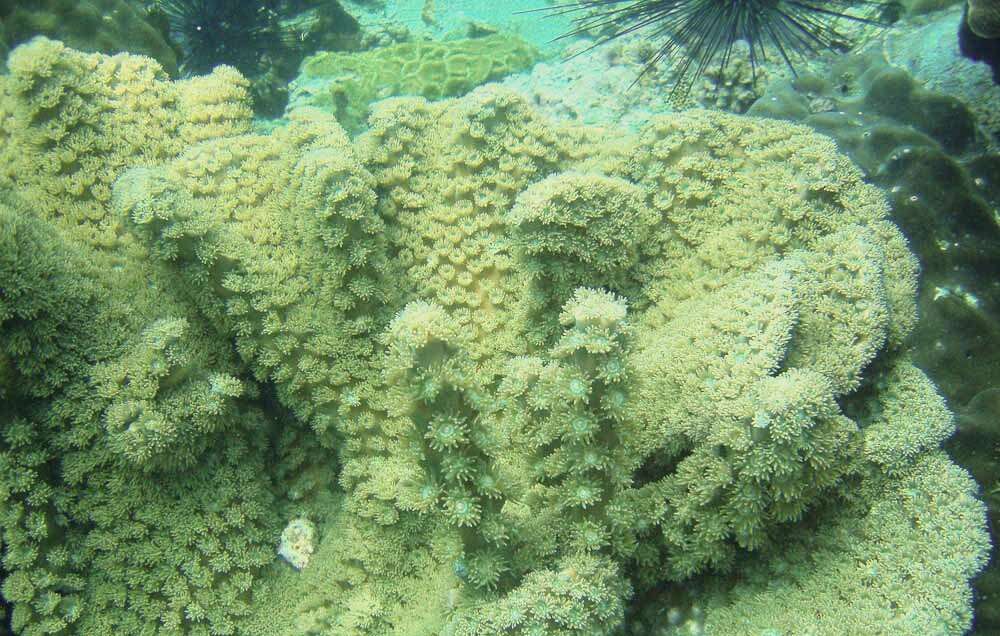
Turbinaria peltata (Esper, 1794) (Disc coral)
zooxanthellate
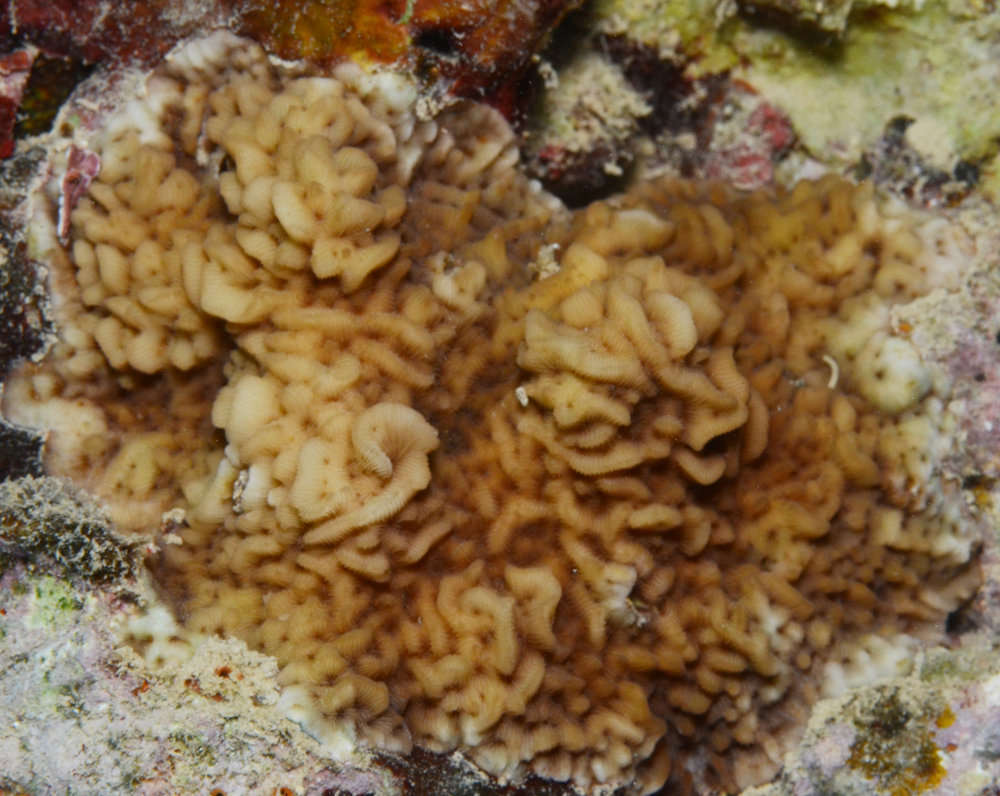
Pavona varians Verrill, 1864 (Leaf coral)
zooxanthellate
Cephalopholis argus Bloch and Schneider, 1801 (Grouper)
A generally common species found in a variety of coral habitats from tide pools to depths of at least 40 m; prefers the 1 to 10 m reef zone. Juvenile prefers shallow, protected coral thickets . Benthic and benthopelagi...
Read More
Read More
Cirripectes polyzona (Bleeker, 1868) (Barred blenny)
Occur in algal ridge and ridge crests between surge channels of exposed seaward reefs to a depth of about 3 m . Benthic . Feed on algae and associated minute invertebrates like forams, ostracods, and gastropods. Oviparous . Eggs are demersal and adhesive .
Salarias fasciatus (Bloch, 1786) (Jewelled blenny)
Share on Social Networks
- Facebook:

personalize your shared text as well as its destination (wall, page...) or send as a private message to a friend
- Twitter: Tweet personalize your tweet
- Google Plus:
Direct link to this dive
- Long link:
- Short link:


 We are participating today in the startup contest Techcrunch Disrupt. Support Diveboard by voting for us!
























































































2nd dive 2 tanker aboard Datu Budas. Mansud Wall, start on East side of pier, out the wall and back to pier, boat PU
multilevel
SI 1:24
highlight 2 warty frogfish 1 yellow, 1 white