


 Beachnutts



 Philippines
-
Nº152
 Date: 2024-10-20 - 12:40
-
 Max Depth: 17.4m Duration: 85mins
Dive Location

- Surface interval:83 mins
- Temp: Surf 28°C Bottom 28°C
- Dive type : Recreational, Reef, Photo
- Visibility: Good Water: Salt
Specific gear used
- BCD: Scubapro - Glide Plus
- Camera: Olympus - TG6
- Compass:
- Computer: Oceanic - OCS
- Fins: Scubapro - Go Rescue
- Lift bag: ScubaMax - SMB
- Light: Sofirn - SD05
- Mask: Promate - Scope
- Regulator: Aqualung - Legend
- Wet suit: Blue Ocean - Diveskin
- Weights: 3.2 kg
Dive reviews
| Overall review | ||
| Dive difficulty | ||
| Marine life quality |
Recent Divers in Talicud island, Davao
Recent Pictures in Talicud island, Davao
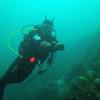
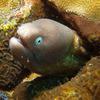
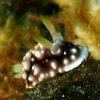
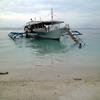
Dive Shop & Buddies
 Dive with Blake Auge
 Dive buddies:
Beachnutts

Link to this spot:
- Spot:
- Country:
- Area:
- Body of water:
Dive Profile
- 1. Air
- 10L Aluminium 207 → 21 bar
- Average depth: 11.6m
Data provided by EOL.org







Species Identified
Salarias fasciatus (Bloch, 1786) (Jewelled blenny)
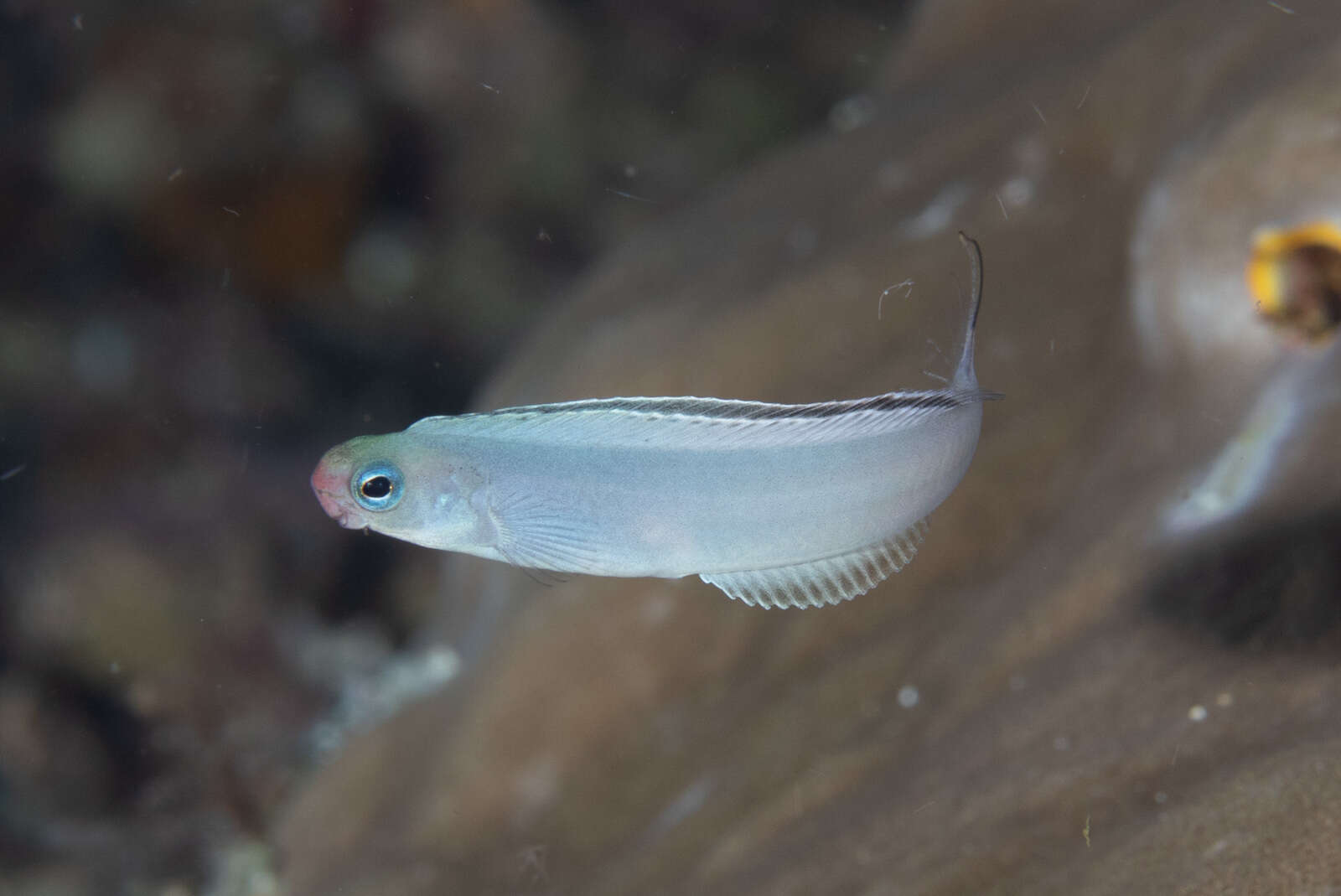
Meiacanthus atrodorsalis (Günther, 1877) (Forktail blenny)
Inhabit lagoon and seaward reefs below the surge zone to 30 m depth . A common species, often seen along slopes and drop-offs, adults sometimes in small groups . Feed on zooplankton and also on small benthic invertebrate...
Read More
Read More
Plagiotremus laudandus (Whitley, 1961) (Bicolour fangblenny)
Pygoplites diacanthus (Boddaert, 1772) (Bluebanded angelfish)
Occurs in coral rich areas of lagoon and seaward reefs to a depth of 48 m or more. Often found in the vicinity of caves and feeds on sponges and tunicates. Solitary or in pairs, or in groups. Frequently exported through the aquarium trade . Rarely survives in the aquarium.
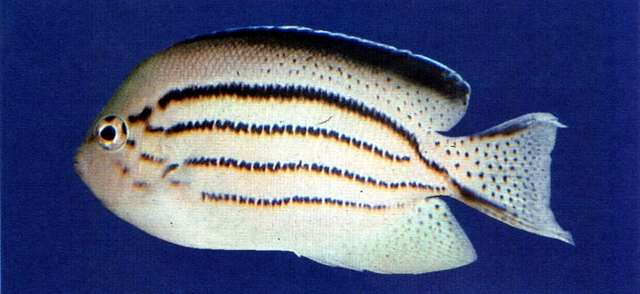
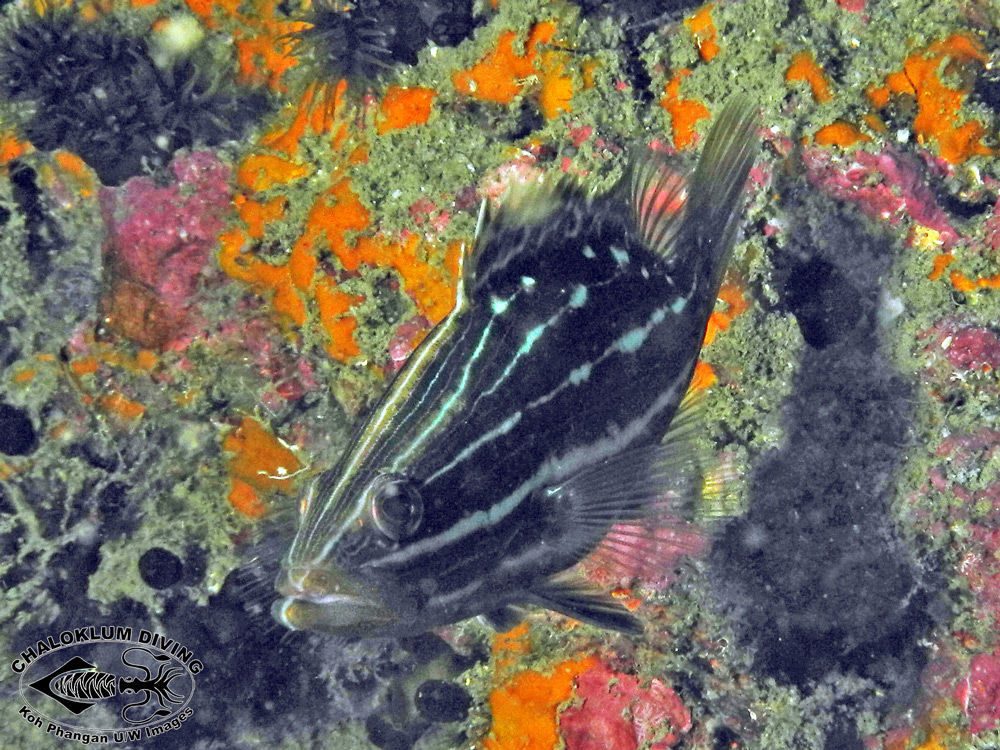
Genicanthus lamarck (Lacepède, 1802) (Blackstriped angelfish)
Inhabit shallow reef crests and deep reefs adjacent to steep slopes. Form aggregations to feed in midwater well above the bottom; harems of 3-7 individuals. Feeds on plankton. Frequently exported through the aquarium trade .
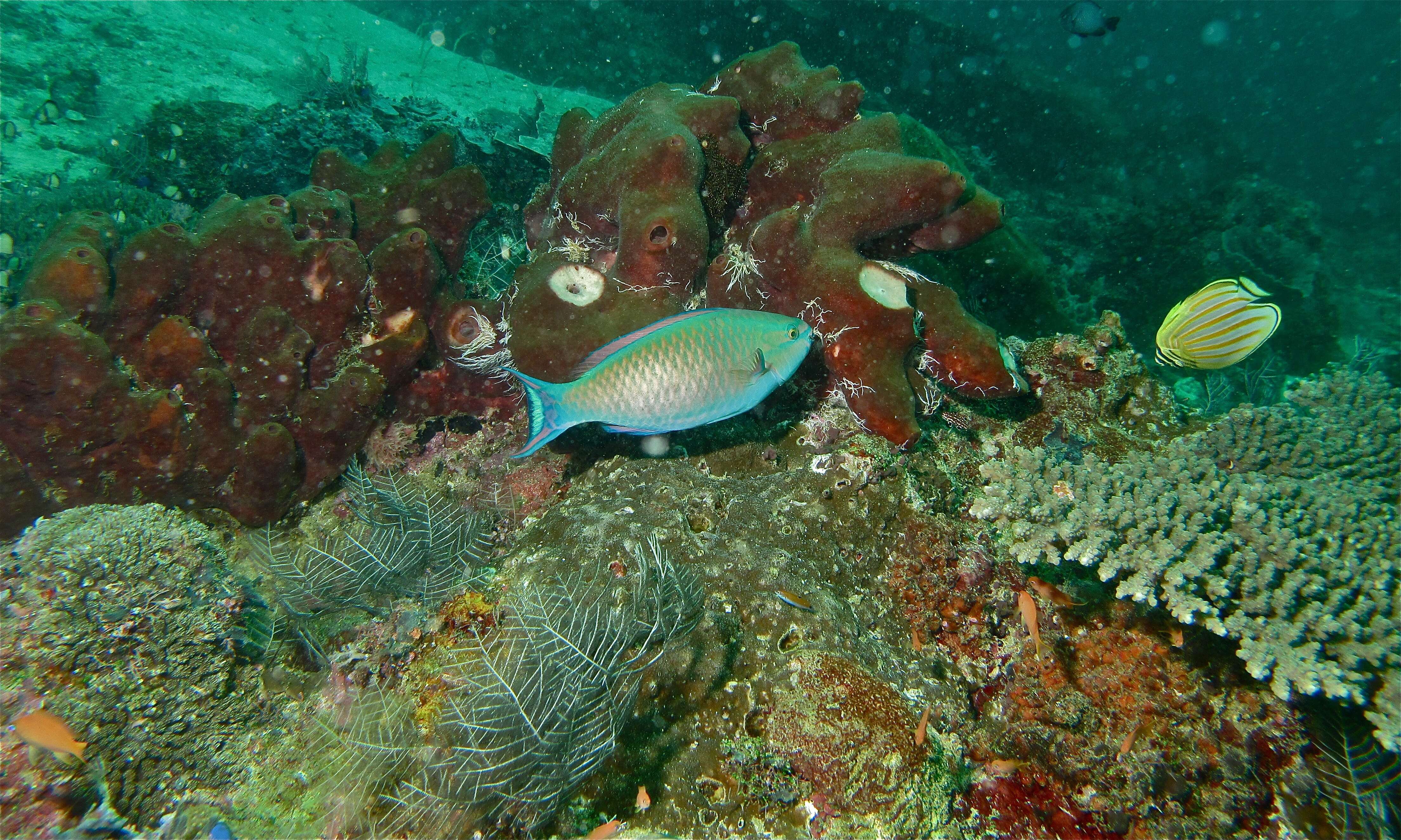
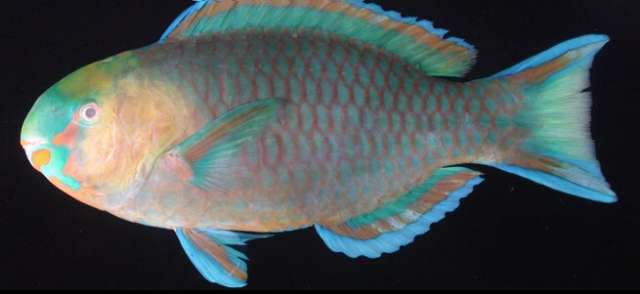
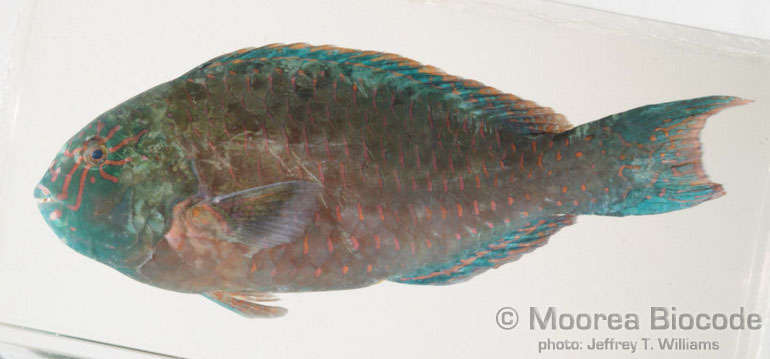
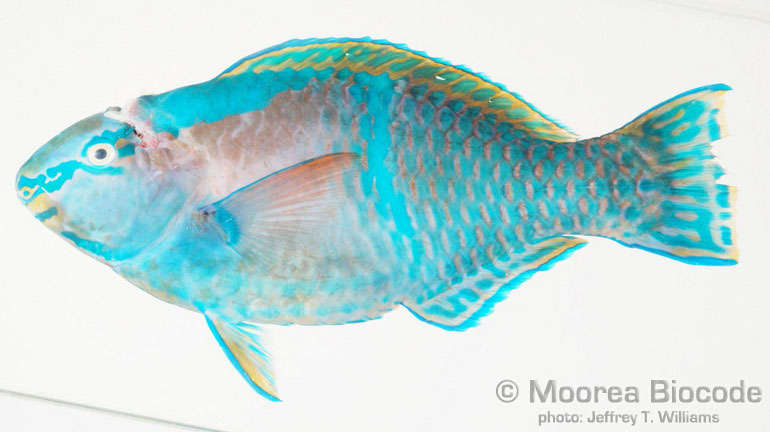
Scarus tricolor Bleeker, 1847 (Tricolour parrotfish)
Inhabits lagoon and seaward reefs, in areas with dense coral growth up to at least 30 m. Usually solitary, sometimes in groups . Feeds on benthic algae .
Scarus spinus (Kner, 1868) (Greensnout parrotfish)
Inhabits coral-rich areas of outer lagoon and seaward reefs . Usually solitary . Females usually in small groups with a male nearby; they may mix with females of similar species . An uncommon fish patchily distributed through much of its range.
Calotomus carolinus (Valenciennes, 1840) (Carolines parrotfish)
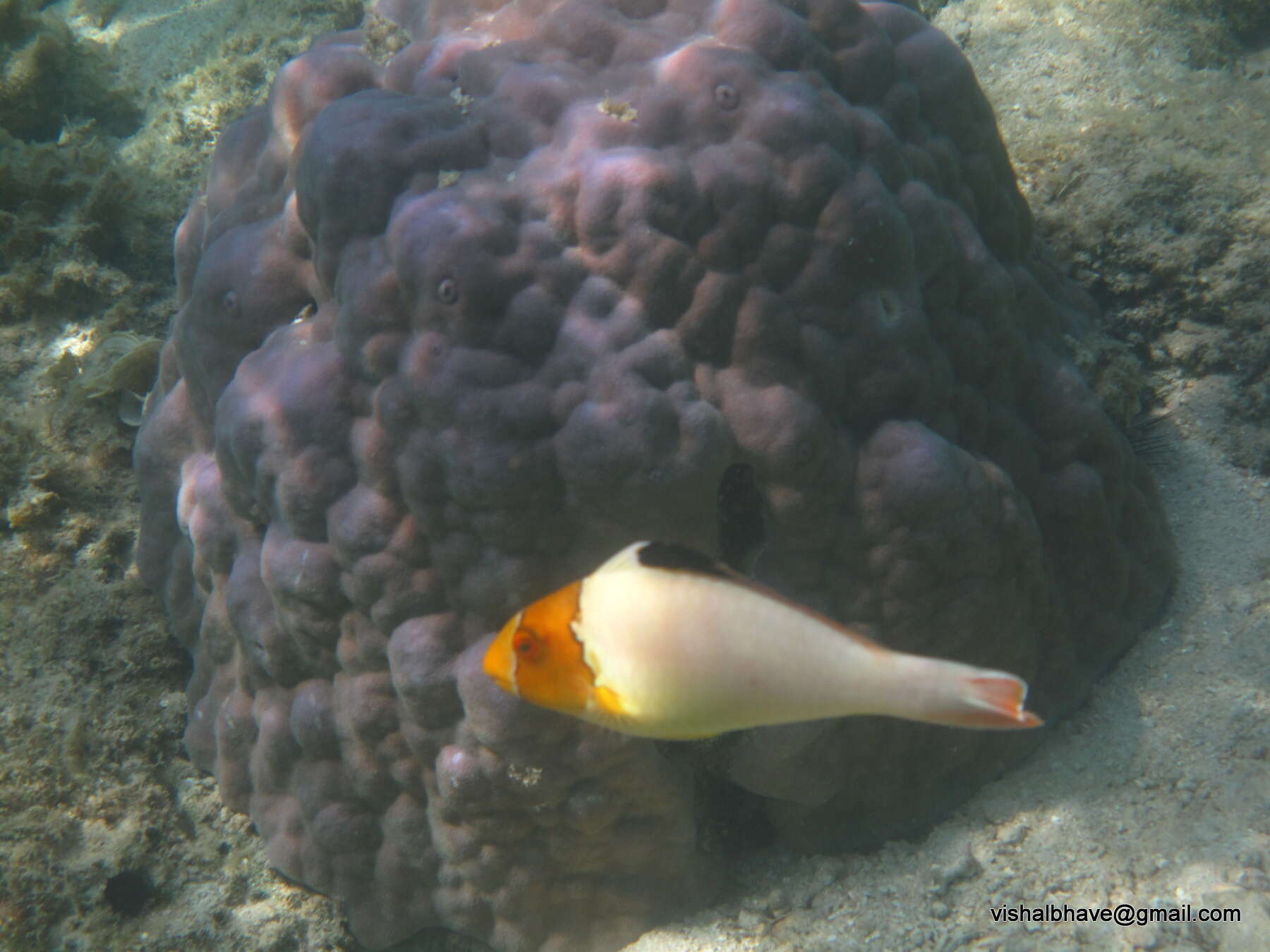
Cetoscarus bicolor (Rüppell, 1829) (Bicolour parrotfish)
Occurs in clear lagoon and seaward reefs . Juveniles usually solitary; adults form harems ; males are territorial. Goes to several changes during growth and very large females change sex to the brightly colored male. Sm...
Read More
Read More
Scarus dimidiatus Bleeker, 1859 (Yellowbarred parrotfish)
Inhabits coral-rich areas of clear, protected reefs . Feeds mainly on algae .
Scarus festivus Valenciennes, 1840 (Festive parrotfish)
Found in clear lagoon and seaward reefs . Feeds on benthic algae .
Scarus oviceps Valenciennes, 1840 (Darkcapped parrotfish)
Inhabits lagoon and seaward reefs to at least 10 m . Occurs singly .
Scarus schlegeli (Bleeker, 1861) (Yellowband parrotfish)
Inhabits lagoon and seaward reefs from 1 to over 50 m depth. Adults are common in areas with rich coral and high vertical relief . Juveniles may school with other species. Form feeding aggregations on rubble and mixed r...
Read More
Read More
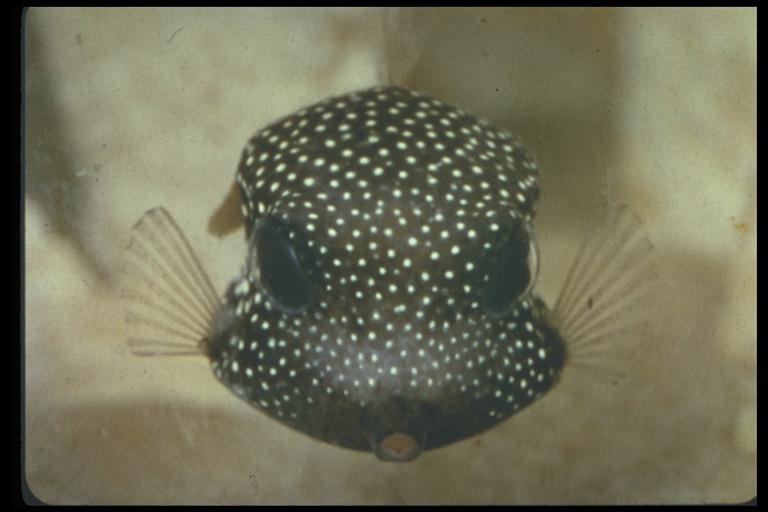
Ostracion meleagris Shaw, 1796 (pahu)
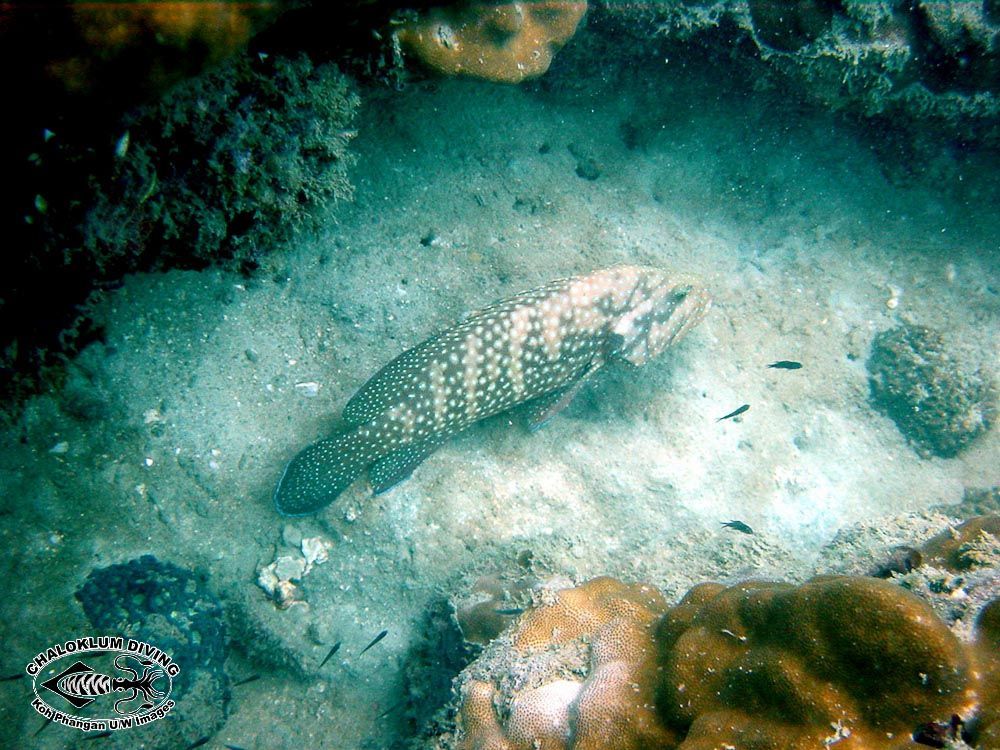
Epinephelus merra Bloch, 1793 (Dwarf spotted grouper)
Very common in shallow lagoon and semi-protected seaward reefs. Juveniles are common in thickets of staghorn Acropora corals. Feed on crustaceans and fishes. Increase of piscivory with age is observed in this species. ...
Read More
Read More
Anyperodon leucogrammicus (Valenciennes, 1828) (Balala)
Inhabits coral rich areas and clear waters on lagoon and seaward reefs. Feeds mainly on fishes and probably on crustaceans. The distinctive blue and gold striped juveniles are mimics of the wrasse Halichoeres purpurescen...
Read More
Read More
Cephalopholis cyanostigma (Valenciennes, 1828) (bluespotted rockcod)
Inhabits shallow protected coastal reefs, in seagrass beds, and in coral-rich areas . Feeds on crustaceans and fishes .
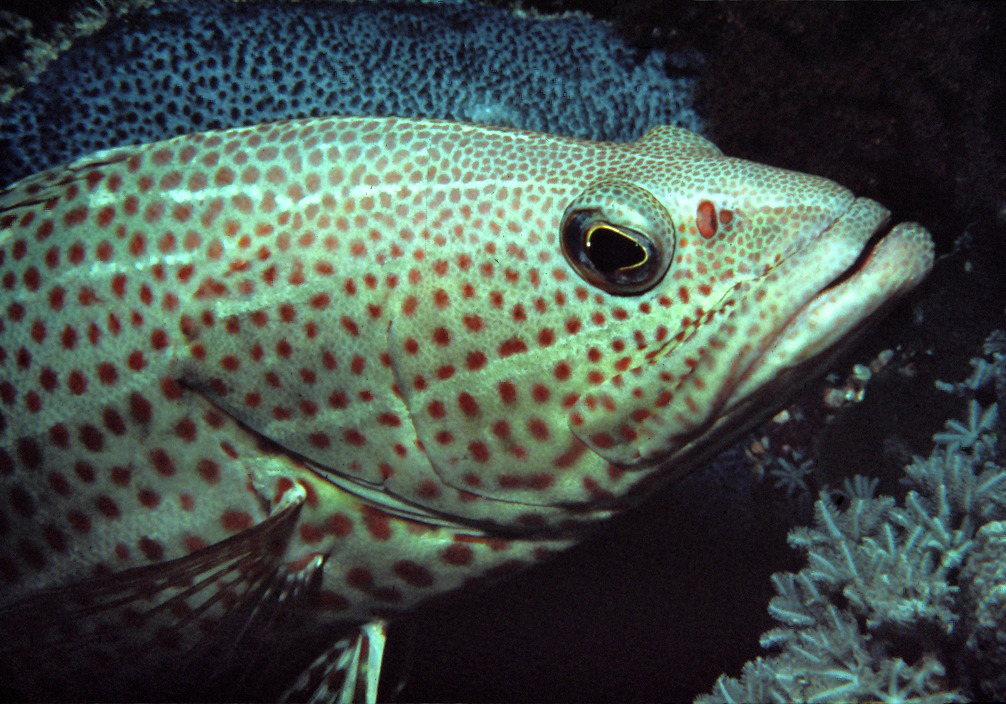
Cephalopholis leopardus (Lacepède, 1801) (red-spotted rock cod)
Occurs in coral-rich areas of lagoon pinnacles, channels, and outer reef slopes. Solitary , a secretive species, usually hiding in caves and crevices in the reefs. One of the smallest species of groupers known. Gut analysis revealed crustacean remains.
Plectropomus oligacanthus (Bleeker, 1854) (Blue-lined coral trout)
Inhabits drop-offs and steep channel slopes . Very little has been published on its biology. Reported to forage in groups of two or three for rock- and sand living crustaceans and fishes. Rare in most areas . In the Hong Kong live fish markets .
Share on Social Networks
- Facebook:

personalize your shared text as well as its destination (wall, page...) or send as a private message to a friend
- Twitter: Tweet personalize your tweet
- Google Plus:
Direct link to this dive
- Long link:
- Short link:


 We are participating today in the startup contest Techcrunch Disrupt. Support Diveboard by voting for us!
























































































2nd dive, 2 dive day aboard Datu Budas
Angel's Cove Shallows looking for Melibe nudibranch spotted day before
solo, multilevel
swim to Angels Cove from dadatan searching 40-50 range , did not find.
back to boat