


 Beachnutts


 Philippines
-
Nº179
 Date: 2025-05-03 - 10:33
-
 Max Depth: 24.4m Duration: 88mins
Dive Location

- Temp: Surf 27°C Bottom 27°C
- Dive type : Recreational, Reef, Photo
- Visibility: Good Water: Salt
Specific gear used
- BCD: Scubapro - Glide Plus
- Boots: Orca - Dive shoes
- Camera: Olympus - TG6
- Compass:
- Computer: Oceanic - OCS
- Fins: Scubapro - Go Rescue
- Light: Sofirn - SD05
- Mask: Promate - Scope
- Regulator: SEAC - Synchro
- Wet suit: Blue Ocean - Diveskin
- Weights: 3.2 kg
Dive reviews
| Overall review | ||
| Dive difficulty | ||
| Marine life quality |
Recent Divers in Talikud Island, Davao

Recent Pictures in Talikud Island, Davao
Dive Shop & Buddies
 Dive with Blake Auge
 Dive buddies:
Blake Auge,
Beachnutts
Dive buddies:
Blake Auge,
Beachnutts

Link to this spot:
- Spot:
- Country:
- Area:
- Body of water:
Dive Profile
- 1. Air
- 10L Aluminium 207 → 34 bar
- Average depth: 16.3m
Data provided by EOL.org











Species Identified
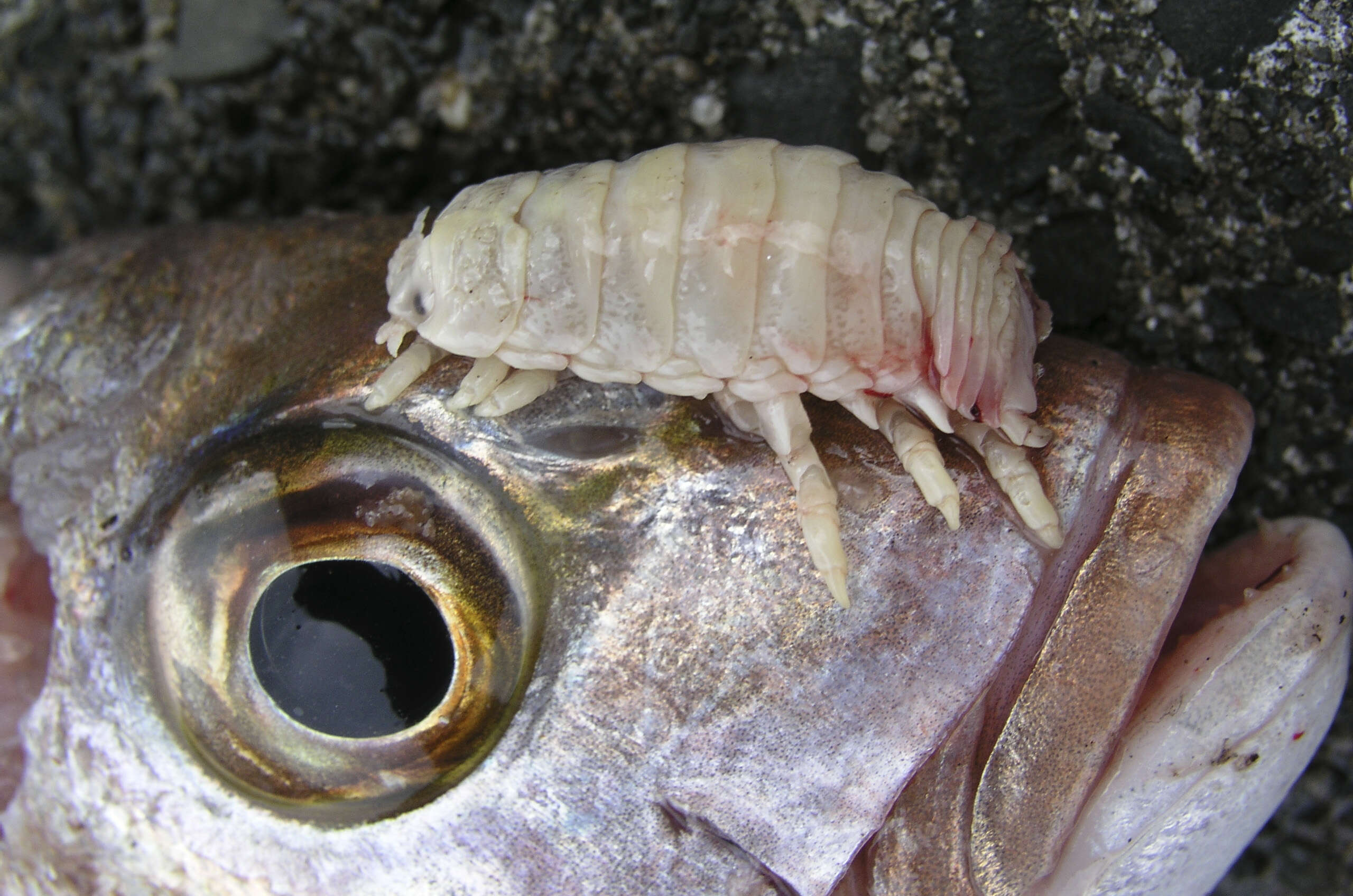
Cymothoa exigua Schioedte & Meinert, 1884 (Cymothoa exigua)
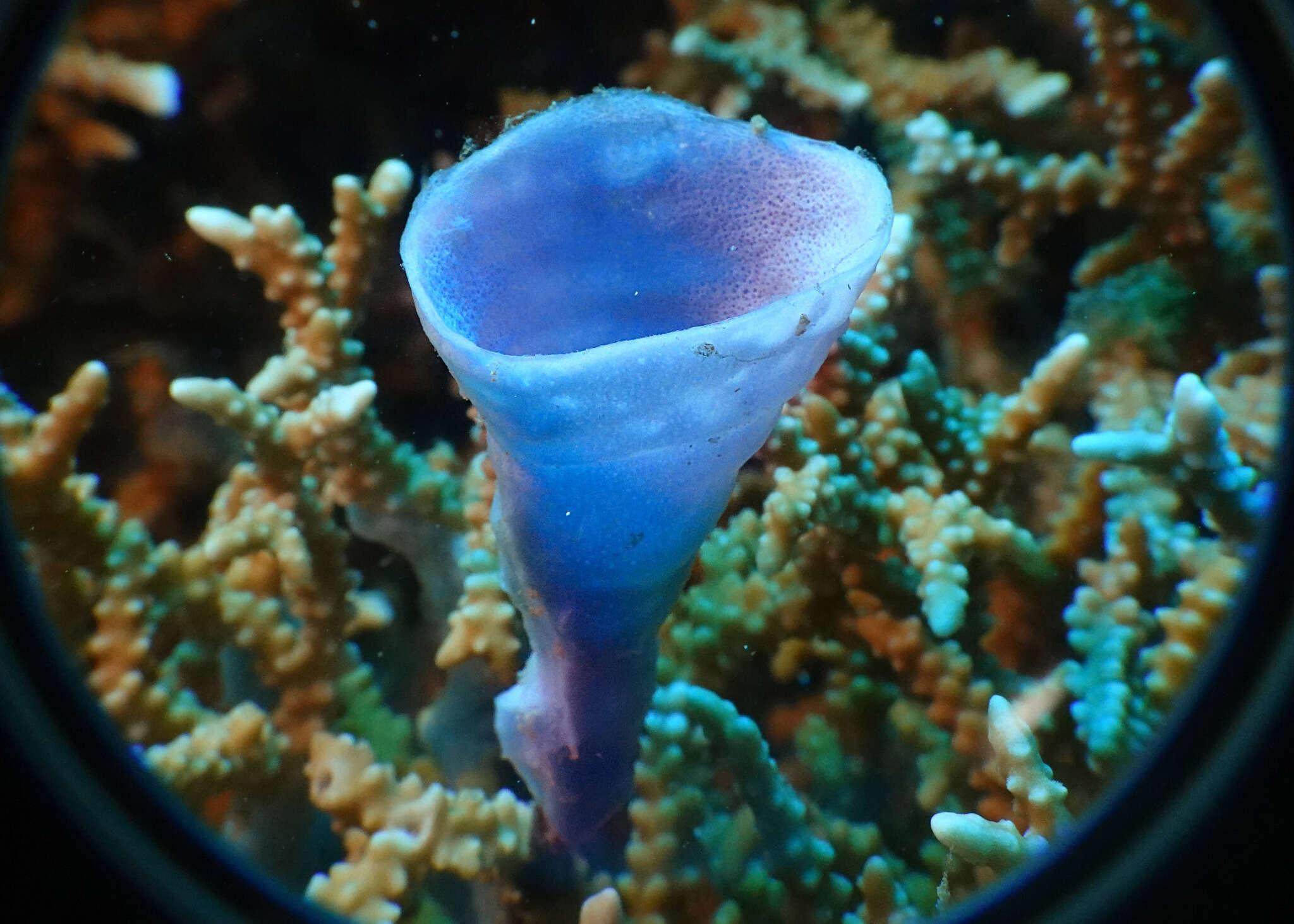
Haliclona fascigera (Hentschel, 1912)
Ulakanthura colac Poore, 1978B
Paracaesio sordida Abe & Shinohara, 1962 (Dirty ordure snapper)
Occurs over rocky bottoms. Found in schools. Feeds on plankton . Usually marketed fresh.
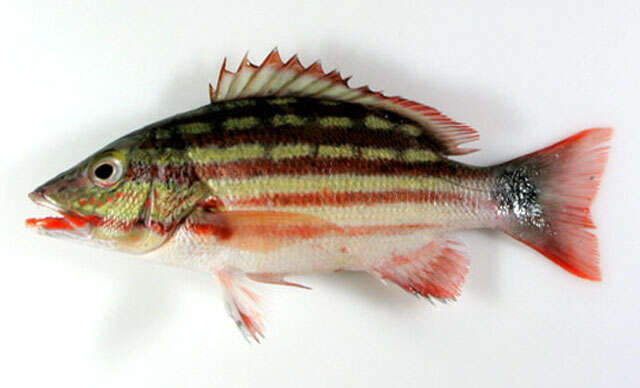
Lutjanus lemniscatus (Valenciennes, 1828) (Yellowstreaked snapper)
Inhabits offshore reefs and muddy habitats. Juveniles are sometimes found in the vicinity of coral reefs, often located close to the shore where silting is moderate and visibility is reduced. Adults usually very deep . Feeds on fishes and a variety of benthic invertebrates.
Lutjanus decussatus (Cuvier, 1828) (lattice snapper)
Inhabits both inshore and offshore coral reefs where it occurs singly or in schools. Small juveniles on shallow protected reef flats and are used in the aquarium trade.
Lutjanus argentimaculatus (Forsskål, 1775) (Mangrove snapper)
A euryhaline species . Juveniles and young adults occur in mangrove estuaries, the lower reaches of freshwater streams and tidal creeks . Adults are often found in groups around coral reefs . Eventually migrate offshor...
Read More
Read More
Lutjanus fulviflamma (Forsskål, 1775) (Dory snapper)
Inhabit coral reefs . Often in large aggregations with Lutjanus kasmira and Lutjanus lutjanus . Juveniles are sometimes found in mangrove estuaries or in the lower reaches of freshwater streams. Adults usually school on...
Read More
Read More
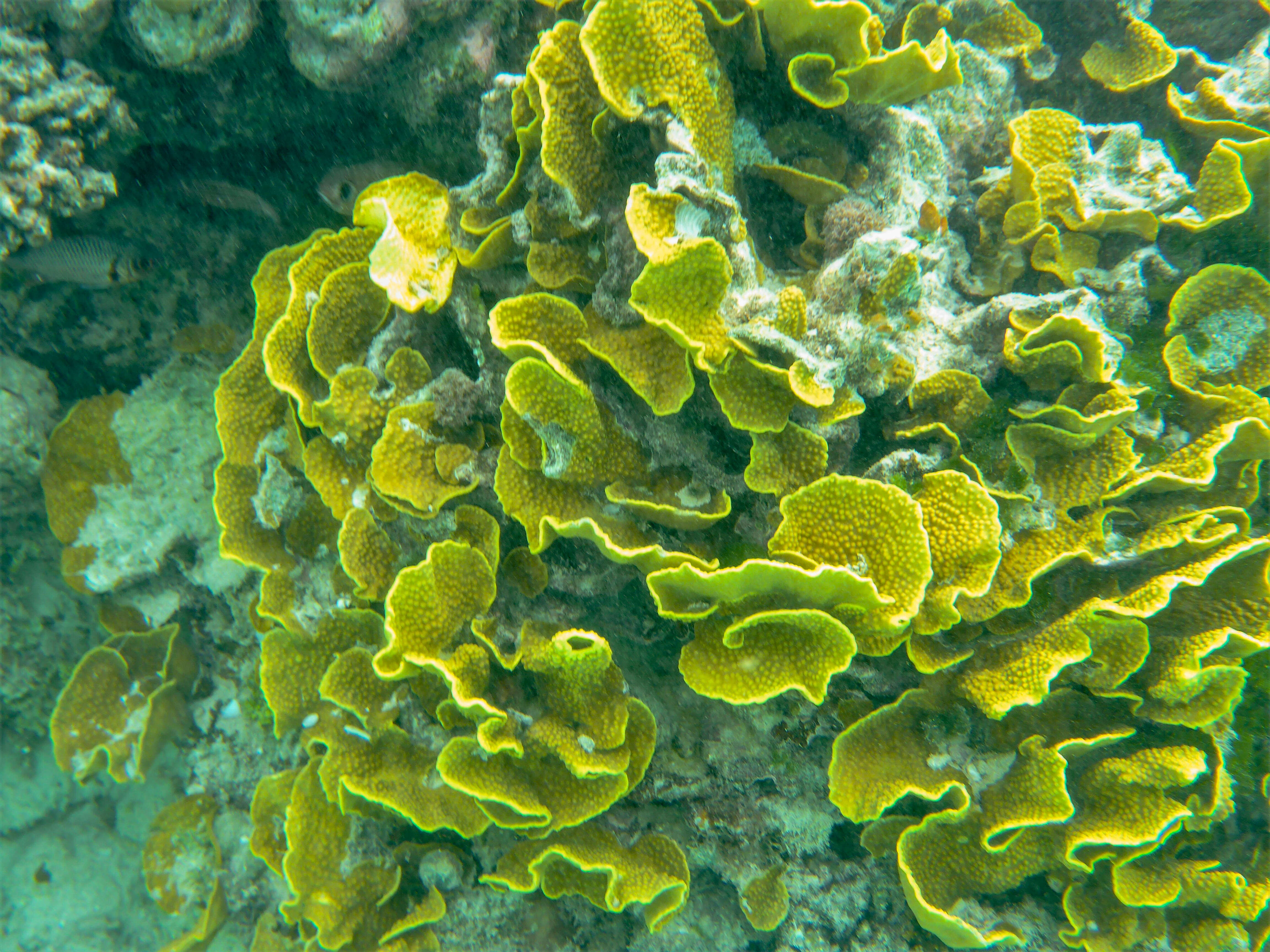
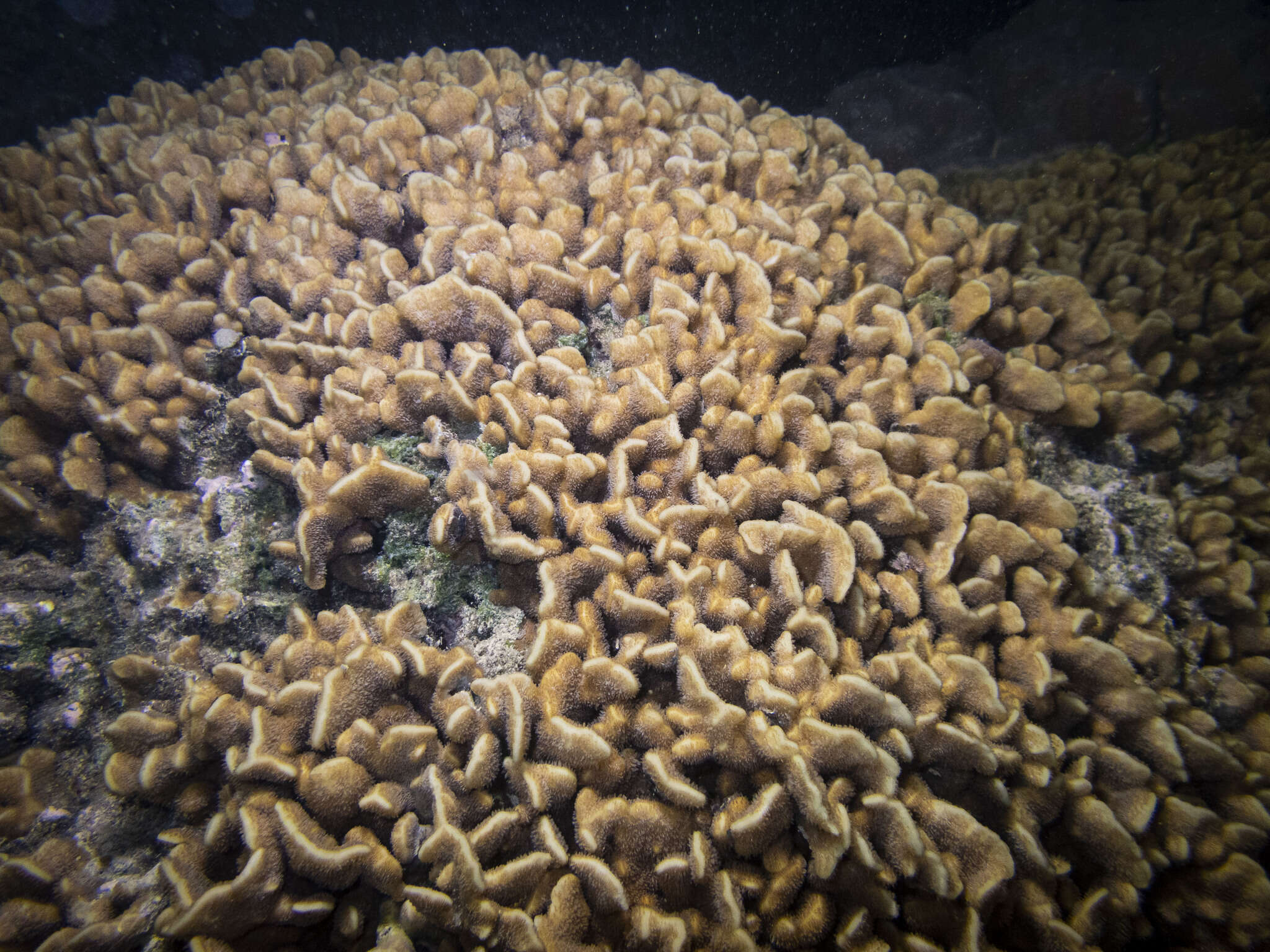
Pavona decussata (Dana, 1846) (Leaf coral)
zooxanthellate
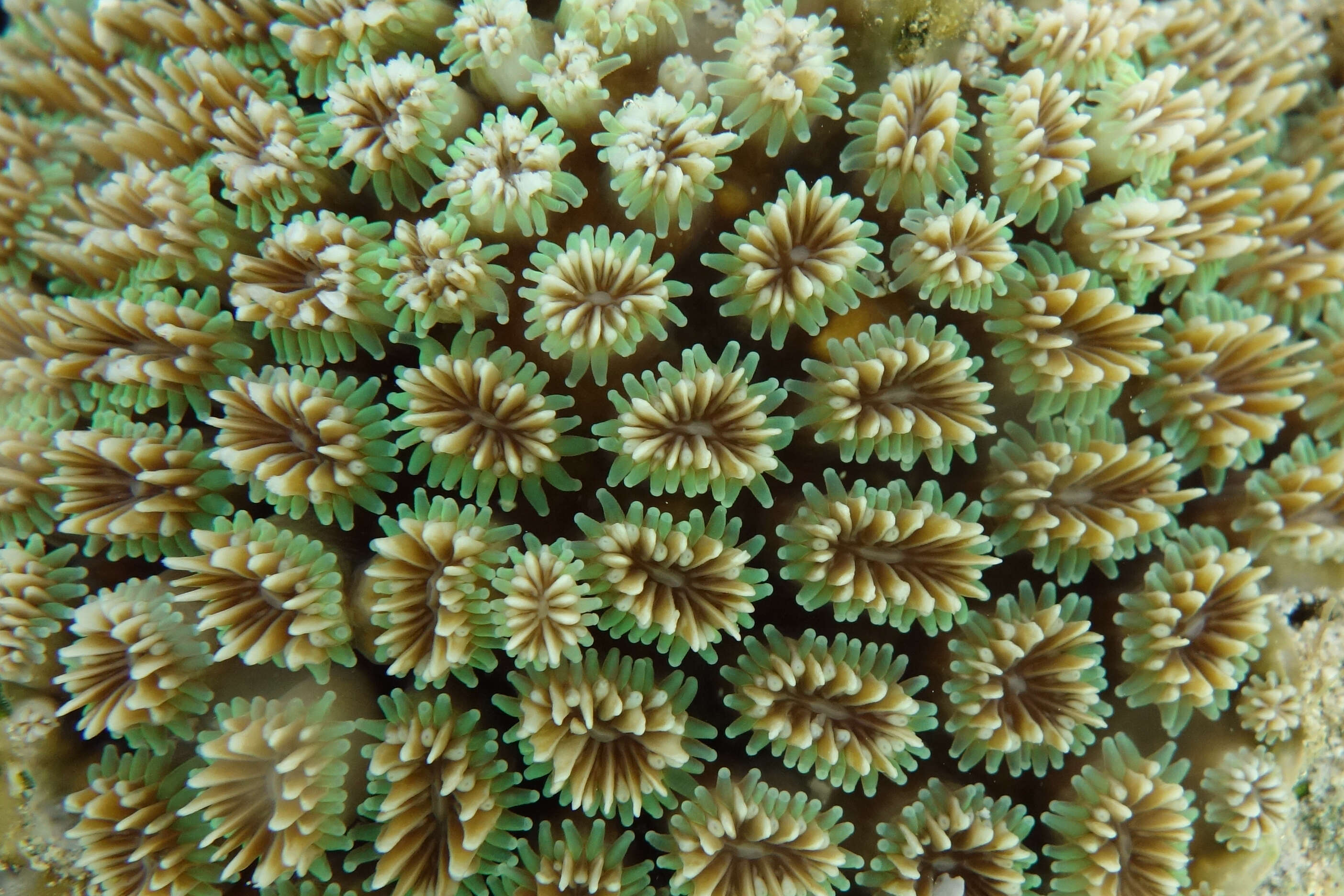
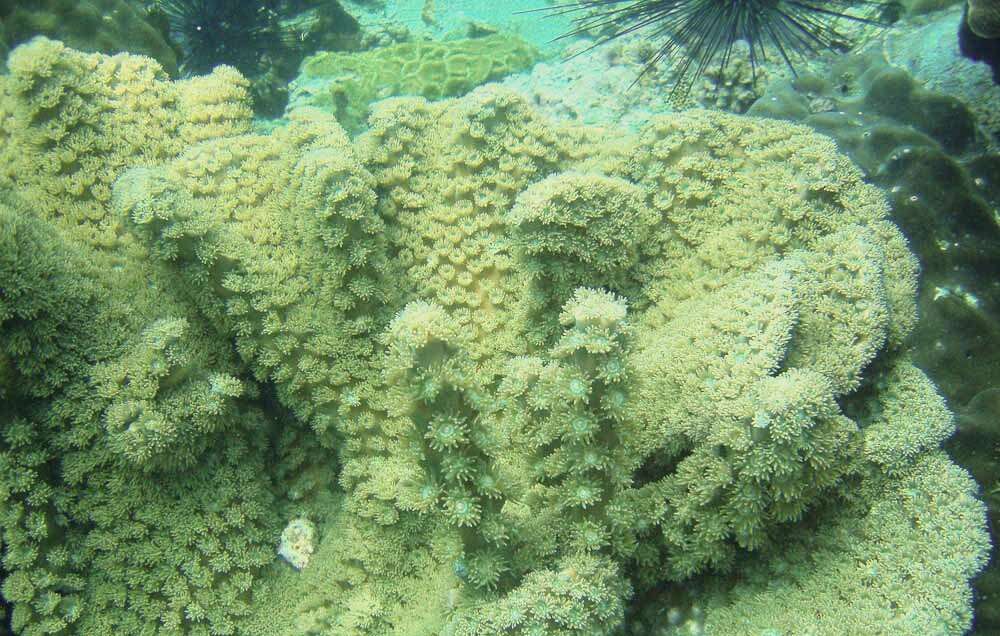
Galaxea fascicularis (Linnaeus, 1767) (Octopus coral)
zooxanthellate
Pavona frondifera Lamarck, 1816 (Leaf coral)
zooxanthellate
Pavona venosa (Ehrenberg, 1834) (Leaf coral)
zooxanthellate
Pachyseris gemmae Nemenzo, 1955 (Serpent coral)
zooxanthellate
Turbinaria peltata (Esper, 1794) (Disc coral)
zooxanthellate
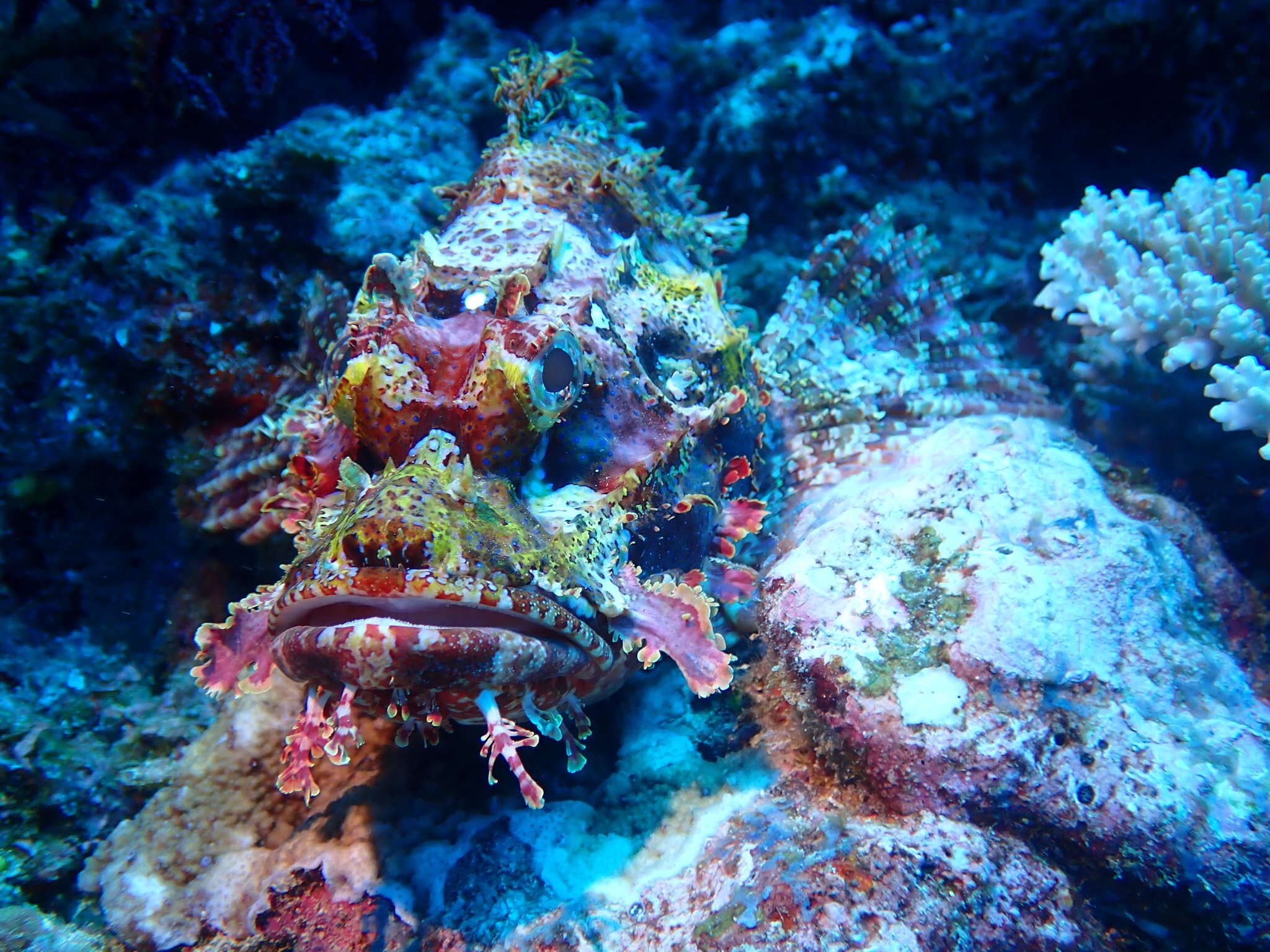
Scorpaenopsis papuensis (Cuvier, 1829) (Papuan scorpionfish)
Found in coral and rocky areas to depths over 40 m ; also in coastal sand slopes, estuaries and lagoons, often in algae covered rubble zones .
Parascorpaena aurita (Rüppell, 1838) (golden scorpionfish)
Max. length .
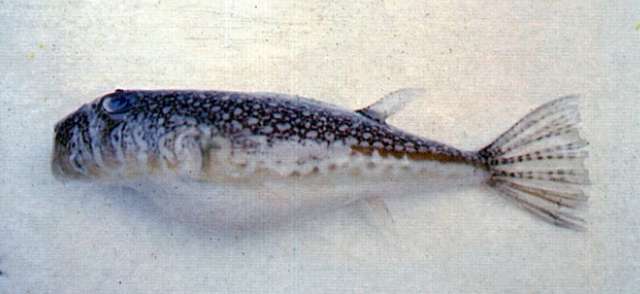
Canthigaster coronata (Vaillant & Sauvage, 1875) (Crowned puffer)
Found mostly below depths of 23 m, but occasionally seen in as little as 6 m . Benthopelagic . Usually found on sand or sand and rubble bottom or algal flats, often in the vicinity of coral reefs . Feed on a wide variet...
Read More
Read More
Torquigener hypselogeneion (Bleeker, 1852) (Orange-spotted toadfish)
Inhabits small loose groups on shallow coastal sand flats and in estuaries. Often sleeps during the day by burrying itself under the sand with just eyes exposed .
Chrysogorgia flexilis (Wright & Studer, 1889)
Chromonephthea grasshoffi van Ofwegen, 2005
Stephanogorgia diomedea Bayer & Muzik, 1976
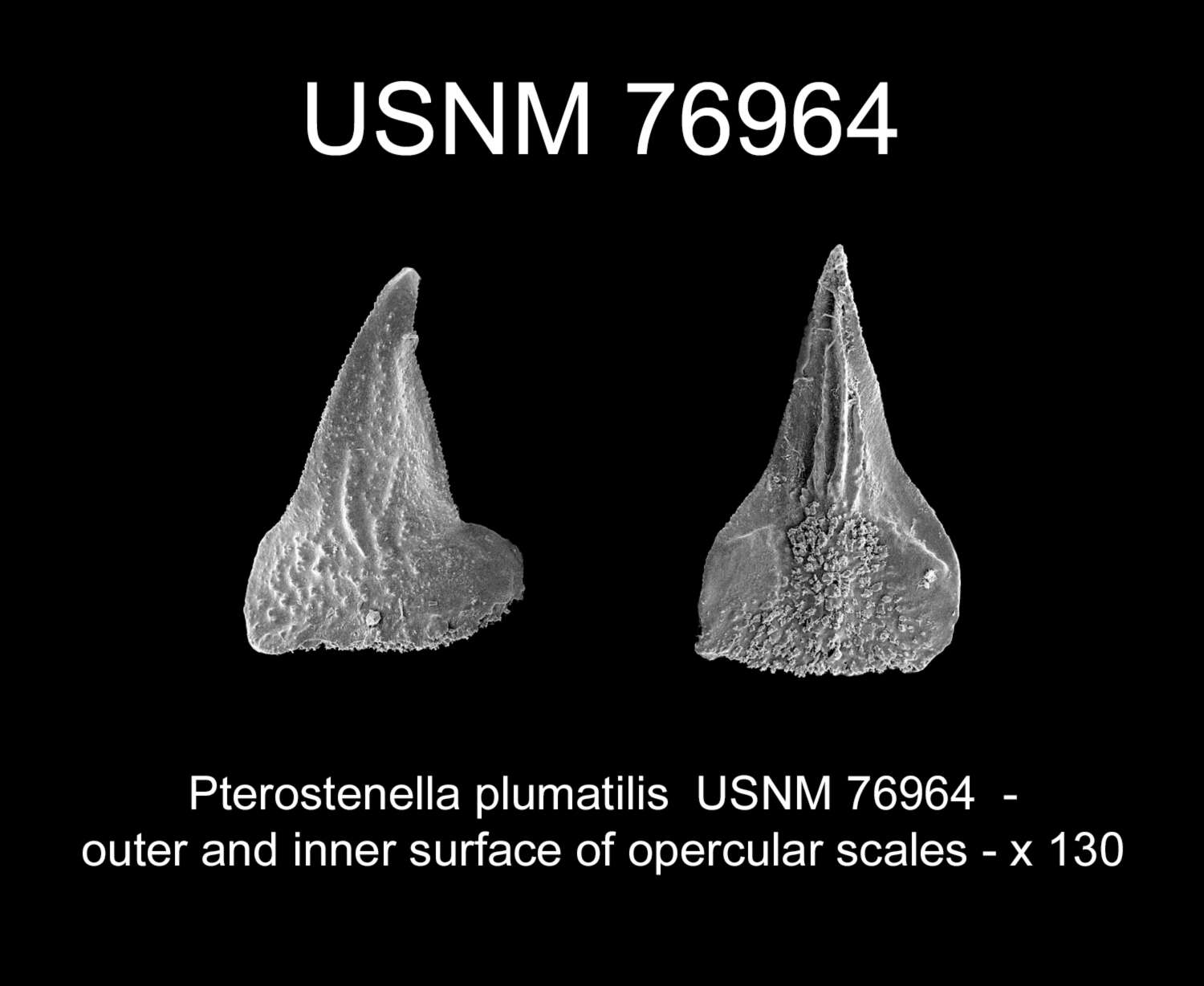
Pterostenella plumatilis Milne Edwards, 1857
Amphiprion percula (Lacepède, 1802) (Orange clownfish)
Inhabits lagoon and seaward reefs . Each group of fish consists of a breeding pair and 0-4 non-breeders. Within each group there is a size-based hierarchy: the female is largest, the male is second largest, and the non-...
Read More
Read More
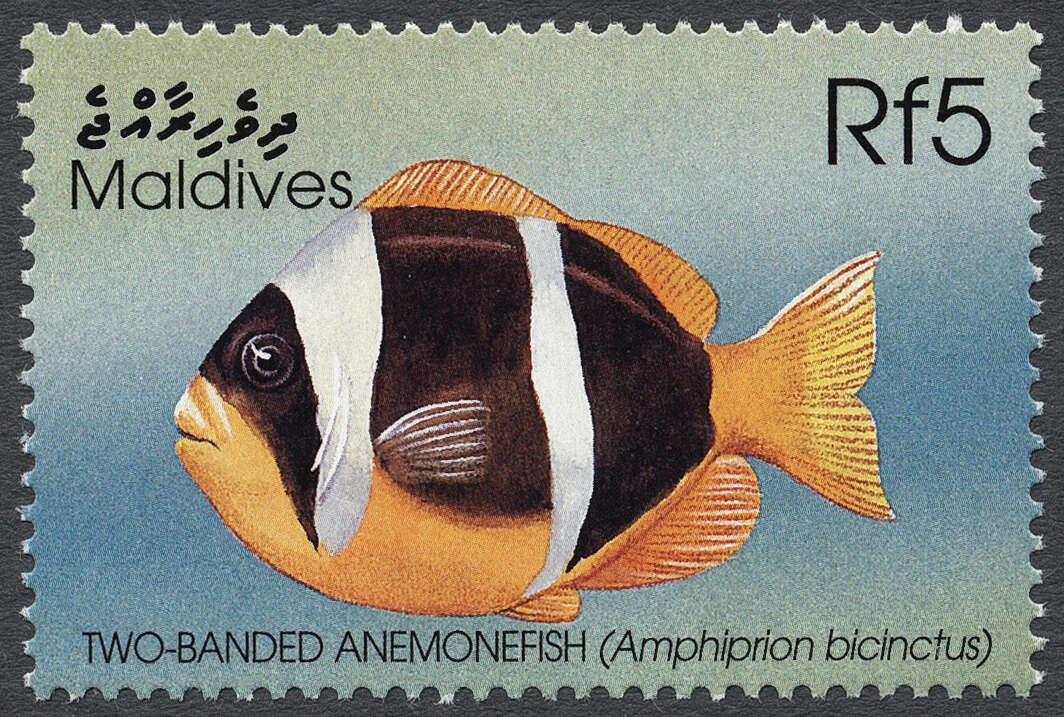
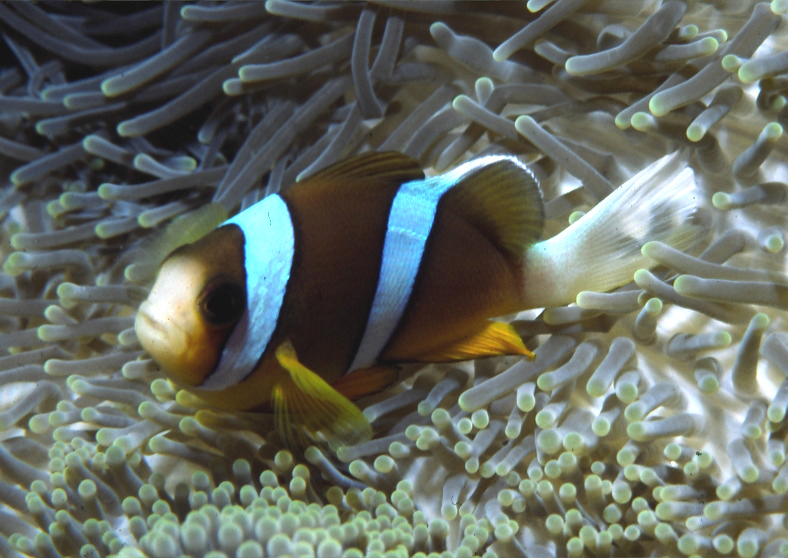
Amphiprion bicinctus Rüppell, 1830 (threebanded anemonefish)
Inhabits lagoons and outer reefs. Oviparous, with elliptical eggs . Monogamous . Has been reared in captivity . Associated with the anemones: Entacmaea quadricolor, Heteractis aurora, Heteractis crispa, Heteractis magnifica, and Stichodactyla gigantea .
Amphiprion clarkii (Bennett, 1830) (Brown anemonefish)
Inhabits lagoons and outer reef slopes. Omnivorous. Oviparous, with elliptical eggs . Monogamous . Has been reared in captivity . Associated with the anemones: Cryptodendrum adhaesivum, Entacmaea quadricolor, Heterac...
Read More
Read More
Premnas biaculeatus (Bloch, 1790) (Spinecheek anemonefish)
Inhabits lagoon and seaward reefs , found mainly in protected coastal waters and lagoons. Typically found in pairs in which males are much smaller than females . Feeds primarily on zooplankton and benthic algae . Has been reared in captivity . Associated with the anemone Entacmaea quadricolor .
Amphiprion ocellaris Cuvier, 1830 (false clown anemonefish)
Share on Social Networks
- Facebook:

personalize your shared text as well as its destination (wall, page...) or send as a private message to a friend
- Twitter: Tweet personalize your tweet
- Google Plus:
Direct link to this dive
- Long link:
- Short link:


 We are participating today in the startup contest Techcrunch Disrupt. Support Diveboard by voting for us!
























































































1st dive, 2 dive day on Datu Budas
solo, multilevel
beautiful conditions, quiet reef at SDS house reef