


 Beachnutts


 Philippines
-
Nº84
 Date: 2023-06-11 - 01:20
-
 Max Depth: 22.3m Duration: 80mins
Dive Location

- Surface interval:93 mins
- Temp: Surf 28°C Bottom 28°C
- Dive type : Recreational, Reef, Photo
- Visibility: Average Water: Salt
Specific gear used
- BCD: Scubapro - Glide Plus
- Boots: Orca - Dive shoes
- Camera: Olympus - TG6
- Computer: Oceanic - OCS
- Fins: Scubapro - Jet Fins
- Knife: Scuba MAx - folding
- Lift bag: ScubaMax - SMB
- Mask: Promate - Scope
- Regulator: SEAC - Synchro
- Wet suit: Blue Ocean - Diveskin
- Weights: 3.2 kg
Dive reviews
| Overall review | ||
| Dive difficulty | ||
| Marine life quality |
Recent Divers in Samal island, Davao

Recent Pictures in Samal island, Davao
Dive Shop & Buddies
 Dive with Ton Ton Akuino
 Dive buddies:
Ton Ton,
Maeng
Dive buddies:
Ton Ton,
Maeng

Link to this spot:
- Spot:
- Country:
- Area:
- Body of water:
Dive Profile
- 1. Air
- 10L Aluminium 207 → 45 bar
- Average depth: 14.8m
Data provided by EOL.org






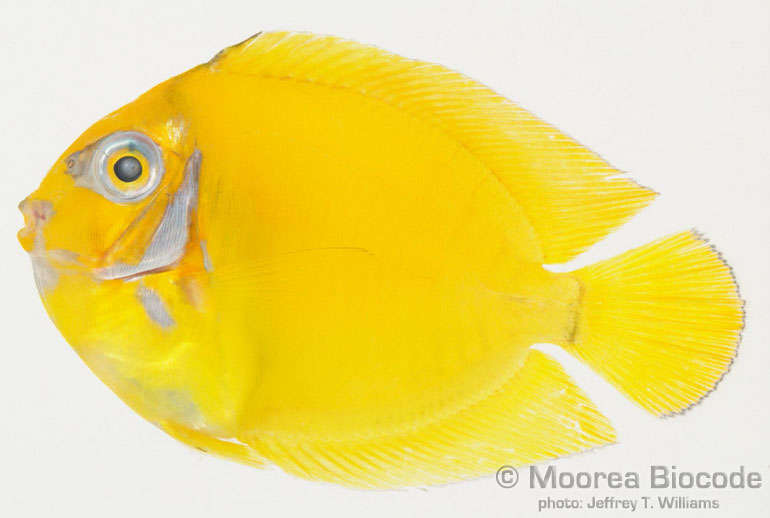
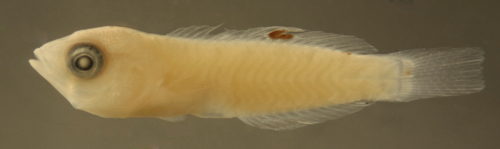
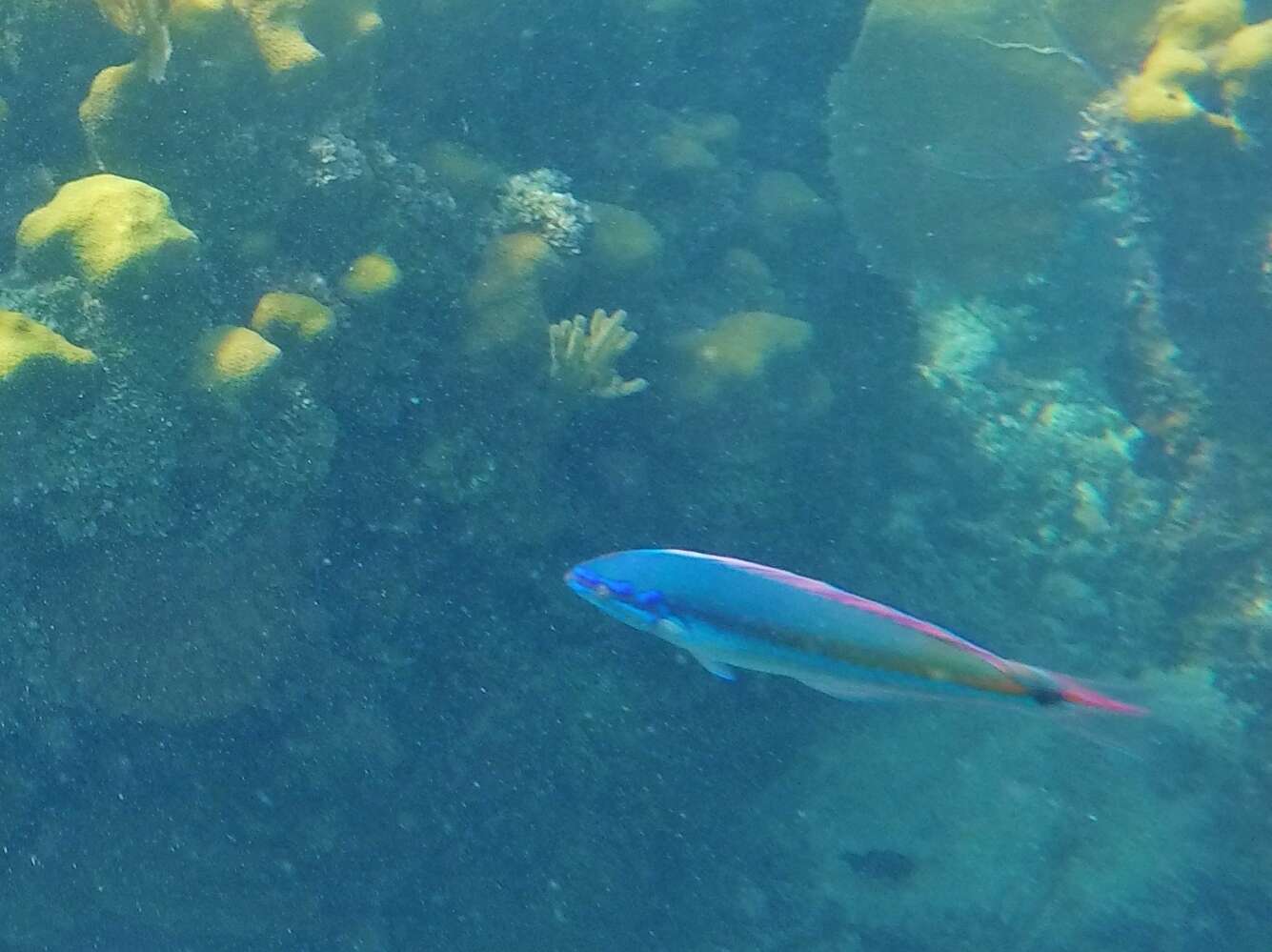

Species Identified
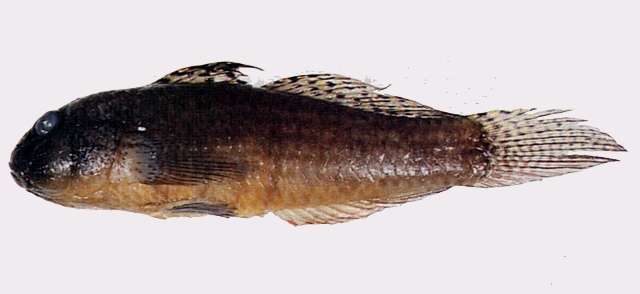
Exyrias puntang (Bleeker, 1851) (Puntang goby)
Inhabits muddy bottoms of shallow, turbid marine to brackish coastal inlets and estuaries. Also lives in shallow coastal waters, large tidal pools, mangroves, siltty lagoons and brackish lakes .
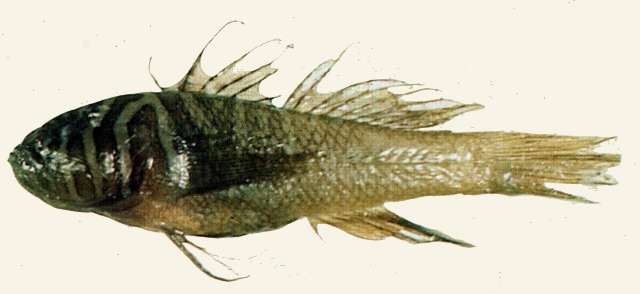
Priolepis semidoliata (Valenciennes, 1837) (Girdled goby)
Benthic in caves and crevices of seaward reefs .
Gobiosoma nudum (Meek & Hildebrand, 1928) (goby)
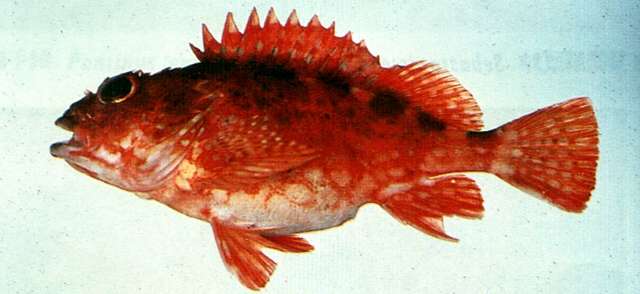
Sebastiscus marmoratus (Cuvier, 1829) (Filefish)
Found near shore, on rock bottom . Commercially cultured in Japan. Viviparous . Anterolateral glandular grooves with venom gland .
Cirripectes obscurus (Borodin, 1927) (Gargantuan blenny)
Occur in the surge zone of rocky and coral reefs . Benthic . Oviparous . Eggs are demersal and adhesive .
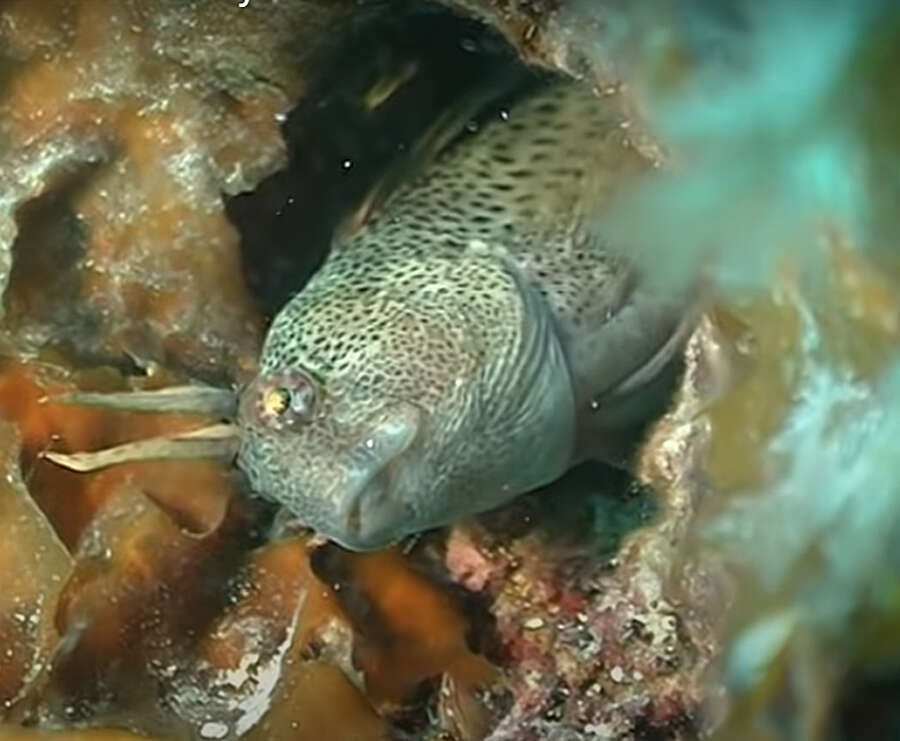
Parablennius tentacularis (Brünnich, 1768) (Tentacled blenny)
Adults occur over sandy bottoms with boulders and light vegetation. They hide in crevices where the nests are being guarded by the male . Oviparous . Eggs are demersal and adhesive .
Sparisoma aurofrenatum (Valenciennes, 1840) (Black parrot)
Inhabits coral reefs, young usually in adjacent seagrass beds. Often rests on the bottom . Feeds on plants. Solitary or in small groups. A protogynous hermaphrodite .
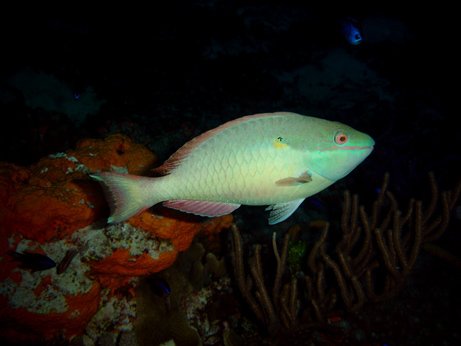
Scarus chameleon Choat and Randall, 1986 (Chameleon parrotfish)
Inhabits outer reef flats and exposed lagoon and seaward slopes from a depth of 3 to at least 30 m . Feeds mainly on algae . Females often in schools of mixed species when feeding, males usually seen separate .
Scarus coeruleus (Edwards, 1771) (Blue kwab)
Inhabits coral reefs. Juveniles found on Thalassia beds . Feeds on benthic plants and small organisms in the sand . Forms large spawning aggregations .
Scarus falcipinnis (Playfair, 1868) (Sicklefin parrotfish)
Inhabits steep seaward reef slopes to at least 20 m depth . Feeds on benthic algae. Also caught with nets, and other kinds of artisanal gear. Sold mostly fresh in markets.
Sparisoma axillare (Steindachner, 1878) (Gray parrotfish)
Occurs in oceanic islands, dwelling in coral, algal and rocky reefs and on algal beds .
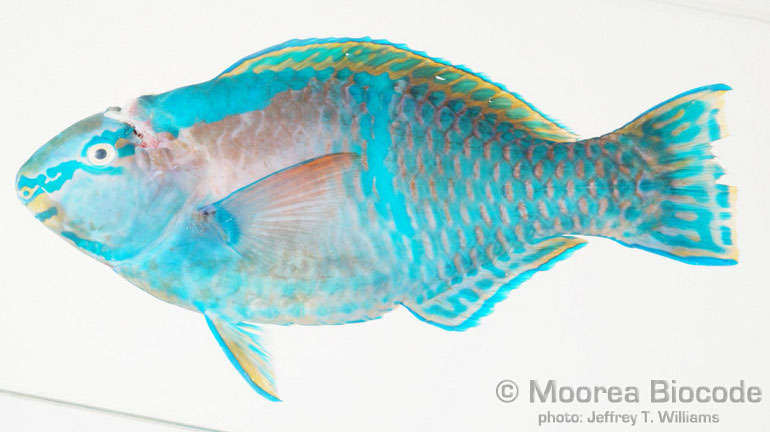
Scarus schlegeli (Bleeker, 1861) (Yellowband parrotfish)
Inhabits lagoon and seaward reefs from 1 to over 50 m depth. Adults are common in areas with rich coral and high vertical relief . Juveniles may school with other species. Form feeding aggregations on rubble and mixed r...
Read More
Read More
Sparisoma amplum (Ranzani, 1841) (Reef parrotfish)
Occurs in oceanic islands, dwelling mainly in shallow and turbulent areas on coral, algal and rocky reefs. Occurs in smaller groups in deeper habitats .
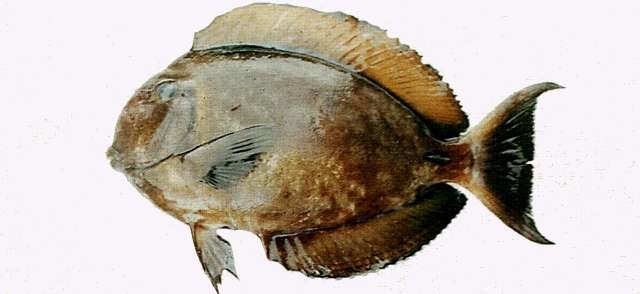
Acanthurus nigricans (Linnaeus, 1758) (backsurgeonfish)
Ctenochaetus marginatus (Valenciennes, 1835) (Striped-fin surgeonfish)
Acanthurus bariene Lesson, 1831 (Black-spot surgeonfish)
Occurs in clear seaward reef slopes, below 15 m, usually below 30 m . Adults mainly on deep coastal reef slopes and outer reef walls . Found singly or in pairs . Feeds on algal film on bare rocks . Juveniles found in shallow protected reefs, usually between soft coral, in 0.2-3 m depth .
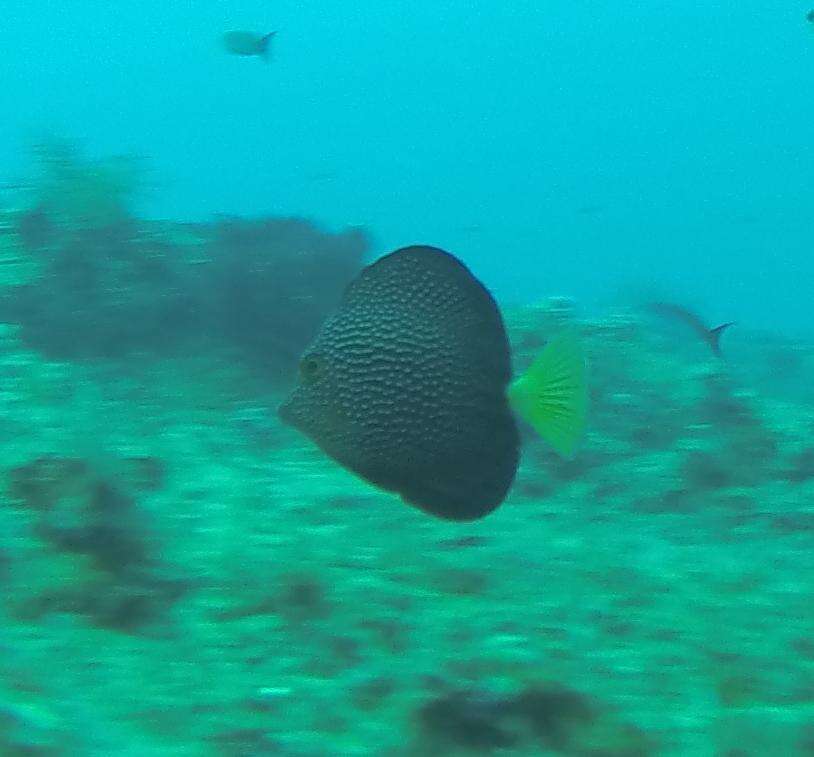
Zebrasoma gemmatum (Valenciennes, 1835) (Gem surgeonfish)
Inhabits coral and rocky reefs . Juveniles in shallow water . Extremely territorial and solitary .
Ctenochaetus striatus (Quoy and Gaimard, 1825) (Striated surgeonfish)
Inhabits reef flats and lagoon and seaward reefs to a depth of over 30 m. Occurs over coral , rock, pavement, or rubble substrates. May occur singly or in small to very large, often mixed-species aggregations . Feeds on...
Read More
Read More
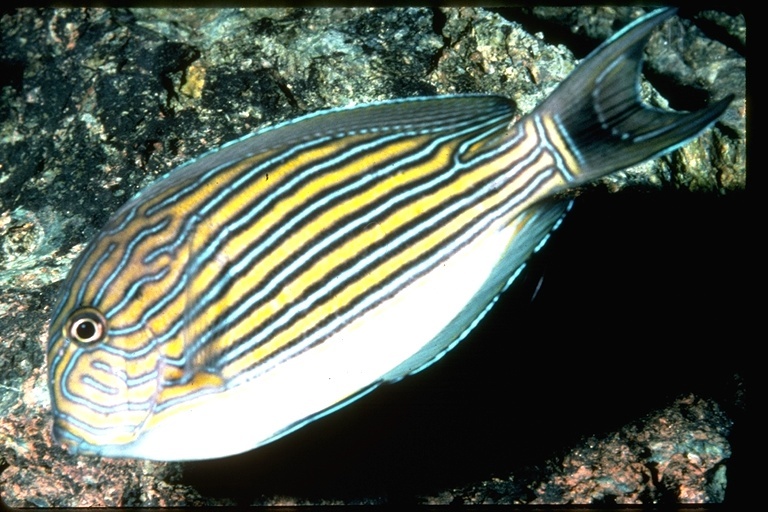
Acanthurus lineatus (Linnaeus, 1758) (Blue banded surgeonfish)
A territorial species which is common in surge zones of exposed seaward reefs. The large male controls well-defined feeding territories and harems of females . Benthopelagic . Adult usually forms schools and commonly f...
Read More
Read More
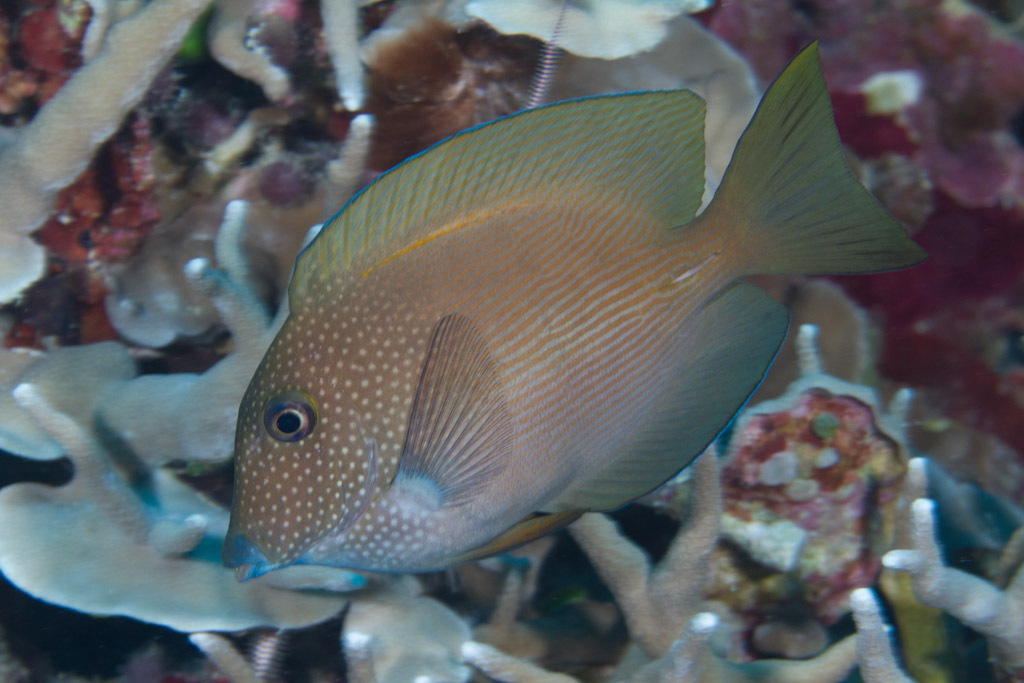
Acanthurus nigroris Valenciennes, 1835 (Bbuelined surgeonfish)
Inhabits clear lagoon and seaward reefs; often in areas with mixed coral, pavement, rubble and sand substrates . Benthopelagic . Occurs singly or in small groups . Feeds on filamentous algae, diatoms and fine algal film...
Read More
Read More
Acanthurus pyroferus Kittlitz, 1834 (Chocolate surgeonfish)
Occurs in lagoon and seaward reefs; prefers areas of mixed coral, rock, or sand at the base of reefs or ledges, Ref. 48637. Also on silty reefs . Found singly . Juveniles mimic Centropyge spp. , Ref. 48637. Presence of...
Read More
Read More
Halichoeres poeyi (Steindachner, 1867) (blackear wrasse)
Commonly found in clear seagrass beds; uncommon on reefs or muddy bays . A protogynous hermaphrodite . Generally of no interest to fisheries because of its small average size .
Halichoeres pictus (Poey, 1860) (painted wrasse)
Inhabits coral reefs, normally high above the bottom. Swims with worm-like movements. Feeds on various invertebrates. A protogynous hermaphrodite . Generally of no interest to fisheries because of its small average size .
Halichoeres semicinctus (Ayres, 1859) (rock wrasse)
Share on Social Networks
- Facebook:

personalize your shared text as well as its destination (wall, page...) or send as a private message to a friend
- Twitter: Tweet personalize your tweet
- Google Plus:
Direct link to this dive
- Long link:
- Short link:


 We are participating today in the startup contest Techcrunch Disrupt. Support Diveboard by voting for us!
























































































2nd dive 2 tanker Datu Budas, from Angel's Cove to Marisa
Drop in NE Bouy , swim to the right all the way around seamount mostly shallow 35-45ft, back to boat
multilevel
SI 93 mins 1:33
warm PC windy, rough chop on top
blowing silt and sand affecting viz>>>Habagat