


 Beachnutts


 Philippines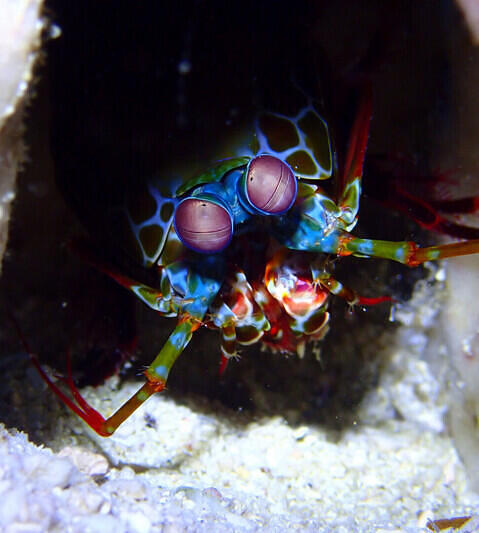
-
Nº167
 Date: 2025-03-09 - 10:05
-
 Max Depth: 19.5m Duration: 84mins
Dive Location

- Temp: Surf 26°C Bottom 26°C
- Dive type : Recreational, Drift, Reef, Photo
- Visibility: Average Water: Salt
Specific gear used
- BCD: Scubapro - Glide Plus
- Boots: Orca - Dive shoes
- Camera: Olympus - TG6
- Computer: Oceanic - OCS
- Fins: Scubapro - Jet Fins
- Knife: Scuba MAx - folding
- Lift bag: ScubaMax - SMB
- Light: Sofirn - SD05
- Mask: Promate - Scope
- Regulator: SEAC - Synchro
- Wet suit: Blue Ocean - Diveskin
- Weights: 3.2 kg
Dive reviews
| Overall review | ||
| Dive difficulty | ||
| Marine life quality |
Recent Divers in Talikud Island, Davao

Recent Pictures in Talikud Island, Davao
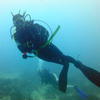
Dive Shop & Buddies
 Dive with Blake Auge
 Dive buddies:
Earnest Damaso,
Beachnutts
Dive buddies:
Earnest Damaso,
Beachnutts

Link to this spot:
- Spot:
- Country:
- Area:
- Body of water:
Dive Profile
- 1. Air
- 10L Aluminium 207 → 28 bar
- Average depth: 13m
Data provided by EOL.org
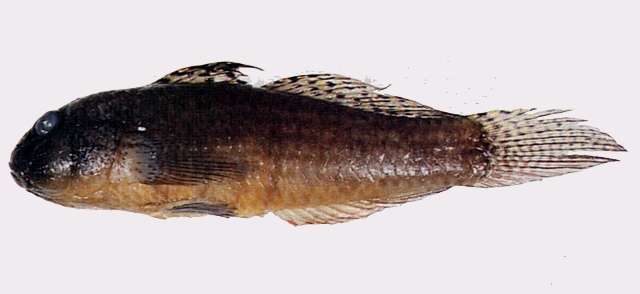
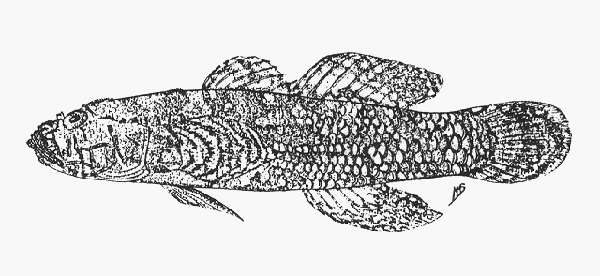
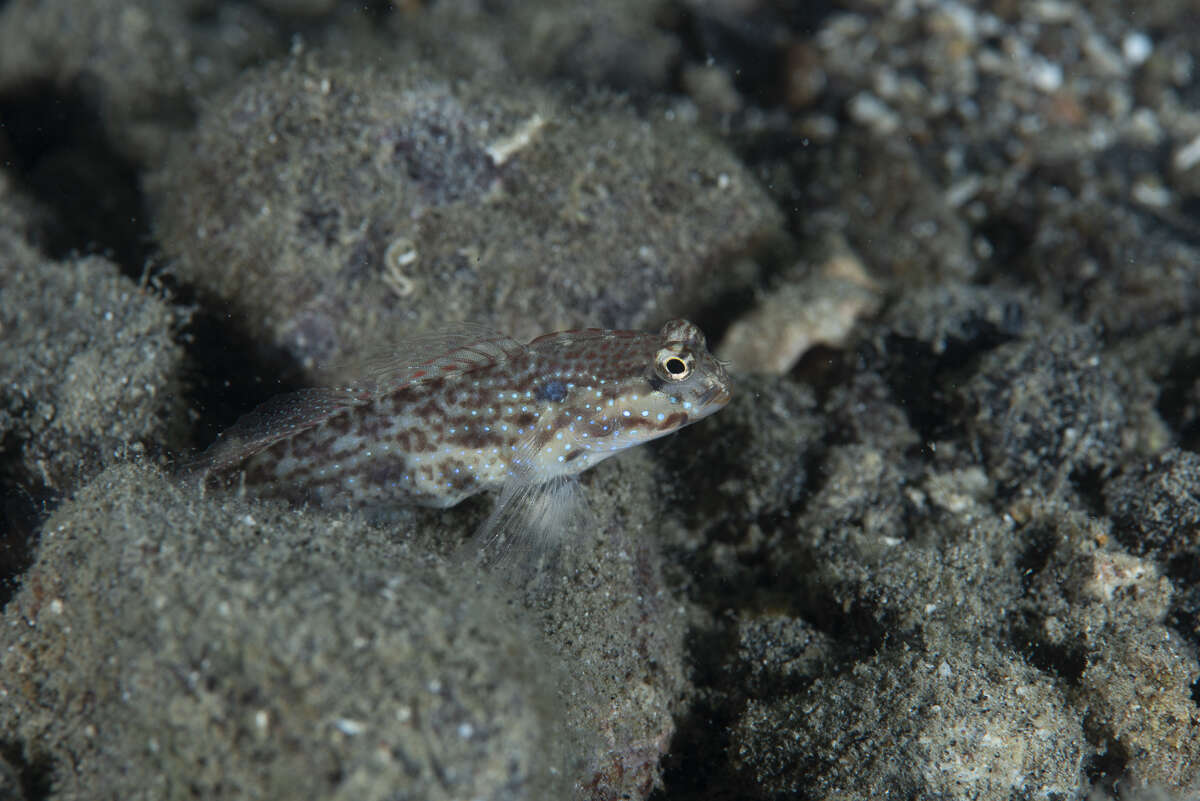










Species Identified
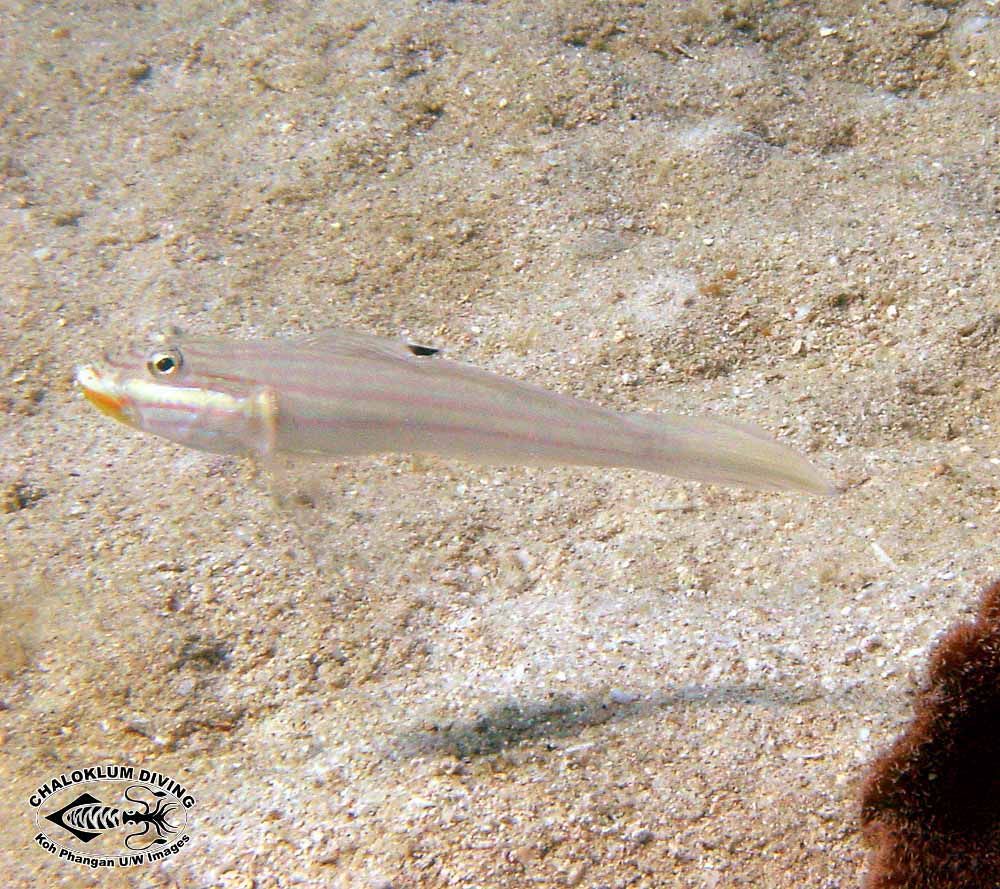
Exyrias puntang (Bleeker, 1851) (Puntang goby)
Inhabits muddy bottoms of shallow, turbid marine to brackish coastal inlets and estuaries. Also lives in shallow coastal waters, large tidal pools, mangroves, siltty lagoons and brackish lakes .
Callogobius flavobrunneus (Smith, 1958) (Slimy goby)
Gladiogobius ensifer Herre, 1933 (Gladiator goby)
Inhabits tide pools of sandy intertidal areas of lagoons, bays, and river mouths. Also lives in sheltered sandy bays and estuaries among rubble and in lagoons along edges of coral patches. Usually found in small loose groups .
Valenciennea muralis (Valenciennes, 1837) (Mural goby)
Inhabits shallow coastal sand and rubble flats, often near mangroves . Occur in areas of fine sand in shallow lagoon reefs. Adults occur in pairs while juveniles were often seen in small groups. Feed on small invertebra...
Read More
Read More
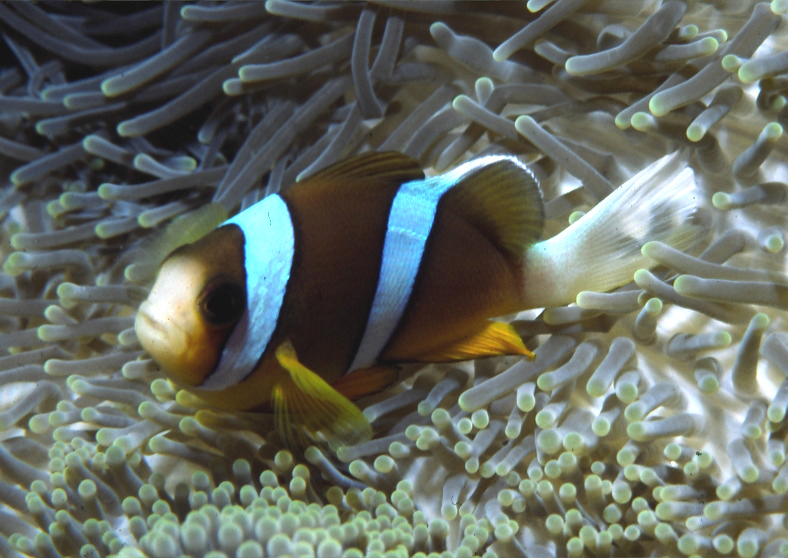
Amphiprion clarkii (Bennett, 1830) (Brown anemonefish)
Inhabits lagoons and outer reef slopes. Omnivorous. Oviparous, with elliptical eggs . Monogamous . Has been reared in captivity . Associated with the anemones: Cryptodendrum adhaesivum, Entacmaea quadricolor, Heterac...
Read More
Read More
Premnas biaculeatus (Bloch, 1790) (Spinecheek anemonefish)
Inhabits lagoon and seaward reefs , found mainly in protected coastal waters and lagoons. Typically found in pairs in which males are much smaller than females . Feeds primarily on zooplankton and benthic algae . Has been reared in captivity . Associated with the anemone Entacmaea quadricolor .
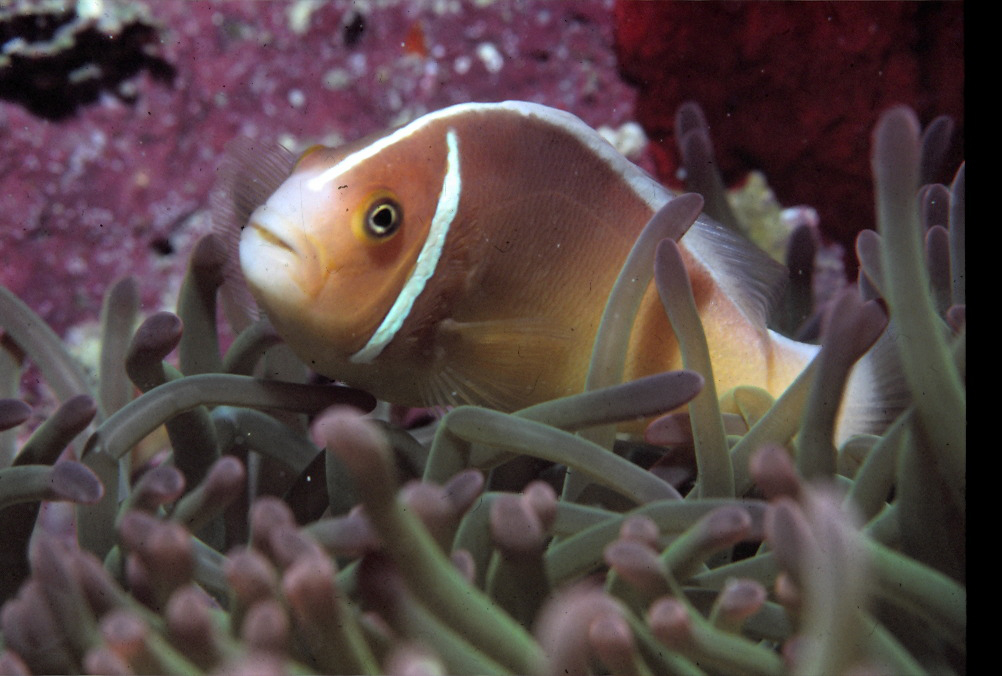
Amphiprion perideraion Bleeker, 1855 (False skunk-striped anemonefish)
Inhabits lagoon and seaward reefs . Mainly diurnal. Non-burrowing. Monogamous . A protandrous hermaphrodite . Associated with the anemones: Heteractis magnifica , Heteractis crispa, Macrodactyla doreensis, and Sticho...
Read More
Read More
Amphiprion ocellaris Cuvier, 1830 (false clown anemonefish)
Amphiprion percula (Lacepède, 1802) (Orange clownfish)
Inhabits lagoon and seaward reefs . Each group of fish consists of a breeding pair and 0-4 non-breeders. Within each group there is a size-based hierarchy: the female is largest, the male is second largest, and the non-...
Read More
Read More
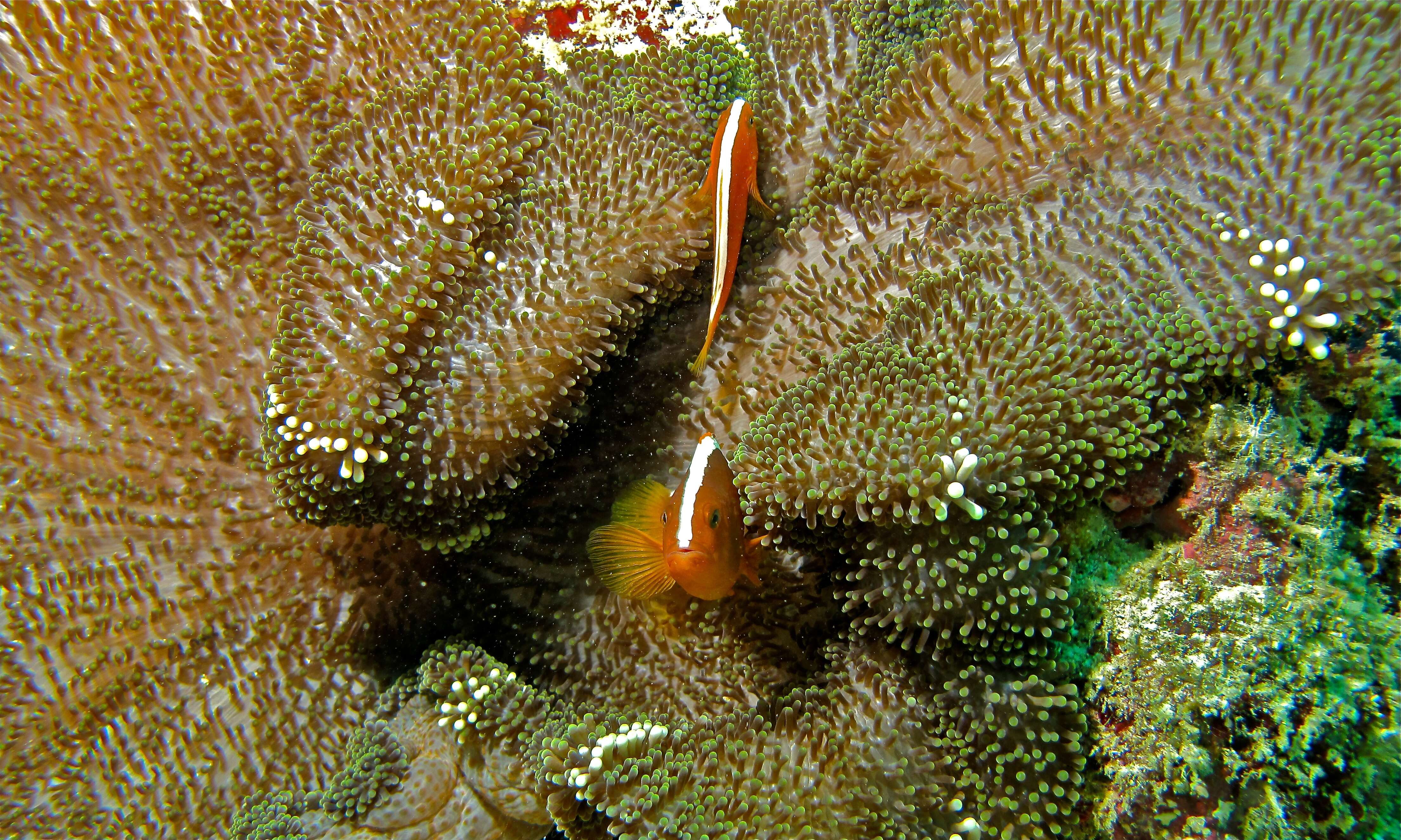
Amphiprion sandaracinos Allen, 1972 (Golden anemonefish)
Occurs in lagoon and outer reefs. Occurs in pairs and small groups . Monogamous . A protandrous hermaphrodite . Associated with the anemones: Heteractis crispa and Stichodactyla mertensii . Has been reared in captivity .
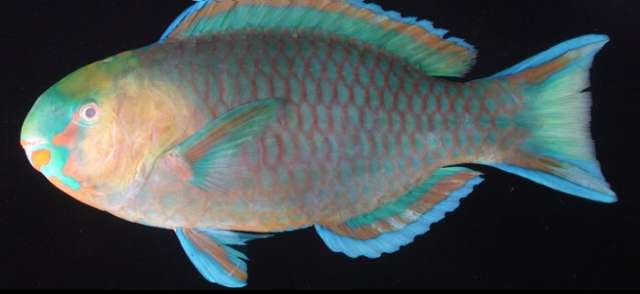
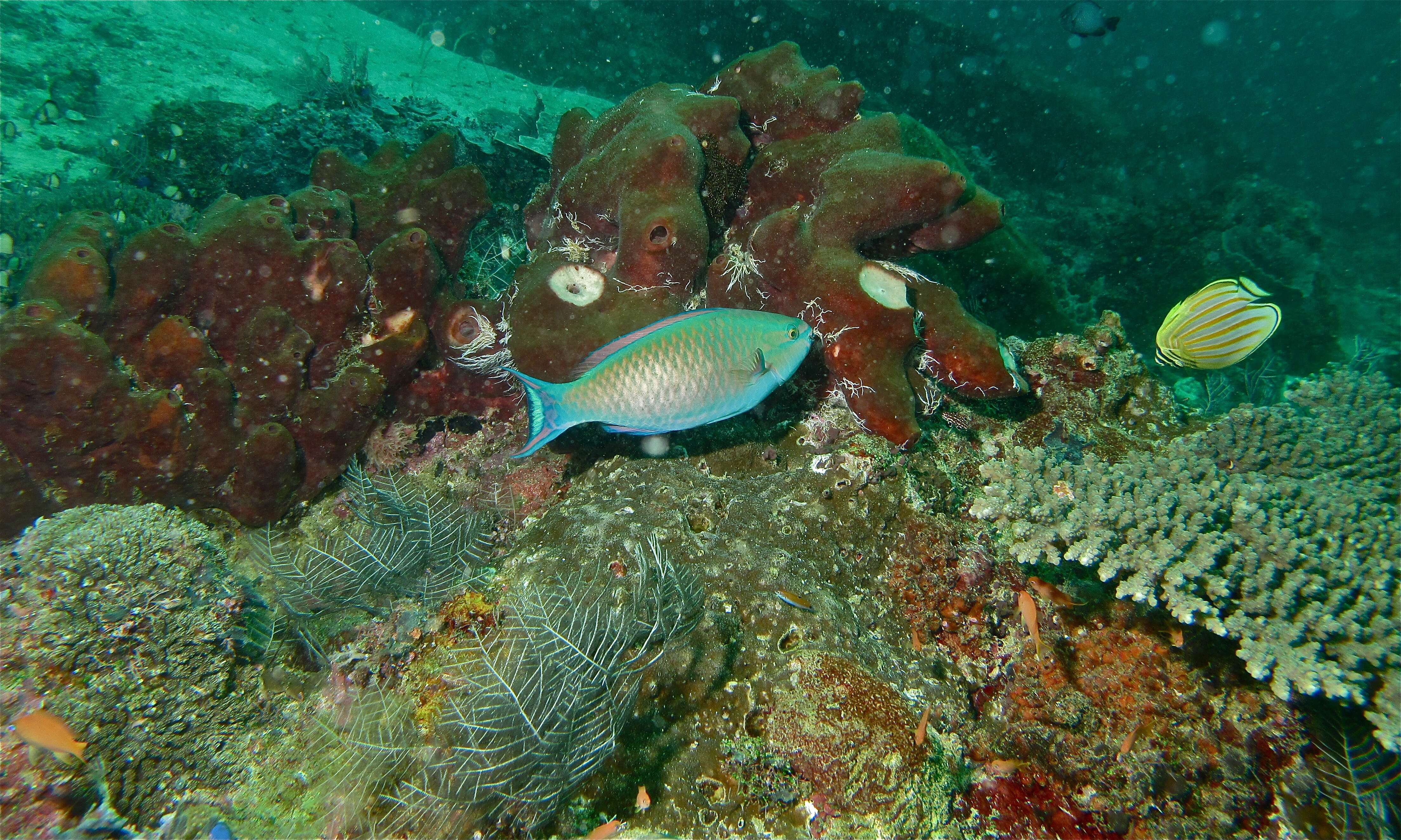
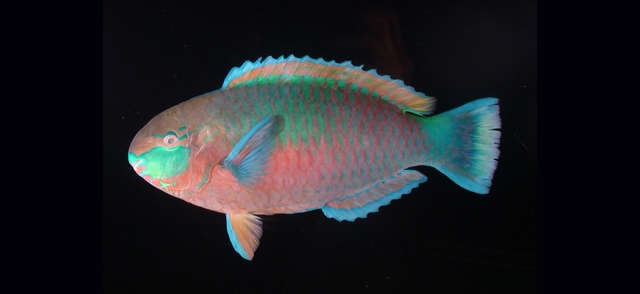
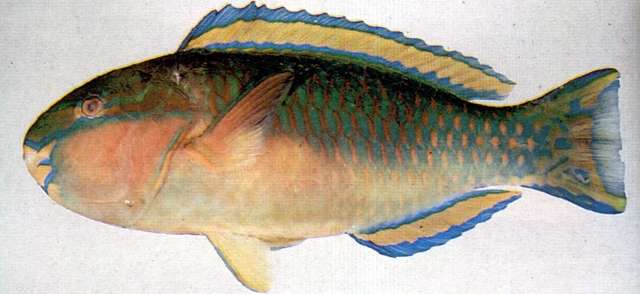
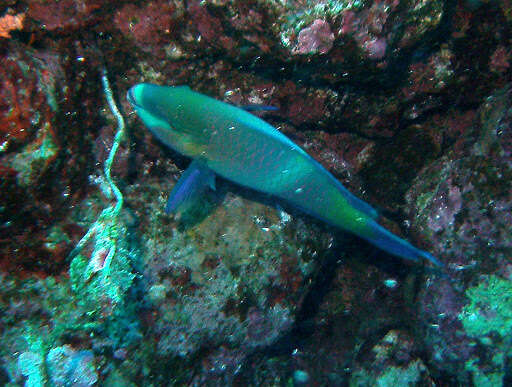
Scarus spinus (Kner, 1868) (Greensnout parrotfish)
Inhabits coral-rich areas of outer lagoon and seaward reefs . Usually solitary . Females usually in small groups with a male nearby; they may mix with females of similar species . An uncommon fish patchily distributed through much of its range.
Scarus tricolor Bleeker, 1847 (Tricolour parrotfish)
Inhabits lagoon and seaward reefs, in areas with dense coral growth up to at least 30 m. Usually solitary, sometimes in groups . Feeds on benthic algae .
Scarus quoyi Valenciennes, 1840 (Quoy's parrotfish)
Inhabits coral-rich areas of outer channels and seaward reefs . Occurs singly or in small groups over intertidal flats to graze on algae during high water mark .
Chlorurus japanensis (Bloch, 1789) (Palecheek parrotfish)
Inhabits seaward coral and rocky reefs ; inner reefs with rich coral habitat . Feeds on benthic algae . Caught mainly with traps, nets and other types of artisanal gear.
Chlorurus capistratoides (Bleeker, 1847) (Pink-margined parrotfish)
Found in clear coastal and inner reefs. Shallow coral and algae habitat. Usually mixes with other species when feeding .
Scarus ferrugineus Forsskål, 1775 (Rusty parrotfish)
Inhabits protected coral slopes . Individuals in the terminal phase form harems . Feeds mainly on benthic algae .
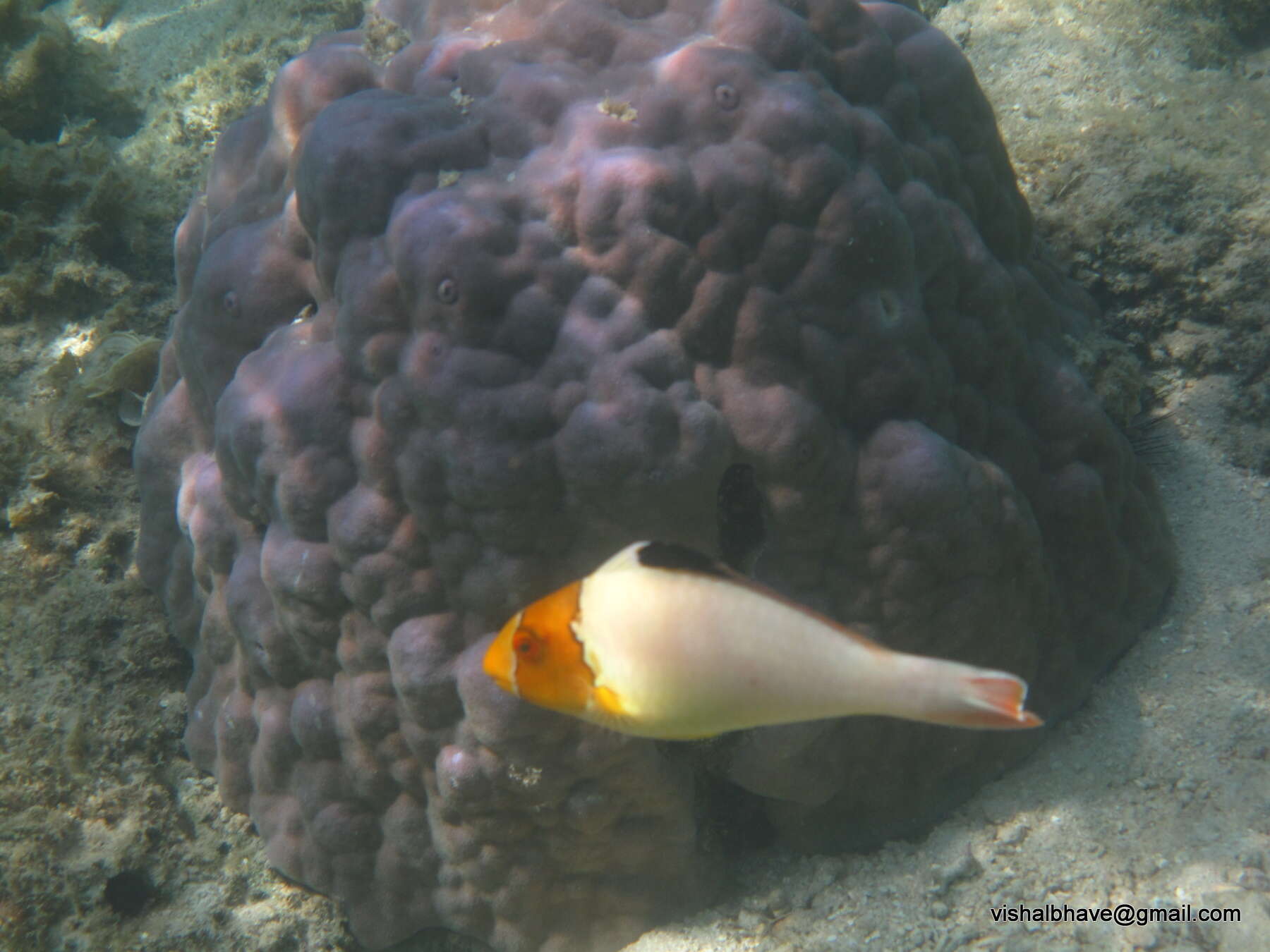
Cetoscarus bicolor (Rüppell, 1829) (Bicolour parrotfish)
Occurs in clear lagoon and seaward reefs . Juveniles usually solitary; adults form harems ; males are territorial. Goes to several changes during growth and very large females change sex to the brightly colored male. Sm...
Read More
Read More
Chlorurus troschelii (Bleeker, 1853) (Troschel's parrotfish)
Inhabits clear shallow seaward reefs, in areas with high coral cover .
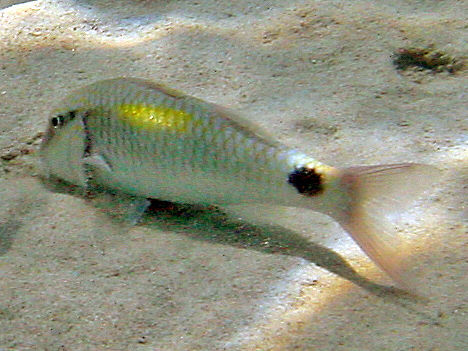
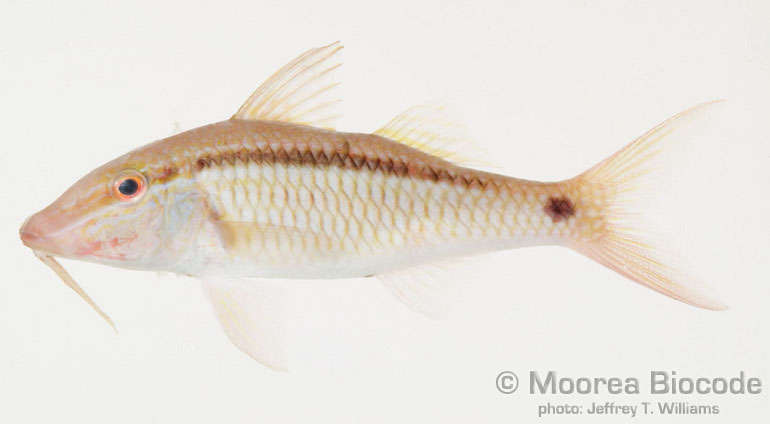
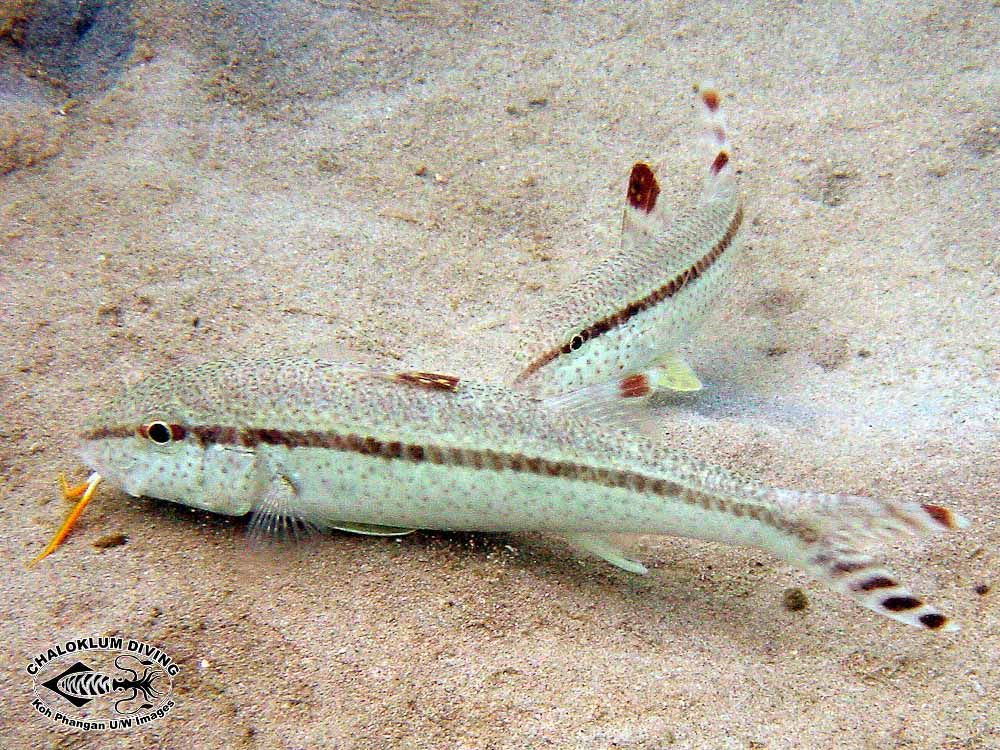
Parupeneus indicus (Shaw, 1803) (Indian goatfish)
Inhabit shallow sandy or silty areas of coastal and inner lagoon reefs . Occur singly or in schools . Large adults usually at moderate depths to about 30 m . Feed on benthic invertebrates; the diet including small crab...
Read More
Read More
Parupeneus barberinus (Lacepède, 1801) (Dash-and-dot goatfish)
One of the most abundant species of Parupeneus . Inhabits large sand patches as well as sand and rubble areas of reef flats, and lagoon and seaward reefs to a depth of about 100 m. Forages on sand-dwelling invertebrates ...
Read More
Read More
Upeneus tragula Richardson, 1846 (Freckled goatfish)
Found over sand and mud bottoms near coral reefs . Known to enter lower reaches of rivers. Generally solitary , but forms small to moderately large aggregations at all sizes . Minimum depth from Ref. 3470.
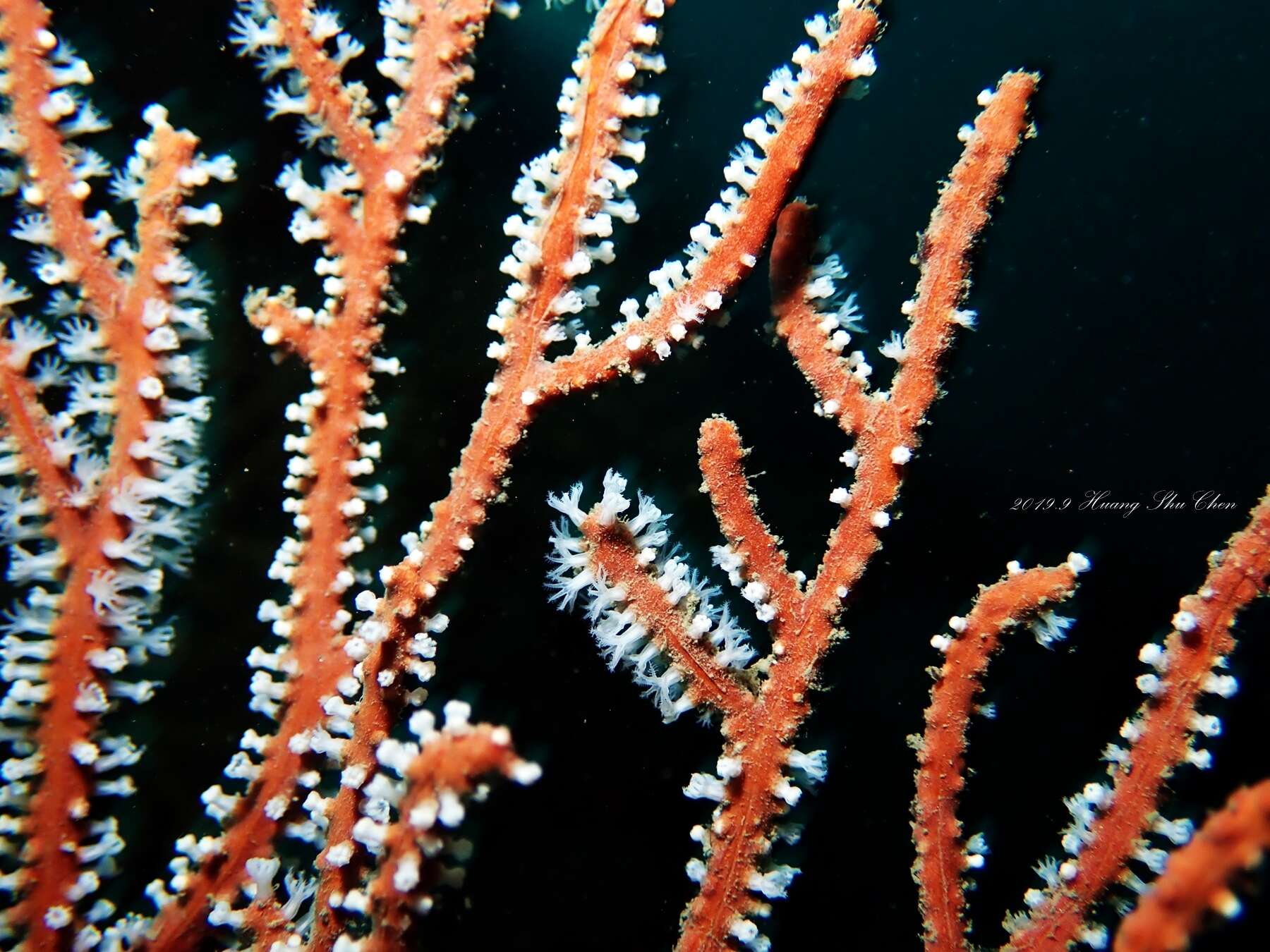
Subergorgia suberosa (Pallas, 1766)
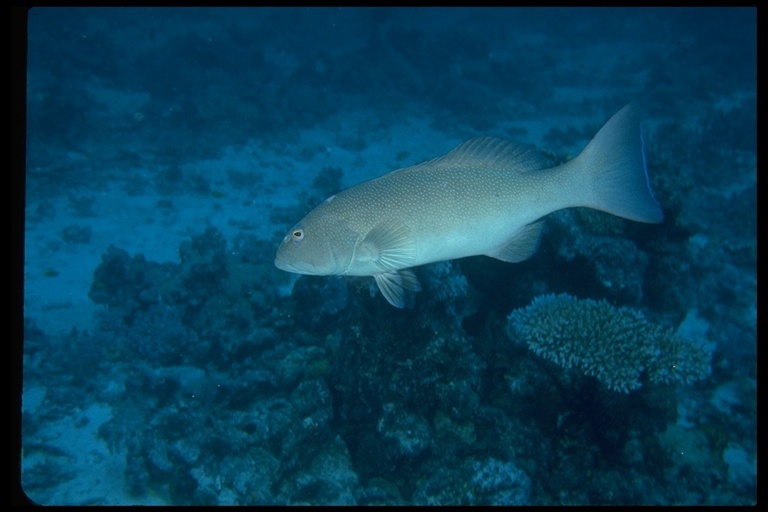
Epinephelus merra Bloch, 1793 (Dwarf spotted grouper)
Very common in shallow lagoon and semi-protected seaward reefs. Juveniles are common in thickets of staghorn Acropora corals. Feed on crustaceans and fishes. Increase of piscivory with age is observed in this species. ...
Read More
Read More
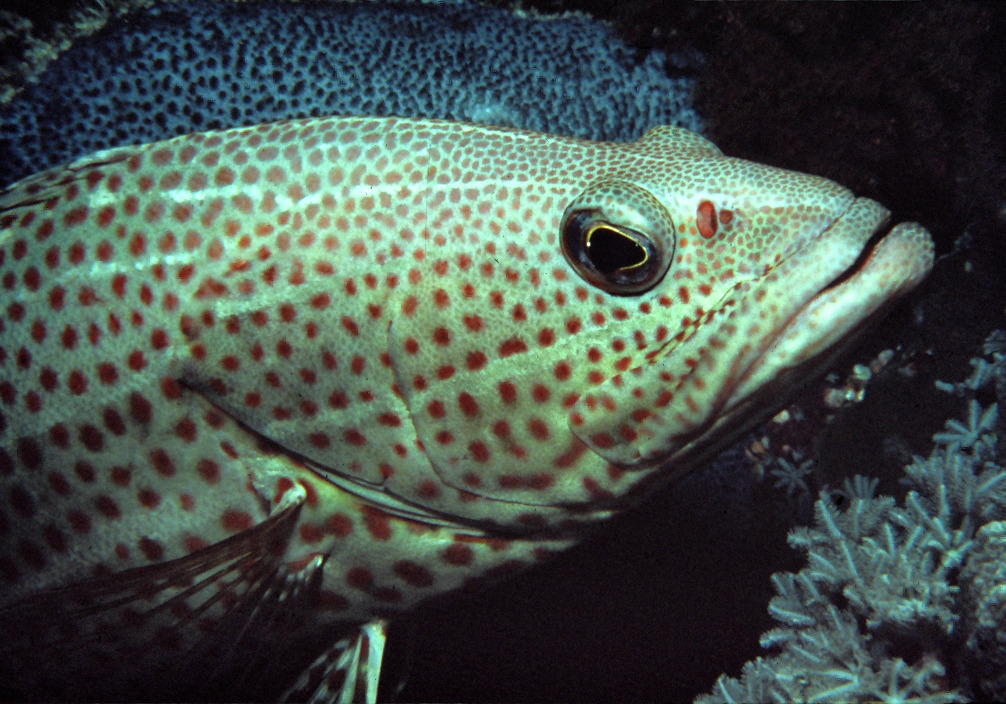
Cephalopholis leopardus (Lacepède, 1801) (red-spotted rock cod)
Occurs in coral-rich areas of lagoon pinnacles, channels, and outer reef slopes. Solitary , a secretive species, usually hiding in caves and crevices in the reefs. One of the smallest species of groupers known. Gut analysis revealed crustacean remains.
Plectropomus maculatus (Bloch, 1790) (Bar-cheeked trout)
Found in protected coastal reef in mixed algae and coral habitat . Common on inshore coastal reefs but absent in clear offshore reefs . Juveniles have a demersal existence in shallow water in reef habitats, especially ar...
Read More
Read More
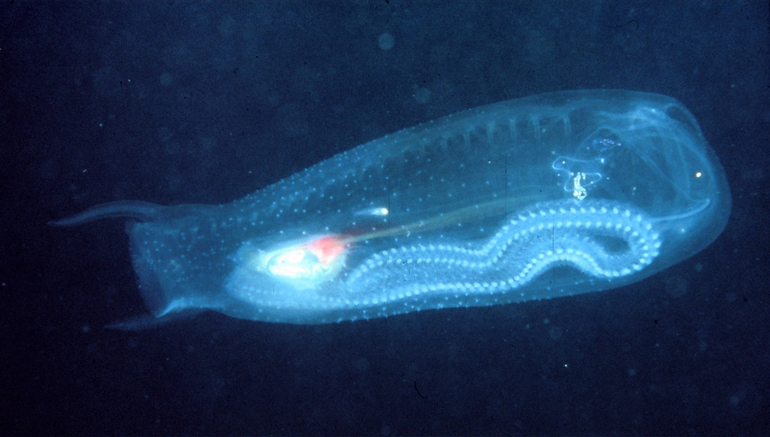
Thetys vagina Tilesius, 1802
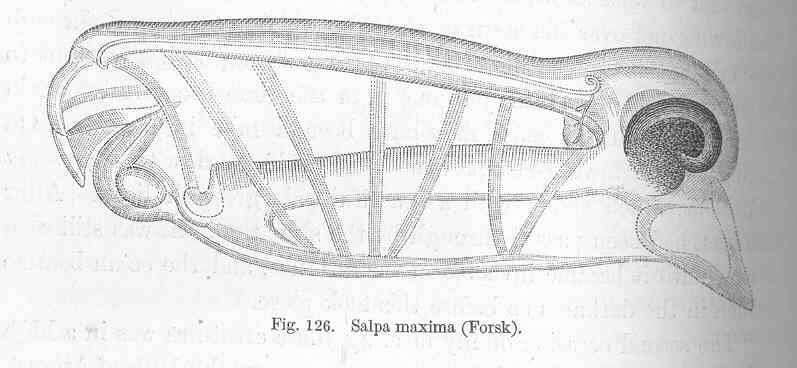
Salpa maxima Forskål, 1775
Pyrosoma atlanticum Péron, 1804
Heteractis crispa (Hemprich and Ehrenberg in Ehrenberg, 1834) (Leathery sea anemone)
Actinodendron arboreum (Quoy and Gaimard, 1833)
burrowing
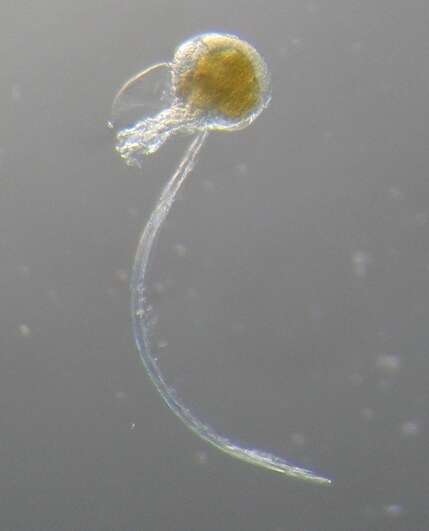
Appendicularia sicula Fol, 1874
Canthigaster valentini (Bleeker, 1853) (Valentinni's sharpnose puffer)
Arothron nigropunctatus (Bloch & Schneider, 1801) (Blackspotted puffer)
Inhabit coastal to outer reef crest and slopes with rich invertebrate growth. Adults often in pairs . Feed on corals , crustaceans, mollusks, sponges, tunicates and algae . Generally common .
Share on Social Networks
- Facebook:

personalize your shared text as well as its destination (wall, page...) or send as a private message to a friend
- Twitter: Tweet personalize your tweet
- Google Plus:
Direct link to this dive
- Long link:
- Short link:


 We are participating today in the startup contest Techcrunch Disrupt. Support Diveboard by voting for us!
























































































1st dive two-tanker aboard datu Budas. Cloudy, rainy, some breeze and small chop. Humid, cooler
Drop in Point Rock dadatan, swim East but annoying current, switch back swim/ drift to Angel's Cove mosly in shallows, not much to spot. Back to boat, mostly solo.
multilevel