


 Beachnutts



 Philippines
-
Nº106
 Date: 2023-10-21 - 09:54
-
 Max Depth: 22.3m Duration: 82mins
Dive Location

- Temp: Surf 26°C Bottom 26°C
- Dive type : Recreational, Reef, Photo
- Visibility: Good Water: Salt
Specific gear used
- BCD: Scubapro - Glide Plus
- Camera: Olympus - TG6
- Computer: Oceanic - OCS
- Fins: Atomic Aquatics - Blade Fins
- Knife: Scuba MAx - folding
- Lift bag: ScubaMax - SMB
- Light: Sofirn - SD05
- Mask: Promate - Scope
- Regulator: Aqualung - Legend
- Wet suit: Blue Ocean - Diveskin
- Weights: 3.2 kg
Dive reviews
| Overall review | ||
| Dive difficulty | ||
| Marine life quality |
Dive Shop & Buddies
 Dive buddies:
Mike Tacansan,
Max,
Cesar

Link to this spot:
- Spot:
- Country:
- Area:
- Body of water:
Dive Profile
Data provided by EOL.org







Species Identified
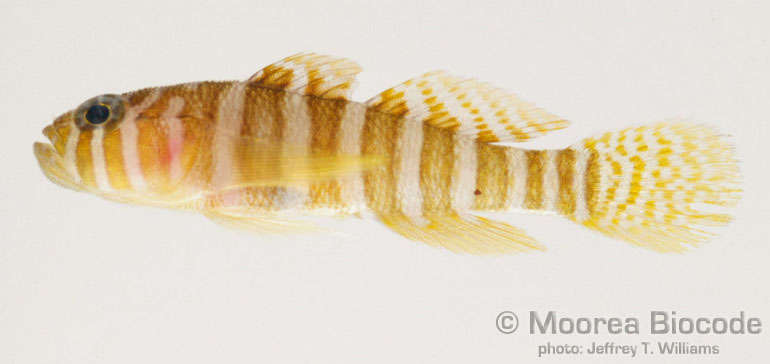
Priolepis cinctus (Regan, 1908) (Girdled goby)
Pleurosicya mossambica Smith, 1959 (Toothy goby)
Lives among soft coral, sponges, Tridacna, and broad-blade plants . Also inhabits coastal bays and reef slopes, found on a variety of host and also on algae from very shallow to at least 30 meters .
Callogobius sclateri (Steindachner, 1879) (Pacific goby)
Found in crevices and caves , usually under loose debris .
Calumia profunda Larson & Hoese, 1980 (珊瑚巧塘鳢)
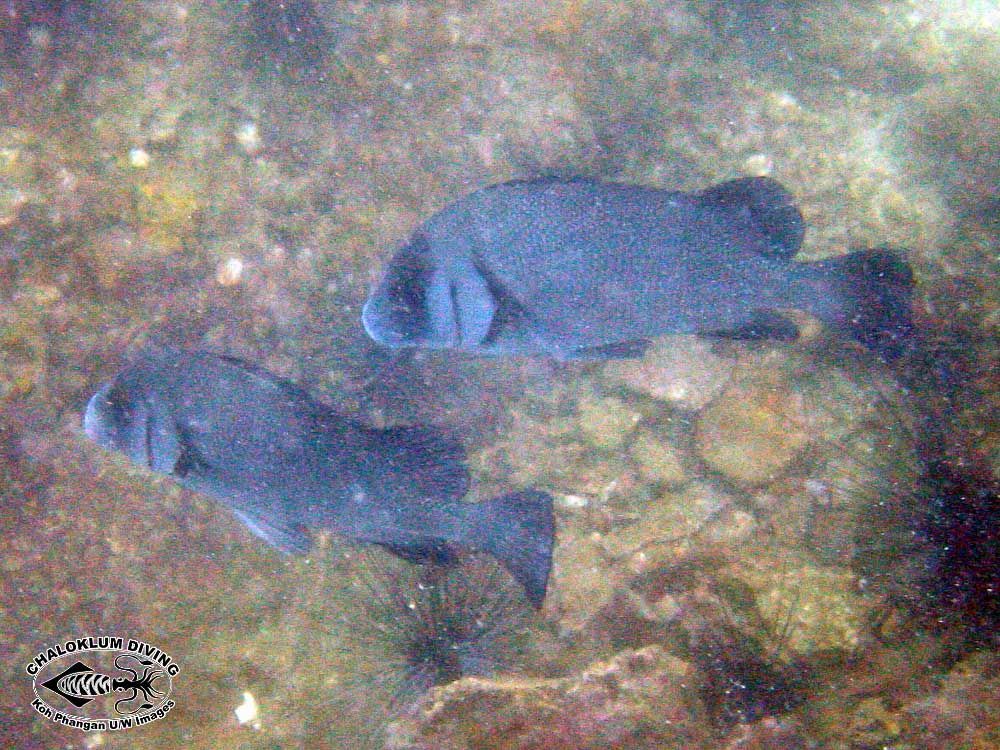
Plectorhinchus nigrus (Cuvier, 1830) (Grunt)
Pardachirus pavoninus (Lacepède, 1802) (peacock sole)
Occurs on sand and mud bottoms of lagoon and seaward reefs . Burries itself in the sand . Feeds mainly on benthic invertebrates, especially small crustaceans . Extract from sac under the skin is toxic and the mucus appears to have shark-repellent qualities.
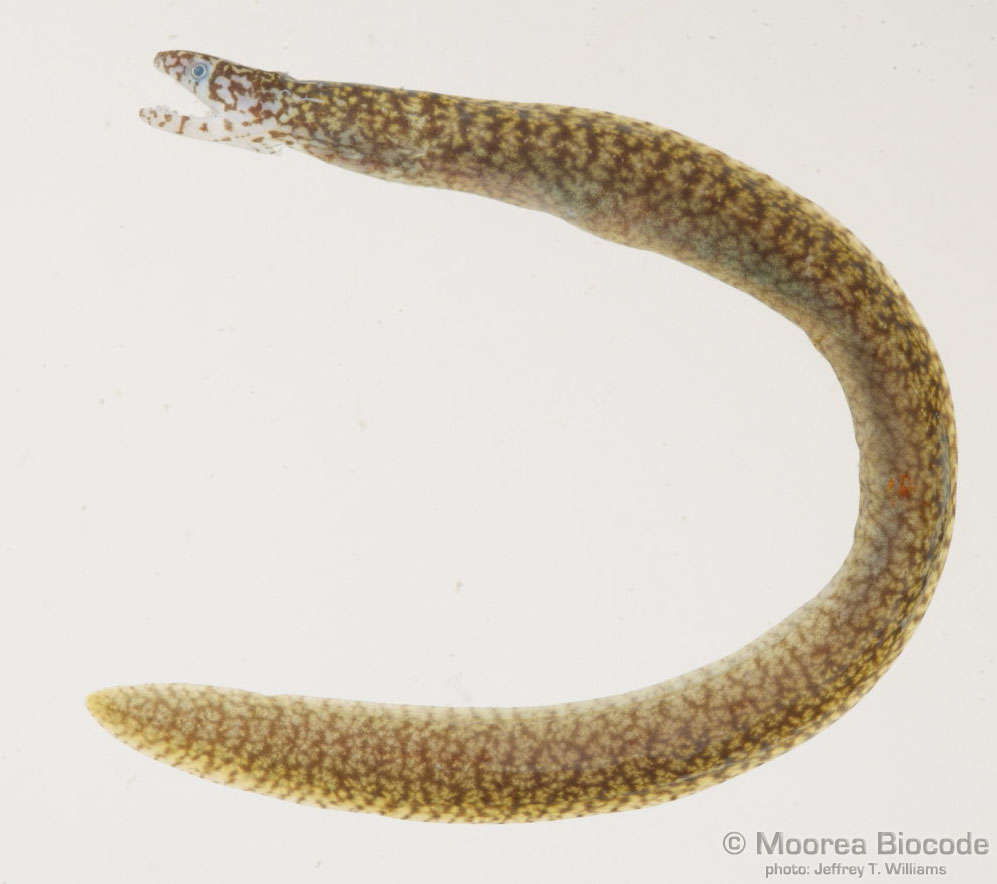
Gymnothorax richardsonii (Bleeker, 1852) (Little moray)
Inhabits shallow lagoons and seaward reefs. Often under large, loose dead coral pieces .
Gymnothorax pictus (Ahl, 1789) (Moray)
Adults inhabit reef flats and rocky intertidal shorelines. Feed on small fishes and crustaceans, sometimes leaving the water in pursuit of prey . Benthic . Simultaneous hermaphroditism is confirmed for this species . Caught with various nets .
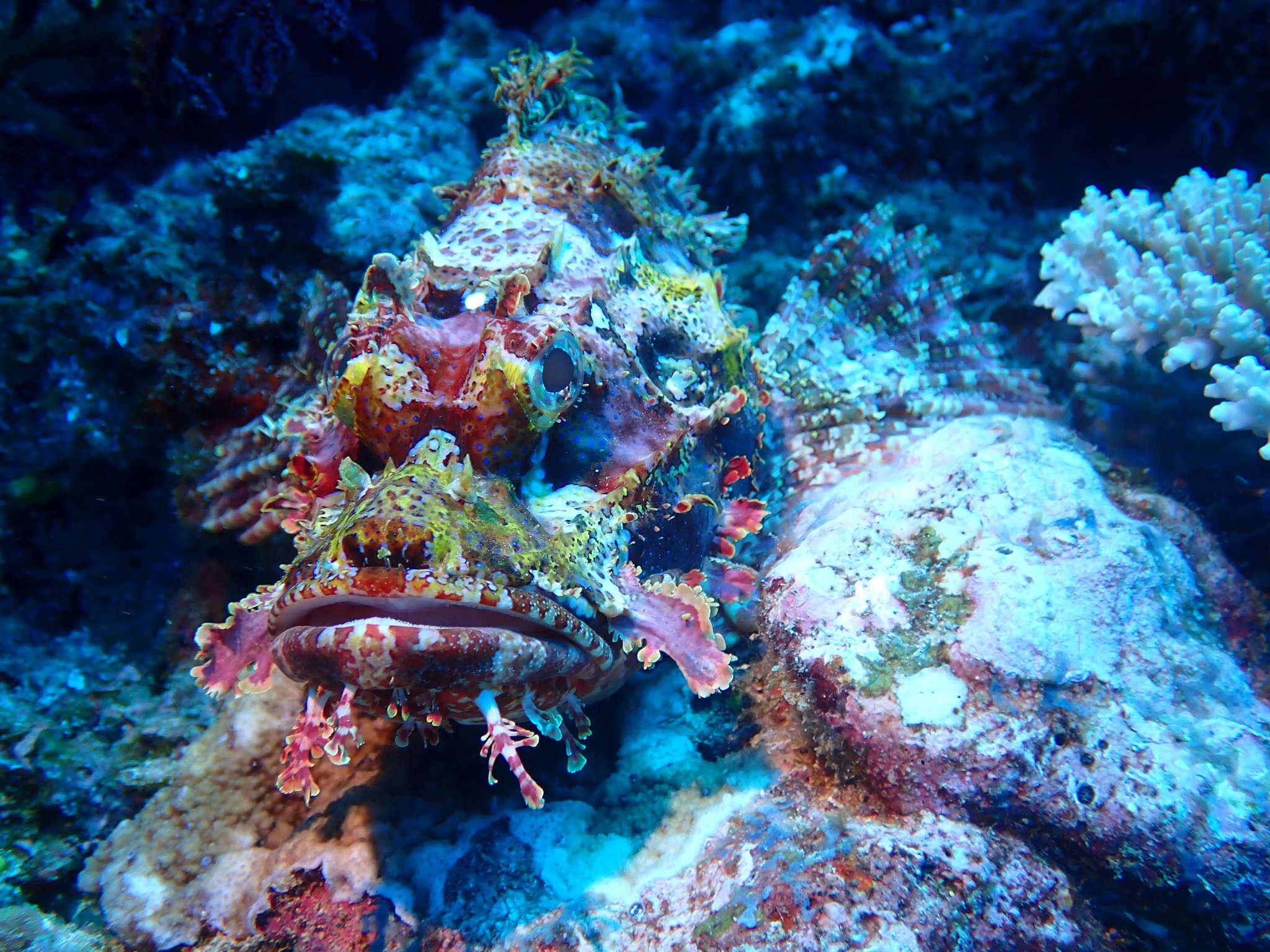
Scorpaenopsis papuensis (Cuvier, 1829) (Papuan scorpionfish)
Found in coral and rocky areas to depths over 40 m ; also in coastal sand slopes, estuaries and lagoons, often in algae covered rubble zones .
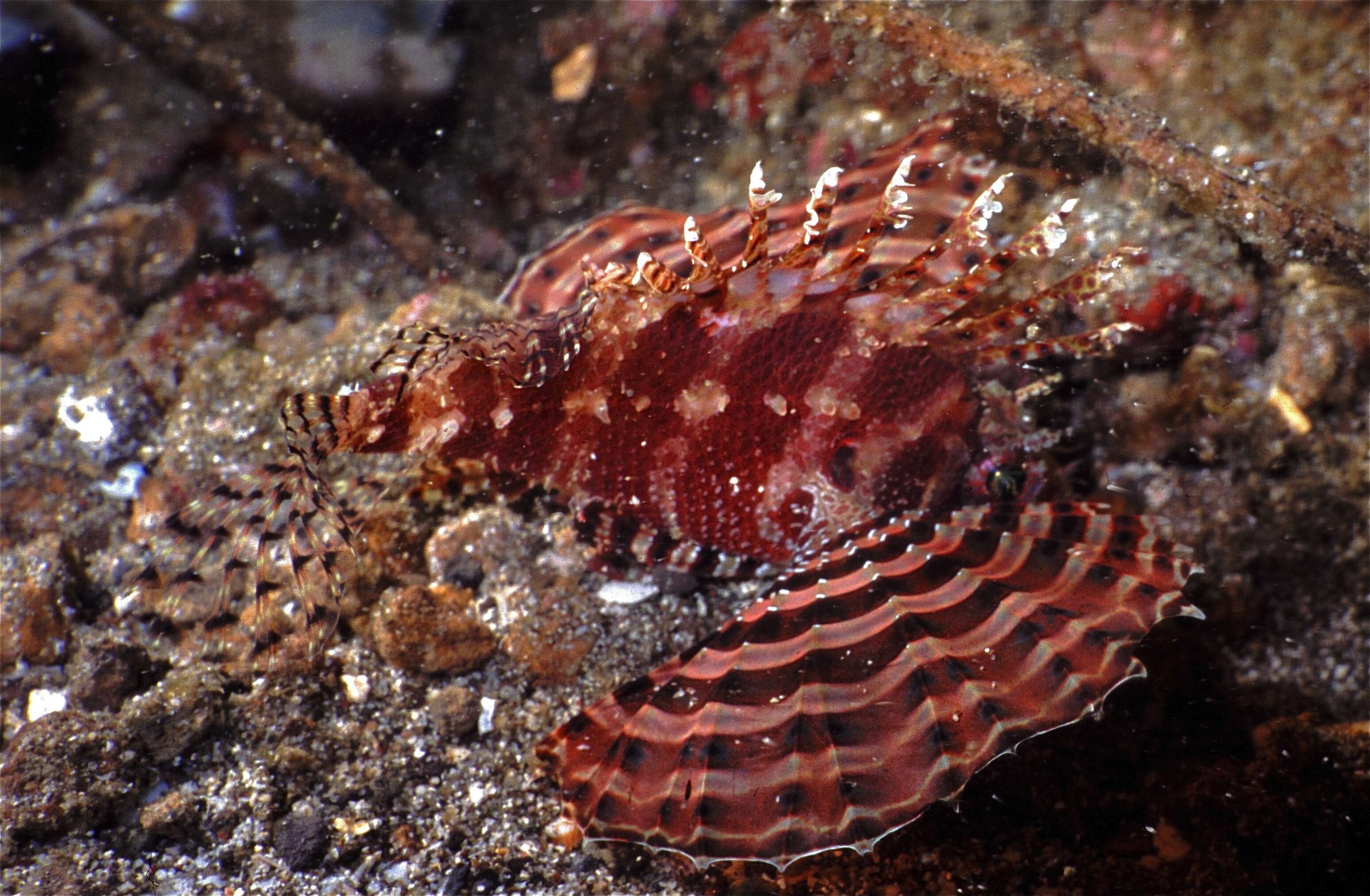
Dendrochirus brachypterus (Cuvier, 1829) (Shortfin turkeyfish)
Common in reef flats and shallow lagoons, in areas with weed-covered rocks on sandy substrates. Adults often found on sponges and juveniles are sometimes found in small aggregations on remote bommies with 10 or so individuals . Nocturnal. Feeds on small crustaceans .
Pterois russelii Bennett, 1831 (Plaintail turkeyfish)
Found on muddy substrates, from well-protected shallow estuaries to quiet, deep offshore reefs .
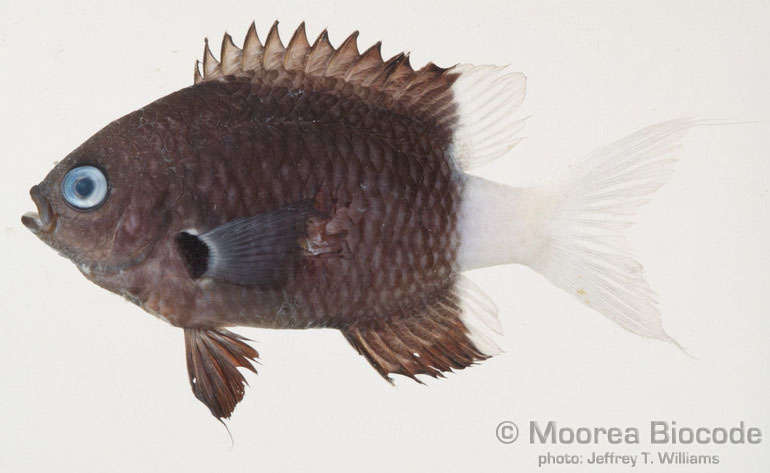
Chromis margaritifer Fowler, 1946 (Chocolate dip)
Usually seen singly or in small groups on coastal reefs, amongst mixed algae-coral reef or rocky reefs . Found on exposed seaward reefs; less abundant in lagoons and channels. Feeds on zooplankton.
Chromis delta Randall, 1988 (Deep-reef chromis)
Inhabits steep outer reef slopes with rich coral growth. Occurs singly or in small groups and remains close to shelter, often at the entrance of large caves or near its ceiling .
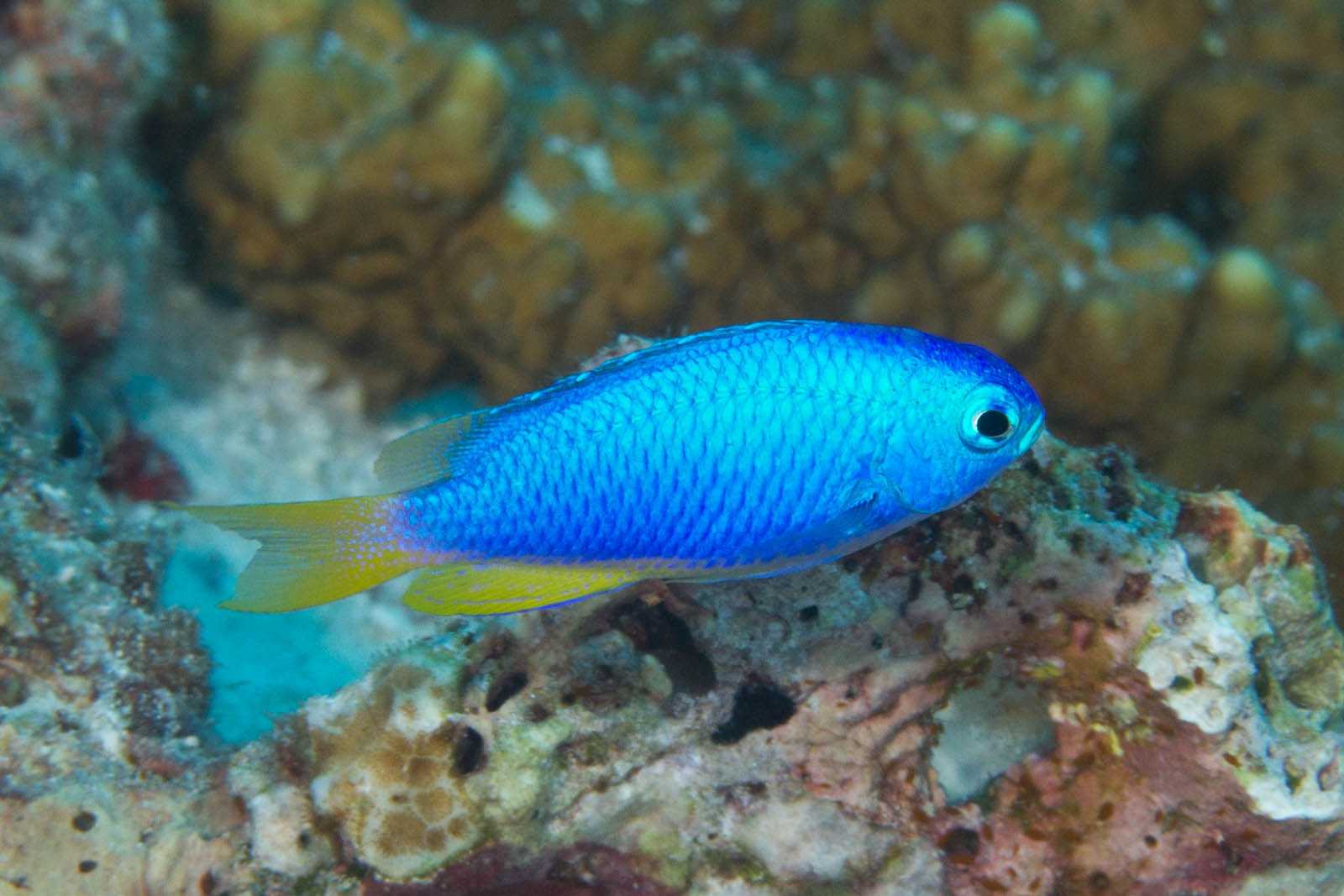
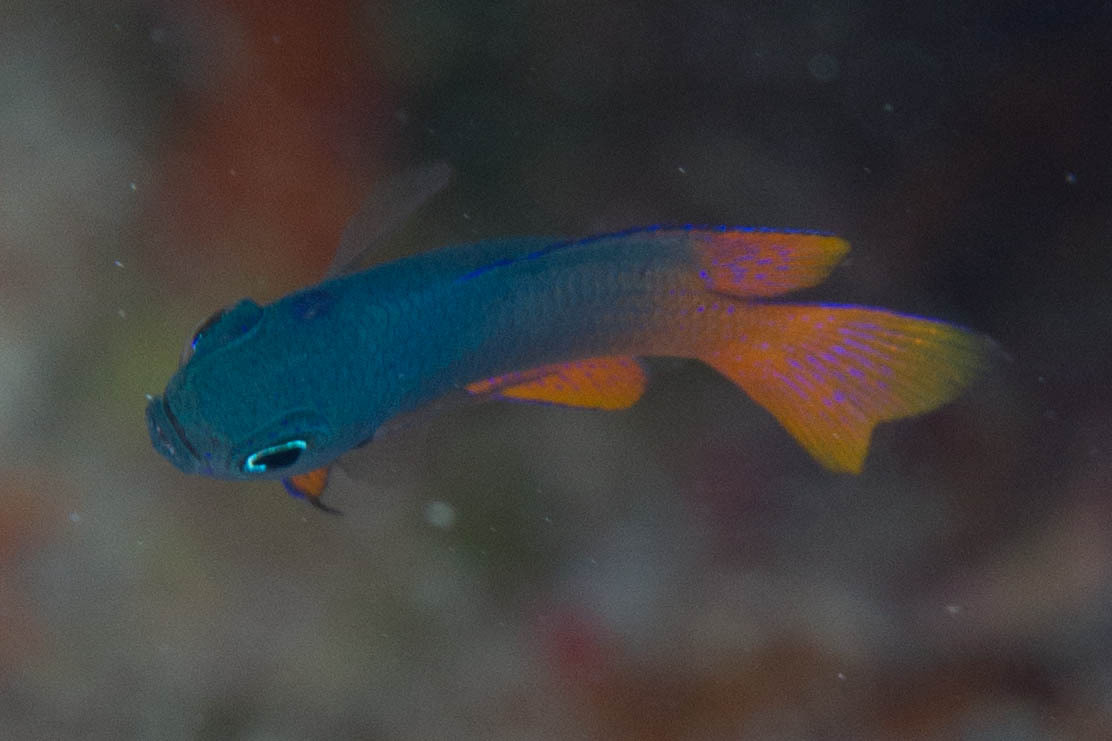
Pomacentrus coelestis Jordan and Starks, 1901 (Neon damsel)
Plectroglyphidodon leucozonus (Bleeker, 1859) (Singlebar devil)
Inhabits surge-swept shorelines and seaward reef margins. Juveniles often occur in pockets of the intertidal reef crest, while adults are found in ridges between surge channels . Feeds on benthic algae. Juveniles found ...
Read More
Read More
Chromis atripes Fowler and Bean, 1928 (Dark-fin chromis)
Inhabits coral rich areas of outer reef passes and slopes. Occurs singly or in small groups near the bottom.
Dischistodus melanotus (Bleeker, 1858) (Black-vent damsel)
Occurs in lagoon reefs and generally prefers small patch reefs with sand or rubble substrates . Feeds on benthic algae which it aggressively guards against other herbivores . Juveniles secretive in rubble .
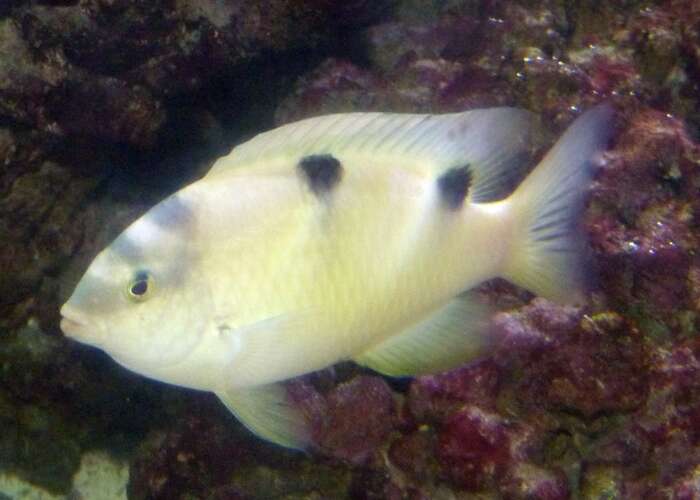
Dischistodus perspicillatus (Cuvier, 1830) (White damsel)
Occurs in small patch reefs of shallow lagoons, with algae or seagrass habitats. The stomach of several specimens examined contained mainly algae and detritus mixed with sand grains.
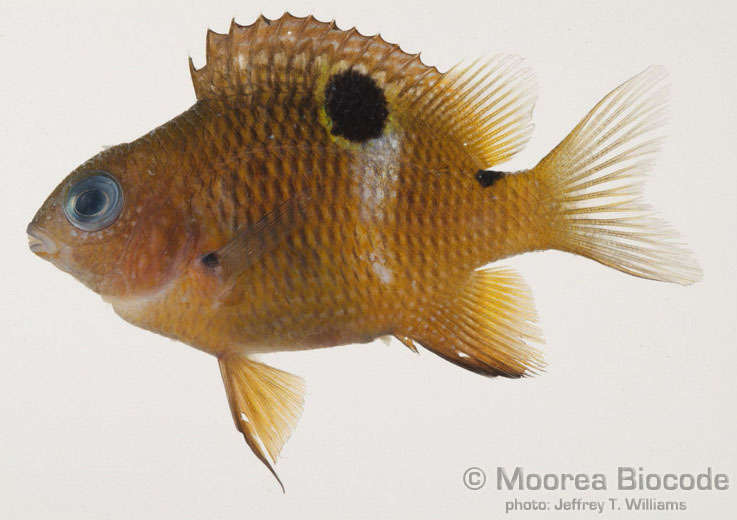
Pomacentrus philippinus Evermann and Seale, 1907 (Philippine damsel)
Occurs in lagoons, steep-sided channels, and seaward reefs from 2 to over 12 m . Usually found in groups off the sides of vertical drop-offs and overhanging ledges .
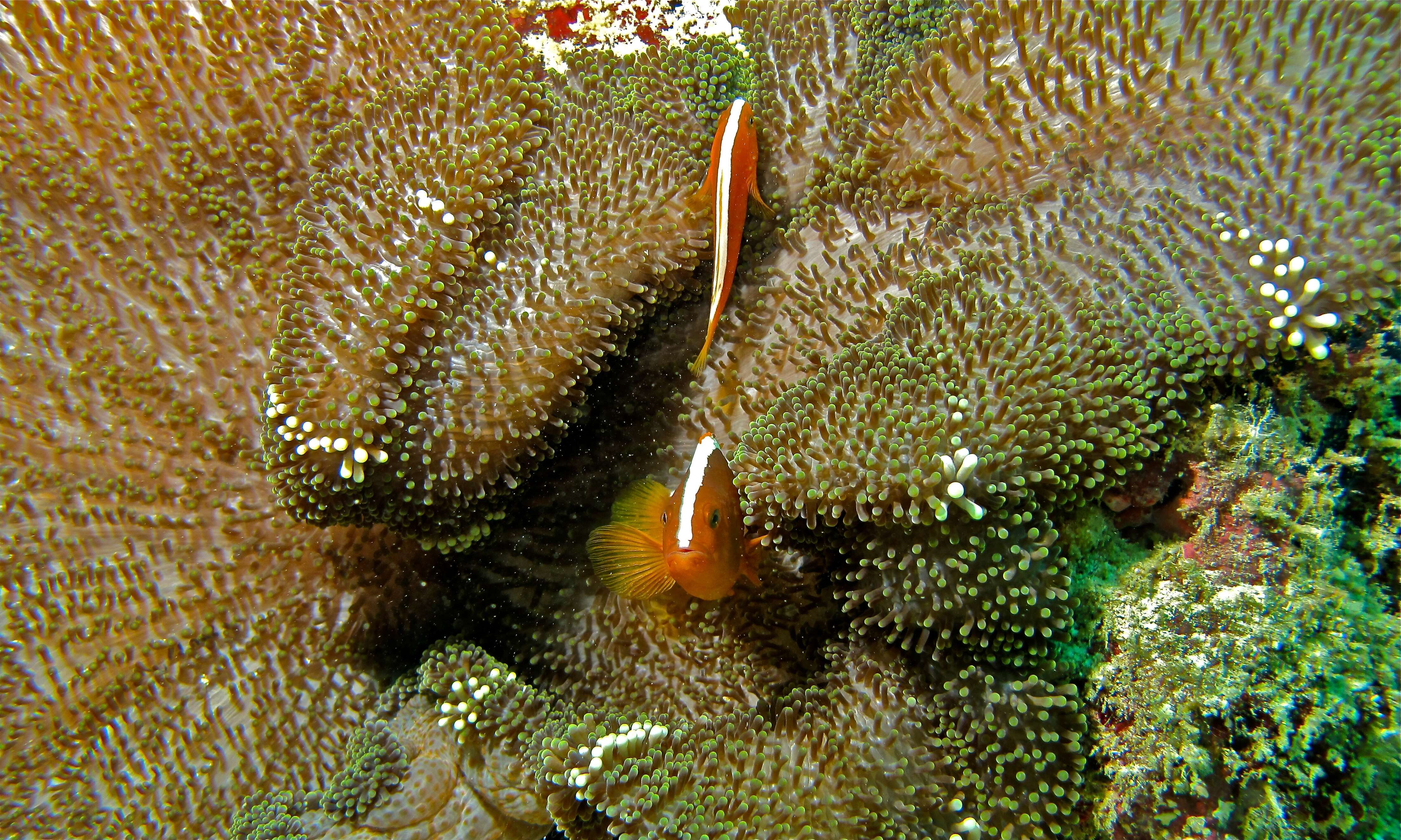
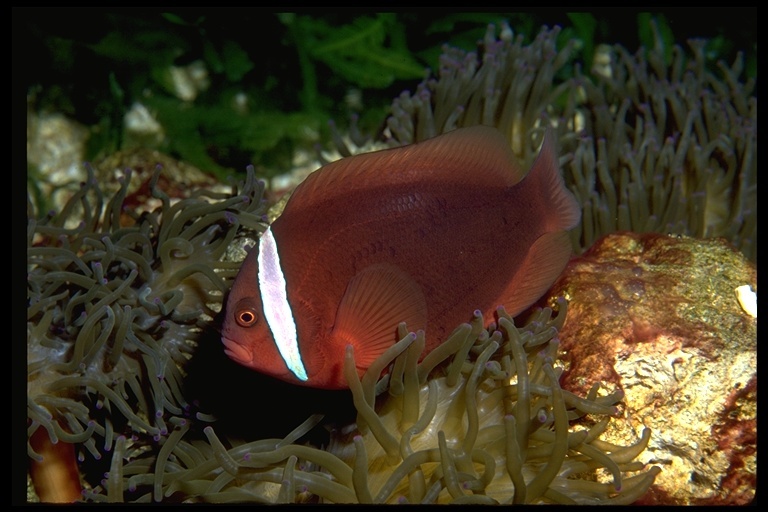
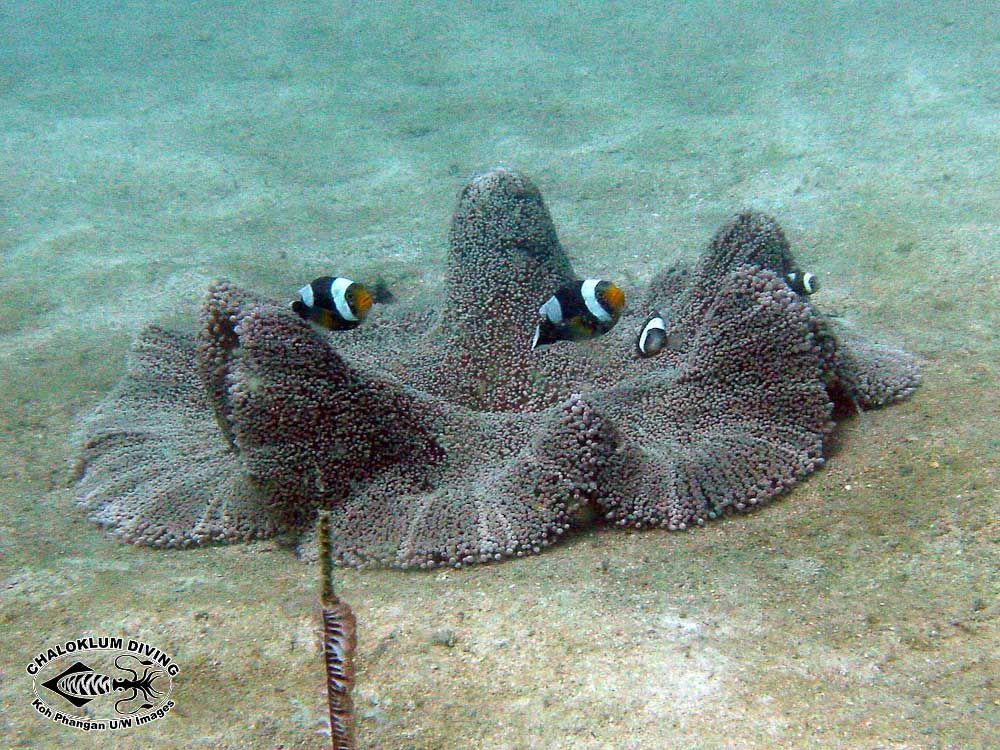
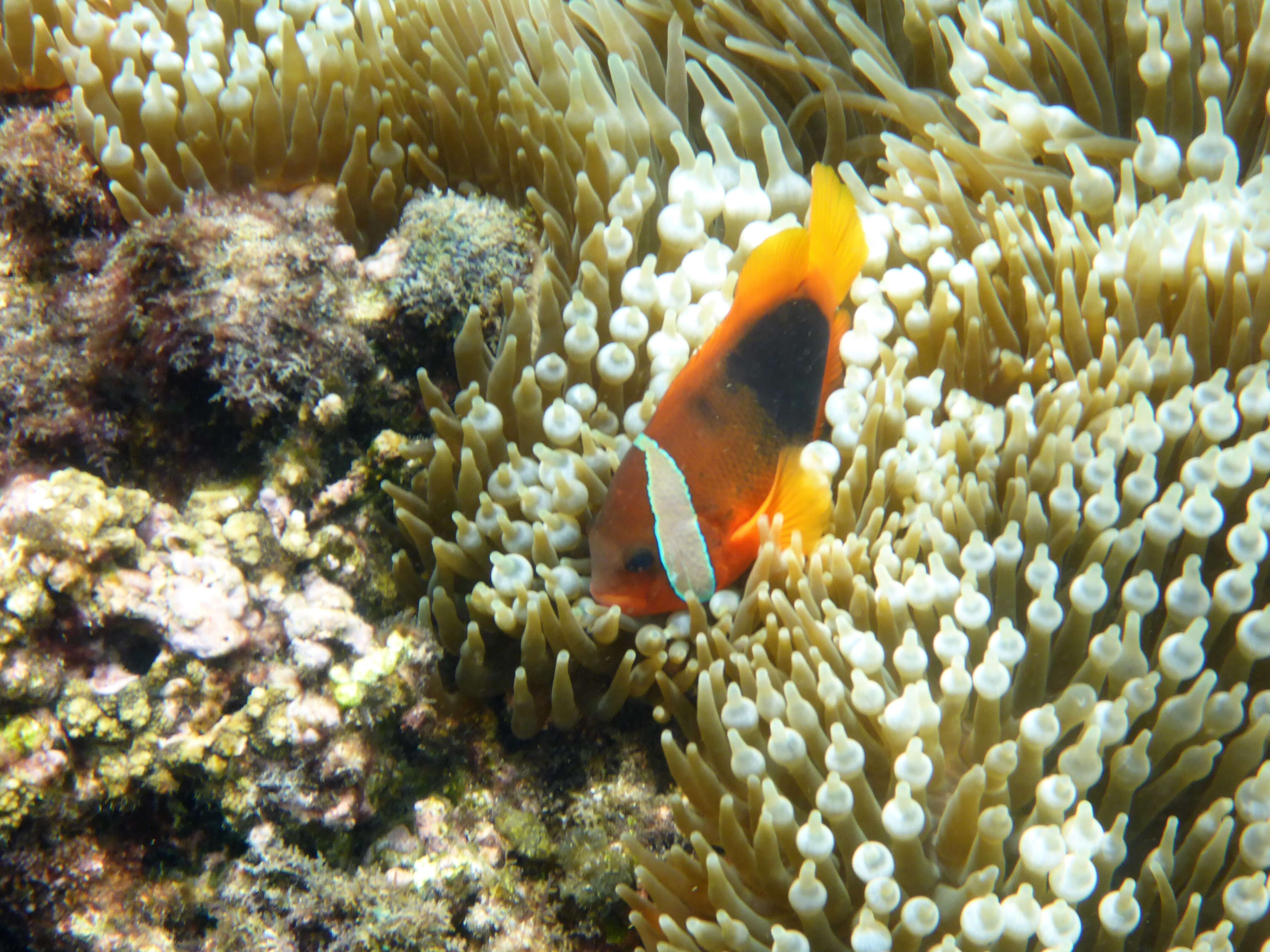
Amphiprion sandaracinos Allen, 1972 (Golden anemonefish)
Occurs in lagoon and outer reefs. Occurs in pairs and small groups . Monogamous . A protandrous hermaphrodite . Associated with the anemones: Heteractis crispa and Stichodactyla mertensii . Has been reared in captivity .
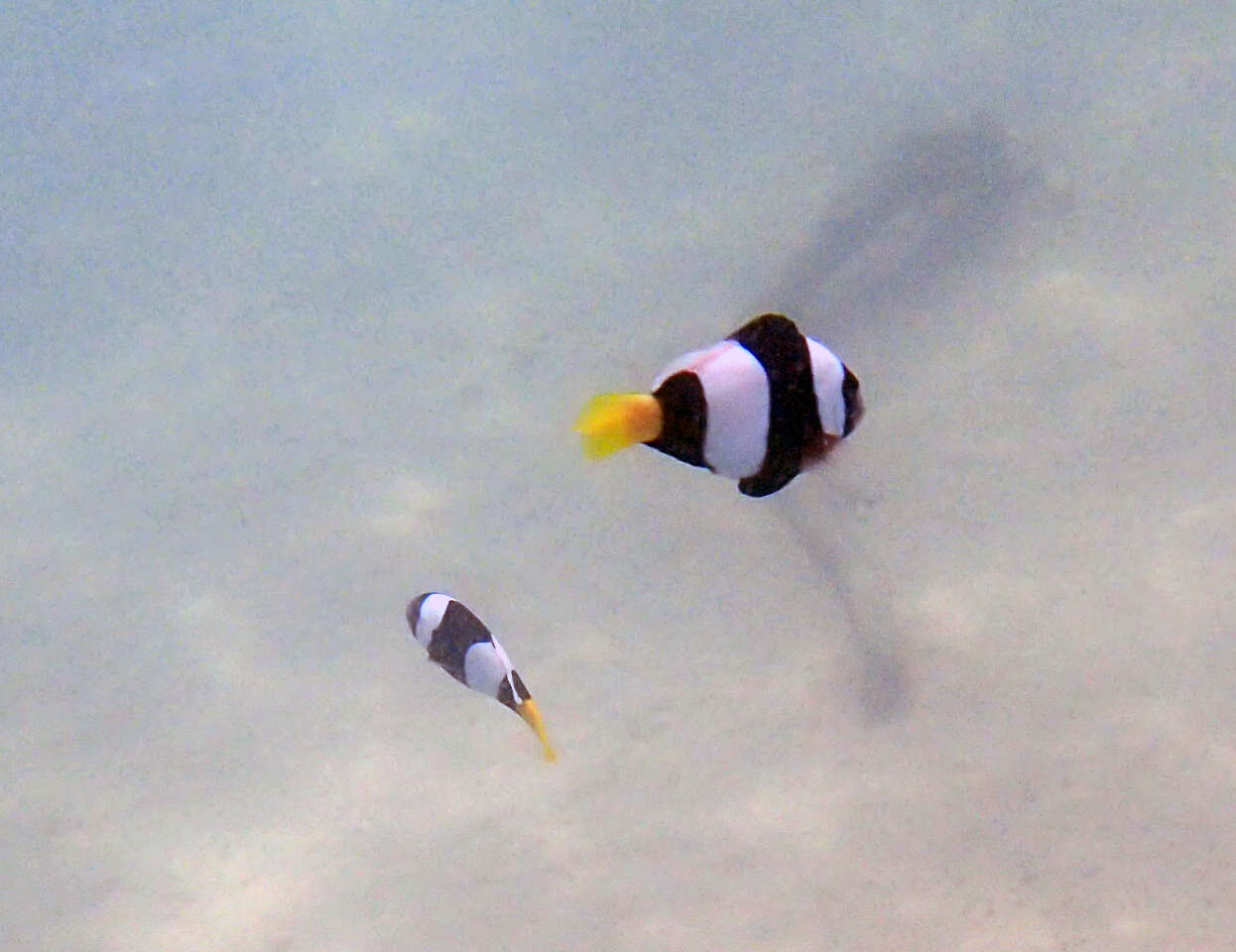
Amphiprion sebae Bleeker, 1853 (Sebae anemonefish)
Found in coastal waters and lagoons. It grows rather large . Associated with the anemone Stichodactyla haddoni .
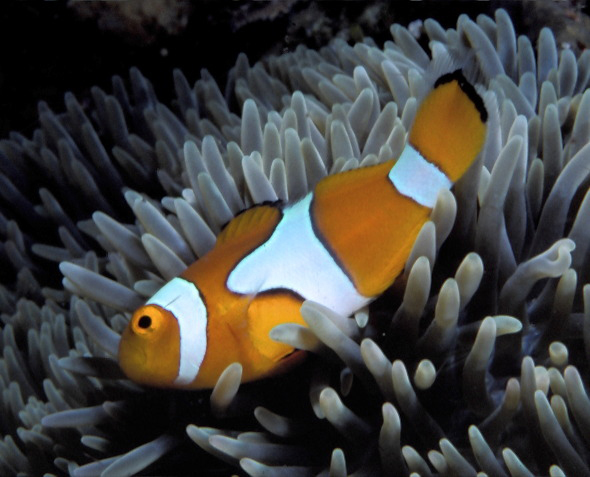
Amphiprion percula (Lacepède, 1802) (Orange clownfish)
Inhabits lagoon and seaward reefs . Each group of fish consists of a breeding pair and 0-4 non-breeders. Within each group there is a size-based hierarchy: the female is largest, the male is second largest, and the non-...
Read More
Read More
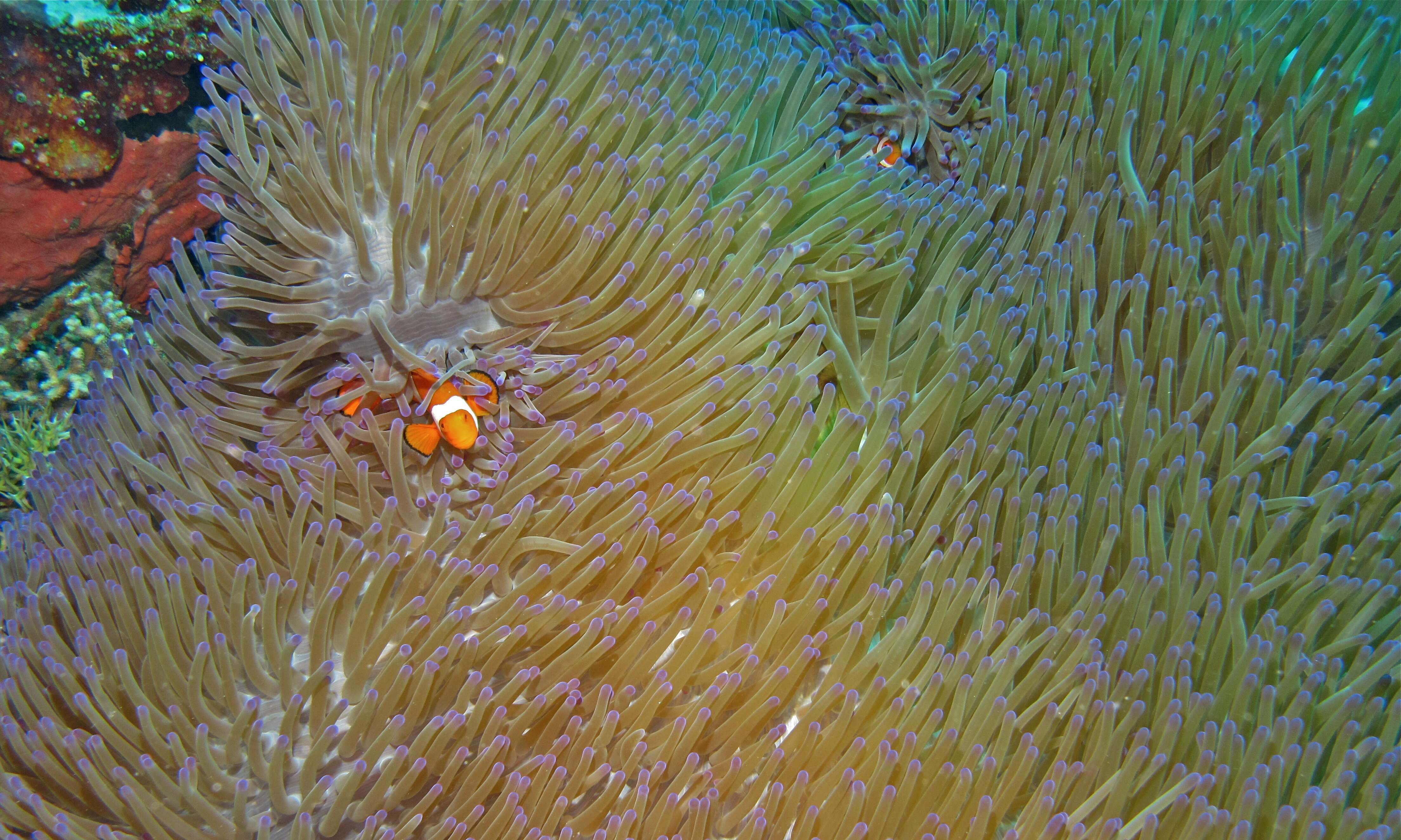
Amphiprion ocellaris Cuvier, 1830 (false clown anemonefish)
Amphiprion frenatus Brevoort, 1856 (oneband anemonefish)
Found in lagoon reefs and embayment. Monogamous , protandrous hermaphrodite . Associated with the anemone Entacmaea quadricolor . Has been reared in captivity .
Amphiprion clarkii (Bennett, 1830) (Brown anemonefish)
Inhabits lagoons and outer reef slopes. Omnivorous. Oviparous, with elliptical eggs . Monogamous . Has been reared in captivity . Associated with the anemones: Cryptodendrum adhaesivum, Entacmaea quadricolor, Heterac...
Read More
Read More
Amphiprion polymnus (Linnaeus, 1758) (yellowfinned anemonefish)
Inhabits silty lagoons and harbors. Monogamous . A protandrous hermaphrodite . Associated with the anemones: Heteractis crispa and Stichodactyla haddoni . Has been reared in captivity .
Premnas biaculeatus (Bloch, 1790) (Spinecheek anemonefish)
Inhabits lagoon and seaward reefs , found mainly in protected coastal waters and lagoons. Typically found in pairs in which males are much smaller than females . Feeds primarily on zooplankton and benthic algae . Has been reared in captivity . Associated with the anemone Entacmaea quadricolor .
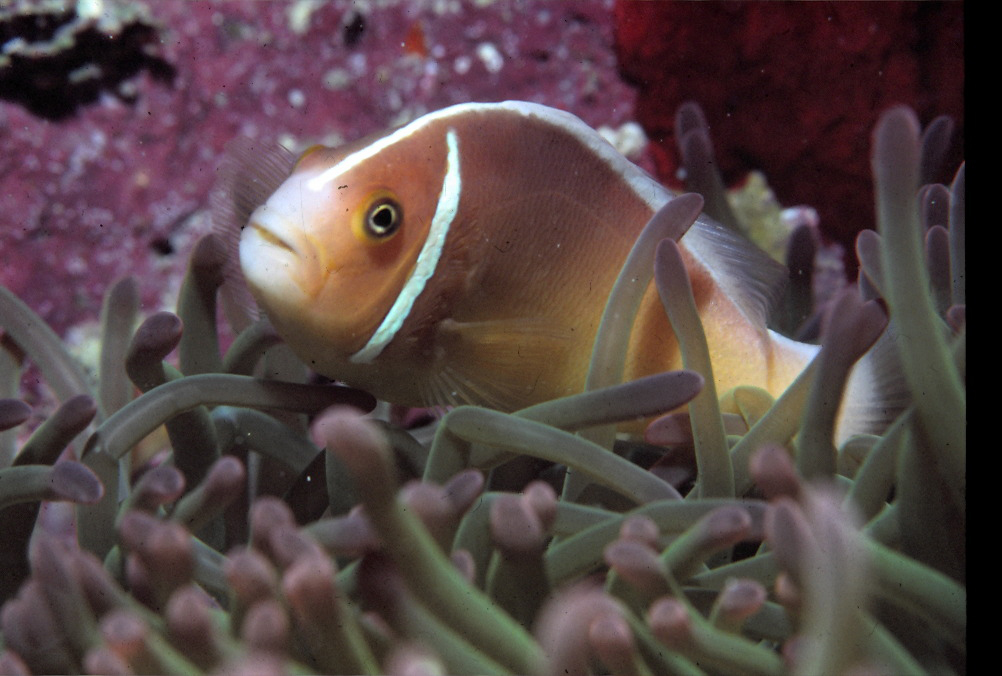
Amphiprion perideraion Bleeker, 1855 (False skunk-striped anemonefish)
Inhabits lagoon and seaward reefs . Mainly diurnal. Non-burrowing. Monogamous . A protandrous hermaphrodite . Associated with the anemones: Heteractis magnifica , Heteractis crispa, Macrodactyla doreensis, and Sticho...
Read More
Read More
Amphiprion melanopus Bleeker, 1852 (Chocolate clown)
Inhabits lagoon and outer reef environments. Feeds predominantly on planktonic copepods and algae. Has been reared in captivity . Associated with the anemones: Entacmaea quadricolor , Heteractis crispa , and Heteractis magnifica .
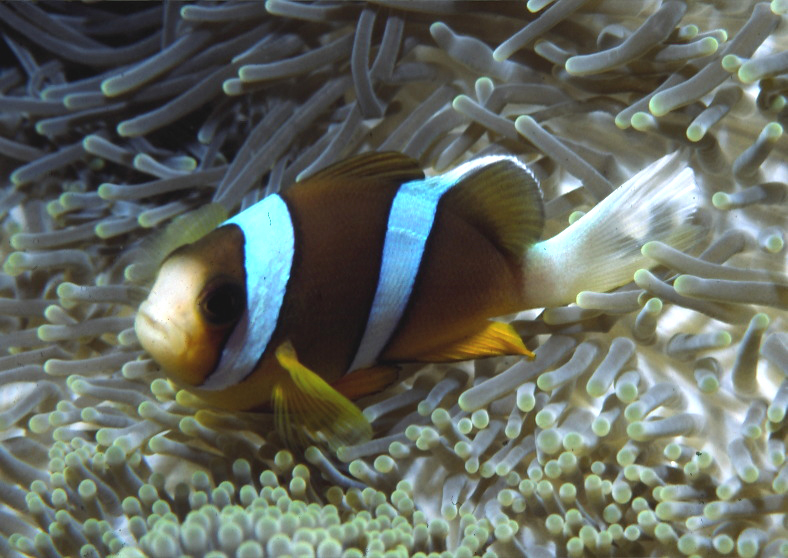
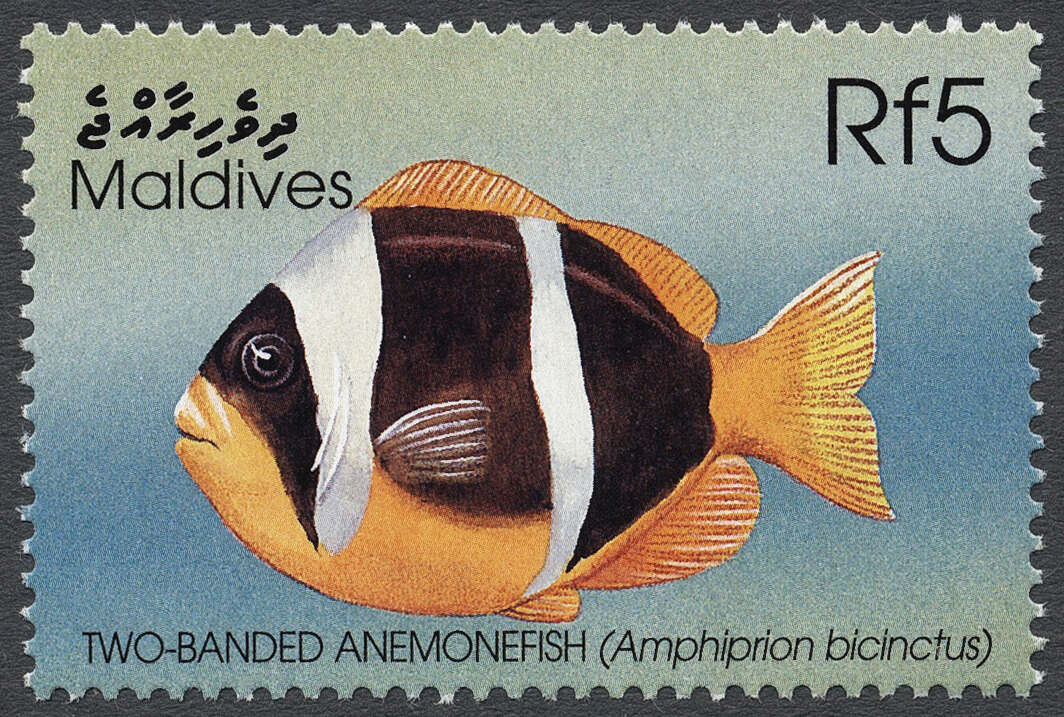
Amphiprion bicinctus Rüppell, 1830 (threebanded anemonefish)
Inhabits lagoons and outer reefs. Oviparous, with elliptical eggs . Monogamous . Has been reared in captivity . Associated with the anemones: Entacmaea quadricolor, Heteractis aurora, Heteractis crispa, Heteractis magnifica, and Stichodactyla gigantea .
Share on Social Networks
- Facebook:

personalize your shared text as well as its destination (wall, page...) or send as a private message to a friend
- Twitter: Tweet personalize your tweet
- Google Plus:
Direct link to this dive
- Long link:
- Short link:


 We are participating today in the startup contest Techcrunch Disrupt. Support Diveboard by voting for us!
























































































1st dive 2 tanker aboard Datu Budas the Maeng neighborhood dive
Drop in front of White House near Yoyongs, South swim to depth then back up wall and valleys to shallows, back to boat
Kap's Kitchen Sisig discovered
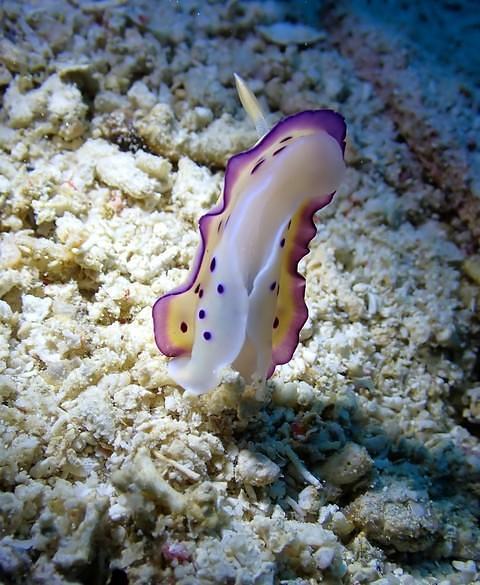
active reef, many fish, nudis
Mike is spotter with Max and Cesar
multilevel, great viz