


 Beachnutts



 Philippines
-
Nº75
 Date: 2023-04-02 - 01:44
-
 Max Depth: 17.4m Duration: 75mins
Dive Location

- Surface interval:129 mins
- Temp: Surf 27°C Bottom 27°C
- Dive type : Recreational, Drift, Reef, Photo
- Visibility: Good Water: Salt
Specific gear used
- BCD: Scubapro - Glide Plus
- Camera: Olympus - TG6
- Compass:
- Computer: Oceanic - OCS
- Fins: Scubapro - Jet Fins
- Knife: Scuba MAx - folding
- Lift bag: ScubaMax - SMB
- Mask: Promate - Scope
- Regulator: Aqualung - Titan LX
- Wet suit: Blue Ocean - Diveskin
- Weights: 3.2 kg
Dive reviews
| Overall review | ||
| Dive difficulty | ||
| Marine life quality |
Recent Divers in Talikud Island, Davao
Recent Pictures in Talikud Island, Davao
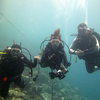
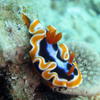
Dive Shop & Buddies
 Dive with Ton Ton
 Dive buddies:
Max

Link to this spot:
- Spot:
- Country:
- Area:
- Body of water:
Dive Profile
- 1. Air
- 10L Aluminium 207 → 28 bar
- Average depth: 11.6m
Data provided by EOL.org




Species Identified
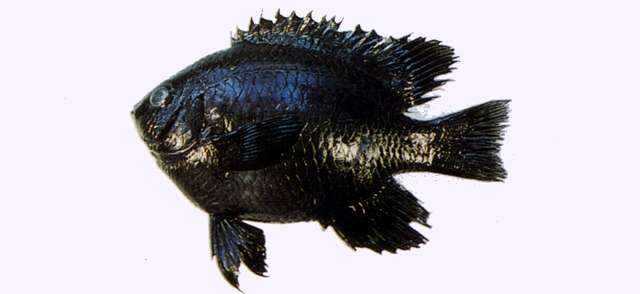
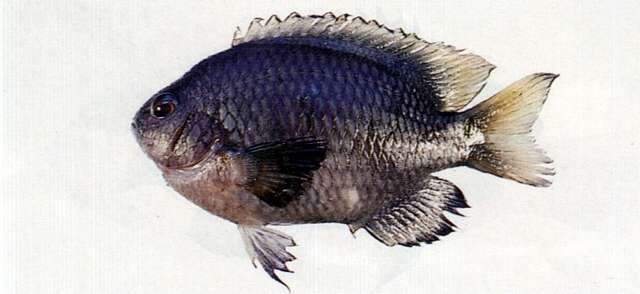
Neoglyphidodon melas (Cuvier, 1830) (black damselfish)
Found in coral-rich areas of lagoon and seaward reefs and usually associated with soft corals on which it feeds . Occur singly or in pairs . Juveniles are encountered in around staghorn Acropora corals . Adults often near Tridacna clams and may feed on their feces .
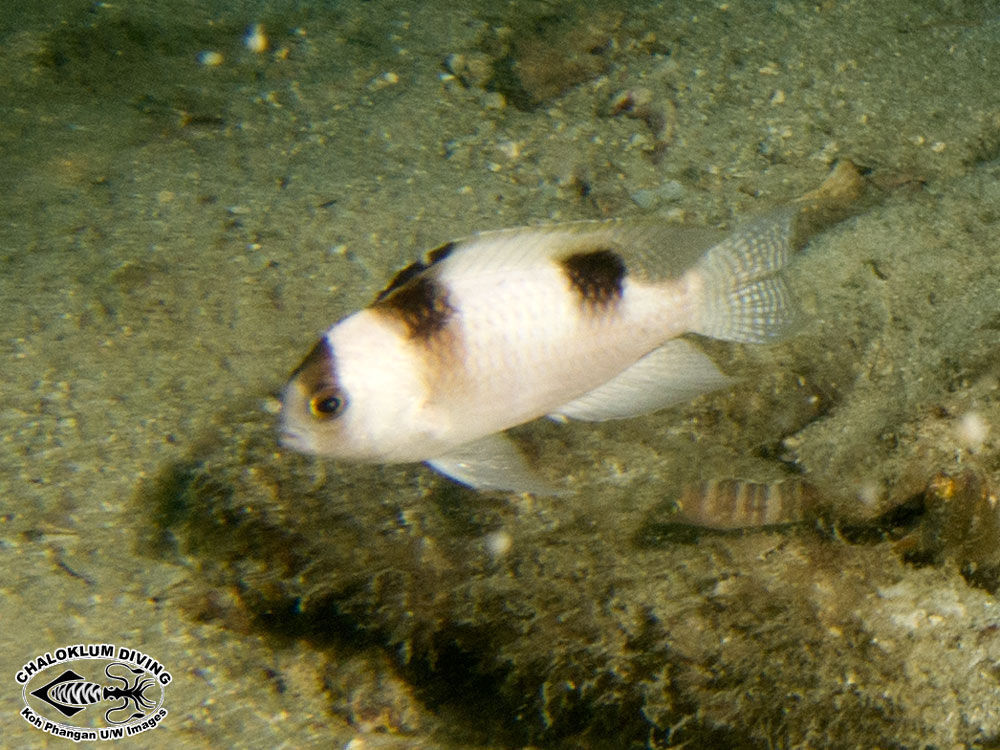
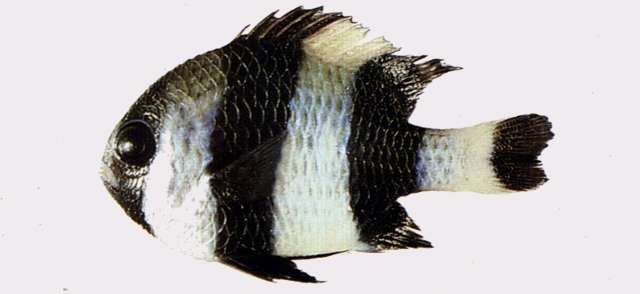
Dischistodus fasciatus (Cuvier, 1830) (Banded damsel)
Inhabits silty lagoon and coastal reefs around coral outcrops and seagrass beds . Often adjacent to clear mangrove coasts among rubble and Sargassum algae, to a few meters depth .
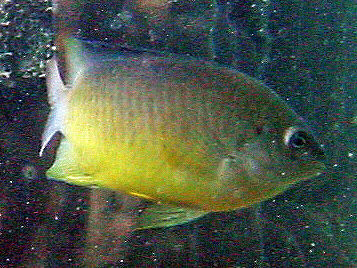
Pomacentrus simsiang Bleeker, 1856 (Blueback damsel)
Occurs singly or in small aggregations at slightly turbid areas of lagoon and coastal reefs. Feeds mainly on benthic algae.
Dascyllus melanurus Bleeker, 1854 (blacktailed humbug)
Schooling species, inhabits sheltered lagoons, harbors and inlets. Also in somewhat open substrates with outcrops of Acropora corals . Often associated with small coral heads. Feeds on a variety of plankton, including l...
Read More
Read More
Pomacentrus tripunctatus Cuvier, 1830 (Threespot damsel)
A shallow water species, solitary, in holes of small rocks on sandy bottom with coral rubbles. Inhabits shallow bays, silty coastal reefs and harbors with sparse coral and algal growth. Feeds mainly on benthic algae.
Pomacentrus chrysurus Cuvier, 1830 (Whitetail damsel)
Inhabits sandy areas of lagoons and inshore reefs around rock or coral outcrops. Feeds primarily on algae.
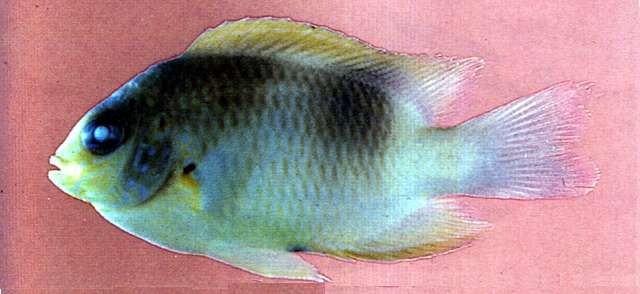
Dischistodus prosopotaenia (Bleeker, 1852) (Honey-head damsel)
Inhabits lagoons and coastal reefs, usually in silty areas . The true D. prosopotaenia ranges from Singapore to Sulawesi while the yellow-breasted variant ranges from Irian Jaya to eastern Australia and Vanuatu .
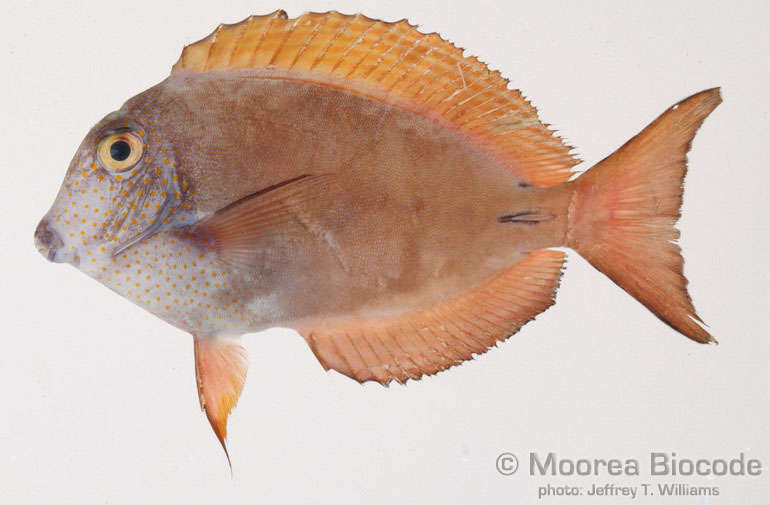
Zebrasoma scopas (Cuvier, 1829) (Twotone tang)
Occurs in coral-rich areas of lagoon and seaward reefs. Graze on algae, usually in groups of 20 individuals . Adults usually in small groups and sometimes schooling. Juveniles solitary and usually among corals . Its num...
Read More
Read More
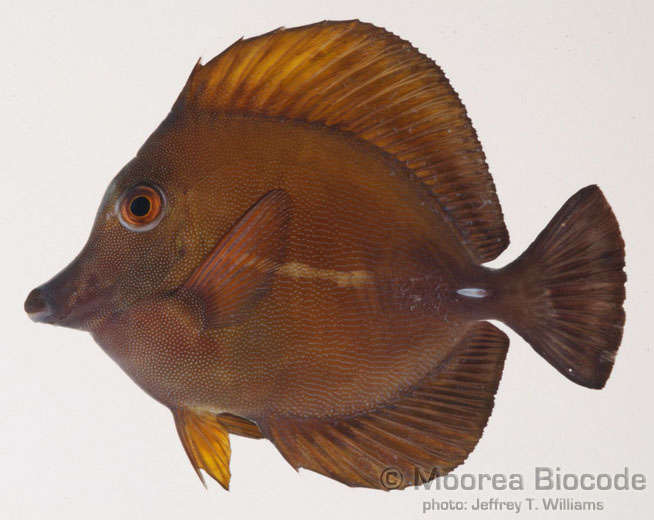
Acanthurus nigrofuscus (Forsskål, 1775) (Brown surgeonfish)
Found on hard substrates of shallow lagoon and seaward reefs from the lower surge zone to a depth of more than 15 m . Benthopelagic . Feed on filamentous algae. Form spawning aggregations . Adults usually in small grou...
Read More
Read More
Lates calcarifer (Bloch, 1790) (Barramundi)
Found in coastal waters, estuaries and lagoons, in clear to turbid water . A diadromous fish, inhabiting rivers before returning to the estuaries to spawn. A protandrous hermaphrodite . Larvae and young juveniles live i...
Read More
Read More
Epinephelus awoara (Temminck and Schlegel, 1842) (Yellow grouper)
Occurs in rocky areas as well as on sandy-mud bottoms. Juveniles are common in tide pools. In captivity, the species is aggressive, chasing and biting other species, especially members of its own species. Protogynous he...
Read More
Read More
Epinephelus erythrurus (Valenciennes, 1828) (cloudy grouper)
Inhabits areas with muddy or silty-sand bottoms. Commonly trawled . Nothing has been published on its biology. A 16.3 cm SL fish was found to have ripe ova.
Synchiropus altivelis (Temminck & Schlegel, 1845) (Dragonet)
Inhabits deep trawling grounds .
Lutjanus novemfasciatus Gill, 1862 (black snapper)
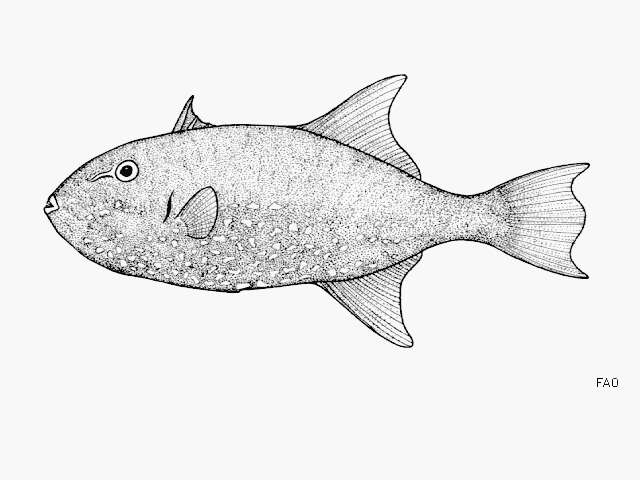
Xanthichthys ringens (Linnaeus, 1758) (Sargassum triggerfish)
Inhabits seaward reef slopes, usually well below 30 m, where in some places they are among the most common fish. Young live among floating Sargassum. Solitary or in small groups. Feeds on crabs and sea urchins. Spawns in deep water .
Canthidermis maculata (Bloch, 1786) (Spotted oceanic triggerfish)
Sufflamen verres (Gilbert & Starks, 1904) (Orangeside triggerfish)
Share on Social Networks
- Facebook:

personalize your shared text as well as its destination (wall, page...) or send as a private message to a friend
- Twitter: Tweet personalize your tweet
- Google Plus:
Direct link to this dive
- Long link:
- Short link:


 We are participating today in the startup contest Techcrunch Disrupt. Support Diveboard by voting for us!
























































































2nd dive Angels Cove Drift 2 tank boat Datu Budas
stronger current, more wind and clouds
swim out to boulders area, drift South in shallows, boat PU
multilevel