


 Beachnutts



 Philippines
-
Nº129
 Date: 2024-04-11 - 12:51
-
 Max Depth: 21.9m Duration: 74mins
Dive Location

- Temp: Surf 26°C Bottom 26°C
- Dive type : Recreational, Reef, Photo, Muck Dive
- Visibility: Average Water: Salt
Specific gear used
- BCD: Scubapro - Glide Plus
- Boots: Orca - Dive shoes
- Camera: Olympus - TG6
- Computer: Oceanic - OCS
- Fins: Scubapro - Jet Fins
- Knife: Scuba MAx - folding
- Light: Sofirn - SD05
- Mask: Promate - Scope
- Regulator: Aqualung - Calypso
- Wet suit: Blue Ocean - Diveskin
- Weights: 3.2 kg
Dive reviews
| Overall review | ||
| Dive difficulty | ||
| Marine life quality |
Dive Shop & Buddies
 Dive with Blake Auge
 Dive buddies:
Beachnutts

Link to this spot:
- Spot:
- Country:
- Area:
- Body of water:
Dive Profile
- 1. Air
- 10L Aluminium 207 → 24 bar
- Average depth: 14.6m
Data provided by EOL.org










Species Identified
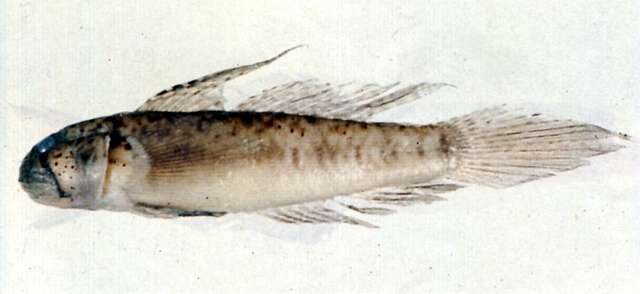
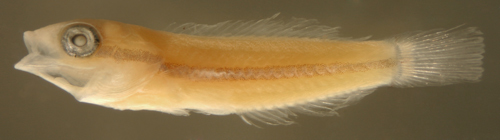
Oligolepis acutipennis (Valenciennes, 1837) (Sharptail goby)
Occurs inshore, enters lagoons . Found in muddy estuaries and coastal bays . Enters lower reaches of freshwater streams . Feeds on small fishes, crustaceans and other invertebrates .
Amblygobius albimaculatus (Rüppell, 1830) (Butterfly goby)
Epibenthic and littoral, entering estuaries and lagoons . Usually seen in pairs, hovering a short distance above the substratum. Monogamous . t builds its burrow in sand or silty sand by moving out mouthfuls of sediment .
Stylocoeniella guentheri Bassett-Smith, 1890 (Thorn coral)
zooxanthellate
Montastraea franksi (Gregory, 1895) (boulder star coral)
zooxanthellate
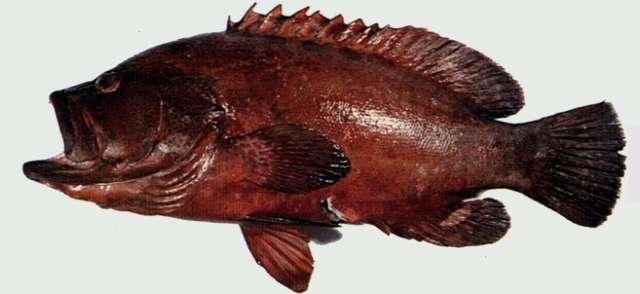
Cephalopholis sonnerati (Valenciennes, 1828) (Red coral rod)
Occurs in deep lagoon reefs and steep outer reef slopes; encountered in coastal areas with rocky substrates. Juveniles are usually found near sponges or coral heads . Adults usually at moderate depths with bommies with l...
Read More
Read More
Synodus falcatus Waples & Randall 1989 (Red lizard fish)
Benthic .
Synodus capricornis Cressey & Randall, 1978 (Capricorn lizardfish)
Found in sandy areas near reefs . Benthic .
Synodus poeyi Jordan, 1887 (offshore lizardfish)
Absent from the shore zone.
Strongylura scapularis (Jordan & Gilbert, 1882) (Needlefish)
Synodus sechurae Hildebrand, 1946 (Sechura lizardfish)
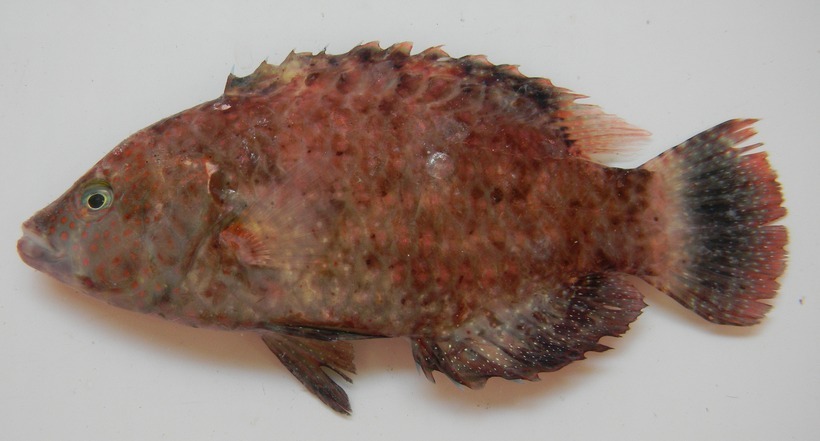
Pteragogus guttatus (Fowler and Bean, 1928) (Sneaky wrasse)
Found in sheltered inner reefs amongst broken coral and rubble. Usually seen in less than 10 m depth, staying well hidden in reefs, but sometimes swimming amongst the long-spined Diadema urchins or in thick algae coverage .
Cymolutes torquatus (Valenciennes, 1840) (Finescale razorfish)
Common over sandy areas of reef flats and shallow sandy lagoons to a depth of at least 6 m. Also found in estuaries. Usually in current zones such as tidal channels. Juveniles often with small outcrops of rubble and alg...
Read More
Read More
Cheilinus chlorourus (Bloch, 1791) (yellowdotted maori wrasse)
Inhabits lagoon and coastal reefs, in areas with mixed sand, rubble, and coral . Occasionally in grassy areas. Feeds mainly on benthic invertebrates such as mollusks and crustaceans.
Suezichthys gracilis (Steindachner and Döderlein, 1887) (Slender wrasse)
Found around coral and rock patches in shallow protected sandy areas . Amphipods, small crustaceans, and polychaetes have been reported from the stomachs of Japanese specimens.
Bodianus mesothorax (Bloch and Schneider, 1801) (Splitlevel hogfish)
Ranging into subtropical zones as juveniles expatriates caused by warm currents during pelagic stage . Inhabit coral-rich outer reef slopes at depths of 5 to over 20 m, particularly near caves. Juveniles in caves; adults...
Read More
Read More
Halichoeres garnoti (Valenciennes, 1839) (yellowhead wrasse)
Commonly found on shallow and deep reefs and exposed rocky ledges. Feeds on various invertebrates. Forms leks during breeding . A protogynous hermaphrodite . Constantly on the move but easily attracted by divers. Generally of no interest to fisheries because of its small average size .
Tetraodon cochinchinensis (Steindachner, 1866) (Fangs Kugelfisch)
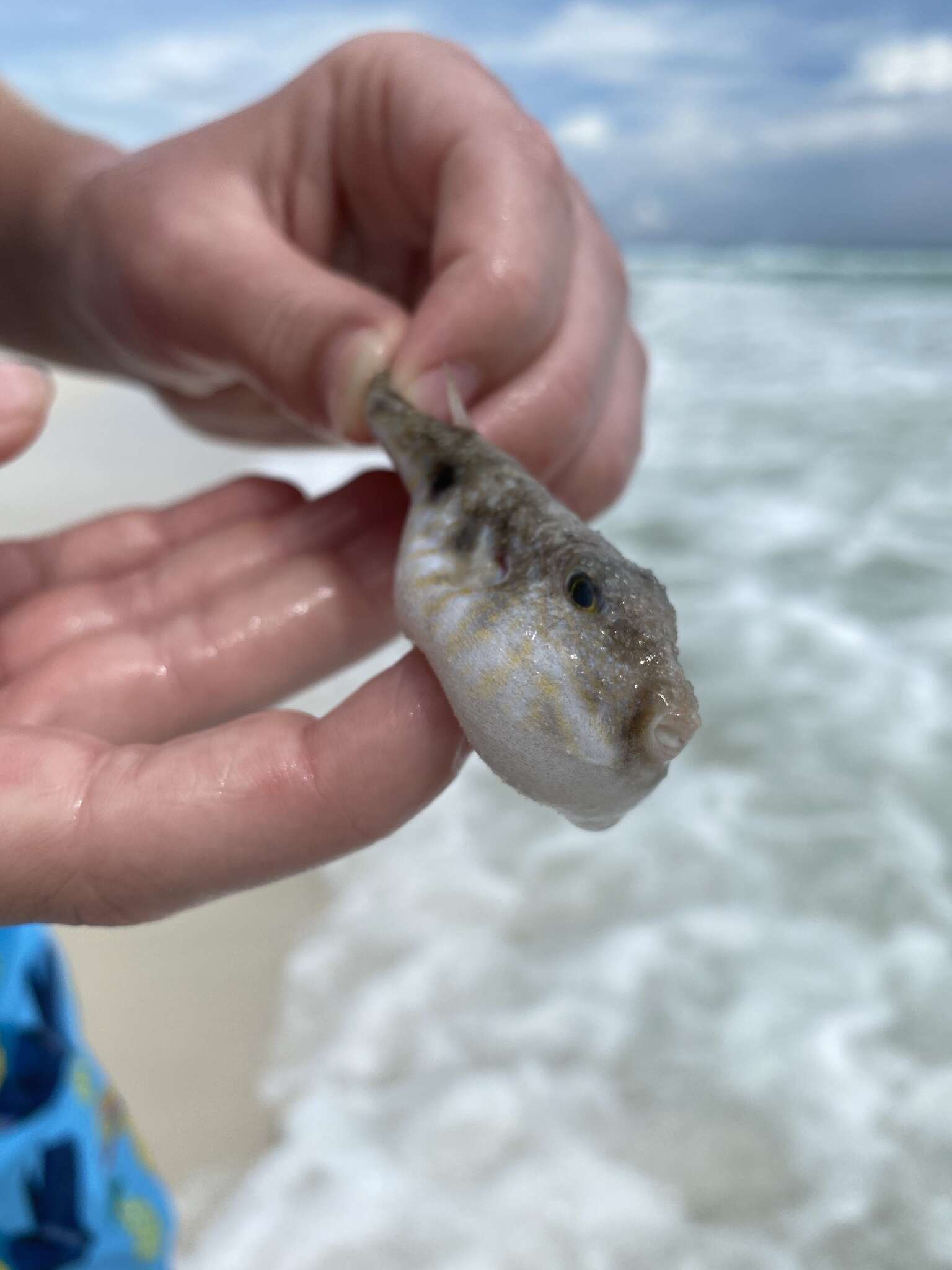
Sphoeroides dorsalis Longley, 1934 (Puffer)
Found over soft bottoms.
Synchiropus altivelis (Temminck & Schlegel, 1845) (Dragonet)
Inhabits deep trawling grounds .
Chaetodon adiergastos Seale, 1910 (Philippine butterflyfish)
Inhabit coral reefs and occurs in pairs or groups, usually near soft coral . Juveniles solitary and found on shallow protected reefs or in estuaries . Oviparous . Form pairs during breeding . Have never been imported although they can be easily maintained in a tank.
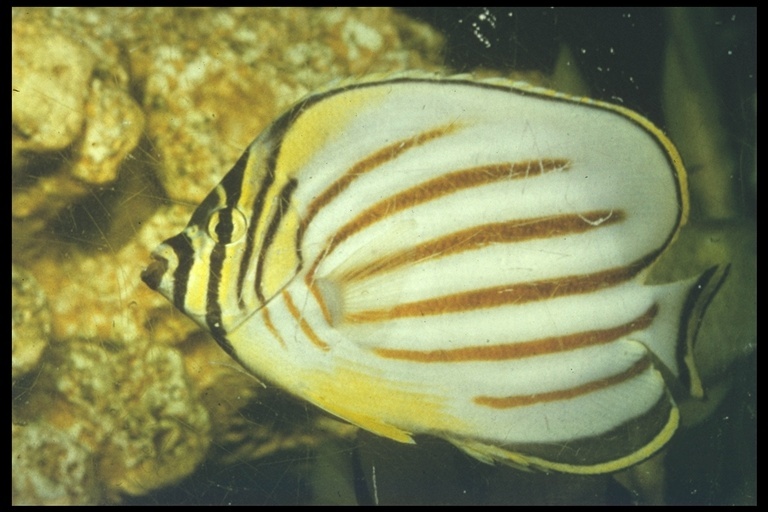
Chaetodon ornatissimus Cuvier, 1831 (Ornate butterflyfish)
Occur in clear waters and coral-rich areas of lagoon and seaward reefs. However, only common in seaward reefs . Benthopelagic . Juveniles are solitary, living among branching corals, while adults are almost always in pa...
Read More
Read More
Mullus auratus Jordan and Gilbert, 1882 (goatfish)
Inhabits neritic waters, especially over sand or mud bottoms . Flesh considered excellent quality; marketed fresh .
Centropyge joculator Smith-Vaniz and Randall, 1974 (Yellowhead angelfish)
Found in coral and rubble areas on steep outer reef slopes. Solitary or in small groups of four to five individuals.
Centropyge nigriocella Woods & Schultz, 1953 (Blackspot angelfish)
Inhabits dead coral and rubble reefs in clear lagoons and exposed seaward reefs . Benthopelagic . Extremely cryptic; never seen by divers except poison stations. Feeds on algae. Never exported through the aquarium trade .
Balistapus undulatus (Park, 1797) (Orange-lined triggerfish)
Occurs in coral-rich areas of deep lagoon and seaward reefs from the lower surge zone to at least 50 meters, Ref. 48637. Feeds on a variety of benthic organisms such as algae, echinoderms, fishes, mollusks, tunicates, spo...
Read More
Read More
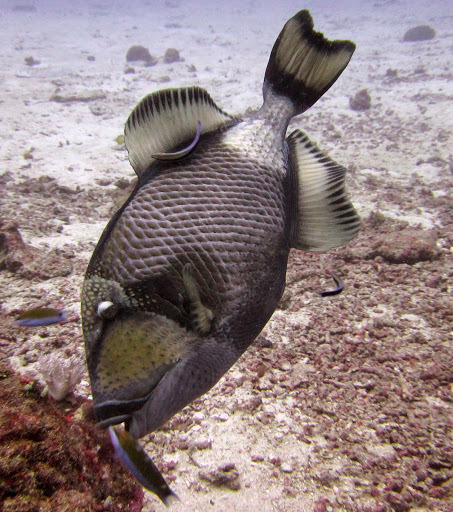
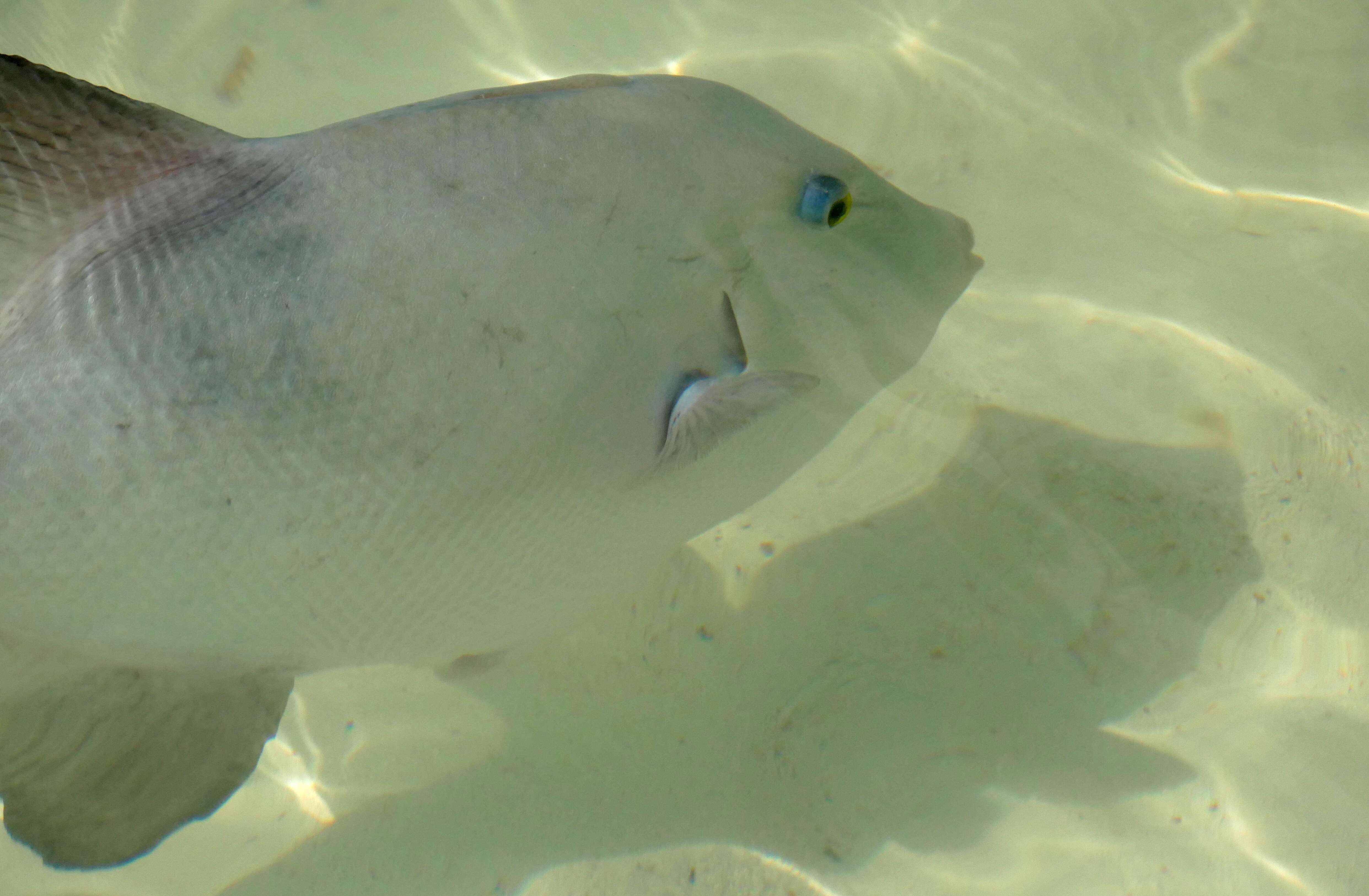
Balistoides viridescens (Bloch and Schneider, 1801) (Titan triggerfish)
Occur in lagoon, seaward reefs and sheltered inner reef slopes . Juveniles often associated with isolated patches of branching coral or rubble of shallow sandy protected areas. Adults occur singly or in pairs on the slo...
Read More
Read More
Canthidermis sufflamen (Mitchill, 1815) (Filefish)
Common near drop-offs of seaward reefs . Occasionally in shallow water. Solitary or in small groups in open water. Often associated with Sargassum . Feeds mainly on large zooplankton. Minimum depth reported from Ref. 13121.
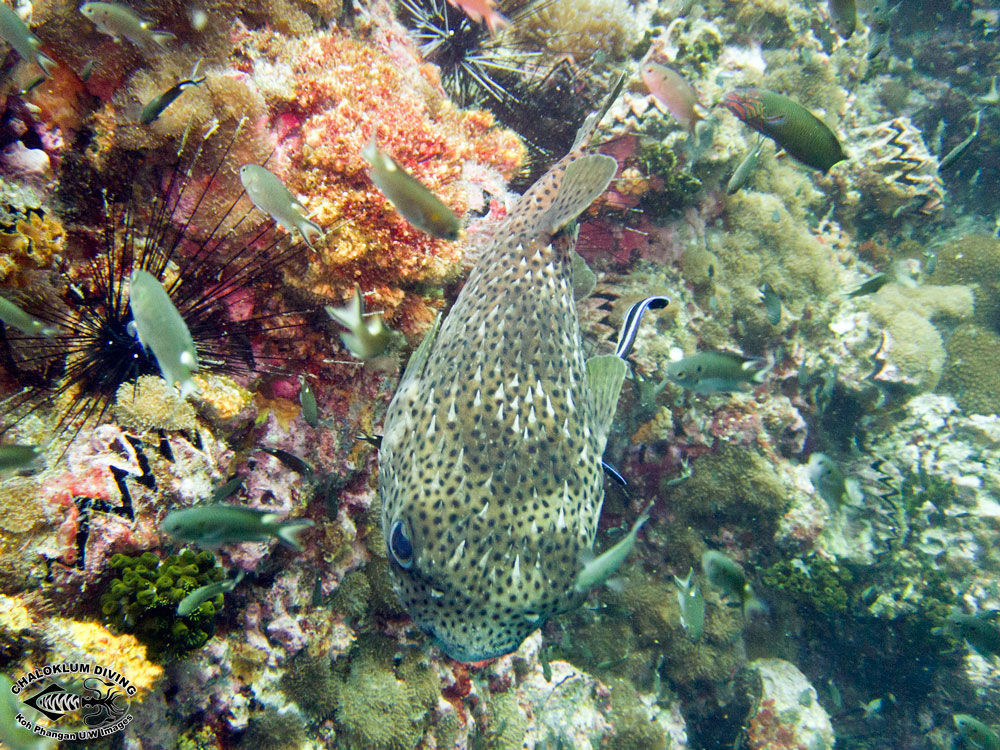
Diodon liturosus Shaw, 1804 (Black-blotched porcupinefish)
Inhabits reef edges and slopes . Hides in caves and ledges during the day and forages at night . Also found below plate-corals during the day and often deep, ranging to at least 40 meters depth. Juveniles occur in lagoo...
Read More
Read More
Diodon hystrix Linnaeus, 1758 (Spot-fin porcupinefish)
Share on Social Networks
- Facebook:

personalize your shared text as well as its destination (wall, page...) or send as a private message to a friend
- Twitter: Tweet personalize your tweet
- Google Plus:
Direct link to this dive
- Long link:
- Short link:


 We are participating today in the startup contest Techcrunch Disrupt. Support Diveboard by voting for us!
























































































Single dive DBC 2 days after full moon and full solar eclipse
Low Tide 1:24pm
big tidal swings extreme
hot sunny calm, but some current and blowing sand/siltdive out front pier to depth and mostly shallows critter hunting
photos videos
multilevel, SOLO