


 Beachnutts


 Philippines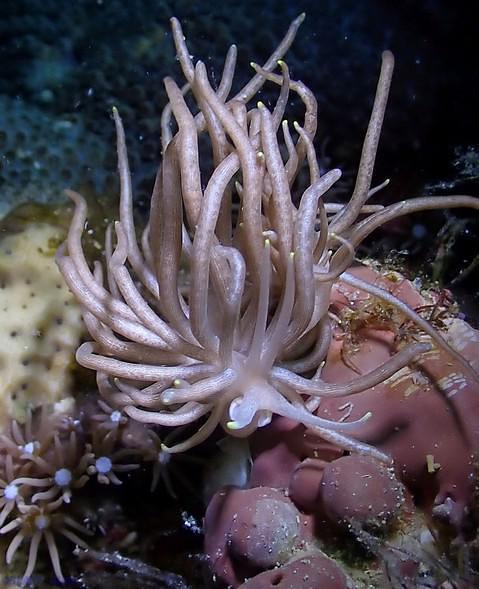
-
Nº90
 Date: 2023-07-16 - 01:30
-
 Max Depth: 18.9m Duration: 83mins
Dive Location

- Surface interval:87 mins
- Temp: Surf 27°C Bottom 27°C
- Dive type : Recreational, Reef, Photo, Wall
- Visibility: Average Water: Salt
Specific gear used
- BCD: Scubapro - Glide Plus
- Boots: Orca - Dive shoes
- Camera: Olympus - TG6
- Computer: Oceanic - OCS
- Fins: Scubapro - Jet Fins
- Knife: Scuba MAx - folding
- Lift bag: ScubaMax - SMB
- Light: Sofirn - SD05
- Mask: Promate - Scope
- Regulator: Aqualung - Titan LX
- Wet suit: Blue Ocean - Diveskin
- Weights: 3.2 kg
Dive reviews
| Overall review | ||
| Dive difficulty | ||
| Marine life quality |
Recent Divers in Talikud Island, Davao

Recent Pictures in Talikud Island, Davao
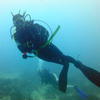
Dive Shop & Buddies
 Dive with Blake Auge
 Dive buddies:
Mike Tacansan,
Ton Ton
Dive buddies:
Mike Tacansan,
Ton Ton

Link to this spot:
- Spot:
- Country:
- Area:
- Body of water:
Dive Profile
- 1. Air
- 10L Aluminium 207 → 45 bar
- Average depth: 12.6m
Data provided by EOL.org

Species Identified
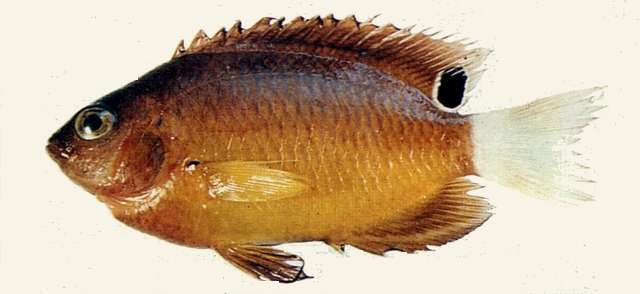
Pomacentrus bankanensis Bleeker, 1853 (Speckled damselfish)
Occurs solitarily or in small groups in lagoons, reef flats, passages, and outer reef slopes. Usually amongst coarse rubble or rock . Feeds primarily on algae, but also takes copepods, isopods, and pelagic tunicates.
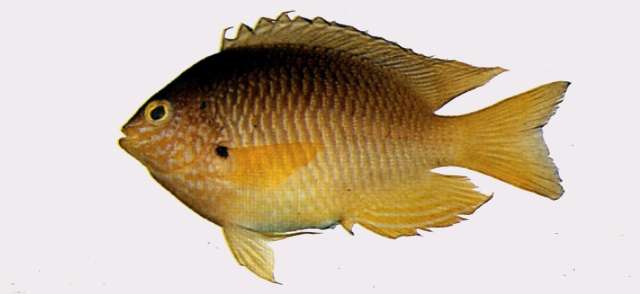
Pomacentrus amboinensis Bleeker, 1868 (Ambon damsel)
An ubiquitous species found in lagoons, coastal reefs, passages and outer reef slopes. Inhabits sandy areas around coral or rock outcrops or other protective shelter. Usually in small groups . Feeds primarily on algae, but also takes zooplankton. Has been reared in captivity (Ref. 35404.
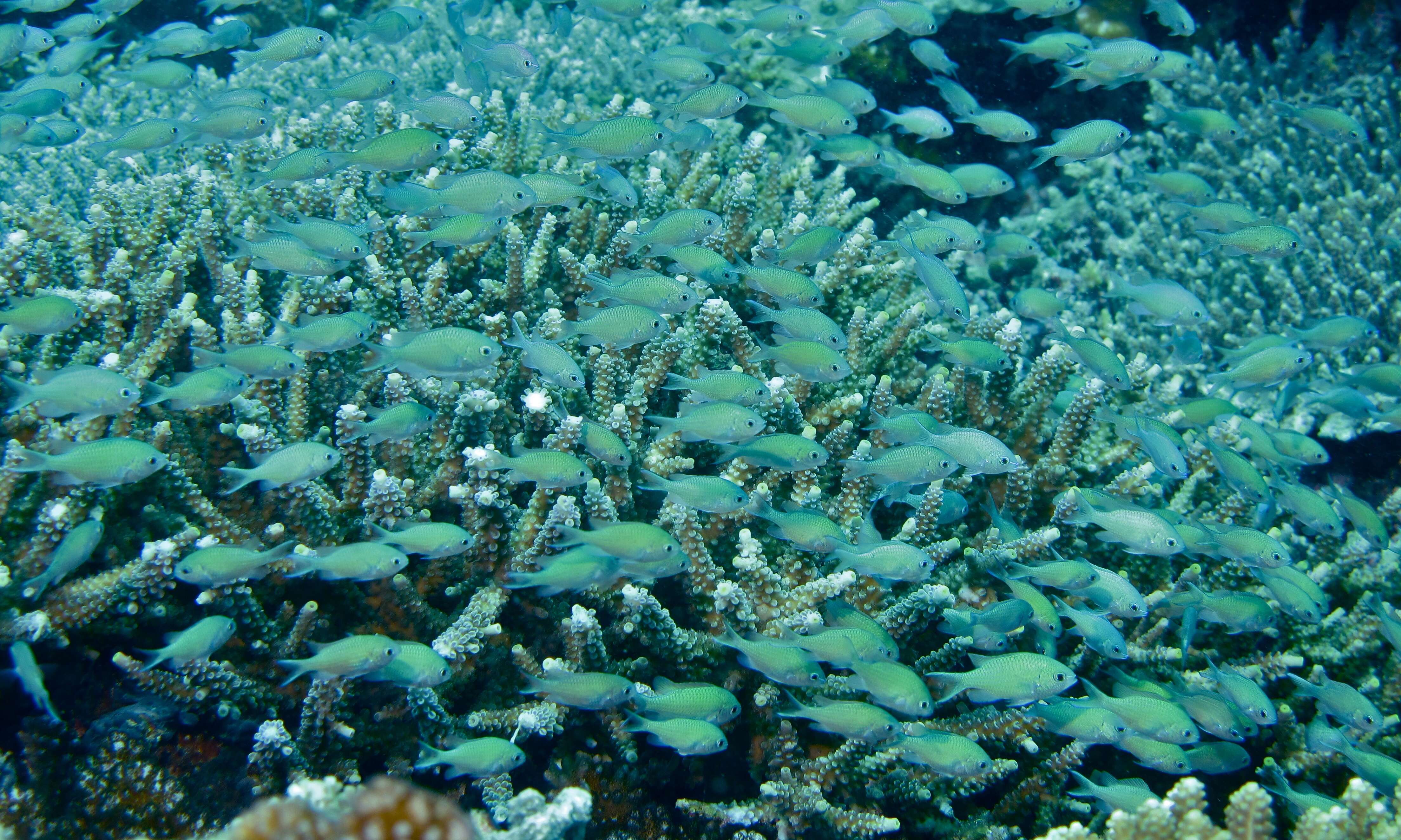
Chromis viridis (Cuvier, 1830) (blue-green chromis)
Found in large aggregations above thickets of branching Acropora corals in sheltered areas such as subtidal reef flats and lagoons. Juveniles closely tied to individual coral heads . Phytoplankton feeders. Breeding is d...
Read More
Read More
Chrysiptera cyanea (Quoy and Gaimard, 1825) (cornflower sargeantmajor)
Found amongst rubble and coral of clear sheltered lagoons and subtidal reef flats . Occurs in groups of a male and several females or juveniles . Feeds on algae, pelagic tunicates and copepods.
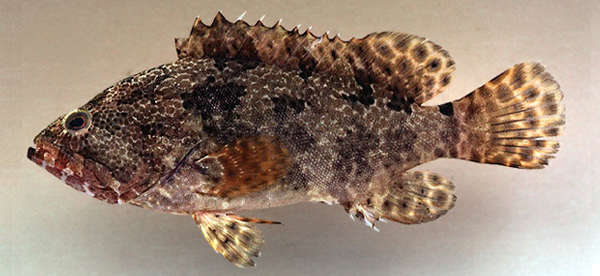
Epinephelus polyphekadion (Bleeker, 1849) (Camouflage grouper)
Usually found in coral-rich areas of lagoon and outer reefs; in caves and large crevices to swim through . Most abundant around islands, particularly atolls. Usually in small schools. Feeds mainly on crustaceans and fi...
Read More
Read More
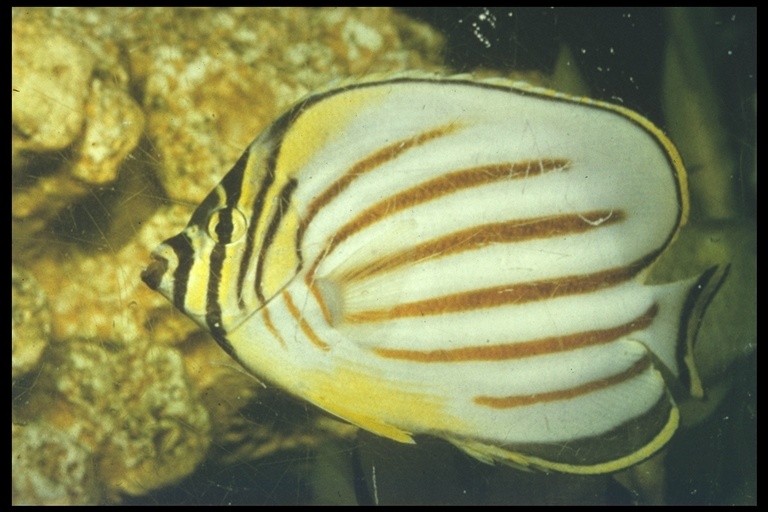
Chaetodon ornatissimus Cuvier, 1831 (Ornate butterflyfish)
Occur in clear waters and coral-rich areas of lagoon and seaward reefs. However, only common in seaward reefs . Benthopelagic . Juveniles are solitary, living among branching corals, while adults are almost always in pa...
Read More
Read More
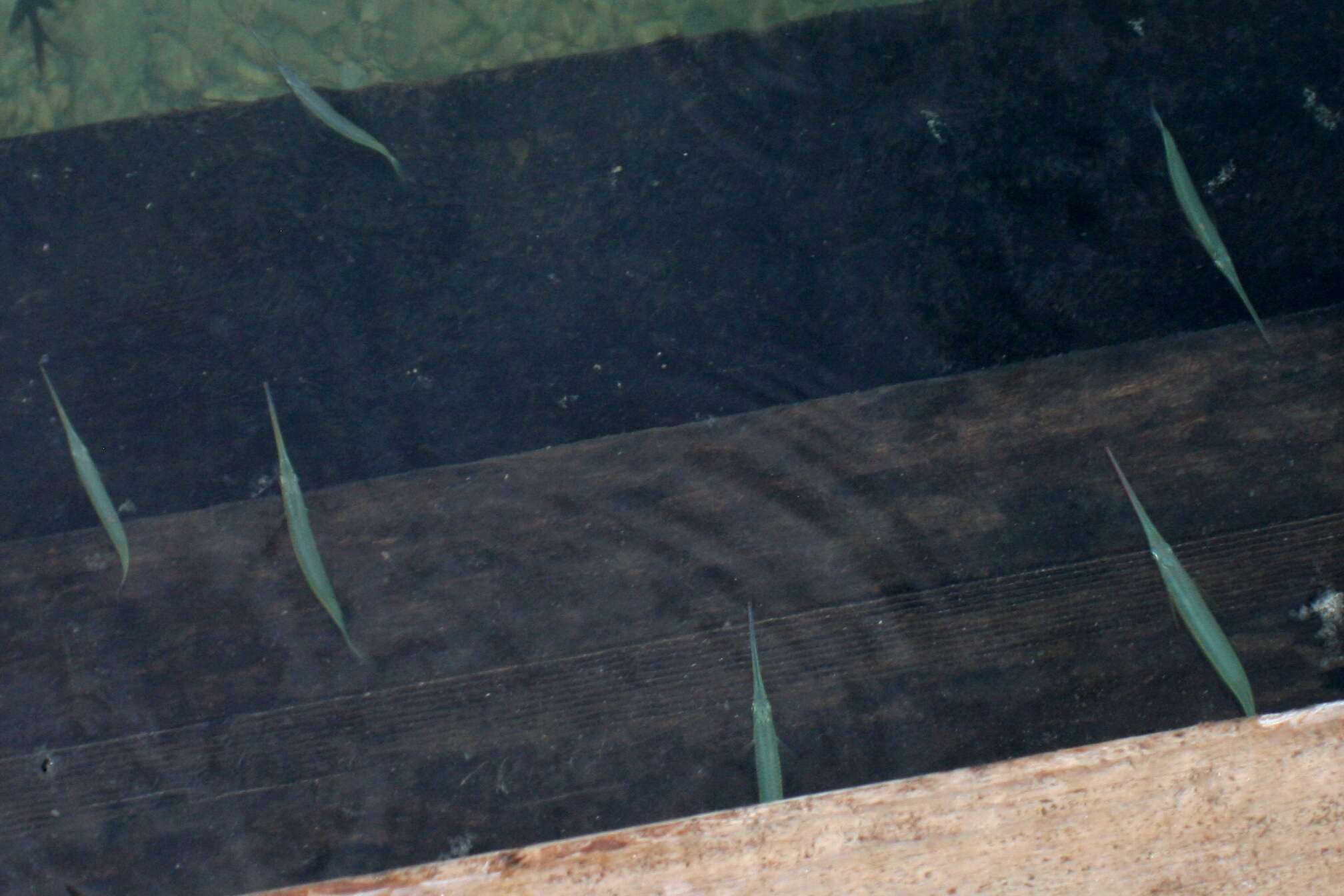
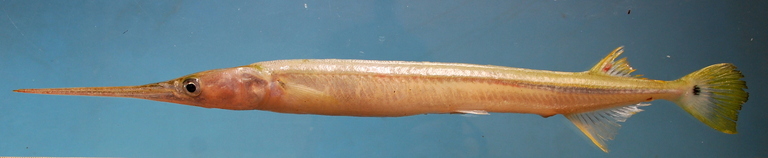
Strongylura incisa (Valenciennes, 1846) (Reef needlefish)
Occurs over both lagoon and seaward reefs. Oviparous . Eggs may be found attached to objects in the water by tendrils on the egg's surface .
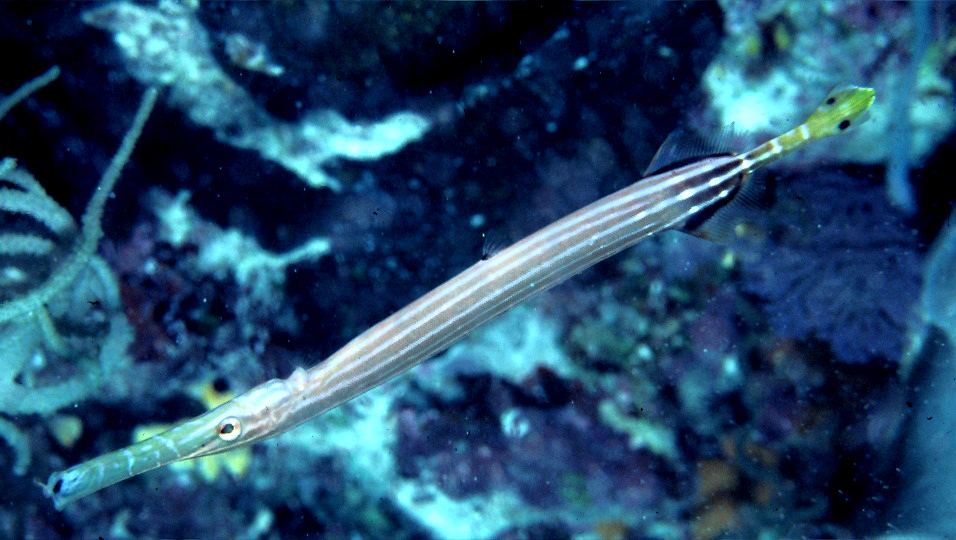
Aulostomus chinensis (Linnaeus, 1766) (Chinese trumpetfish)
Found in clear, shallow water , in rocky and coral areas of protected and seaward reefs . Benthopelagic . Feeds on small fishes and shrimps . A slow-moving fish relying partly on stealth and camouflage to sneak up on unsuspecting prey. Often darts down vertically on its prey. Usually solitary .
Strongylura strongylura (van Hasselt, 1823) (Spottail needlefish)
Found in coastal areas and mangrove-lined lagoons, also enters freshwater. Carnivorous. Feeds mainly on small fishes, especially clupeoids. Occurs at temperatures ranging from 26 to 29°C . Oviparous . Eggs may be fou...
Read More
Read More
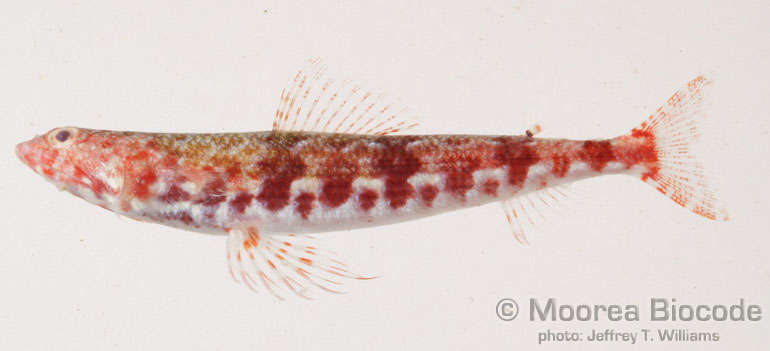
Synodus variegatus (Lacepède, 1803) (Variegated lizardfish)
Inhabits deep lagoon and seaward reefs to depths over 40 m ; sometimes found on sandy bottoms concealing itself in the sand. Prefers to rest on hard surfaces and frequently occurs in pairs . Benthic . Feeds on small fis...
Read More
Read More
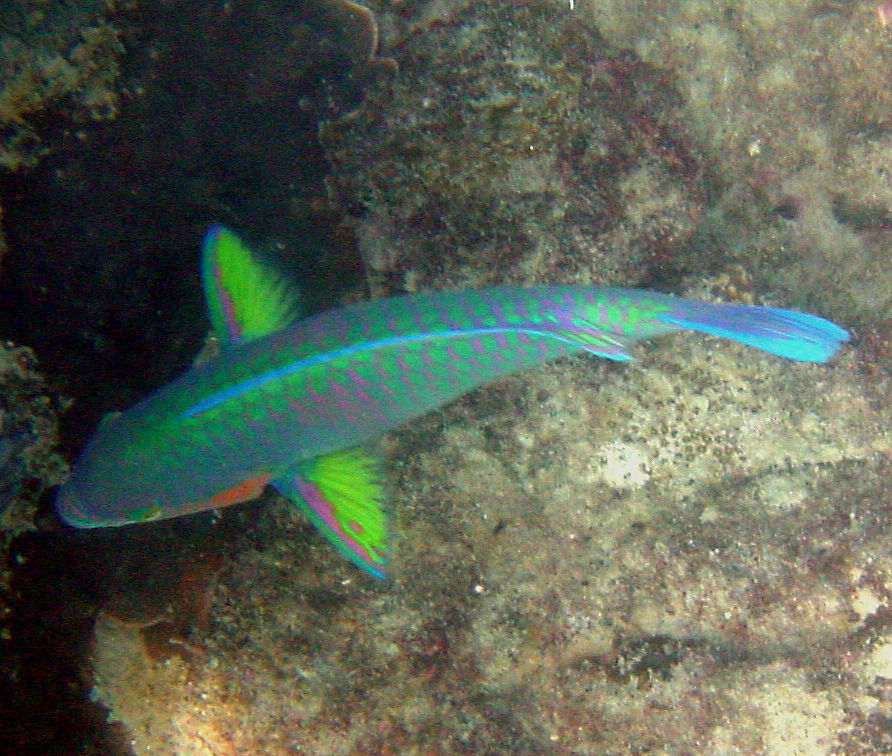
Scarus spinus (Kner, 1868) (Greensnout parrotfish)
Inhabits coral-rich areas of outer lagoon and seaward reefs . Usually solitary . Females usually in small groups with a male nearby; they may mix with females of similar species . An uncommon fish patchily distributed through much of its range.
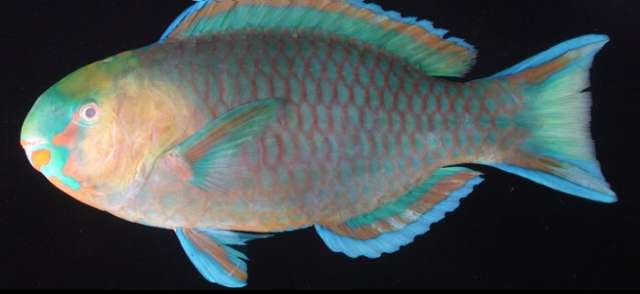
Scarus rivulatus Valenciennes, 1840 (Rivulated parrotfish)
Inhabits rocky and coral reefs from tidal pools to at least 10 m deep. Form schools with 30 to 40 individuals. Grazes on benthic algae and corals . Reproductively active terminal males become bicolored .
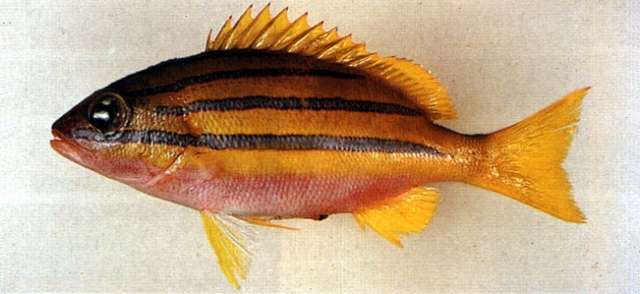
Lutjanus bengalensis (Bloch, 1790) (Bengal snapper)
Mainly inhabits coral and rocky reefs . Sometimes forms small aggregations around rocky outcrops and coral heads during daylight hours. Feeds on fishes and crustaceans .
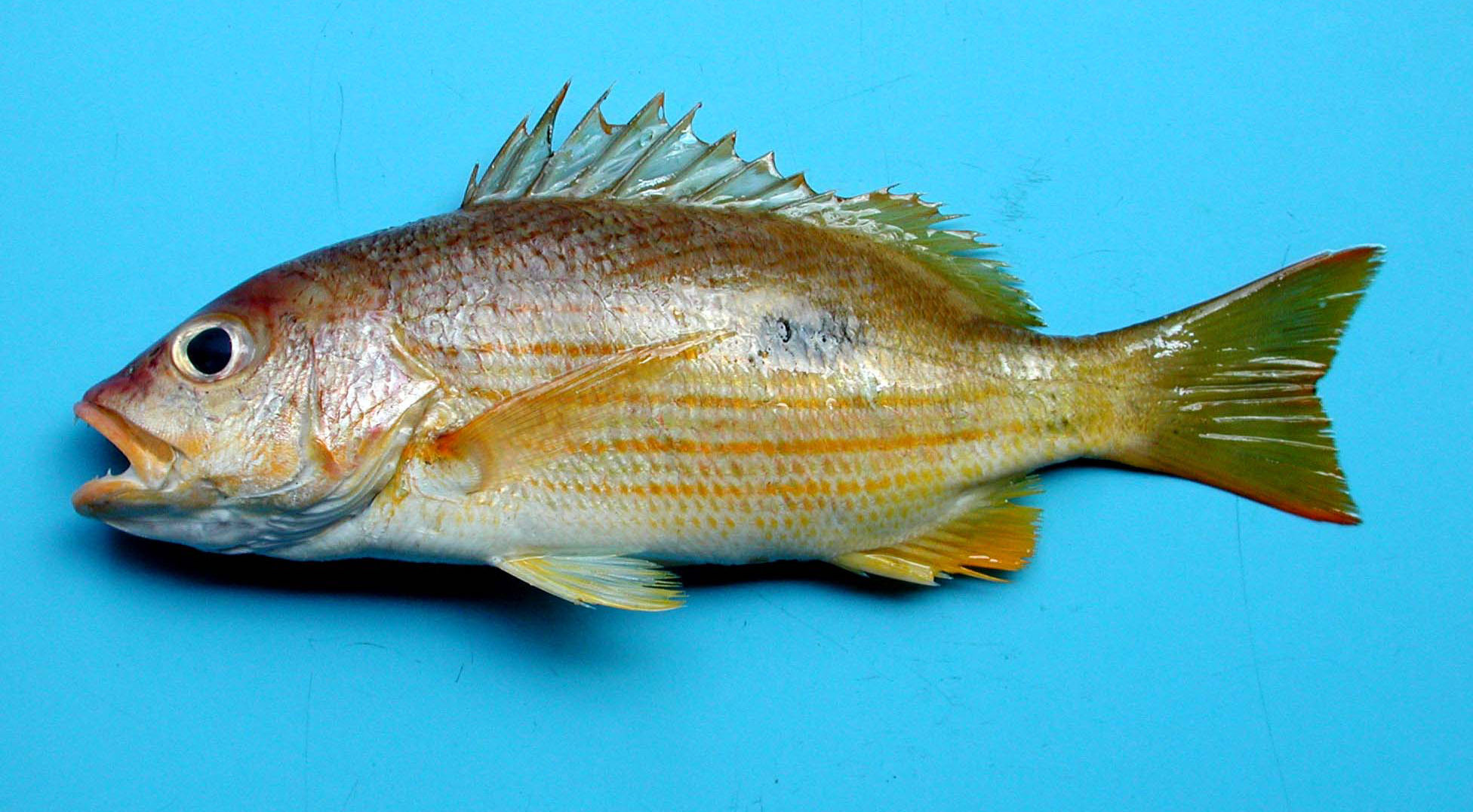
Lutjanus ehrenbergii (Peters, 1869) (Ehrenberg's snapper)
Inhabits very shallow coastal habitats, often in large schools near freshwater run-offs . Juveniles often intertidal . Feeds on small fish and invertebrates . May enter freshwater to feed .
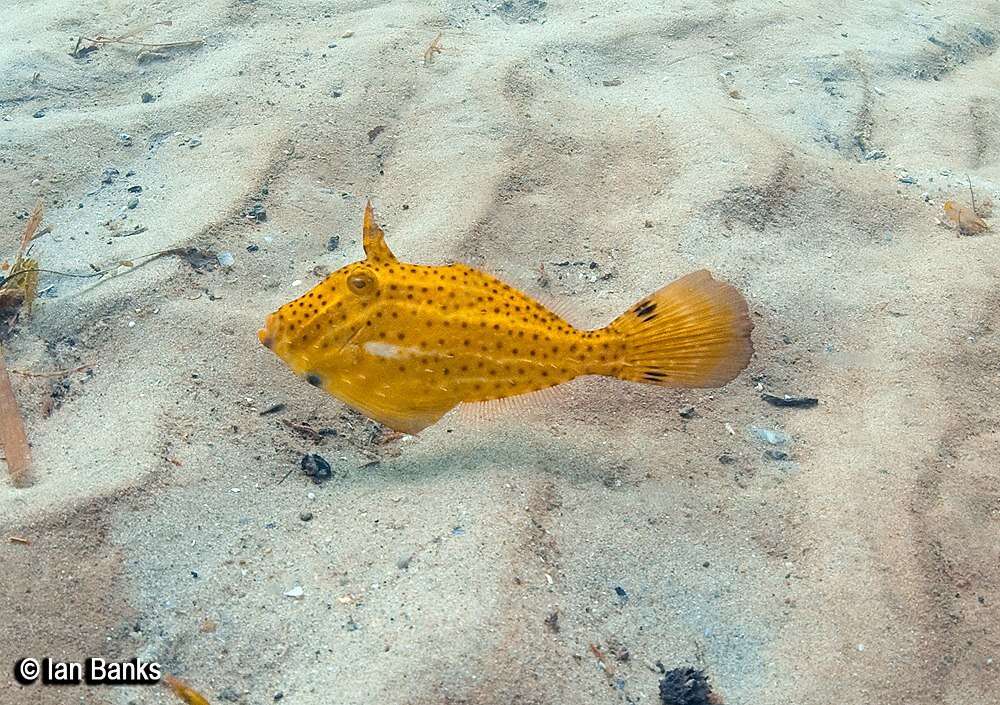
Pseudomonacanthus peroni (Hollard, 1854) (Pot-bellied leatherjacket)
Inhabits trawling grounds .
Share on Social Networks
- Facebook:

personalize your shared text as well as its destination (wall, page...) or send as a private message to a friend
- Twitter: Tweet personalize your tweet
- Google Plus:
Direct link to this dive
- Long link:
- Short link:


 We are participating today in the startup contest Techcrunch Disrupt. Support Diveboard by voting for us!
























































































2nd dive 2 tanker aboard Waling Waling
calm conditions after windy morning but green water silty viz
Mansud wall regular out and back dive, thermocline @30-40 ft
very nice Yellow tipped Phyllodesmium
multilevel