


 Beachnutts



 Philippines
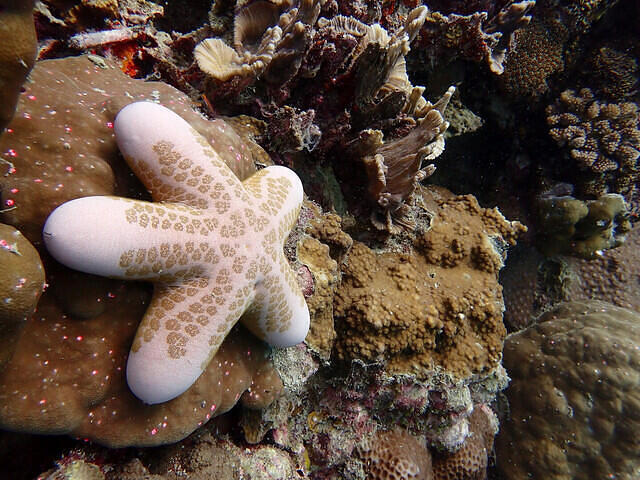
-
Nº148
 Date: 2024-09-15 - 02:05
-
 Max Depth: 21.3m Duration: 80mins
Dive Location

- Surface interval:63 mins
- Temp: Surf 27°C Bottom 27°C
- Dive type : Recreational, Reef, Photo
- Visibility: Good Water: Salt
Specific gear used
- BCD: Scubapro - Glide Plus
- Camera: Olympus - TG6
- Computer: Oceanic - OCS
- Fins: Scubapro - Jet Fins
- Knife: Scuba MAx - folding
- Lift bag: ScubaMax - SMB
- Light: Sofirn - SD05
- Mask: Promate - Scope
- Regulator: Aqualung - Legend
- Regulator: SEAC - Synchro
- Wet suit: Blue Ocean - Diveskin
- Weights: 3.2 kg
Dive reviews
| Overall review | ||
| Dive difficulty | ||
| Marine life quality |
Recent Divers in Talicud island, Davao
Recent Pictures in Talicud island, Davao
Dive Shop & Buddies
 Dive with Blake Auge from Carabao Dive Center
 Dive buddies:
Reymar Tano,
Beachnutts

Link to this spot:
- Spot:
- Country:
- Area:
- Body of water:
Dive Profile
- 1. Air
- 10L Aluminium 207 → 34 bar
- Average depth: 14.2m
Data provided by EOL.org


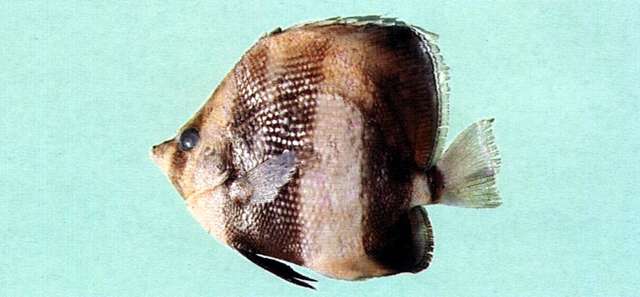
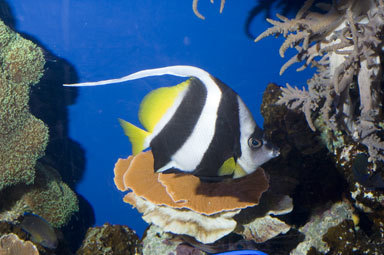
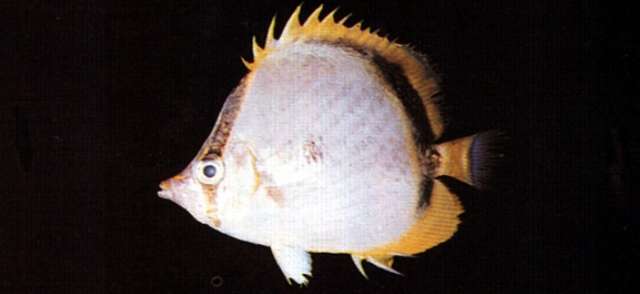
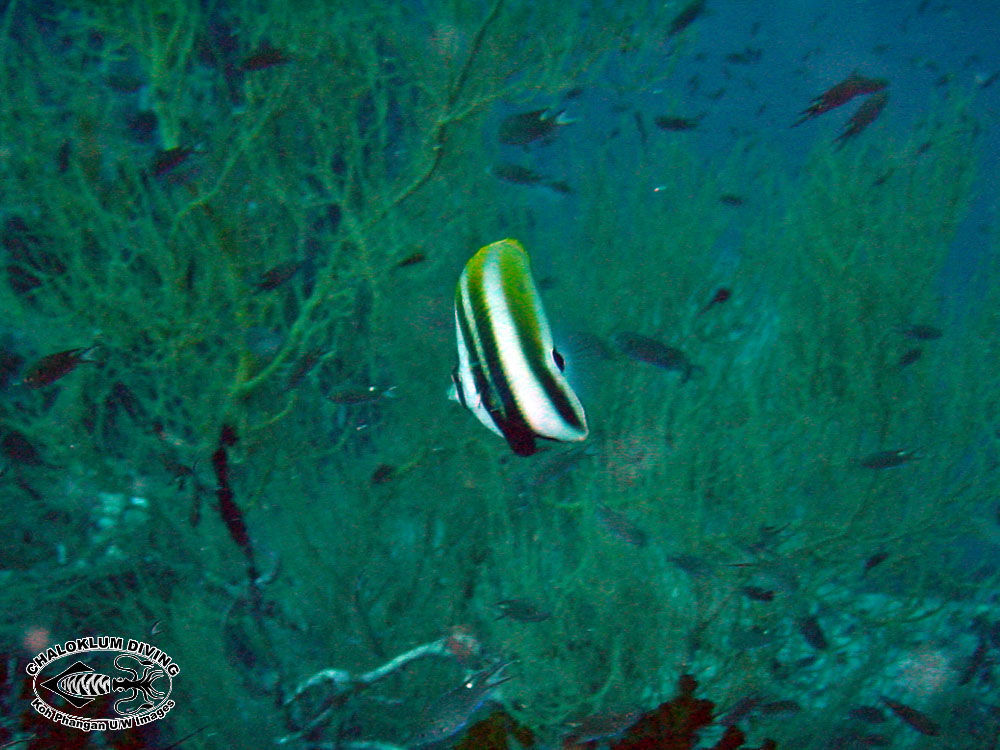








Species Identified
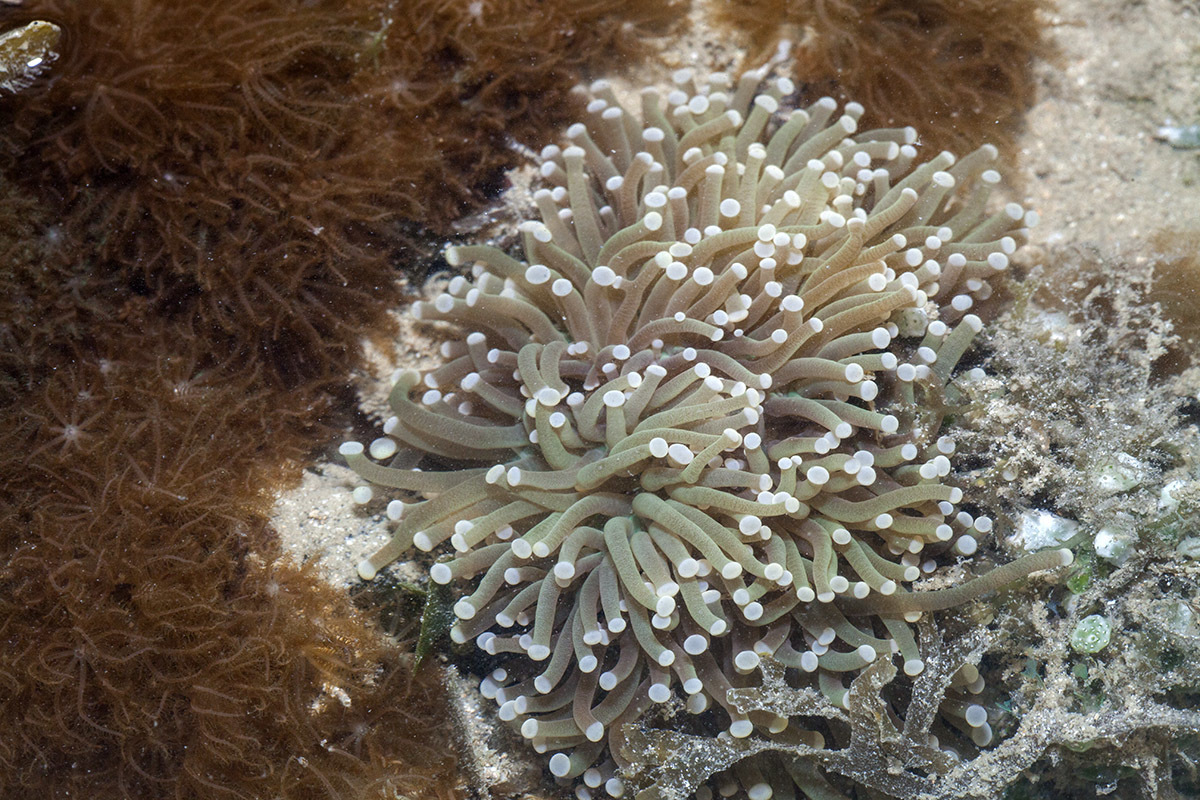
Euphyllia glabrescens (Chamisso and Eysenhardt, 1821) (Joker coral)
zooxanthellate
Pachyseris speciosa (Dana, 1846) (Serpent coral)
zooxanthellate
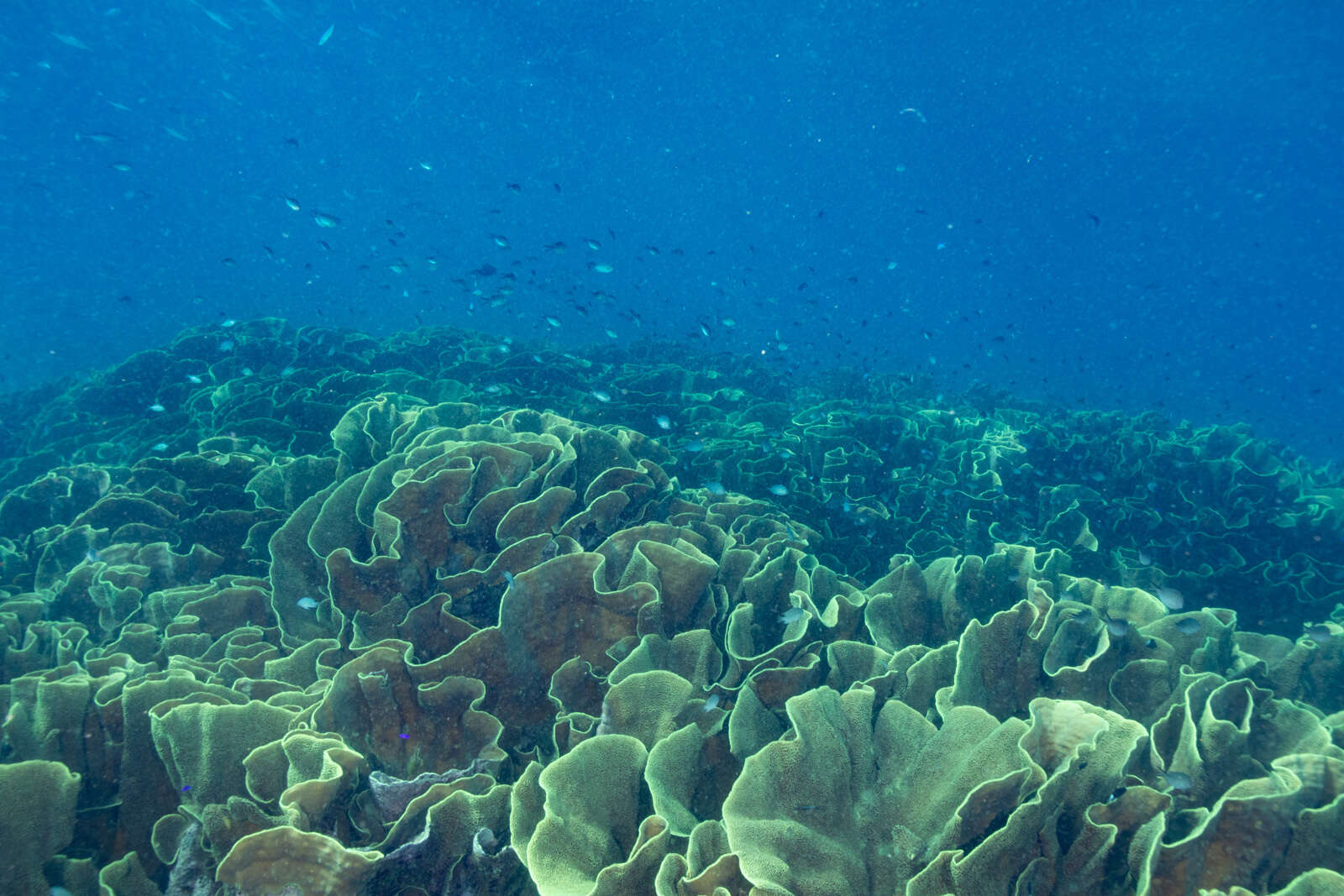
Turbinaria frondens (Dana, 1846) (Disc coral)
zooxanthellate
Deltocyathus rotulus (Alcock, 1898)
azooxanthellate
Leptoseris explanata Yabe and Sugiyama, 1941 (Porcelain coral)
zooxanthellate
Deltocyathus philippinensis Cairns and Zibrowius, 1997
azooxanthellate
Ericiocyathus echinatus Cairns and Zibrowius, 1997
azooxanthellate
Leptoseris scabra Vaughan, 1907 (Porcelain coral)
zooxanthellate
Cyathelia axillaris (Ellis and Solander, 1786)
azooxanthellate
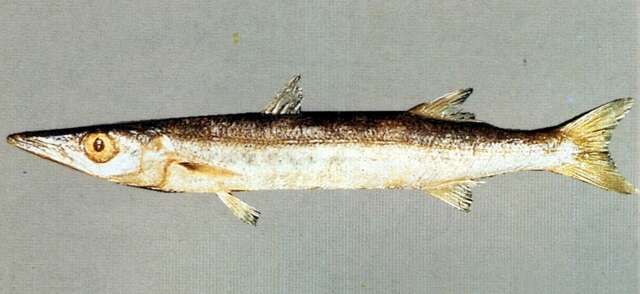
Sphyraena forsteri Cuvier, 1829 (Bigeye barracuda)
Nocturnally active, but occurring in large schools above lagoon patch reefs and along outer reef slopes during the day . Feeds mainly on fishes, but also on penaeid shrimps and squids. Sold fresh, frozen or dried salted. Reports of ciguatera poisoning need confirmation.
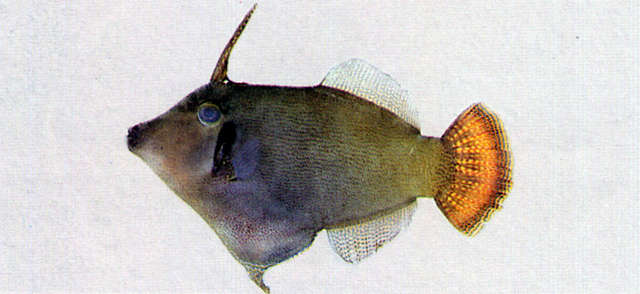
Amanses scopas (Cuvier, 1829) (Broom leatherjacket)
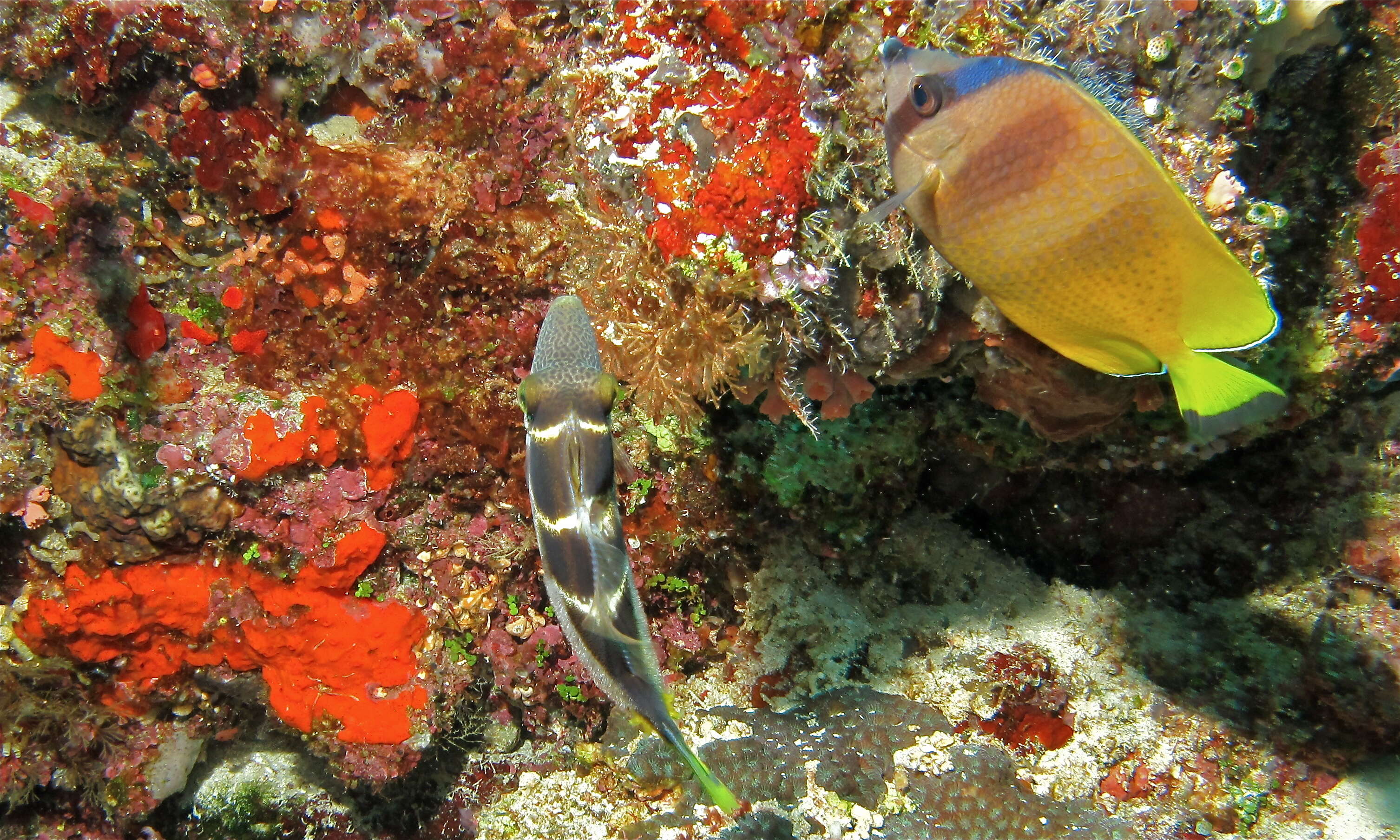
Inhabits clear coastal to outer reefs, usually in rich coral areas with rubble patches or gutters . Less approachable than most filefishes . Usually seeks coverage in large corals when approached .
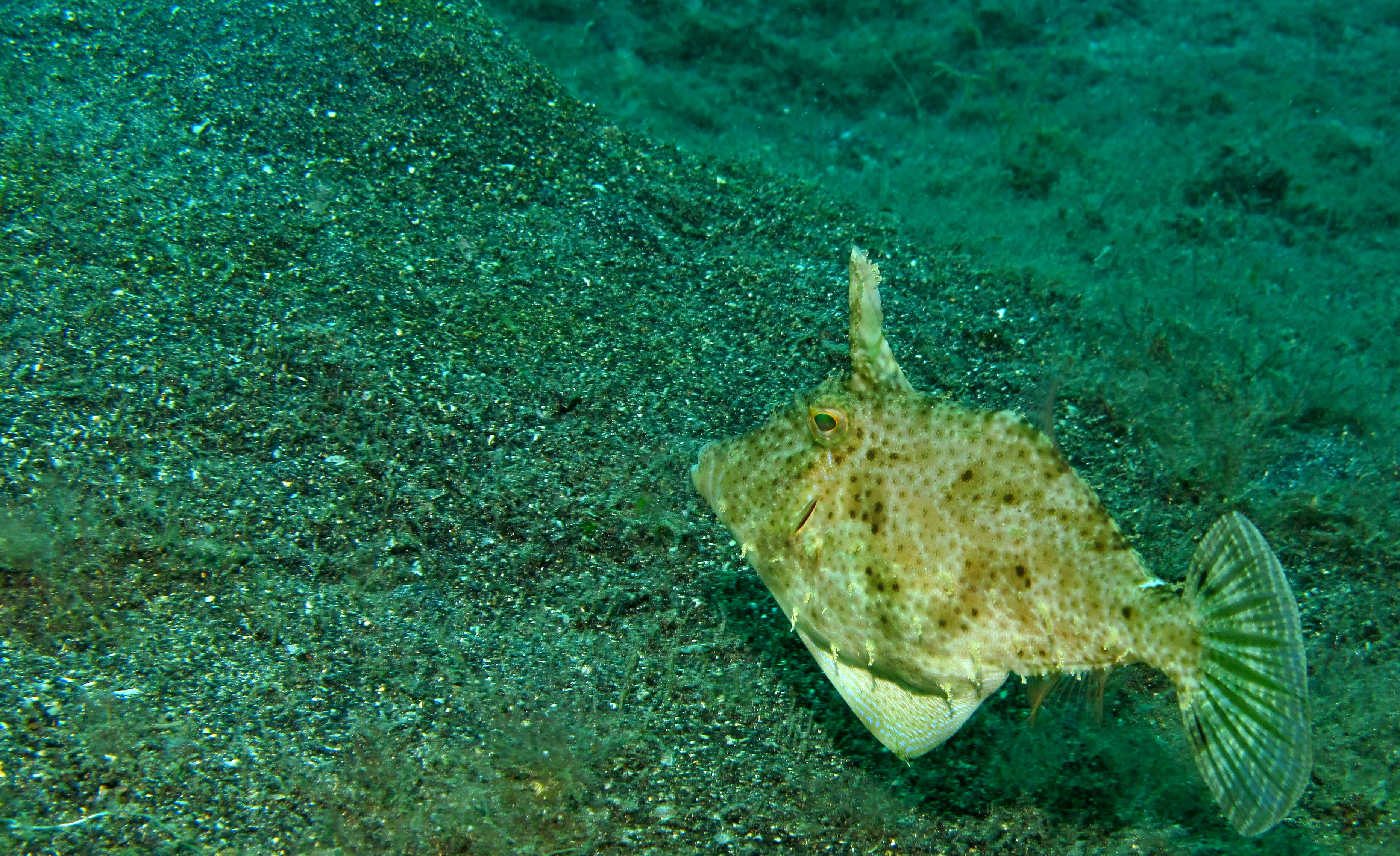
Pseudomonacanthus macrurus (Bleeker, 1857) (Strap-weed file-fish)
Inhabits shallow coastal algal reefs and estuaries. Adults are often in pairs .
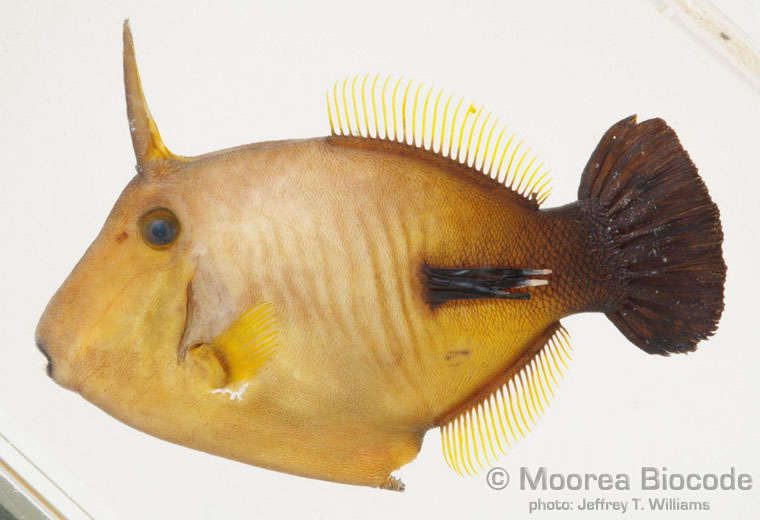
Pervagor janthinosoma (Bleeker, 1854) (Blackbar filefish)
Occurs in shallow lagoons and seaward reefs to a depth of about 15 m; common in coral-rich areas. Secretive species among rocks, sponges or in crevices on the bases of large coral formations. Adults usually form pairs but often only one is observed while the other one is hiding .
Coradion chrysozonus (Cuvier, 1831) (Goldengirdled coralfish)
Found in coastal to outer reef drop-offs with rich invertebrate growth to 60 m depth; may also occur in areas with sparse coral growth. Feed on sponges . Oviparous . Form pairs during breeding .
Heniochus acuminatus (Linnaeus, 1758) (Pennant coralfish)
Inhabit deep, protected lagoons and channels, and the deeper parts of outer reef slopes. Juveniles are often solitary while adults occur in pairs . A planktivorous species that generally remains within a few meters of th...
Read More
Read More
Chaetodon selene Bleeker, 1853 (Yellowdotted butterflyfish)
Inhabit coastal reefs, primarily on rubble slopes . Oviparous . Adults usually swim in pairs in search of small benthic invertebrates .
Coradion altivelis McCulloch, 1916 (High-finned coralfish)
A poorly known species . Found in inshore reefs in mixed algae and coral habitats and coastal drop-offs . Oviparous . Form pairs during breeding .
Chaetodon kleinii Bloch, 1790 (Sunburst butterflyfish)
Paracaesio gonzalesi Fourmanoir and Rivaton, 1979 (Vanuatu snapper)
Occurs over rocky bottoms. Marketed fresh.
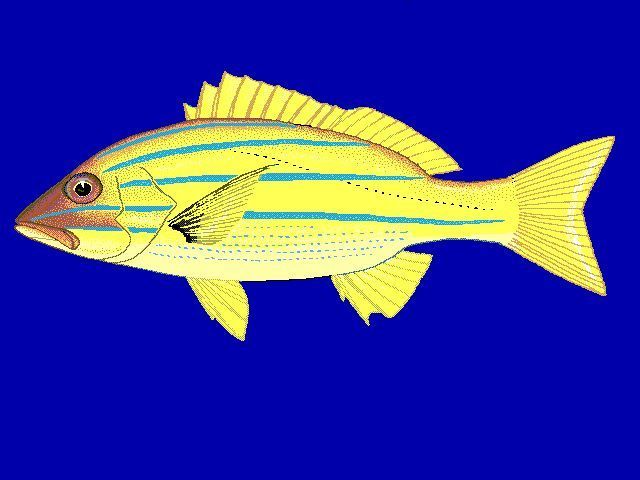
Lutjanus kasmira (Forsskål, 1775) (bluebanded sea perch)
Chrysiptera rex (Snyder, 1909) (Pink demoiselle)
Found in 1-6 m and in coastal to outer reef crests to depths of about 20 m . Occurs solitarily or in groups in reef margins and upper seaward slopes subject to mild surge . Feeds mainly on algae.
Dischistodus fasciatus (Cuvier, 1830) (Banded damsel)
Inhabits silty lagoon and coastal reefs around coral outcrops and seagrass beds . Often adjacent to clear mangrove coasts among rubble and Sargassum algae, to a few meters depth .
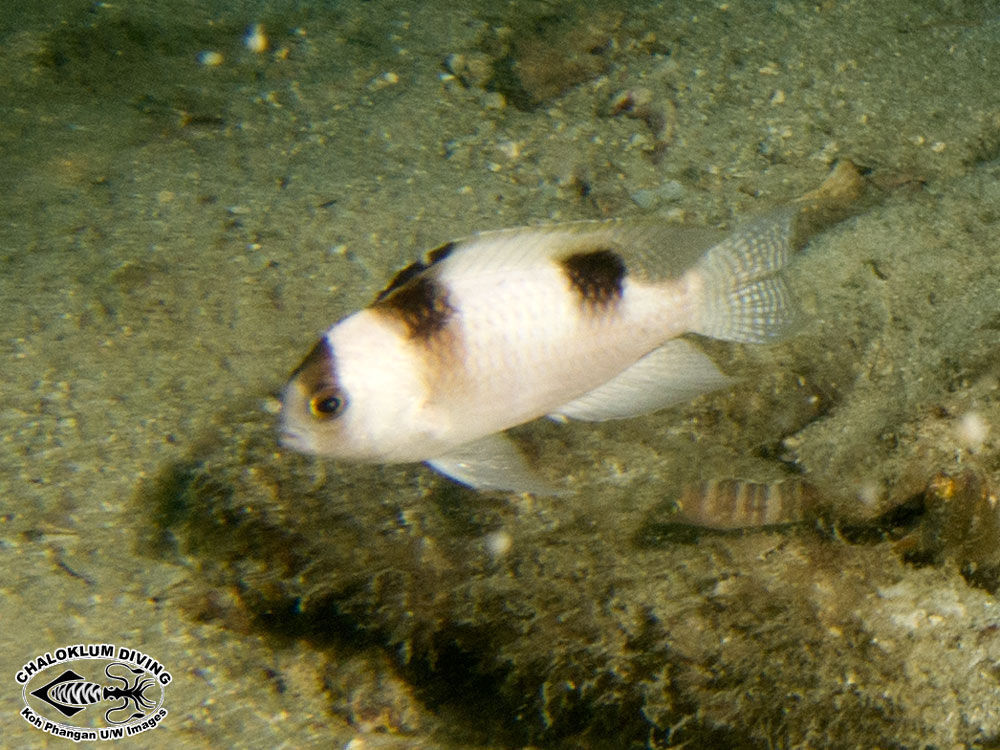
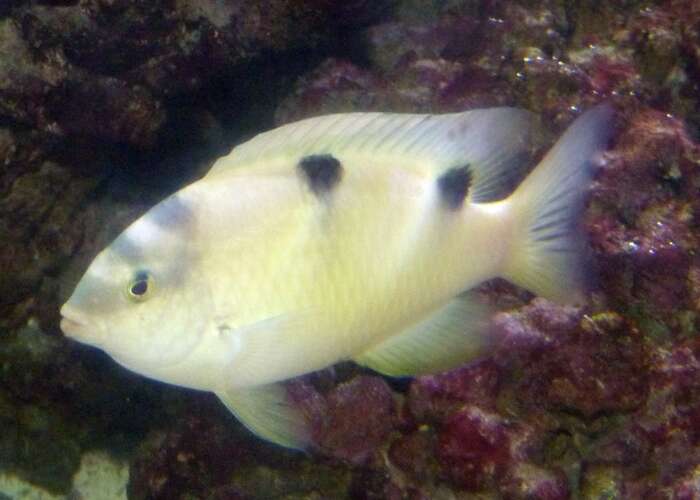
Dischistodus perspicillatus (Cuvier, 1830) (White damsel)
Occurs in small patch reefs of shallow lagoons, with algae or seagrass habitats. The stomach of several specimens examined contained mainly algae and detritus mixed with sand grains.
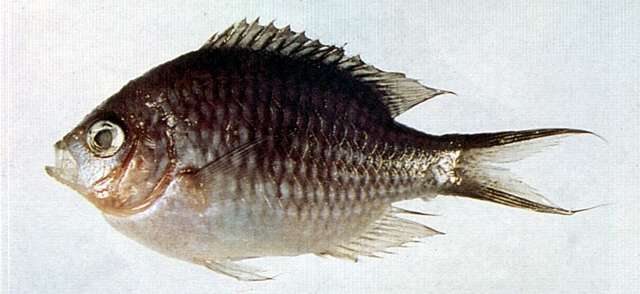
Chromis ternatensis (Bleeker, 1856) (Ternate chromis)
Schools above branching corals along upper margins of clear lagoon and outer reef slopes. Often associated with branching Acropora.
Chrysiptera cyanea (Quoy and Gaimard, 1825) (cornflower sargeantmajor)
Found amongst rubble and coral of clear sheltered lagoons and subtidal reef flats . Occurs in groups of a male and several females or juveniles . Feeds on algae, pelagic tunicates and copepods.
Plectroglyphidodon dickii (Liénard, 1839) (Dick's damsel)
Inhabits coral-rich and surge areas of clear lagoon and seaward reefs . Commonly associated with Pocillopora or Acropora corals . Feeds on filamentous algae, small benthic invertebrates, and occasionally small fishes . Minimum depth range taken from Ref. 7247.
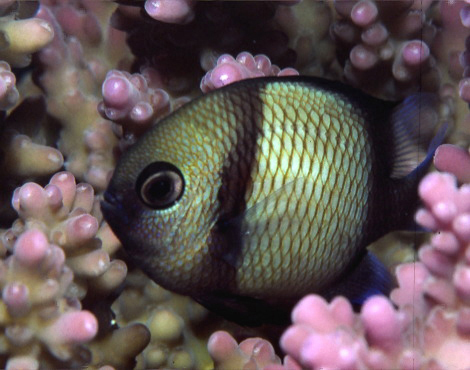
Dascyllus reticulatus (Richardson, 1846) (twostriped damselfish)
Occurs in outer lagoon and seaward reefs. Inhabits branching coral heads, particularly Pocillopora eydouxi. Forms schools, often in silty habitats . Male prepares a nest by cleaning with its mouth a rock or coral surface where the female will attach the eggs .
Cirrhitichthys falco Randall, 1963 (Dwarf hawkfish)
Shallow coastal to outer reef flats and slopes to 45 m depth . Common inhabitant of coral reefs, typically resting at the bases of coral heads . Studies indicate that it is haremic and spawns nightly . Occasionally in pairs .
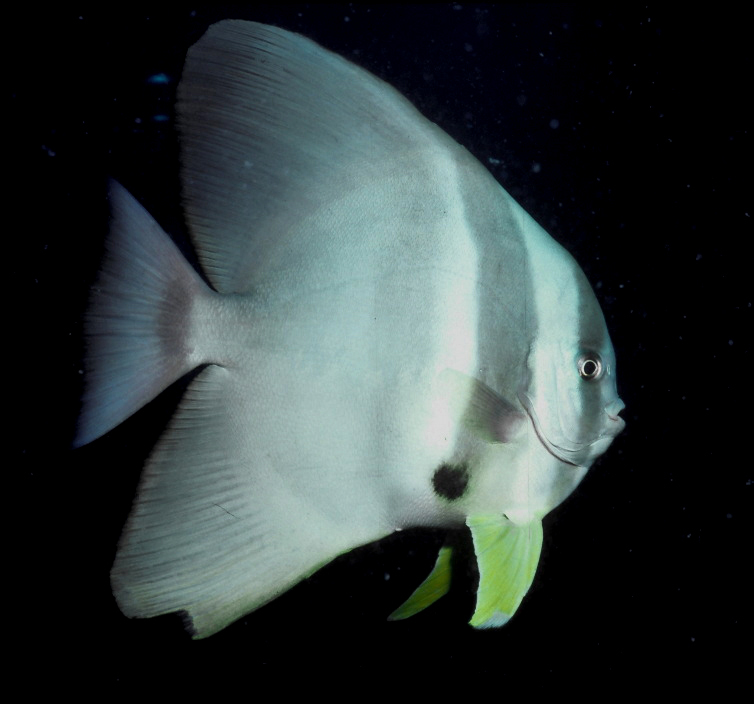
Platax pinnatus (Linnaeus, 1758) (Dusky batfish)
Adults are generally solitary and found under overhangs of steep outer reef slopes to a depth of at least 20 m. Juveniles are encountered in mangroves and inner sheltered reefs where they seek shelter in caves or under le...
Read More
Read More
Callogorgia flabellum (Ehrenberg, 1834)
Callogorgia cristata Aurivillius, 1931
Balistapus undulatus (Park, 1797) (Orange-lined triggerfish)
Occurs in coral-rich areas of deep lagoon and seaward reefs from the lower surge zone to at least 50 meters, Ref. 48637. Feeds on a variety of benthic organisms such as algae, echinoderms, fishes, mollusks, tunicates, spo...
Read More
Read More
Pterois russelii Bennett, 1831 (Plaintail turkeyfish)
Found on muddy substrates, from well-protected shallow estuaries to quiet, deep offshore reefs .
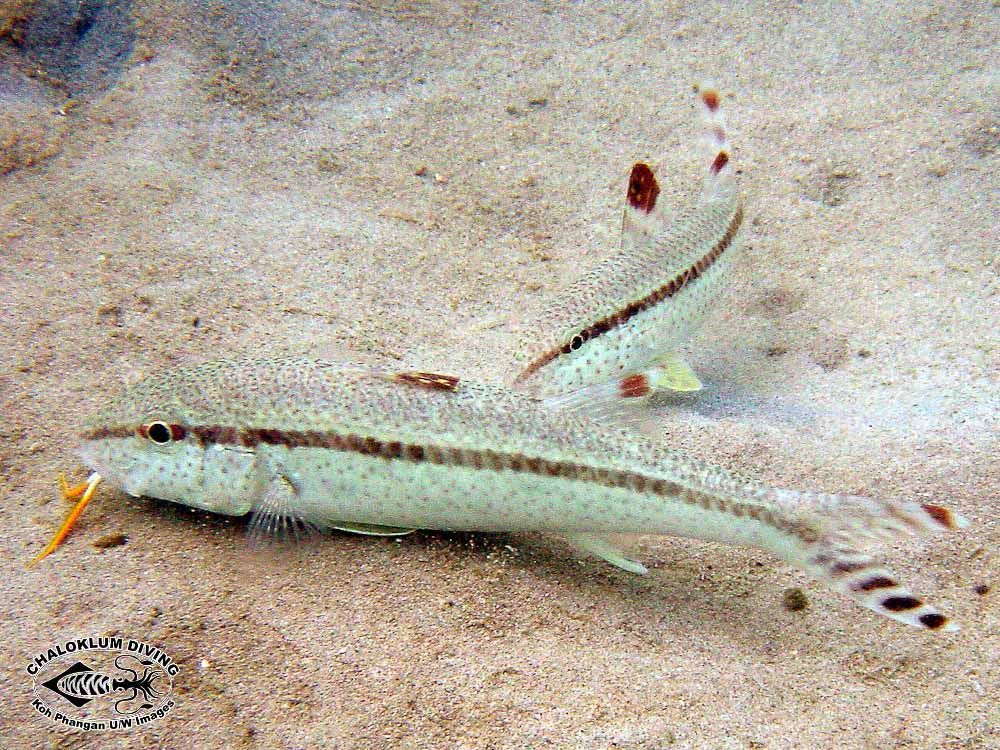
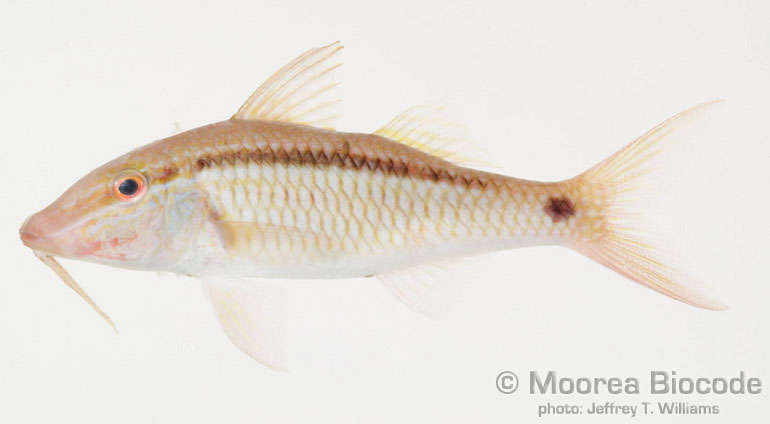
Upeneus tragula Richardson, 1846 (Freckled goatfish)
Found over sand and mud bottoms near coral reefs . Known to enter lower reaches of rivers. Generally solitary , but forms small to moderately large aggregations at all sizes . Minimum depth from Ref. 3470.
Parupeneus barberinus (Lacepède, 1801) (Dash-and-dot goatfish)
One of the most abundant species of Parupeneus . Inhabits large sand patches as well as sand and rubble areas of reef flats, and lagoon and seaward reefs to a depth of about 100 m. Forages on sand-dwelling invertebrates ...
Read More
Read More
Parupeneus trifasciatus (Lacepède, 1801) (threebarred goatfish)
This occasionally schooling species inhabits lagoon and seaward reefs: juveniles on reef flats, adults tend to occur around rocky or coralline areas of high vertical relief. Feeds on crustaceans at daytime and on fishes ...
Read More
Read More
Share on Social Networks
- Facebook:

personalize your shared text as well as its destination (wall, page...) or send as a private message to a friend
- Twitter: Tweet personalize your tweet
- Google Plus:
Direct link to this dive
- Long link:
- Short link:


 We are participating today in the startup contest Techcrunch Disrupt. Support Diveboard by voting for us!
























































































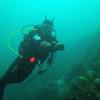
2nd dive, 2 dive trip aboard Dive Crew. Close to first dive cause of late time and weather, but smooth and calm later after 1st dive. DADATAN POINT just off point rock . 1st swim S to Nudiville area, but quiet, so reverse back across point to slope and vertical walls. very quiet, not much to spot. back to boat. Photos of freedivers.