


 Beachnutts


 Philippines
-
Nº161
 Date: 2025-01-05 - 01:44
-
 Max Depth: 26.2m Duration: 74mins
Dive Location

- Surface interval:86 mins
- Temp: Surf 26°C Bottom 26°C
- Dive type : Recreational, Reef, Photo
- Visibility: Good Water: Salt
Specific gear used
- BCD: Scubapro - Glide Plus
- Boots: Orca - Dive shoes
- Camera: Olympus - TG6
- Compass:
- Computer: Oceanic - OCS
- Fins: Scubapro - Jet Fins
- Knife: Scuba MAx - folding
- Lift bag: ScubaMax - SMB
- Light: Sofirn - SD05
- Mask: Promate - Scope
- Regulator: Aqualung - Legend
- Wet suit: Blue Ocean - Diveskin
- Weights: 3.2 kg
Dive reviews
| Overall review | ||
| Dive difficulty | ||
| Marine life quality |
Recent Divers in Talikud Island, Davao

Recent Pictures in Talikud Island, Davao
Dive Shop & Buddies
 Dive with Pitan
 Dive buddies:
Reymar Tano,
Eric Cembrano,
Beachnutts
Dive buddies:
Reymar Tano,
Eric Cembrano,
Beachnutts

Link to this spot:
- Spot:
- Country:
- Area:
- Body of water:
Dive Profile
- 1. Air
- 10L Aluminium 207 → 41 bar
- Average depth: 17.5m
Data provided by EOL.org

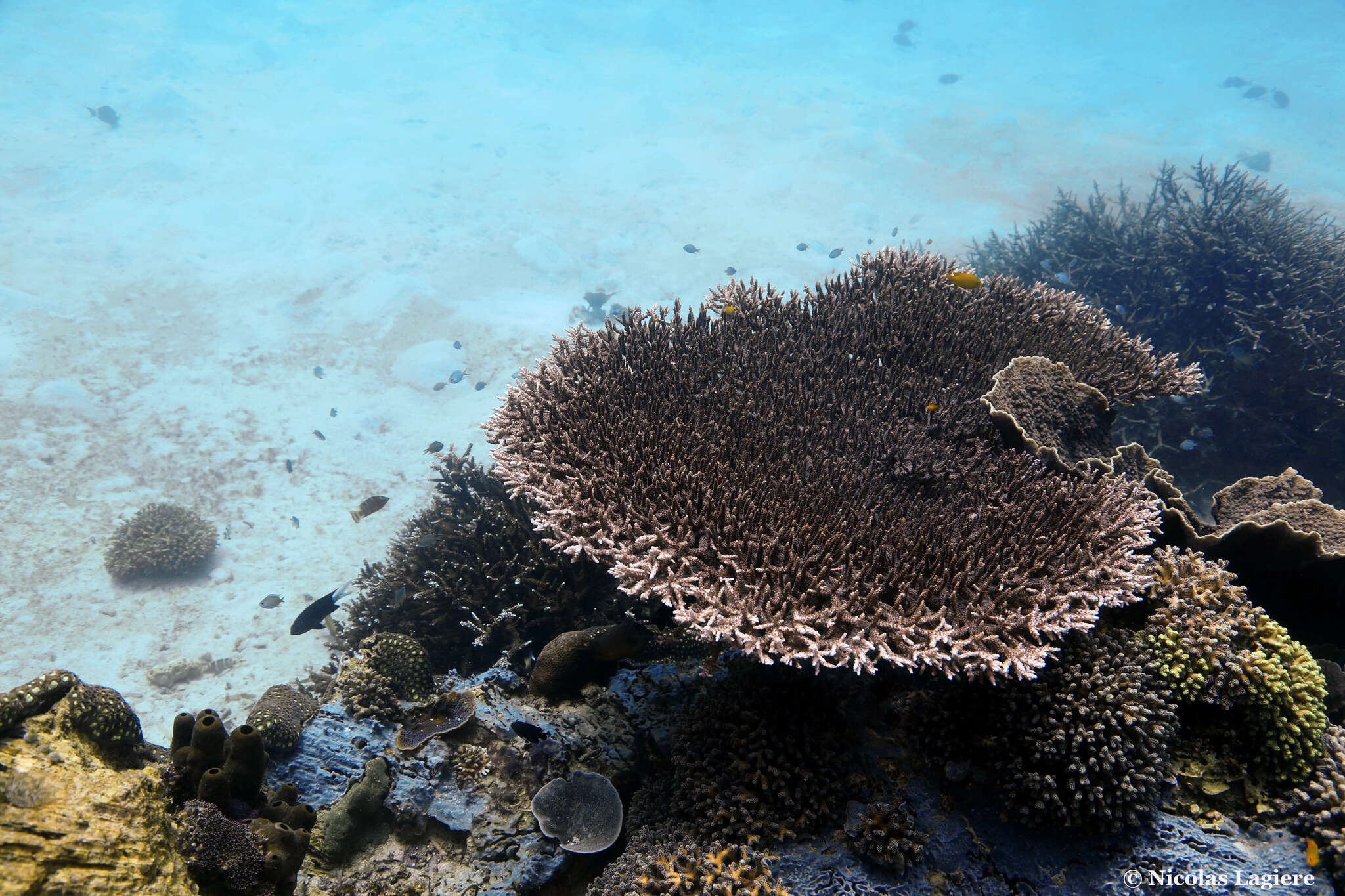


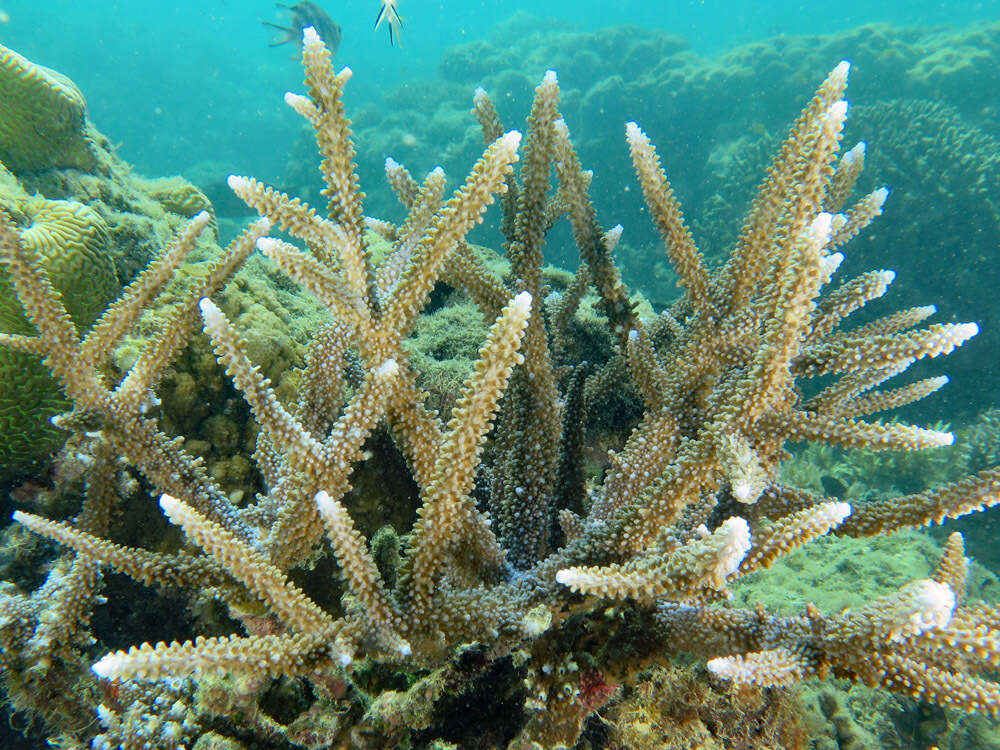
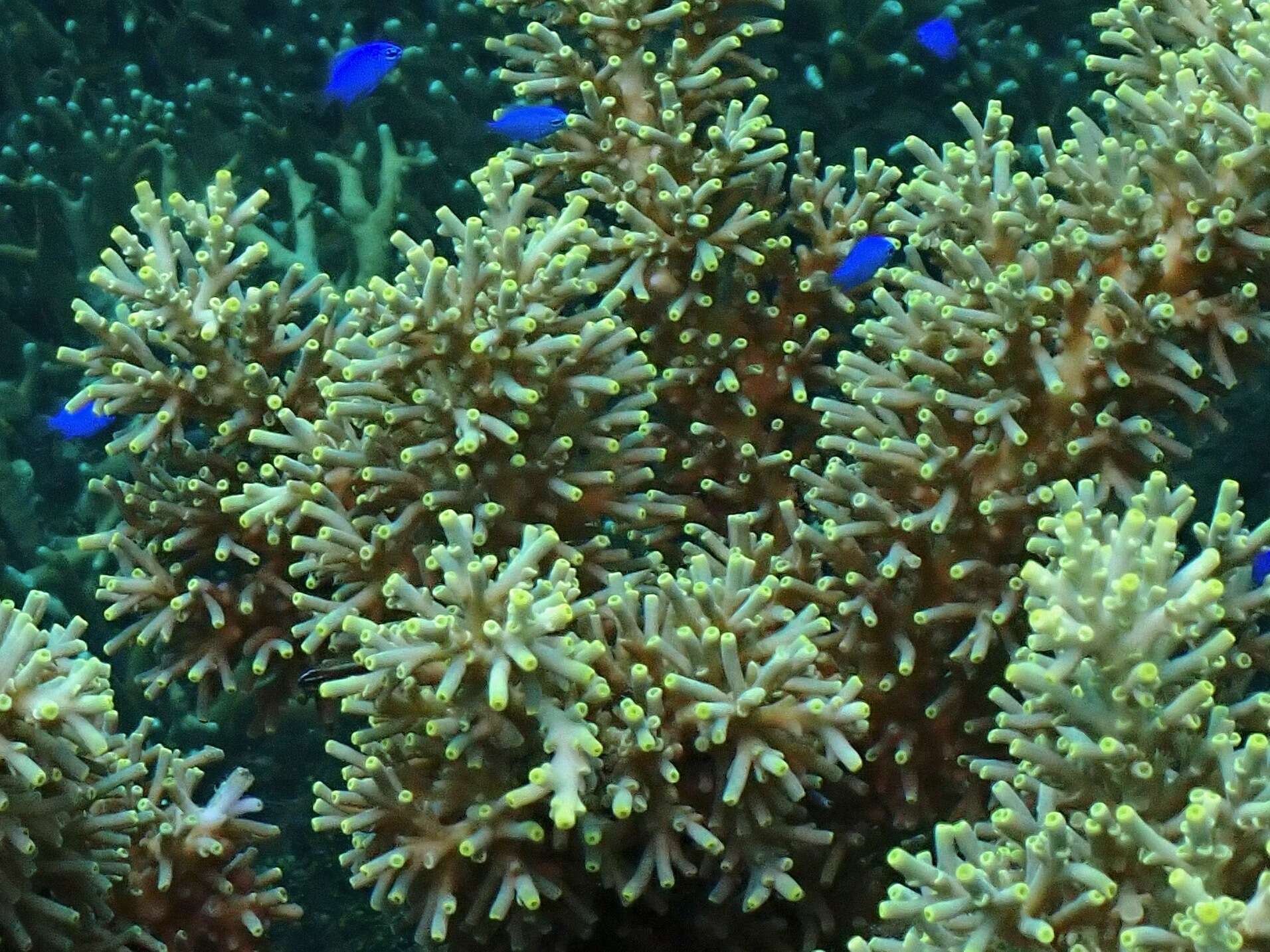
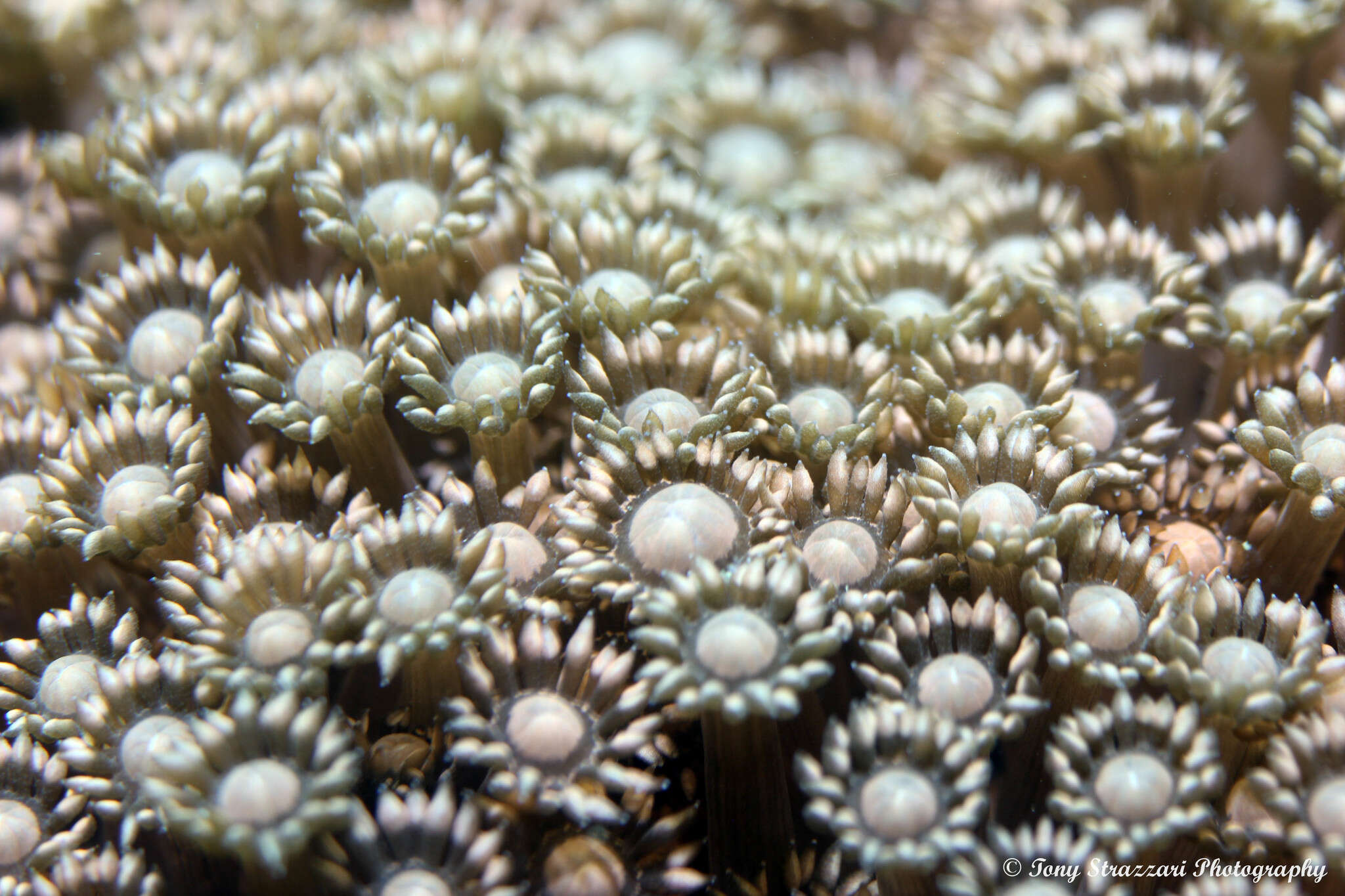



Species Identified
Exyrias puntang (Bleeker, 1851) (Puntang goby)
Inhabits muddy bottoms of shallow, turbid marine to brackish coastal inlets and estuaries. Also lives in shallow coastal waters, large tidal pools, mangroves, siltty lagoons and brackish lakes .
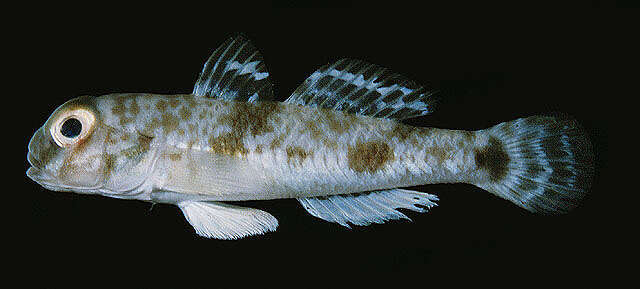
Eviota melasma Lachner & Karnella, 1980 (Melasma pygmy goby)
Found on rocks of corals reefs in the infralittoral zone .
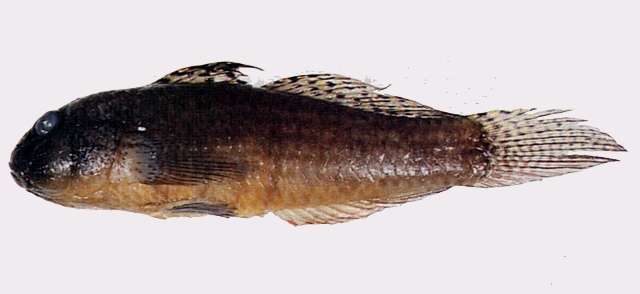
Yongeichthys criniger (Valenciennes, 1837) (horny goby)
Inhabits shallow to deep coastal mud or silty sand flats . Toxicity in this species is particularly high in the skin. Its toxicity varies with the locality and some specimens are nontoxic altogether .
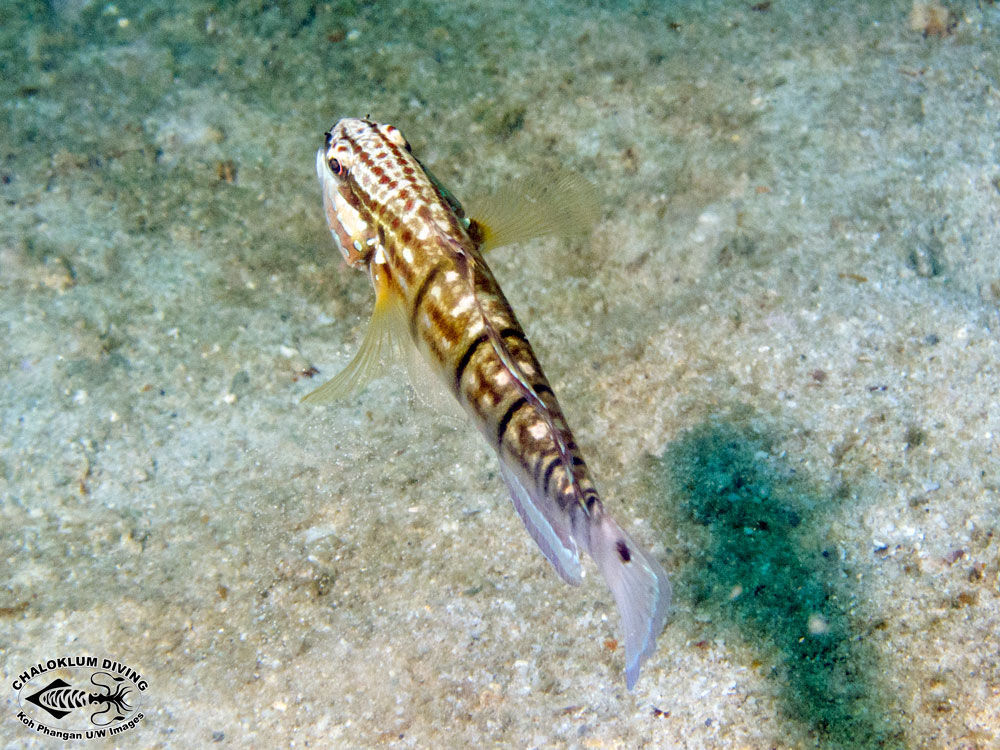
Amblygobius phalaena (Valenciennes, 1837) (Banded goby)
Adults inhabit coastal reefs and lagoons on sand and rubble margins of algal reefs and sometimes near seagrass beds . Feed by sifting mouthfuls of sand and expelling it through the gills, to capture small invertebrates, o...
Read More
Read More
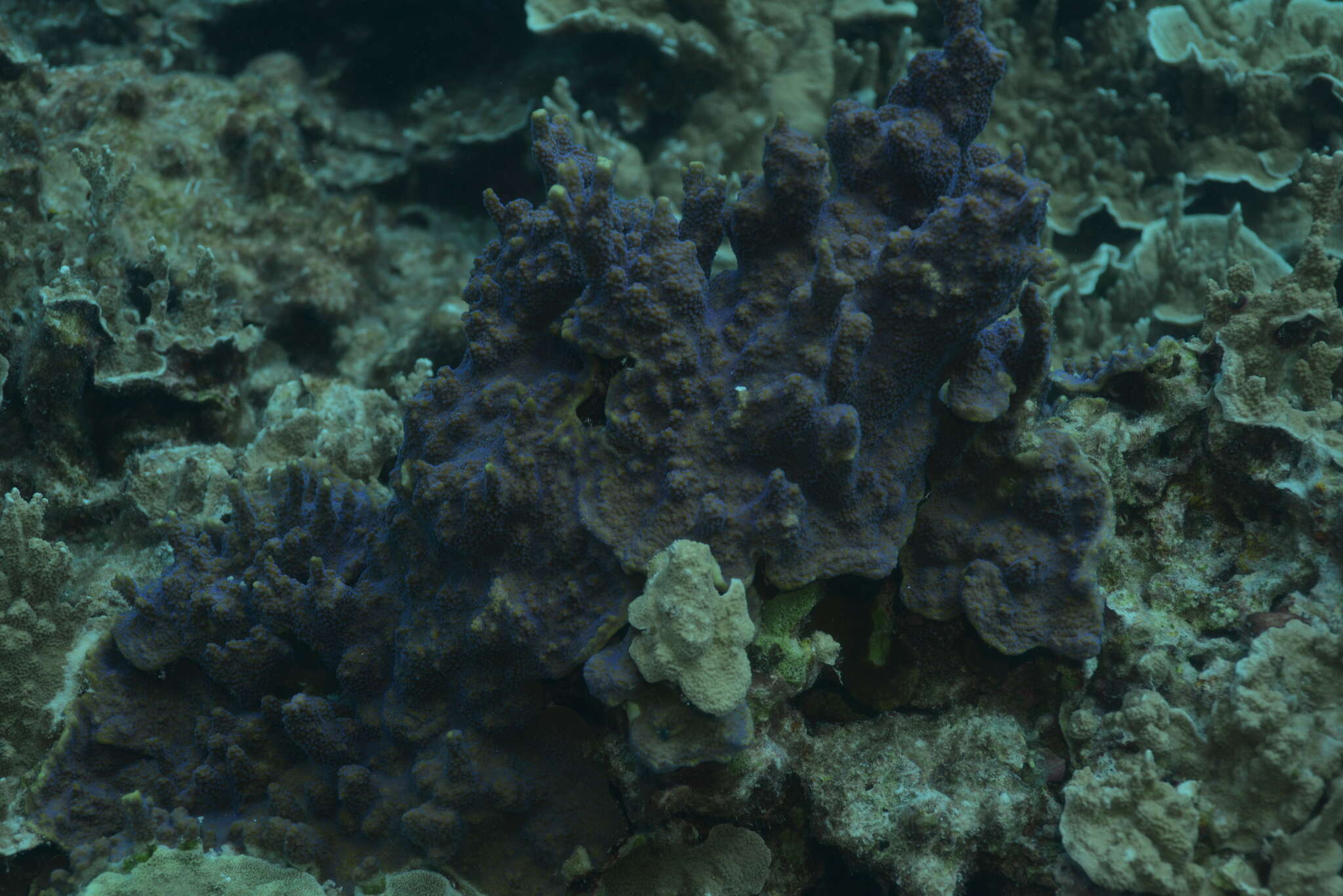
Acropora indonesia Wallace, 1997
zooxanthellate
Pocillopora damicornis (Linnaeus, 1758) (Cauliflower coral)
zooxanthellate
Pocillopora verrucosa (Ellis and Solander, 1786) (Cauliflower coral)
zooxanthellate
Acropora intermedia (Brook, 1891)
zooxanthellate
Acropora echinata (Dana, 1846)
zooxanthellate
Goniopora tenuidens Quelch, 1886 (Anemone coral)
zooxanthellate
Stylophora pistillata (Esper, 1797) (Hood coral)
zooxanthellate
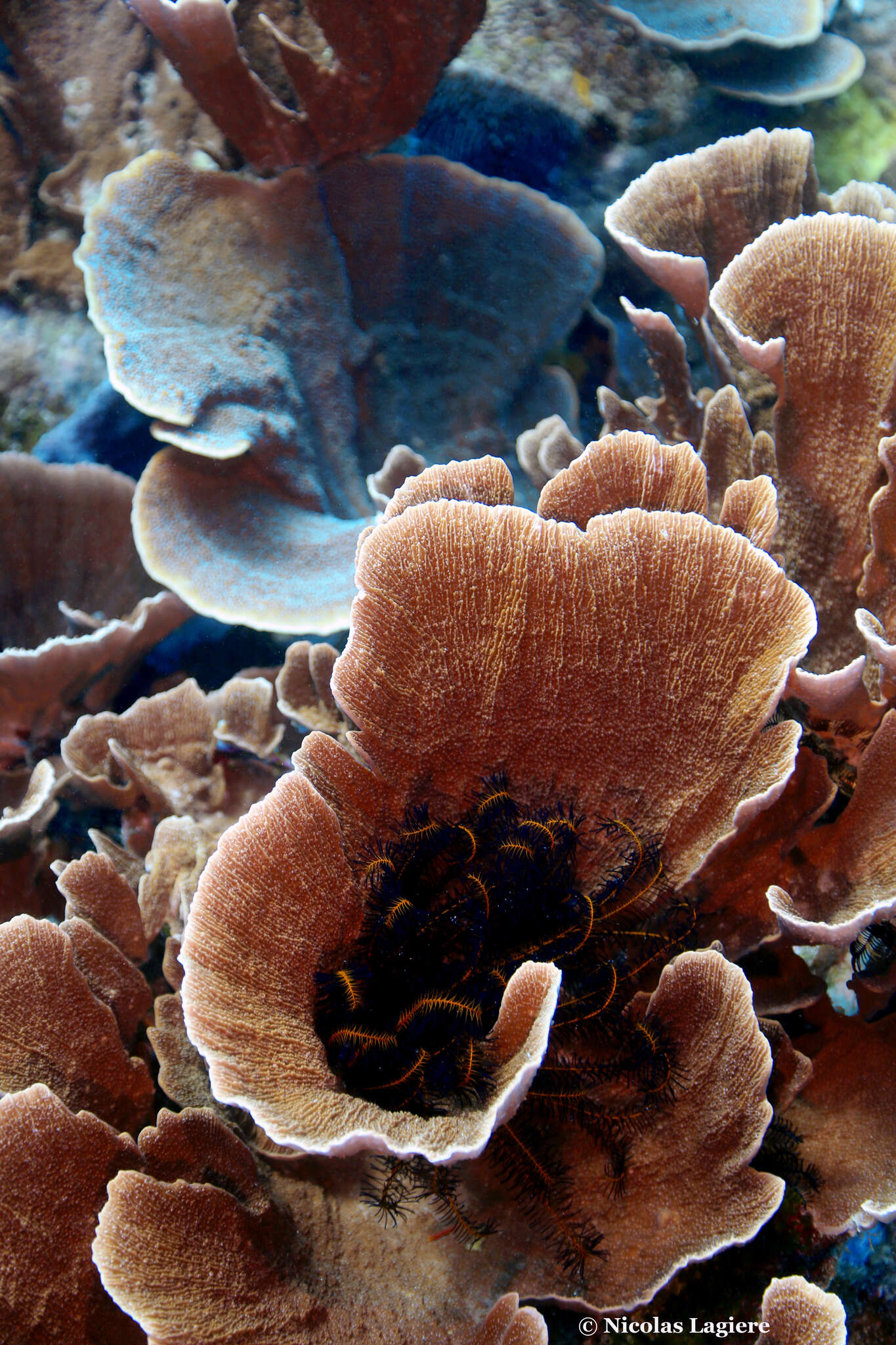
Montipora hispida (Dana, 1846) (Pore coral)
zooxanthellate
Montipora foliosa (Pallas, 1766) (Pore coral)
zooxanthellate
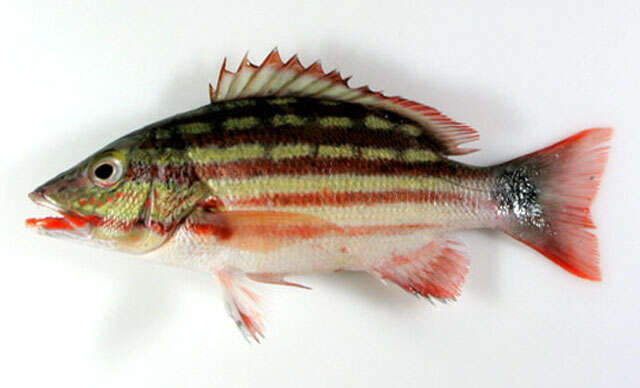
Lutjanus decussatus (Cuvier, 1828) (lattice snapper)
Inhabits both inshore and offshore coral reefs where it occurs singly or in schools. Small juveniles on shallow protected reef flats and are used in the aquarium trade.
Lutjanus lemniscatus (Valenciennes, 1828) (Yellowstreaked snapper)
Inhabits offshore reefs and muddy habitats. Juveniles are sometimes found in the vicinity of coral reefs, often located close to the shore where silting is moderate and visibility is reduced. Adults usually very deep . Feeds on fishes and a variety of benthic invertebrates.
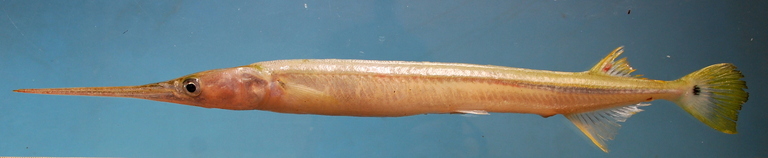
Strongylura strongylura (van Hasselt, 1823) (Spottail needlefish)
Found in coastal areas and mangrove-lined lagoons, also enters freshwater. Carnivorous. Feeds mainly on small fishes, especially clupeoids. Occurs at temperatures ranging from 26 to 29°C . Oviparous . Eggs may be fou...
Read More
Read More
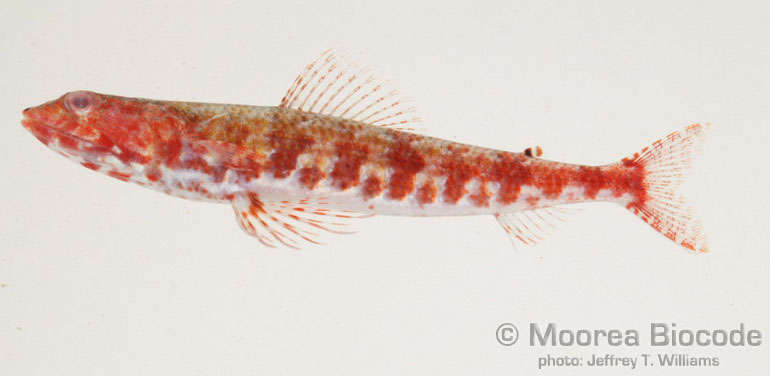
Synodus binotatus Schultz, 1953 (Two-spot lizard fish)
Occurs in coral reefs . Benthic . Generally solitary and typically rests on hard surfaces, occasionally with a head down position on a steep slope . Sold fresh in markets.
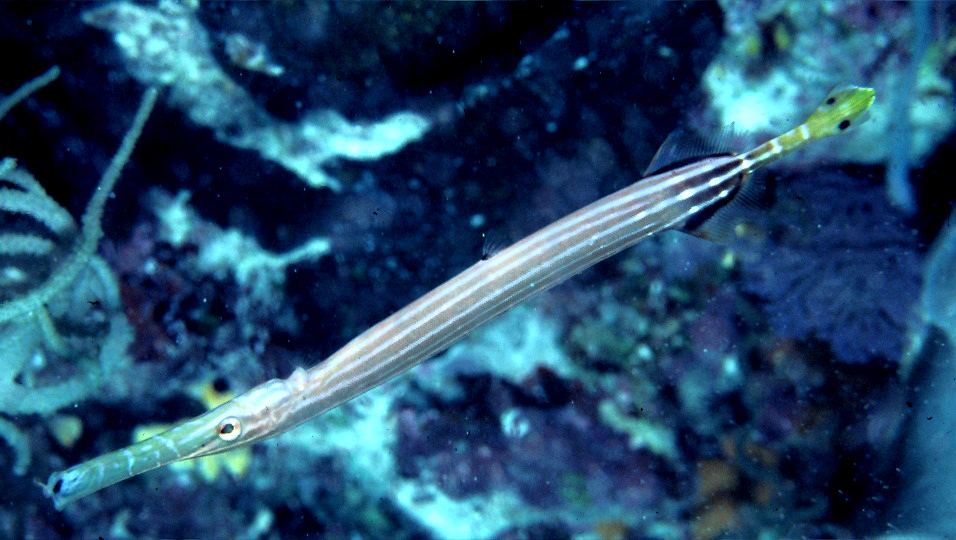
Aulostomus chinensis (Linnaeus, 1766) (Chinese trumpetfish)
Found in clear, shallow water , in rocky and coral areas of protected and seaward reefs . Benthopelagic . Feeds on small fishes and shrimps . A slow-moving fish relying partly on stealth and camouflage to sneak up on unsuspecting prey. Often darts down vertically on its prey. Usually solitary .
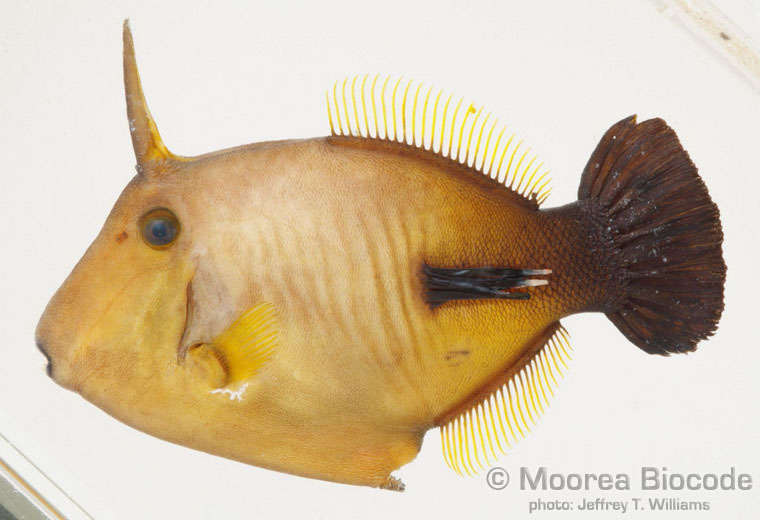
Amanses scopas (Cuvier, 1829) (Broom leatherjacket)
Inhabits clear coastal to outer reefs, usually in rich coral areas with rubble patches or gutters . Less approachable than most filefishes . Usually seeks coverage in large corals when approached .
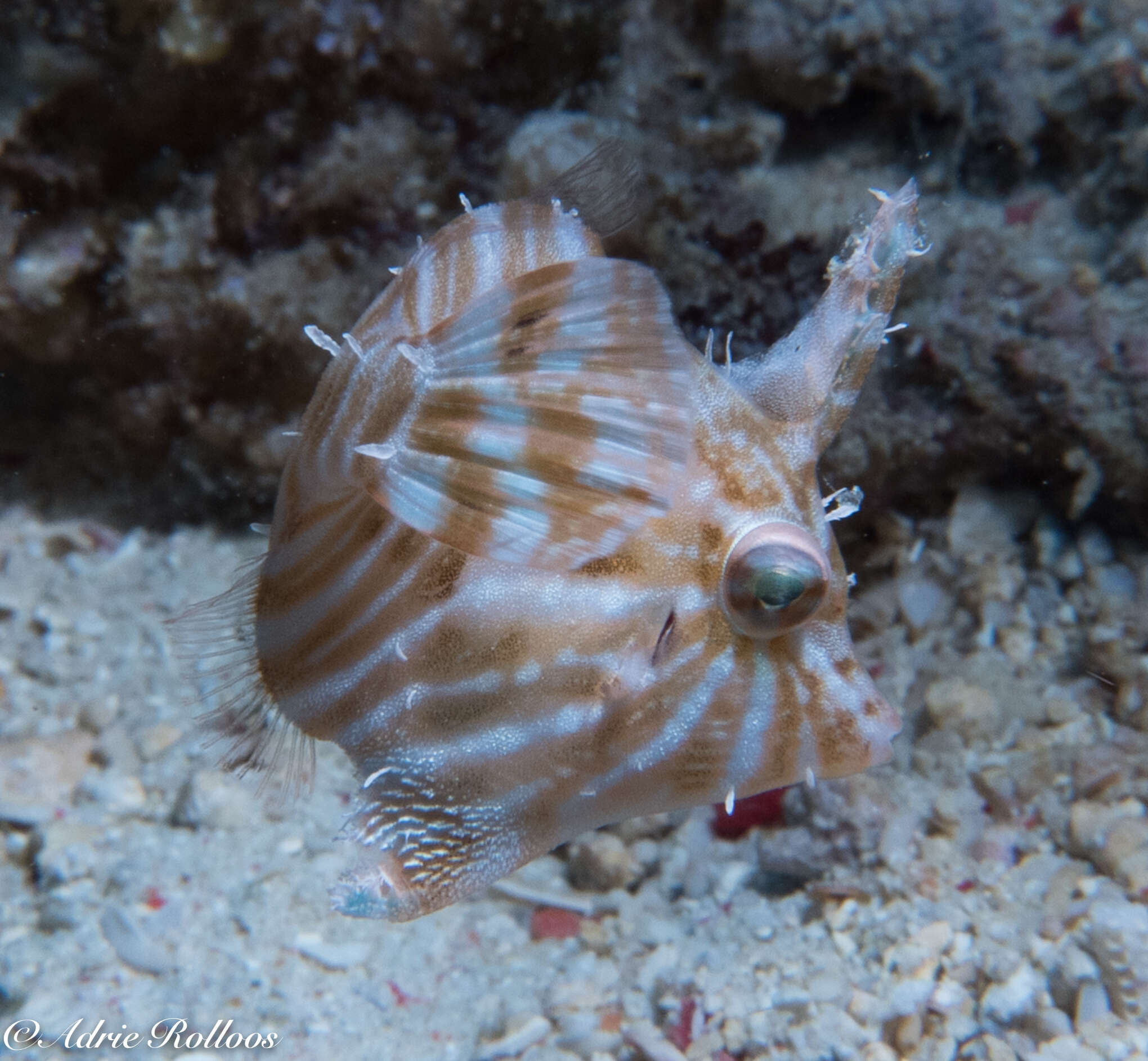
Acreichthys radiatus (Popta, 1900) (Radial leatherjacket)
Found among soft corals . Extremely well camouflaged when among the corals. Observed picking on the coral polyps and the coral tissue may be an important part of their diet .
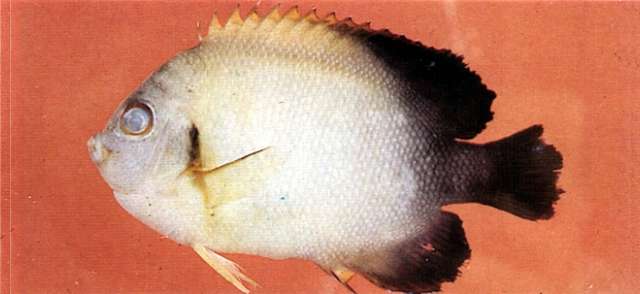
Centropyge vrolikii (Bleeker, 1853) (Pearlscale angelfish)
Inhabit lagoon and seaward reefs, mainly in coral rich areas . Feed on algae. Oviparous , monogamous . Frequently exported through the aquarium trade. Form hybrids with Centropyge eibli and C. flavissima at areas of sympatry. Mimicked by juveniles of the acanthurid Acanthurus pyroferus .
Centropyge eibli Klausewitz, 1963 (Blacktail angelfish)
Inhabits rocky areas of seaward reefs as well as rich coral areas . Feeds on algae; forms harems of 3-7 individuals. Frequently exported through the aquarium trade. Forms hybrids with Centropyge vrolikii in areas where ...
Read More
Read More
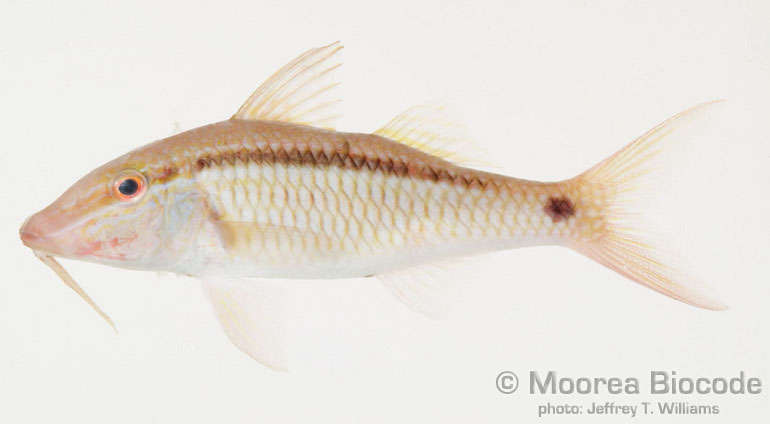
Parupeneus barberinus (Lacepède, 1801) (Dash-and-dot goatfish)
One of the most abundant species of Parupeneus . Inhabits large sand patches as well as sand and rubble areas of reef flats, and lagoon and seaward reefs to a depth of about 100 m. Forages on sand-dwelling invertebrates ...
Read More
Read More
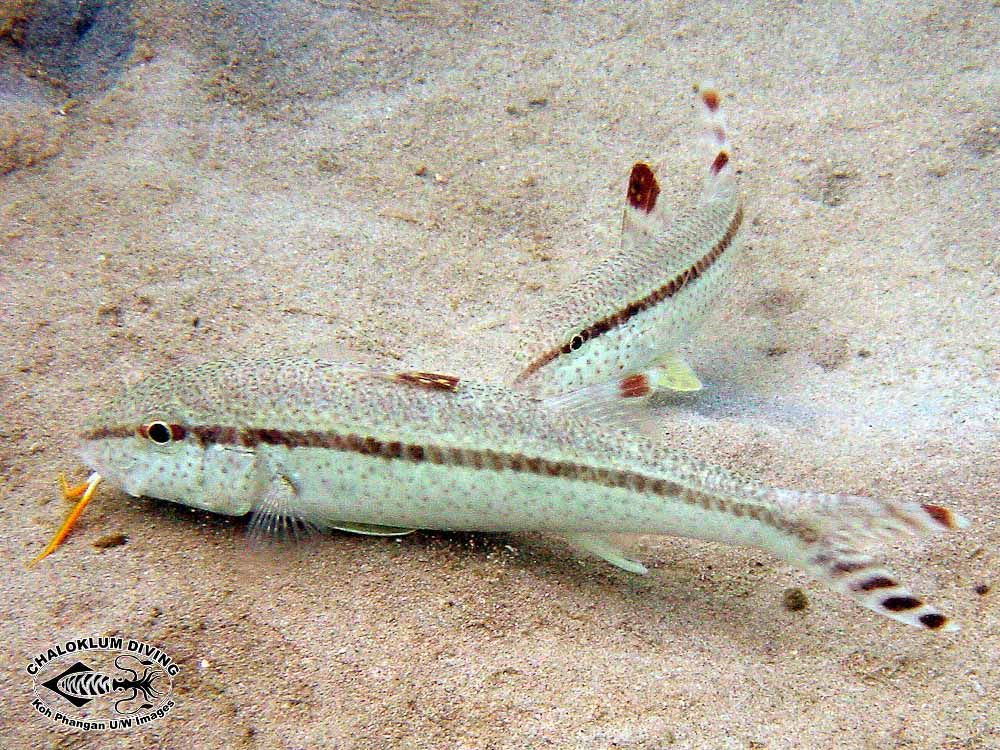
Upeneus tragula Richardson, 1846 (Freckled goatfish)
Found over sand and mud bottoms near coral reefs . Known to enter lower reaches of rivers. Generally solitary , but forms small to moderately large aggregations at all sizes . Minimum depth from Ref. 3470.
Share on Social Networks
- Facebook:

personalize your shared text as well as its destination (wall, page...) or send as a private message to a friend
- Twitter: Tweet personalize your tweet
- Google Plus:
Direct link to this dive
- Long link:
- Short link:


 We are participating today in the startup contest Techcrunch Disrupt. Support Diveboard by voting for us!
























































































2nd dive 2 tanker aboard Datu Budas
Angel's Cove clear in the afternoon, flat, nice conditions
drop in 3 diver group, to depth then back to shallows solo looking for photos
multilevel, solo