


 Beachnutts



 Philippines
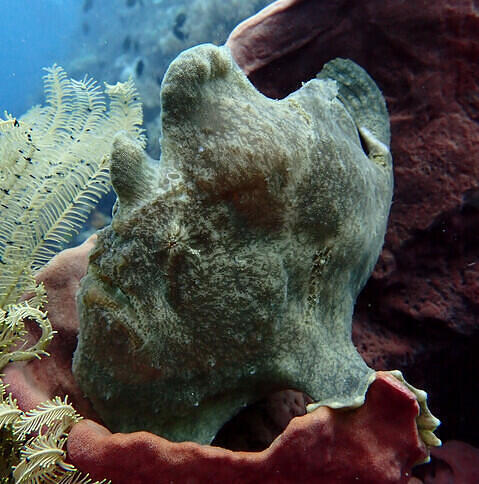
-
Nº179
 Date: 2025-06-22 - 11:23
-
 Max Depth: 23.8m Duration: 93mins
Dive Location

- Temp: Surf 27°C Bottom 27°C
- Dive type : Recreational, Drift, Reef, Photo
- Visibility: Good Water: Salt
Specific gear used
- BCD: Scubapro - Glide Plus
- Boots: Orca - Dive shoes
- Camera: Olympus - TG6
- Compass:
- Computer: Oceanic - OCS
- Fins: Scubapro - Jet Fins
- Knife: Scuba MAx - folding
- Lift bag: ScubaMax - SMB
- Light: Sofirn - SD05
- Mask: Promate - Scope
- Regulator: SEAC - Synchro
- Wet suit: Blue Ocean - Diveskin
- Weights: 3.2 kg
Dive reviews
| Overall review | ||
| Dive difficulty | ||
| Marine life quality |
Recent Divers in Samal, Davao
Recent Pictures in Samal, Davao

Dive Shop & Buddies
 Dive with Maeng
 Dive buddies:
Maeng,
Mike Tacansan,
Eric Cembrano,
Beachnutts

Link to this spot:
- Spot:
- Country:
- Area:
- Body of water:
Dive Profile
- 1. Air
- 10L Aluminium 207 → 21 bar
- Average depth: 15.8m
Data provided by EOL.org
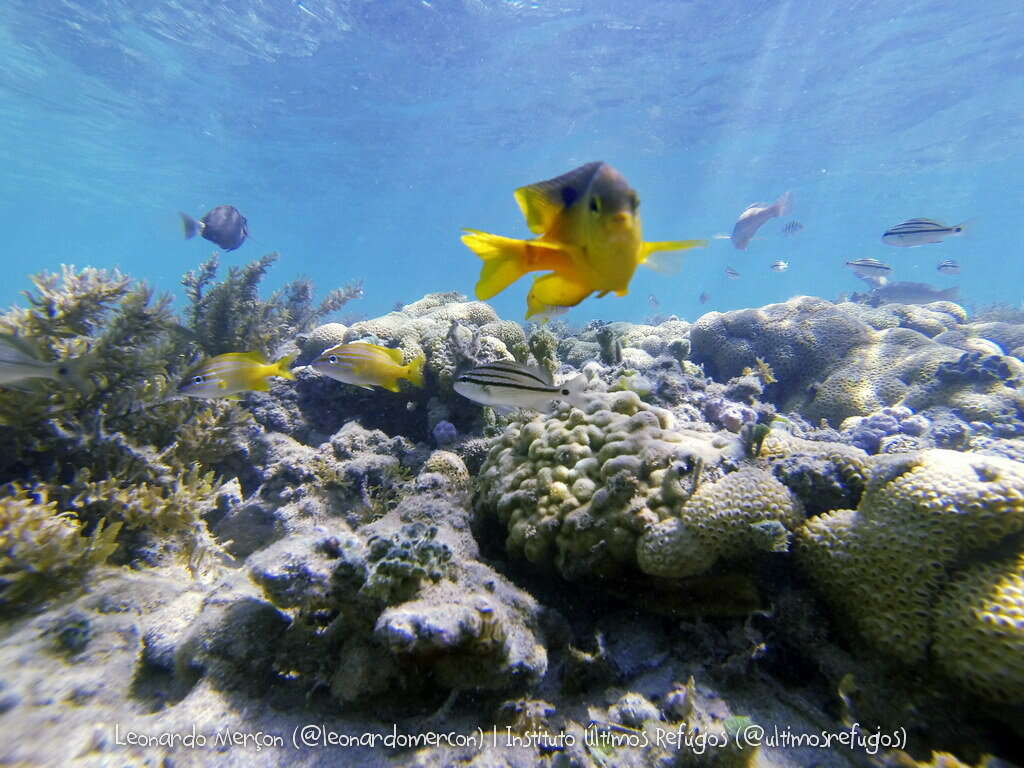

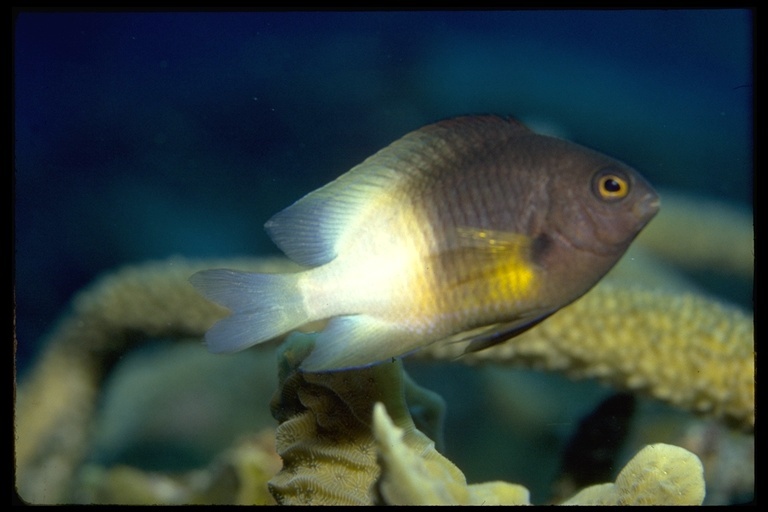
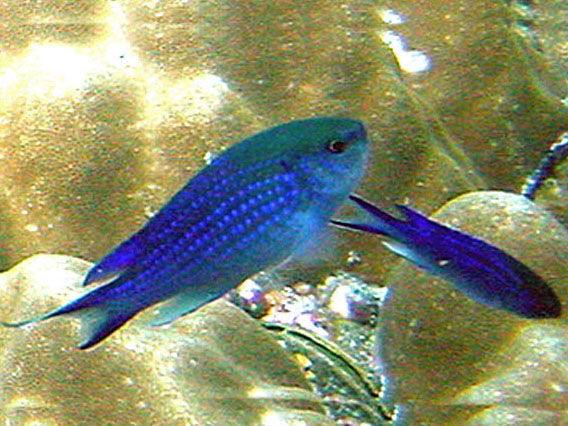


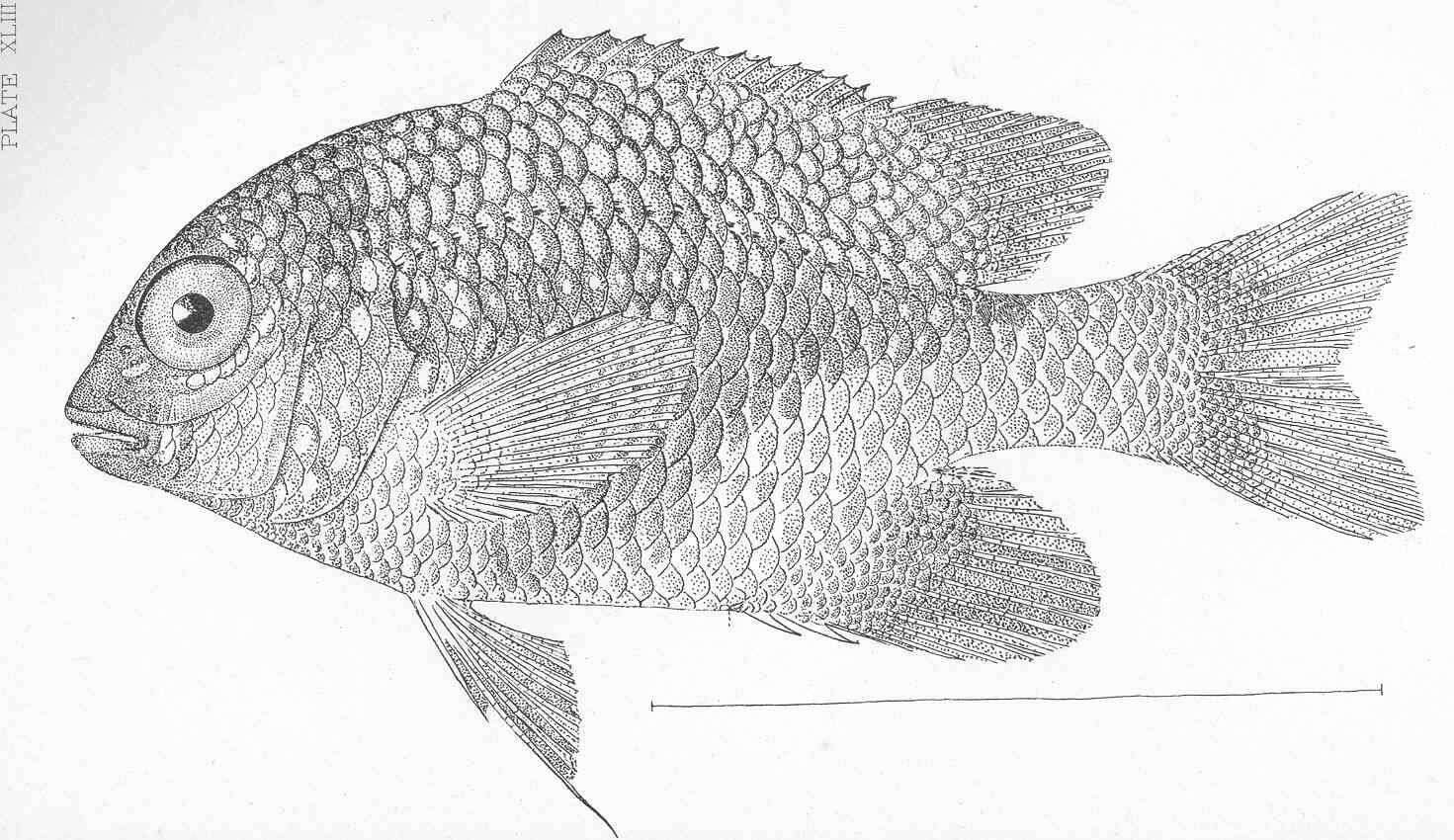
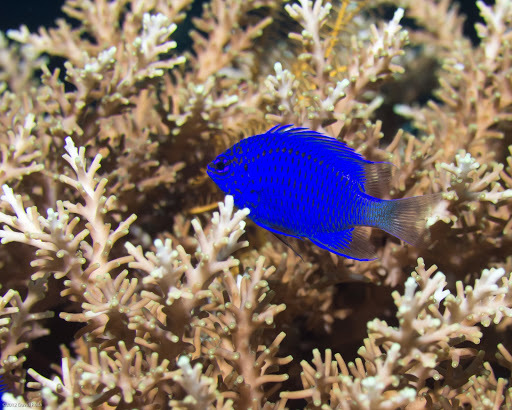


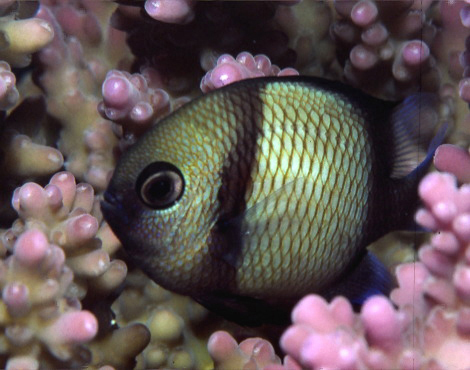
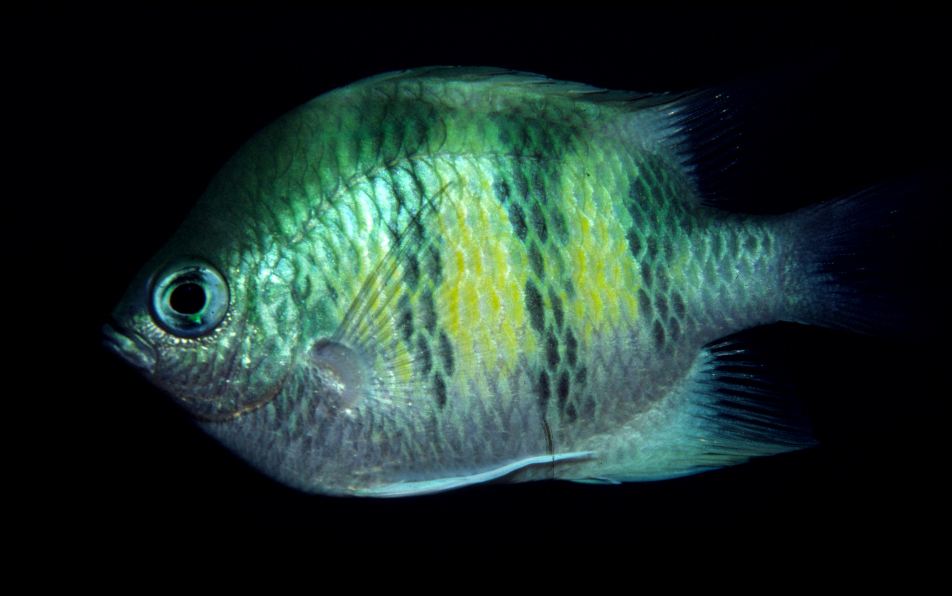






Species Identified
Stegastes variabilis (Castelnau, 1855) (yellow demoiselle)
Inhabits inshore and offshore coral reefs. Adults feed mainly on benthic algae but also on sponges, ascidians and anemones while juvenile feed on invertebrates like harpacticoid copepods and nemerteans . Often solitary ....
Read More
Read More
Stegastes leucostictus (Müller & Troschel, 1848) (Yellow-belly)
Occurs in seagrass beds, coral or rocky reefs and sandy areas. Also found around mangrove shores and sponge beds; less common on flourishing coral reefs . Remains within 50 cm from the substrate. Adults feed on algae, p...
Read More
Read More
Stegastes partitus (Poey, 1868) (bicolor damselfish)
Inhabits shallow coral reefs and isolated patch reefs in deeper water. Feeds primarily on algae but also on polychaetes, hydroids, copepods and ascidians . Aggressively territorial but only around a small area . Taken incidentally in traps and small-meshed beach nets .
Pomacentrus pavo (Bloch, 1787) (Sapphire damsel)
Inhabits sandy areas of lagoon reefs, around isolated patch reefs, coral heads, or rubble. Usually in groups . Commonly found around jetty structures . Feeds on zooplankton and filamentous algae.
Pomachromis exilis (Allen and Emery, 1973) (Slender reef-damsel)
Inhabits lagoon and seaward reefs. A planktivorous species .
Pomacentrus simsiang Bleeker, 1856 (Blueback damsel)
Occurs singly or in small aggregations at slightly turbid areas of lagoon and coastal reefs. Feeds mainly on benthic algae.
Pomacentrus callainus Randall, 2002 (Guru)
Chromis limbaughi Greenfield and Woods, 1980 (Damselfish)
Microspathodon bairdii (Gill, 1862) (Bumphead damselfish)
Chrysiptera springeri (Allen and Lubbock, 1976) (Springer's demoiselle)
Inhabit coral-rich areas of sheltered lagoon and inshore coral reefs . Seen with similar yellow-tailed species, often on the same coral patches. Mostly found in aggregations on coastal reef slopes with low Acropora patches on sand to 30 m .
Microspathodon dorsalis (Gill, 1862) (Damselfish)
Neopomacentrus sindensis (Day, 1873) (Arabian demoiselle)
Inhabits inshore reefs on soft bottoms around coral outcrops, rocks, debris, or wharf pilings.
Dascyllus reticulatus (Richardson, 1846) (twostriped damselfish)
Occurs in outer lagoon and seaward reefs. Inhabits branching coral heads, particularly Pocillopora eydouxi. Forms schools, often in silty habitats . Male prepares a nest by cleaning with its mouth a rock or coral surface where the female will attach the eggs .
Amblyglyphidodon curacao (Bloch, 1787) (Black-snouted sergeant-major)
Inhabits lagoons, coastal embayments, reef passages and outer reefs. Juveniles often found among Sarcophyton and Sinularia soft corals. Feeding aggregations are frequently observed over growths of the staghorn coral Acro...
Read More
Read More
Chrysiptera taupou (Jordan and Seale, 1906) (Southseas devil)
Inhabits lagoon and offshore coral reefs.
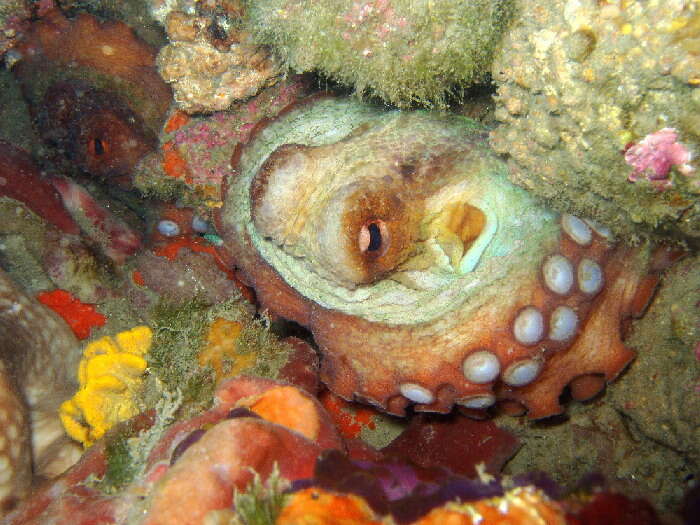
Octopus vulgaris Cuvier, 1797 (common octopus)
Like all cephalopods, the common octopus is an intelligent active predator . They have modified salivary glands that produce venom used to incapacitate prey. It is often easy to identify what a common octopus has been feed...
Read More
Read More
Amblygobius albimaculatus (Rüppell, 1830) (Butterfly goby)
Epibenthic and littoral, entering estuaries and lagoons . Usually seen in pairs, hovering a short distance above the substratum. Monogamous . t builds its burrow in sand or silty sand by moving out mouthfuls of sediment .
Pomatoschistus norvegicus (Collett, 1902) (Norway goby)
Found offshore on mud and coarse shell deposits . Can hybridize with Pomatoschistus lozanoi .
Limanda ferruginea (Storer, 1839) (rusty flounder)
Adults inhabit sandy to muddy bottoms . Prefer depths of 37 to 82 m at temperatures of 3-5°C . Feed mainly on polychaete worms and amphipods, shrimps, isopods and other crustaceans and occasionally small fish such as san...
Read More
Read More
Eubranchus misakiensis Baba, 1960 (Misaki balloon aeolis)
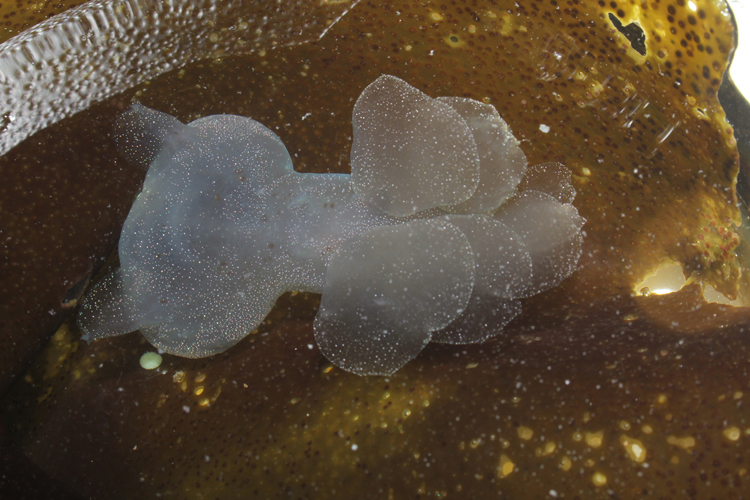
Melibe leonina (Gould, 1852) (lion nudibranch)
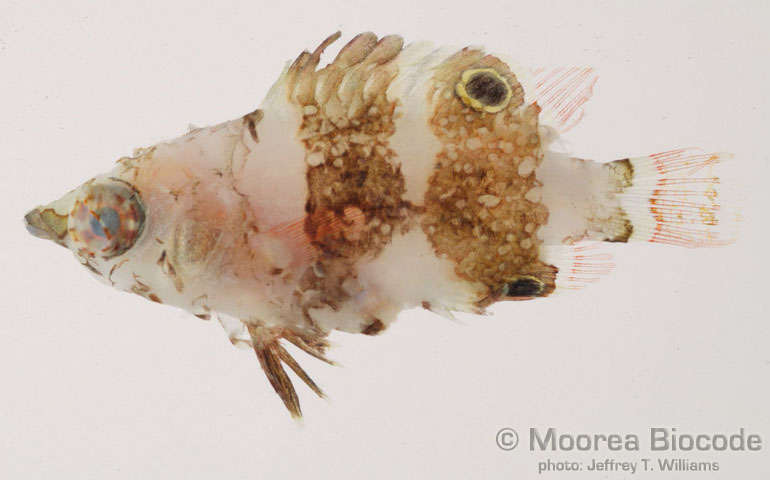
Wetmorella nigropinnata (Seale, 1901) (Sharpnose wrasse)
Inhabits lagoon and seaward reefs, in caves and crevices . A secretive species. Feeds on benthic invertebrates .
Halichoeres semicinctus (Ayres, 1859) (rock wrasse)
Centrolabrus exoletus (Linnaeus, 1758) (smallmouthed wrasse)
Halichoeres notospilus (Günther, 1864) (Banded wrasse)
Choerodon oligacanthus (Bleeker, 1851) (White-patch tuskfish)
Inhabits coral reef areas . Shallow inshore but ranges to deep water . Usually marketed fresh .
Xiphocheilus typus Bleeker, 1857 (Blue-banded wrasse)
Lives on flat sandy bottoms or rubble .
Decodon grandisquamis (Smith, 1968) (Largescale wrasse)
One known specimen.
Thalassoma pavo (Linnaeus, 1758) (Ornate wrasse)
Inhabits coastal waters near rocks and eel-grass beds. Usually solitary, sometimes in small groups. Feeds on small mollusks and crustaceans . Protogynous hermaphrodite, with distinct sexual dichromatism . Eggs are pelagic .
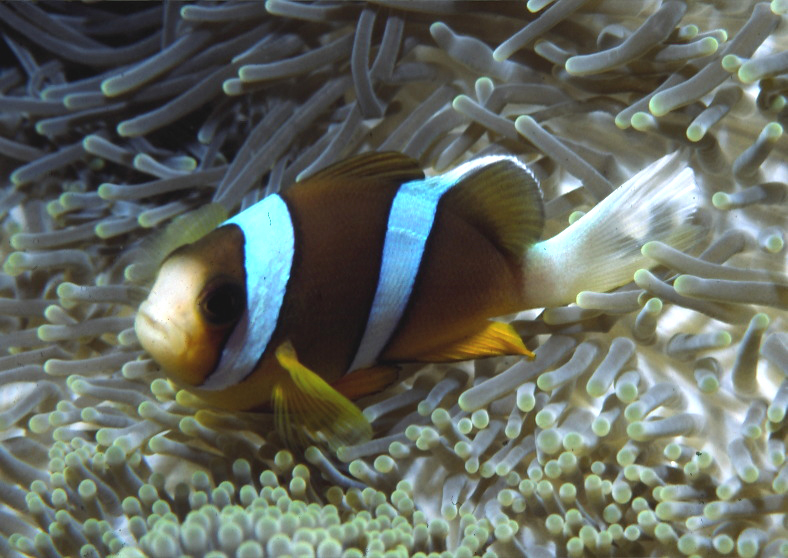
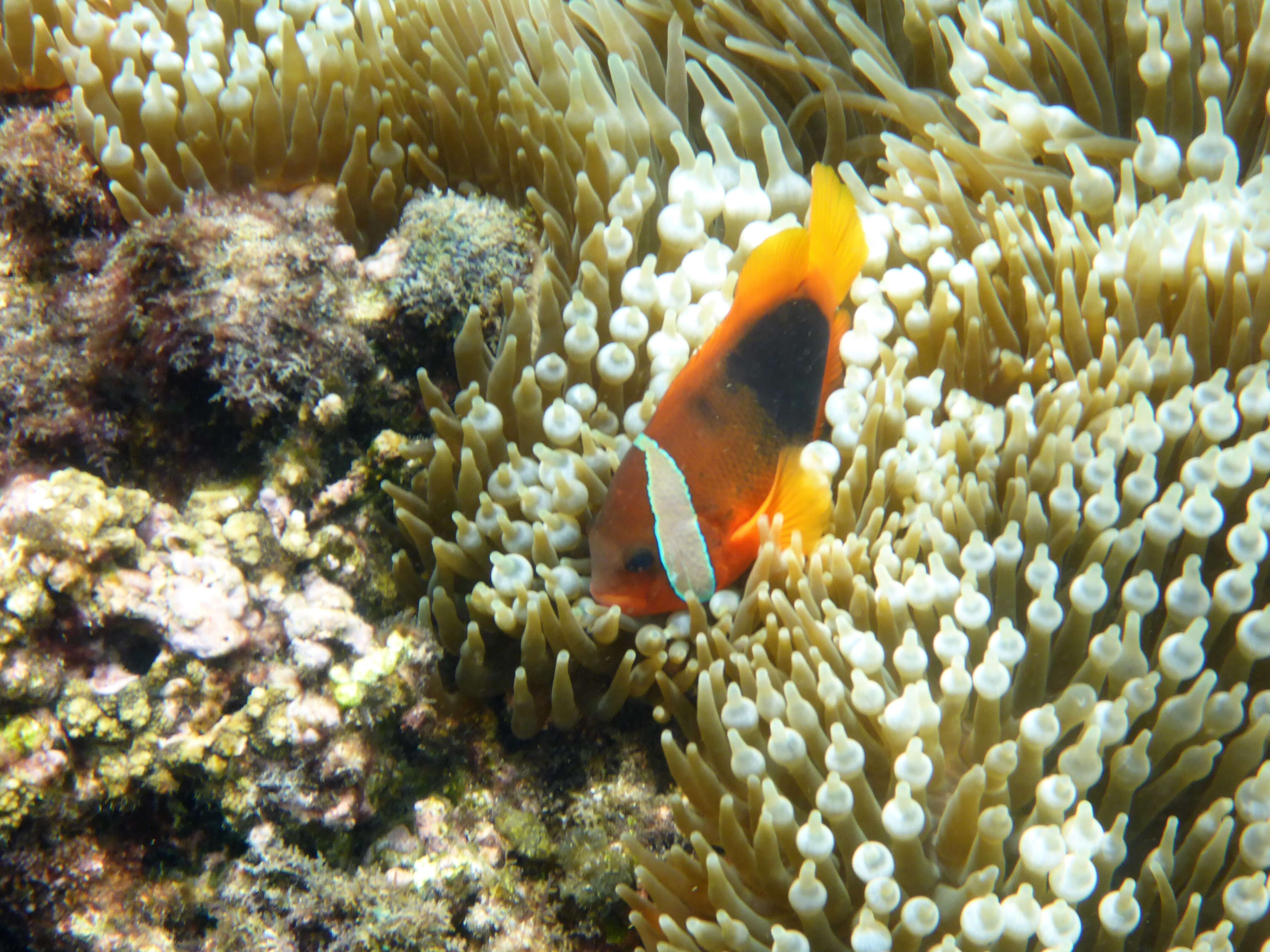
Amphiprion clarkii (Bennett, 1830) (Brown anemonefish)
Inhabits lagoons and outer reef slopes. Omnivorous. Oviparous, with elliptical eggs . Monogamous . Has been reared in captivity . Associated with the anemones: Cryptodendrum adhaesivum, Entacmaea quadricolor, Heterac...
Read More
Read More
Premnas biaculeatus (Bloch, 1790) (Spinecheek anemonefish)
Inhabits lagoon and seaward reefs , found mainly in protected coastal waters and lagoons. Typically found in pairs in which males are much smaller than females . Feeds primarily on zooplankton and benthic algae . Has been reared in captivity . Associated with the anemone Entacmaea quadricolor .
Amphiprion melanopus Bleeker, 1852 (Chocolate clown)
Inhabits lagoon and outer reef environments. Feeds predominantly on planktonic copepods and algae. Has been reared in captivity . Associated with the anemones: Entacmaea quadricolor , Heteractis crispa , and Heteractis magnifica .
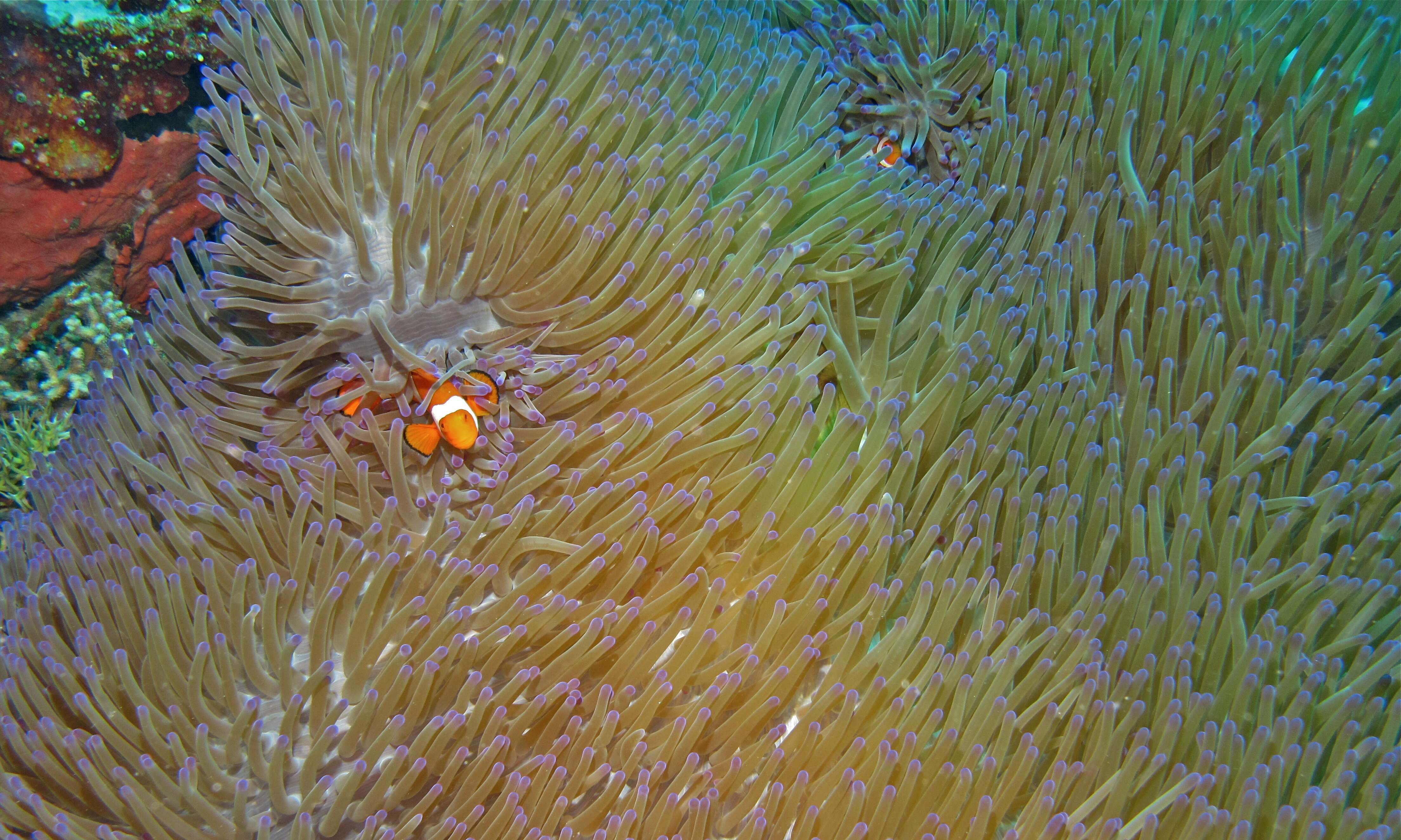
Amphiprion ocellaris Cuvier, 1830 (false clown anemonefish)
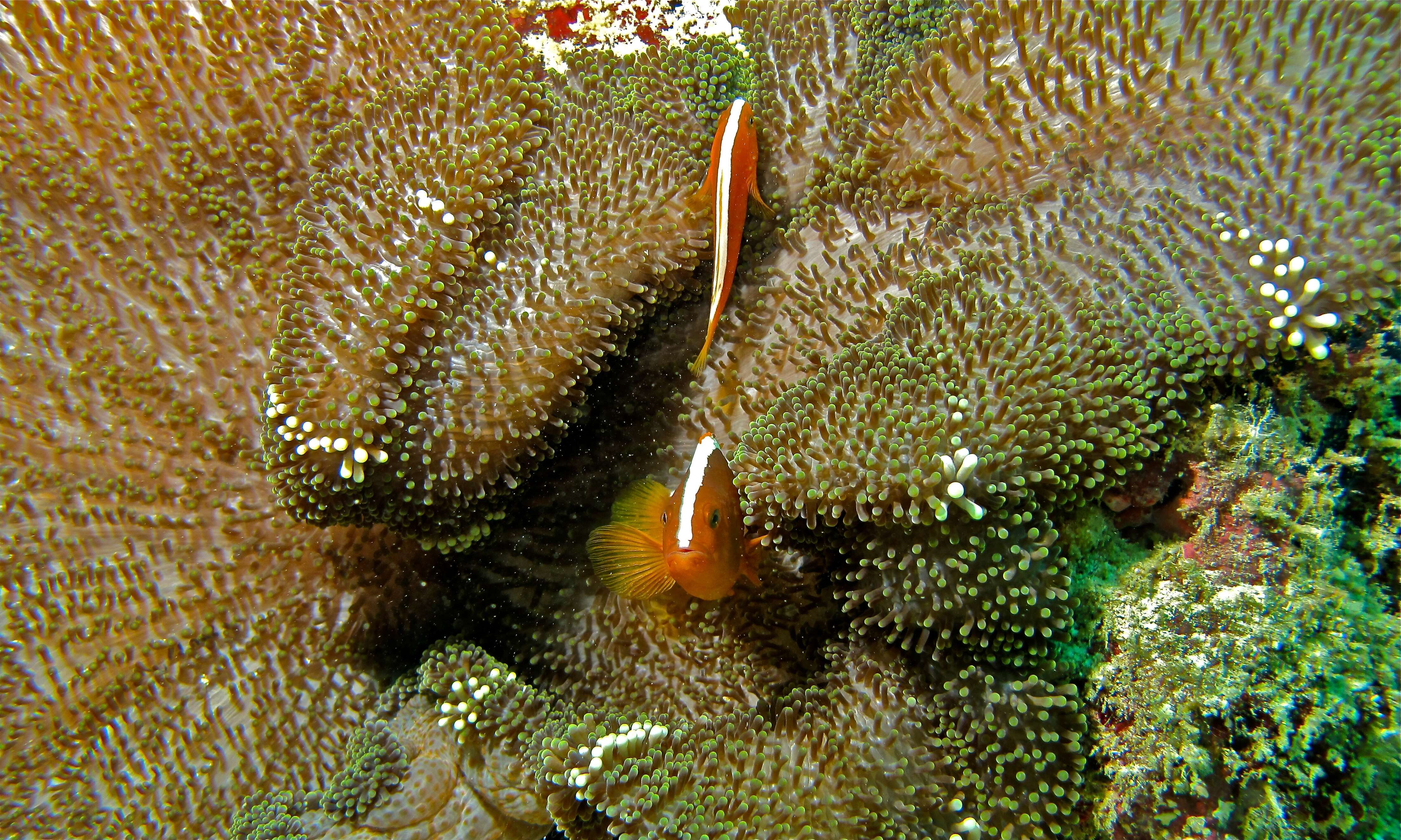
Amphiprion sandaracinos Allen, 1972 (Golden anemonefish)
Occurs in lagoon and outer reefs. Occurs in pairs and small groups . Monogamous . A protandrous hermaphrodite . Associated with the anemones: Heteractis crispa and Stichodactyla mertensii . Has been reared in captivity .
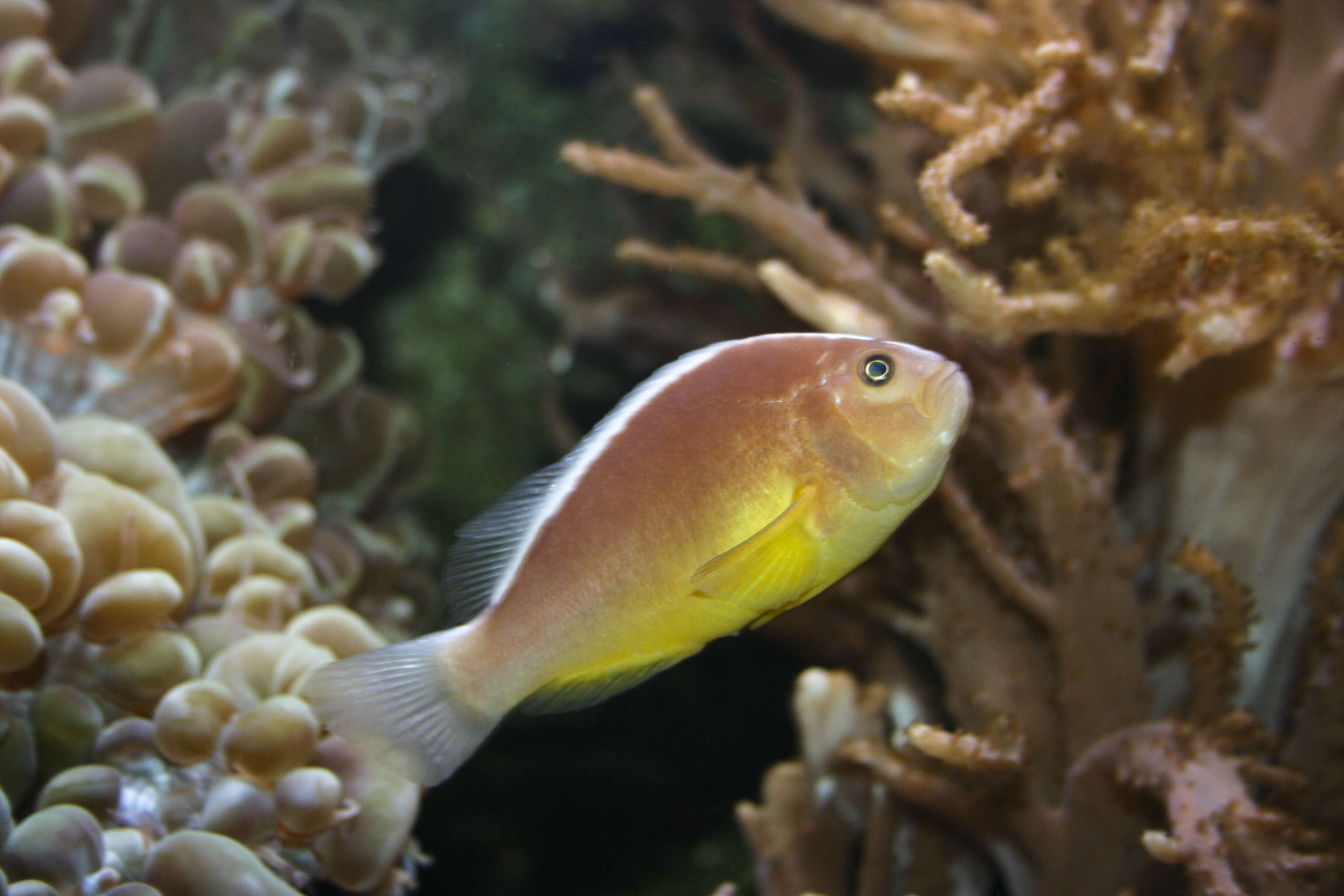
Amphiprion akallopisos Bleeker, 1853 (skunk-stripe anemonefish)
Found in shallow inshore reef habitats, often in strong current zones to about 15 m depth . Are protandrous hermaphrodites . Each pair is monogamous . Each anemone with a large female, a smaller functional male and seve...
Read More
Read More
Share on Social Networks
- Facebook:

personalize your shared text as well as its destination (wall, page...) or send as a private message to a friend
- Twitter: Tweet personalize your tweet
- Google Plus:
Direct link to this dive
- Long link:
- Short link:


 We are participating today in the startup contest Techcrunch Disrupt. Support Diveboard by voting for us!
























































































!st dive 2 tanks Datu Budas to East side of IGACOSfor Mushroom Rock dive site. Recent heavy rains. PC, sunny day clear, slightly cloudy water. drop in at Mushroom Rock North swim to wall up to shallows, back to boat. Long swim in current needed line to reach boat. Jelly legs fell down at top of ladder.
mostly solo
multilevel