


 Beachnutts



 Philippines
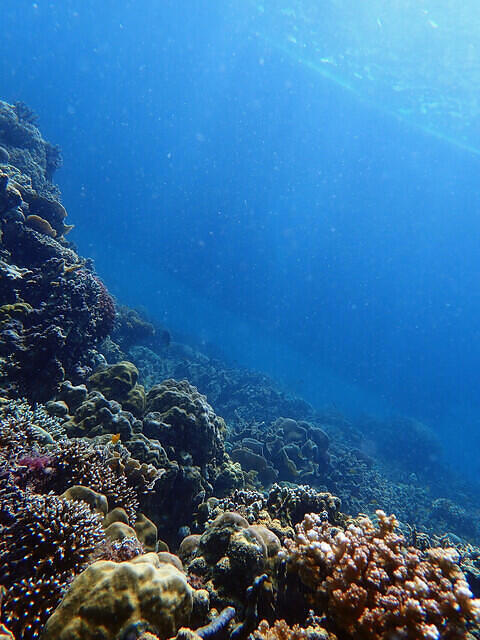
-
Nº178
 Date: 2025-06-01 - 10:12
-
 Max Depth: 22.9m Duration: 104mins
Dive Location

- Temp: Surf 28°C Bottom 28°C
- Dive type : Recreational, Reef, Photo
- Visibility: Average Water: Salt
Specific gear used
- BCD: Scubapro - Glide Plus
- Boots: Orca - Dive shoes
- Camera: Olympus - TG6
- Computer: Oceanic - OCS
- Fins: Scubapro - Jet Fins
- Knife: Scuba MAx - folding
- Lift bag: ScubaMax - SMB
- Light: Sofirn - SD05
- Mask: Promate - Scope
- Regulator: SEAC - Synchro
- Wet suit: Blue Ocean - Diveskin
- Weights: 3.2 kg
Dive reviews
| Overall review | ||
| Dive difficulty | ||
| Marine life quality |
Dive Shop & Buddies
 Dive with Blake Auge
 Dive buddies:
Reymar Tano,
Blake Auge

Link to this spot:
- Spot:
- Country:
- Area:
- Body of water:
Dive Profile
- 1. Air
- 10L Aluminium 207 → 14 bar
- Average depth: 15.2m
Data provided by EOL.org





Species Identified
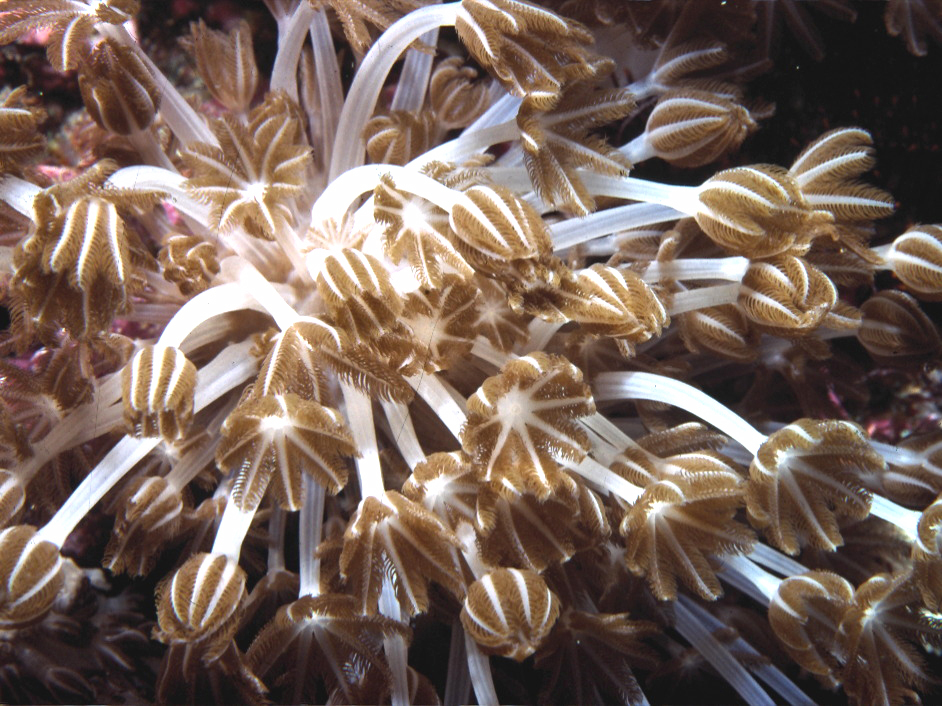
Xenia actuosa Verseveldt & Tursch, 1979
Xenia tripartita Roxas, 1933
Xenia stellifera Verseveldt, 1977
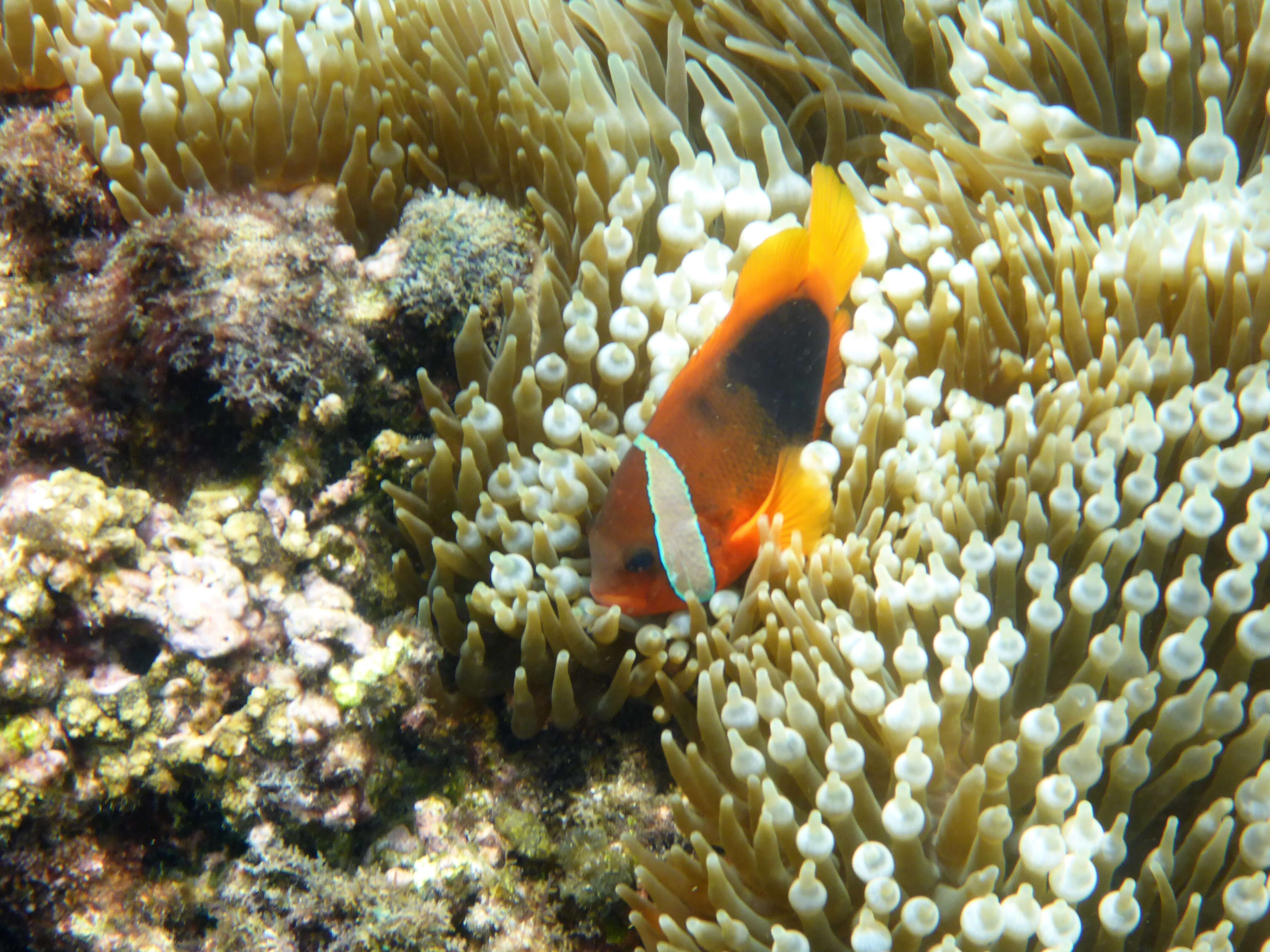
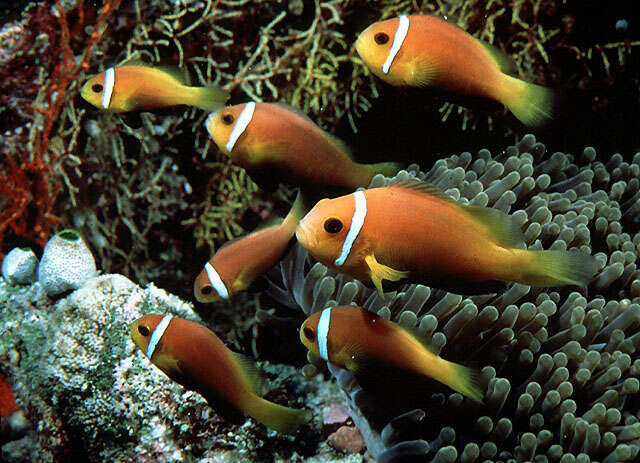
Amphiprion melanopus Bleeker, 1852 (Chocolate clown)
Inhabits lagoon and outer reef environments. Feeds predominantly on planktonic copepods and algae. Has been reared in captivity . Associated with the anemones: Entacmaea quadricolor , Heteractis crispa , and Heteractis magnifica .
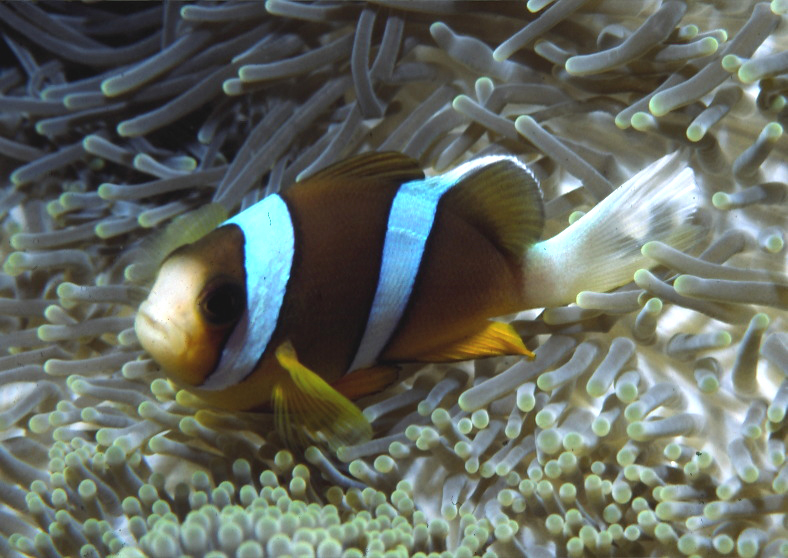
Amphiprion clarkii (Bennett, 1830) (Brown anemonefish)
Inhabits lagoons and outer reef slopes. Omnivorous. Oviparous, with elliptical eggs . Monogamous . Has been reared in captivity . Associated with the anemones: Cryptodendrum adhaesivum, Entacmaea quadricolor, Heterac...
Read More
Read More
Premnas biaculeatus (Bloch, 1790) (Spinecheek anemonefish)
Inhabits lagoon and seaward reefs , found mainly in protected coastal waters and lagoons. Typically found in pairs in which males are much smaller than females . Feeds primarily on zooplankton and benthic algae . Has been reared in captivity . Associated with the anemone Entacmaea quadricolor .
Amphiprion nigripes Regan, 1908 (Maldive anemonefish)
Usually found on the reef edge. Omnivorous. Associated with the anemone Heteractis magnifica .
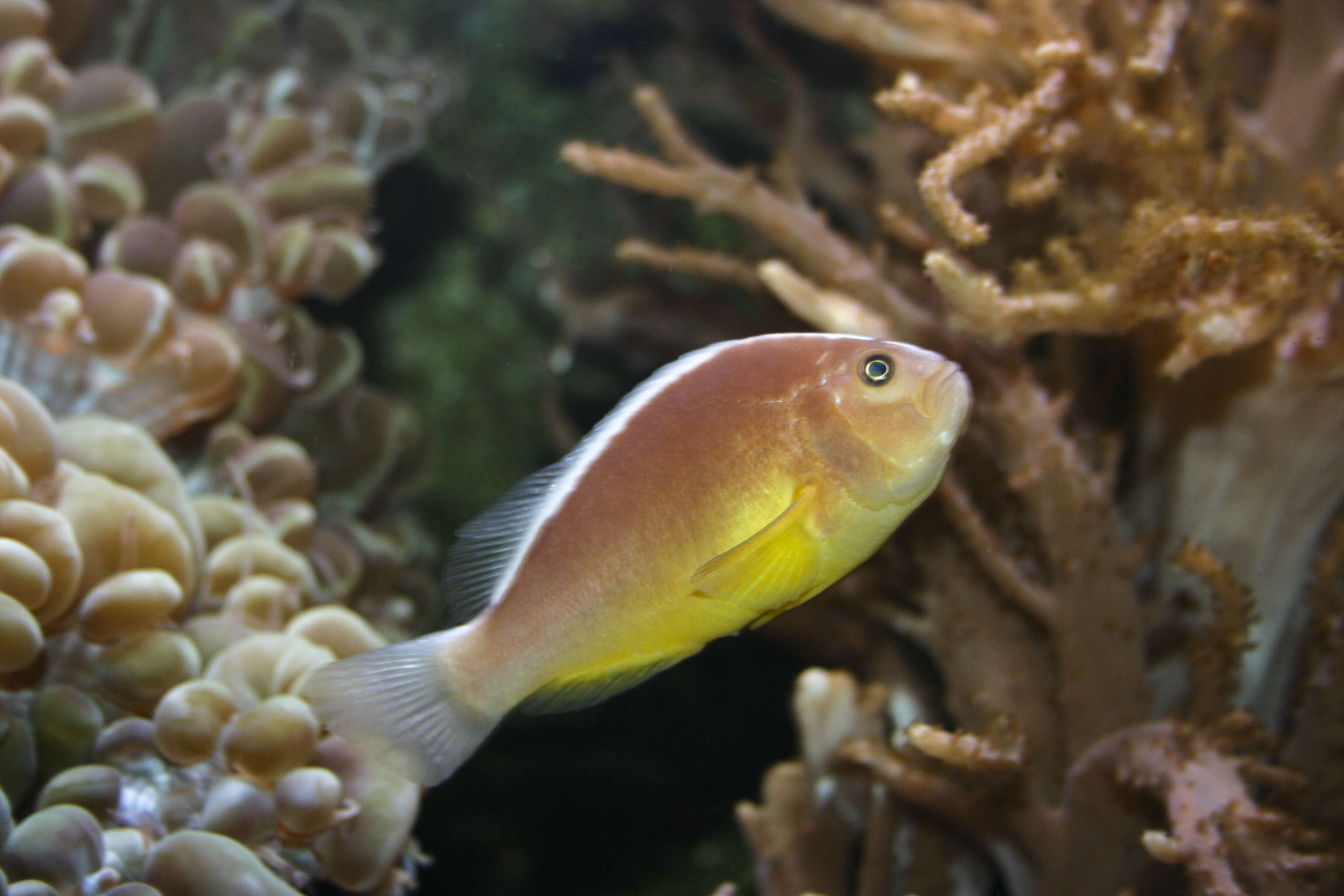
Amphiprion akallopisos Bleeker, 1853 (skunk-stripe anemonefish)
Found in shallow inshore reef habitats, often in strong current zones to about 15 m depth . Are protandrous hermaphrodites . Each pair is monogamous . Each anemone with a large female, a smaller functional male and seve...
Read More
Read More
Amphiprion chrysopterus Cuvier, 1830 (Two-banded anemonefish)
Inhabits passages and outer reef slopes. Known to occur at 25°C. Feeds chiefly on planktonic copepods, algae, echiuroid and sipunculoid worms, and pelagic tunicates. Associated with the anemones: Entacmaea quadricolor,...
Read More
Read More
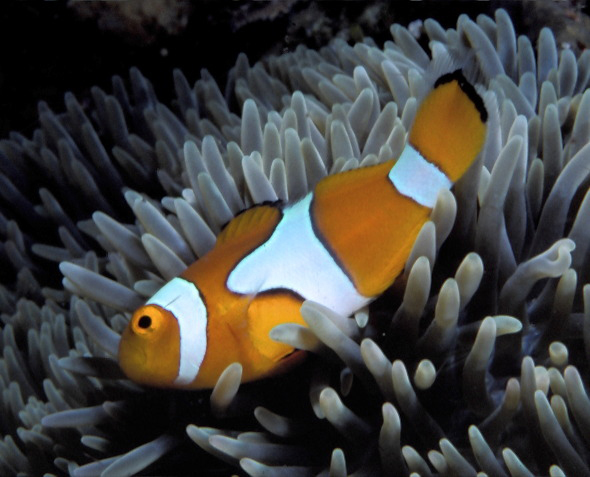
Amphiprion percula (Lacepède, 1802) (Orange clownfish)
Inhabits lagoon and seaward reefs . Each group of fish consists of a breeding pair and 0-4 non-breeders. Within each group there is a size-based hierarchy: the female is largest, the male is second largest, and the non-...
Read More
Read More
Serranus subligarius (Cope, 1870) (belted sandfish)
Occurs from water's edge to at least 18 m depth, often in silty water. Synchronously hermaphroditic. Not a coral-reef species .
Pseudanthias bimaculatus (Smith, 1955) (Two-spot basslet)
Inhabits deep coastal drop-offs . In Java Sea, taken only in dead reef areas in somewhat turbid water . Closely related species such as P. pleurotaenia and P. bimaculatus may spawn at the same time and produce accidental hybrids .
Naso thynnoides (Cuvier, 1829) (Oneknife unicornfish)
Generally uncommon species found in steep outer lagoon and seaward reef slopes . Maximum depth reported at 40m Occurs singly or in large schools . Usually seen swimming steadily along upper edges of drop-offs in pursuit...
Read More
Read More
Gobiosoma nudum (Meek & Hildebrand, 1928) (goby)
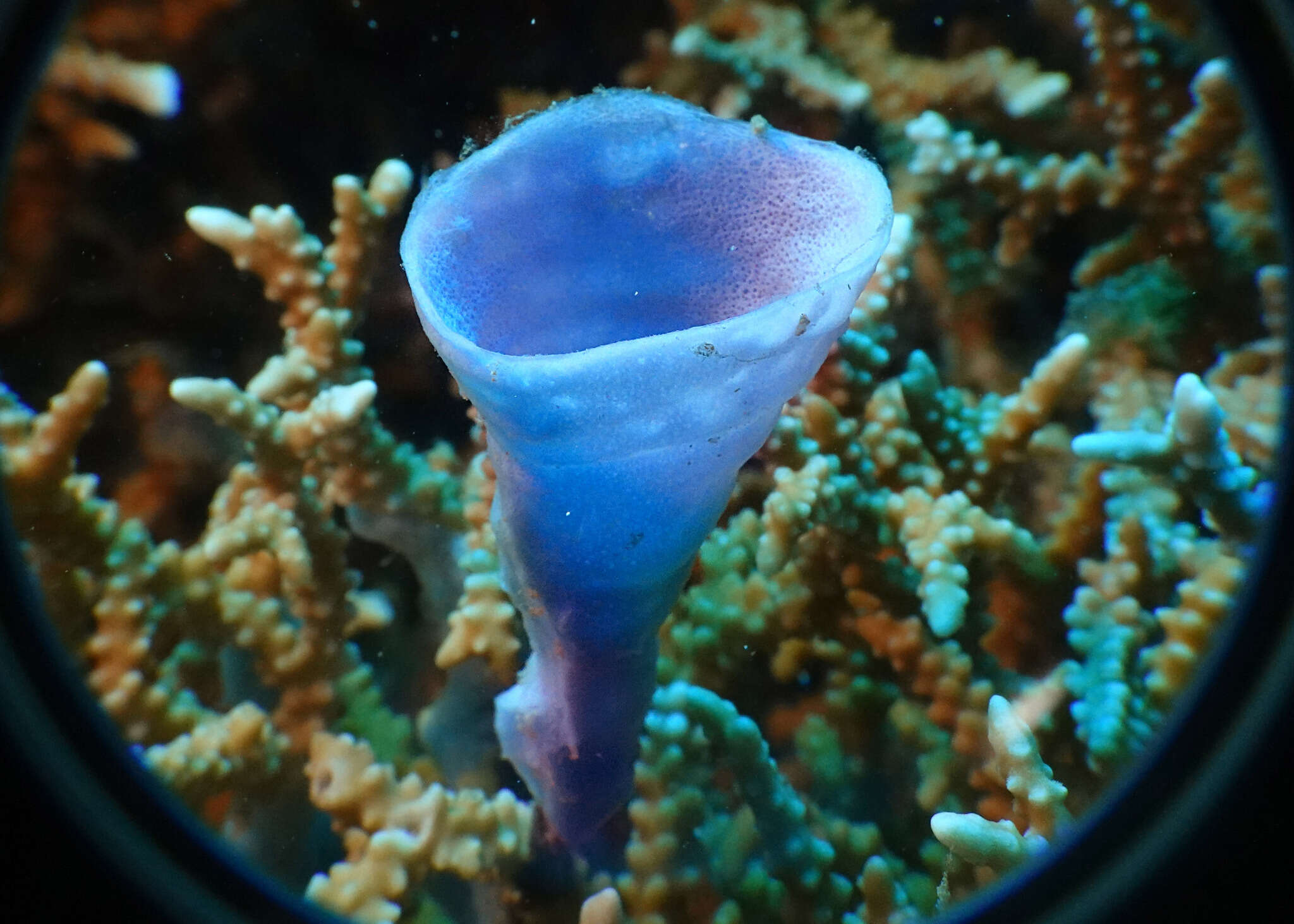
Haliclona fascigera (Hentschel, 1912)
Vulcanella gracilis (Sollas, 1888)
Paradella tuberculata Muller, 1991E
Macrochiridothea lilianae Moreira, 1973A
Limicolana dinjerra Bruce, 1986A
Eretmochelys imbricata (LINNAEUS) 1766 (Hawksbill Turtle)
Hawksbills may take decades to mature and it could be between 20 to 40 years before they are ready to breed . Upon reaching sexual maturity, a female will typically lay up to five clutches of around 100 to 140 eggs in one ...
Read More
Read More
Share on Social Networks
- Facebook:

personalize your shared text as well as its destination (wall, page...) or send as a private message to a friend
- Twitter: Tweet personalize your tweet
- Google Plus:
Direct link to this dive
- Long link:
- Short link:


 We are participating today in the startup contest Techcrunch Disrupt. Support Diveboard by voting for us!
























































































1st dive 2 tanker aboard Datu Budas, search for Eagle Rays
recent heavy rains, water murky and green, so to Coral Gardens South Six Pack dive site
mostly solo, multilevel
very quiet, reef still, not many fish
long dive