


 Beachnutts



 Philippines
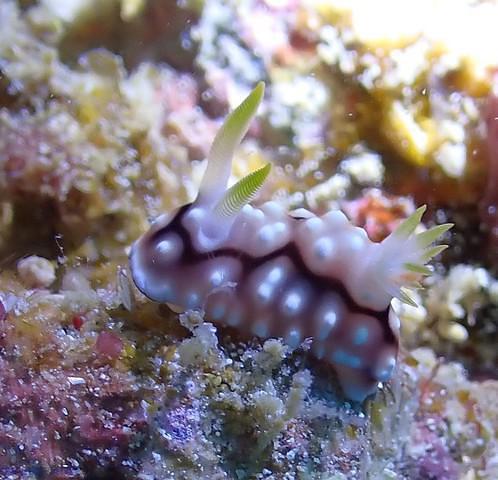
-
Nº88
 Date: 2023-07-09 - 10:18
-
 Max Depth: 25m Duration: 79mins
Dive Location

- Temp: Surf 27°C Bottom 27°C
- Dive type : Recreational, Reef, Photo, Exploration
- Visibility: Average Water: Salt
Specific gear used
- BCD: Scubapro - Glide Plus
- Camera: Olympus - TG6
- Computer: Oceanic - OCS
- Fins: Scubapro - Jet Fins
- Knife: Scuba MAx - folding
- Lift bag: ScubaMax - SMB
- Light: Sofirn - SD05
- Mask: Promate - Scope
- Regulator: SEAC - Synchro
- Wet suit: Blue Ocean - Diveskin
- Weights: 3.2 kg
Dive reviews
| Overall review | ||
| Dive difficulty | ||
| Marine life quality |
Recent Divers in Talicud island, Davao
Recent Pictures in Talicud island, Davao
Dive Shop & Buddies
 Dive with Maeng
 Dive buddies:
Ton Ton,
Mike Tacansan

Link to this spot:
- Spot:
- Country:
- Area:
- Body of water:
Dive Profile
- 1. Air
- 10L Aluminium 207 → 21 bar
- Average depth: 16.7m
Data provided by EOL.org






Species Identified
Sergia japonica (Bate, 1881)
Siriella aequiremis Hansen, 1910
Sergia regalis (Gordon, 1939)
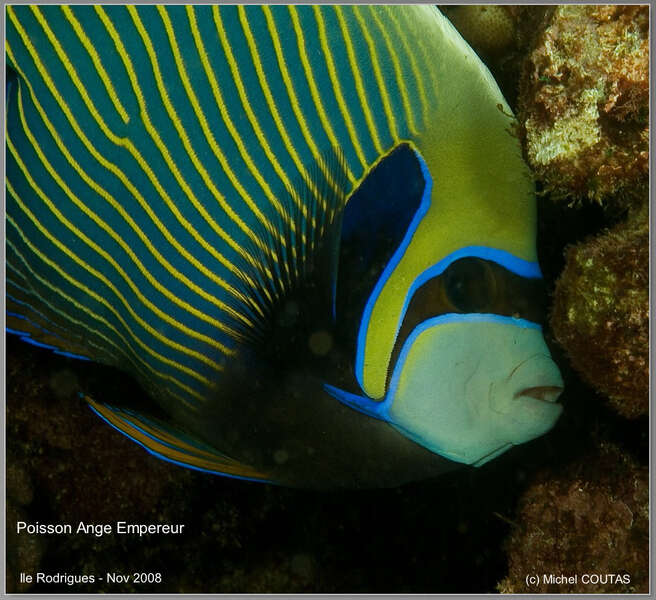
Pomacanthus imperator (Bloch, 1787) (Angel fish)
Juveniles are encountered under ledges, or in holes of outer lagoon patch reefs or semi-protected areas of exposed channels and outer reef flats. Subadults move to reef front holes and surge channels. Large adults inhabi...
Read More
Read More
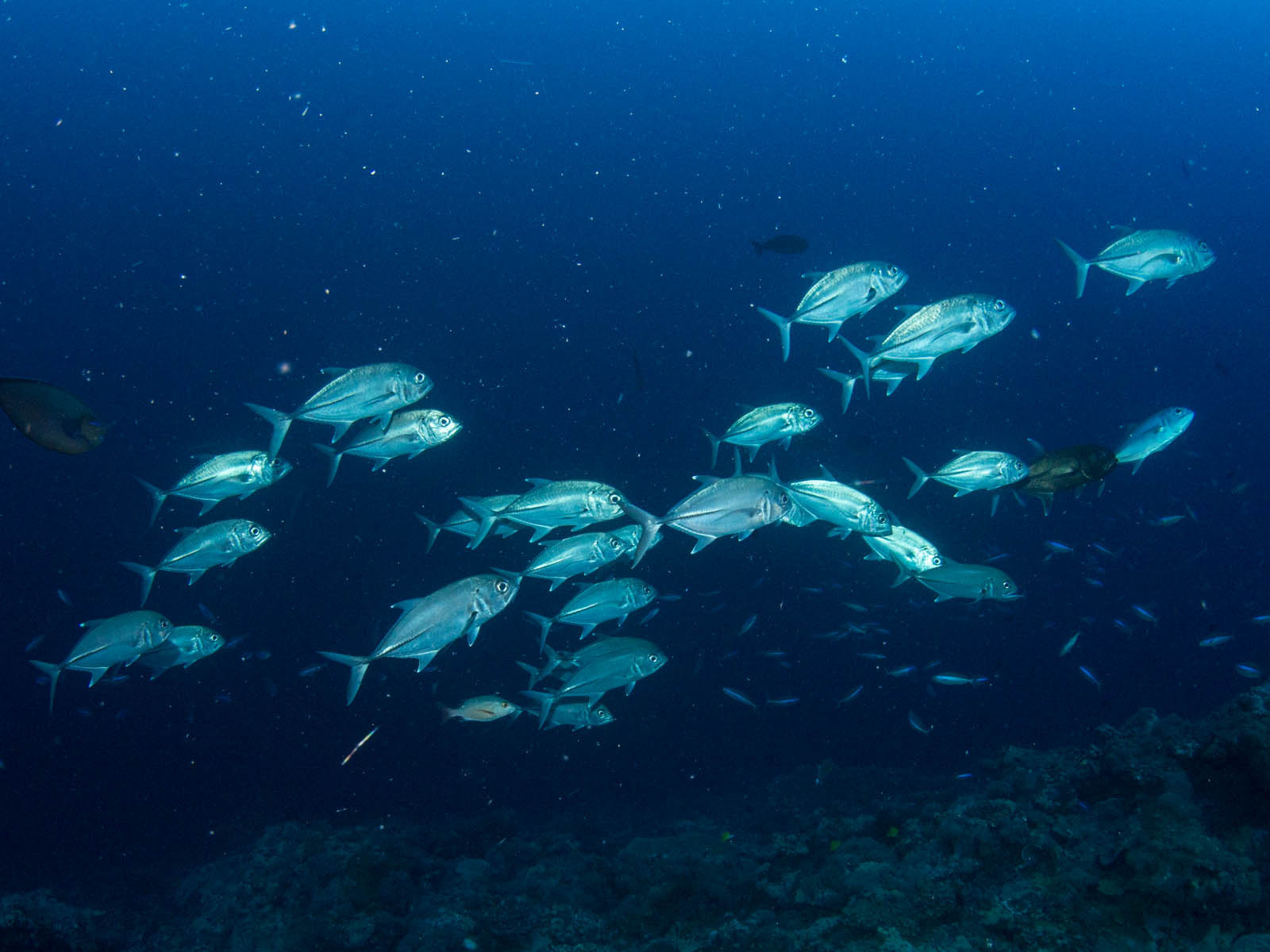
Caranx sexfasciatus Quoy and Gaimard, 1825 (Bayad)
Lutjanus quinquelineatus (Bloch, 1790) (blue-banded sea perch)
Inhabits sheltered lagoons and exposed, outer slope coral reefs. Frequently encountered in large aggregations including 100 or more individuals. Juveniles solitary and shallow in protected bays with algae and rubble subs...
Read More
Read More
Lutjanus lemniscatus (Valenciennes, 1828) (Yellowstreaked snapper)
Inhabits offshore reefs and muddy habitats. Juveniles are sometimes found in the vicinity of coral reefs, often located close to the shore where silting is moderate and visibility is reduced. Adults usually very deep . Feeds on fishes and a variety of benthic invertebrates.
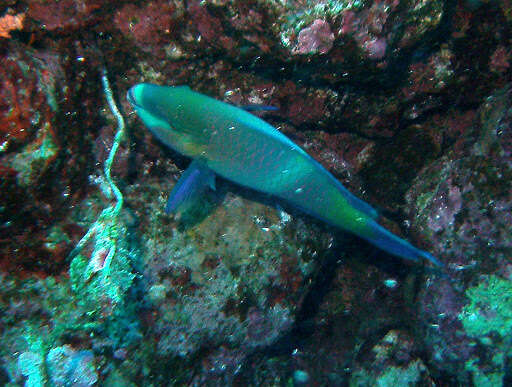
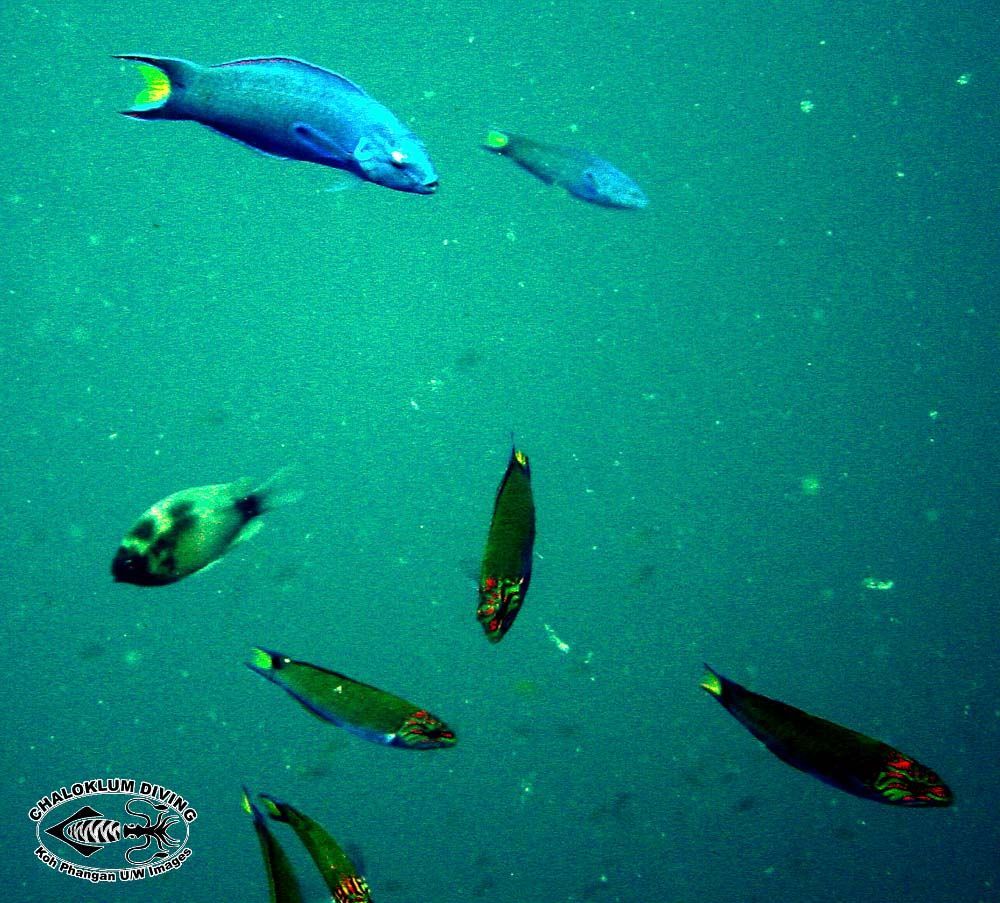
Scarus dubius Bennett, 1828 (Regal parrot)
Inhabits seaward reefs . Benthopelagic . Grazes on benthic algae. Protogynous .
Scarus ferrugineus Forsskål, 1775 (Rusty parrotfish)
Inhabits protected coral slopes . Individuals in the terminal phase form harems . Feeds mainly on benthic algae .
Pomadasys argenteus (Forsskål, 1775) (Head grunt)
Found in coastal waters . Enters freshwaters . Marketed fresh, may be salted .
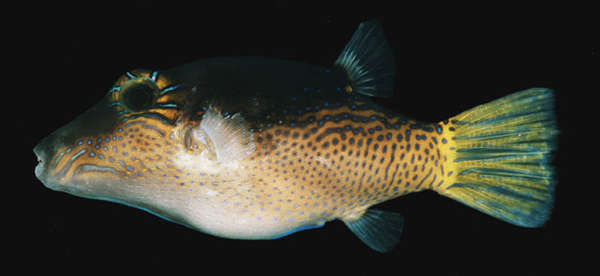
Canthigaster epilampra (Jenkins, 1903) (Lantern toby)
Inhabits outer reef slopes, generally at depths greater than 24 m, but also seen below 6 m . Benthopelagic . Solitary or paired. Feeds on mollusks, echinoderms, brachiopods, and filamentous algae .
Canthigaster ocellicincta Allen & Randall, 1977 (Shy toby)
Inhabits invertebrate-rich inshore reef to outer reef walls where usually in caves in depths of about 25 meters or more. Found singly or in pairs and on one occasion a small groups was observed among plate-corals on soft ...
Read More
Read More
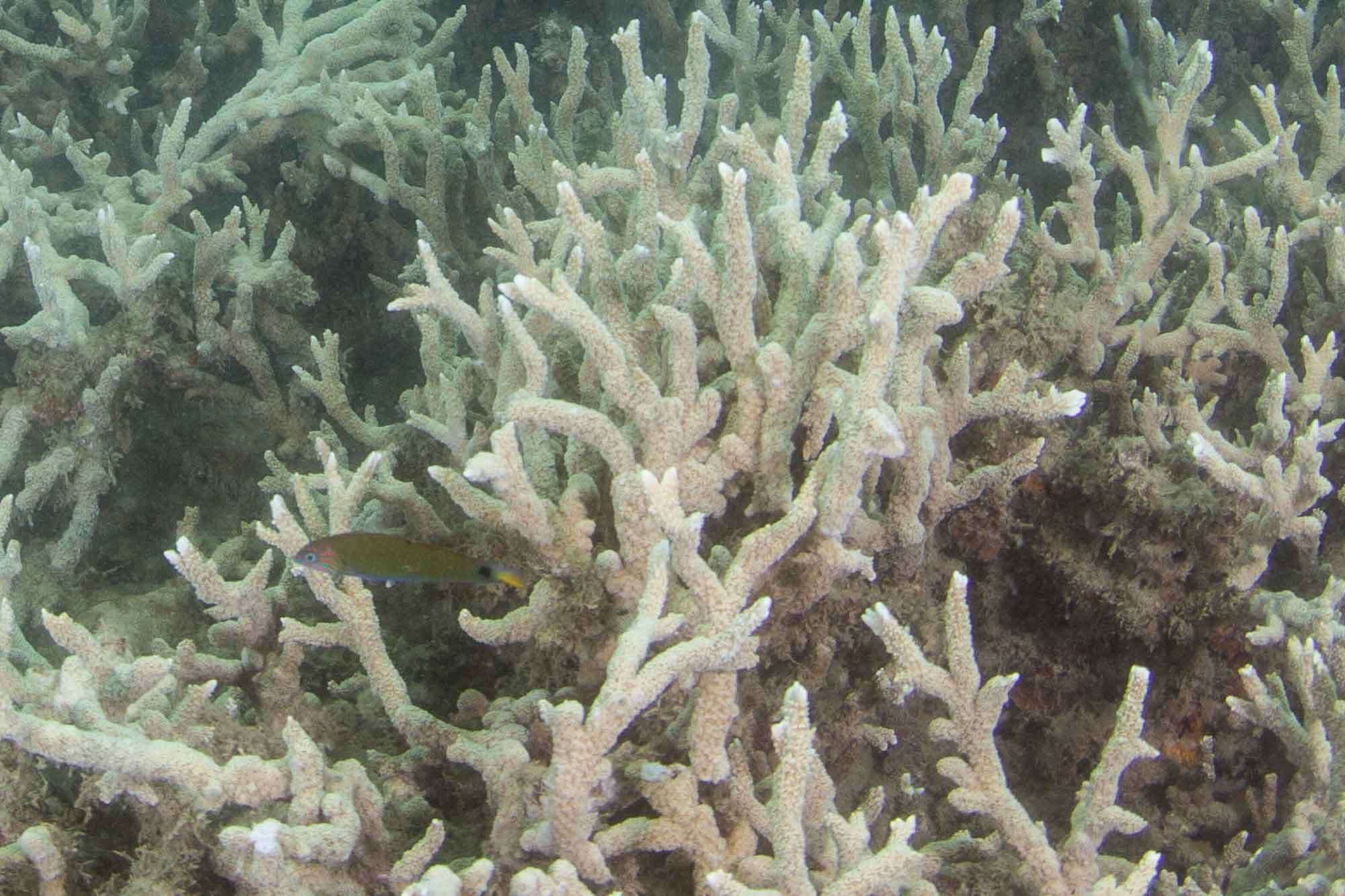
Stylophora pistillata (Esper, 1797) (Hood coral)
zooxanthellate
Porites nigrescens Dana, 1846 (Hump coral)
zooxanthellate
Pocillopora eydouxi Milne Edwards & Haime, 1860 (Cauliflower coral)
zooxanthellate
Montipora verrucosa (Lamarck, 1816) (Pore coral)
zooxanthellate
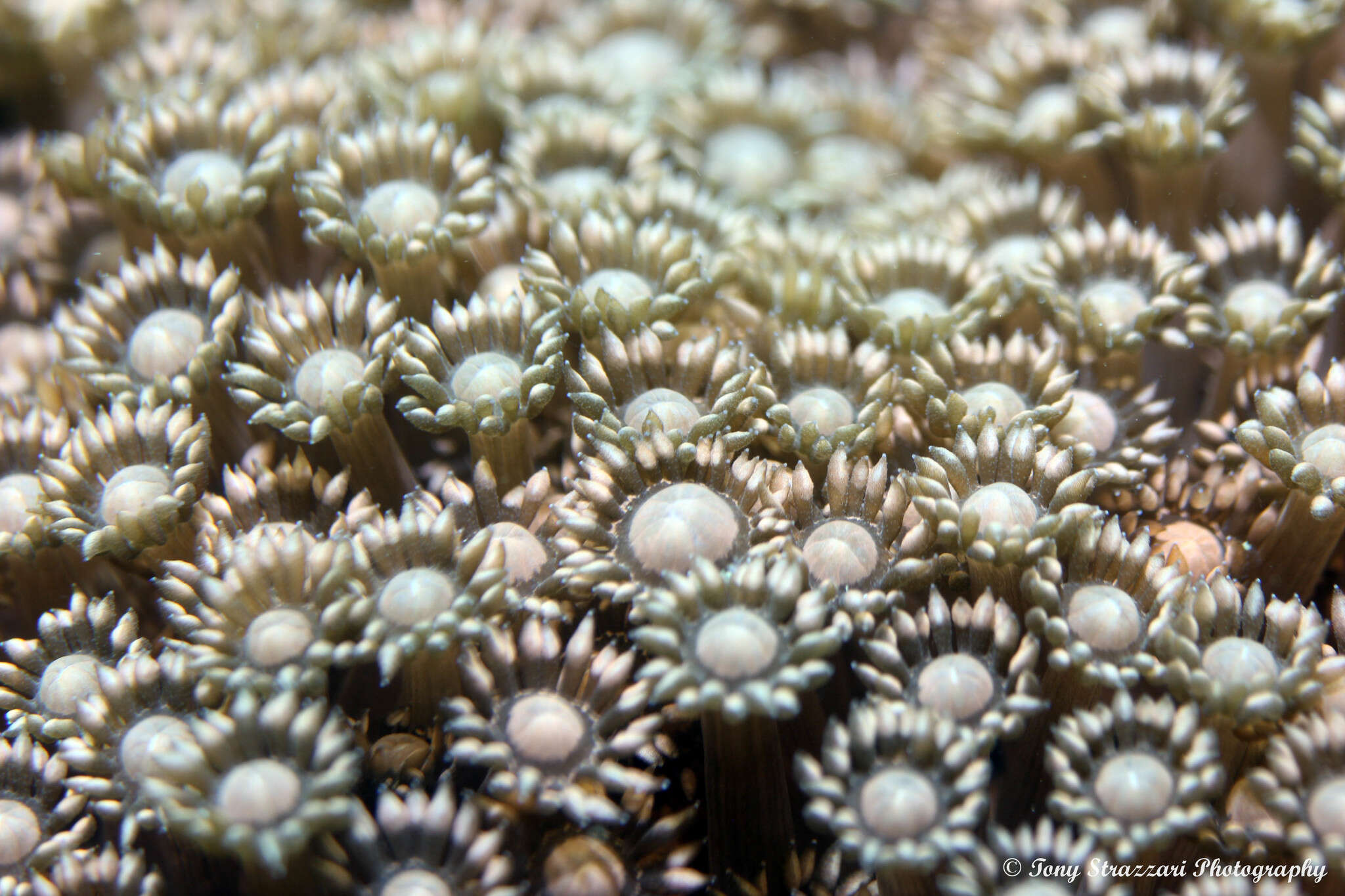
Goniopora tenuidens Quelch, 1886 (Anemone coral)
zooxanthellate
Stethojulis trilineata (Bloch and Schneider, 1801) (Threeline rainbowfish)
Often found on exposed reefs with shallow clear water. Usually swim in loose groups along upper parts of drop-offs or above reef crests .
Thalassoma lunare (Linnaeus, 1758) (Blue wrasse)
Occurs in the upper portions of lagoon and coastal reefs, and in protected seaward reefs . Enters estuaries . Usually found on upper portions of ledges and heads . Feeds mainly on small benthic invertebrates and fish eggs . A protogynous hermaphrodite .
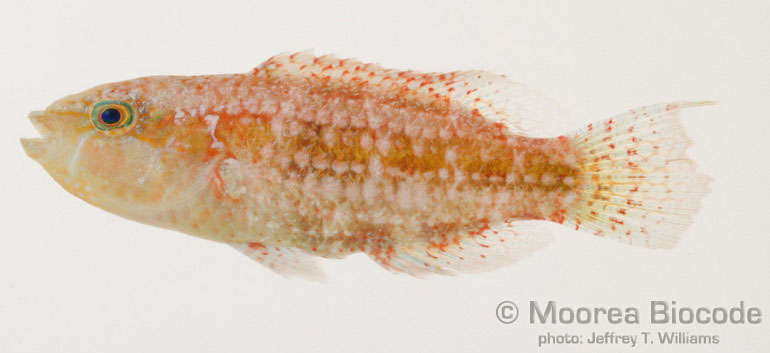
Oxycheilinus bimaculatus (Valenciennes, 1840) (Two-spot wrasse)
Inhabits outer reef slopes or deep clear lagoons among rubble or clumps of algae; also in seagrass beds . Often in sheltered estuaries and harbors . Benthic and benthopelagic .
Share on Social Networks
- Facebook:

personalize your shared text as well as its destination (wall, page...) or send as a private message to a friend
- Twitter: Tweet personalize your tweet
- Google Plus:
Direct link to this dive
- Long link:
- Short link:


 We are participating today in the startup contest Techcrunch Disrupt. Support Diveboard by voting for us!
























































































1st dive 2 tanker aboard Romyca
new dive site @ Linden Beach house reef
nice site, near fishing village, small resortslots of damage underwater but pretty good diversity also
viz not so good, but improving
boat, looping left around back to boat
multilevel
Found dead turtle carapace