


 Beachnutts



 Philippines
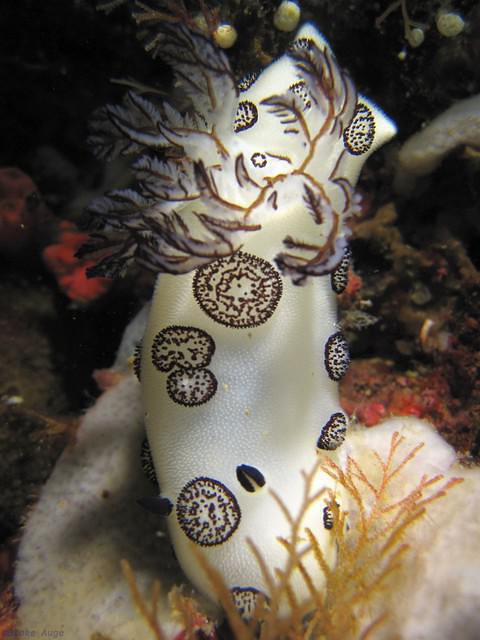
-
Nº61
 Date: 2023-02-04 - 11:43
-
 Max Depth: 19.2m Duration: 63mins
Dive Location

- Surface interval:70 mins
- Temp: Surf 26°C Bottom 26°C
- Dive type : Recreational, Reef, Photo, Wall Dive
- Visibility: Average Water: Salt
Specific gear used
- BCD: Scubapro - Glide Plus
- Camera: Canon - Powershot SD780
- Computer: Oceanic - OCS
- Fins: Scubapro - Jet Fins
- Knife: Scuba MAx - folding
- Lift bag: ScubaMax - SMB
- Light: Sofirn - SD05
- Mask: Promate - Scope
- Regulator: Aqualung - Titan LX
- Wet suit: Blue Ocean - Diveskin
- Weights: 3.2 kg
Dive reviews
| Overall review | ||
| Dive difficulty | ||
| Marine life quality |
Recent Divers in Limasawa Island


Recent Pictures in Limasawa Island
Dive Shop & Buddies
 Dive with Tin Ting

Link to this spot:
- Spot:
- Country:
- Area:
- Body of water:
Dive Profile
- 1. Air
- 10L Aluminium 207 → 34 bar
- Average depth: 12.8m
Data provided by EOL.org




Species Identified
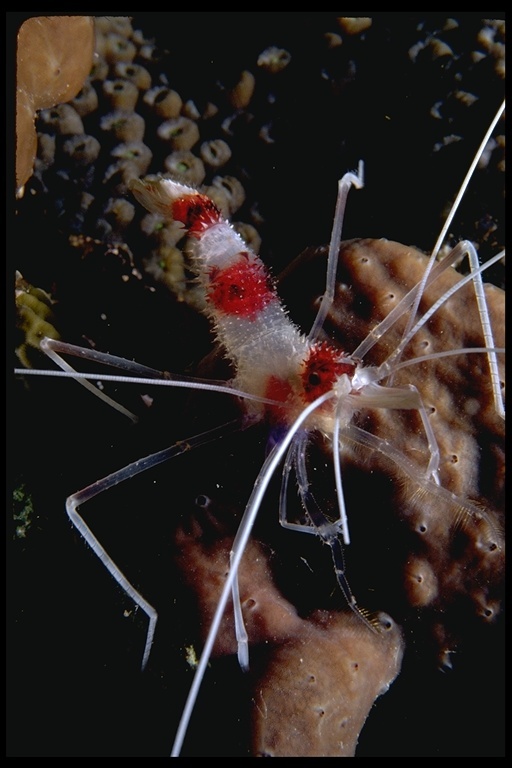
Stenopus hispidus (Olivier, 1811) (banded coral shrimp)
Lyreidus tridentatus De Haan, 1841
Siriella aequiremis Hansen, 1910
Taeniacanthus balistae (Claus, 1864)
Temora discaudata Giesbrecht, 1889
Aidanosagitta regularis (Aida, 1897)
Ferosagitta ferox (Doncaster, 1902)
Pseudosagitta lyra (Krohn, 1853)
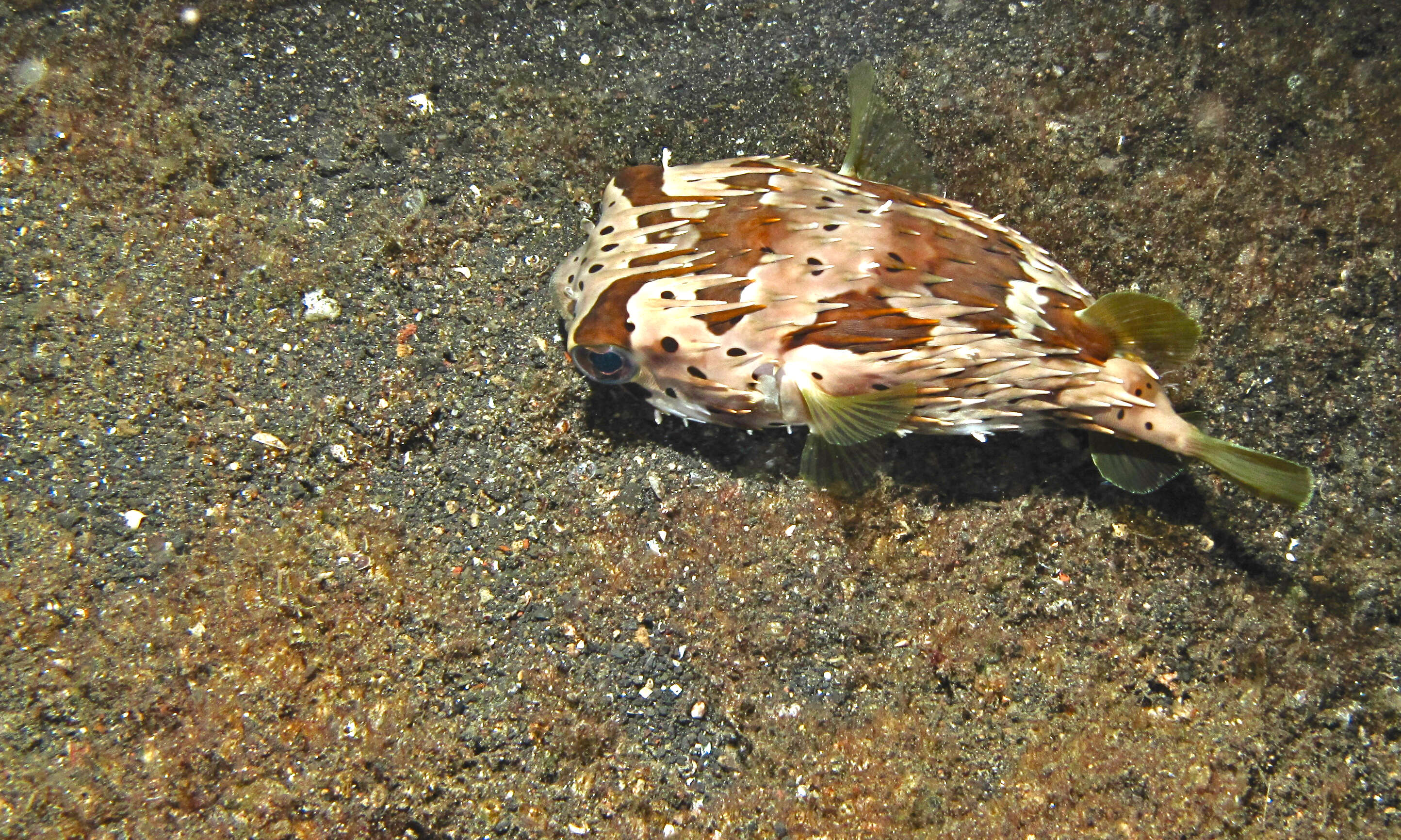
Diodon holocanthus Linnaeus, 1758 (Long-spine porcupinefish)
Diodon liturosus Shaw, 1804 (Black-blotched porcupinefish)
Inhabits reef edges and slopes . Hides in caves and ledges during the day and forages at night . Also found below plate-corals during the day and often deep, ranging to at least 40 meters depth. Juveniles occur in lagoo...
Read More
Read More
Enneapterygius tutuilae Jordan & Seale, 1906 (High hat triplefin)
Found in various reef habitats, but often on sponges or reef outcrops . Also found in intertidal pools . Lives on corals and rocks . Feeds on zooplankton drifting passed .
Meiacanthus atrodorsalis (Günther, 1877) (Forktail blenny)
Inhabit lagoon and seaward reefs below the surge zone to 30 m depth . A common species, often seen along slopes and drop-offs, adults sometimes in small groups . Feed on zooplankton and also on small benthic invertebrate...
Read More
Read More
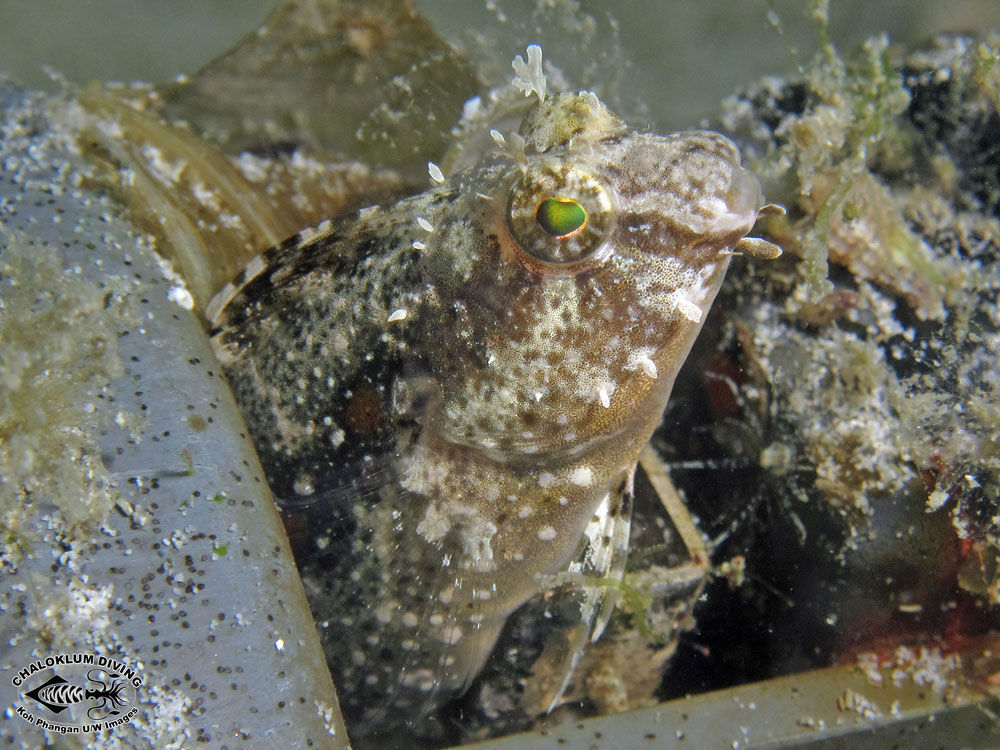
Petroscirtes mitratus Rüppell, 1830 (Floral blenny)
Inhabit shallow protected lagoons and reef flats with algal and seagrass clumps. Juveniles often in floating Sargassum weeds and maybe dispersed over great distances . Swim with its tail oriented vertically. Uses empty ...
Read More
Read More
Share on Social Networks
- Facebook:

personalize your shared text as well as its destination (wall, page...) or send as a private message to a friend
- Twitter: Tweet personalize your tweet
- Google Plus:
Direct link to this dive
- Long link:
- Short link:


 We are participating today in the startup contest Techcrunch Disrupt. Support Diveboard by voting for us!
























































































2nd dive, two tank trip to Limasawa Island
sand slope and coral reefs small wall, viz silty and dark
ok dive, not as good as expected
overcast, windy, raing hard off and on
SI 70 mins, multilevel