


 Beachnutts


 Philippines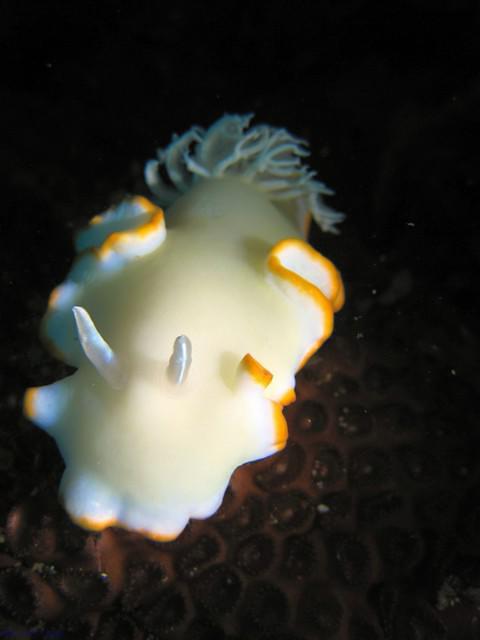
-
Nº60
 Date: 2023-02-04 - 09:33
-
 Max Depth: 25.3m Duration: 59mins
Dive Location

- Temp: Surf 26°C Bottom 26°C
- Dive type : Recreational, Reef, Photo, Wall Dive
- Visibility: Average Water: Salt
Specific gear used
- BCD: Scubapro - Glide Plus
- Boots: Orca - Dive shoes
- Camera: Canon - Powershot SD780
- Computer: Oceanic - OCS
- Fins: Scubapro - Jet Fins
- Knife: Scuba MAx - folding
- Lift bag: ScubaMax - SMB
- Light: Sofirn - SD05
- Mask: Promate - Scope
- Regulator: Aqualung - Titan LX
- Wet suit: Blue Ocean - Diveskin
- Weights: 3.2 kg
Dive reviews
| Overall review | ||
| Dive difficulty | ||
| Marine life quality |
Recent Divers in Limasawa Island


Recent Pictures in Limasawa Island
Dive Shop & Buddies
 Dive with Tinting

Link to this spot:
- Spot:
- Country:
- Area:
- Body of water:
Dive Profile
- 1. Air
- 10L Aluminium 207 → 34 bar
- Average depth: 16.9m
Data provided by EOL.org

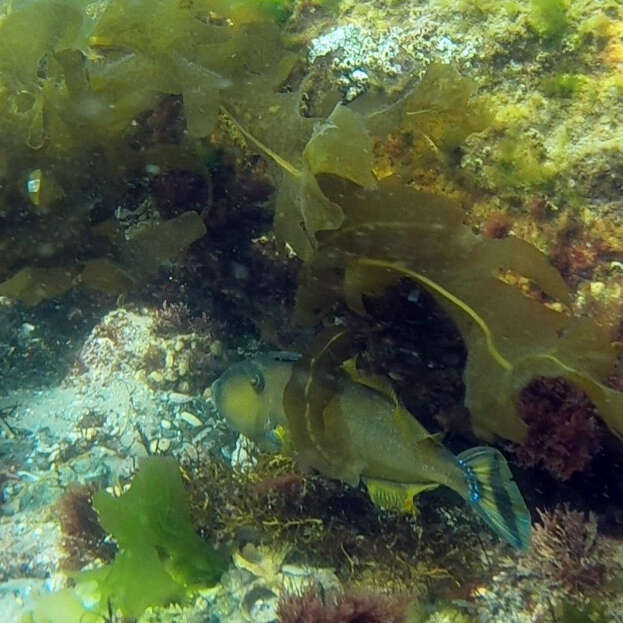
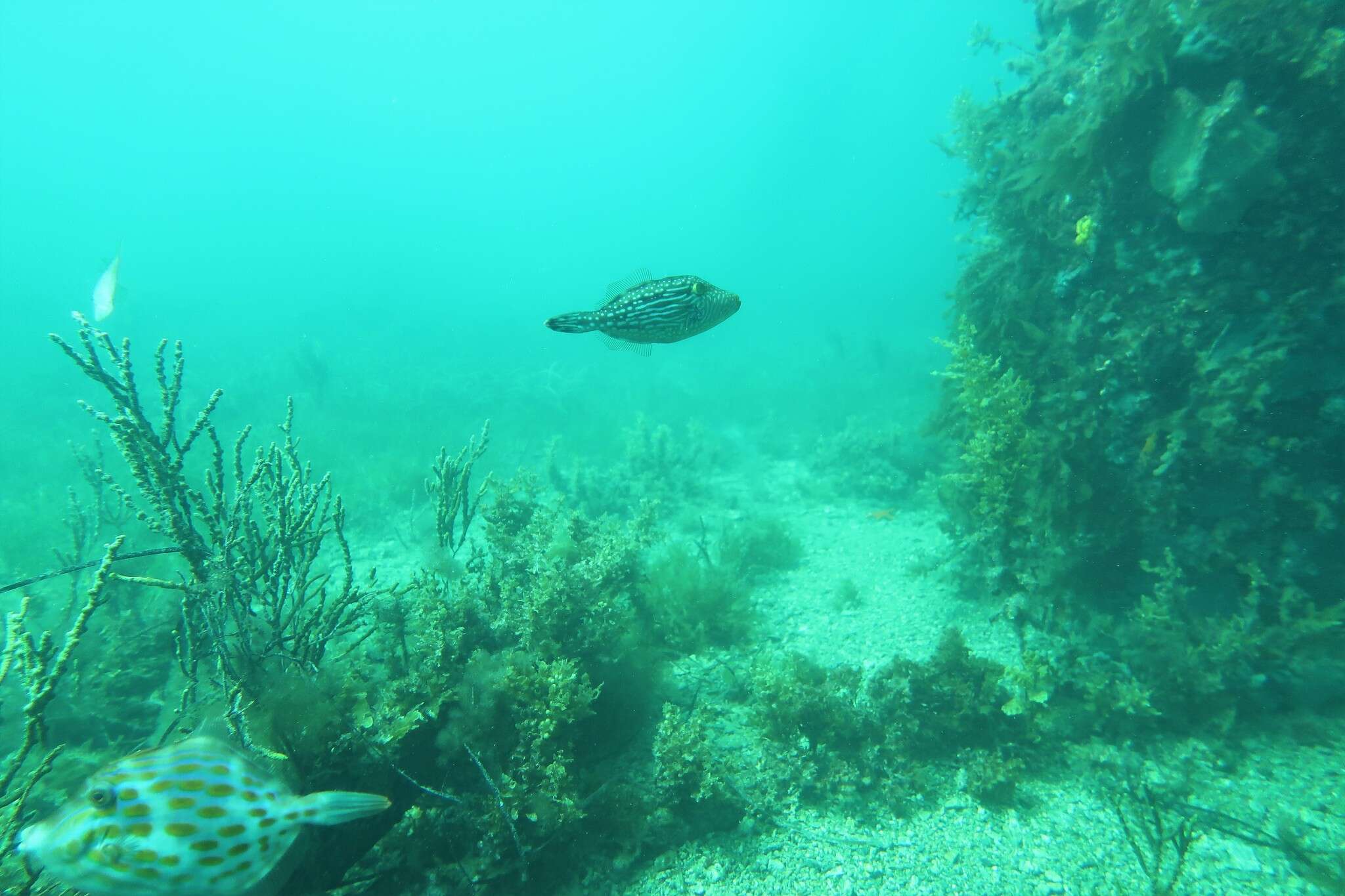
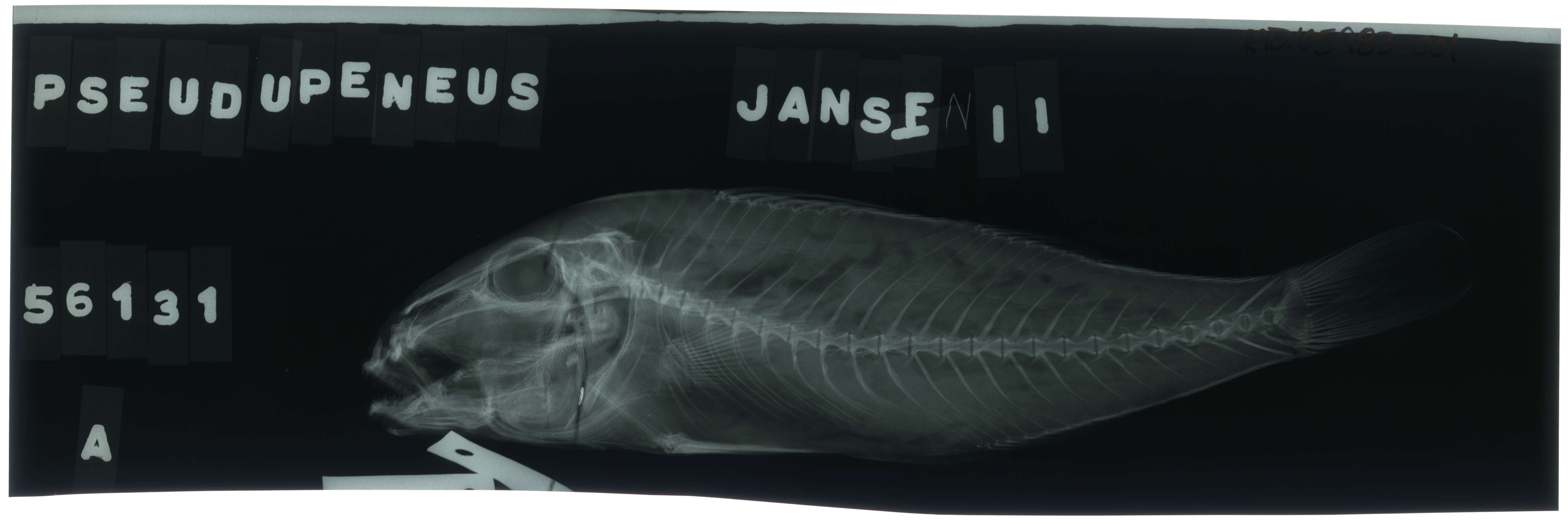



Species Identified
Paramonacanthus frenatus (Peters, 1855) (Wedgetail filefish)
Meuschenia australis (Donovan, 1824) (Brown-striped leatherjacket)
Found rocky reefs .
Meuschenia galii (Waite, 1905) (Blue-lined leatherjacket)
Found on offshore reefs to a depth of at least 40 m .
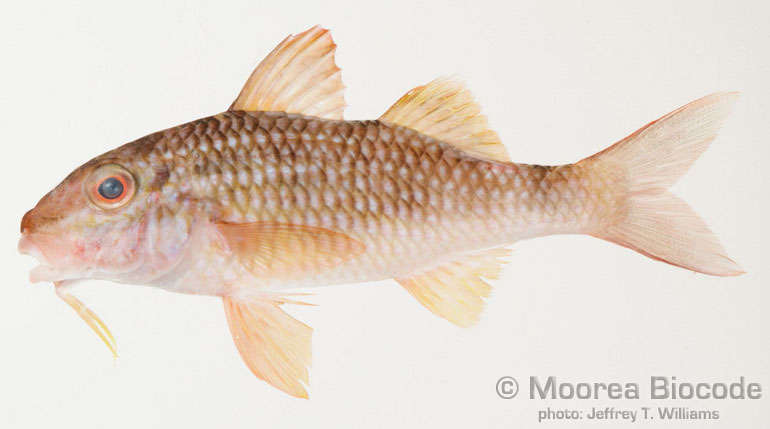
Parupeneus heptacanthus (Lacepède, 1802) (Cinnabar goatfish)
Occurs singly or in small groups, over muddy, sandy, rubble, or seagrass bottoms of lagoon and seaward reefs, usually below 20 m. Flesh is fairly good for human consumption .
Parupeneus jansenii (Bleeker, 1856) (秋姑)
Apparently occurs at least at moderate depths .
Parupeneus ciliatus (Lacepède, 1802) (Whitesaddle goatfish)
Occurs in seagrass beds and coralline areas of lagoon and seaward reefs. Feeds on benthic invertebrates, mostly crustaceans, at night.
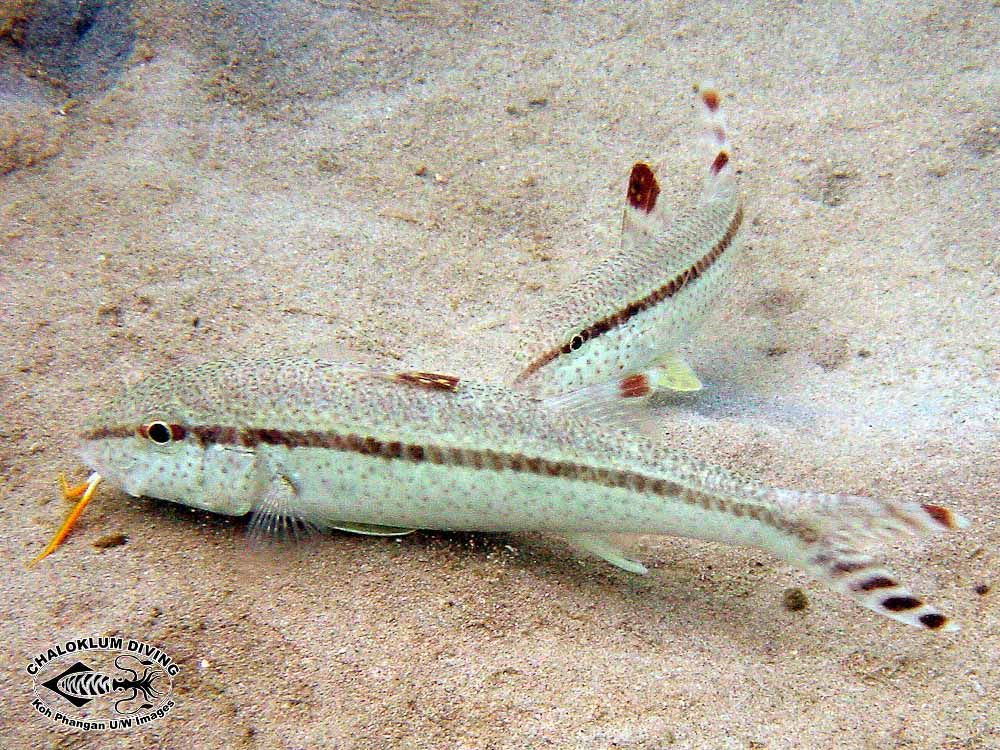
Upeneus tragula Richardson, 1846 (Freckled goatfish)
Found over sand and mud bottoms near coral reefs . Known to enter lower reaches of rivers. Generally solitary , but forms small to moderately large aggregations at all sizes . Minimum depth from Ref. 3470.
Heteractis crispa (Hemprich and Ehrenberg in Ehrenberg, 1834) (Leathery sea anemone)
Anthopleura kohli Carlgren, 1930
Anthopleura minima (Stuckey and Walton, 1910)
Anthopleura foxi Carlgren, 1927
Anthopleura insignis Carlgren, 1940
Aiptasiogeton pellucidus (Hollard, 1848)
Heteractis magnifica (Quoy and Gaimard, 1833) (Magnificent sea anemone)
Heteractis malu (Haddon and Shackleton, 1893) (Delicate sea anemone)
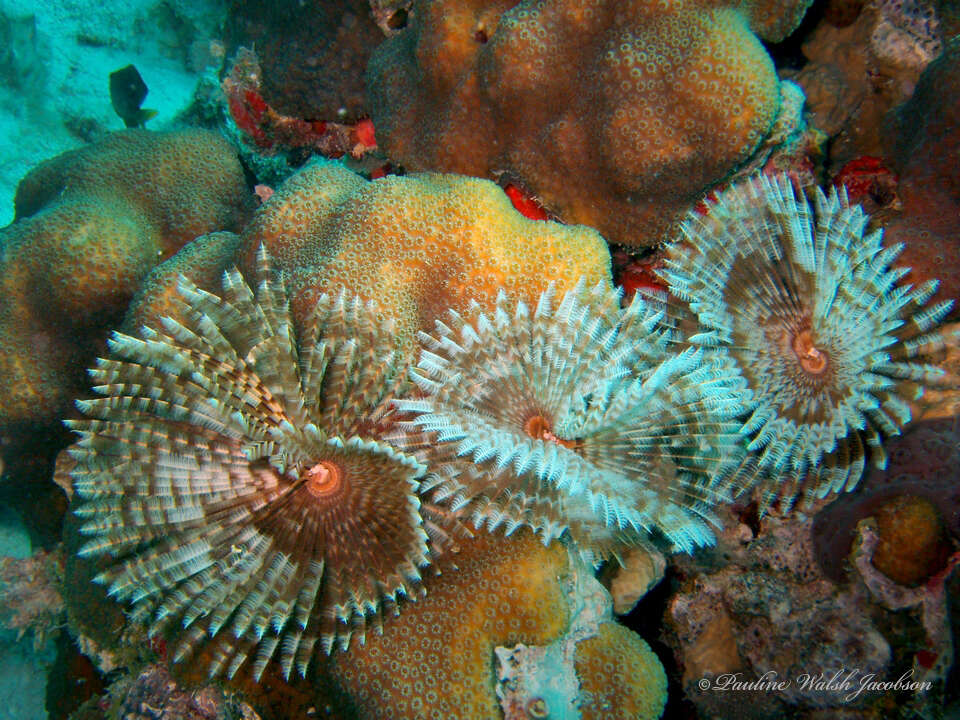
Sabellastarte magnifica (Shaw, 1800) (feather duster)
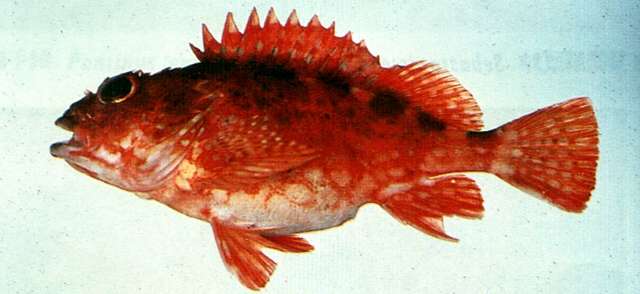
Sebastiscus marmoratus (Cuvier, 1829) (Filefish)
Found near shore, on rock bottom . Commercially cultured in Japan. Viviparous . Anterolateral glandular grooves with venom gland .
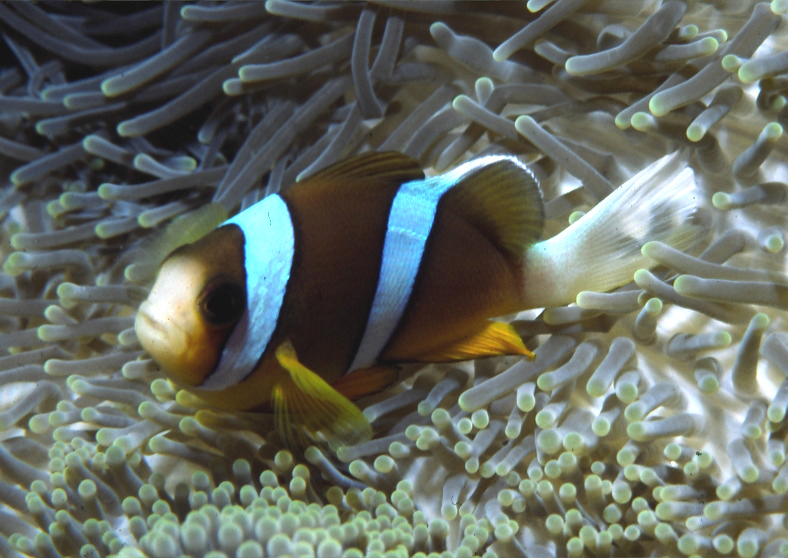
Amphiprion clarkii (Bennett, 1830) (Brown anemonefish)
Inhabits lagoons and outer reef slopes. Omnivorous. Oviparous, with elliptical eggs . Monogamous . Has been reared in captivity . Associated with the anemones: Cryptodendrum adhaesivum, Entacmaea quadricolor, Heterac...
Read More
Read More
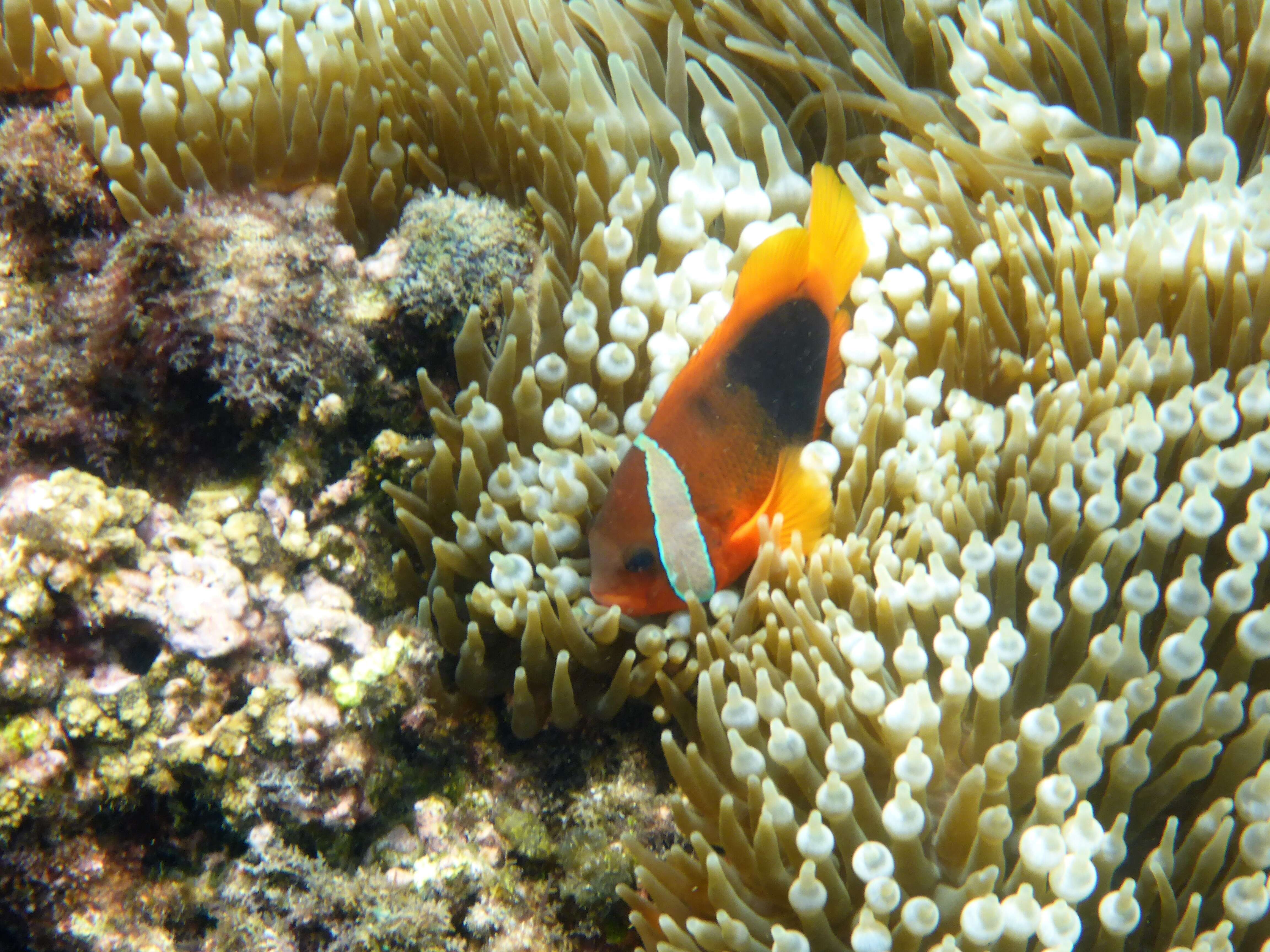
Amphiprion melanopus Bleeker, 1852 (Chocolate clown)
Inhabits lagoon and outer reef environments. Feeds predominantly on planktonic copepods and algae. Has been reared in captivity . Associated with the anemones: Entacmaea quadricolor , Heteractis crispa , and Heteractis magnifica .
Amphiprion chrysopterus Cuvier, 1830 (Two-banded anemonefish)
Inhabits passages and outer reef slopes. Known to occur at 25°C. Feeds chiefly on planktonic copepods, algae, echiuroid and sipunculoid worms, and pelagic tunicates. Associated with the anemones: Entacmaea quadricolor,...
Read More
Read More
Share on Social Networks
- Facebook:

personalize your shared text as well as its destination (wall, page...) or send as a private message to a friend
- Twitter: Tweet personalize your tweet
- Google Plus:
Direct link to this dive
- Long link:
- Short link:


 We are participating today in the startup contest Techcrunch Disrupt. Support Diveboard by voting for us!
























































































Limasawa Island, Southern Leyete
1st dive, 2 tank boat dives, multilevel
wall div, some sand slopes, out the wall and back to boat
viz a bit silty, water dark, heavy rain, clouds, overcast, windy