


 Beachnutts


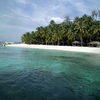
 Philippines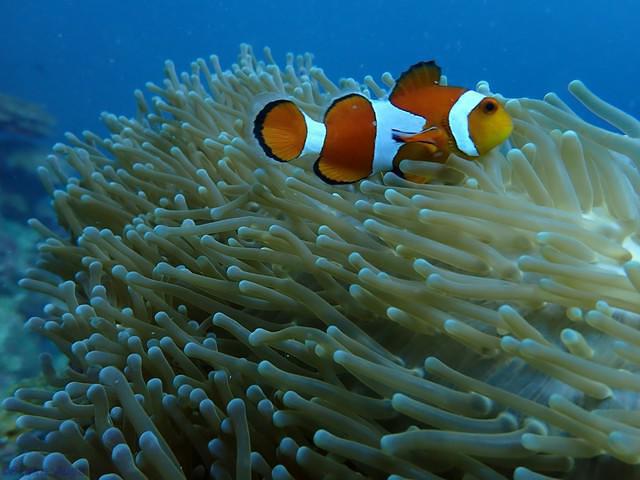
-
Nº45
 Date: 2022-11-06 - 10:03
-
 Max Depth: 19.8m Duration: 89mins
Dive Location

- Temp: Surf 27°C Bottom 27°C
- Dive type : Recreational, Reef, Photo
- Visibility: Good Water: Salt
Specific gear used
- BCD: Oceanic - OceanPro
- Camera: Olympus - TG6
- Computer: Oceanic - OCS
- Fins: Scubapro - Jet Fins
- Knife: Scuba MAx - folding
- Lift bag: ScubaMax - SMB
- Light: Sofirn - SD05
- Mask: Cressi Sub - Big Eyes
- Regulator: SEAC - Synchro
- Wet suit: Blue Ocean - Diveskin
- Weights: 3.2 kg
Dive reviews
| Overall review | ||
| Dive difficulty | ||
| Marine life quality |
Recent Divers in Samal island, Davao

Recent Pictures in Samal island, Davao
Dive Shop & Buddies
 Dive with Blake Auge
 Dive buddies:
Maeng
Dive buddies:
Maeng

Link to this spot:
- Spot:
- Country:
- Area:
- Body of water:
Dive Profile
- 1. Air
- 10L Aluminium 207 → 21 bar
- Average depth: 13.2m
Data provided by EOL.org














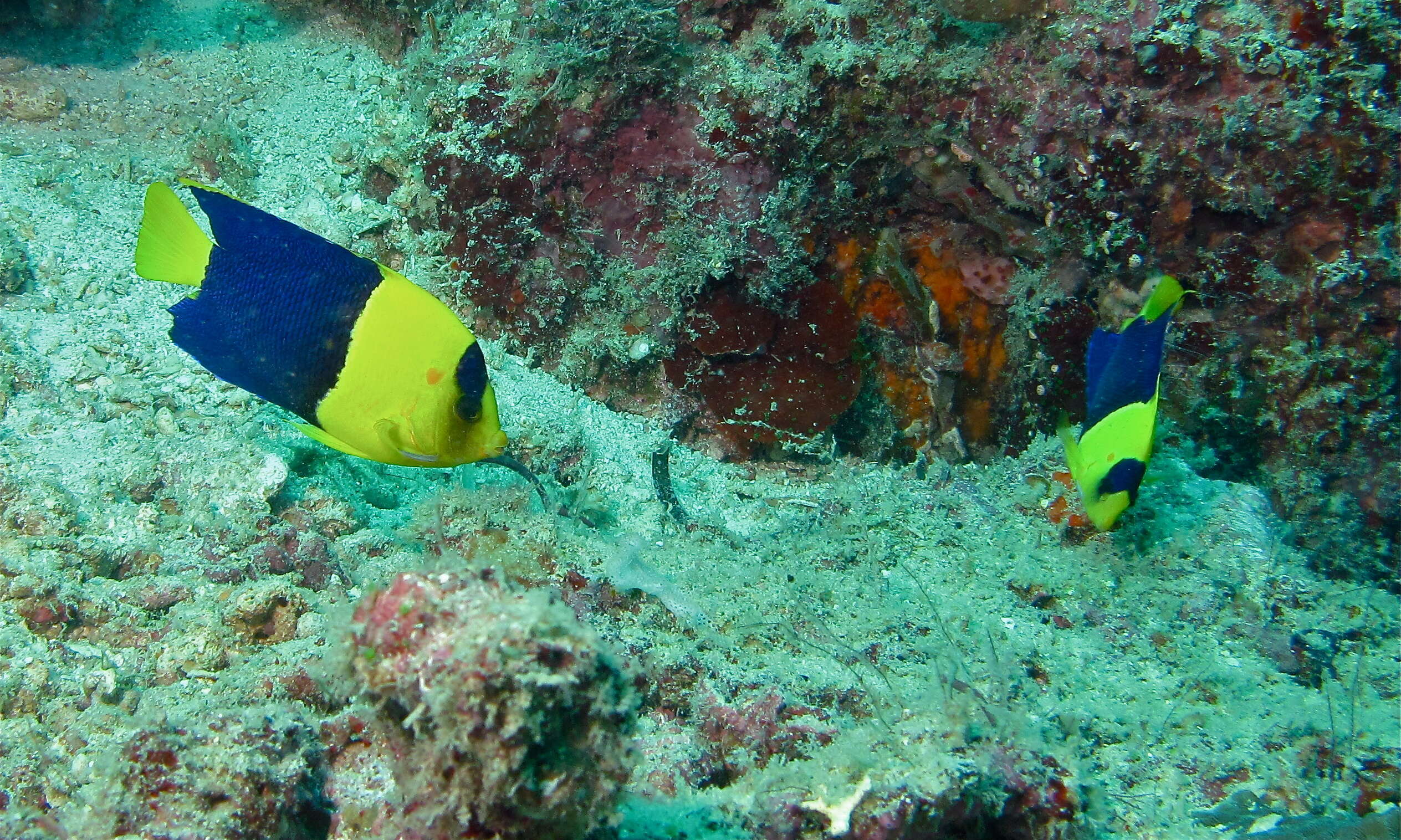

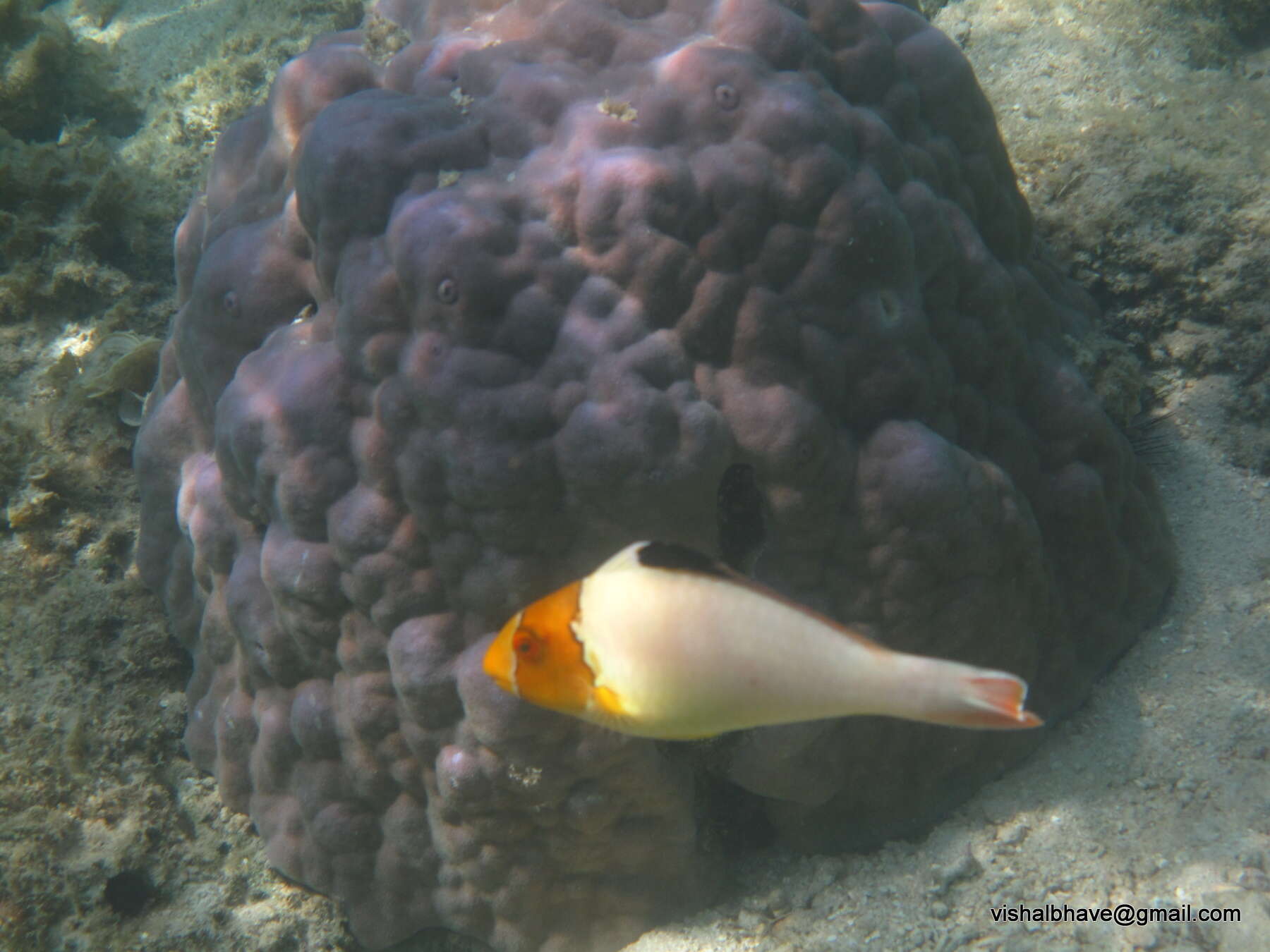

Species Identified
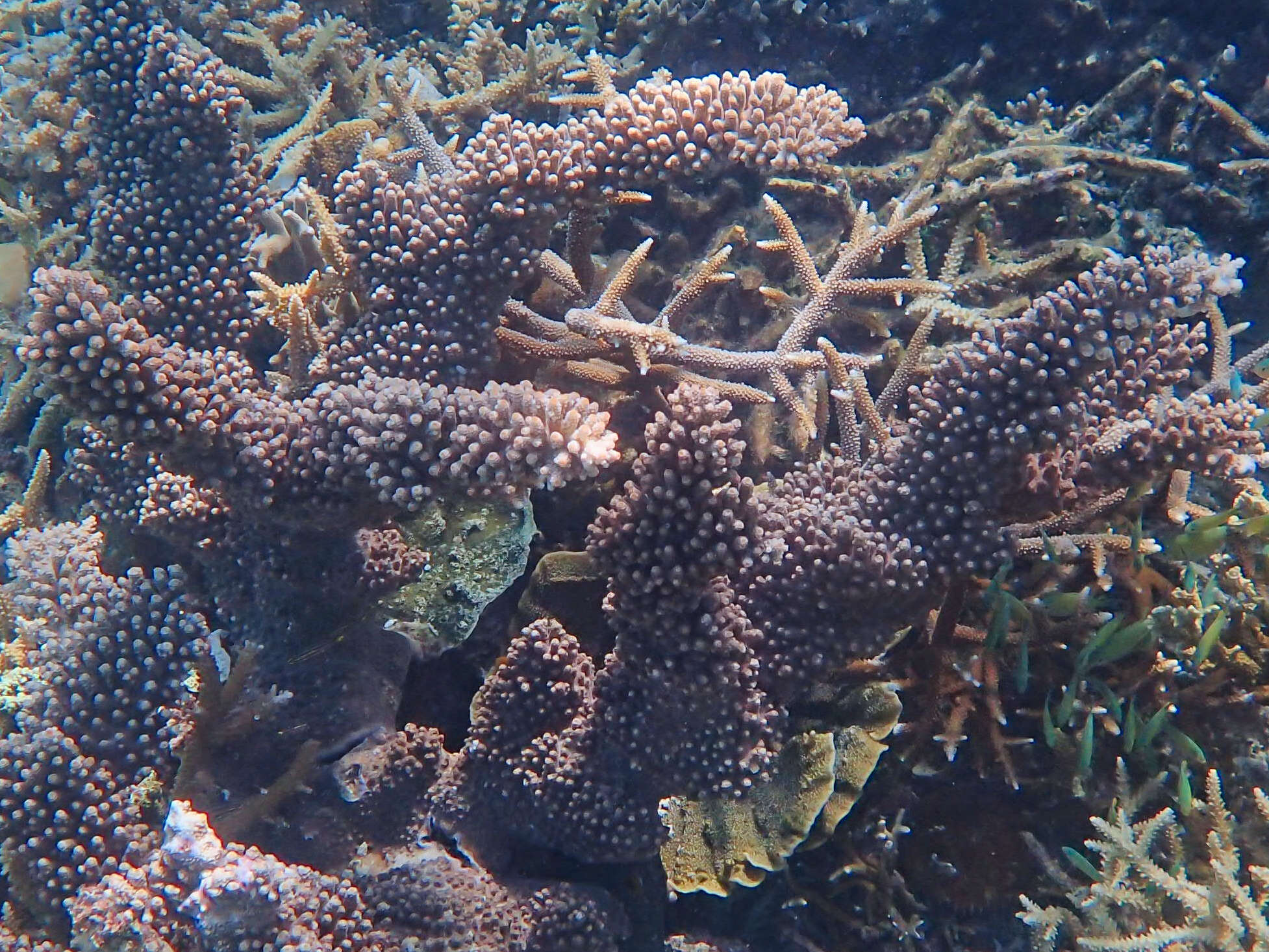
Acropora sarmentosa (Brook, 1892)
zooxanthellate
Acropora russelli Wallace, 1994
zooxanthellate
Acropora azurea Veron and Wallace, 1984
zooxanthellate
Acropora samoensis (Brook, 1891)
zooxanthellate
Acropora selago (Studer, 1878)
zooxanthellate
Acropora sekiseiensis Veron, 1990
zooxanthellate
Acropora tanegashimensis Veron, 1990
zooxanthellate
Acropora togianensis Wallace, 1997
zooxanthellate
Acropora teres (Verrill, 1866)
zooxanthellate
Acropora tenella (Brook, 1892)
zooxanthellate
Premnas biaculeatus (Bloch, 1790) (Spinecheek anemonefish)
Inhabits lagoon and seaward reefs , found mainly in protected coastal waters and lagoons. Typically found in pairs in which males are much smaller than females . Feeds primarily on zooplankton and benthic algae . Has been reared in captivity . Associated with the anemone Entacmaea quadricolor .
Amphiprion ocellaris Cuvier, 1830 (false clown anemonefish)
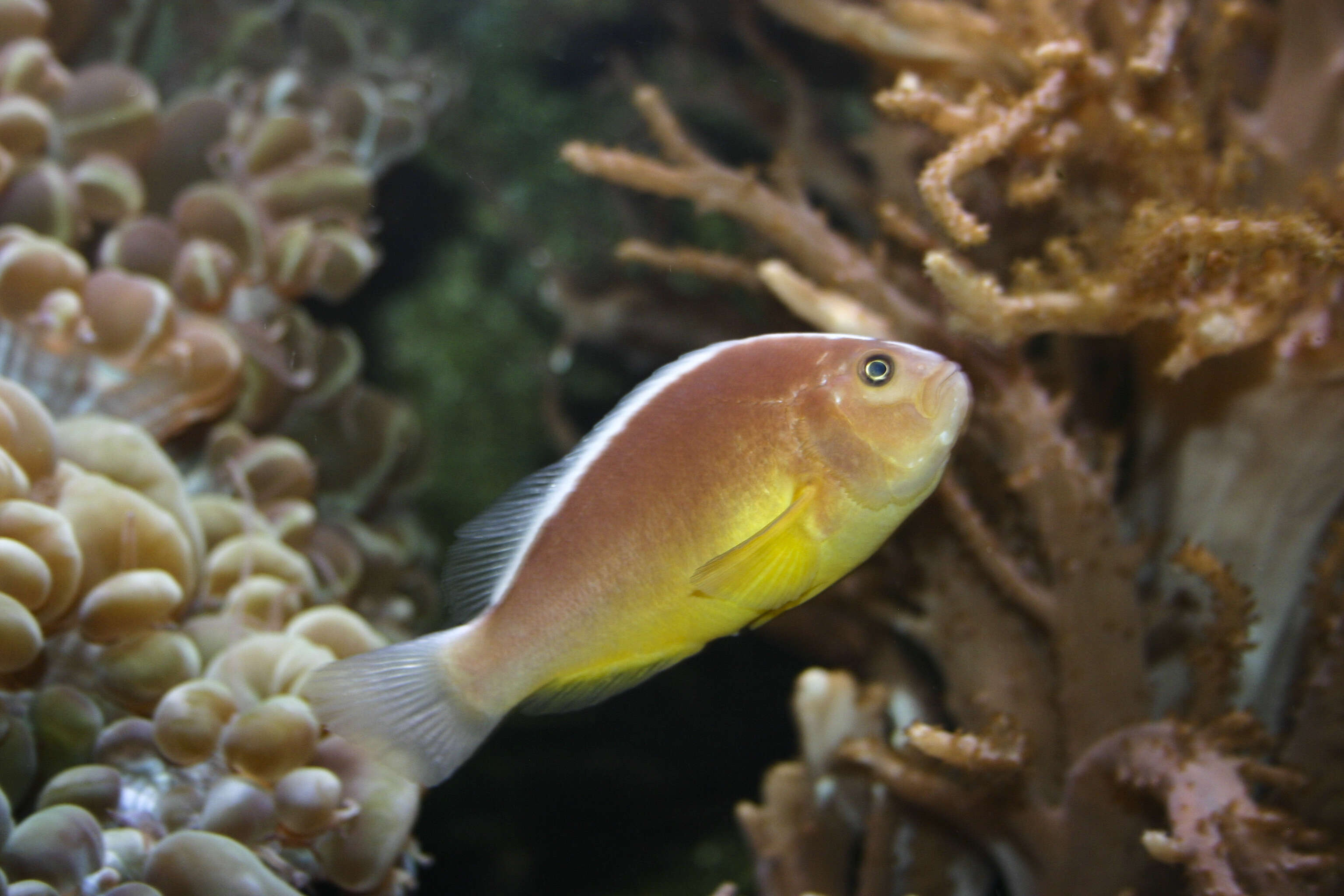
Amphiprion akallopisos Bleeker, 1853 (skunk-stripe anemonefish)
Found in shallow inshore reef habitats, often in strong current zones to about 15 m depth . Are protandrous hermaphrodites . Each pair is monogamous . Each anemone with a large female, a smaller functional male and seve...
Read More
Read More
Amphiprion percula (Lacepède, 1802) (Orange clownfish)
Inhabits lagoon and seaward reefs . Each group of fish consists of a breeding pair and 0-4 non-breeders. Within each group there is a size-based hierarchy: the female is largest, the male is second largest, and the non-...
Read More
Read More
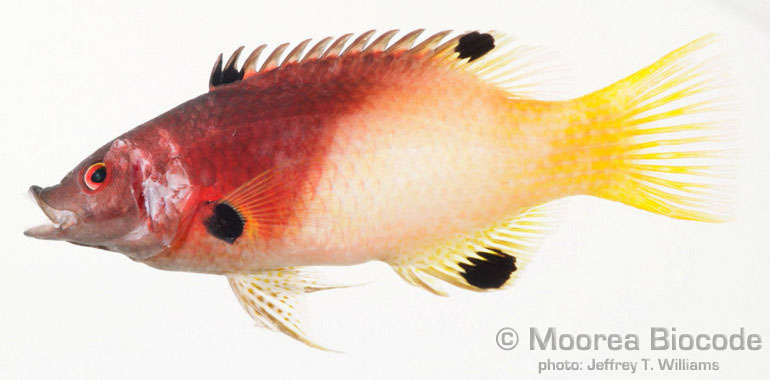
Bodianus mesothorax (Bloch and Schneider, 1801) (Splitlevel hogfish)
Ranging into subtropical zones as juveniles expatriates caused by warm currents during pelagic stage . Inhabit coral-rich outer reef slopes at depths of 5 to over 20 m, particularly near caves. Juveniles in caves; adults...
Read More
Read More
Bodianus axillaris (Bennett, 1832) (Axilspot hogfish)
Inhabits clear lagoon and seaward reefs. Juveniles occur solitary in caves or under ledges and act as cleaners by picking at bodies of other fishes . Feeds mainly on benthic, hard-shelled, invertebrates such as mollusks...
Read More
Read More
Tautoga onitis (Linnaeus, 1758) (Black-fish)
Found close to shore on hard-bottom habitats, occasionally entering brackish water. Adult male territorial and active during the day to feed and rests in crevices at night. Prefers temperatures above 10°C. Spawning was ...
Read More
Read More
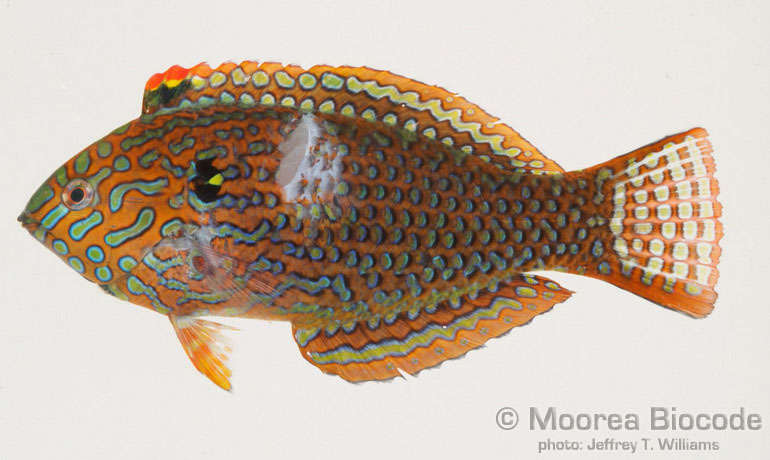
Macropharyngodon meleagris (Valenciennes, 1839) (Blackspotted wrasse)
Inhabits subtidal reef flats and outer lagoon and seaward reefs . Usually in areas with mixed sand, rubble, and coral . Feeds mainly on gastropods, other hard-shelled prey , and foraminiferans . Rarely marketed. Minimum depth reported from Ref. 27115.
Halichoeres semicinctus (Ayres, 1859) (rock wrasse)
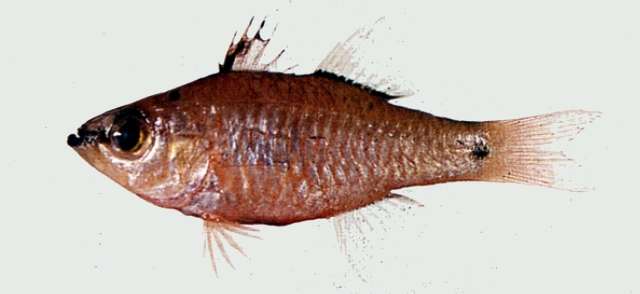
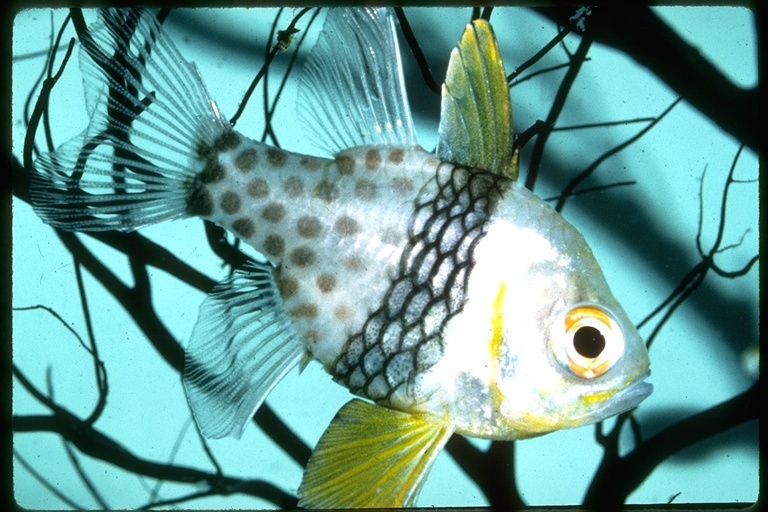
Apogon trimaculatus Cuvier, 1828 (Three-spot cardinalfish)
Inhabits inshore coral reefs . Nocturnal species .
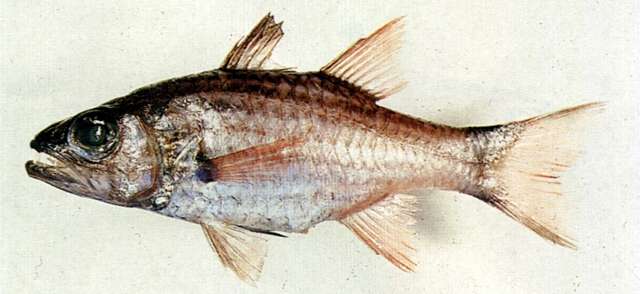
Apogon notatus (Houttuyn, 1782) (Spotnape cardinalfish)
Occur in groups around coral bommies . In Japan, the breeding season is from June to September. Breeding pairs set up territory which is mostly defended by the female . Mouthbrooding is done by the male parents some of...
Read More
Read More
Cheilodipterus macrodon (Lacepède, 1802) (bigtooth percelle)
Common in outer reef slopes in 4-30 m depth; in caves and ledges of clear lagoon and seaward reefs from 0.5 to at least 40 m, generally hovering solitarily in midwater . Adults usually in pairs or small groups comprising ...
Read More
Read More
Sphaeramia nematoptera (Bleeker, 1856) (Pajama cardinalfish)
Forms aggregations among the branches of Porites nigrescens and P. cylindrica in sheltered bays and lagoons . Disperses at night to feed close to the bottom . Has been reared in captivity . Popular aquarium fish .
Archamia fucata (Cantor, 1849) (Orangelined cardinalfish)
Inhabits continental and insular shelves; on coral and rocky reefs in sheltered bays and lagoon, patch reefs, with muddy, sandy and silty bottoms or coral rubble, and mangroves ; typically forming dense aggregations at the entrance of caves and among branching corals . Nocturnal species .
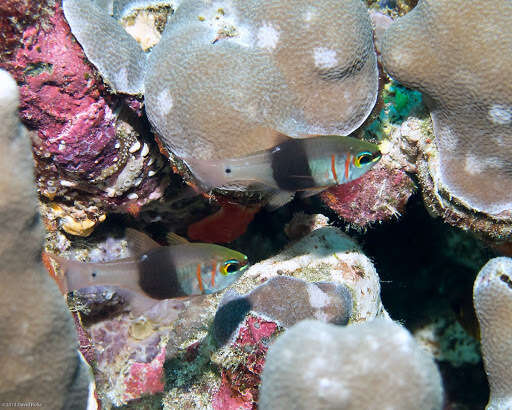
Apogon exostigma (Jordan & Starks, 1906) (Narrowstripe cardinalfish)
Found under ledges or among isolated coral heads in silty inner reef areas . Solitary and rather rare . Nocturnal species .
Apogon compressus (Smith & Radcliffe, 1911) (Ochre-striped cardinalfish)
Found in small aggregates among or near mounds of branching corals such as Porites cylindrica or P. nigrescens . Nocturnal species . Has been reared in captivity .
Archamia zosterophora (Bleeker, 1856) (Blackbelted cardinalfish)
Forms dense aggregations above or among the branches of Porites cylindrica and other branching corals of sheltered lagoons and inshore bays ; over sandy bottom at depths of 1-40 meters . Nocturnal species .
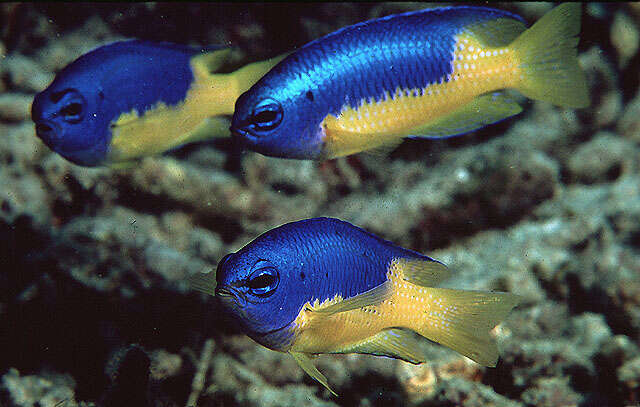
Pomacentrus auriventris Allen, 1991 (Goldbelly damsel)
Mainly inhabits inner reef slopes with mixed rubble, coral and algae. Aggregates close to the bottom . Usually in small groups .
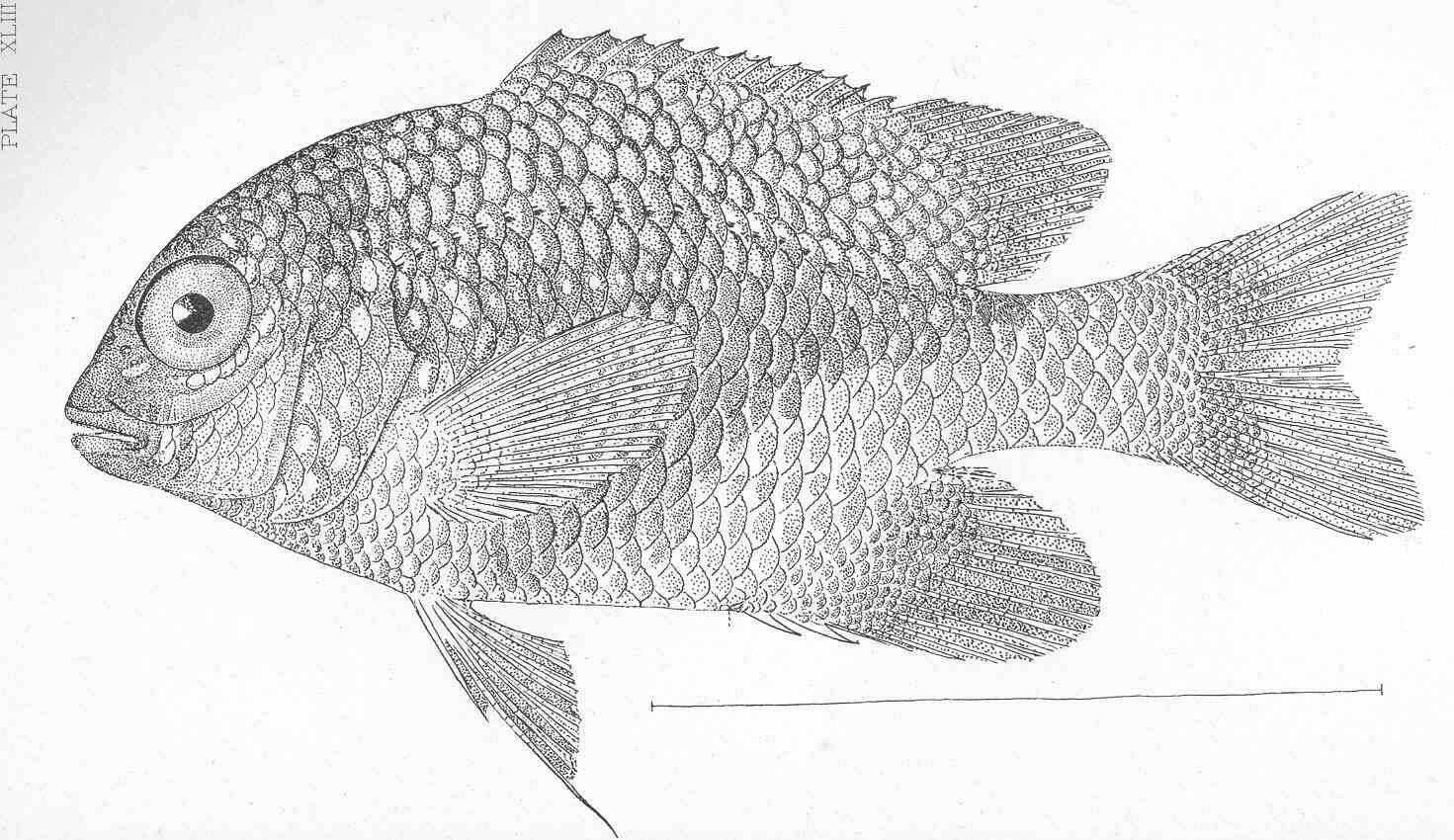
Pomacentrus aquilus Allen and Randall, 1980 (Dark damsel)
Inhabits inshore coral reefs.
Neopomacentrus filamentosus (Macleay, 1882) (Brown demoiselle)
Sporadic distribution . Inhabits soft bottoms of lagoons and inshore reefs around coral outcrops, rocks, debris, etc.
Microspathodon bairdii (Gill, 1862) (Bumphead damselfish)
Microspathodon dorsalis (Gill, 1862) (Damselfish)
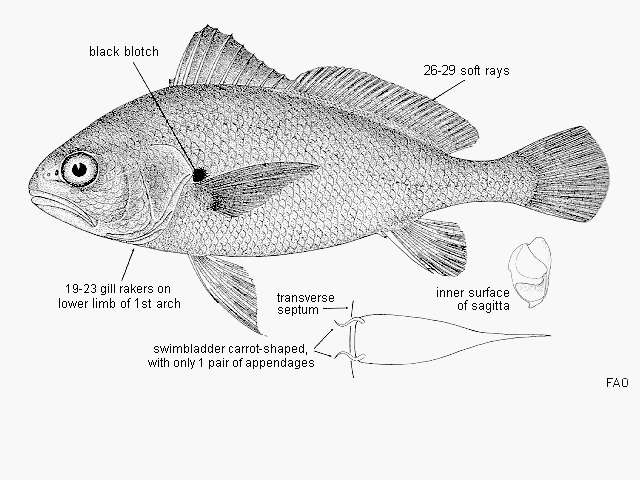
Kathala axillaris (Cuvier, 1830) (blackspot jewfish)
Found in shallow coastal waters.
Umbrina cirrosa (Linnaeus, 1758) (Shi drum)
Found over rocky and sandy bottoms in coastal waters. Juveniles enter estuaries. Feed on bottom invertebrates.
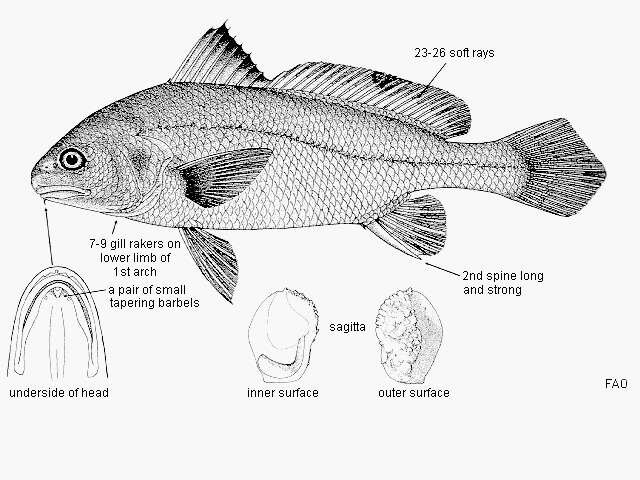
Daysciaena albida (Cuvier, 1830) (Bengal corvina)
Found in coastal waters and estuaries . Important food fish.
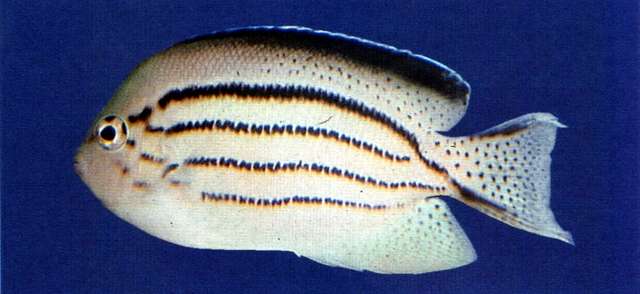
Genicanthus lamarck (Lacepède, 1802) (Blackstriped angelfish)
Inhabit shallow reef crests and deep reefs adjacent to steep slopes. Form aggregations to feed in midwater well above the bottom; harems of 3-7 individuals. Feeds on plankton. Frequently exported through the aquarium trade .
Chaetodontoplus septentrionalis (Temminck and Schlegel, 1844) (Bluestriped angelfish)
Inhabits coastal rocky and coral reefs . Solitary species. Feeds on sponges and tunicates. Rarely exported through the aquarium trade .
Apolemichthys xanthurus (Bennett, 1833) (Yellowtail angelfish)
Inhabits coral-rich areas . Found singly or in pairs.
Chaetodontoplus conspicillatus (Waite, 1900) (Conspicuous angelfish)
Generally inhabits deep coral reef areas. Juveniles as shallow as 1 m on lagoon reefs . Feeds on sponges and tunicates. Forms pairs. Rarely exported through the aquarium trade .
Genicanthus takeuchii Pyle, 1997 (Mizutama-yakko)
Inhabits coral reefs .
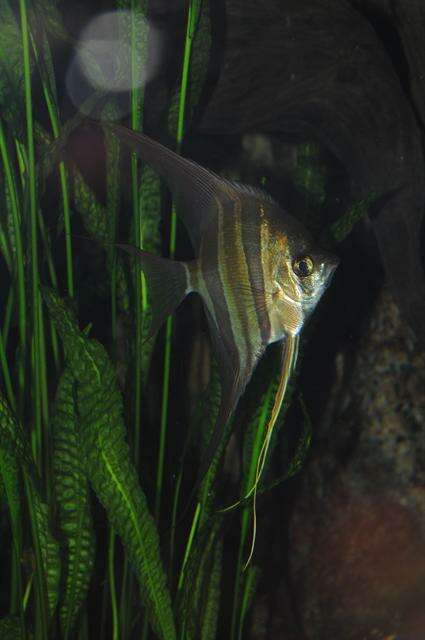
Pterophyllum altum Pellegrin, 1903 (deep angelfish)
Inhabits rivers. May reach about 20 cm in height . Maximum length 18 cm TL .
Centropyge bicolor (Bloch, 1787) (Bicolor angelfish)
Inhabits lagoon, channel, or protected seaward reef slopes, drop offs, coral and rubble areas . Usually in pairs or in small groups. Feeds on algae, small crustaceans and worms. Darts from one hiding place to the next. Commonly exported through the aquarium trade .
Stephanolepis cirrhifer (Temminck & Schlegel, 1850) (Thread-sail filefish)
Commercially cultured in Japan. Juveniles associate with drifting seaweed .
Cetoscarus bicolor (Rüppell, 1829) (Bicolour parrotfish)
Occurs in clear lagoon and seaward reefs . Juveniles usually solitary; adults form harems ; males are territorial. Goes to several changes during growth and very large females change sex to the brightly colored male. Sm...
Read More
Read More
Scarus persicus Randall and Bruce, 1983 (Gulf parrotfish)
Share on Social Networks
- Facebook:

personalize your shared text as well as its destination (wall, page...) or send as a private message to a friend
- Twitter: Tweet personalize your tweet
- Google Plus:
Direct link to this dive
- Long link:
- Short link:


 We are participating today in the startup contest Techcrunch Disrupt. Support Diveboard by voting for us!
























































































Samal Dives 11.6.22 Marisa and Diaz Island front Pearl Farm
multilevel
Sun and clouds, breezy mostly calm and clear. Drop on buoy to depth NW swim around to left viz drops so reverse back to clearer water, shallows and boat
First dive TG6