


 Beachnutts



 Philippines
-
Nº72
 Date: 2023-03-19 - 12:40
-
 Max Depth: 17.4m Duration: 67mins
Dive Location

- Surface interval:75 mins
- Temp: Surf 26°C Bottom 26°C
- Dive type : Recreational, Reef, Photo, Wall
- Visibility: Good Water: Salt
Specific gear used
- BCD: Scubapro - Glide Plus
- Camera: Olympus - TG6
- Computer: Aqualung - i200
- Computer: Oceanic - OCS
- Fins: Scubapro - Jet Fins
- Knife: Scuba MAx - folding
- Lift bag: ScubaMax - SMB
- Mask: Promate - Scope
- Wet suit: Blue Ocean - Diveskin
- Weights: 3.2 kg
Dive reviews
| Overall review | ||
| Dive difficulty | ||
| Marine life quality |
Recent Divers in Samal island, Davao
Recent Pictures in Samal island, Davao
Dive Shop & Buddies
 Dive with Mike Tacansan
 Dive buddies:
Mike Tacansan

Link to this spot:
- Spot:
- Country:
- Area:
- Body of water:
Dive Profile
- 1. Air
- 10L Aluminium 207 → 41 bar
- Average depth: 11.6m
Data provided by EOL.org



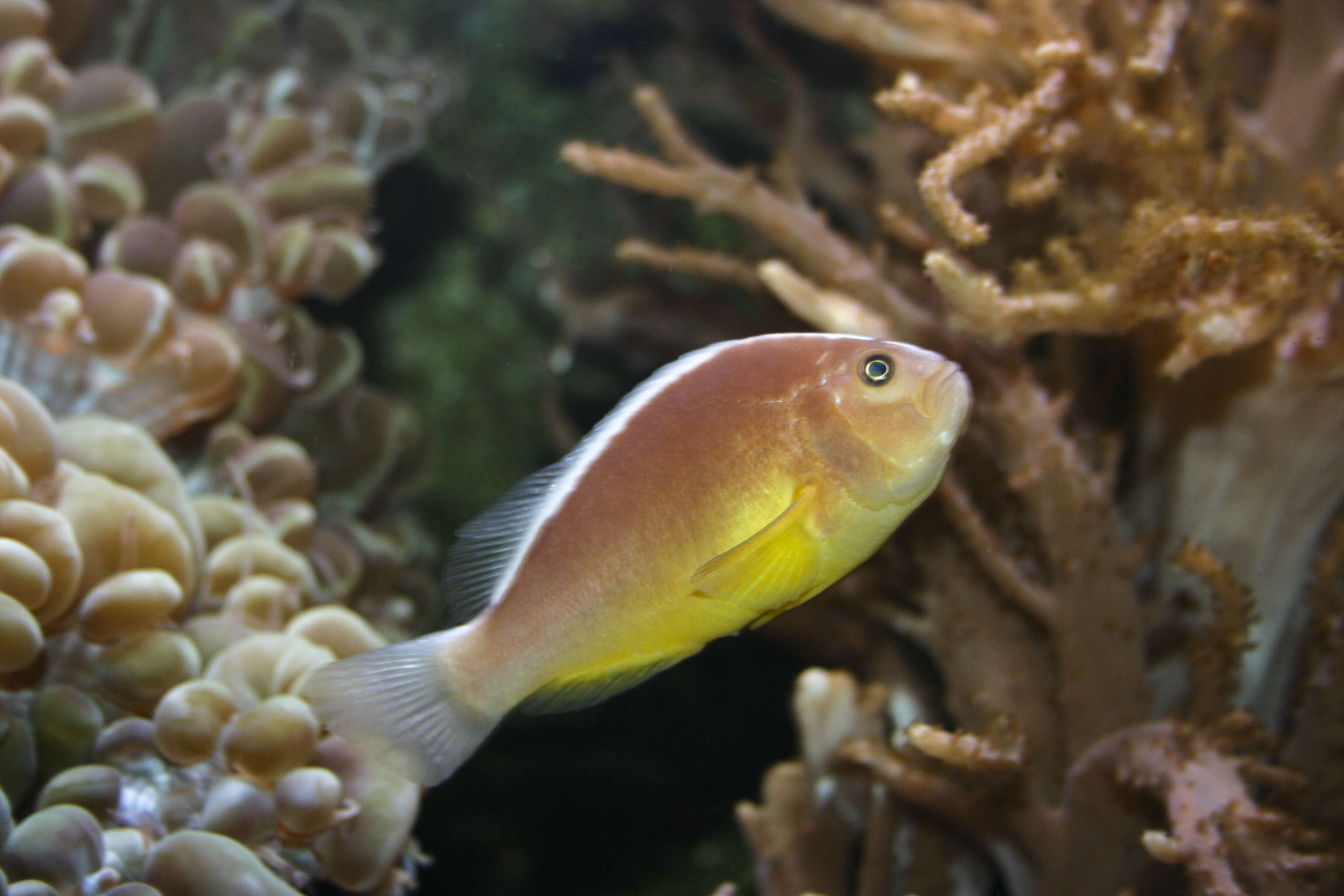
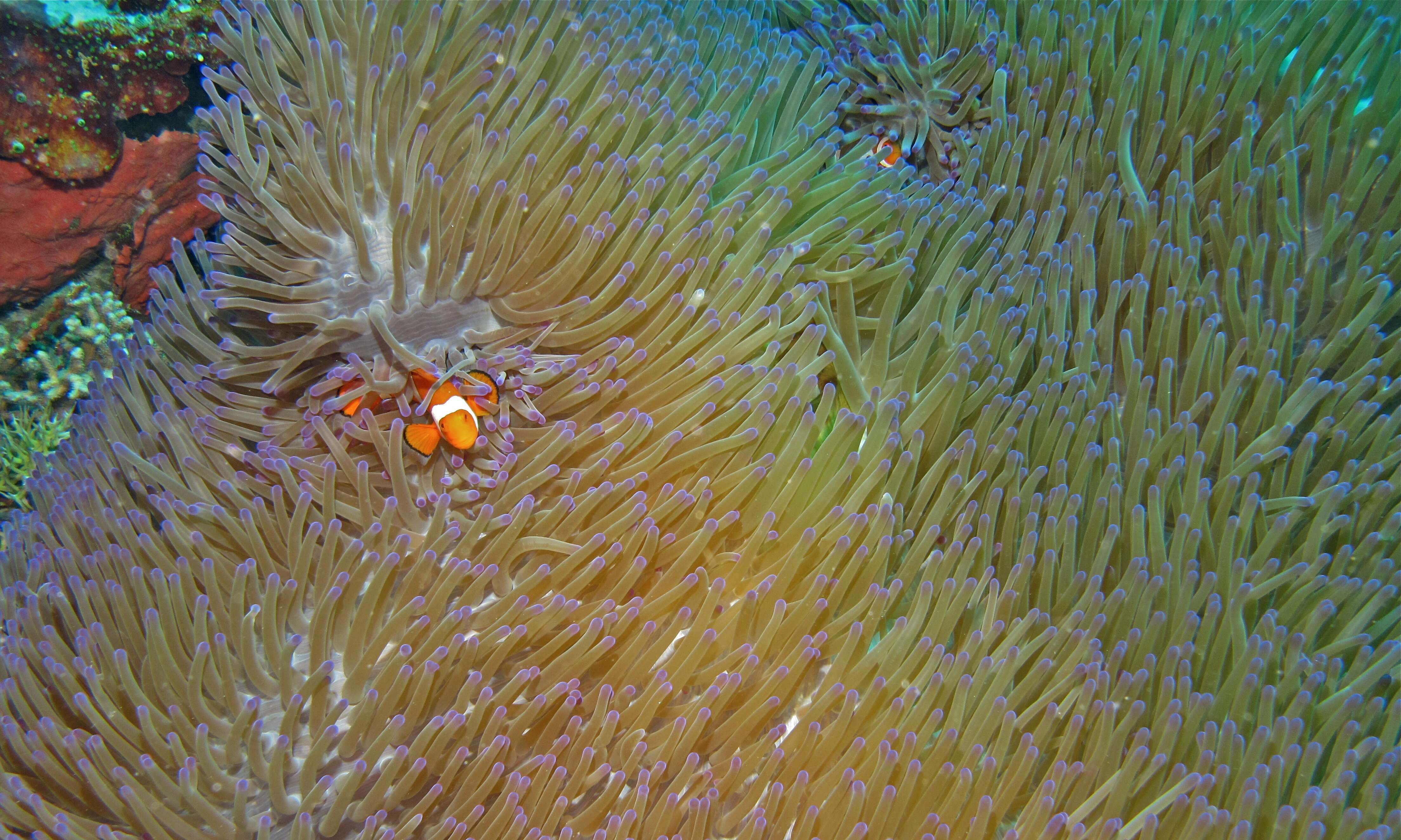

Species Identified
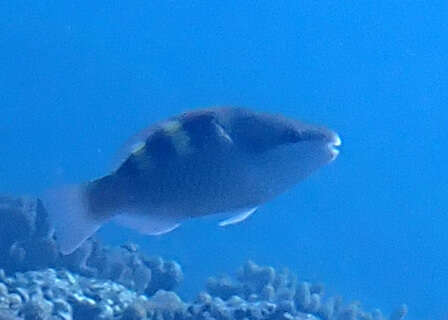
Scarus festivus Valenciennes, 1840 (Festive parrotfish)
Found in clear lagoon and seaward reefs . Feeds on benthic algae .
Scarus scaber Valenciennes, 1840 (Dusky-capped parrotfish)
Inhabits shallow lagoon reefs, in areas with dense coral cover . Individuals in the initial phase form groups . Feeds on algae by incessant grazing in coral reefs . Marked sexual dimorphism.
Scarus fuscocaudalis Randall and Myers, 2000 (Darktail parrotfish)
Found in coastal to outer reef crests and along drop-offs, usually in small groups ; occurs at depths greater than 20 m .
Sparisoma axillare (Steindachner, 1878) (Gray parrotfish)
Occurs in oceanic islands, dwelling in coral, algal and rocky reefs and on algal beds .
Scarus trispinosus Valenciennes, 1840 (Greenback parrotfish)
Occurs in coral, algal and rocky reefs and on algal beds .
Xenia viridus Schenk, 1896
Xenia tripartita Roxas, 1933
Xenia tumbatuana May, 1898
Xenia umbellata Lamarck, 1816
Xenia ternatana Schenk, 1896
Xenia spicata Li, 1982
Xenia stellifera Verseveldt, 1977
Xenia sexseriata Verseveldt, 1977
Xenia sansibariana May, 1899
Xenia schenki Roxas, 1933
Xenia samoensis Kölliker
Xenia quinqueserta May, 1899
Xenia rubens Schenk, 1896
Xenia pulsitans Kent, 1893
Xenia puertogalerae Roxas, 1933
Xenia novaecaledoniae Verseveldt, 1974
Xenia nana Hickson, 1930
Xenia novaebritanniae Ashworth, 1900
Xenia multispiculata Kükenthal, 1909
Xenia mucosa Verseveldt & Tursch, 1979
Xenia multipinnata (Tixier-Durivault, 1966)
Xenia miniata Reinicke, 1997
Xenia medusoides May, 1899
Xenia lillieae Roxas, 1933
Amphiprion latezonatus Waite, 1900 (wide-band anemonefish)
Inhabits rocky and coral reefs . Has been reared in captivity . Associated with the anemone Heteractis crispa .
Amphiprion chrysopterus Cuvier, 1830 (Two-banded anemonefish)
Inhabits passages and outer reef slopes. Known to occur at 25°C. Feeds chiefly on planktonic copepods, algae, echiuroid and sipunculoid worms, and pelagic tunicates. Associated with the anemones: Entacmaea quadricolor,...
Read More
Read More
Amphiprion latifasciatus Allen, 1972 (Madagascar anemonefish)
Found in lagoon and outer reefs, especially coral rich protected areas . Associated with the anemone Stichodactyla mertensii .
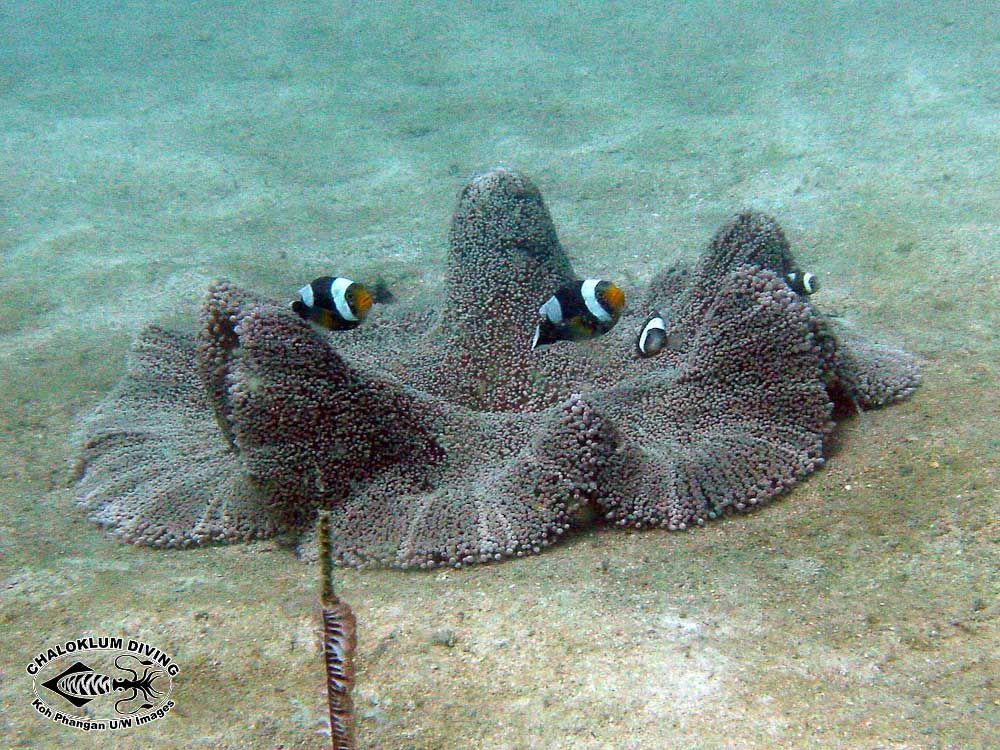
Amphiprion polymnus (Linnaeus, 1758) (yellowfinned anemonefish)
Inhabits silty lagoons and harbors. Monogamous . A protandrous hermaphrodite . Associated with the anemones: Heteractis crispa and Stichodactyla haddoni . Has been reared in captivity .
Amphiprion akallopisos Bleeker, 1853 (skunk-stripe anemonefish)
Found in shallow inshore reef habitats, often in strong current zones to about 15 m depth . Are protandrous hermaphrodites . Each pair is monogamous . Each anemone with a large female, a smaller functional male and seve...
Read More
Read More
Amphiprion ocellaris Cuvier, 1830 (false clown anemonefish)
Premnas biaculeatus (Bloch, 1790) (Spinecheek anemonefish)
Inhabits lagoon and seaward reefs , found mainly in protected coastal waters and lagoons. Typically found in pairs in which males are much smaller than females . Feeds primarily on zooplankton and benthic algae . Has been reared in captivity . Associated with the anemone Entacmaea quadricolor .
Share on Social Networks
- Facebook:

personalize your shared text as well as its destination (wall, page...) or send as a private message to a friend
- Twitter: Tweet personalize your tweet
- Google Plus:
Direct link to this dive
- Long link:
- Short link:


 We are participating today in the startup contest Techcrunch Disrupt. Support Diveboard by voting for us!
























































































@nd dive 2 tank Datu Budas
multilevel, SI 1:15
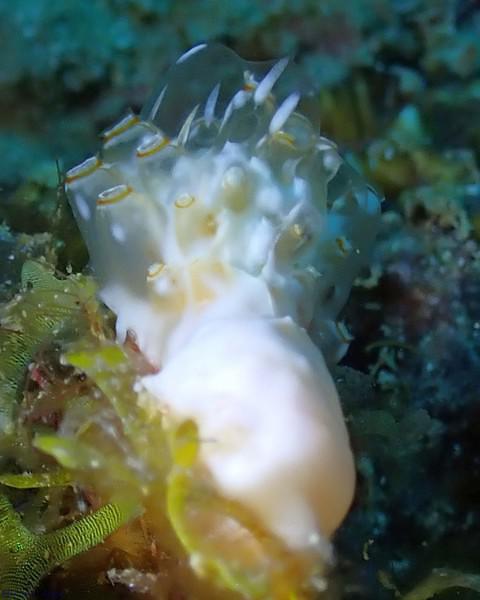
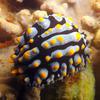
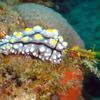
Bing's wall drop on edge of wall slow swim North, great vize, MANY kurbayana nudis, lots of fish activitycamera battery died at 35 mins, but still some good nudi pics, surfaced boat PU