


 Beachnutts


 Philippines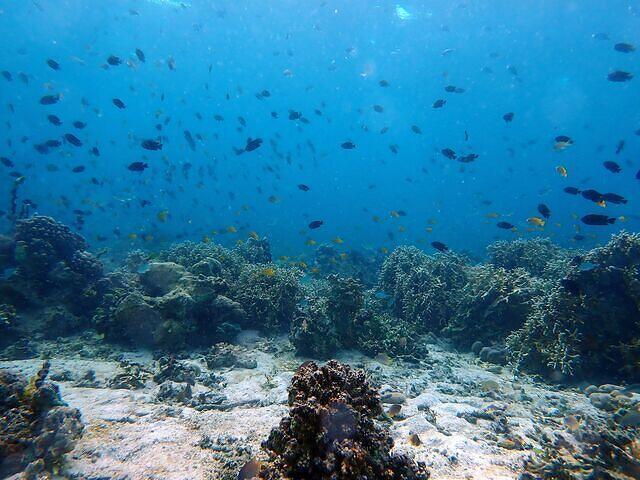
-
Nº159
 Date: 2024-12-07 - 03:00
-
 Max Depth: 19.5m Duration: 80mins
Dive Location

- Surface interval:120 mins
- Temp: Surf 27°C Bottom 27°C
- Dive type : Recreational, Reef, Photo
- Visibility: Average Water: Salt
Specific gear used
- Boots: Cressi Sub - Dive Shoes
- Camera: Olympus - TG6
- Computer: Oceanic - OCS
- Fins: Scubapro - Jet Fins
- Knife: Scuba MAx - folding
- Lift bag: ScubaMax - SMB
- Light: Sofirn - SD05
- Mask: Promate - Scope
- Regulator: SEAC - Synchro
- Wet suit: Blue Ocean - Diveskin
- Weights: 3.2 kg
Dive reviews
| Overall review | ||
| Dive difficulty | ||
| Marine life quality |
Recent Divers in Samal island, Davao

Recent Pictures in Samal island, Davao
Dive Shop & Buddies
 Dive with Reymar Tano
 Dive buddies:
Reymar Tano,
Beachnutts
Dive buddies:
Reymar Tano,
Beachnutts

Link to this spot:
- Spot:
- Country:
- Area:
- Body of water:
Dive Profile
- 1. Air
- 10L Aluminium 207 → 14 bar
- Average depth: 13m
Data provided by EOL.org





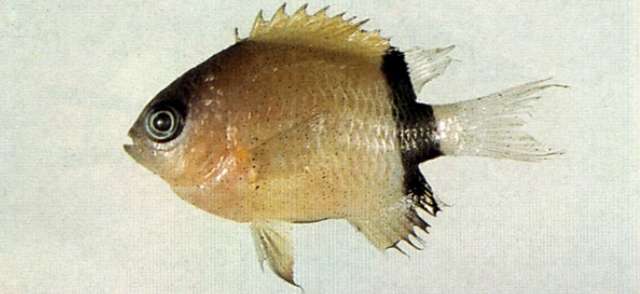
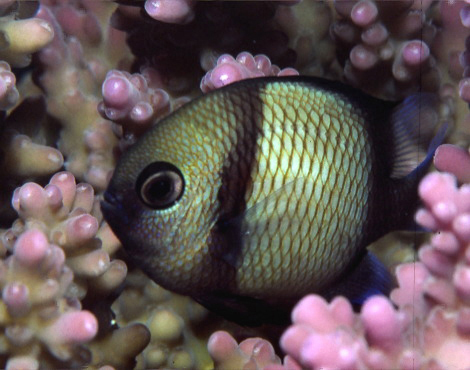
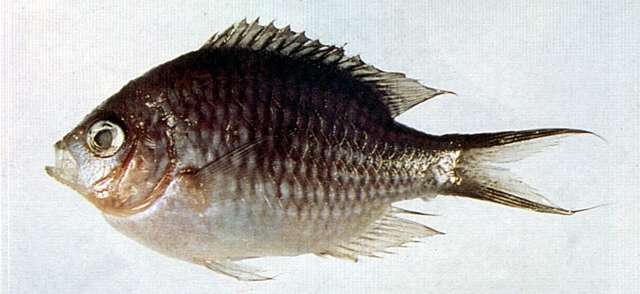

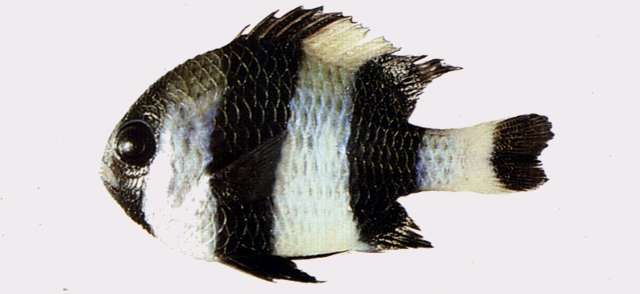
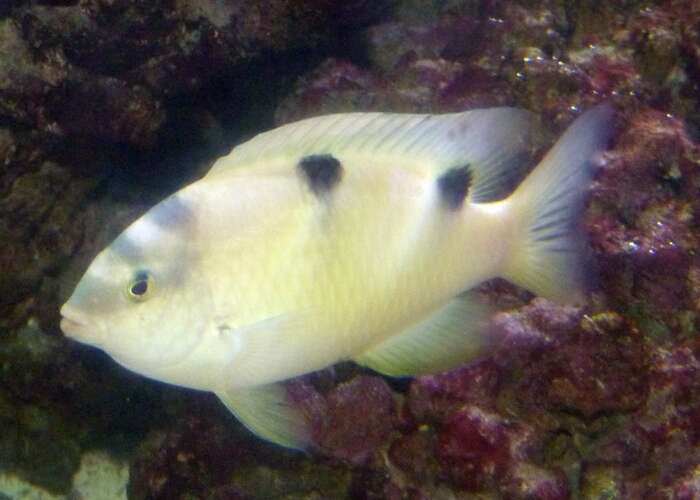







Species Identified
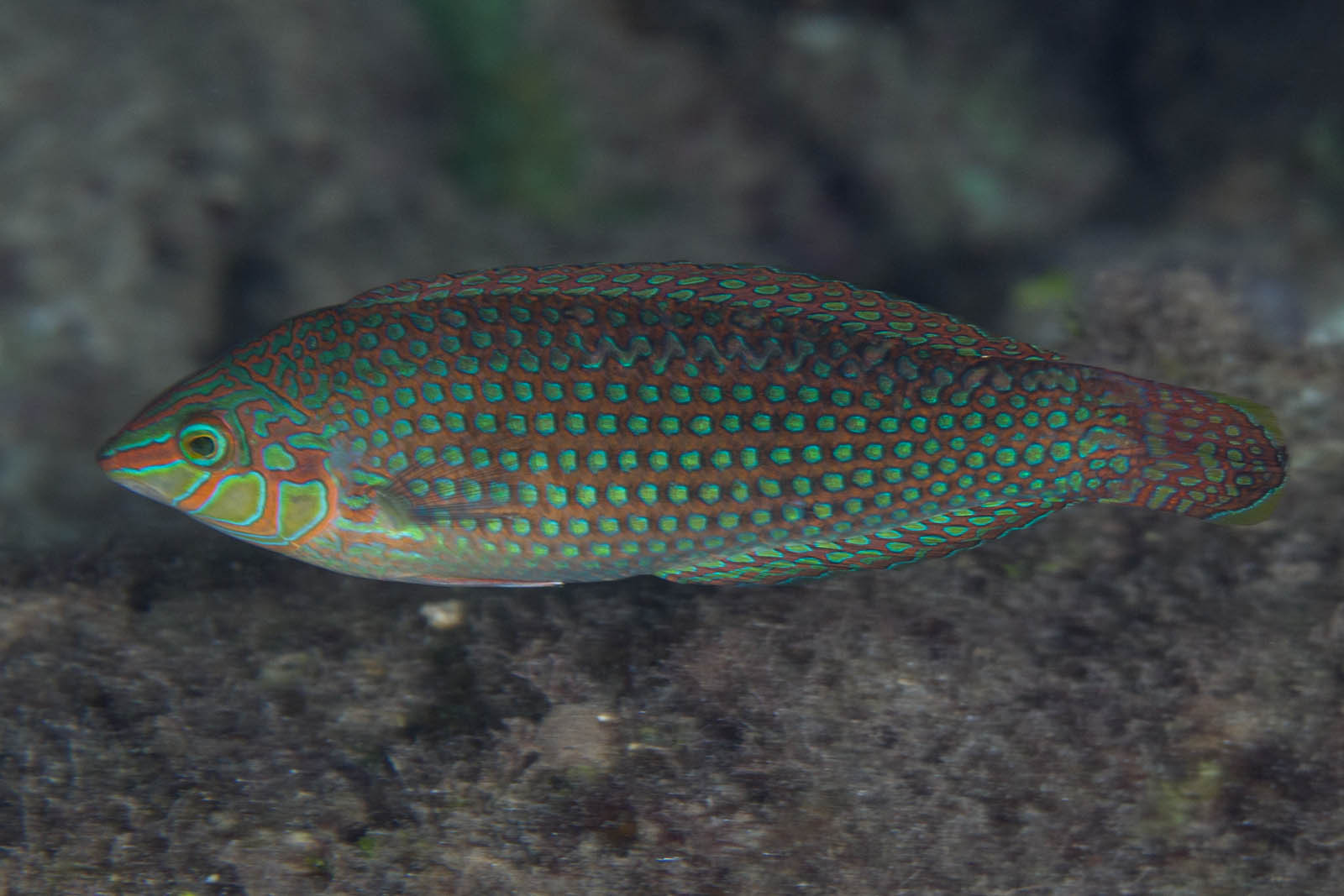
Coris gaimard (Quoy and Gaimard, 1824) (dahlia)
Found in areas of mixed coral, sand and rubble of exposed outer reef flats, lagoon and seaward reefs . Benthopelagic . Feeds mainly on mollusks, crabs, and hermit crabs, and occasionally on tunicates and forams .
Stethojulis trilineata (Bloch and Schneider, 1801) (Threeline rainbowfish)
Often found on exposed reefs with shallow clear water. Usually swim in loose groups along upper parts of drop-offs or above reef crests .
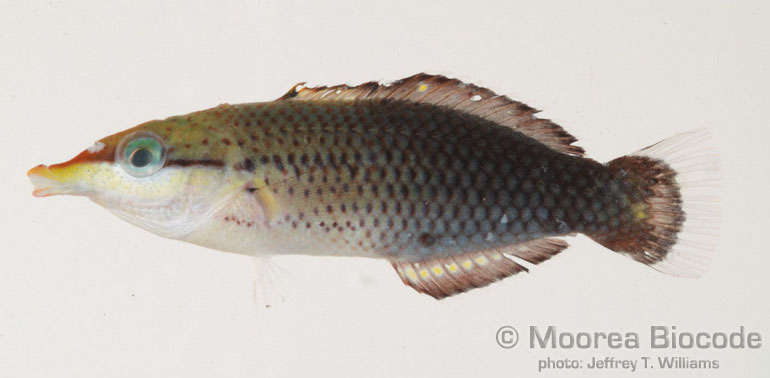
Halichoeres prosopeion (Bleeker, 1853) (Twotone wrasse)
Inhabits lagoon and seaward reefs, in coral-rich areas . Also found along drop-offs on the bottom of large caves. Usually seen solitary .
Halichoeres argus (Bloch and Schneider, 1801) (Argus wrasse)
Inhabits shallow coastal reefs and seagrass flats , also in algae-rocky reef flats and lagoons .
Gomphosus varius Lacepède, 1801 (Bird wrasse)
Found in coral-rich areas of lagoon and seaward reefs to a depth of at least 30 m . Benthopelagic . Feeds mainly on small benthic crustaceans, sometimes on small fishes, brittle stars, and mollusks .
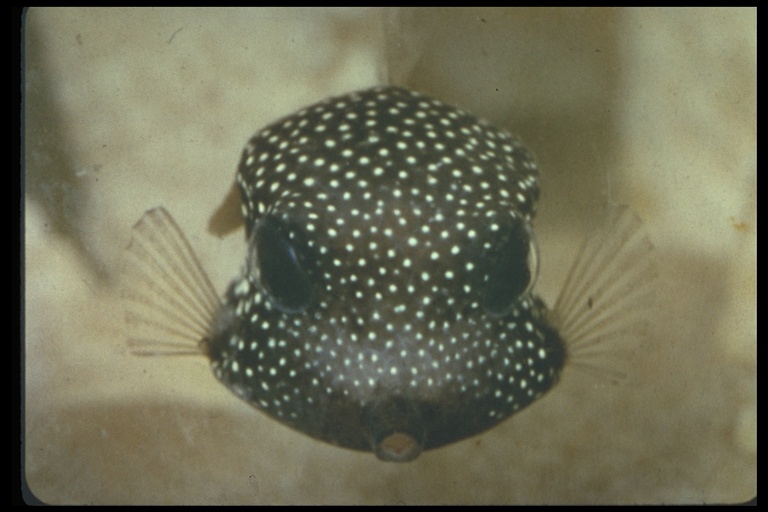
Ostracion meleagris Shaw, 1796 (pahu)
Dascyllus aruanus (Linnaeus, 1758) (black-and-white damselfish)
Territorial, inhabit shallow lagoon and subtidal reef flats. Form large aggregations above staghorn Acropora thickets or in smaller groups above isolated coral heads. Feed on zooplankton, benthic invertebrates, and algae...
Read More
Read More
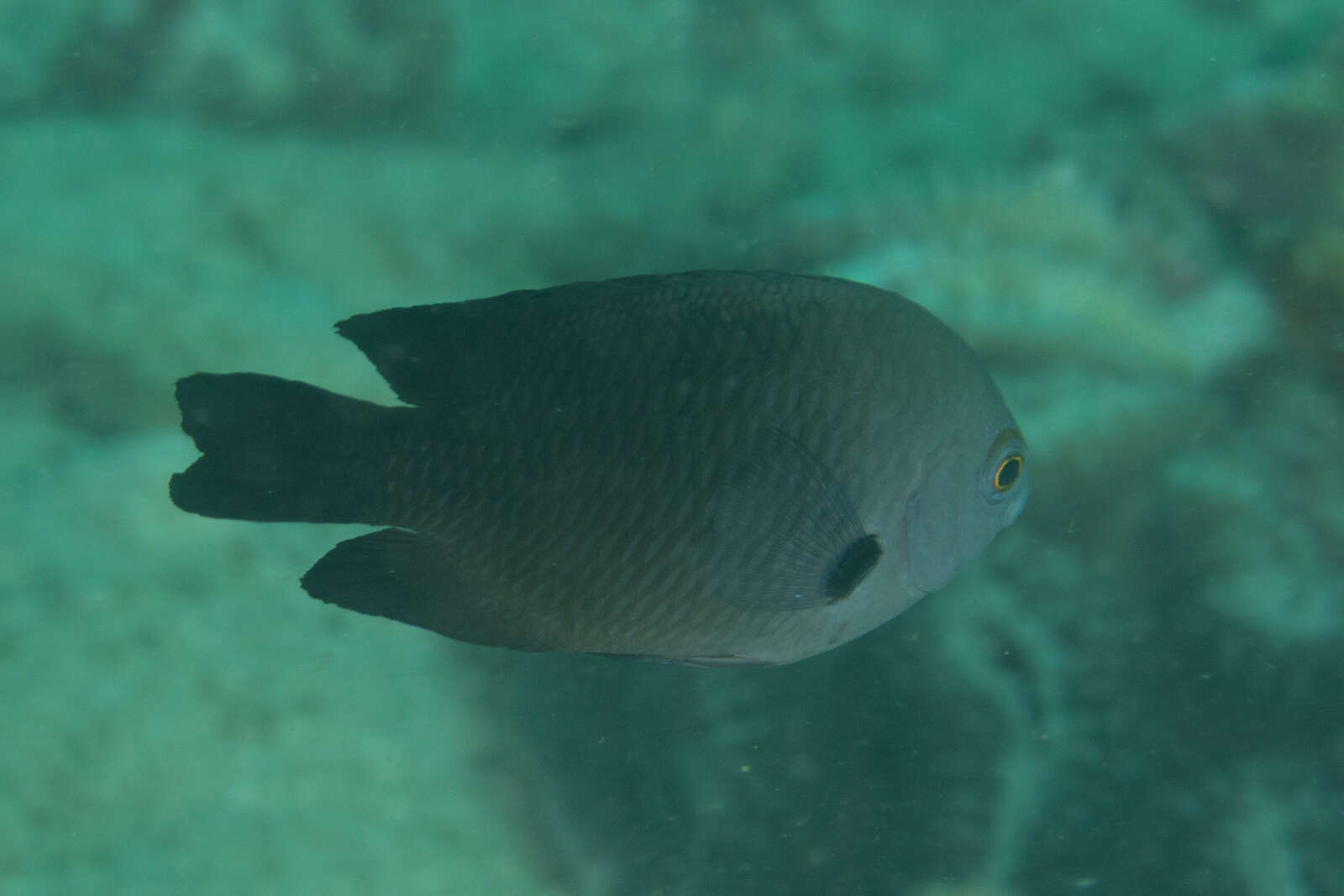
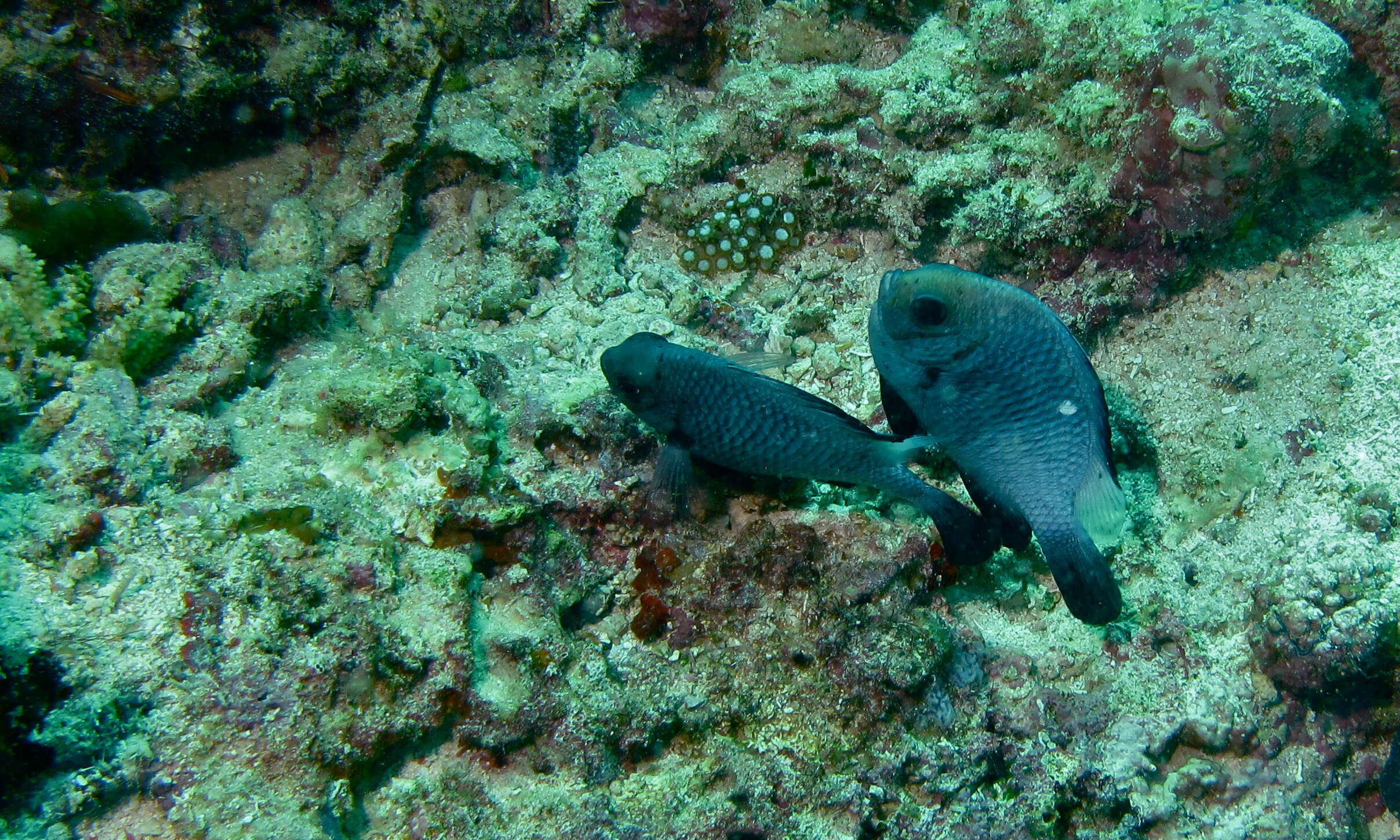
Pomacentrus brachialis Cuvier, 1830 (Charcoal damsel)
Found in passages and outer reef slopes ; also in current prone and clear water reef flats to 40 m depth . Occurs singly or in small groups . Feeds on zooplankton and benthic algae .
Dascyllus trimaculatus (Rüppell, 1829) (threespot humbug)
Inhabits coral and rocky reefs, juveniles often commensal with large sea anemones, sea urchins, or small coral heads . Occurs in small to large aggregations. Stomach contents include algae, copepods, and other planktonic crustaceans.
Plectroglyphidodon lacrymatus (Quoy and Gaimard, 1825) (whitespeckled demoiselle)
Inhabits clear lagoon and seaward reefs, in areas with mixed coral and rubble or dead coral rocks. Feeds mainly on benthic algae and associated small invertebrates and fish eggs.
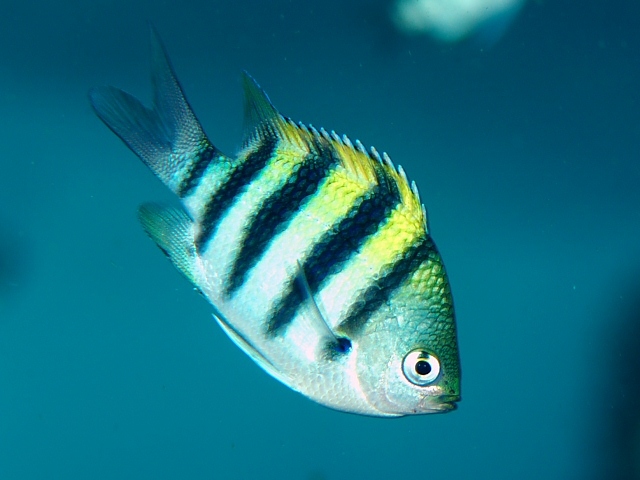
Amblyglyphidodon curacao (Bloch, 1787) (Black-snouted sergeant-major)
Inhabits lagoons, coastal embayments, reef passages and outer reefs. Juveniles often found among Sarcophyton and Sinularia soft corals. Feeding aggregations are frequently observed over growths of the staghorn coral Acro...
Read More
Read More
Chrysiptera biocellata (Quoy and Gaimard, 1825) (bluebanded damselfish)
Occurs in protected inner reef flats and shallow lagoons and channels, over rubble and rocky outcrops. Feeds primarily on filamentous algae.
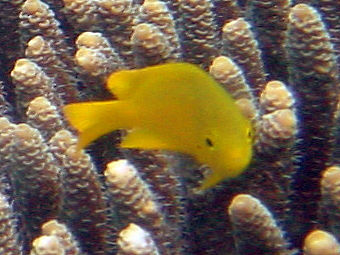
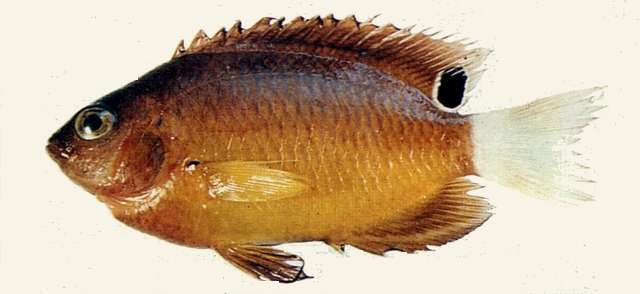
Pomacentrus moluccensis Bleeker, 1853 (Lemon damsel)
Inhabits clear lagoon and seaward reefs among branching corals. Occurs in small aggregations. Feeds mainly on algae and planktonic crustaceans.
Abudefduf vaigiensis (Quoy and Gaimard, 1825) (Five finger)
Adults inhabit upper edge of outer reef slopes and inshore rocky reefs. Juveniles associated with drifting seaweed . Benthopelagic . Feed on zooplankton, benthic algae, and small invertebrates . Often in aggregations ...
Read More
Read More
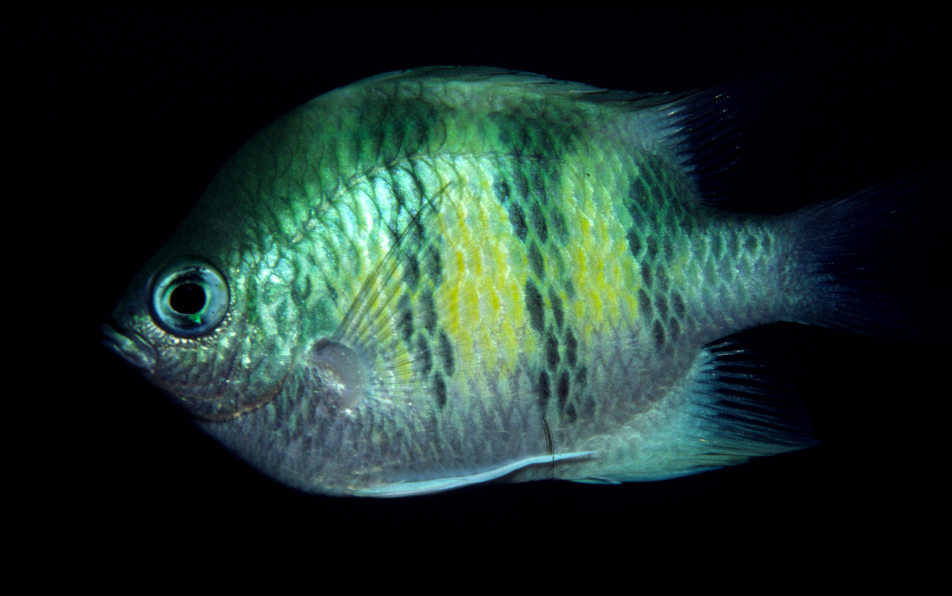
Pomacentrus bankanensis Bleeker, 1853 (Speckled damselfish)
Occurs solitarily or in small groups in lagoons, reef flats, passages, and outer reef slopes. Usually amongst coarse rubble or rock . Feeds primarily on algae, but also takes copepods, isopods, and pelagic tunicates.
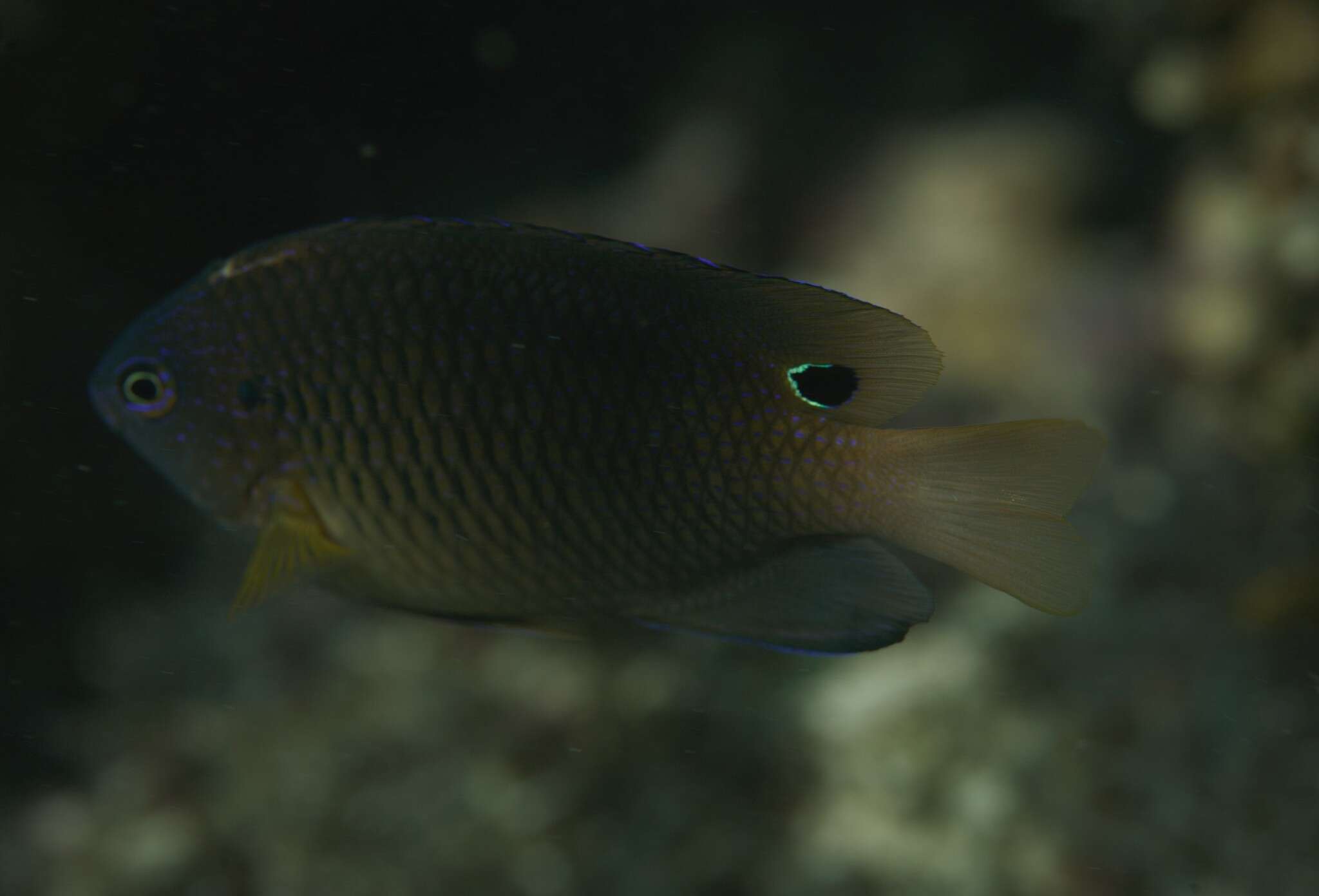
Pomacentrus adelus Allen, 1991 (Obscure damsel)
Inhabits lagoon, coastal and seaward reefs , usually on open rubble patches .
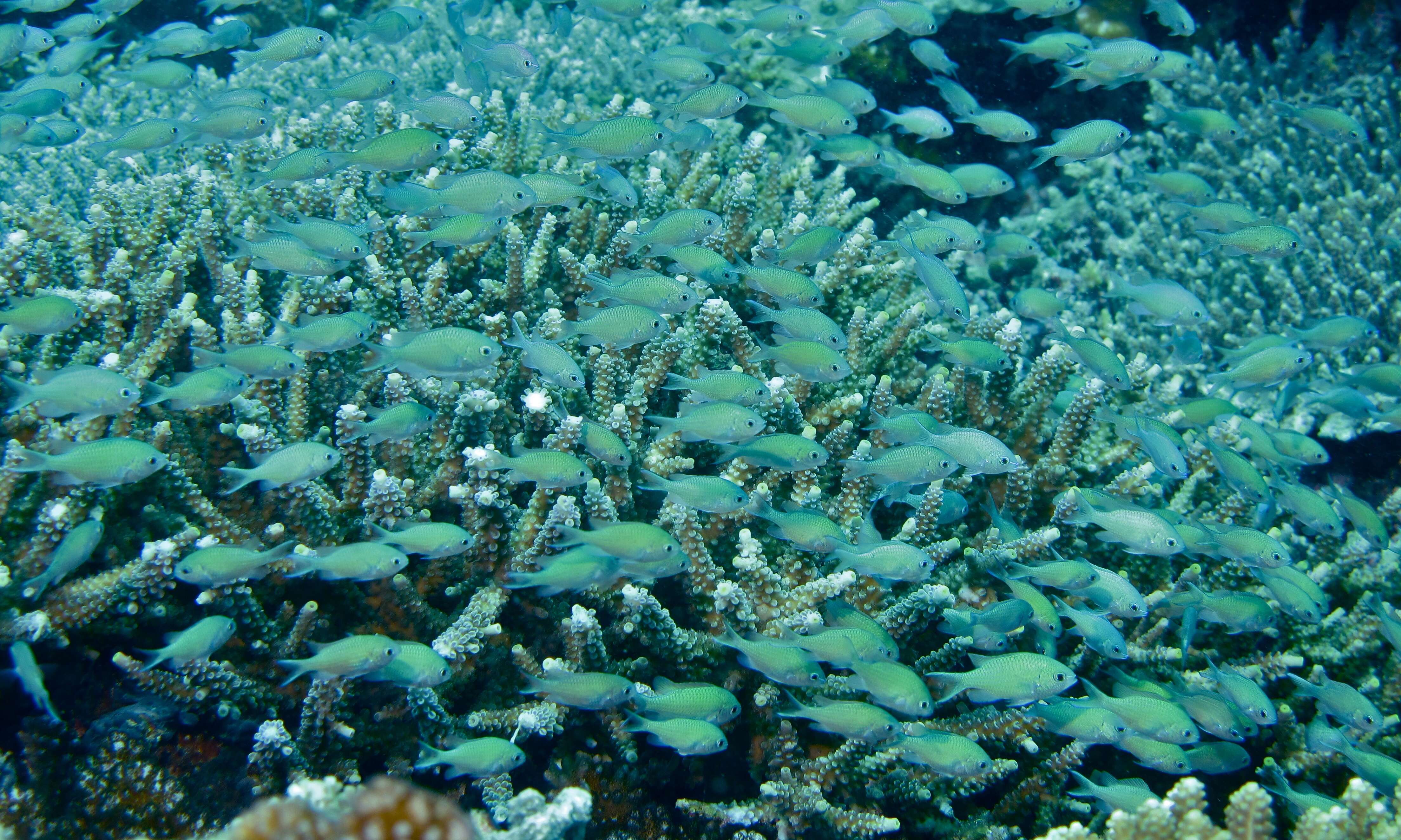
Chromis viridis (Cuvier, 1830) (blue-green chromis)
Found in large aggregations above thickets of branching Acropora corals in sheltered areas such as subtidal reef flats and lagoons. Juveniles closely tied to individual coral heads . Phytoplankton feeders. Breeding is d...
Read More
Read More
Chromis retrofasciata Weber, 1913 (Black-bar chromis)
Inhabits coral-rich areas of clear lagoon and seaward reefs. Occurs singly or in small groups and remains close to thickly branching coral shelter .
Dascyllus reticulatus (Richardson, 1846) (twostriped damselfish)
Occurs in outer lagoon and seaward reefs. Inhabits branching coral heads, particularly Pocillopora eydouxi. Forms schools, often in silty habitats . Male prepares a nest by cleaning with its mouth a rock or coral surface where the female will attach the eggs .
Chromis ternatensis (Bleeker, 1856) (Ternate chromis)
Schools above branching corals along upper margins of clear lagoon and outer reef slopes. Often associated with branching Acropora.
Chrysiptera rex (Snyder, 1909) (Pink demoiselle)
Found in 1-6 m and in coastal to outer reef crests to depths of about 20 m . Occurs solitarily or in groups in reef margins and upper seaward slopes subject to mild surge . Feeds mainly on algae.
Dascyllus melanurus Bleeker, 1854 (blacktailed humbug)
Schooling species, inhabits sheltered lagoons, harbors and inlets. Also in somewhat open substrates with outcrops of Acropora corals . Often associated with small coral heads. Feeds on a variety of plankton, including l...
Read More
Read More
Dischistodus perspicillatus (Cuvier, 1830) (White damsel)
Occurs in small patch reefs of shallow lagoons, with algae or seagrass habitats. The stomach of several specimens examined contained mainly algae and detritus mixed with sand grains.
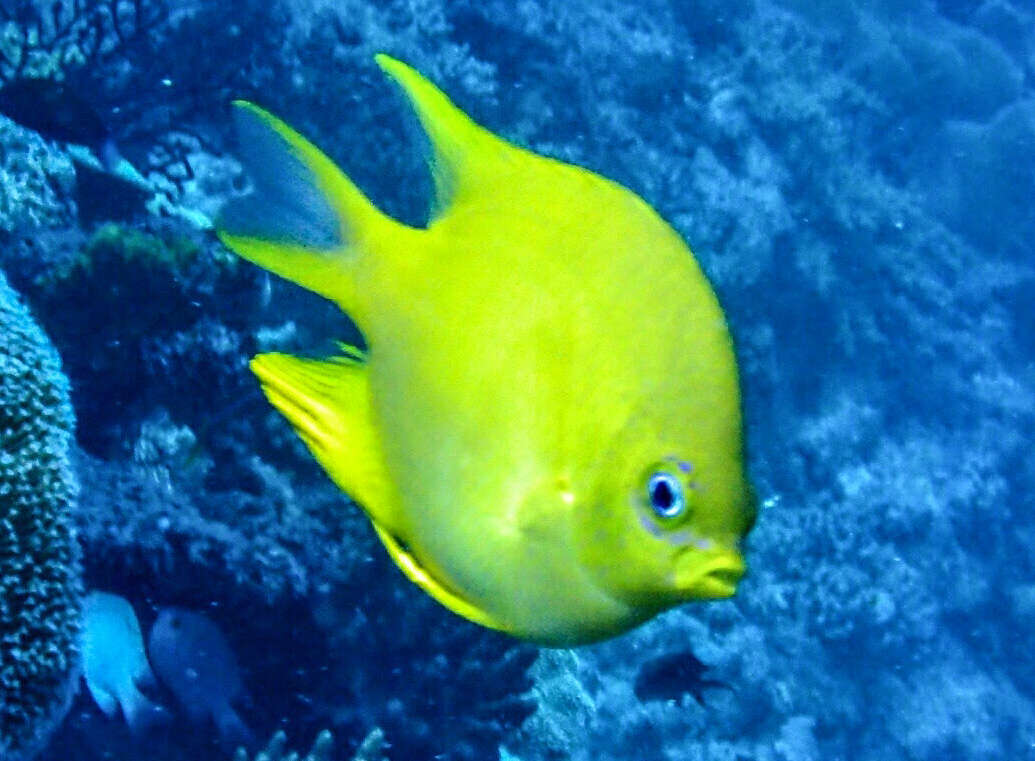
Amblyglyphidodon aureus (Cuvier, 1830) (Golden damsel)
Occurs in steep outer reef, occasionally in deep lagoons and along channel walls, usually in current prone habitats and where there are abundant gorgonian and long sea-whip corals on which they lay and guard eggs. Juvenil...
Read More
Read More
Chromis atripes Fowler and Bean, 1928 (Dark-fin chromis)
Inhabits coral rich areas of outer reef passes and slopes. Occurs singly or in small groups near the bottom.
Chromis delta Randall, 1988 (Deep-reef chromis)
Inhabits steep outer reef slopes with rich coral growth. Occurs singly or in small groups and remains close to shelter, often at the entrance of large caves or near its ceiling .
Pomacentrus lepidogenys Fowler and Bean, 1928 (Scaly damsel)
Inhabits lagoons, passages, and outer reef slopes. Feeds on zooplankton in the water column, a short distance from the bottom. Occurs singly or in small groups.
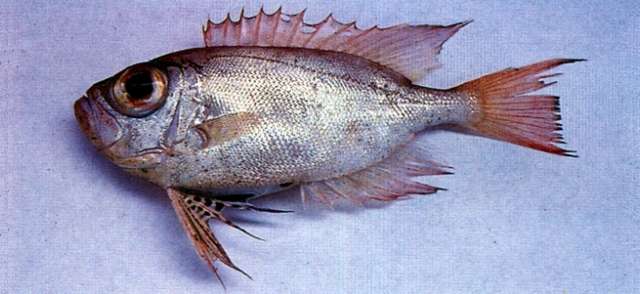
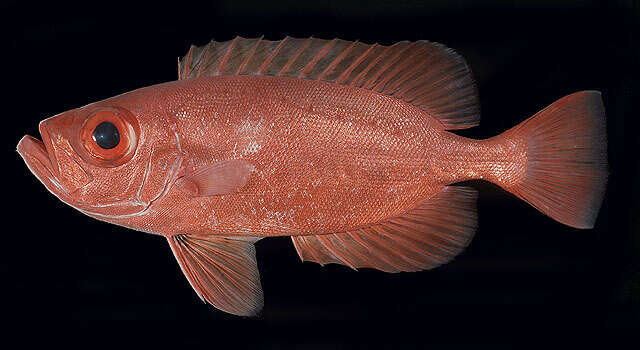
Priacanthus hamrur (Forsskål, 1775) (Moontail bullseye)
Uncommon species found in outer reef slopes and deep lagoon pinnacles from 8 to at least 80 m. In small aggregations, sometimes schools in oceanic locations . Feeds on small fish, crustaceans, and other small invertebrates . Generally marketed fresh, may be salted or dried .
Priacanthus tayenus Richardson, 1846 (Purple-spotted bigeye)
Inhabits coral or rocky areas. Sometimes forms aggregations. Feeds on a wide variety of benthic animals. Smaller fish are mostly found inshore. Marketed mostly fresh, whole or dried-salted.
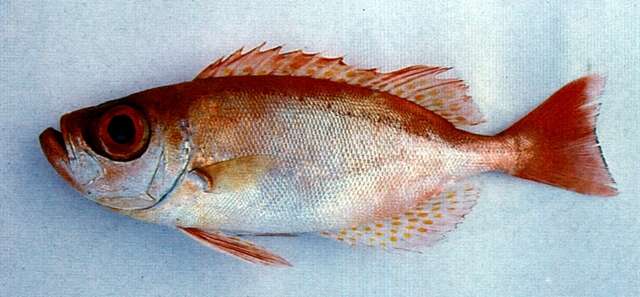
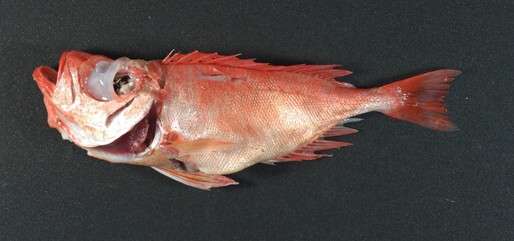
Priacanthus macracanthus Cuvier, 1829 (Red bigeye)
Occurs in inshore and offshore reefs from less than 20 m to more than 400 m depths. Apparently forms aggregations in open bottom areas and is very abundant in the South China Sea and Andaman Sea. Marketed fresh, whole. Sound production has been studied in this species.
Priacanthus blochii Bleeker, 1853 (Paeony bulleye)
Occurs in lagoon and seaward reefs, under ledges or in caves by day ; often silty habitat . Rarely trawled .
Heteropriacanthus cruentatus (Lacepède, 1801) (Balarton)
Priacanthus fitchi Starnes, 1988 (Deepsea bigeye)
A deeper water species trawled from relatively open bottoms at depths of 150 to over 400 m.
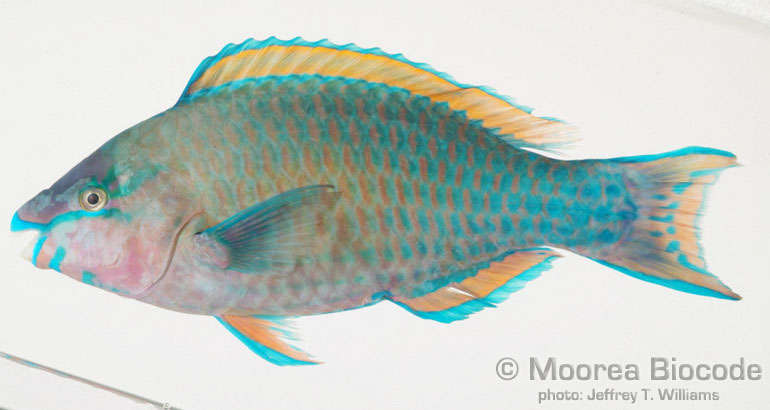
Scarus psittacus Forsskål, 1775 (Common parrotfish)
Inhabit reef flats and lagoon and seaward reefs to at least 25 m depth . Found over corals . Benthopelagic . Initial-phase fish stage usually form small feeding schools . Graze on benthic algae . Secrete a mucus cocoon .
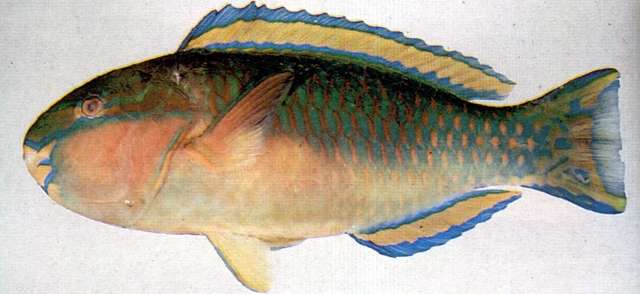
Scarus niger Forsskål, 1775 (loro)
Inhabits coral-rich areas of clear lagoons, channels, and outer reef slopes . Generally solitary . Juveniles in small groups on algae and coral reefs inshore . Feeds on benthic algae . Males maintain small harems and pair spawn .
Calotomus spinidens (Quoy and Gaimard, 1824) (Spinytooth parrotfish)
Found in coastal bays and deep lagoons . Inhabits seagrass beds or dense beds of algae. Well-camouflaged and easily overlooked . Feeds on these or the associated epiphytes. Caught nets and other types of artisanal gear.
Chlorurus japanensis (Bloch, 1789) (Palecheek parrotfish)
Inhabits seaward coral and rocky reefs ; inner reefs with rich coral habitat . Feeds on benthic algae . Caught mainly with traps, nets and other types of artisanal gear.
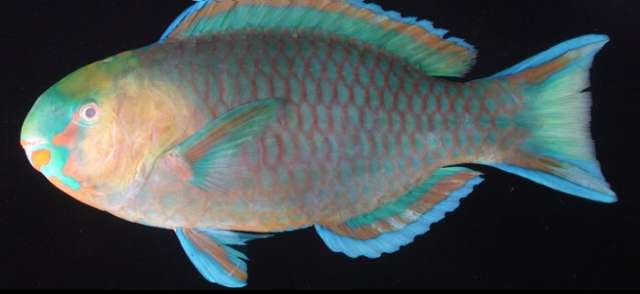
Scarus quoyi Valenciennes, 1840 (Quoy's parrotfish)
Inhabits coral-rich areas of outer channels and seaward reefs . Occurs singly or in small groups over intertidal flats to graze on algae during high water mark .
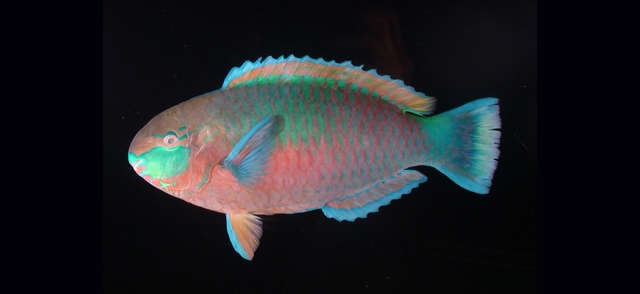
Scarus tricolor Bleeker, 1847 (Tricolour parrotfish)
Inhabits lagoon and seaward reefs, in areas with dense coral growth up to at least 30 m. Usually solitary, sometimes in groups . Feeds on benthic algae .
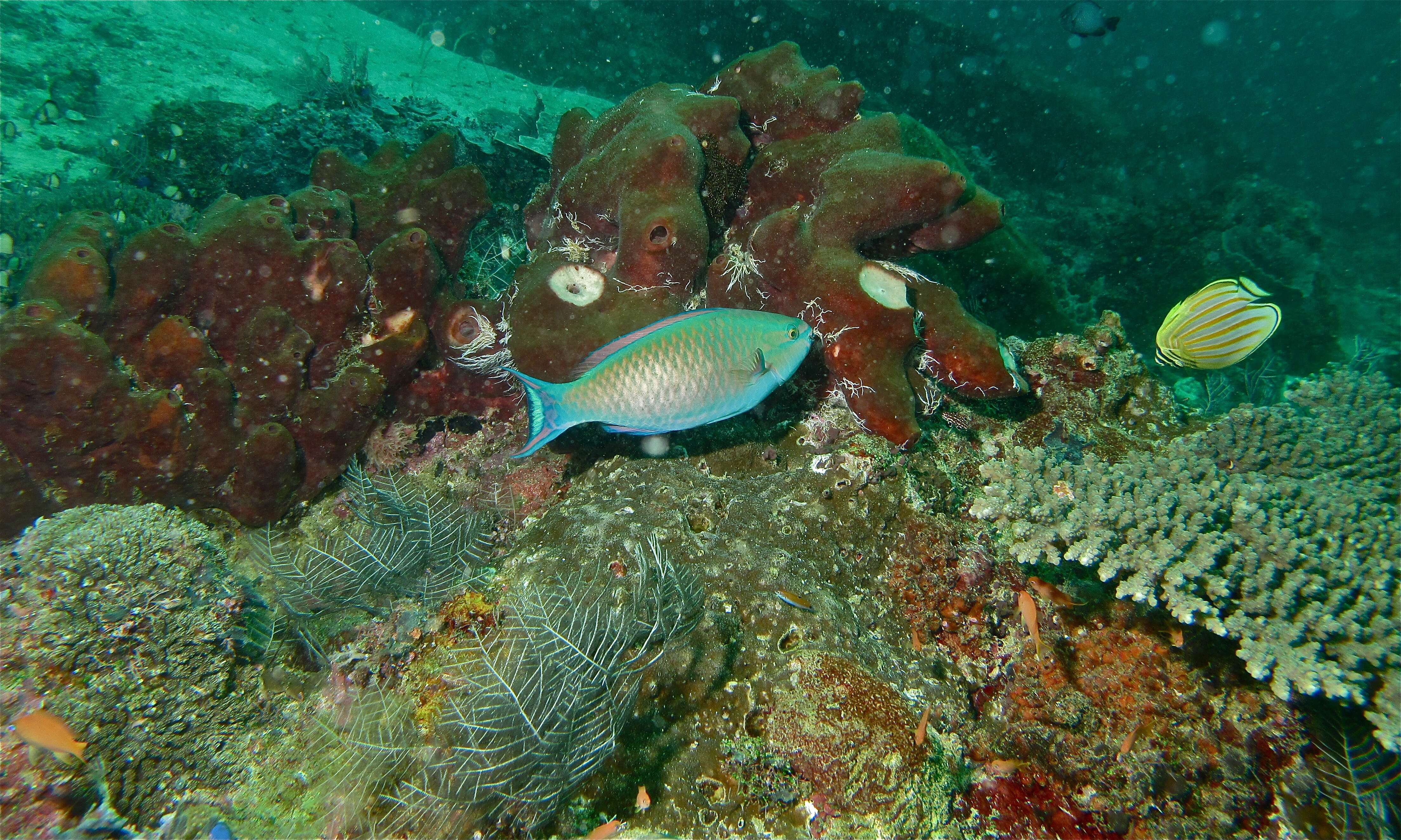
Scarus spinus (Kner, 1868) (Greensnout parrotfish)
Inhabits coral-rich areas of outer lagoon and seaward reefs . Usually solitary . Females usually in small groups with a male nearby; they may mix with females of similar species . An uncommon fish patchily distributed through much of its range.
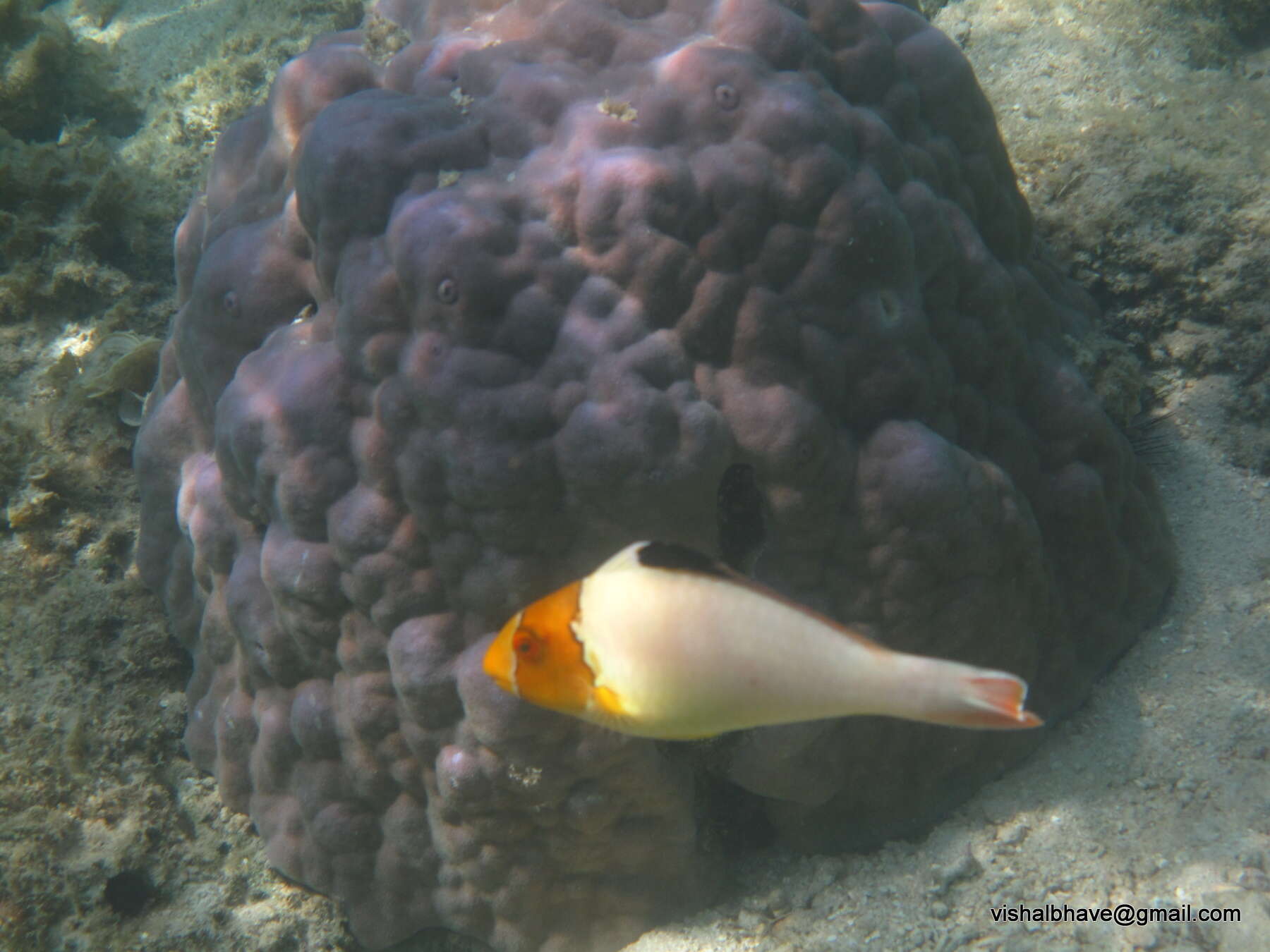
Cetoscarus bicolor (Rüppell, 1829) (Bicolour parrotfish)
Occurs in clear lagoon and seaward reefs . Juveniles usually solitary; adults form harems ; males are territorial. Goes to several changes during growth and very large females change sex to the brightly colored male. Sm...
Read More
Read More
Balistapus undulatus (Park, 1797) (Orange-lined triggerfish)
Occurs in coral-rich areas of deep lagoon and seaward reefs from the lower surge zone to at least 50 meters, Ref. 48637. Feeds on a variety of benthic organisms such as algae, echinoderms, fishes, mollusks, tunicates, spo...
Read More
Read More
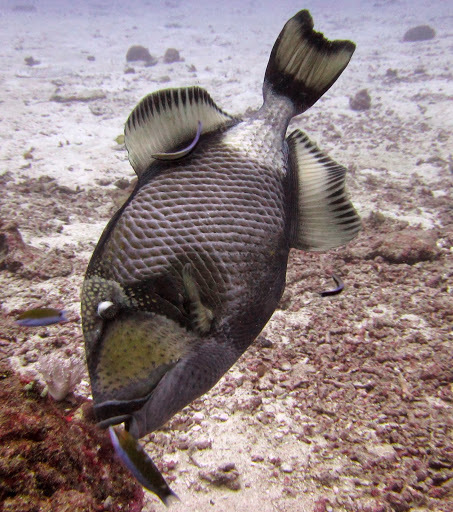
Balistoides viridescens (Bloch and Schneider, 1801) (Titan triggerfish)
Occur in lagoon, seaward reefs and sheltered inner reef slopes . Juveniles often associated with isolated patches of branching coral or rubble of shallow sandy protected areas. Adults occur singly or in pairs on the slo...
Read More
Read More
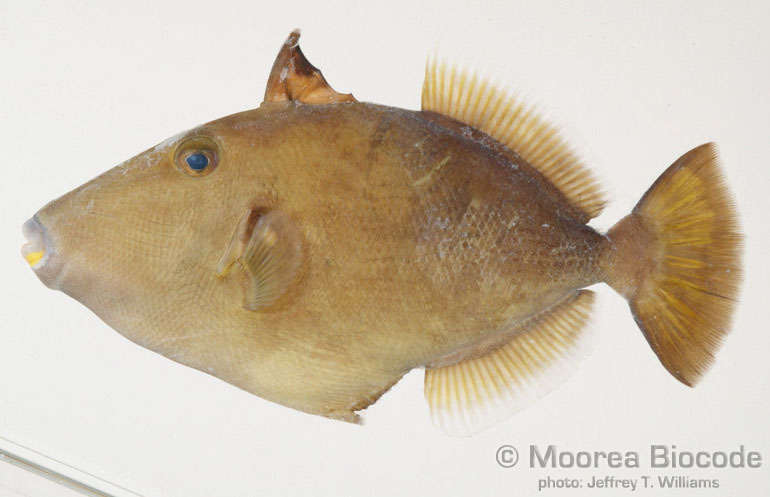
Sufflamen fraenatum (Latreille, 1804) (Masked triggerfish)
Inhabit coastal rocky reefs, often silty habitats and in lagoons on open sand . Found over sand and rubble patches of seaward reefs . Benthopelagic . Feed on echinoids, fishes, mollusks, tunicates, crustaceans, algae, polychaete worms, foraminiferans and detritus. Oviparous .
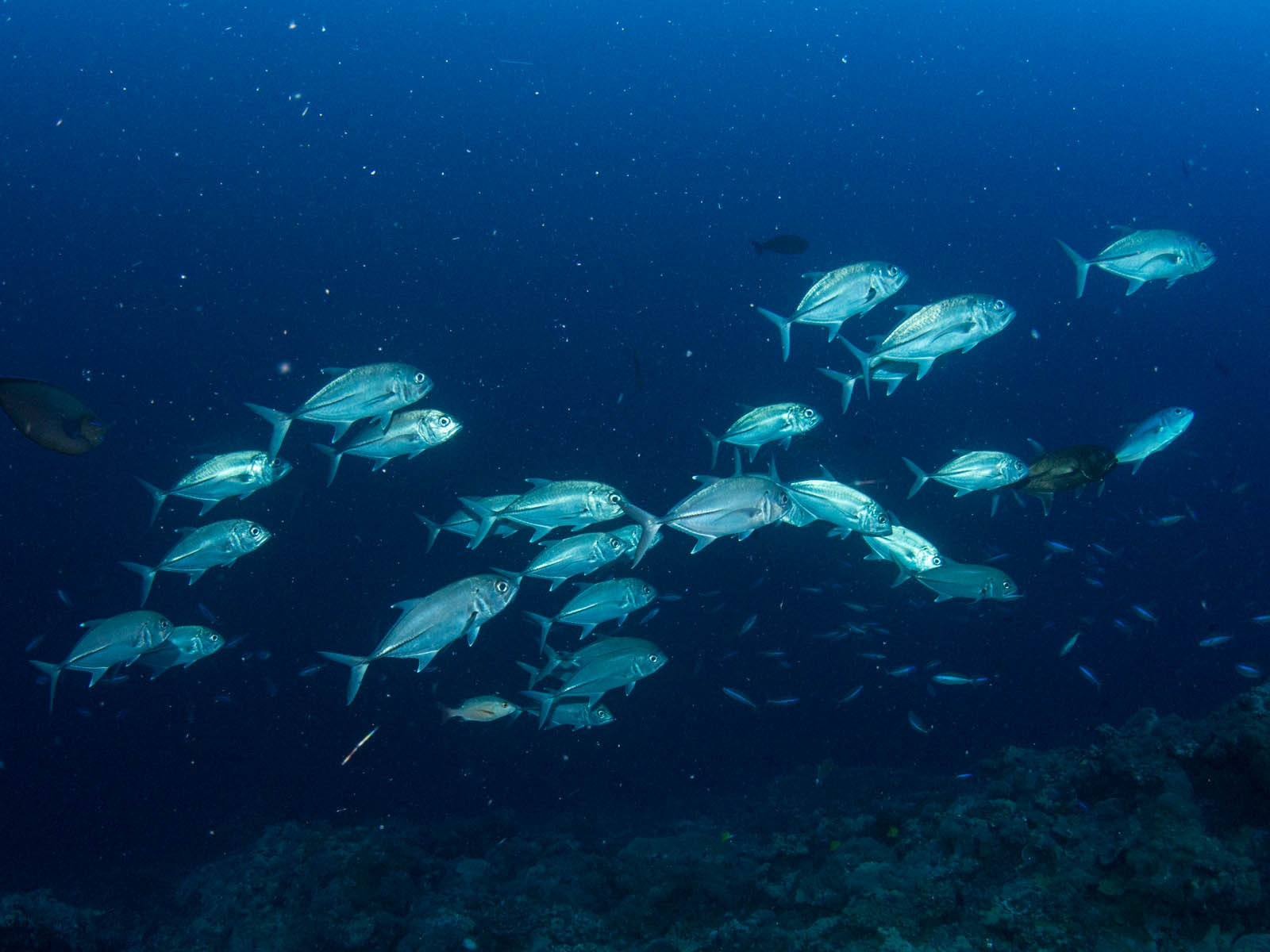
Carangoides bajad (Forsskål, 1775) (Orangespotted trevally)
Common along coastal reef slopes or around large coral heads in lagoons . A xanthic form often seen in muddy bays mixes in schools . Juveniles solitary in sheltered coastal basys .
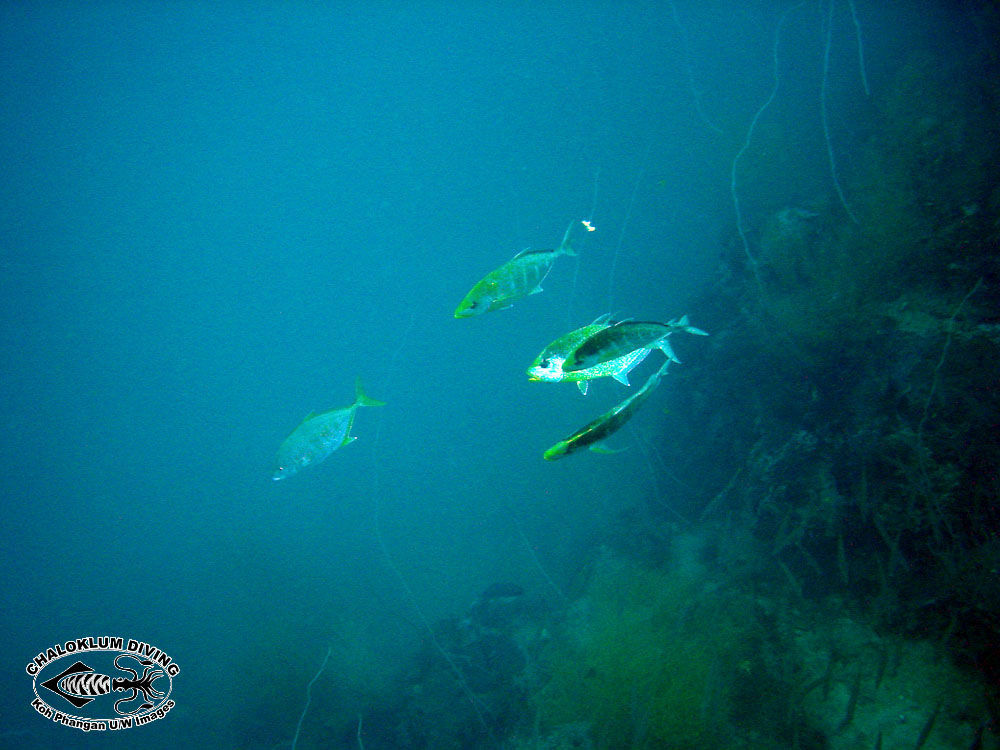
Caranx sexfasciatus Quoy and Gaimard, 1825 (Bayad)
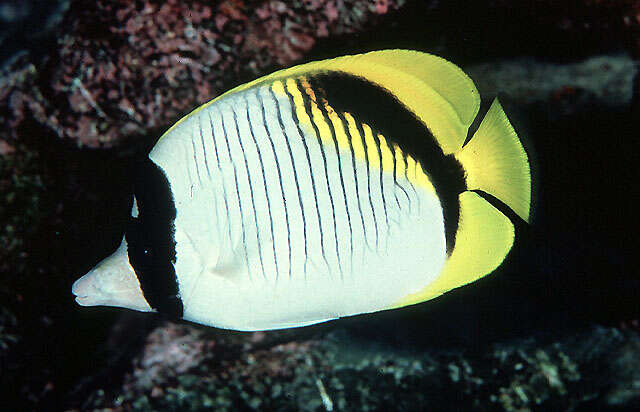
Chaetodon lineolatus Cuvier, 1831 (Line butterflyfish)
Occur in lagoon and seaward reefs, usually in pairs in coral rich areas . Benthopelagic . Feed mainly on coral polyps and anemones, but also on small invertebrates and algae . Largest species in the genus . Oviparous . Form pairs during breeding .
Chaetodon speculum Cuvier, 1831 (Mirror butterflyfish)
In coastal reef slopes rich with hydroids and anemones. Small juveniles secretive in coral thickets . Usually solitary and relatively uncommon. Feed on coral polyps and invertebrates . Oviparous , monogamous . Form pairs during breeding .
Chaetodon melannotus Bloch and Schneider, 1801 (Blackback butterflyfish)
Usually solitary or in pairs in coral-rich areas of reef flats, lagoons, and seaward reefs to a depth of over 15 m. Juveniles inshore. In pairs or traveling in small groups . Feed on octocorallian and scleractinian cora...
Read More
Read More
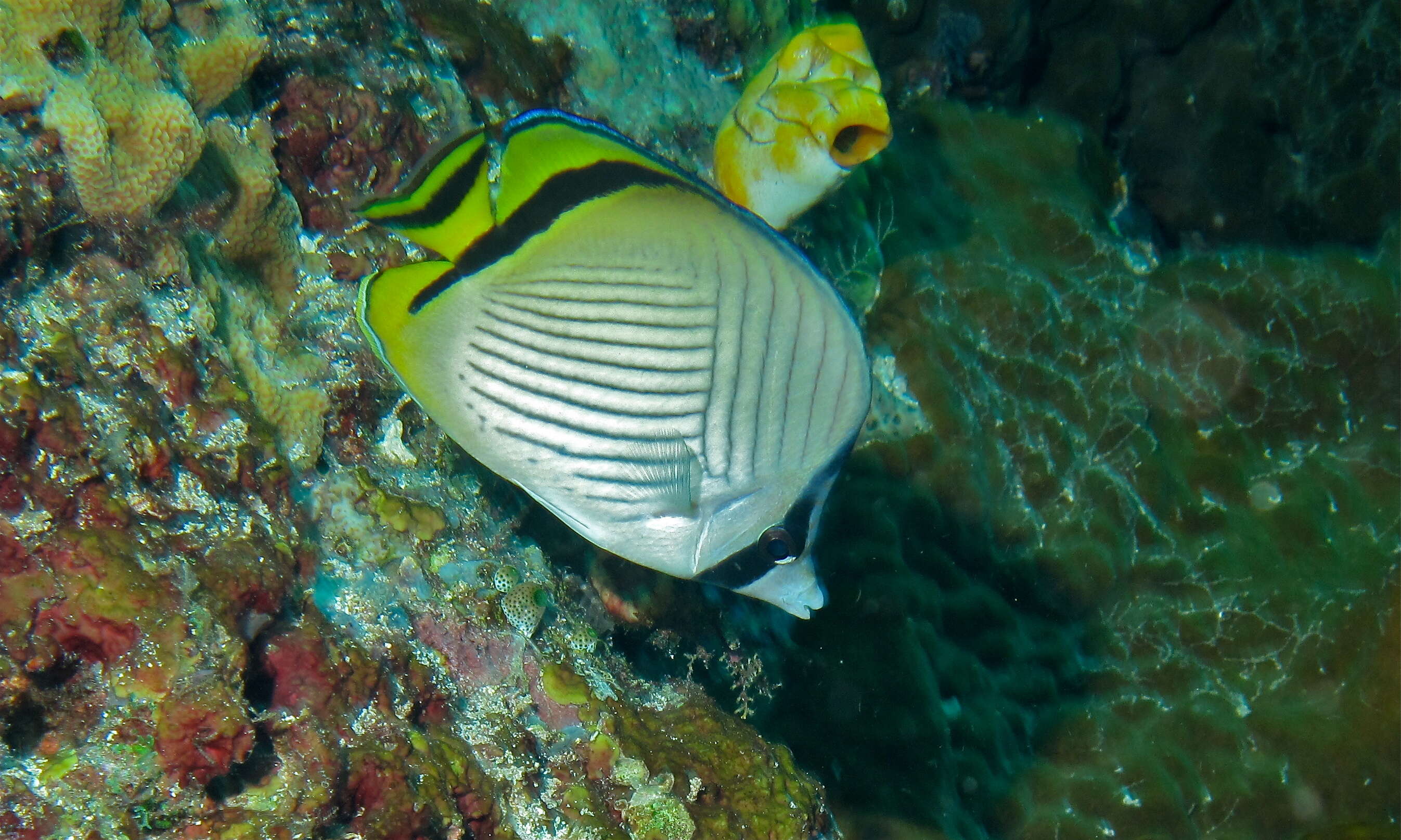
Chaetodon vagabundus Linnaeus, 1758 (Vagabond butterflyfish)
Found in reef flats, lagoon and seaward reefs and sometimes in turbid waters subject to freshwater runoff. Swim in pairs. Omnivorous, feed on algae, coral polyps, crustaceans and worms . Oviparous , monogamous . Stab...
Read More
Read More
Share on Social Networks
- Facebook:

personalize your shared text as well as its destination (wall, page...) or send as a private message to a friend
- Twitter: Tweet personalize your tweet
- Google Plus:
Direct link to this dive
- Long link:
- Short link:


 We are participating today in the startup contest Techcrunch Disrupt. Support Diveboard by voting for us!
























































































