


 Beachnutts



 Philippines
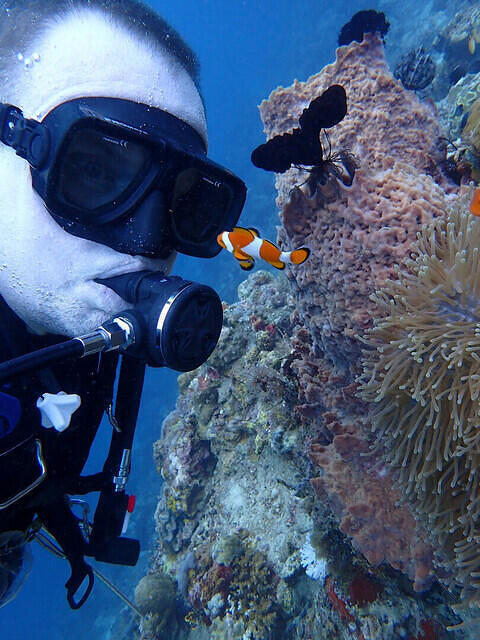
-
Nº146
 Date: 2024-08-24 - 10:17
-
 Max Depth: 25.6m Duration: 87mins
Dive Location

- Temp: Surf 28°C Bottom 28°C
- Dive type : Recreational, Reef, Photo
- Visibility: Average Water: Salt
Specific gear used
- BCD: Scubapro - Glide Plus
- Boots: Cressi Sub - Dive Shoes
- Camera: Olympus - TG6
- Computer: Oceanic - OCS
- Fins: Scubapro - Go Rescue
- Knife: Scuba MAx - folding
- Lift bag: ScubaMax - SMB
- Light: Sofirn - SD05
- Mask: Promate - Scope
- Regulator: Aqualung - Legend
- Wet suit: Blue Ocean - Diveskin
- Weights: 3.2 kg
Dive reviews
| Overall review | ||
| Dive difficulty | ||
| Marine life quality |
Recent Divers in Talicud island, Davao
Recent Pictures in Talicud island, Davao
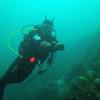
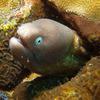
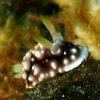
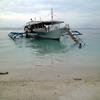
Dive Shop & Buddies
 Dive with Blake Auge
 Dive buddies:
Ipe Alino,
Maeng

Link to this spot:
- Spot:
- Country:
- Area:
- Body of water:
Dive Profile
- 1. Air
- 10L Aluminium 207 → 21 bar
- Average depth: 17.1m
Data provided by EOL.org

















Species Identified
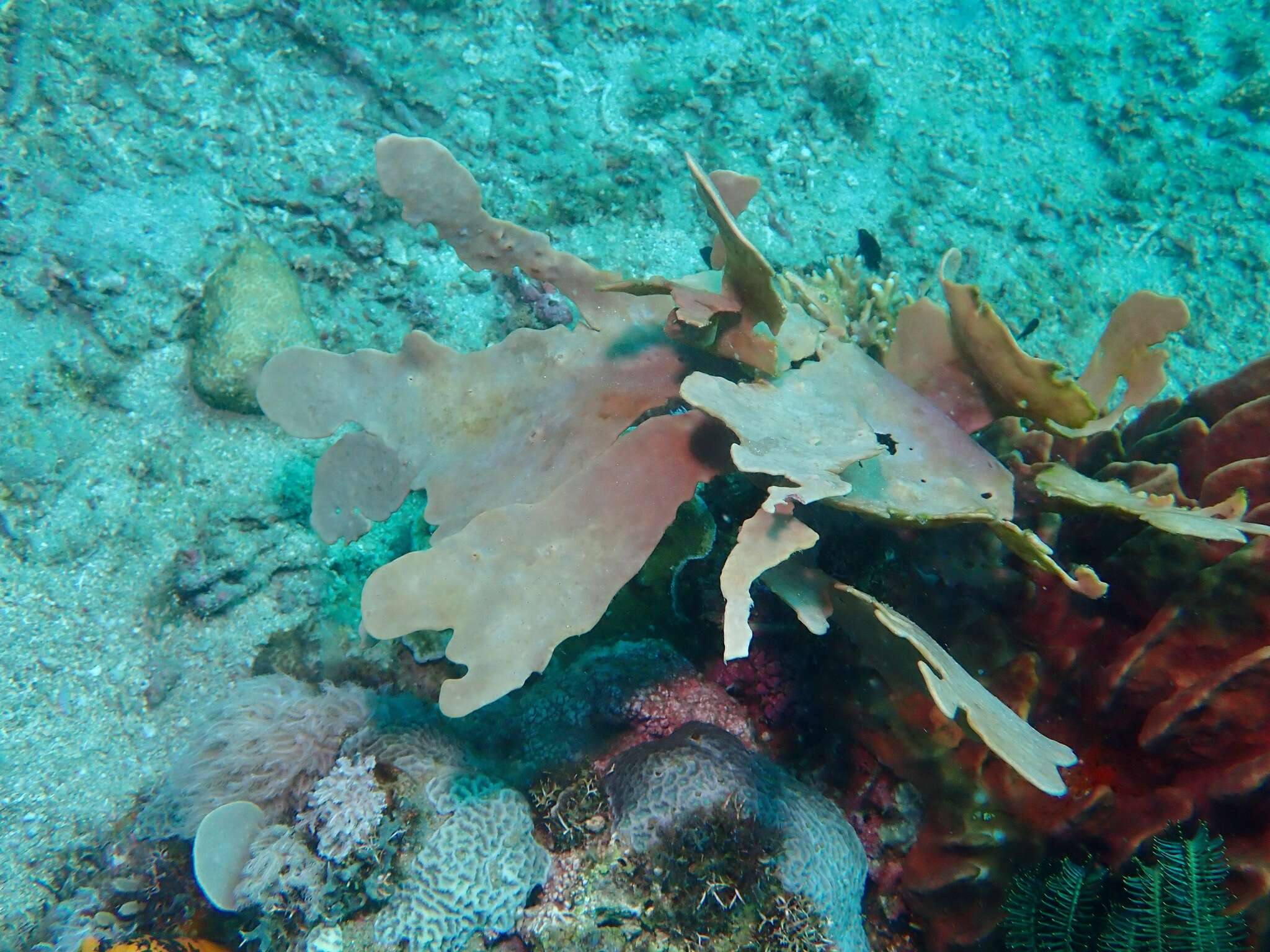
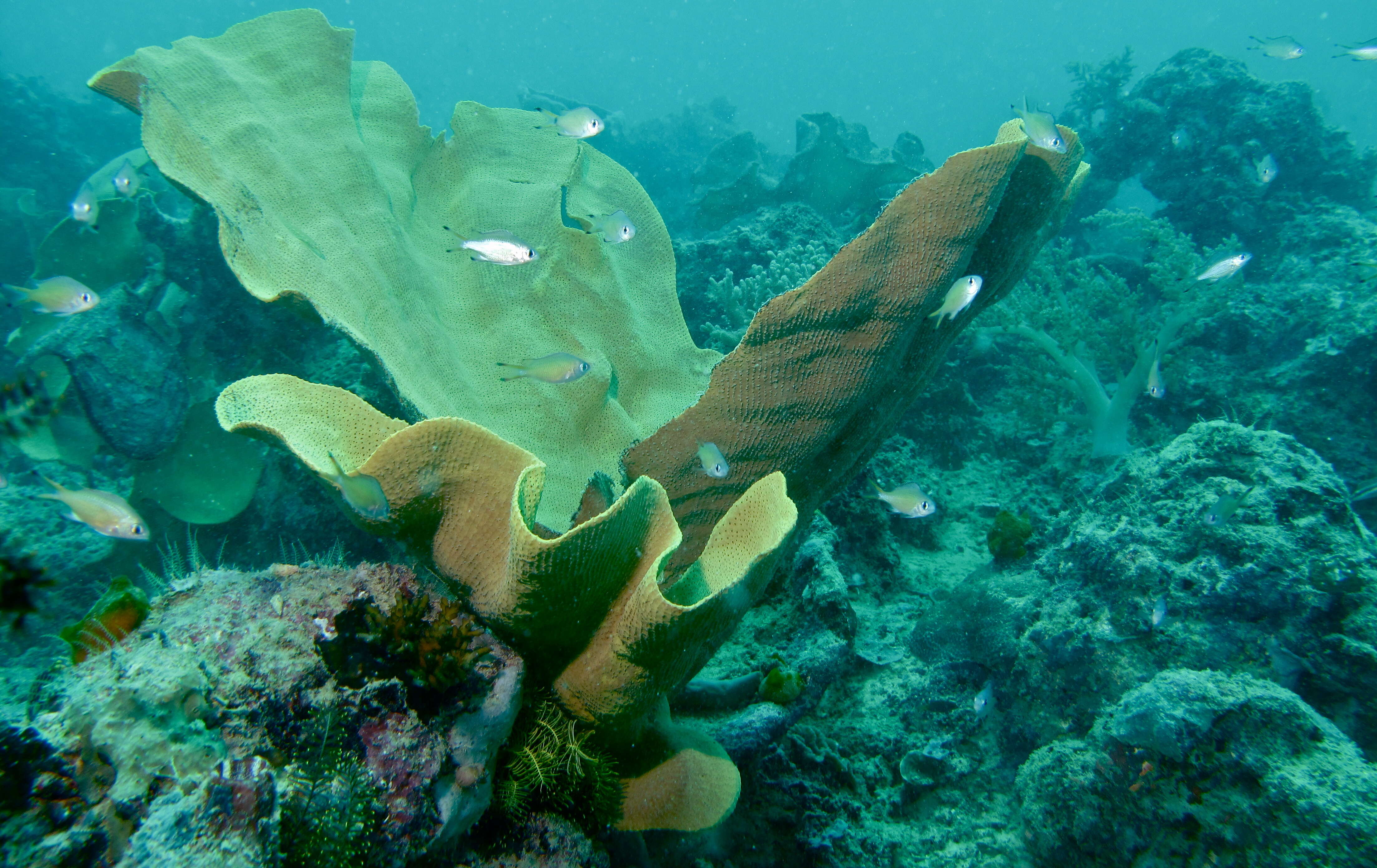
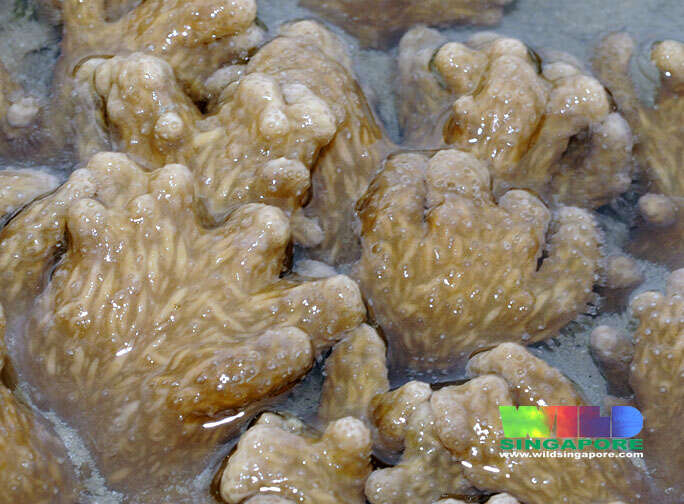
Phyllospongia papyracea (Esper, 1794)
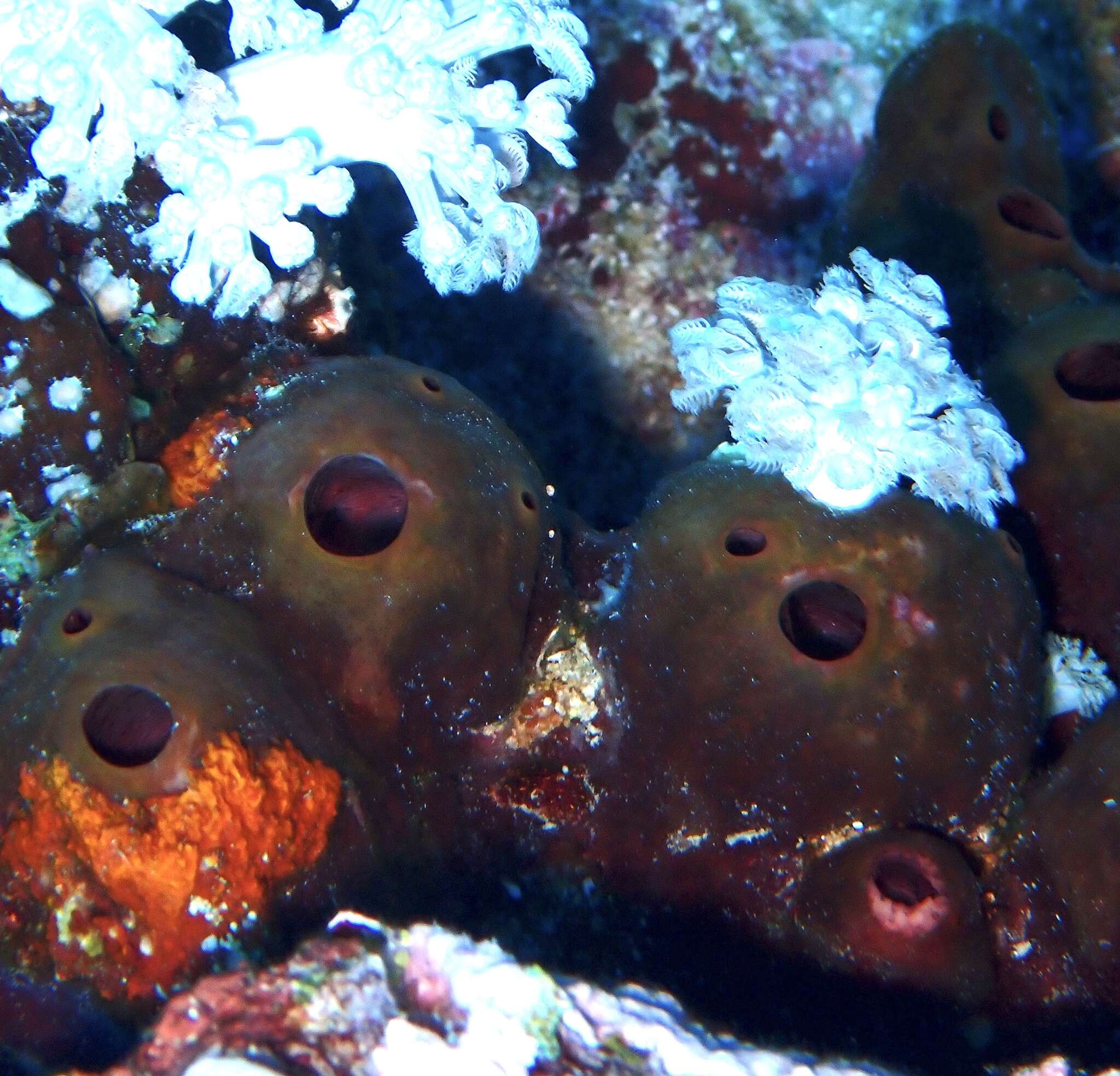
Stylissa massa (Carter, 1887)
Stelletta clavosa Ridley, 1884
Theonella swinhoei Gray, 1868
Ianthella basta (Pallas 1766)
Agelas mauritiana (Carter, 1883)
Stelletta purpurea Ridley 1884
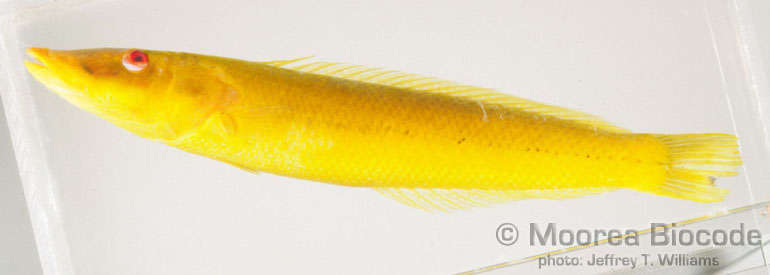
Diplogrammus xenicus (Jordan & Thompson, 1914) (Kobu-numeri)
Found on sandy bottoms of rocky or coral reefs.
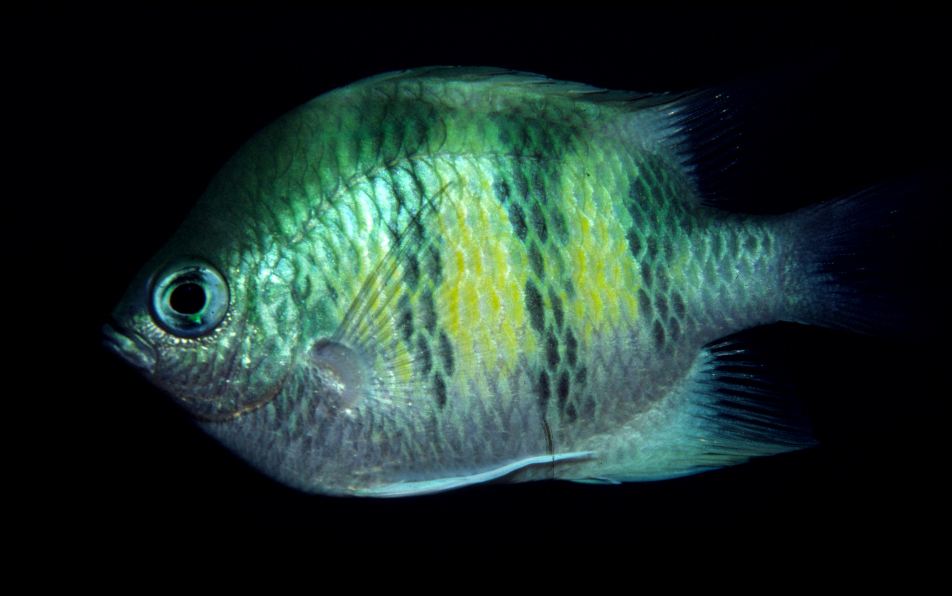
Amblyglyphidodon curacao (Bloch, 1787) (Black-snouted sergeant-major)
Inhabits lagoons, coastal embayments, reef passages and outer reefs. Juveniles often found among Sarcophyton and Sinularia soft corals. Feeding aggregations are frequently observed over growths of the staghorn coral Acro...
Read More
Read More
Chrysiptera biocellata (Quoy and Gaimard, 1825) (bluebanded damselfish)
Occurs in protected inner reef flats and shallow lagoons and channels, over rubble and rocky outcrops. Feeds primarily on filamentous algae.
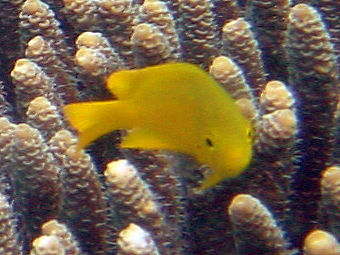
Pomacentrus moluccensis Bleeker, 1853 (Lemon damsel)
Inhabits clear lagoon and seaward reefs among branching corals. Occurs in small aggregations. Feeds mainly on algae and planktonic crustaceans.
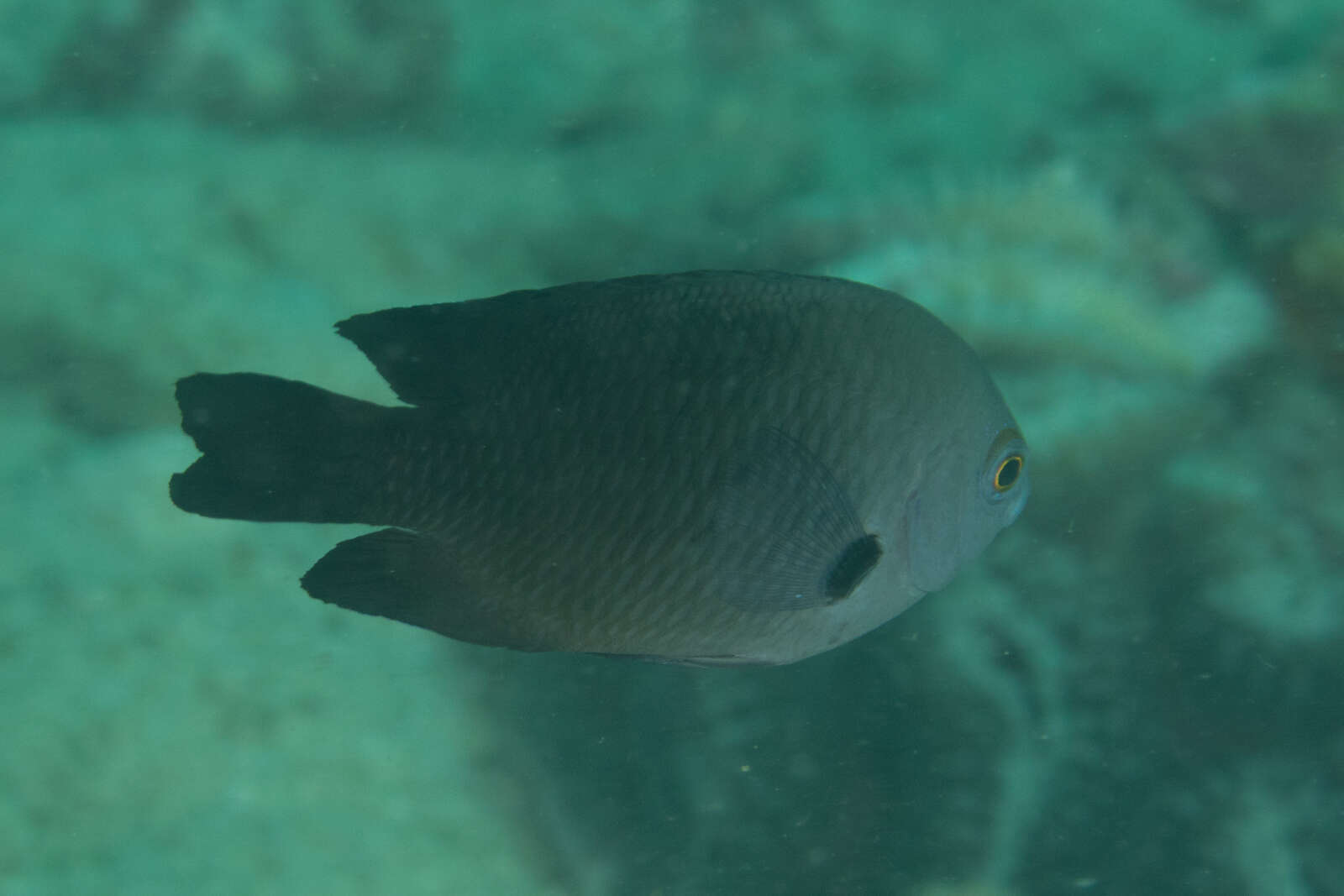
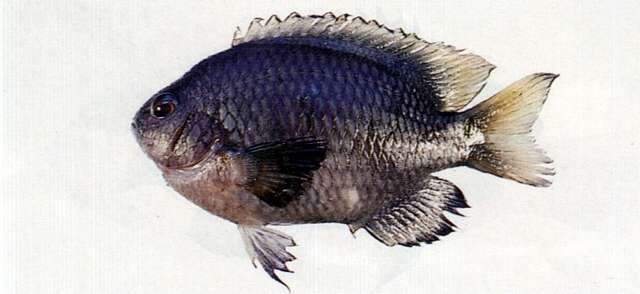
Pomacentrus brachialis Cuvier, 1830 (Charcoal damsel)
Found in passages and outer reef slopes ; also in current prone and clear water reef flats to 40 m depth . Occurs singly or in small groups . Feeds on zooplankton and benthic algae .
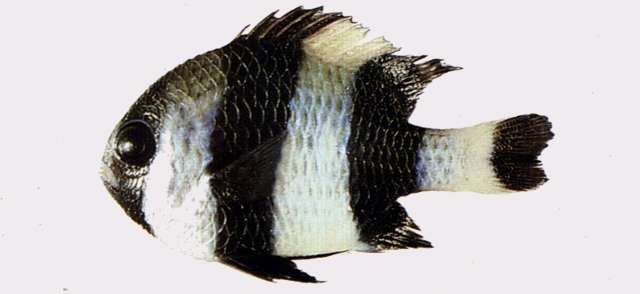
Dascyllus aruanus (Linnaeus, 1758) (black-and-white damselfish)
Territorial, inhabit shallow lagoon and subtidal reef flats. Form large aggregations above staghorn Acropora thickets or in smaller groups above isolated coral heads. Feed on zooplankton, benthic invertebrates, and algae...
Read More
Read More
Dascyllus melanurus Bleeker, 1854 (blacktailed humbug)
Schooling species, inhabits sheltered lagoons, harbors and inlets. Also in somewhat open substrates with outcrops of Acropora corals . Often associated with small coral heads. Feeds on a variety of plankton, including l...
Read More
Read More
Pomacentrus tripunctatus Cuvier, 1830 (Threespot damsel)
A shallow water species, solitary, in holes of small rocks on sandy bottom with coral rubbles. Inhabits shallow bays, silty coastal reefs and harbors with sparse coral and algal growth. Feeds mainly on benthic algae.
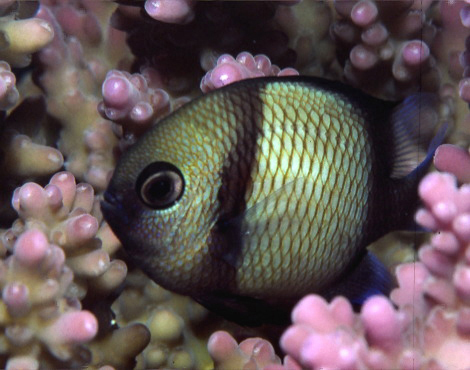
Dascyllus reticulatus (Richardson, 1846) (twostriped damselfish)
Occurs in outer lagoon and seaward reefs. Inhabits branching coral heads, particularly Pocillopora eydouxi. Forms schools, often in silty habitats . Male prepares a nest by cleaning with its mouth a rock or coral surface where the female will attach the eggs .
Plectroglyphidodon lacrymatus (Quoy and Gaimard, 1825) (whitespeckled demoiselle)
Inhabits clear lagoon and seaward reefs, in areas with mixed coral and rubble or dead coral rocks. Feeds mainly on benthic algae and associated small invertebrates and fish eggs.
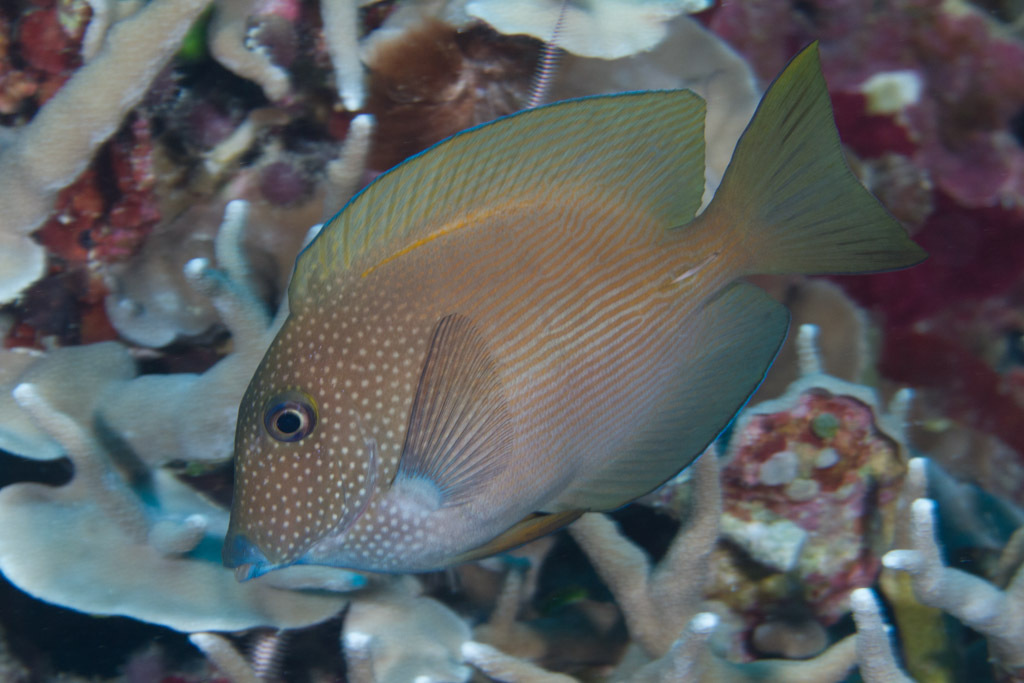
Ctenochaetus striatus (Quoy and Gaimard, 1825) (Striated surgeonfish)
Inhabits reef flats and lagoon and seaward reefs to a depth of over 30 m. Occurs over coral , rock, pavement, or rubble substrates. May occur singly or in small to very large, often mixed-species aggregations . Feeds on...
Read More
Read More
Cirrhitichthys oxycephalus (Bleeker, 1855) (Coral hawkfish)
Cirrhitichthys falco Randall, 1963 (Dwarf hawkfish)
Shallow coastal to outer reef flats and slopes to 45 m depth . Common inhabitant of coral reefs, typically resting at the bases of coral heads . Studies indicate that it is haremic and spawns nightly . Occasionally in pairs .
Apogon taeniophorus Regan, 1908 (Reef-flat cardinalfish)
Occurs inshore . Found in holes or ledges of outer reef flats in areas exposed to surge , to depths of about 10 m . Nocturnal .
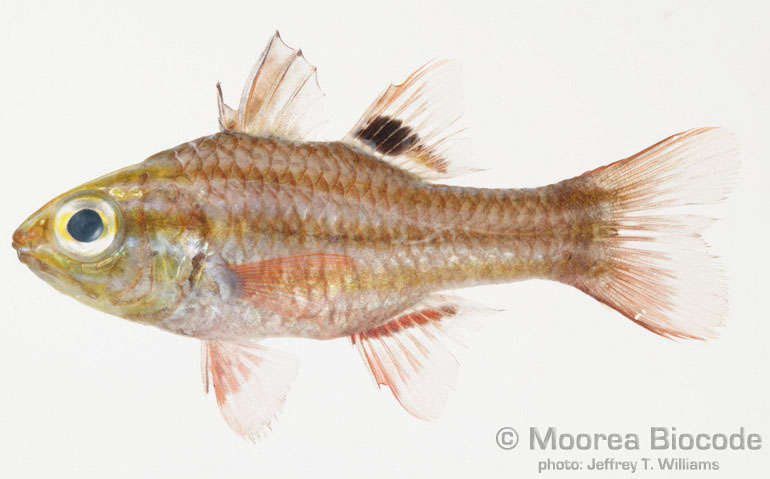
Apogon guamensis Valenciennes, 1832 (Guam cardinalfish)
Common in reef flats and shallow lagoons, but hiding by day within Acropora thickets and other corals, as well as in holes and crevices and emerging at night to forage on free-swimming invertebrates .
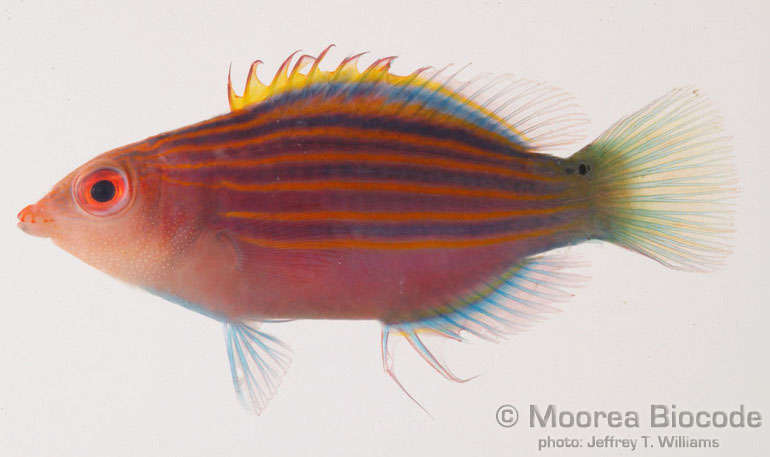
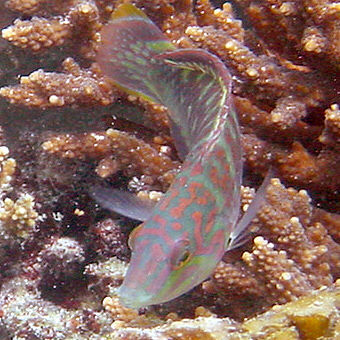
Pseudocheilinus hexataenia (Bleeker, 1857) (Pyjama)
Occurs in seaward reefs among coral branches. Also in clear coastal waters, dense coral habitats on shallow reef crest or slopes to depth of about 20 m. Usually occurs in small loose groups. A shy species, usually swimm...
Read More
Read More
Cheilinus trilobatus Lacepède, 1801 (Tripletail wrasse)
Adults inhabit lagoon and seaward reefs at depths of 1 to over 30 m, and relatively common along shallow reef margins with good coral cover . Usually solitary . Feed mainly on shelled benthic invertebrates such as mollus...
Read More
Read More
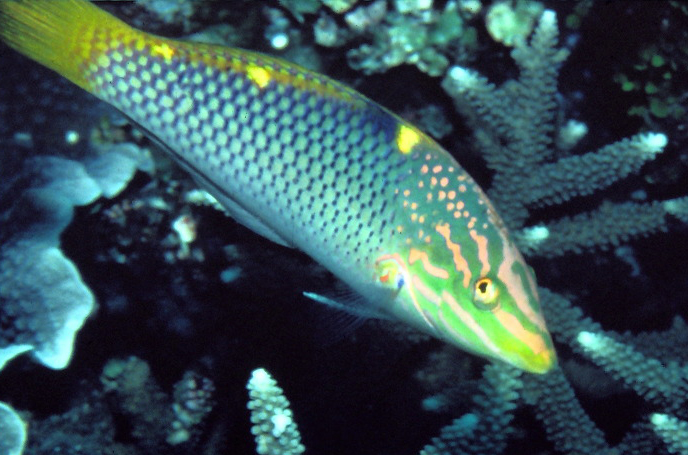
Halichoeres hortulanus (Lacepède, 1801) (Checkerboard wrasse)
Cheilio inermis (Forsskål, 1775) (Sharp-nosed rainbowfish)
Inhabit seagrass beds and algal-covered flats, occasionally in lagoon and seaward reefs to a depth of at least 30 m . Benthopelagic . Usually solitary. Juveniles secretive in seagrasses or attached Sargassum; adults usu...
Read More
Read More
Halichoeres prosopeion (Bleeker, 1853) (Twotone wrasse)
Inhabits lagoon and seaward reefs, in coral-rich areas . Also found along drop-offs on the bottom of large caves. Usually seen solitary .
Halichoeres margaritaceus (Valenciennes, 1839) (Pink-belly wrasse)
Inhabits shallow reefs and rocky shores, usually in weedy areas exposed to surge . Feeds on benthic crustaceans, mollusks, polychaetes, forams, fishes, and fish eggs . One of several similar species that have near identical juvenile and female stages .
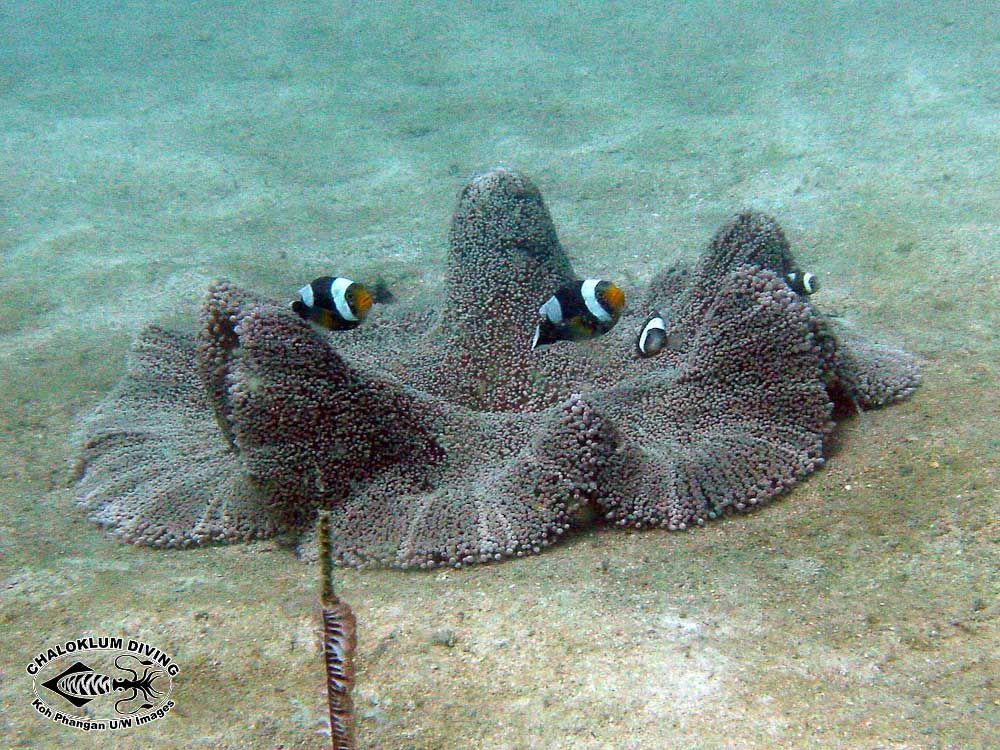
Amphiprion sebae Bleeker, 1853 (Sebae anemonefish)
Found in coastal waters and lagoons. It grows rather large . Associated with the anemone Stichodactyla haddoni .
Premnas biaculeatus (Bloch, 1790) (Spinecheek anemonefish)
Inhabits lagoon and seaward reefs , found mainly in protected coastal waters and lagoons. Typically found in pairs in which males are much smaller than females . Feeds primarily on zooplankton and benthic algae . Has been reared in captivity . Associated with the anemone Entacmaea quadricolor .
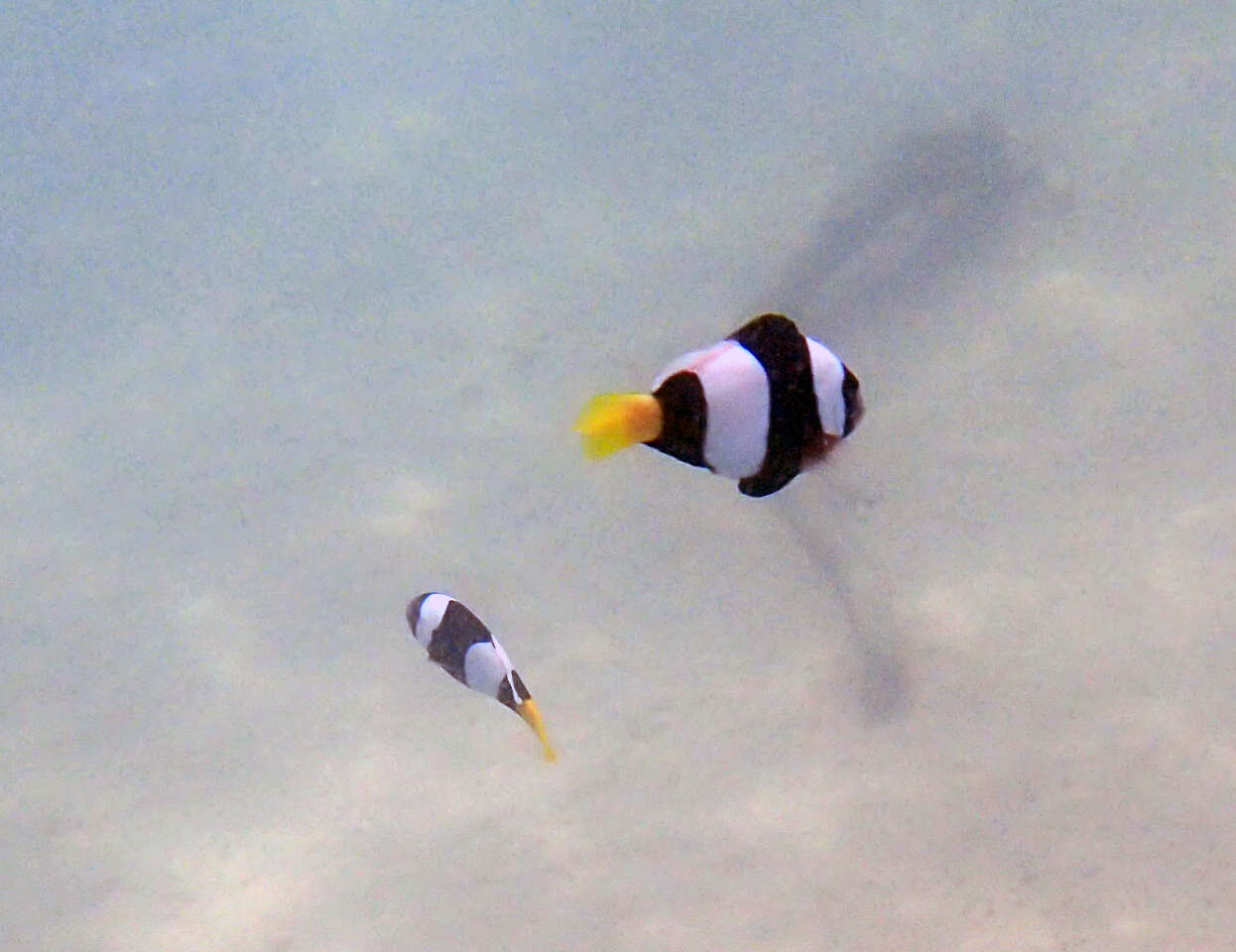
Amphiprion polymnus (Linnaeus, 1758) (yellowfinned anemonefish)
Inhabits silty lagoons and harbors. Monogamous . A protandrous hermaphrodite . Associated with the anemones: Heteractis crispa and Stichodactyla haddoni . Has been reared in captivity .
Dendrochirus zebra (Cuvier, 1829) (Zebra turkeyfish)
Found on coral, rubble, or rock bottoms of reef flats ; also in coastal to outer reef habitats in sheltered lagoons and in caves, sometimes in small aggregations. Usually shallow, from 3-60m but also reported to 80 m dep...
Read More
Read More
Eretmochelys imbricata (LINNAEUS) 1766 (Hawksbill Turtle)
Hawksbills may take decades to mature and it could be between 20 to 40 years before they are ready to breed . Upon reaching sexual maturity, a female will typically lay up to five clutches of around 100 to 140 eggs in one ...
Read More
Read More
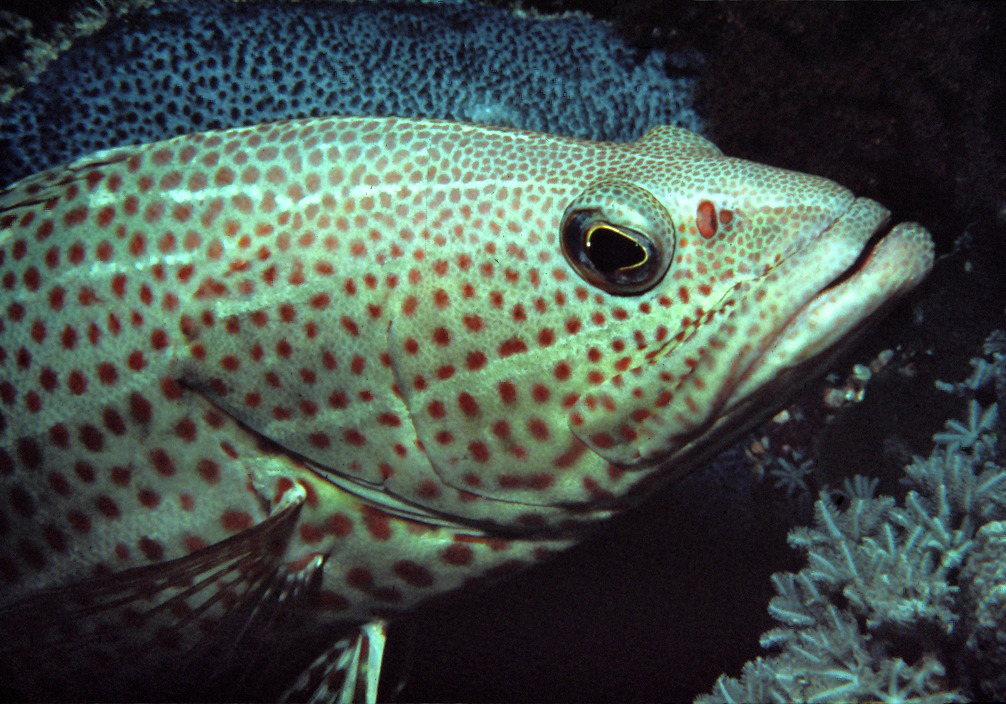
Epinephelus merra Bloch, 1793 (Dwarf spotted grouper)
Very common in shallow lagoon and semi-protected seaward reefs. Juveniles are common in thickets of staghorn Acropora corals. Feed on crustaceans and fishes. Increase of piscivory with age is observed in this species. ...
Read More
Read More
Epinephelus howlandi (Günther, 1873) (blacksaddle grouper)
Usually found over rocky areas or on coral reefs. Nothing has been published on its biology. Appears to be very rare and therefore of little commercial importance. In Hong Kong live fish markets .
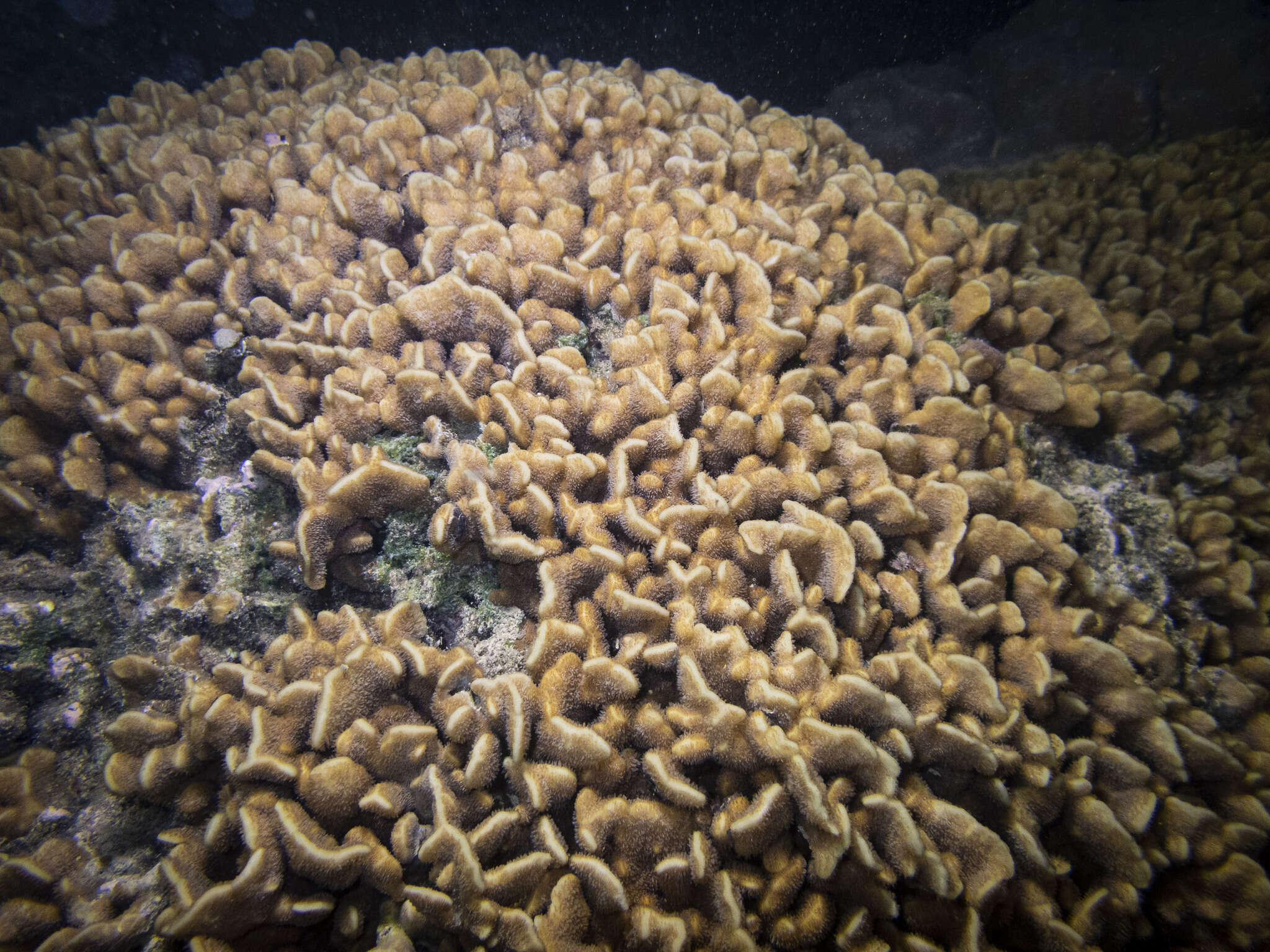
Pavona frondifera Lamarck, 1816 (Leaf coral)
zooxanthellate
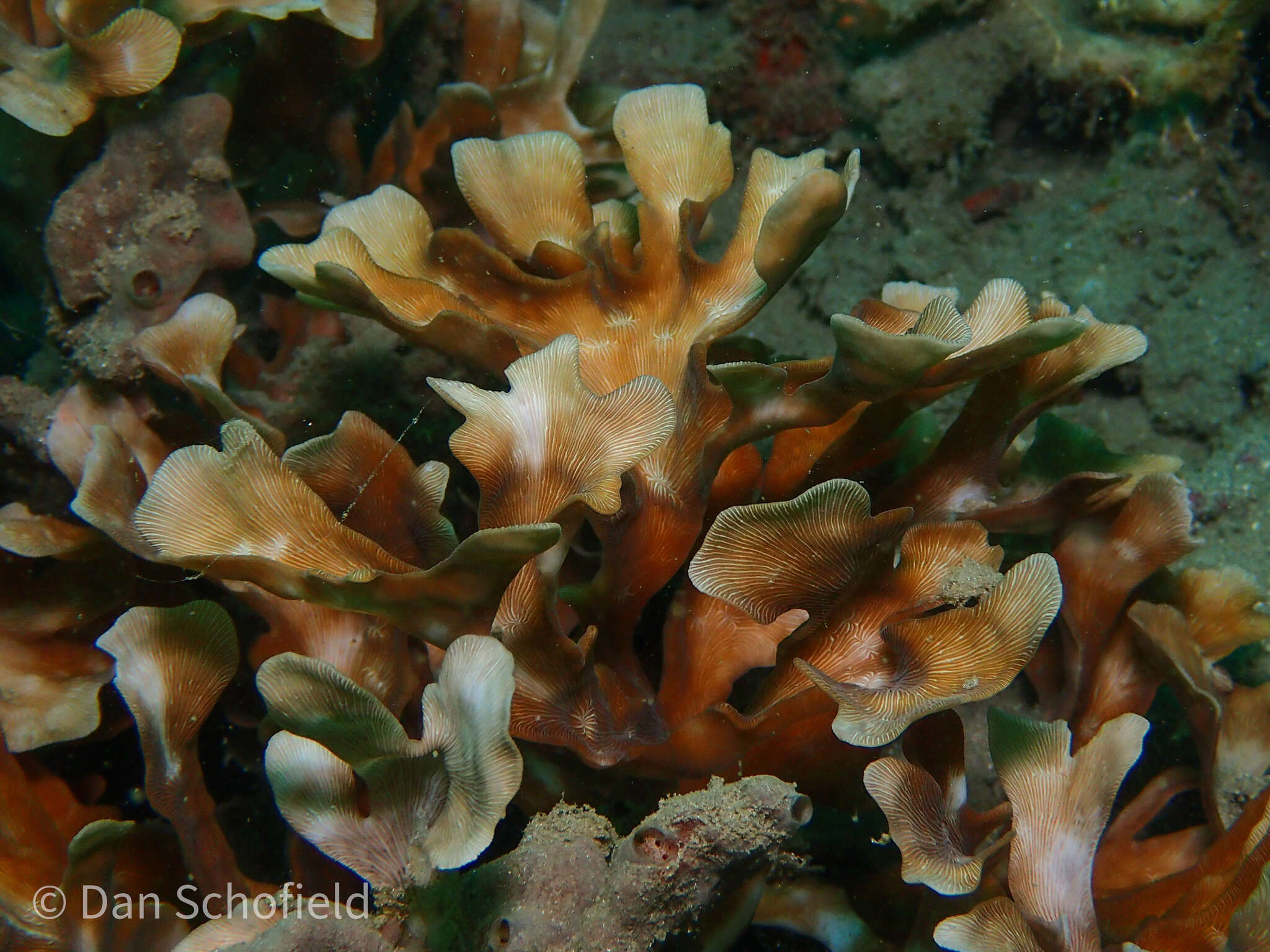
Leptoseris papyracea (Dana, 1846) (Porcelain coral)
zooxanthellate
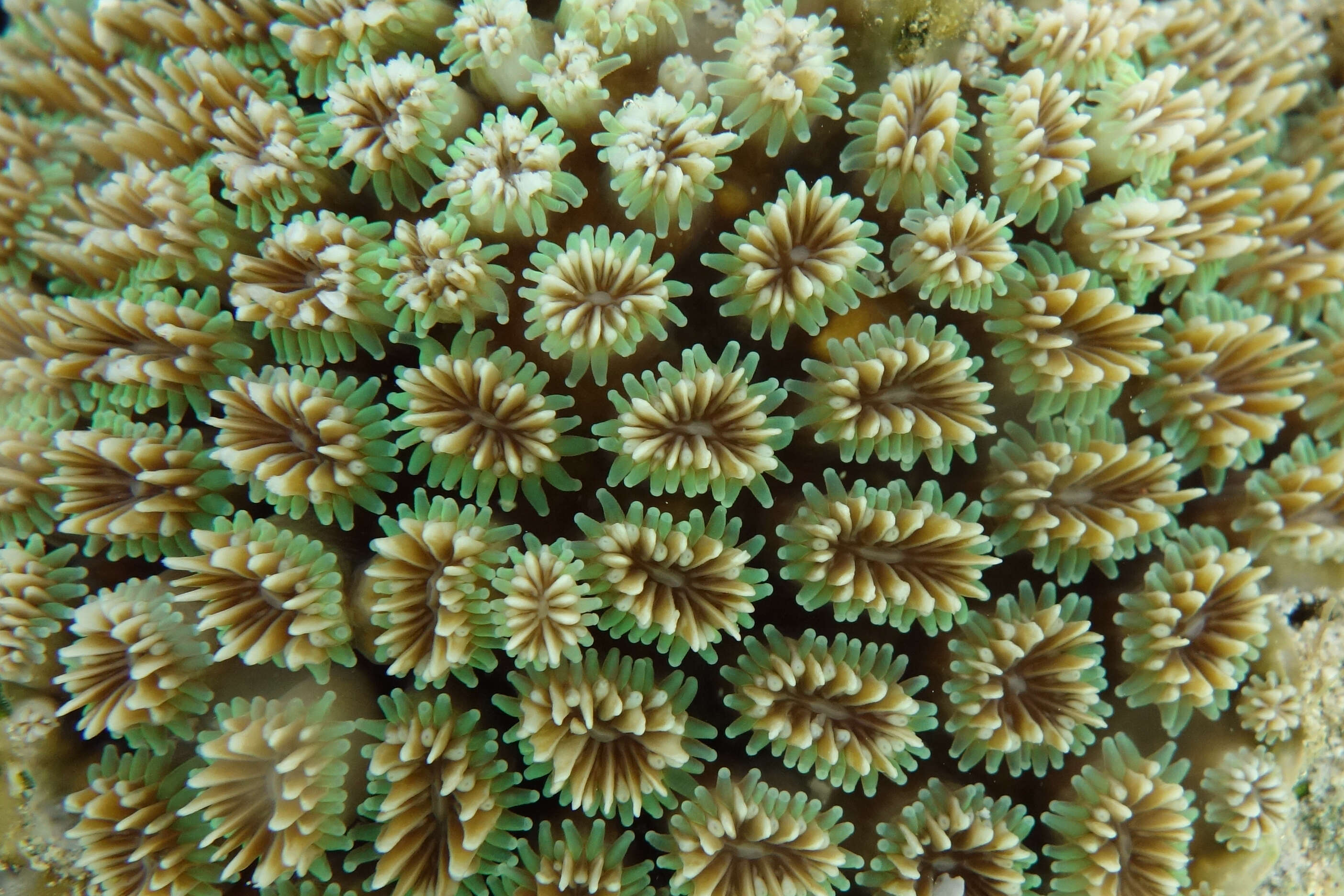
Galaxea fascicularis (Linnaeus, 1767) (Octopus coral)
zooxanthellate
Balistapus undulatus (Park, 1797) (Orange-lined triggerfish)
Occurs in coral-rich areas of deep lagoon and seaward reefs from the lower surge zone to at least 50 meters, Ref. 48637. Feeds on a variety of benthic organisms such as algae, echinoderms, fishes, mollusks, tunicates, spo...
Read More
Read More
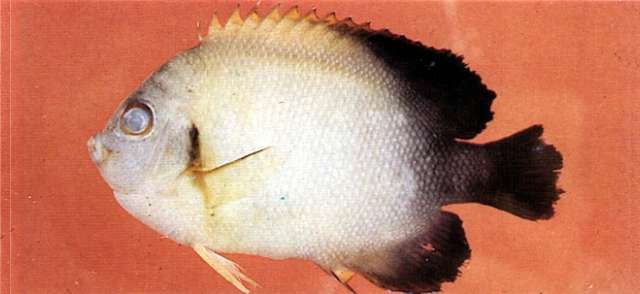
Centropyge vrolikii (Bleeker, 1853) (Pearlscale angelfish)
Inhabit lagoon and seaward reefs, mainly in coral rich areas . Feed on algae. Oviparous , monogamous . Frequently exported through the aquarium trade. Form hybrids with Centropyge eibli and C. flavissima at areas of sympatry. Mimicked by juveniles of the acanthurid Acanthurus pyroferus .
Centropyge tibicen (Cuvier, 1831) (Keyhole angelfish)
Relatively uncommon in mixed coral and rubble areas of lagoon and seaward reefs. The largest member of the genus . Feeds mainly on algae. Forms harems of 3-7 individuals. Frequently exported through the aquarium trade .
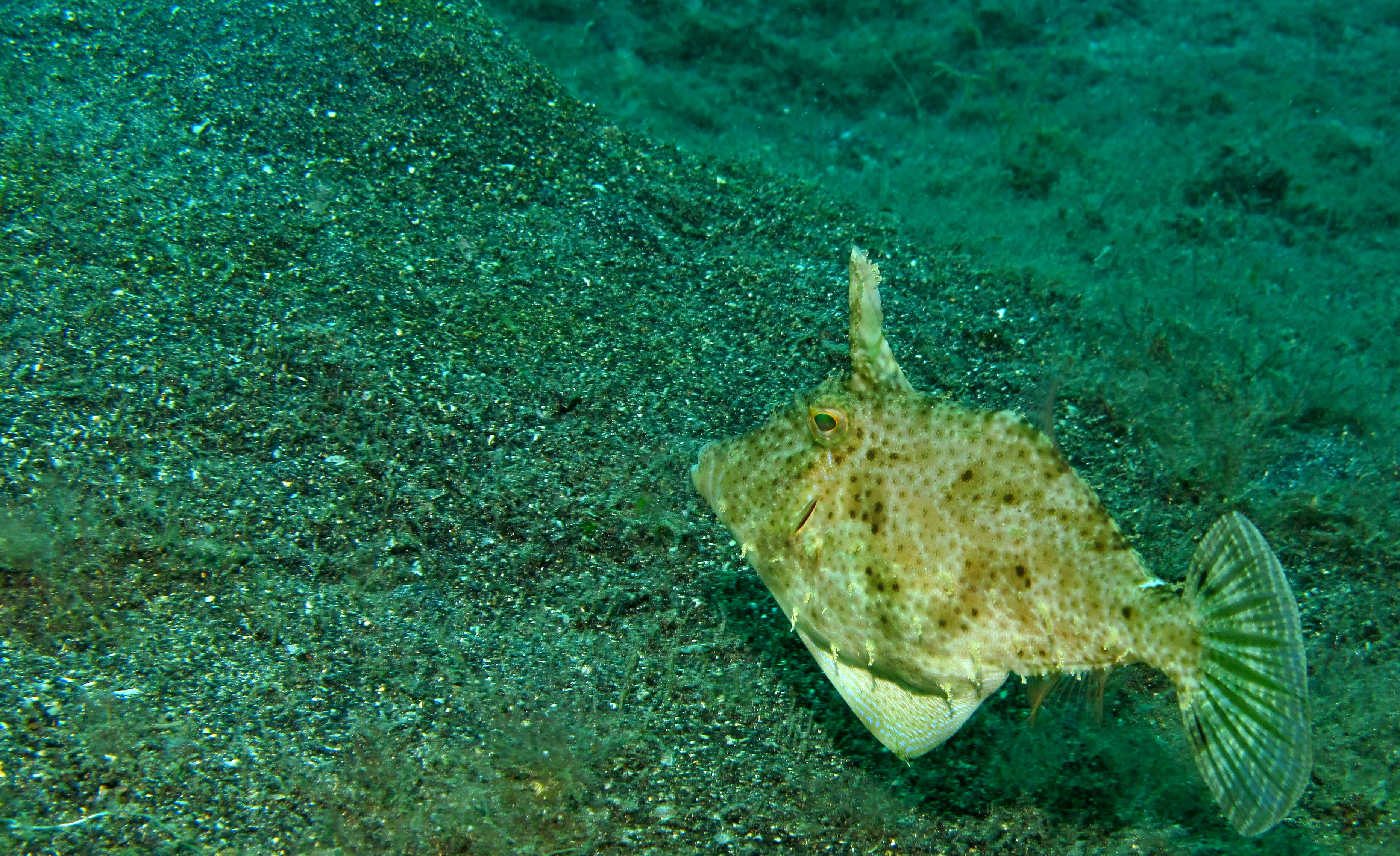
Pseudomonacanthus macrurus (Bleeker, 1857) (Strap-weed file-fish)
Inhabits shallow coastal algal reefs and estuaries. Adults are often in pairs .
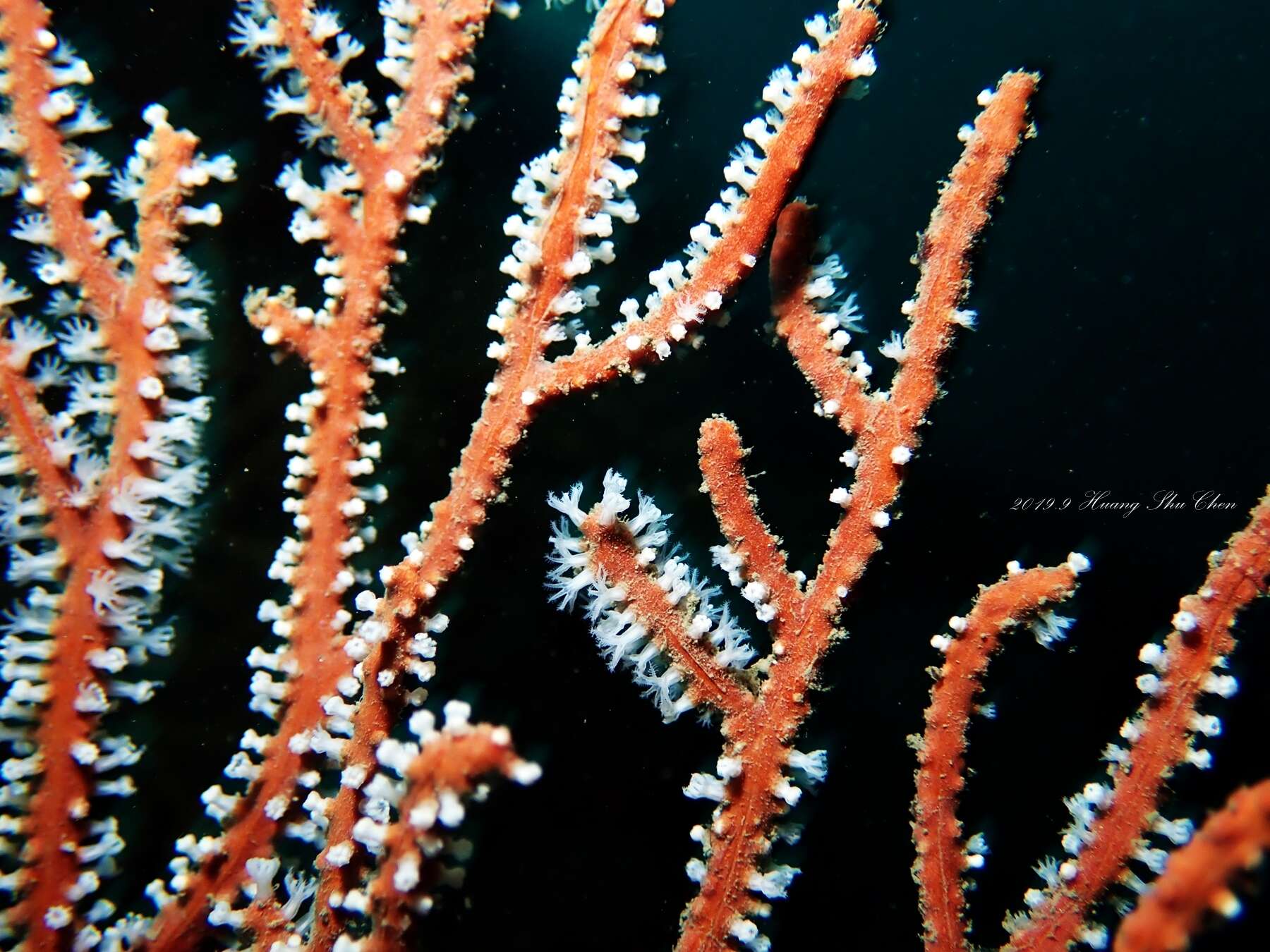
Muricella grandis Nutting, 1910
Sinularia brassica May, 1898
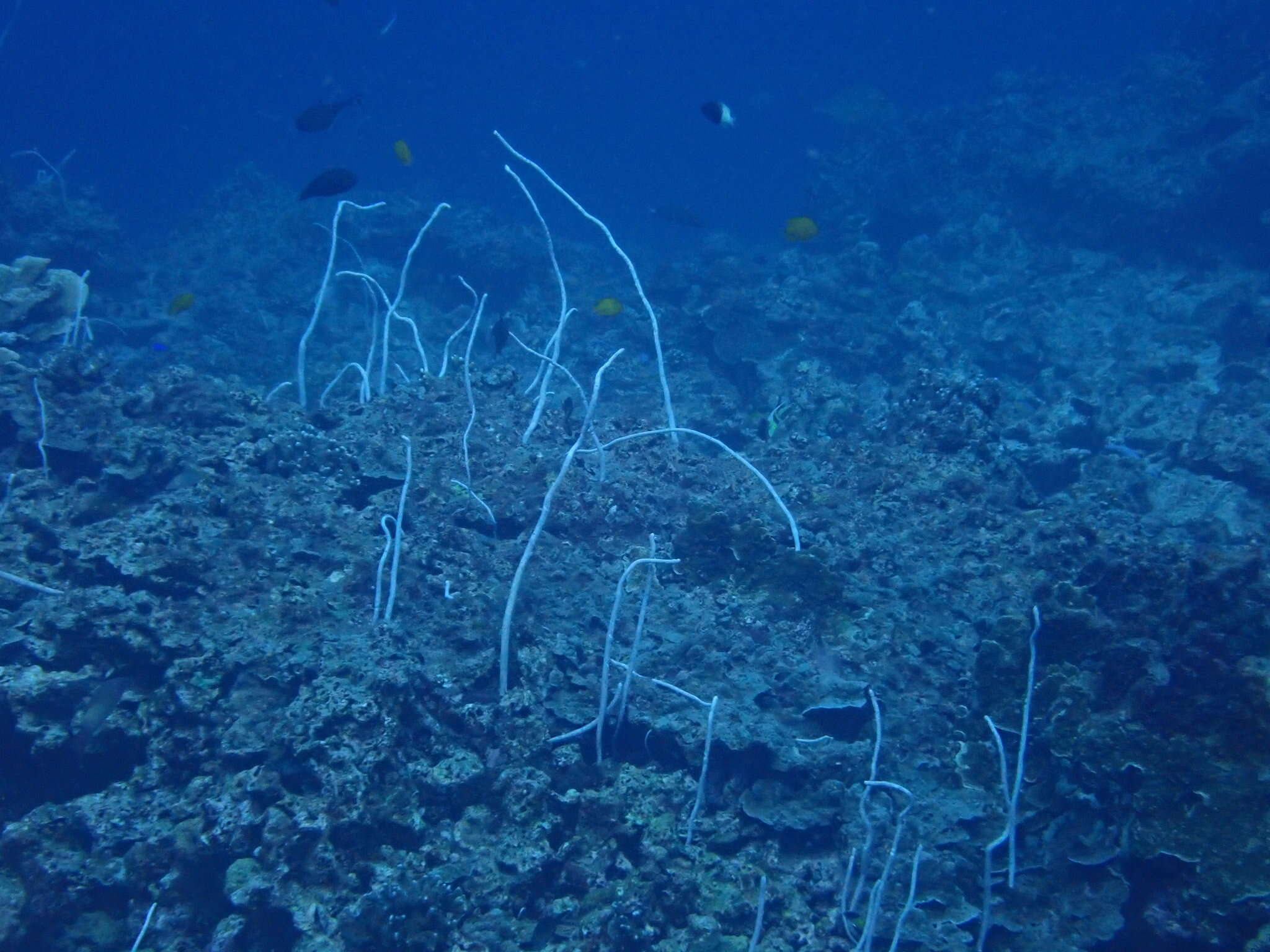
Junceella fragilis (Ridley, 1884)
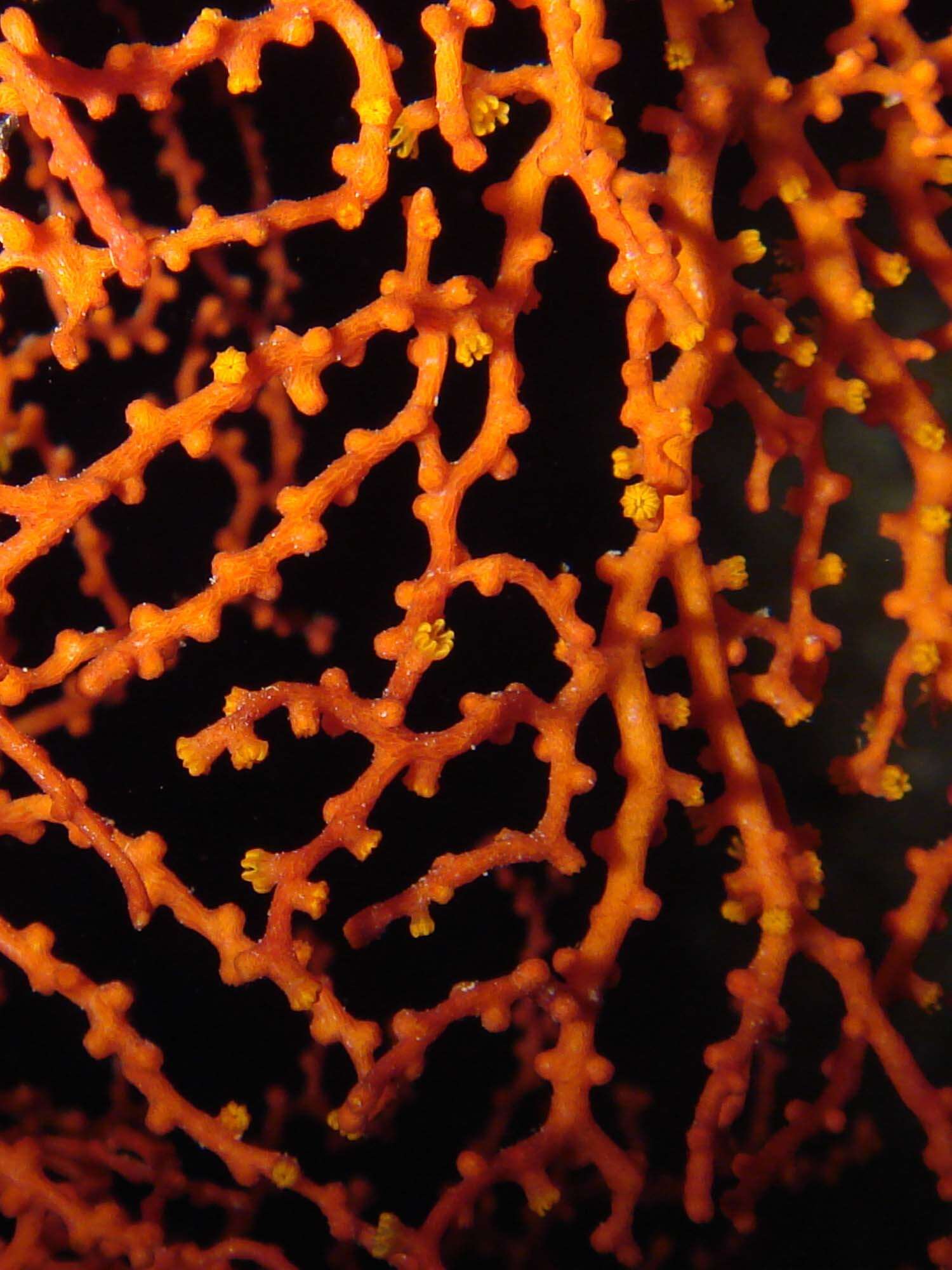
Subergorgia suberosa (Pallas, 1766)
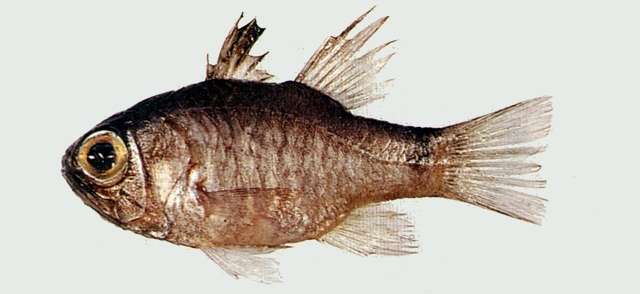
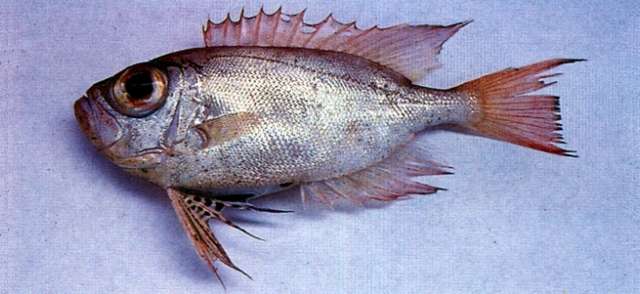
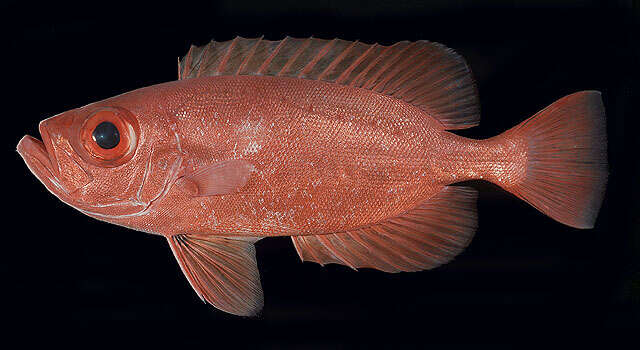
Priacanthus hamrur (Forsskål, 1775) (Moontail bullseye)
Uncommon species found in outer reef slopes and deep lagoon pinnacles from 8 to at least 80 m. In small aggregations, sometimes schools in oceanic locations . Feeds on small fish, crustaceans, and other small invertebrates . Generally marketed fresh, may be salted or dried .
Priacanthus tayenus Richardson, 1846 (Purple-spotted bigeye)
Inhabits coral or rocky areas. Sometimes forms aggregations. Feeds on a wide variety of benthic animals. Smaller fish are mostly found inshore. Marketed mostly fresh, whole or dried-salted.
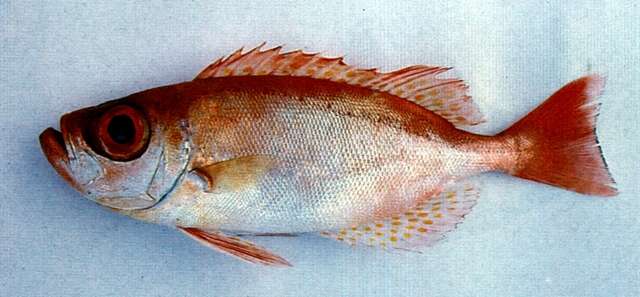
Priacanthus macracanthus Cuvier, 1829 (Red bigeye)
Occurs in inshore and offshore reefs from less than 20 m to more than 400 m depths. Apparently forms aggregations in open bottom areas and is very abundant in the South China Sea and Andaman Sea. Marketed fresh, whole. Sound production has been studied in this species.
Priacanthus blochii Bleeker, 1853 (Paeony bulleye)
Occurs in lagoon and seaward reefs, under ledges or in caves by day ; often silty habitat . Rarely trawled .
Share on Social Networks
- Facebook:

personalize your shared text as well as its destination (wall, page...) or send as a private message to a friend
- Twitter: Tweet personalize your tweet
- Google Plus:
Direct link to this dive
- Long link:
- Short link:


 We are participating today in the startup contest Techcrunch Disrupt. Support Diveboard by voting for us!
























































































1st dive 2 dive day aboard Silver Star II.
Cloudy , overcast, flat calm. thermoclines with surface layer lots of river pollution, trash, debris. under 25-30' very blue and clear.
multilevel, solo near other divers, photos
3RD ROCK DIVESITE// Talicud Island