


 Beachnutts



 Philippines
-
Nº171
 Date: 2025-04-13 - 10:08
-
 Max Depth: 32.6m Duration: 86mins
Dive Location

- Temp: Surf 27°C Bottom 27°C
- Dive type : Recreational, Reef, Photo
- Visibility: Average Water: Salt
Specific gear used
- BCD: Scubapro - Glide Plus
- Boots: Orca - Dive shoes
- Camera: Olympus - TG6
- Computer: Oceanic - OCS
- Fins: Scubapro - Go Rescue
- Knife: Scuba MAx - folding
- Lift bag: ScubaMax - SMB
- Mask: Promate - Scope
- Regulator: SEAC - Synchro
- Weights: 3.2 kg
Dive reviews
| Overall review | ||
| Dive difficulty | ||
| Marine life quality |
Recent Divers in Talikud Island, Davao
Recent Pictures in Talikud Island, Davao
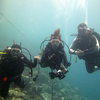
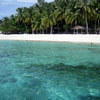
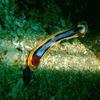
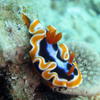
Dive Shop & Buddies
 Dive with Blake Auge
 Dive buddies:
Reymar Tano,
Maeng,
Beachnutts

Link to this spot:
- Spot:
- Country:
- Area:
- Body of water:
Dive Profile
- 1. Air
- 10L Aluminium 207 → 21 bar
- Average depth: 21.7m
Data provided by EOL.org
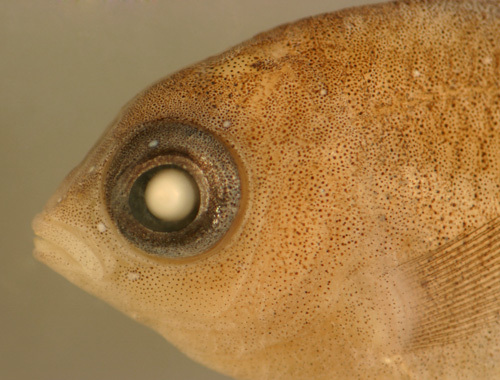
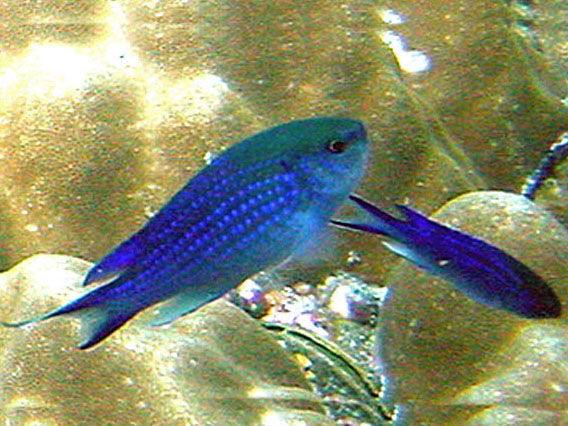


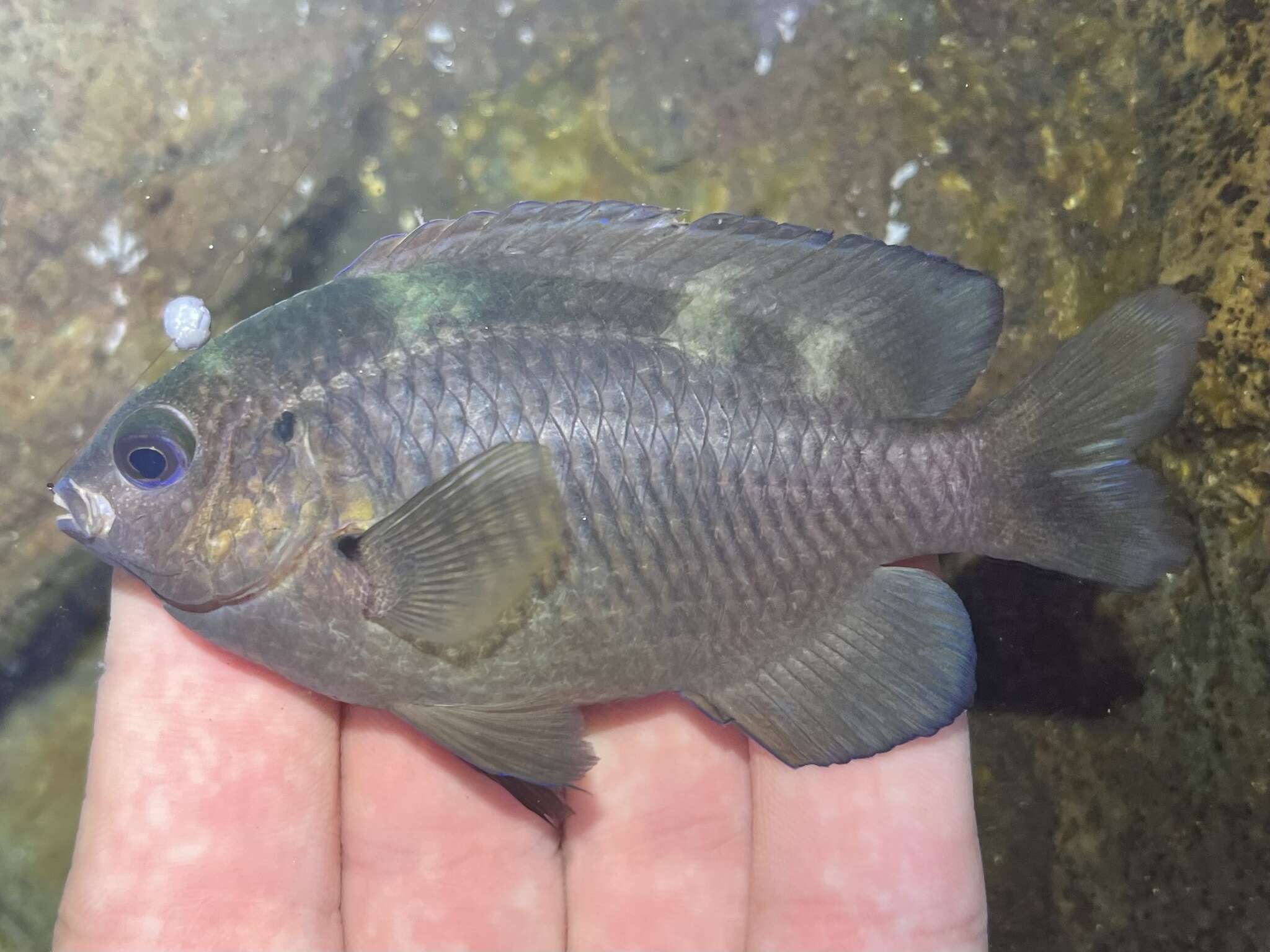


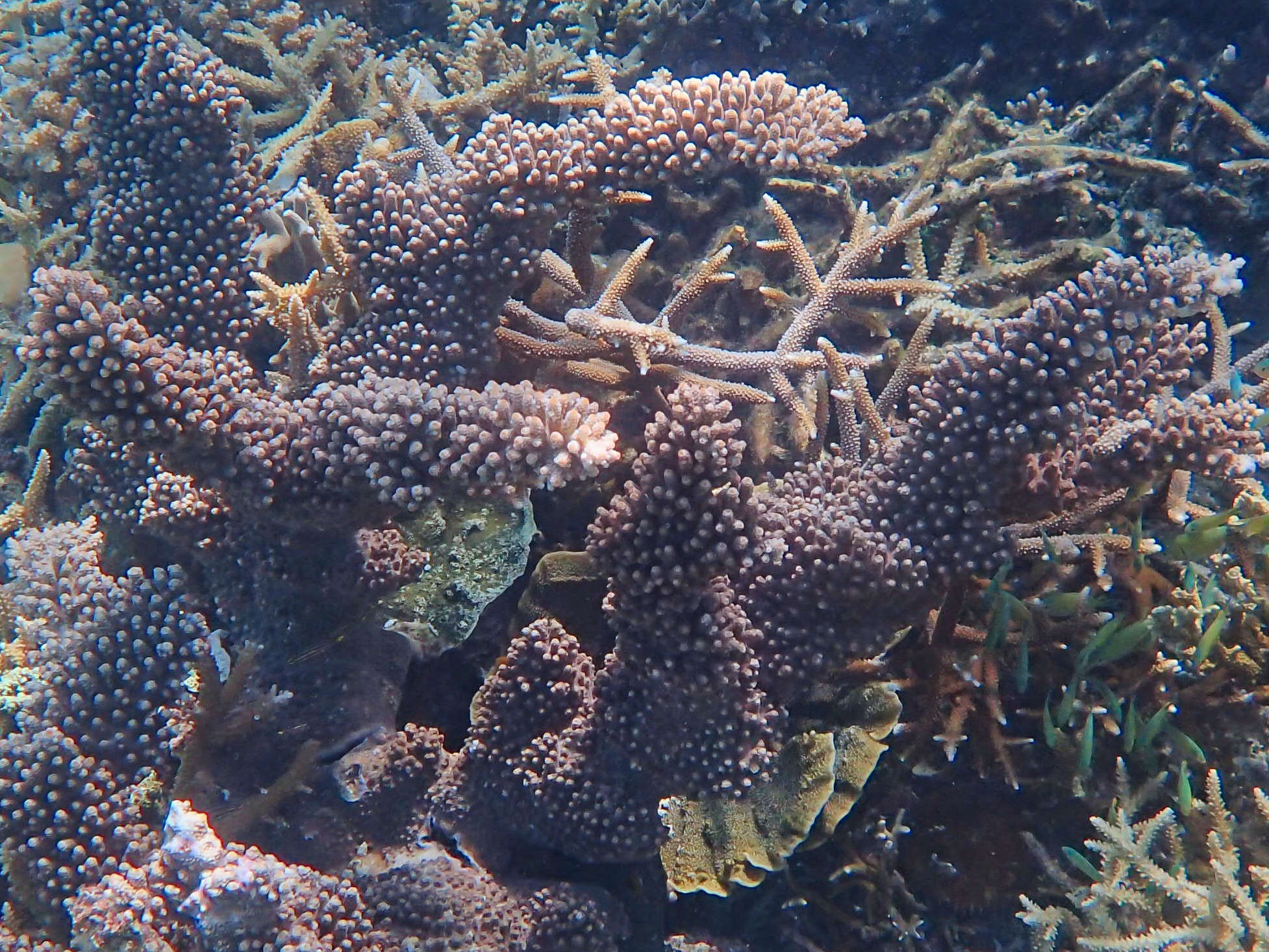


Species Identified
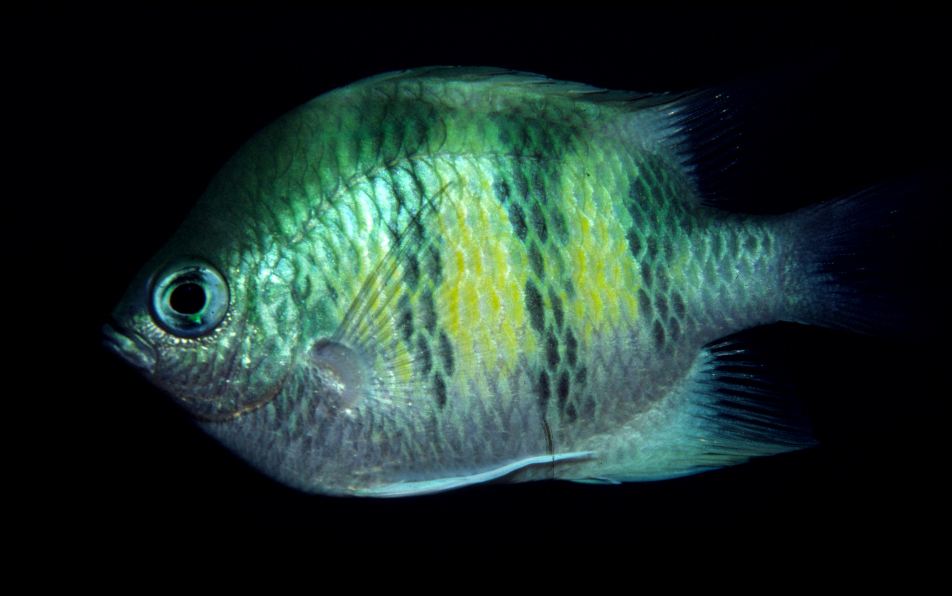
Amblyglyphidodon curacao (Bloch, 1787) (Black-snouted sergeant-major)
Inhabits lagoons, coastal embayments, reef passages and outer reefs. Juveniles often found among Sarcophyton and Sinularia soft corals. Feeding aggregations are frequently observed over growths of the staghorn coral Acro...
Read More
Read More
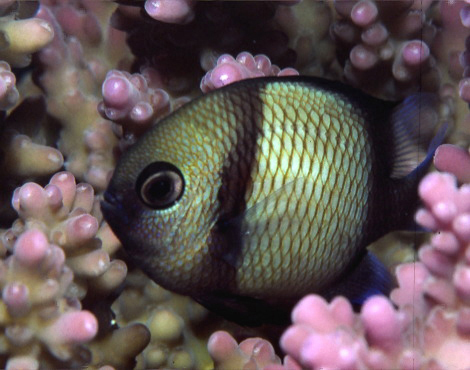
Dascyllus reticulatus (Richardson, 1846) (twostriped damselfish)
Occurs in outer lagoon and seaward reefs. Inhabits branching coral heads, particularly Pocillopora eydouxi. Forms schools, often in silty habitats . Male prepares a nest by cleaning with its mouth a rock or coral surface where the female will attach the eggs .
Stegastes planifrons (Cuvier, 1830) (threespot damselfish)
Inhabits inshore and offshore coral reefs. Found within caves at night .Often found in tangles of staghorn coral; anywhere there is abundant algae on reefs . Feeds mainly on algae but also on harpacticoid copepods, small...
Read More
Read More
Pomacentrus pavo (Bloch, 1787) (Sapphire damsel)
Inhabits sandy areas of lagoon reefs, around isolated patch reefs, coral heads, or rubble. Usually in groups . Commonly found around jetty structures . Feeds on zooplankton and filamentous algae.
Pomacentrus simsiang Bleeker, 1856 (Blueback damsel)
Occurs singly or in small aggregations at slightly turbid areas of lagoon and coastal reefs. Feeds mainly on benthic algae.
Plectroglyphidodon sindonis (Jordan and Evermann, 1903) (Rock damselfish)
Found in very shallow water in the surge zone of exposed rocky shores . Benthopelagic . Feeds mainly on benthic algae and occasionally on small invertebrates .
Pomacentrus callainus Randall, 2002 (Guru)
Pomacentrus spilotoceps Randall, 2002 (Guru)
Chromis limbaughi Greenfield and Woods, 1980 (Damselfish)
Acropora selago (Studer, 1878)
zooxanthellate
Acropora squarrosa (Ehrenberg, 1834)
zooxanthellate
Acropora sarmentosa (Brook, 1892)
zooxanthellate
Acropora secale (Studer, 1878)
zooxanthellate
Astreopora myriophthalma (Lamarck, 1816) (Starflower coral)
zooxanthellate
Acropora tumida Verrill, 1866
zooxanthellate
Astreopora moretonensis Veron and Wallace, 1984 (Starflower coral)
zooxanthellate
Astreopora listeri Bernard, 1896 (Starflower coral)
zooxanthellate
Astreopora macrostoma Veron and Wallace, 1984 (Starflower coral)
zooxanthellate
Astreopora lambertsi Moll and Best, 1984 (Starflower coral)
zooxanthellate
Astreopora explanata Veron, 1985 (Starflower coral)
zooxanthellate
Astreopora cucullata Lamberts, 1980 (Starflower coral)
zooxanthellate
Cuthona flavovulta (MacFarland, 1966) (yellowish cuthona)
Pentaceraster cumingi (Gray, 1840)
Heteractis malu (Haddon and Shackleton, 1893) (Delicate sea anemone)
Heteractis crispa (Hemprich and Ehrenberg in Ehrenberg, 1834) (Leathery sea anemone)
Anthopleura minima (Stuckey and Walton, 1910)
Cnidopus japonicus (Verrill, 1870) (<![CDATA[staghorn coral]]>)
Solaster exiguus Fisher, 1910
Jasmineira bermudensis
Pseudactinia varia Carlgren, 1938
Heteractis magnifica (Quoy and Gaimard, 1833) (Magnificent sea anemone)
Share on Social Networks
- Facebook:

personalize your shared text as well as its destination (wall, page...) or send as a private message to a friend
- Twitter: Tweet personalize your tweet
- Google Plus:
Direct link to this dive
- Long link:
- Short link:


 We are participating today in the startup contest Techcrunch Disrupt. Support Diveboard by voting for us!
























































































2 tanker aboard Datu Budas
Cloudy, intermittent rain, breezy, choppy
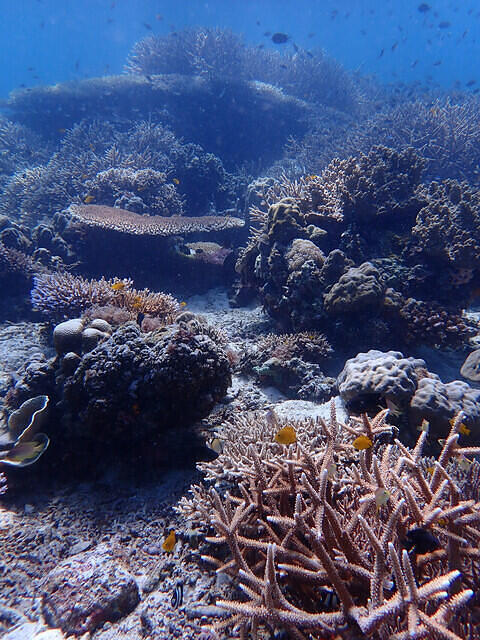
drop in near six rock, swim to depth looking for froggies, back and over staghorn corals, back to boat
multilevel, some solo