


 Beachnutts


 Philippines
-
Nº151
 Date: 2024-10-20 - 09:44
-
 Max Depth: 24.7m Duration: 93mins
Dive Location

- Temp: Surf 28°C Bottom 28°C
- Dive type : Recreational, Reef, Photo
- Visibility: Good Water: Salt
Specific gear used
- BCD: Scubapro - Glide Plus
- Boots: Orca - Dive shoes
- Camera: Olympus - TG6
- Computer: Oceanic - OCS
- Fins: Scubapro - Jet Fins
- Lift bag: ScubaMax - SMB
- Light: Sofirn - SD05
- Mask: Promate - Scope
- Regulator: SEAC - Synchro
- Wet suit: Blue Ocean - Diveskin
- Weights: 3.2 kg
Dive reviews
| Overall review | ||
| Dive difficulty | ||
| Marine life quality |
Dive Shop & Buddies
 Dive with Reymar Tano
 Dive buddies:
Maeng,
Reymar Tano,
Beachnutts
Dive buddies:
Maeng,
Reymar Tano,
Beachnutts

Link to this spot:
- Spot:
- Country:
- Area:
- Body of water:
Dive Profile
- 1. Air
- 10L Aluminium 207 → 21 bar
- Average depth: 16.5m
Data provided by EOL.org







Species Identified
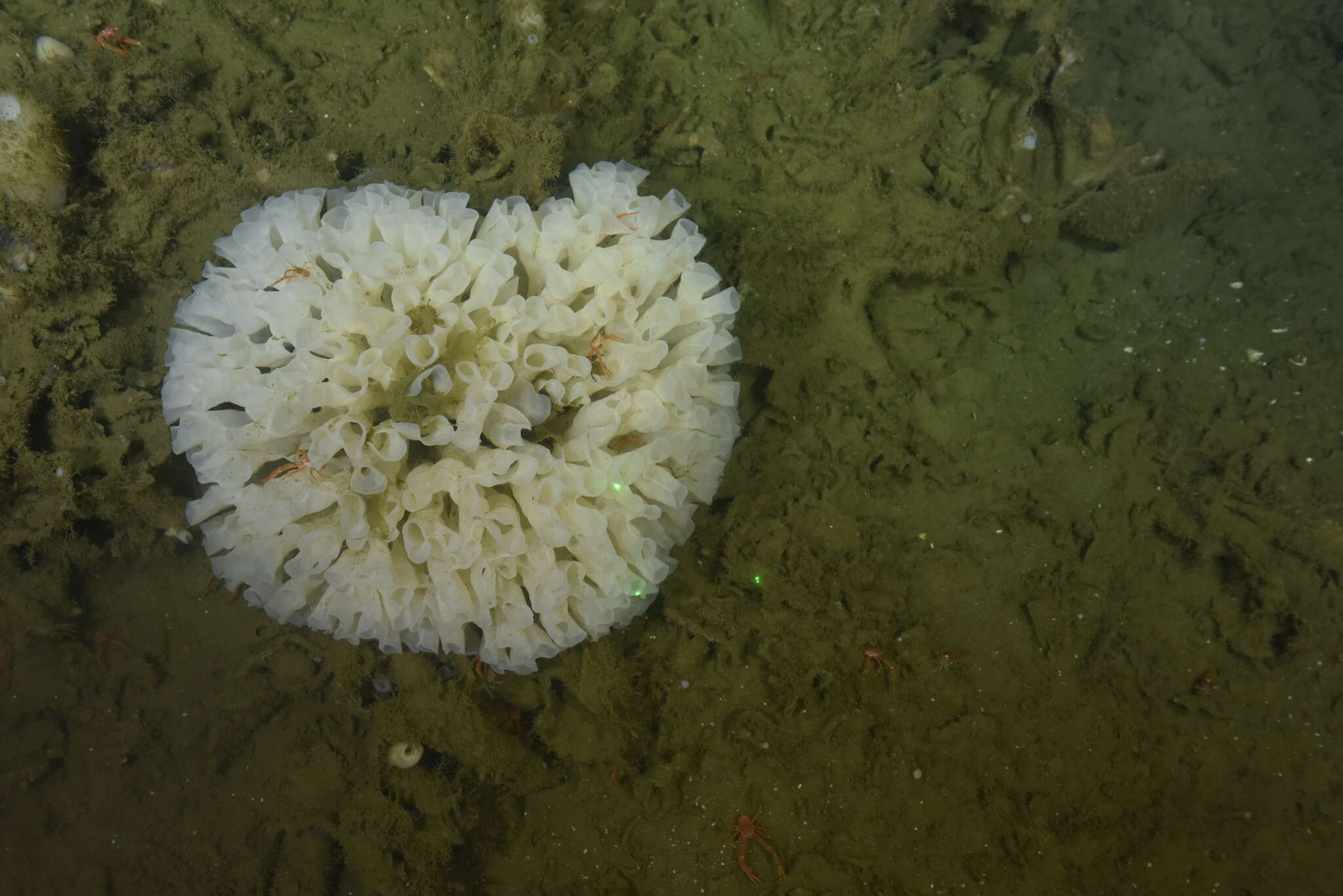
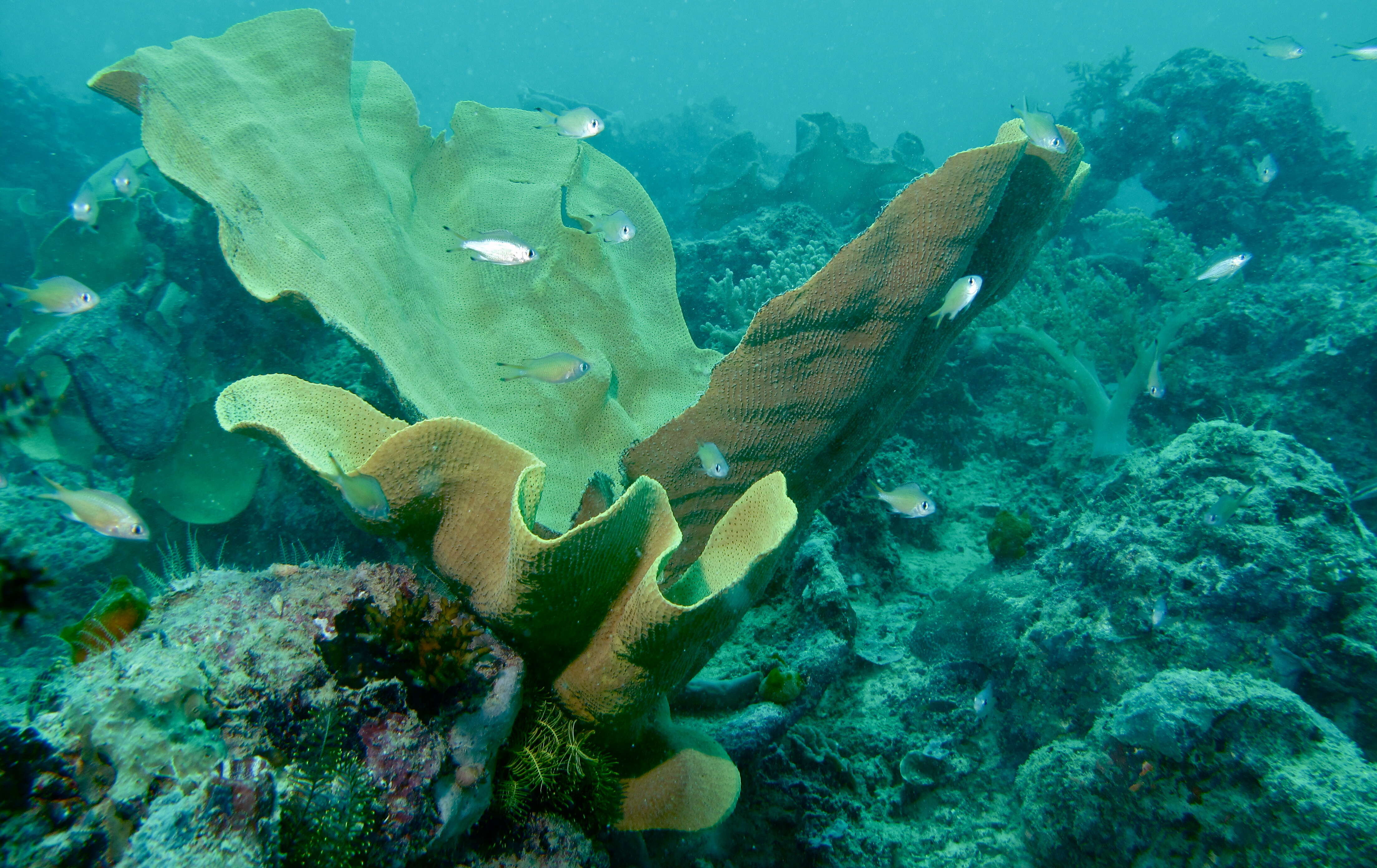
Stylissa massa (Carter, 1887)
Stelletta clavosa Ridley, 1884
Farrea occa (Bowerbank, 1862)
Ianthella basta (Pallas 1766)
Carteriospongia foliascens (Pallas 1766)
Stelletta purpurea Ridley 1884
Stelletta debilis Thiele, 1900
Agelas mauritiana (Carter, 1883)
Luffariella variabilis (Polejaeff, 1884)
Chondrilla australiensis Carter, 1873
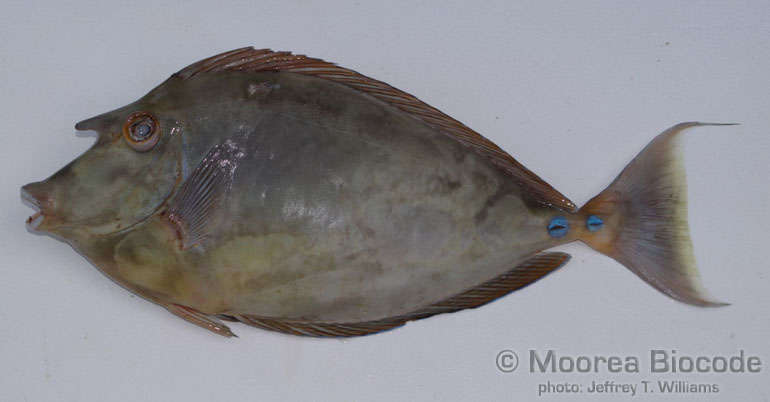
Naso unicornis (Forsskål, 1775) (Bluespine unicornfish)
Inhabit channels, moats, lagoon and seaward reefs with strong surge . Benthopelagic . Typically occurring in small groups. Juveniles in shallow protected bays and harbours . Mainly diurnal, feed on coarse leafy brown algae like Sargassum. Pair-spawning has been observed.
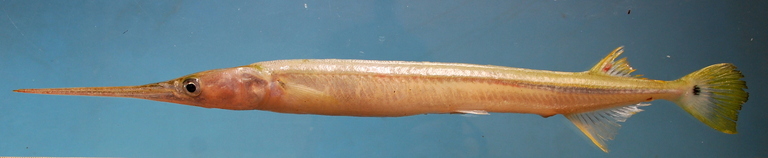
Strongylura strongylura (van Hasselt, 1823) (Spottail needlefish)
Found in coastal areas and mangrove-lined lagoons, also enters freshwater. Carnivorous. Feeds mainly on small fishes, especially clupeoids. Occurs at temperatures ranging from 26 to 29°C . Oviparous . Eggs may be fou...
Read More
Read More
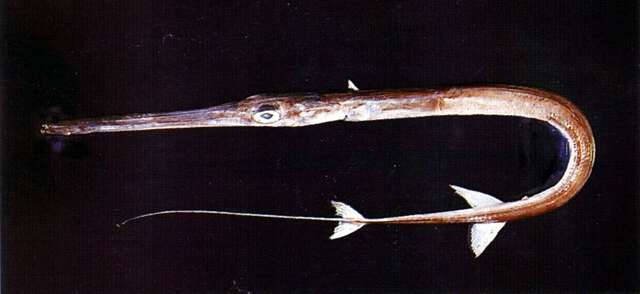
Fistularia petimba Lacepède, 1803 (Pacific cornetfish)
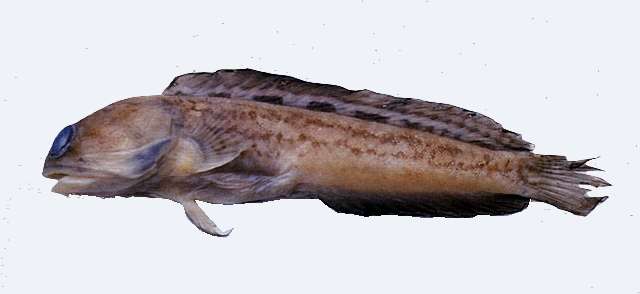
Opistognathus castelnaui Bleeker, 1860 (Blue-spotted jawfish)
Inhabits open sand and rubble substrates in about 20-25 meters . May be found in depths greater than 100 m . Mouthbrooders .
Salarias fasciatus (Bloch, 1786) (Jewelled blenny)
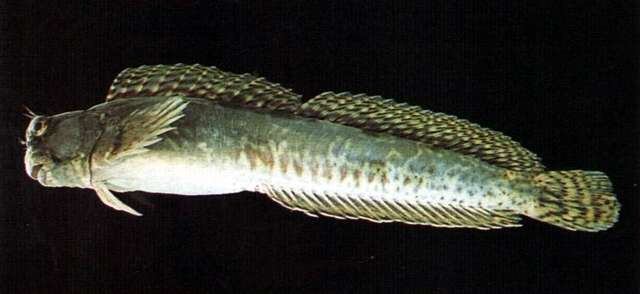
Istiblennius dussumieri (Valenciennes, 1836) (Streaky rockskipper)
Euryhaline. Often found in mangrove areas . Inhabit sheltered rocky shorelines and mangroves . Oviparous . Eggs are demersal and adhesive .
Atrosalarias fuscus (Rüppell, 1838) (dusky blenny)
Lutjanus fulviflamma (Forsskål, 1775) (Dory snapper)
Inhabit coral reefs . Often in large aggregations with Lutjanus kasmira and Lutjanus lutjanus . Juveniles are sometimes found in mangrove estuaries or in the lower reaches of freshwater streams. Adults usually school on...
Read More
Read More
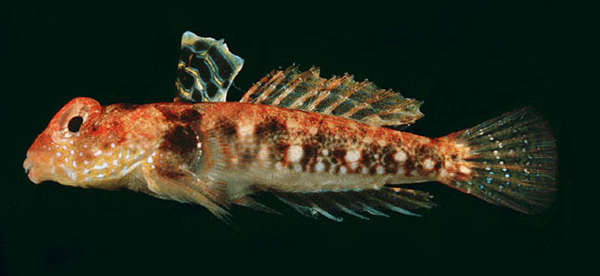
Callionymus enneactis Bleeker, 1879 (Mangrove dragonet)
Occurs in sand and mud bottoms from brackish mangrove areas to a depth of 15 m in coral reef lagoons .
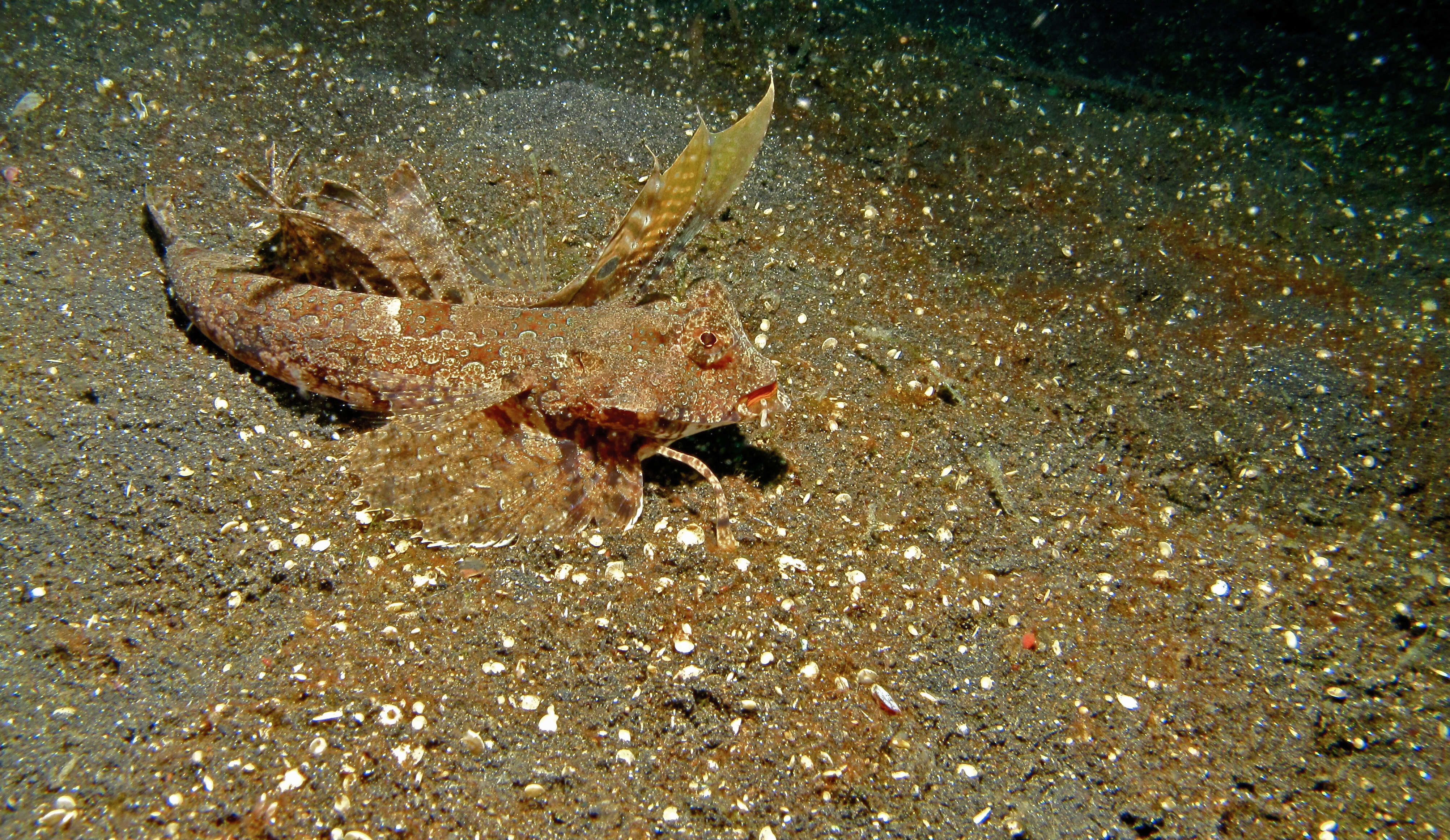
Dactylopus dactylopus (Valenciennes, 1837) (fingered dragonet)
Lives on sand-weed bottoms . Inhabits protected sand and mud flats and slopes at depths of 1 to 55 m ; also include estuaries and deep water .
Share on Social Networks
- Facebook:

personalize your shared text as well as its destination (wall, page...) or send as a private message to a friend
- Twitter: Tweet personalize your tweet
- Google Plus:
Direct link to this dive
- Long link:
- Short link:


 We are participating today in the startup contest Techcrunch Disrupt. Support Diveboard by voting for us!
























































































1st dive, 2 dive day aboard Datu Budas, back to sardines
first dive in Coral Gardens, CGBR front
dop to current loop on ledge back to boat
multilevel
clear viz, still debris on top. Sunny, hot, calm
multilevel
highlight big Hawksbill turtle