


 Beachnutts


 Philippines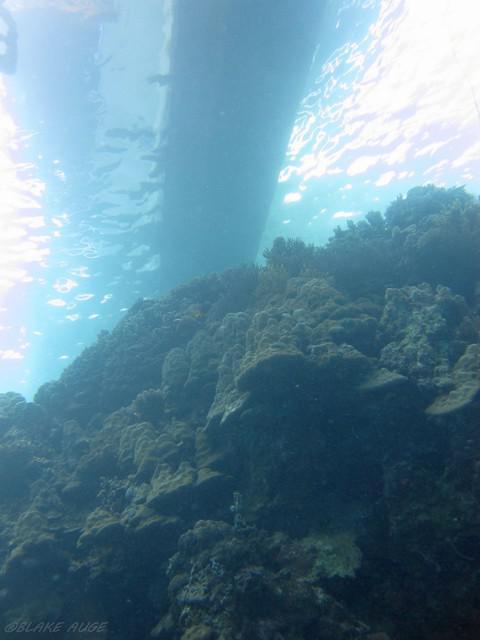
-
Nº1003
 Date: 2022-05-01 - 10:21
-
 Max Depth: 25.6m Duration: 91mins
Dive Location

- Temp: Surf 28°C Bottom 28°C
- Dive type : Recreational, Reef, Photo
- Visibility: Good Water: Salt
Specific gear used
- BCD: Oceanic - OceanPro
- Camera: Canon - Powershot SD780
- Computer: Aqualung - i200
- Computer: Oceanic - OCS
- Fins: Scubapro - Jet Fins
- Knife: Scuba MAx - folding
- Mask: Cressi - Liberty
- Regulator: SEAC - Synchro
- Wet suit: Blue Ocean - Diveskin
- Weights: 4.1 kg
Dive reviews
| Overall review | ||
| Dive difficulty | ||
| Marine life quality |
Recent Divers in Talicud island, Davao

Recent Pictures in Talicud island, Davao
Dive Shop & Buddies
 Dive with Blake Auge from Scubaqua Dive Center

Link to this spot:
- Spot:
- Country:
- Area:
- Body of water:
Dive Profile
- 1. Air
- 10L Aluminium 207 → 21 bar
- Average depth: 17.1m
Data provided by EOL.org


Species Identified
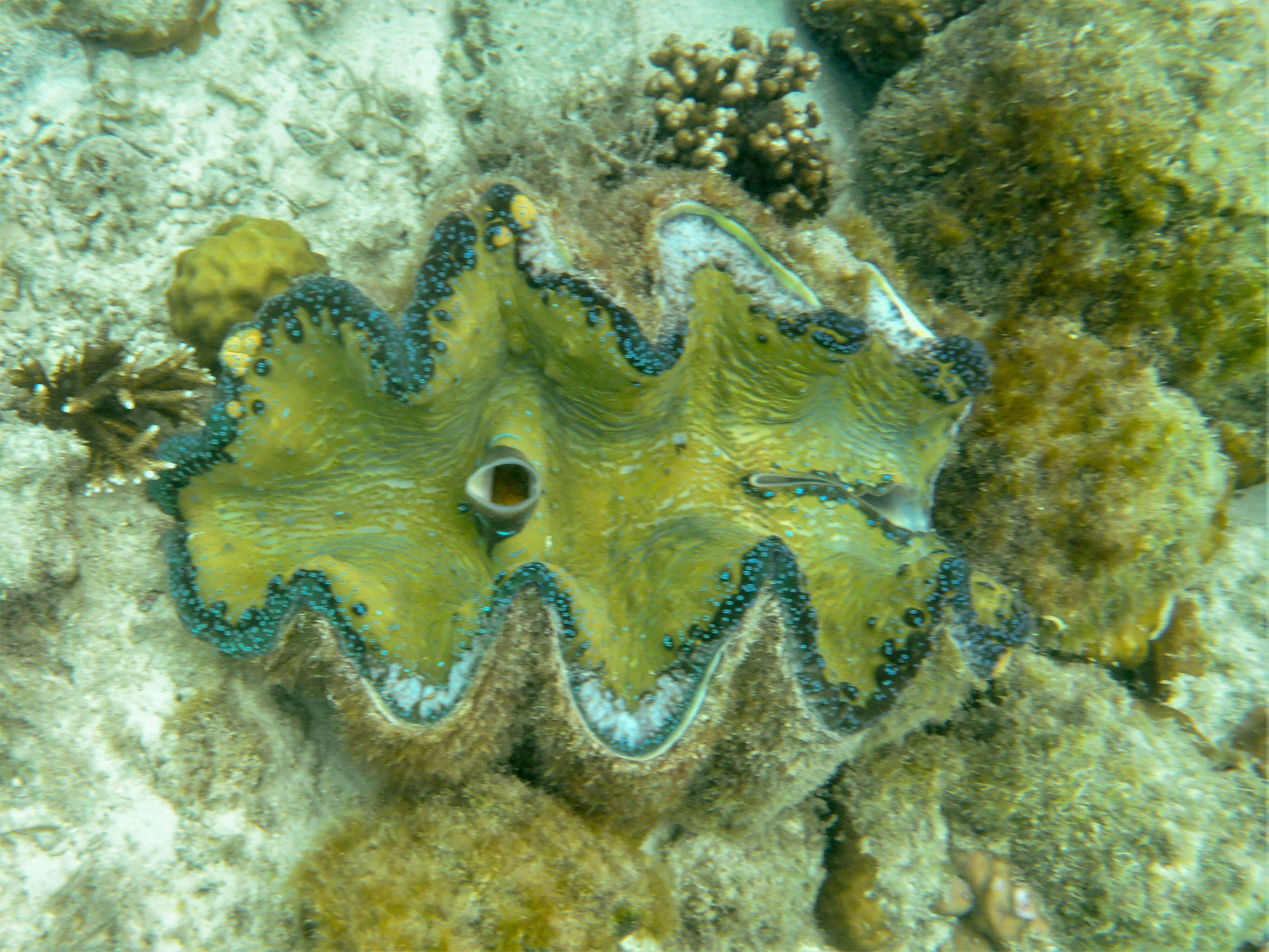
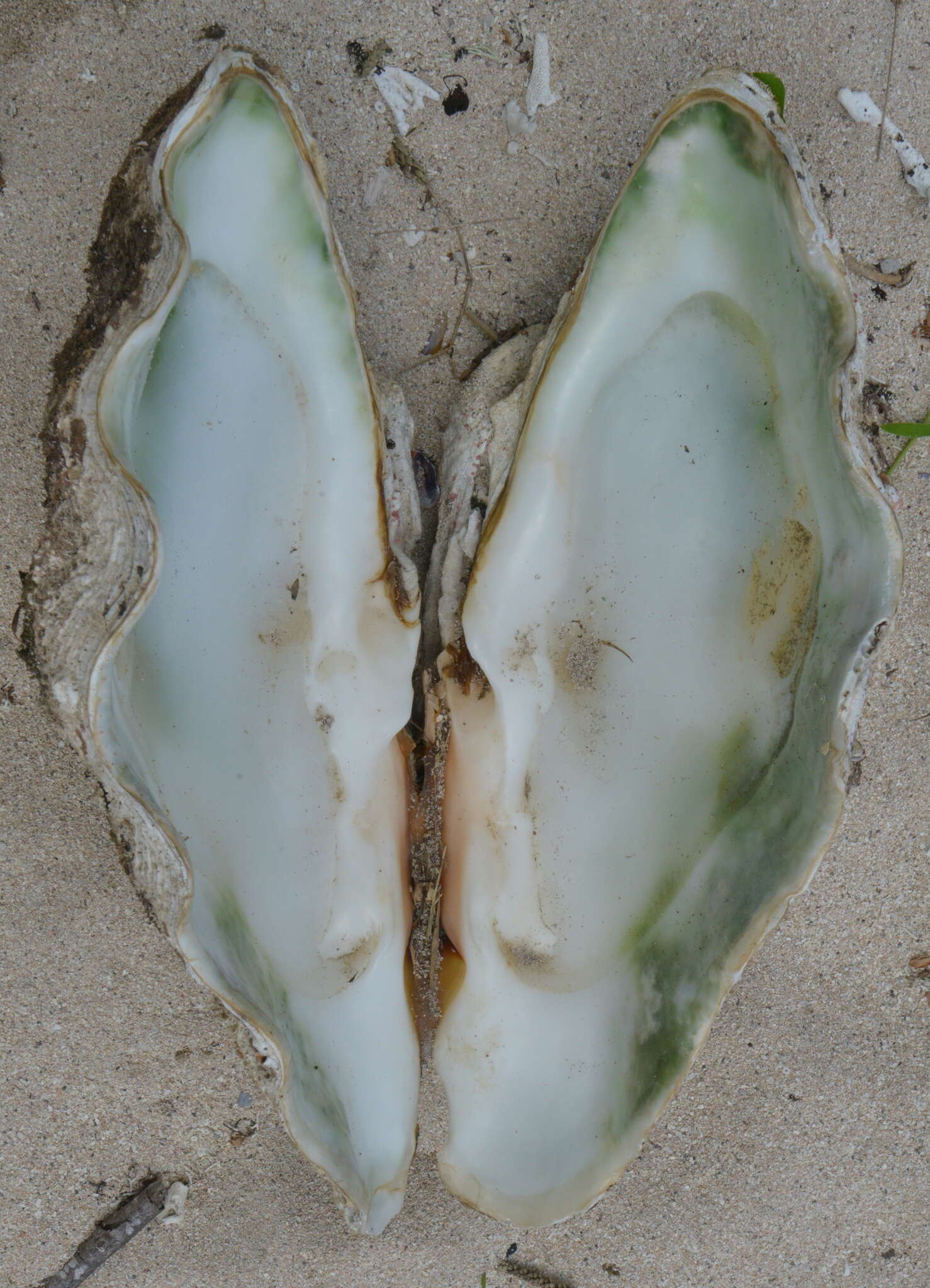
Tridacna gigas (Linnaeus, 1758) (Giant clam)
Adult giant clams are completely sessile, unable to move from their position on the coral reef. They reproduce by expelling sperm and eggs into the sea , where fertilization occurs. The fertilised eggs quickly enter a swi...
Read More
Read More
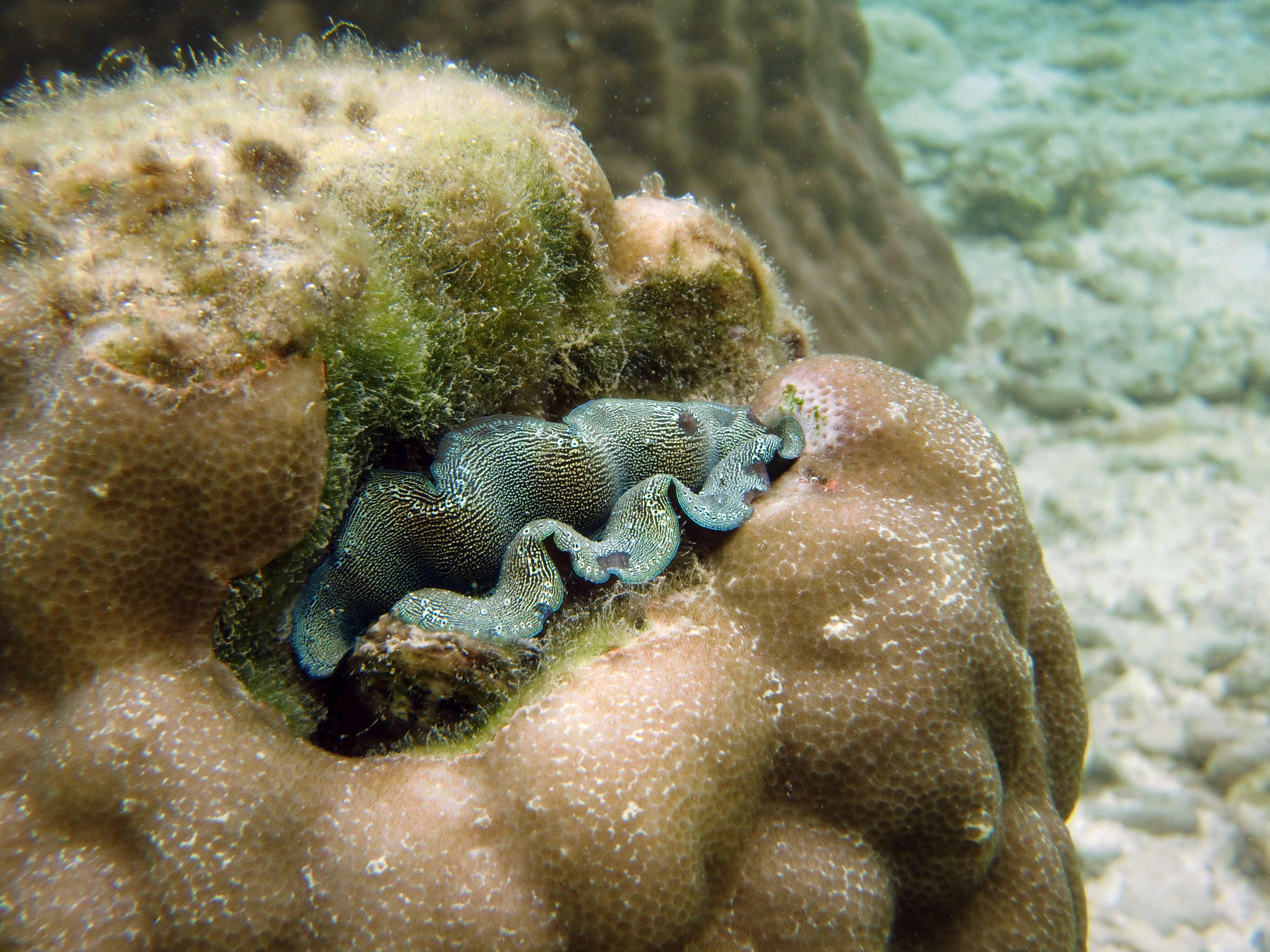
Tridacna derasa (Röding, 1798) (Southern giant clam)
Tridacna clams have muscles for opening and closing their shell and a foot for attaching themselves to rocks. They breathe through gills and feed through a mouth . Most clams fulfill their nutritional requirements b...
Read More
Read More
Tridacna crocea Lamarck, 1819 (Boring clam)
Tridacna squamosa Lamarck, 1819 (Fluted giant clam)
Tridacna clams have muscles for opening and closing their shell and a foot for attaching themselves to rocks. They breathe through gills and feed through a mouth . Most clams fulfill their nutritional requirements b...
Read More
Read More
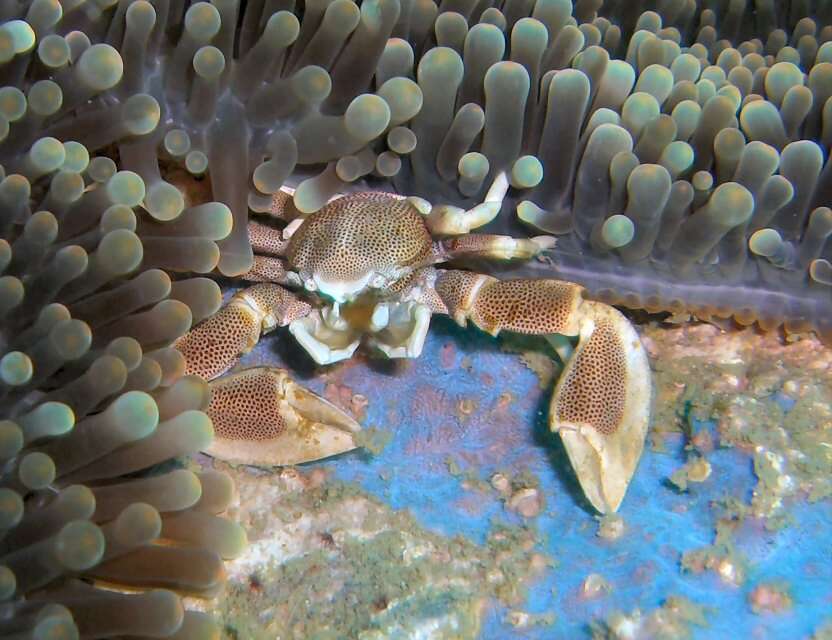
Neopetrolisthes maculatus (H. Milne Edwards, 1837) (porcelain anemone crab)
Amphiprion percula (Lacepède, 1802) (Orange clownfish)
Inhabits lagoon and seaward reefs . Each group of fish consists of a breeding pair and 0-4 non-breeders. Within each group there is a size-based hierarchy: the female is largest, the male is second largest, and the non-...
Read More
Read More
Share on Social Networks
- Facebook:

personalize your shared text as well as its destination (wall, page...) or send as a private message to a friend
- Twitter: Tweet personalize your tweet
- Google Plus:
Direct link to this dive
- Long link:
- Short link:


 We are participating today in the startup contest Techcrunch Disrupt. Support Diveboard by voting for us!
























































































Coral Gardens, 1st boat dive long time
multilevel
Sand/ coral slope down to depth back up to 50-60 feet, reverse past boat, exploring area, looking for macro
PC, breezy, mostly flat, good viz