


 Beachnutts


 Philippines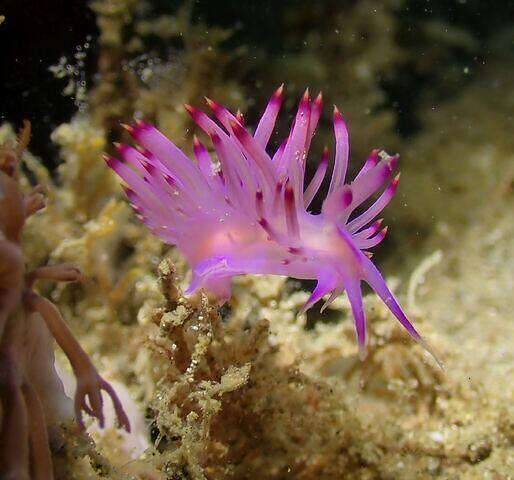
-
Nº121
 Date: 2024-02-21 - 10:06
-
 Max Depth: 21.3m Duration: 82mins
Dive Location

- Temp: Surf 25°C Bottom 25°C
- Dive type : Recreational, Reef, Photo, Muck dive
- Visibility: Good Water: Salt
Specific gear used
- BCD: Scubapro - Glide Plus
- Boots: Orca - Dive shoes
- Camera: Olympus - TG6
- Compass:
- Computer: Oceanic - OCS
- Fins: Scubapro - Jet Fins
- Lift bag: ScubaMax - SMB
- Light: Sofirn - SD05
- Mask: Promate - Scope
- Regulator: Aqualung - Calypso
- Wet suit: Blue Ocean - Diveskin
- Weights: 3.2 kg
Dive reviews
| Overall review | ||
| Dive difficulty | ||
| Marine life quality |
Dive Shop & Buddies
 Dive with Blake Auge
 Dive buddies:
Beachnutts
Dive buddies:
Beachnutts

Link to this spot:
- Spot:
- Country:
- Area:
- Body of water:
Dive Profile
- 1. Air
- 10L Aluminium 207 → 21 bar
- Average depth: 14.2m
Data provided by EOL.org
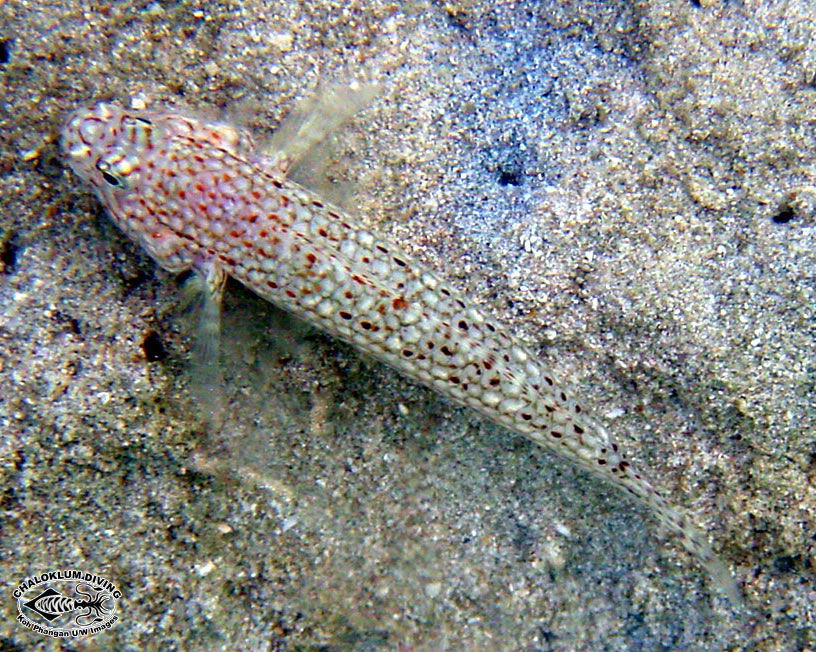

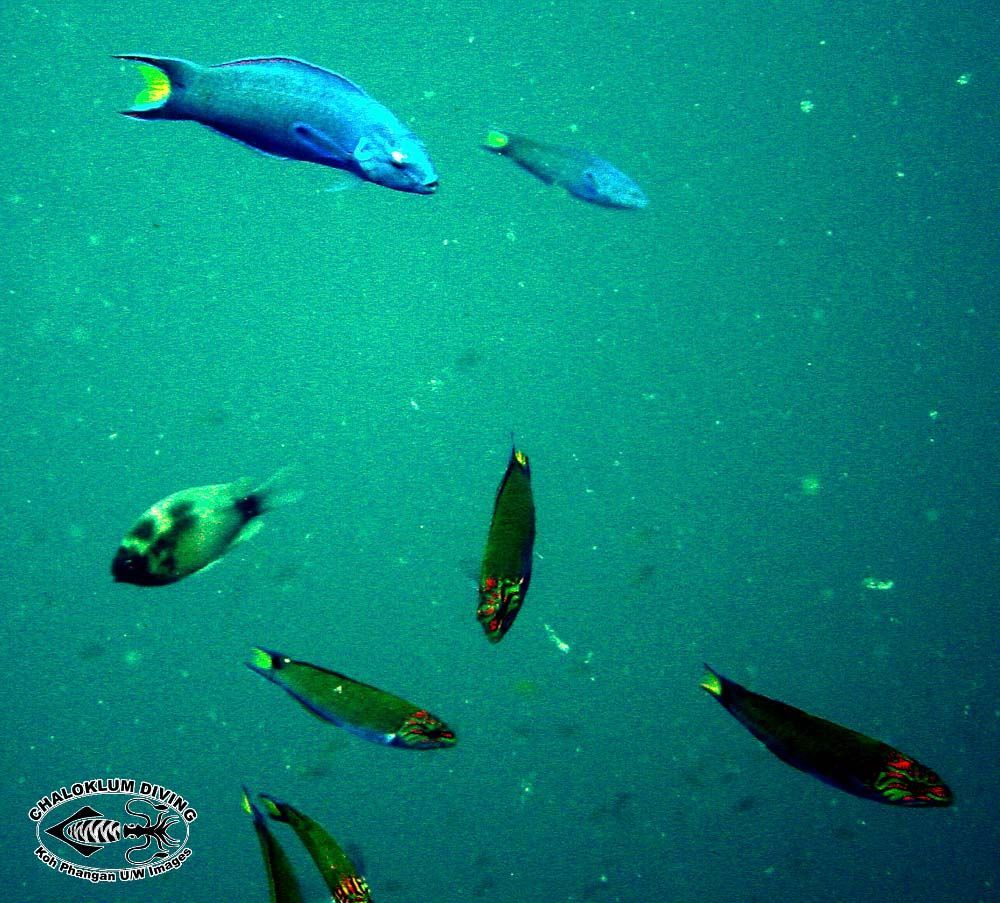

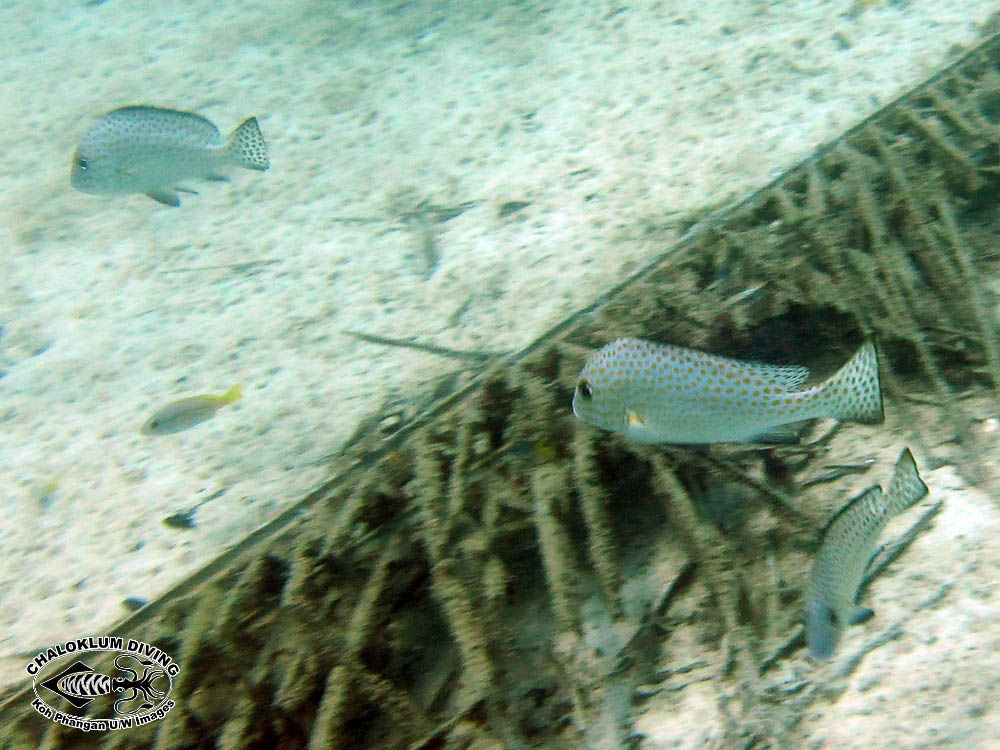
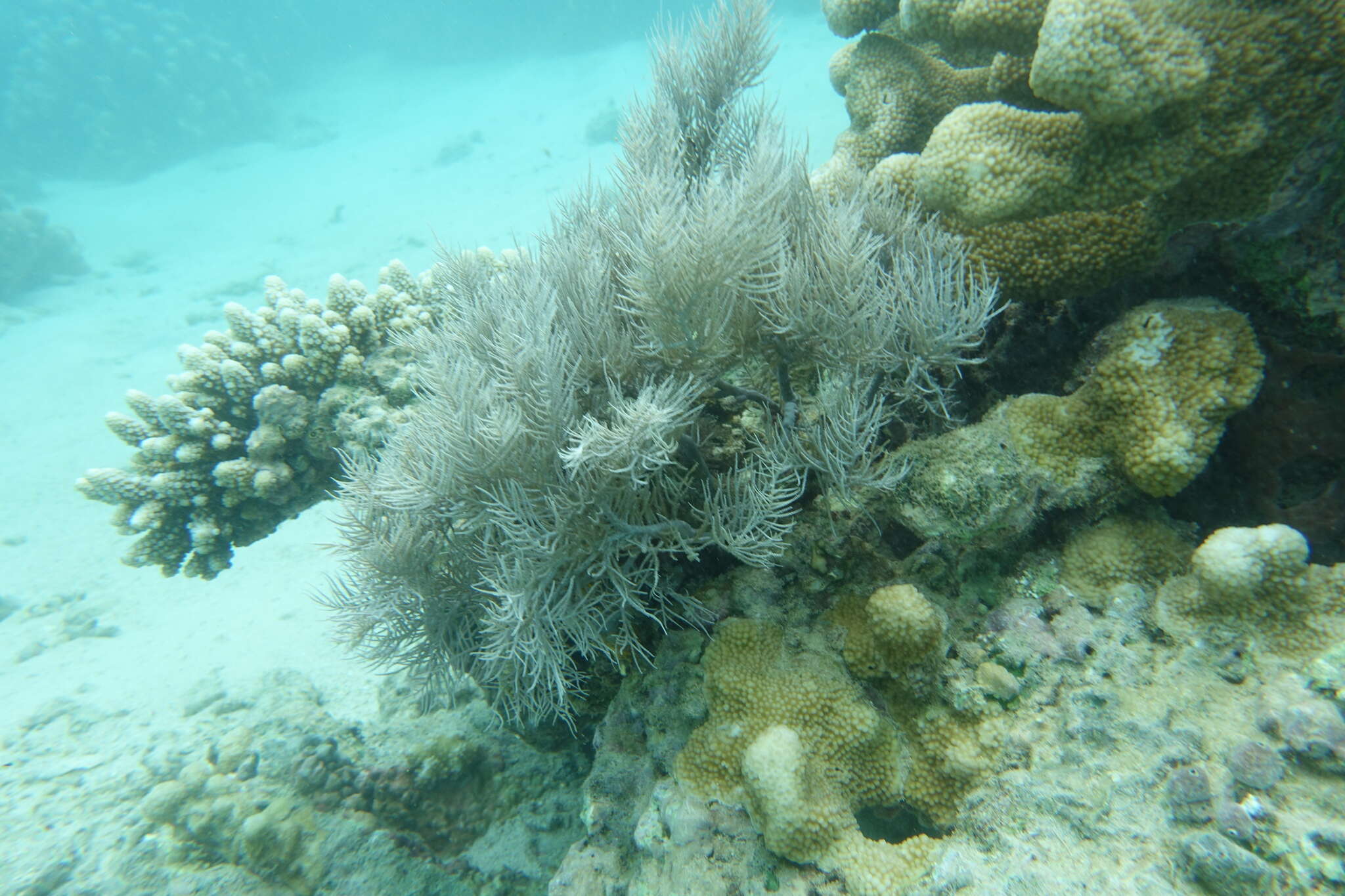
Species Identified
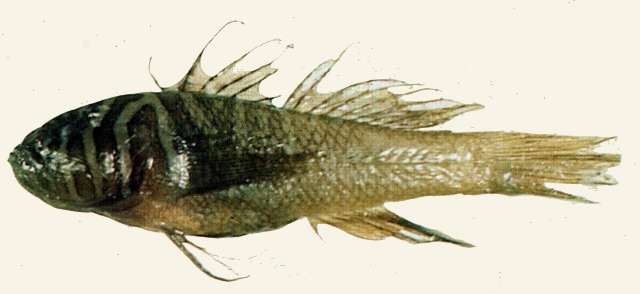
Priolepis semidoliata (Valenciennes, 1837) (Girdled goby)
Benthic in caves and crevices of seaward reefs .
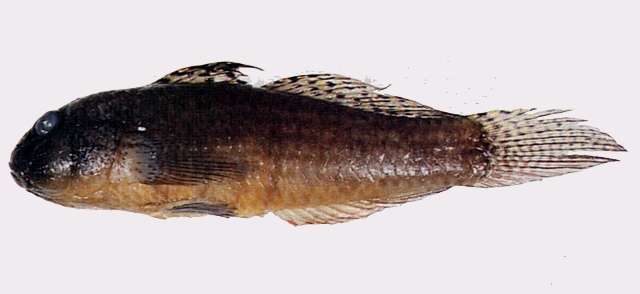
Exyrias puntang (Bleeker, 1851) (Puntang goby)
Inhabits muddy bottoms of shallow, turbid marine to brackish coastal inlets and estuaries. Also lives in shallow coastal waters, large tidal pools, mangroves, siltty lagoons and brackish lakes .
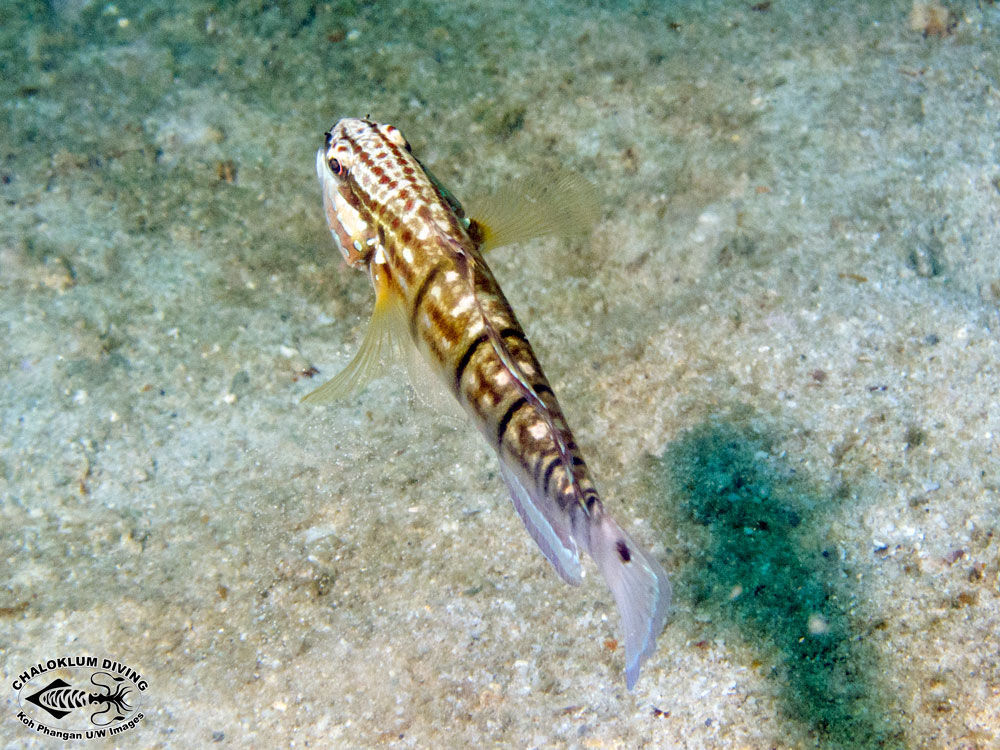
Amblygobius phalaena (Valenciennes, 1837) (Banded goby)
Adults inhabit coastal reefs and lagoons on sand and rubble margins of algal reefs and sometimes near seagrass beds . Feed by sifting mouthfuls of sand and expelling it through the gills, to capture small invertebrates, o...
Read More
Read More
Istigobius ornatus (Rüppell, 1830) (ornate goby)
A common species that inhabits mangroves and silty, rocky areas; occasionally found in rubble reef areas. Only single individuals were observed; many individuals found scattered over a small area . Found primarily in low...
Read More
Read More
Metapenaeopsis philippii (Bate, 1881) (Philip velvet shrimp)
Gennadas clavicarpus De Man, 1907
Thalassoma lunare (Linnaeus, 1758) (Blue wrasse)
Occurs in the upper portions of lagoon and coastal reefs, and in protected seaward reefs . Enters estuaries . Usually found on upper portions of ledges and heads . Feeds mainly on small benthic invertebrates and fish eggs . A protogynous hermaphrodite .
Halichoeres marginatus Rüppell, 1835 (Dusky wrasse)
Inhabit lagoon and seaward reefs, along the upper edges of coral-rich areas . Benthopelagic . Juveniles are encountered in exposed outer reef flats . Feed on a wide variety of small invertebrates as well as fish eggs.
Diagramma pictum (Thunberg, 1792) (Painted sweetlips)
Plumigorgia hydroides Nutting, 1910
Anthogorgia glomerata Thomson & Simpson, 1909
Placogorgia dendritica Nutting, 1910
Chromonephthea franseni van Ofwegen, 2005
Sinularia nanolobata Verseveldt, 1977
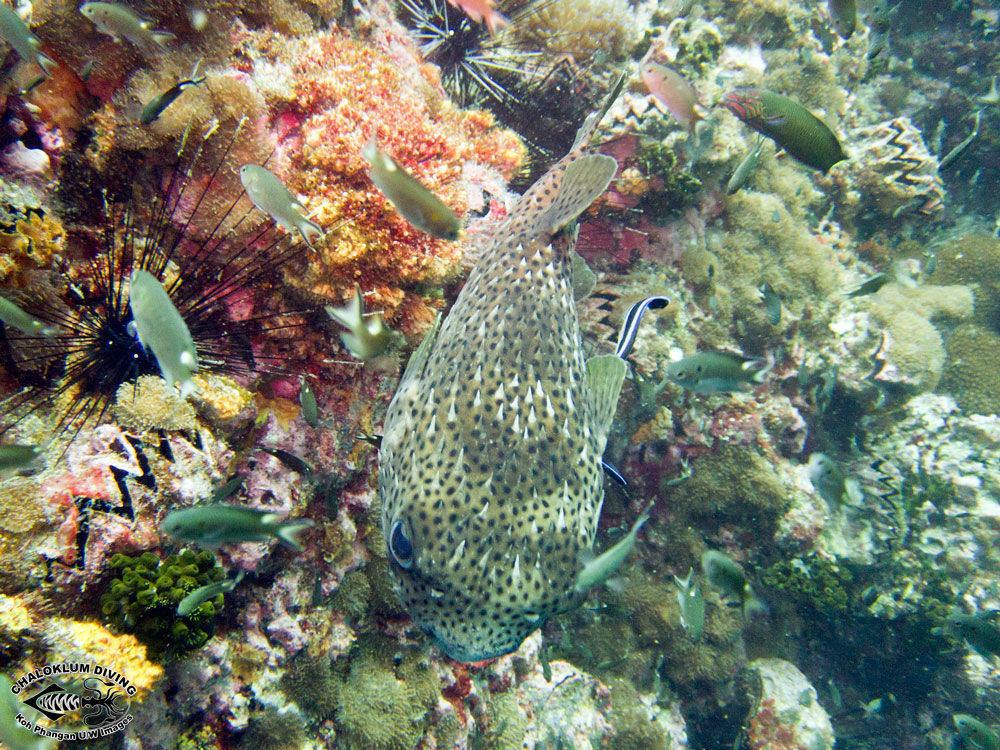
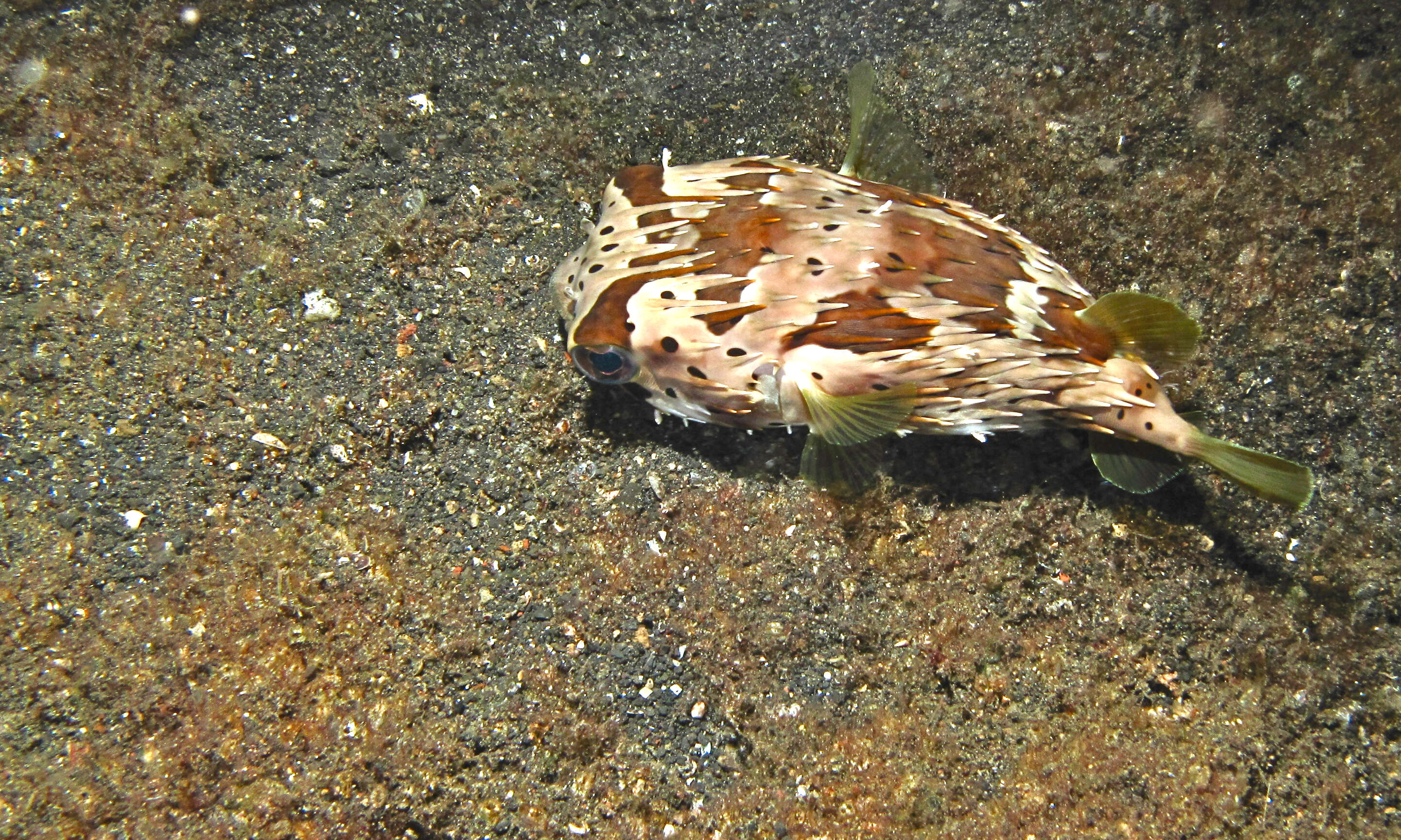
Diodon liturosus Shaw, 1804 (Black-blotched porcupinefish)
Inhabits reef edges and slopes . Hides in caves and ledges during the day and forages at night . Also found below plate-corals during the day and often deep, ranging to at least 40 meters depth. Juveniles occur in lagoo...
Read More
Read More
Diodon hystrix Linnaeus, 1758 (Spot-fin porcupinefish)
Diodon holocanthus Linnaeus, 1758 (Long-spine porcupinefish)
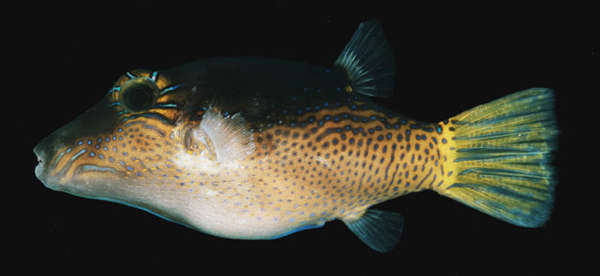
Canthigaster ocellicincta Allen & Randall, 1977 (Shy toby)
Inhabits invertebrate-rich inshore reef to outer reef walls where usually in caves in depths of about 25 meters or more. Found singly or in pairs and on one occasion a small groups was observed among plate-corals on soft ...
Read More
Read More
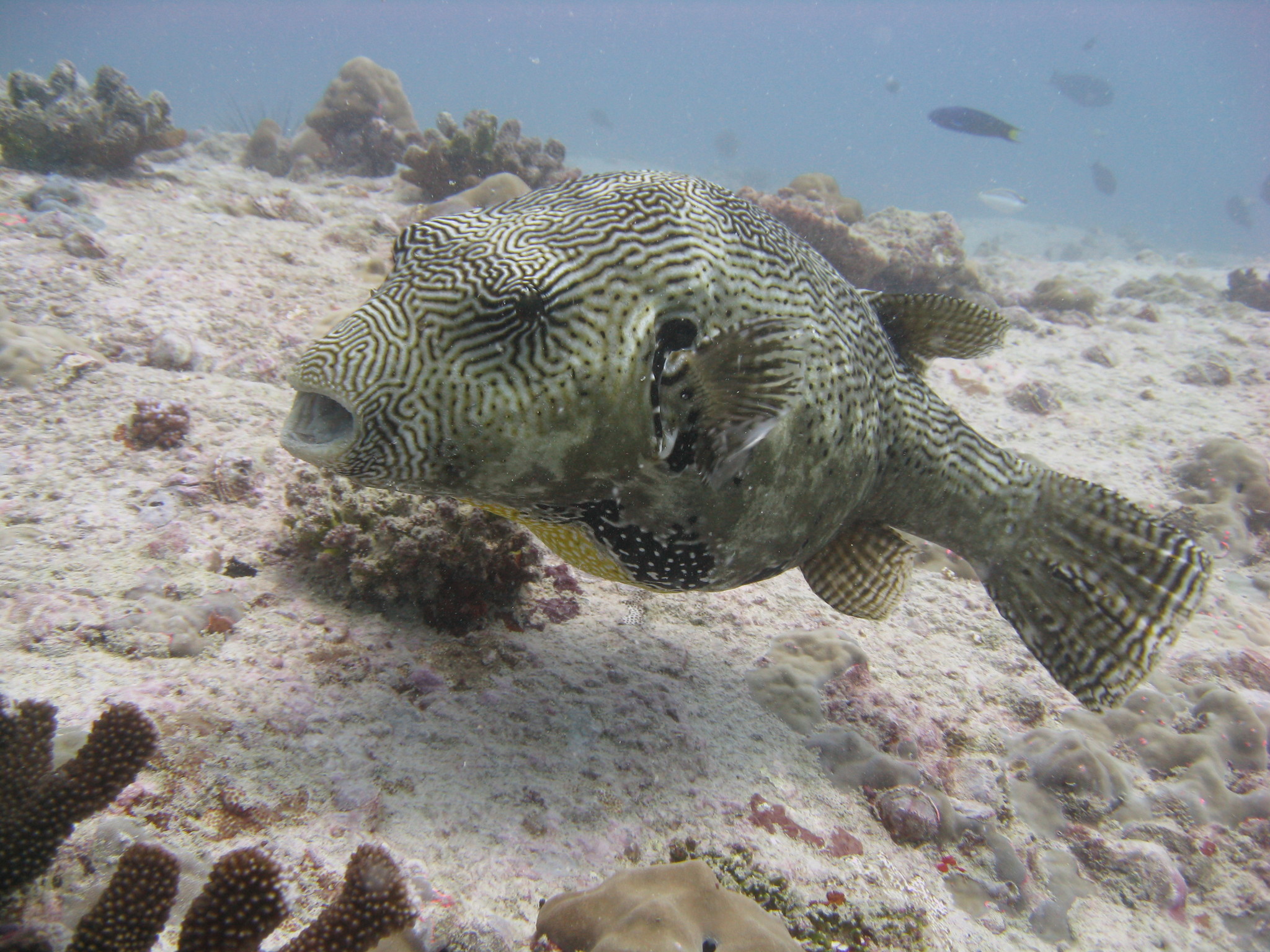
Arothron mappa (Lesson, 1831) (Map puffer)
Occur in clear lagoon and sheltered seaward reefs . Adults usually along deep drop-offs . Usually close to shelter. Occur singly . Feed on algae, sponges, and benthic invertebrates.
Canthigaster epilampra (Jenkins, 1903) (Lantern toby)
Inhabits outer reef slopes, generally at depths greater than 24 m, but also seen below 6 m . Benthopelagic . Solitary or paired. Feeds on mollusks, echinoderms, brachiopods, and filamentous algae .
Share on Social Networks
- Facebook:

personalize your shared text as well as its destination (wall, page...) or send as a private message to a friend
- Twitter: Tweet personalize your tweet
- Google Plus:
Direct link to this dive
- Long link:
- Short link:


 We are participating today in the startup contest Techcrunch Disrupt. Support Diveboard by voting for us!
























































































Single dive day @DBC low tide 10:09am
sunny, hot, calm conditions, surface calm
Strat North swim on edges, large circle dive to exits, easy dive, nice nudis photos
multilevel