


 Beachnutts



 Philippines
-
Nº147
 Date: 2024-08-24 - 01:06
-
 Max Depth: 19.8m Duration: 87mins
Dive Location

- Surface interval:81 mins
- Temp: Surf 28°C Bottom 28°C
- Dive type : Recreational, Reef, Photo
- Visibility: Average Water: Salt
Specific gear used
- BCD: Scubapro - Glide Plus
- Boots: Cressi Sub - Dive Shoes
- Camera: Olympus - TG6
- Computer: Oceanic - OCS
- Fins: Scubapro - Jet Fins
- Knife: Scuba MAx - folding
- Lift bag: ScubaMax - SMB
- Light: Sofirn - SD05
- Mask: Promate - Scope
- Regulator: Aqualung - Legend
- Wet suit: Blue Ocean - Diveskin
- Weights: 3.2 kg
Dive reviews
| Overall review | ||
| Dive difficulty | ||
| Marine life quality |
Dive Shop & Buddies
 Dive with Blake Auge
 Dive buddies:
Ipe Alino,
Maeng,
Beachnutts

Link to this spot:
- Spot:
- Country:
- Area:
- Body of water:
Dive Profile
- 1. Air
- 10L Aluminium 207 → 38 bar
- Average depth: 13.2m
Data provided by EOL.org







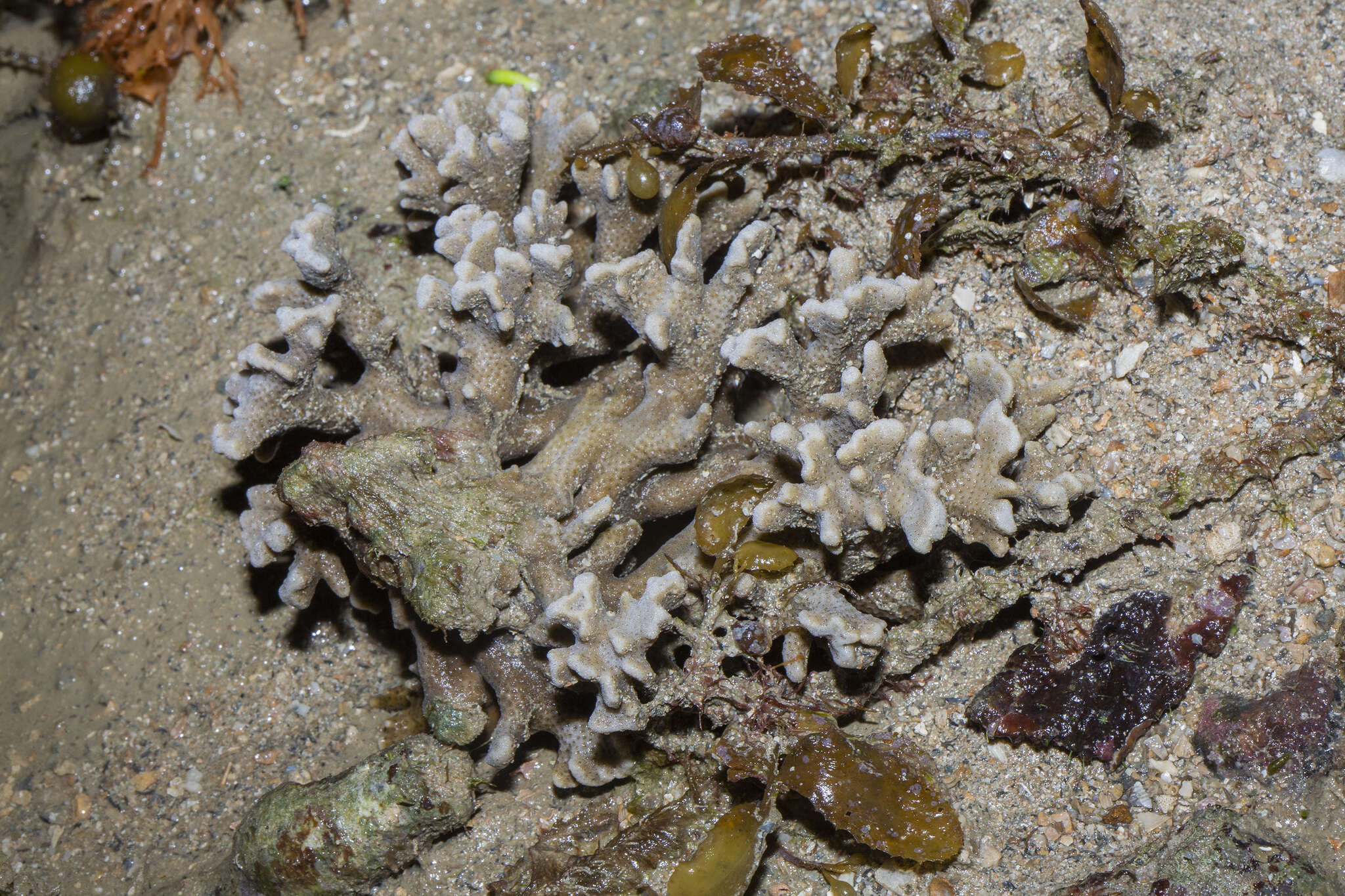
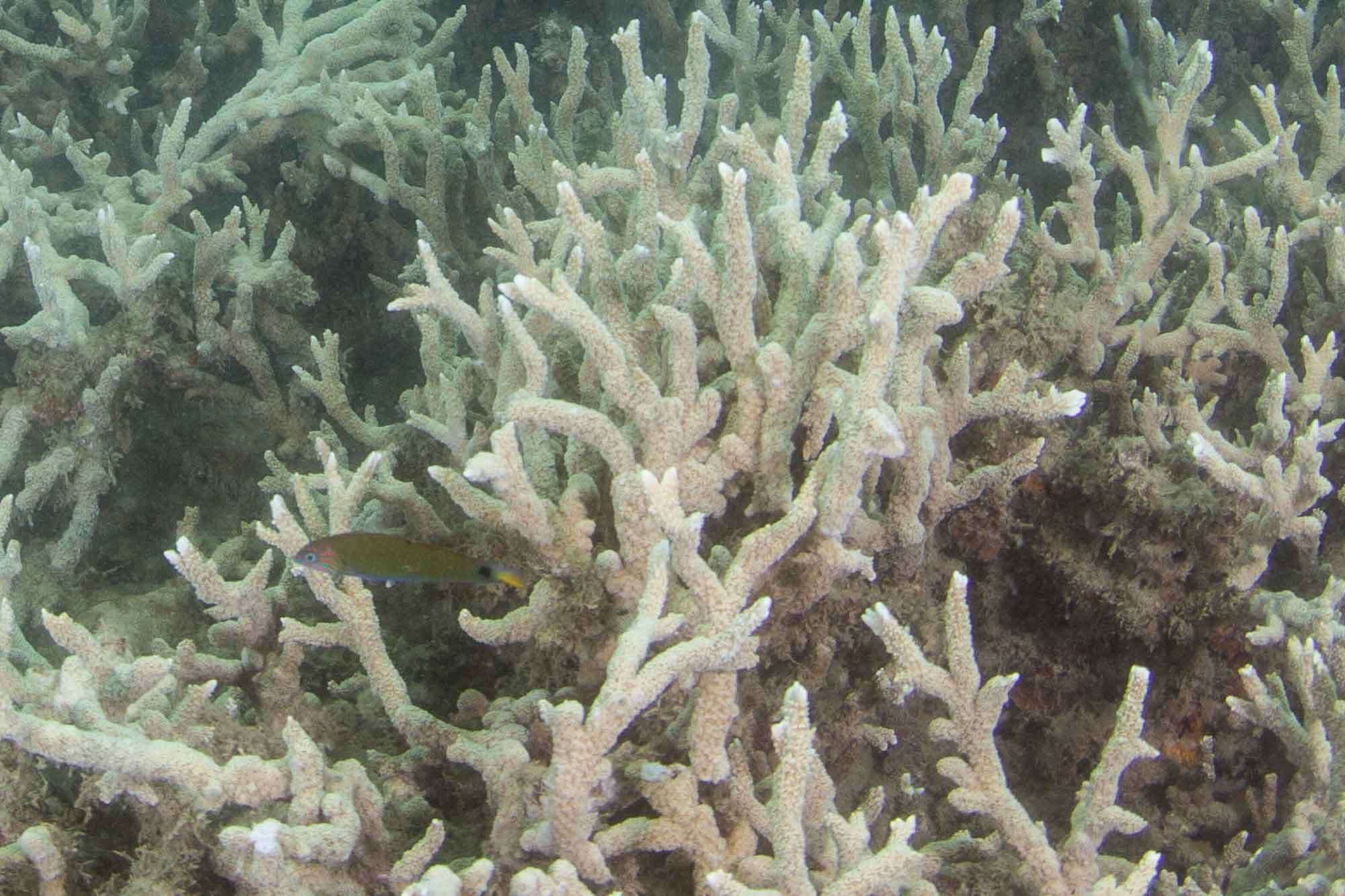


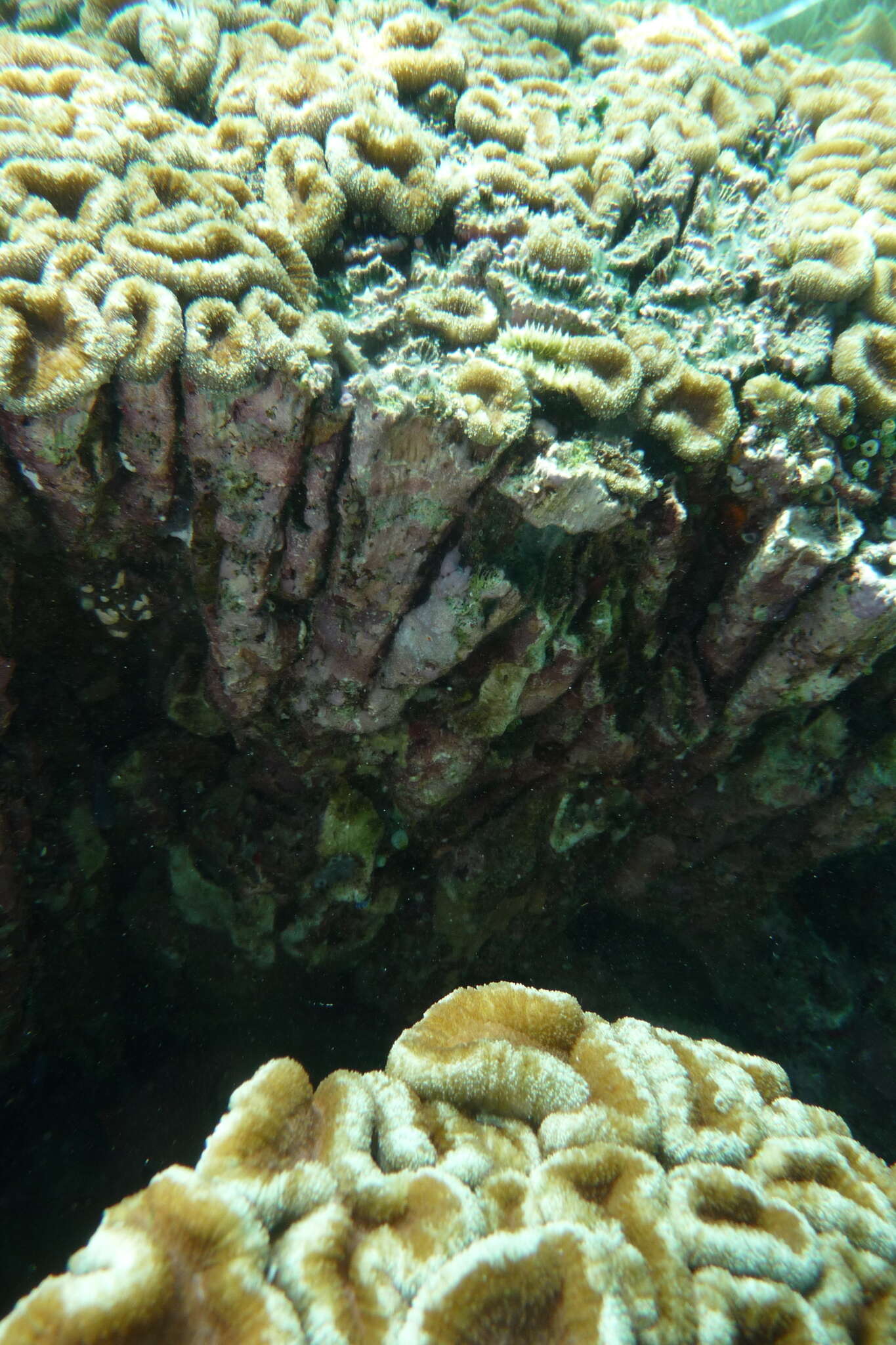

Species Identified
Exyrias puntang (Bleeker, 1851) (Puntang goby)
Inhabits muddy bottoms of shallow, turbid marine to brackish coastal inlets and estuaries. Also lives in shallow coastal waters, large tidal pools, mangroves, siltty lagoons and brackish lakes .
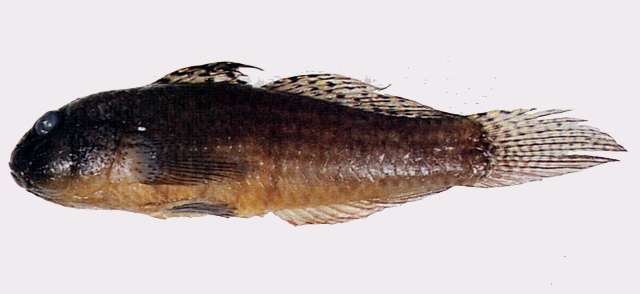
Bathygobius fuscus (Rüppell, 1830) (Dusky frillgoby)
Inhabits shallow rocky areas, often in pools of the intertidal zone . Occurs mostly in coastal areas. Also found in estuaries, tidal zones and often ascending into freshwater streams. Sometimes seen as fresh catches at markets .
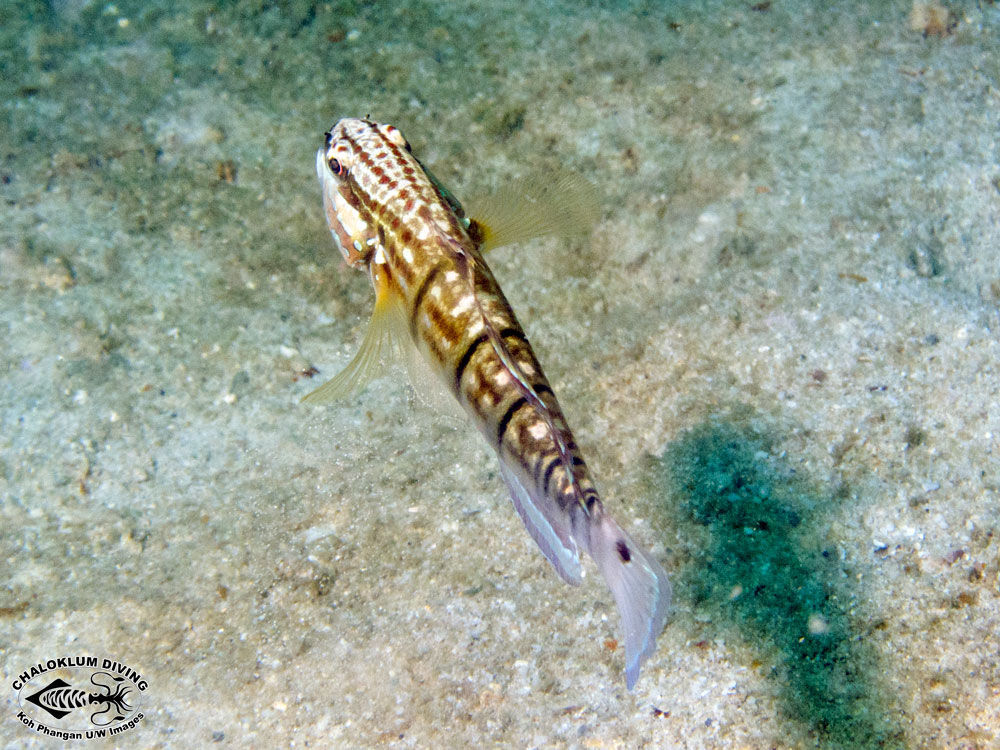
Amblygobius phalaena (Valenciennes, 1837) (Banded goby)
Adults inhabit coastal reefs and lagoons on sand and rubble margins of algal reefs and sometimes near seagrass beds . Feed by sifting mouthfuls of sand and expelling it through the gills, to capture small invertebrates, o...
Read More
Read More
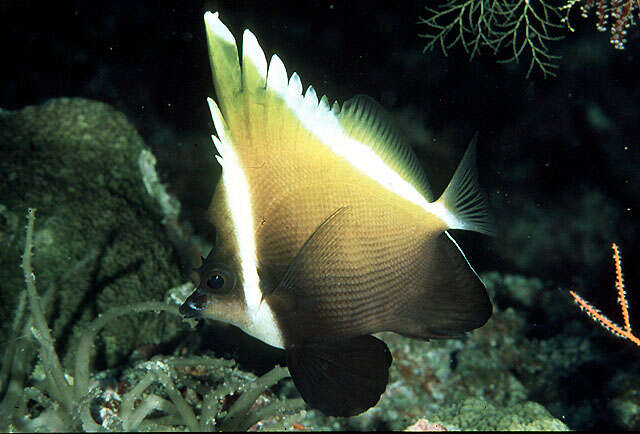
Heniochus varius (Cuvier, 1829) (Horned bannerfish)
Occur in deep lagoons and steep outer reef slopes, with mixed algae and coral growth . Solitary or in small groups. Feed on corals and other invertebrates . Oviparous . Form pairs during breeding . Maximum depth reported taken from Ref. 48636.
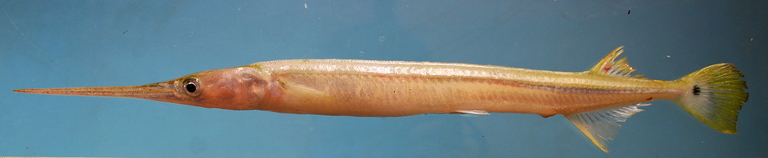
Strongylura strongylura (van Hasselt, 1823) (Spottail needlefish)
Found in coastal areas and mangrove-lined lagoons, also enters freshwater. Carnivorous. Feeds mainly on small fishes, especially clupeoids. Occurs at temperatures ranging from 26 to 29°C . Oviparous . Eggs may be fou...
Read More
Read More
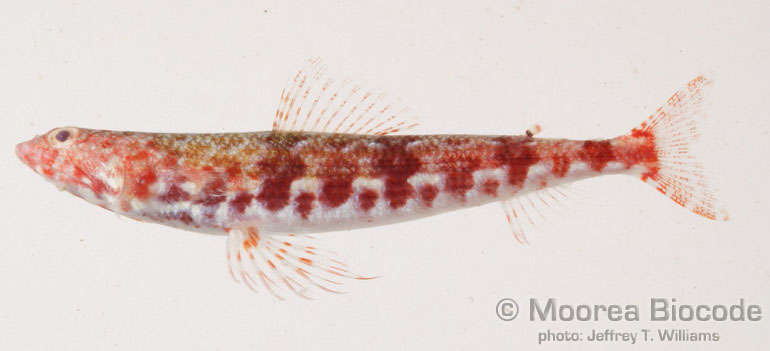
Synodus variegatus (Lacepède, 1803) (Variegated lizardfish)
Inhabits deep lagoon and seaward reefs to depths over 40 m ; sometimes found on sandy bottoms concealing itself in the sand. Prefers to rest on hard surfaces and frequently occurs in pairs . Benthic . Feeds on small fis...
Read More
Read More
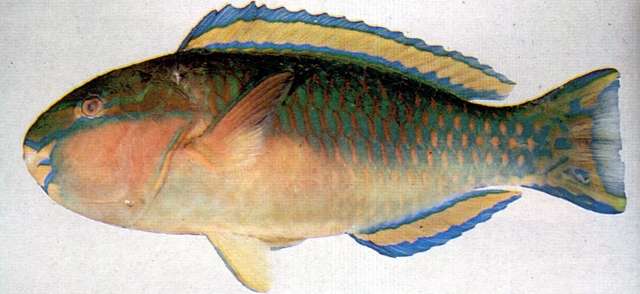
Chlorurus japanensis (Bloch, 1789) (Palecheek parrotfish)
Inhabits seaward coral and rocky reefs ; inner reefs with rich coral habitat . Feeds on benthic algae . Caught mainly with traps, nets and other types of artisanal gear.
Calotomus spinidens (Quoy and Gaimard, 1824) (Spinytooth parrotfish)
Found in coastal bays and deep lagoons . Inhabits seagrass beds or dense beds of algae. Well-camouflaged and easily overlooked . Feeds on these or the associated epiphytes. Caught nets and other types of artisanal gear.
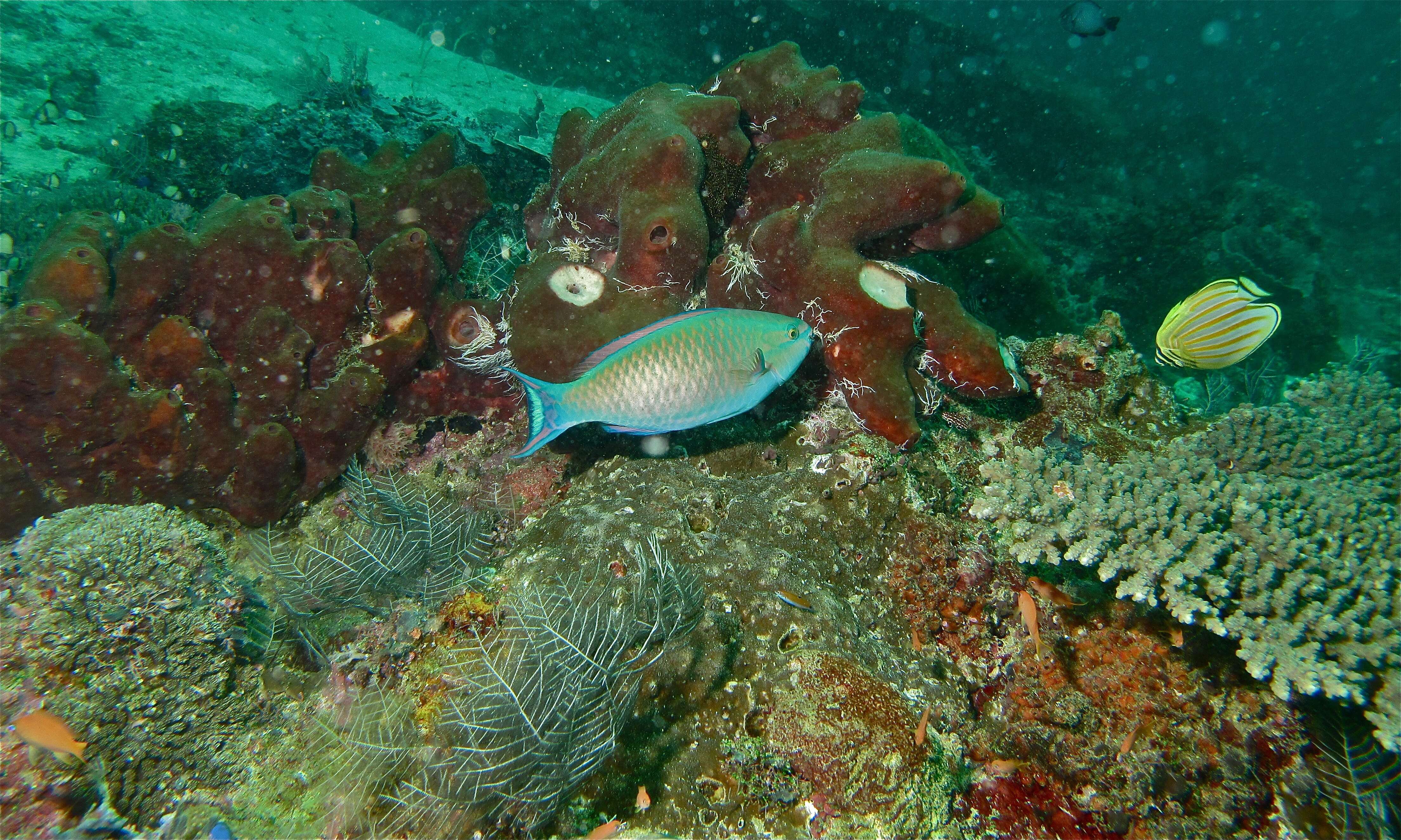
Chlorurus sordidus (Forsskål, 1775) (Daisy parrotfish)
Scarus tricolor Bleeker, 1847 (Tricolour parrotfish)
Inhabits lagoon and seaward reefs, in areas with dense coral growth up to at least 30 m. Usually solitary, sometimes in groups . Feeds on benthic algae .
Lutjanus quinquelineatus (Bloch, 1790) (blue-banded sea perch)
Inhabits sheltered lagoons and exposed, outer slope coral reefs. Frequently encountered in large aggregations including 100 or more individuals. Juveniles solitary and shallow in protected bays with algae and rubble subs...
Read More
Read More
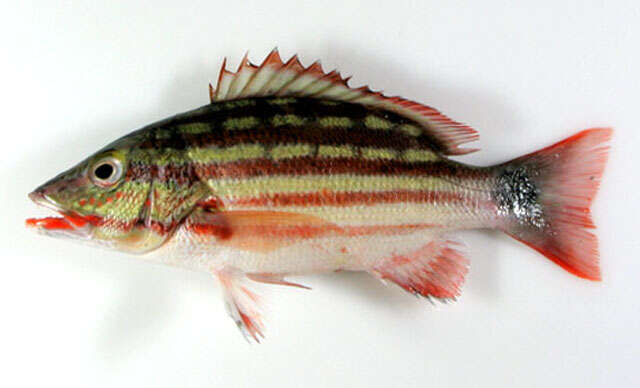
Lutjanus decussatus (Cuvier, 1828) (lattice snapper)
Inhabits both inshore and offshore coral reefs where it occurs singly or in schools. Small juveniles on shallow protected reef flats and are used in the aquarium trade.
Lutjanus johnii (Bloch, 1792) (John's snapper)
Adults probably frequent coral reef areas; juveniles found in mangrove estuaries . Feeds on fishes and benthic invertebrates including shrimps, crabs and cephalopods. In Hong Kong live fish markets .
Lutjanus fulviflamma (Forsskål, 1775) (Dory snapper)
Inhabit coral reefs . Often in large aggregations with Lutjanus kasmira and Lutjanus lutjanus . Juveniles are sometimes found in mangrove estuaries or in the lower reaches of freshwater streams. Adults usually school on...
Read More
Read More
Pseudogramma polyacanthum (Bleeker, 1856) (Honeycomb podge)
Plectranthias longimanus (Weber, 1913) (Longfin perchlet)
A cryptic , shallow-water species collected with the use of ichthyocides . Secretive amongst small boulders or bommies on coastal sand slopes with rich invertebrate and algae growth .
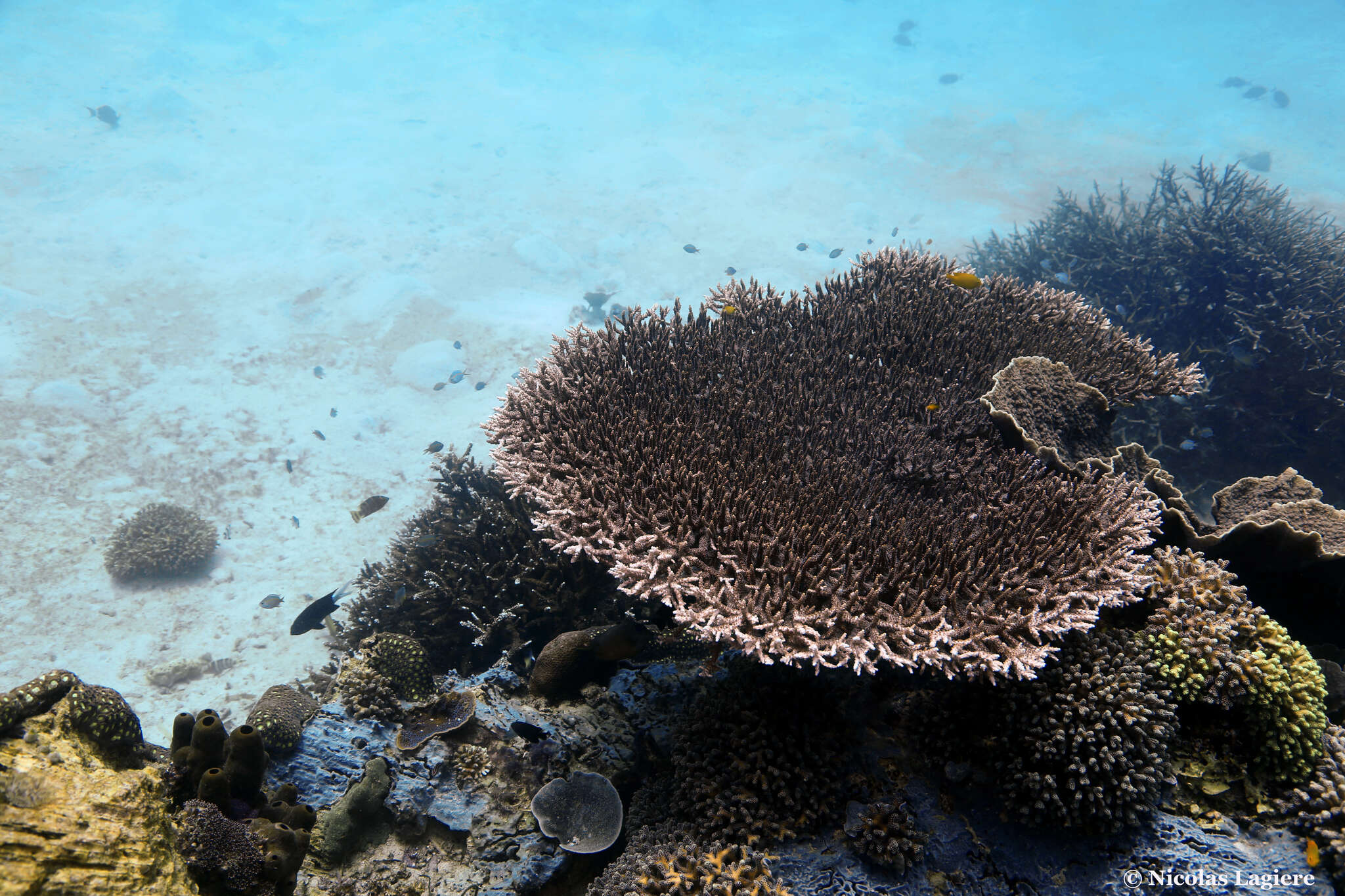
Acropora indonesia Wallace, 1997
zooxanthellate
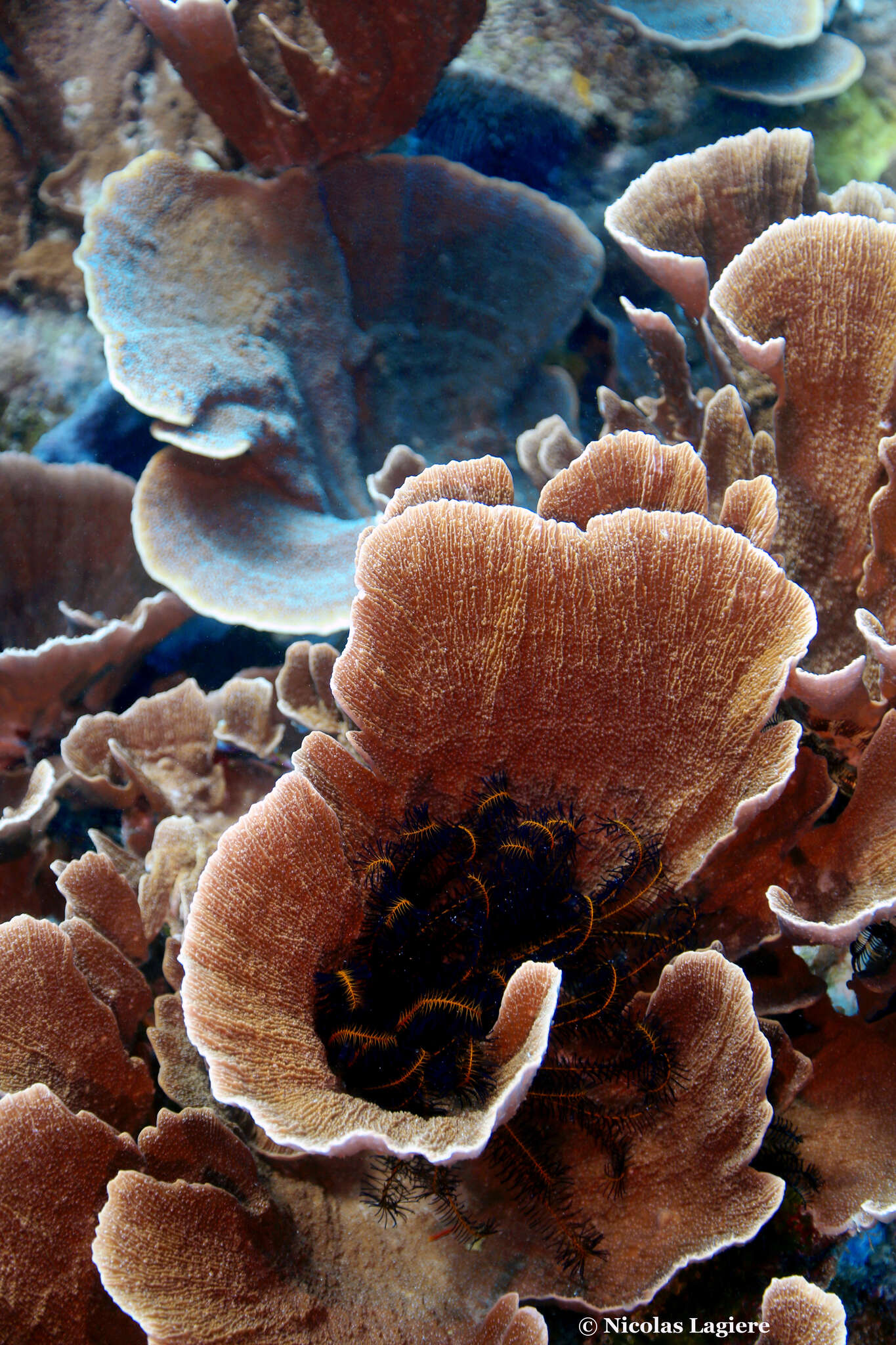
Montipora foliosa (Pallas, 1766) (Pore coral)
zooxanthellate
Stylophora pistillata (Esper, 1797) (Hood coral)
zooxanthellate
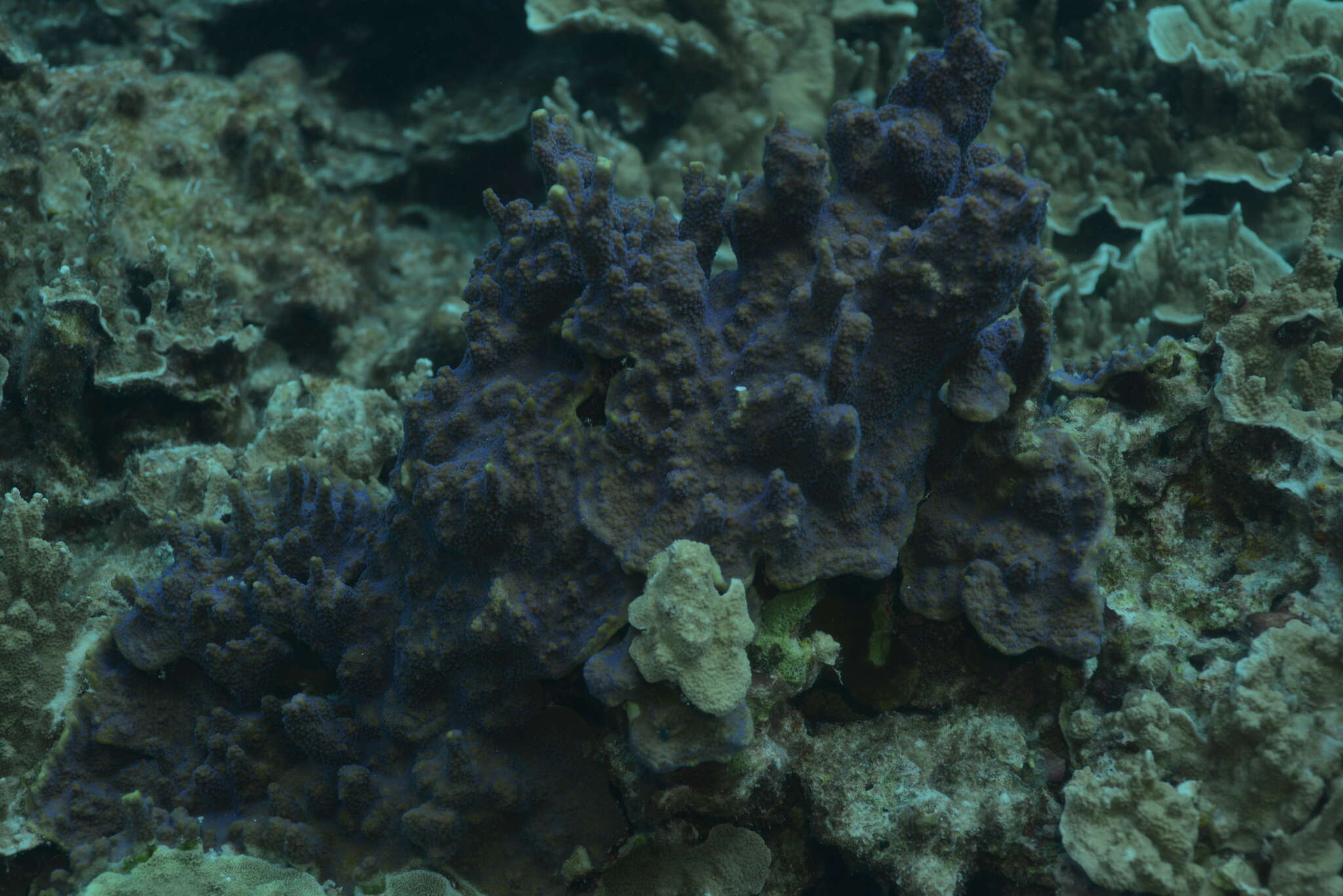
Montipora hispida (Dana, 1846) (Pore coral)
zooxanthellate
Montipora digitata (Dana, 1846) (Pore coral)
zooxanthellate
Porites nigrescens Dana, 1846 (Hump coral)
zooxanthellate
Pocillopora damicornis (Linnaeus, 1758) (Cauliflower coral)
zooxanthellate
Favia speciosa (Dana, 1846) (Knob coral)
zooxanthellate
Lobophyllia hemprichii (Ehrenberg, 1834) (Lobed cactus coral)
zooxanthellate
Goniastrea retiformis (Lamarck, 1816) (Lesser star coral)
zooxanthellate
Share on Social Networks
- Facebook:

personalize your shared text as well as its destination (wall, page...) or send as a private message to a friend
- Twitter: Tweet personalize your tweet
- Google Plus:
Direct link to this dive
- Long link:
- Short link:


 We are participating today in the startup contest Techcrunch Disrupt. Support Diveboard by voting for us!
























































































2nd dive, 2 dive day aboard Silver Star II. Bouyed nearshore drop in follow terraces atop edge of wall swimming N by NE
multilevel, solo mostly, photos
thermocline, layer of river pollution and debris on top