


 Beachnutts


 Philippines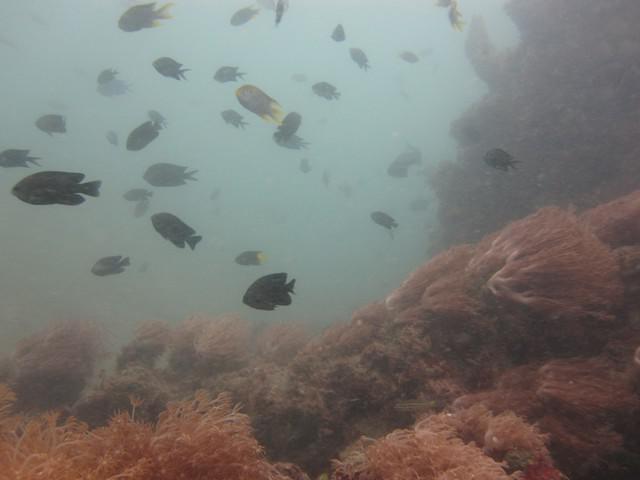
-
Nº991
 Date: 2021-08-30 - 10:19
-
 Max Depth: 12.8m Duration: 69mins
Dive Location

- Temp: Surf 28°C Bottom 28°C
- Dive type : Recreational, Reef, Photo, Muck Dive
- Visibility: Bad Water: Salt
Specific gear used
- Mask: Cressi Sub - Liberty
- BCD: Oceanic - OceanPro
- Camera: Canon - Powershot SD780
- Compass:
- Computer: Oceanic - OCS
- Fins: Scubapro - Jet Fins
- Regulator: Aqua Lung - Legend LX
- Wet suit: Blue Ocean - Diveskin
- Weights: 4.1 kg
Dive reviews
| Overall review | ||
| Dive difficulty | ||
| Marine life quality |
Dive Shop & Buddies
 Dive with Blake Auge

Link to this spot:
- Spot:
- Country:
- Area:
- Body of water:
Dive Profile
- 1. Air
- 10L Aluminium 207 → 17 bar
- Average depth: 8.5m
Data provided by EOL.org




Species Identified
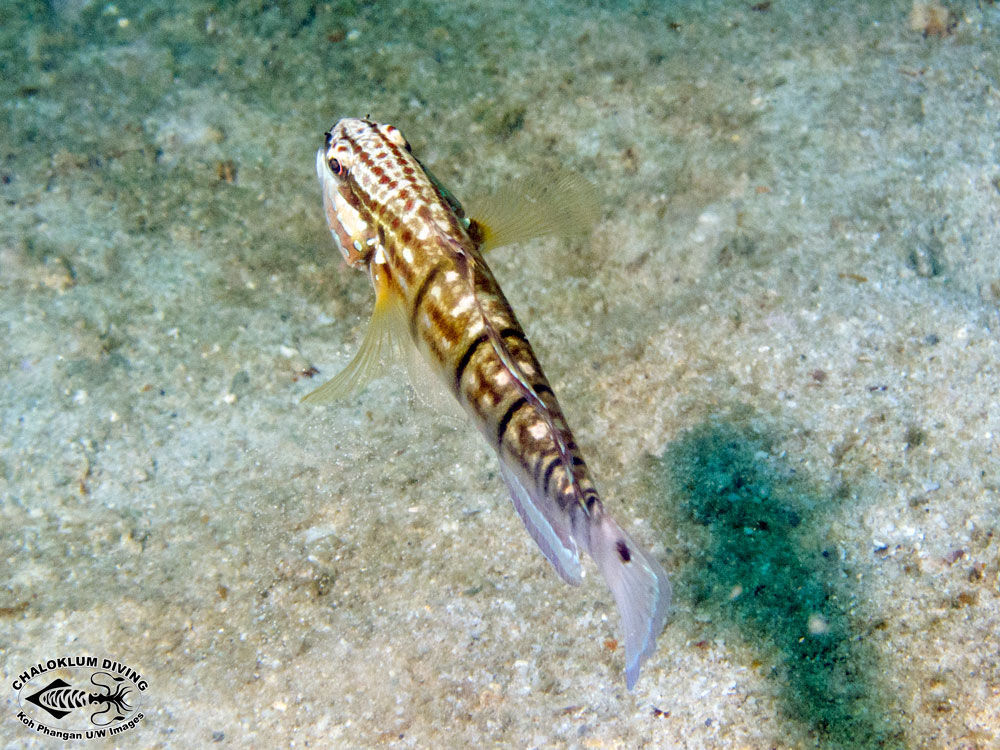
Amblygobius phalaena (Valenciennes, 1837) (Banded goby)
Adults inhabit coastal reefs and lagoons on sand and rubble margins of algal reefs and sometimes near seagrass beds . Feed by sifting mouthfuls of sand and expelling it through the gills, to capture small invertebrates, o...
Read More
Read More
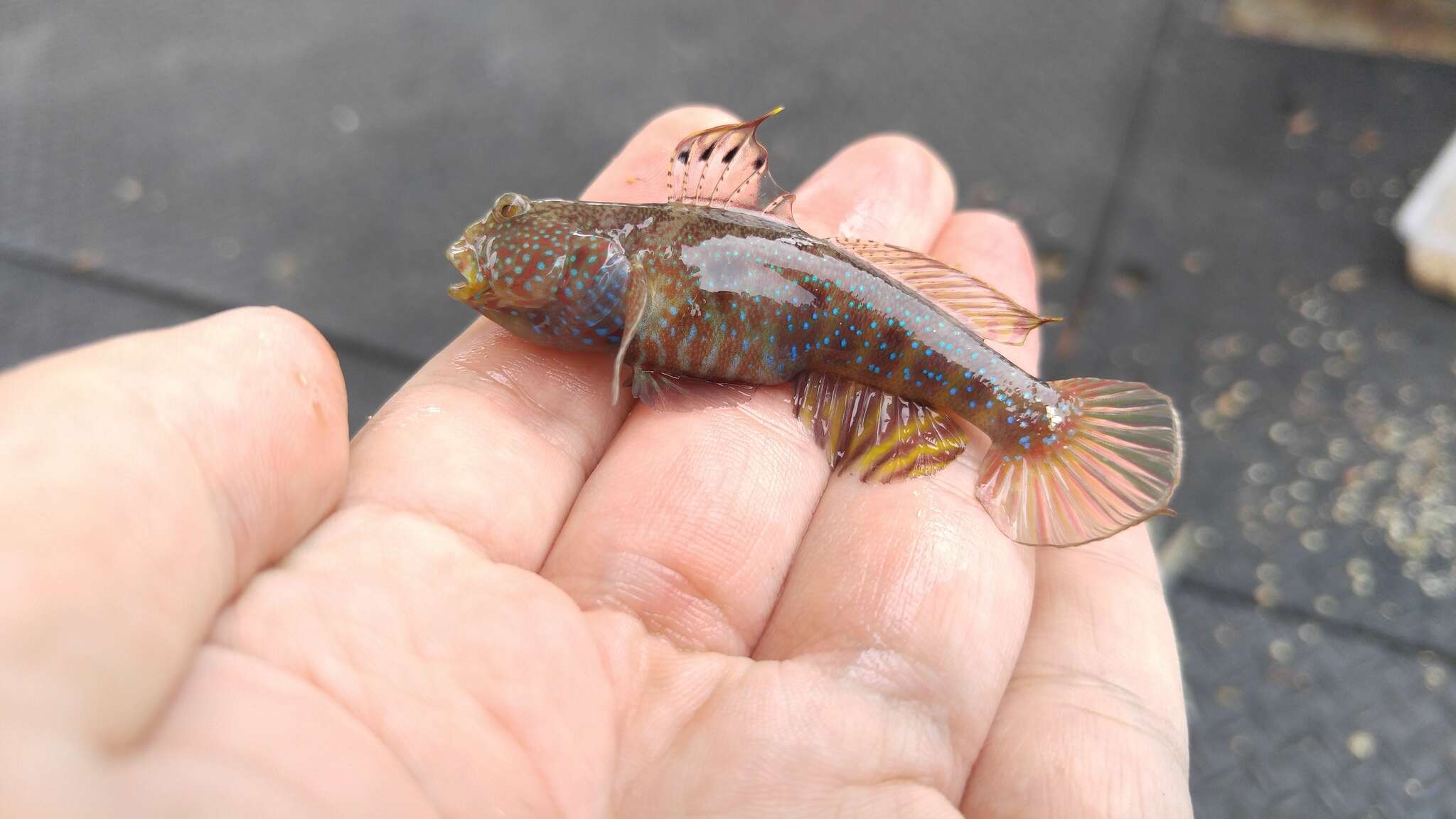
Cryptocentrus caeruleomaculatus (Herre, 1933) (Blue-speckled prawn-goby)
Occurs in shallow lagoons and coastal bays, usually in areas with runoffs, Ref. 48637.
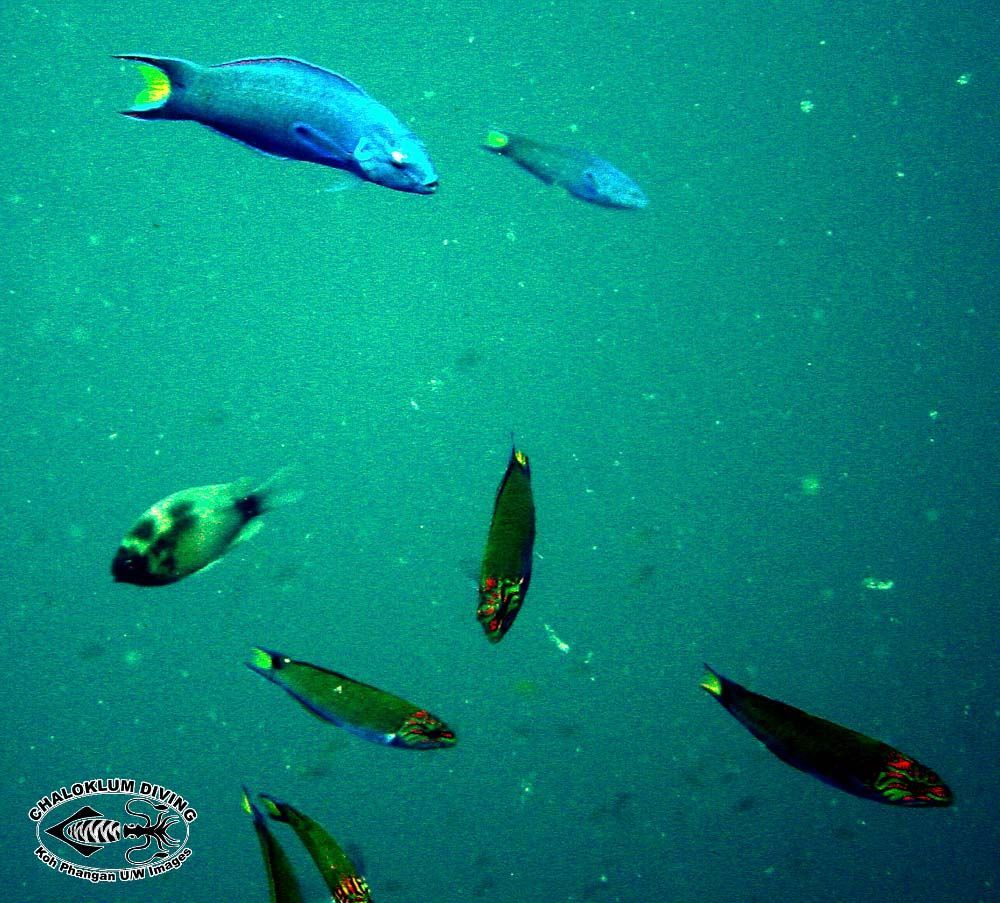
Thalassoma lunare (Linnaeus, 1758) (Blue wrasse)
Occurs in the upper portions of lagoon and coastal reefs, and in protected seaward reefs . Enters estuaries . Usually found on upper portions of ledges and heads . Feeds mainly on small benthic invertebrates and fish eggs . A protogynous hermaphrodite .
Labroides dimidiatus (Valenciennes, 1839) (Bluestreak cleaner wrasse)
Inhabits coral rich areas of inner lagoons and subtidal reef flats to seaward reefs . Feeds on crustacean ectoparasites and mucus of other fishes . Monogamous . A protogynous hermaphrodite . Stays in stations where oth...
Read More
Read More
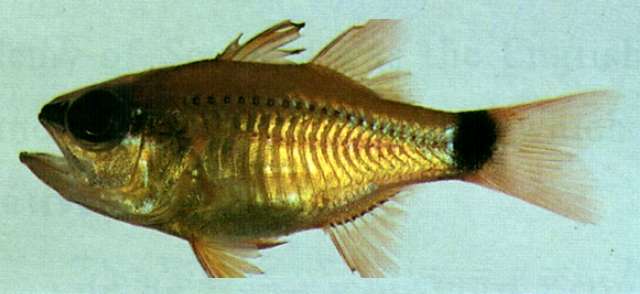
Apogon fleurieu (Lacepède, 1802) (Cardinalfish)
Common in shallow coastal reefs with moderate currents . Also in tidal channels of estuaries . Adults usually in small schools comprising pairs .
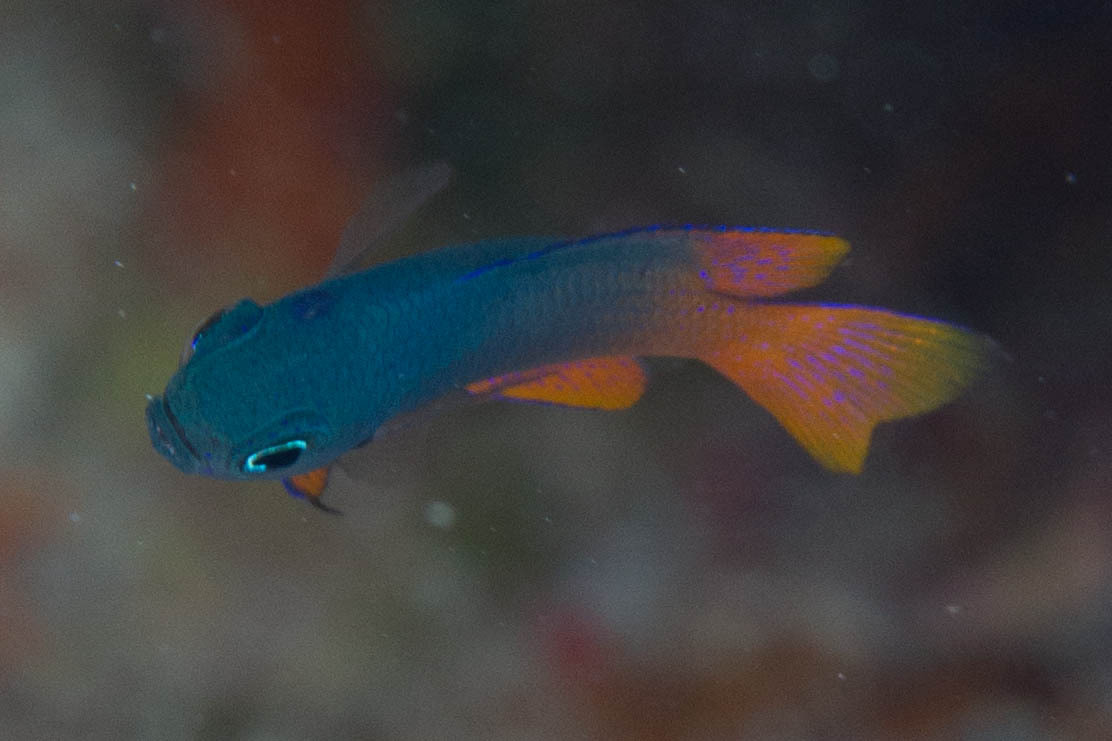
Pomacentrus philippinus Evermann and Seale, 1907 (Philippine damsel)
Occurs in lagoons, steep-sided channels, and seaward reefs from 2 to over 12 m . Usually found in groups off the sides of vertical drop-offs and overhanging ledges .
Placogorgia dendritica Nutting, 1910
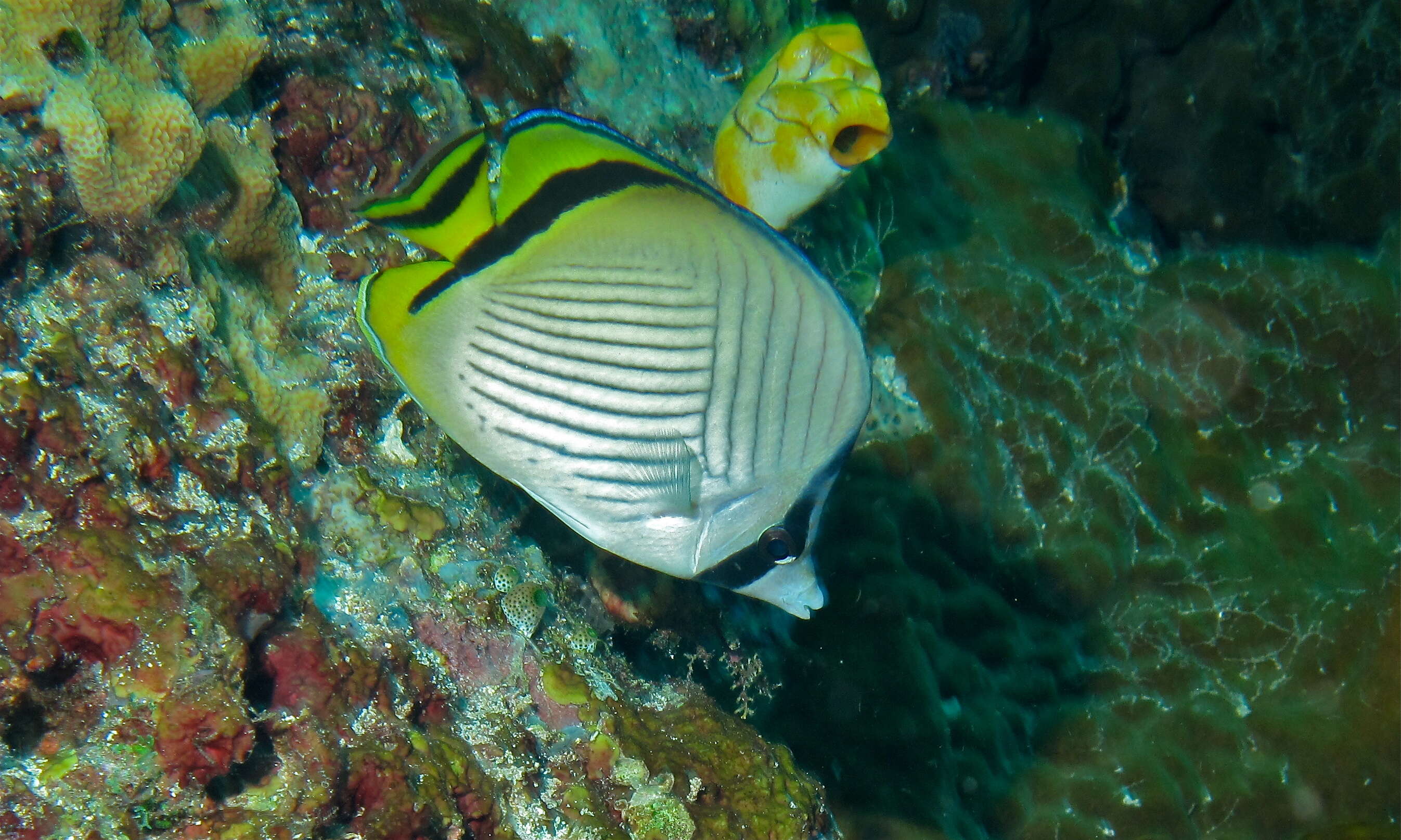
Chaetodon vagabundus Linnaeus, 1758 (Vagabond butterflyfish)
Found in reef flats, lagoon and seaward reefs and sometimes in turbid waters subject to freshwater runoff. Swim in pairs. Omnivorous, feed on algae, coral polyps, crustaceans and worms . Oviparous , monogamous . Stab...
Read More
Read More
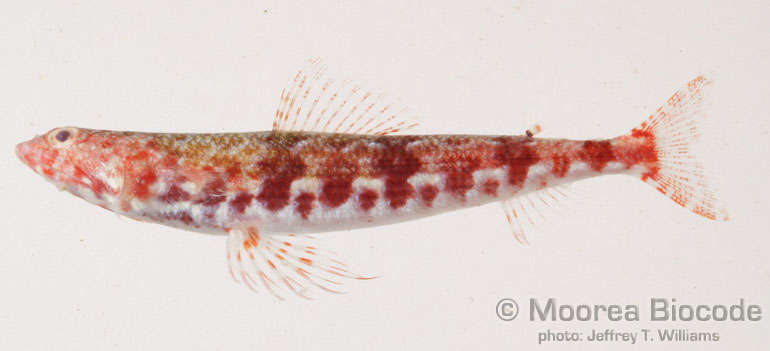
Synodus variegatus (Lacepède, 1803) (Variegated lizardfish)
Inhabits deep lagoon and seaward reefs to depths over 40 m ; sometimes found on sandy bottoms concealing itself in the sand. Prefers to rest on hard surfaces and frequently occurs in pairs . Benthic . Feeds on small fis...
Read More
Read More
Lutjanus lemniscatus (Valenciennes, 1828) (Yellowstreaked snapper)
Inhabits offshore reefs and muddy habitats. Juveniles are sometimes found in the vicinity of coral reefs, often located close to the shore where silting is moderate and visibility is reduced. Adults usually very deep . Feeds on fishes and a variety of benthic invertebrates.
Cryptodendrum adhaesivum Klunzinger, 1877 (Adhesive sea anemone)
Heteractis crispa (Hemprich and Ehrenberg in Ehrenberg, 1834) (Leathery sea anemone)
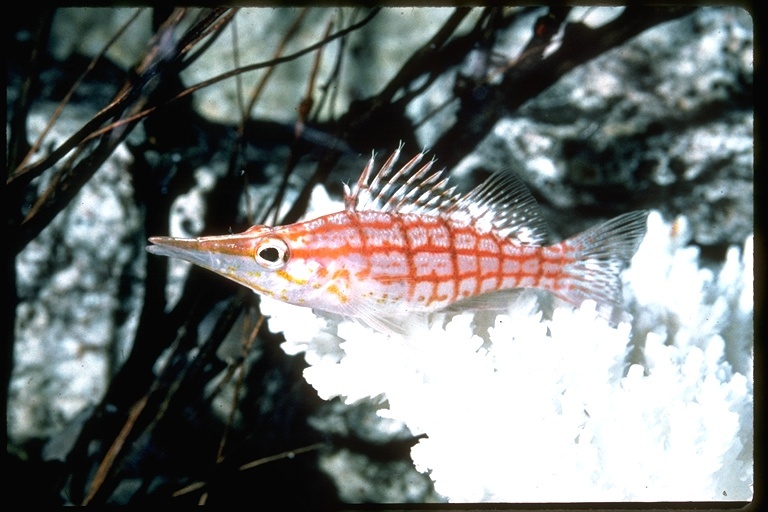
Oxycirrhites typus Bleeker, 1857 (Longnose hawkfish)
Share on Social Networks
- Facebook:

personalize your shared text as well as its destination (wall, page...) or send as a private message to a friend
- Twitter: Tweet personalize your tweet
- Google Plus:
Direct link to this dive
- Long link:
- Short link:


 We are participating today in the startup contest Techcrunch Disrupt. Support Diveboard by voting for us!
























































































Single dive, multilevel
Muck dive, silty, blowing sand, some current
difficult to navigate
High Tide 9:53am
Tons of Fire Urchins congregating in the sand flats
Fire Urchin Flats