


 Beachnutts


 Philippines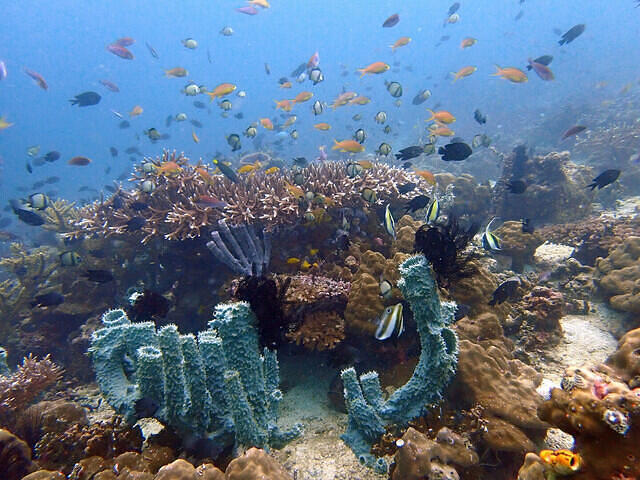
-
Nº162
 Date: 2025-01-19 - 02:17
-
 Max Depth: 16.8m Duration: 80mins
Dive Location

- Surface interval:115 mins
- Temp: Surf 26°C Bottom 26°C
- Dive type : Recreational, Reef, Photo
- Visibility: Good Water: Salt
Specific gear used
- BCD: Scubapro - Glide Plus
- Camera: Olympus - TG6
- Computer: Oceanic - OCS
- Fins: Atomic Aquatics - Blade Fins
- Light: Sofirn - SD05
- Mask: Promate - Scope
- Regulator: Aqualung - Legend
- Wet suit: Blue Ocean - Diveskin
- Weights: 3.2 kg
Dive reviews
| Overall review | ||
| Dive difficulty | ||
| Marine life quality |
Recent Divers in Samal island, Davao

Recent Pictures in Samal island, Davao
Dive Shop & Buddies
 Dive with Maeng
 Dive buddies:
Maeng,
Reymar Tano,
Beachnutts
Dive buddies:
Maeng,
Reymar Tano,
Beachnutts

Link to this spot:
- Spot:
- Country:
- Area:
- Body of water:
Dive Profile
- 1. Air
- 10L Aluminium 207 → 21 bar
- Average depth: 11.2m
Data provided by EOL.org













Species Identified
Canthigaster papua (Bleeker, 1848) (Papuan toby)
Lives in coastal to outer reef habitats from silty to pristine reefs . Occurs in clear, coral-rich areas of lagoon and seaward reefs . Adults often in pairs along deep drop-offs while juveniles can be found in shallow estuaries .
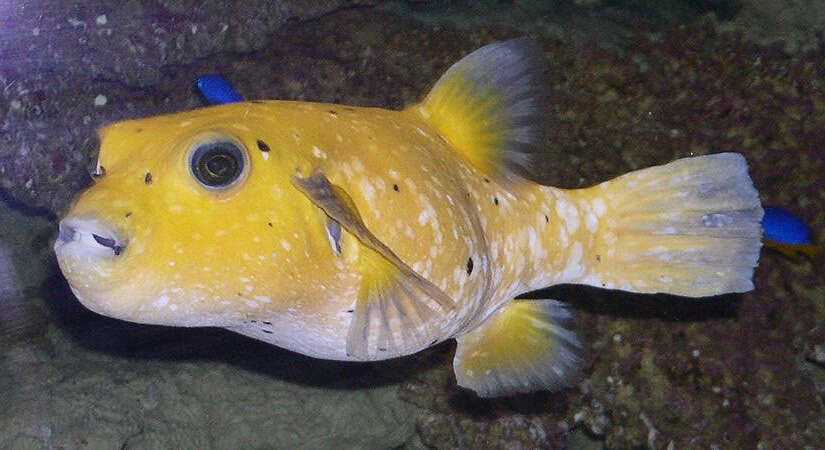
Arothron nigropunctatus (Bloch & Schneider, 1801) (Blackspotted puffer)
Inhabit coastal to outer reef crest and slopes with rich invertebrate growth. Adults often in pairs . Feed on corals , crustaceans, mollusks, sponges, tunicates and algae . Generally common .
Canthigaster valentini (Bleeker, 1853) (Valentinni's sharpnose puffer)
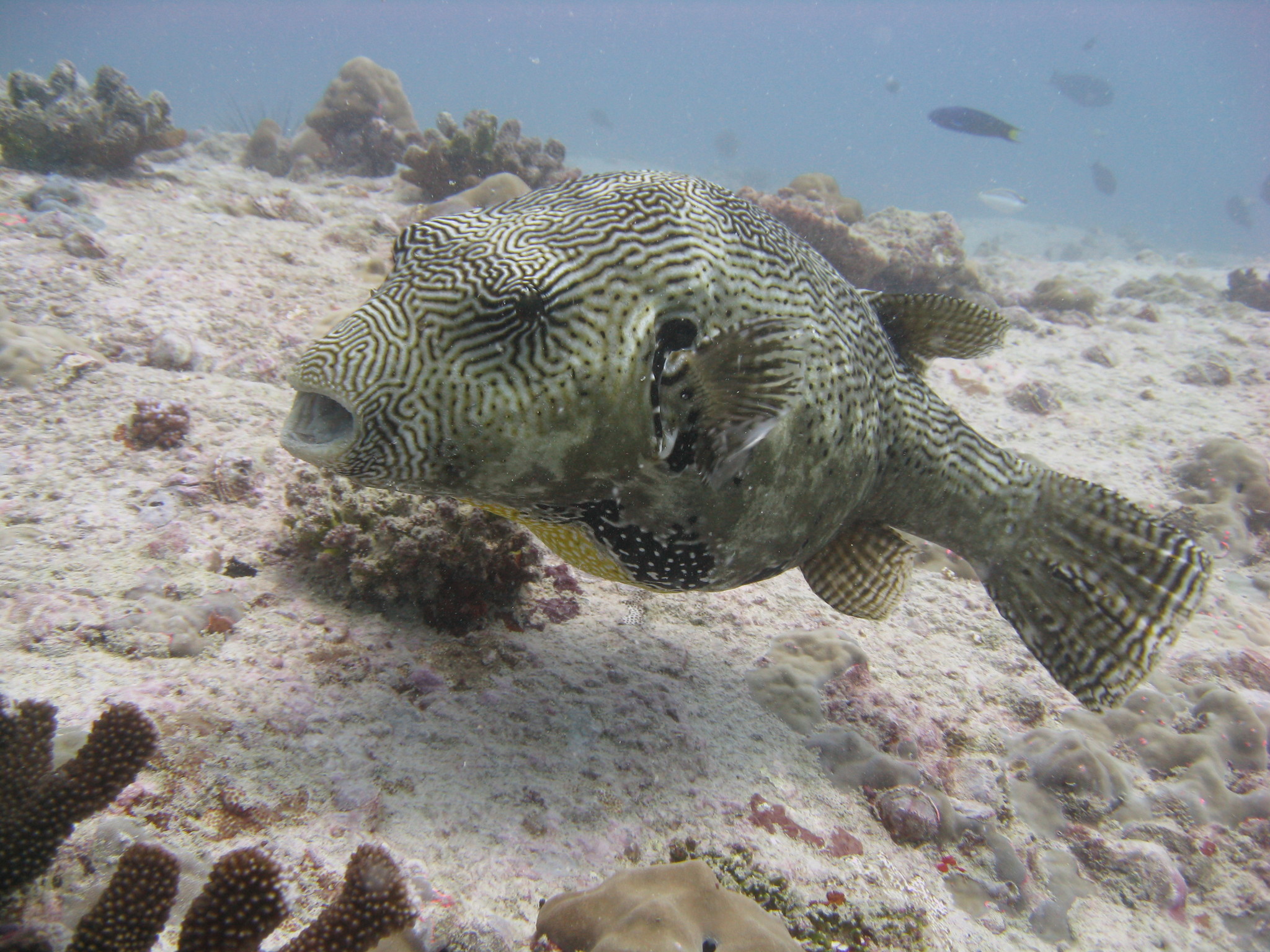
Arothron mappa (Lesson, 1831) (Map puffer)
Occur in clear lagoon and sheltered seaward reefs . Adults usually along deep drop-offs . Usually close to shelter. Occur singly . Feed on algae, sponges, and benthic invertebrates.
Arothron meleagris (Lacepède, 1798) ('opu hue)
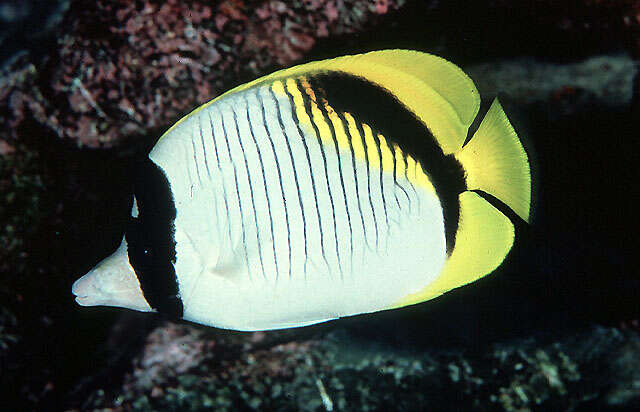
Chaetodon lineolatus Cuvier, 1831 (Line butterflyfish)
Occur in lagoon and seaward reefs, usually in pairs in coral rich areas . Benthopelagic . Feed mainly on coral polyps and anemones, but also on small invertebrates and algae . Largest species in the genus . Oviparous . Form pairs during breeding .
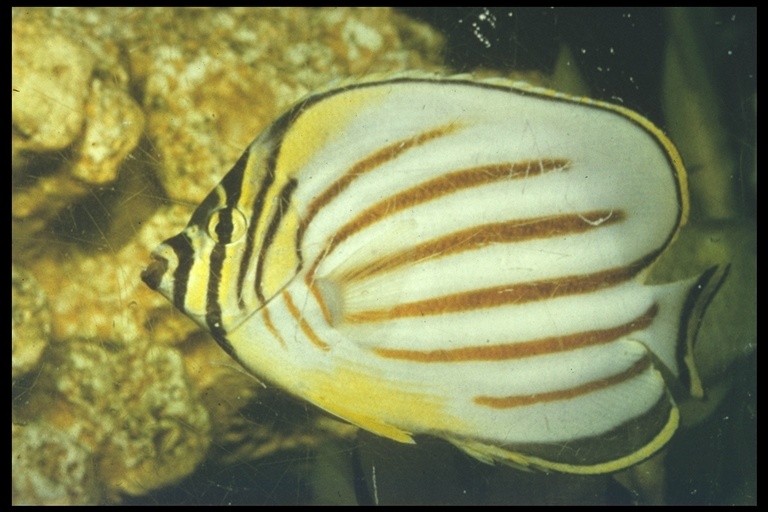
Chaetodon ornatissimus Cuvier, 1831 (Ornate butterflyfish)
Occur in clear waters and coral-rich areas of lagoon and seaward reefs. However, only common in seaward reefs . Benthopelagic . Juveniles are solitary, living among branching corals, while adults are almost always in pa...
Read More
Read More
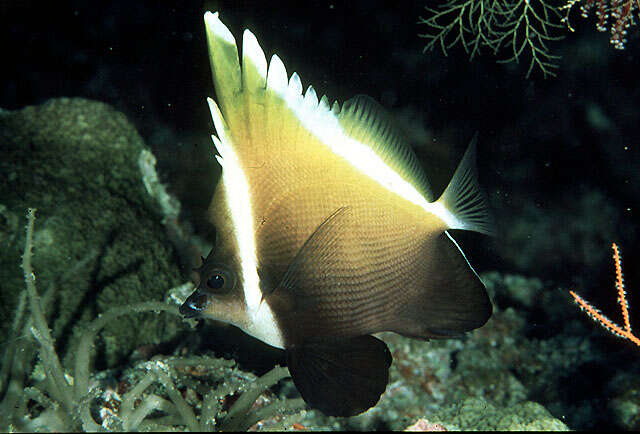
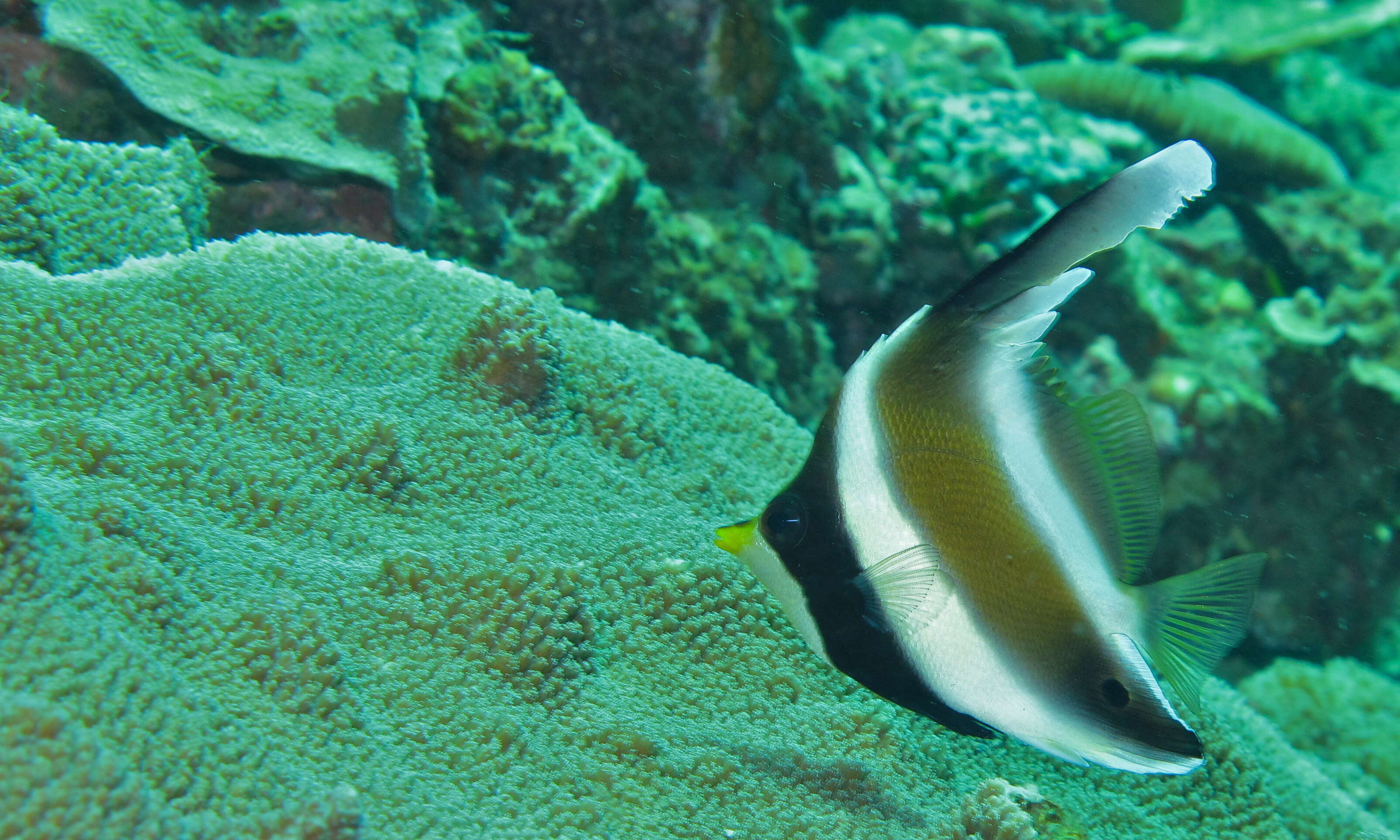
Heniochus varius (Cuvier, 1829) (Horned bannerfish)
Occur in deep lagoons and steep outer reef slopes, with mixed algae and coral growth . Solitary or in small groups. Feed on corals and other invertebrates . Oviparous . Form pairs during breeding . Maximum depth reported taken from Ref. 48636.
Chaetodon melannotus Bloch and Schneider, 1801 (Blackback butterflyfish)
Usually solitary or in pairs in coral-rich areas of reef flats, lagoons, and seaward reefs to a depth of over 15 m. Juveniles inshore. In pairs or traveling in small groups . Feed on octocorallian and scleractinian cora...
Read More
Read More
Chaetodon baronessa Cuvier, 1829 (Eastern triangular butterflyfish)
Occur in lagoon and seaward reefs. Feed exclusively on the polyps of the tubular Acropora corals. Swim in pairs and are territorial. Oviparous . Form pairs during breeding .
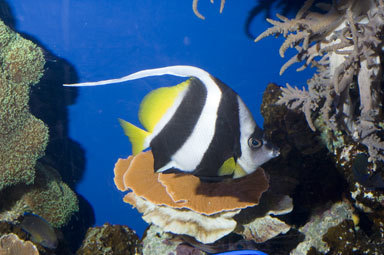
Heniochus acuminatus (Linnaeus, 1758) (Pennant coralfish)
Inhabit deep, protected lagoons and channels, and the deeper parts of outer reef slopes. Juveniles are often solitary while adults occur in pairs . A planktivorous species that generally remains within a few meters of th...
Read More
Read More
Coradion altivelis McCulloch, 1916 (High-finned coralfish)
A poorly known species . Found in inshore reefs in mixed algae and coral habitats and coastal drop-offs . Oviparous . Form pairs during breeding .
Chaetodon meyeri Bloch and Schneider, 1801 (Scrawled butterflyfish)
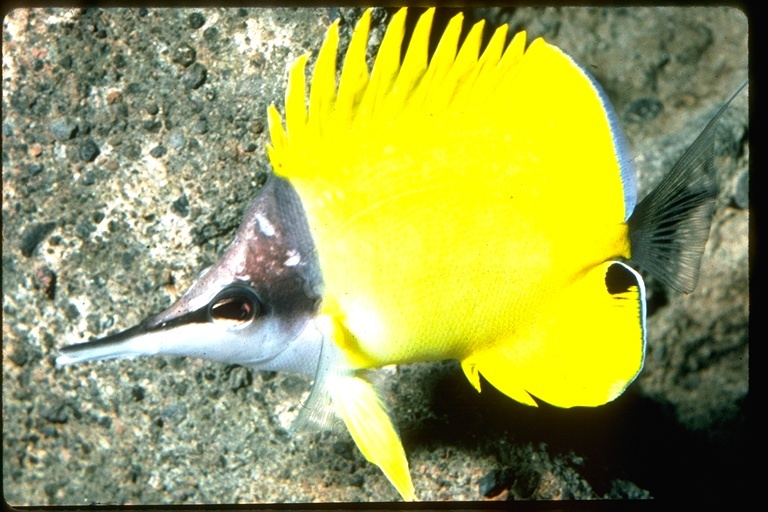
Forcipiger flavissimus Jordan & McGregor, 1898 (Butterflyfish)
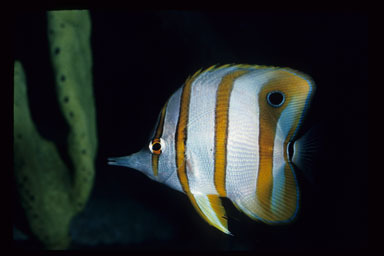
Chelmon rostratus (Linnaeus, 1758) (Copperband butterflyfish)
A common species found singly and in pairs along rocky shores and coral reefs; also in estuaries and silty inner reefs . Territorial species . Oviparous , monogamous . Forms pairs during breeding .
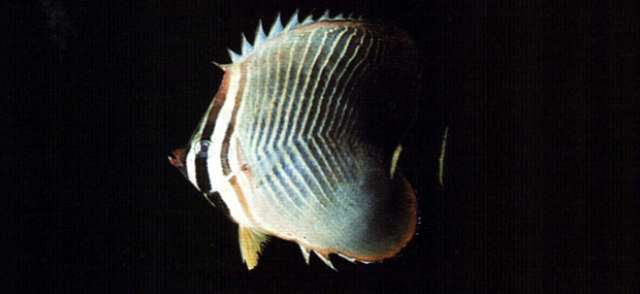
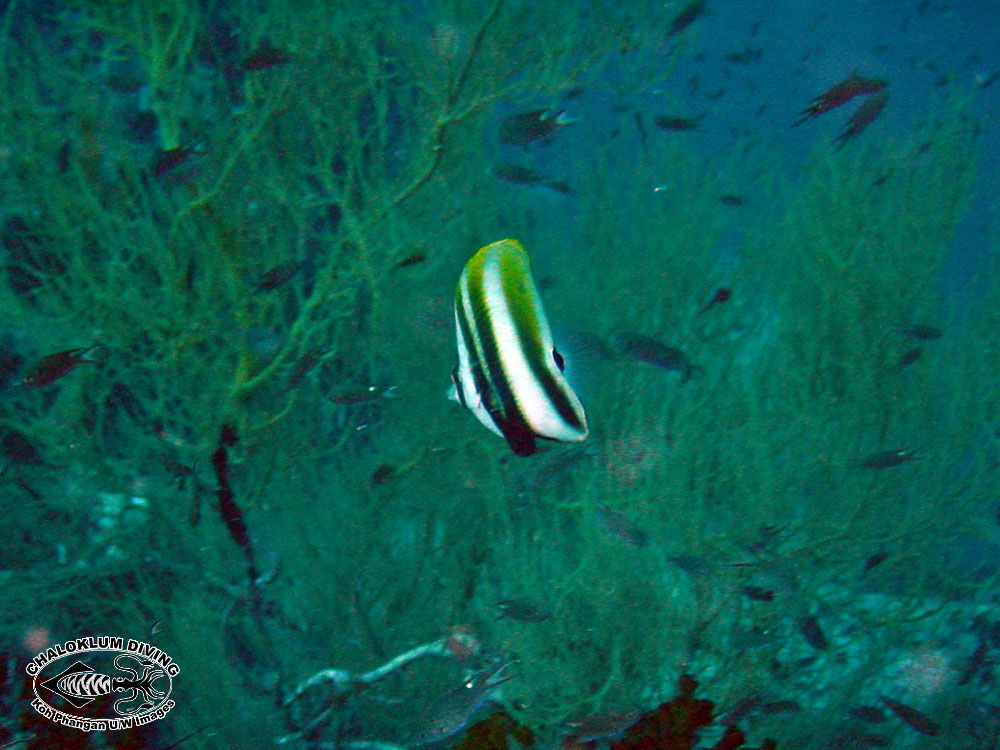
Heniochus chrysostomus Cuvier, 1831 (Threeband pennantfish)
Common in coral-rich areas of subtidal reef flats and lagoon and seaward reefs. Juveniles solitary and usually found in estuaries and lagoons; adults usually in pairs . Feed mainly on coral polyps. Oviparous . Form pairs during breeding . Minimum depth reported taken from Ref. 30874.
Eretmochelys imbricata (LINNAEUS) 1766 (Hawksbill Turtle)
Hawksbills may take decades to mature and it could be between 20 to 40 years before they are ready to breed . Upon reaching sexual maturity, a female will typically lay up to five clutches of around 100 to 140 eggs in one ...
Read More
Read More
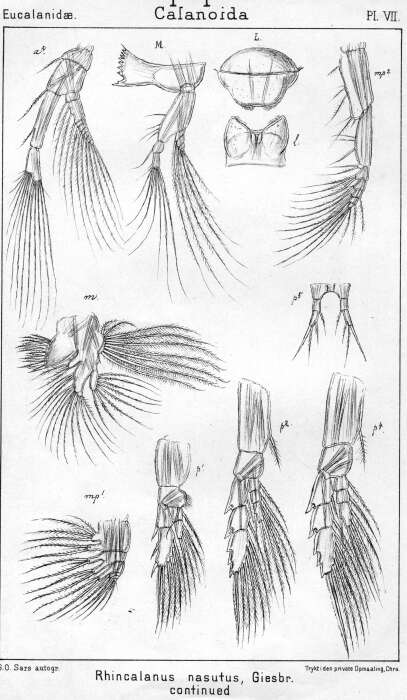
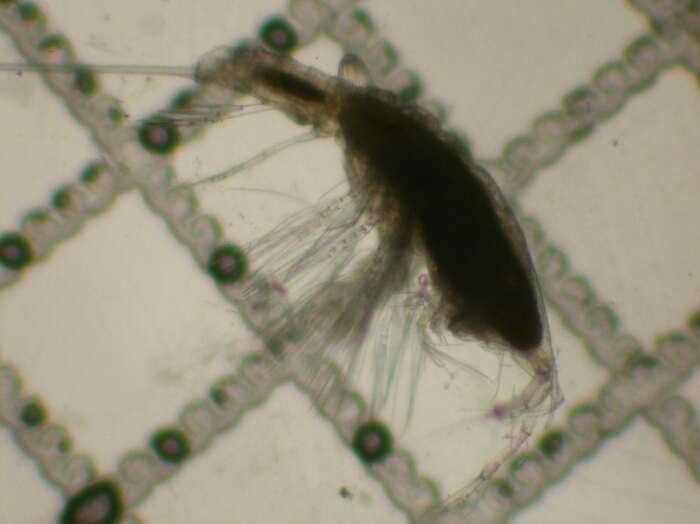
Rhincalanus nasutus Giesbrecht, 1888
Aegisthus mucronatus Giesbrecht, 1891
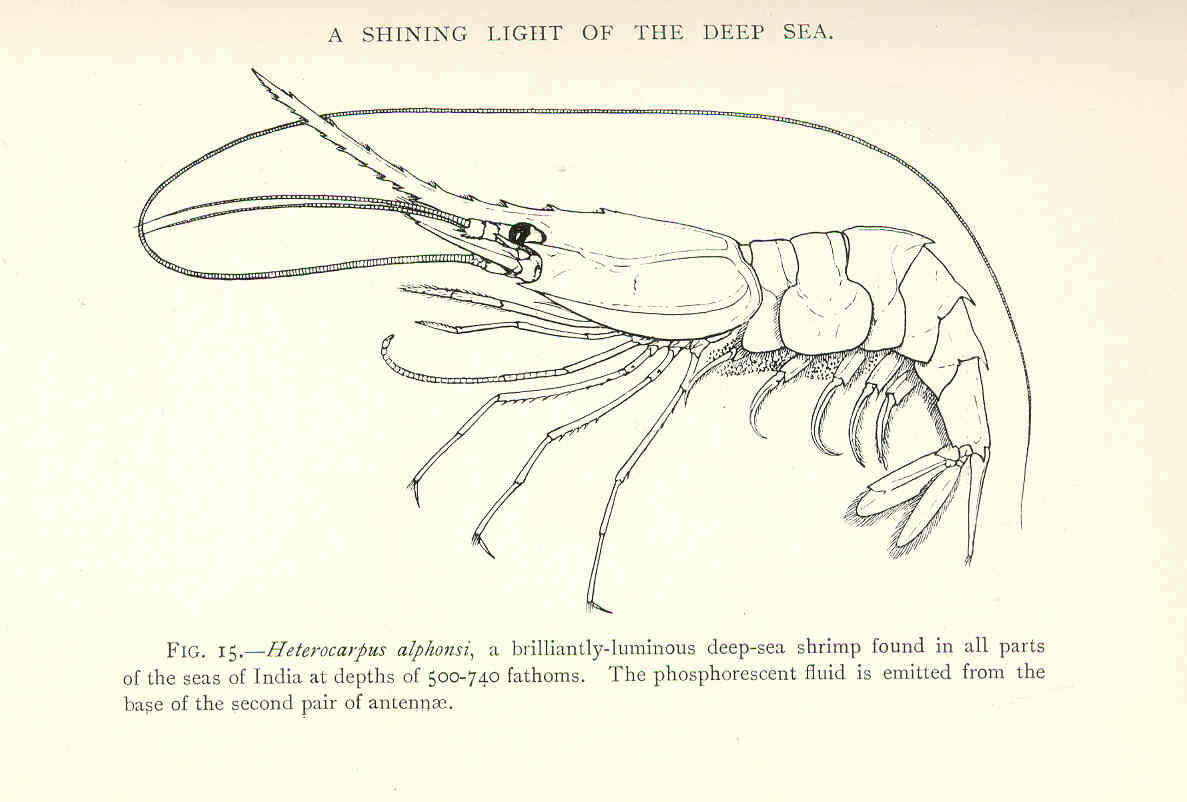
Heterocarpus dorsalis Bate, 1888 (madagascar nylon shrimp)
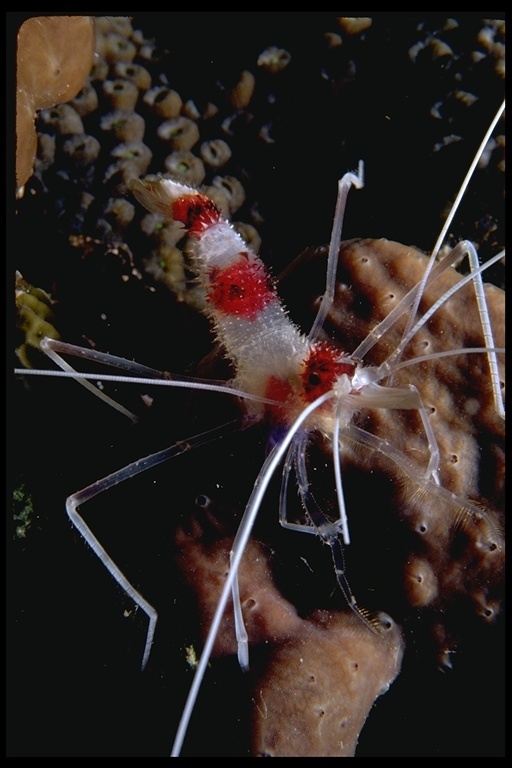
Stenopus hispidus (Olivier, 1811) (banded coral shrimp)
Centropyge vrolikii (Bleeker, 1853) (Pearlscale angelfish)
Inhabit lagoon and seaward reefs, mainly in coral rich areas . Feed on algae. Oviparous , monogamous . Frequently exported through the aquarium trade. Form hybrids with Centropyge eibli and C. flavissima at areas of sympatry. Mimicked by juveniles of the acanthurid Acanthurus pyroferus .
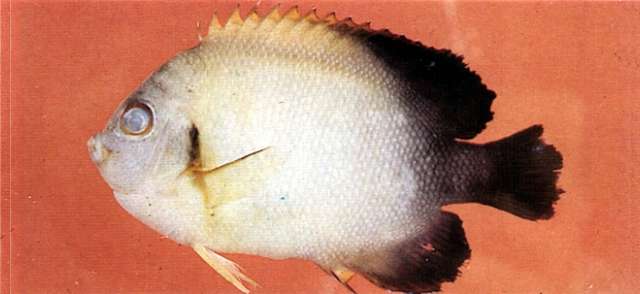
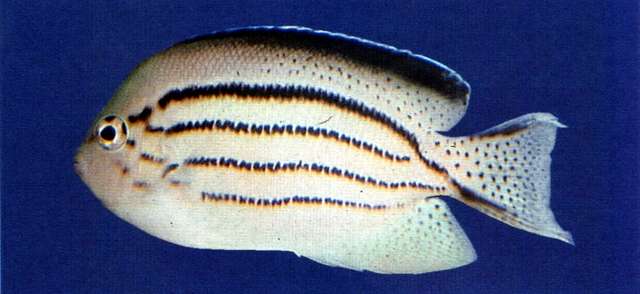
Genicanthus lamarck (Lacepède, 1802) (Blackstriped angelfish)
Inhabit shallow reef crests and deep reefs adjacent to steep slopes. Form aggregations to feed in midwater well above the bottom; harems of 3-7 individuals. Feeds on plankton. Frequently exported through the aquarium trade .
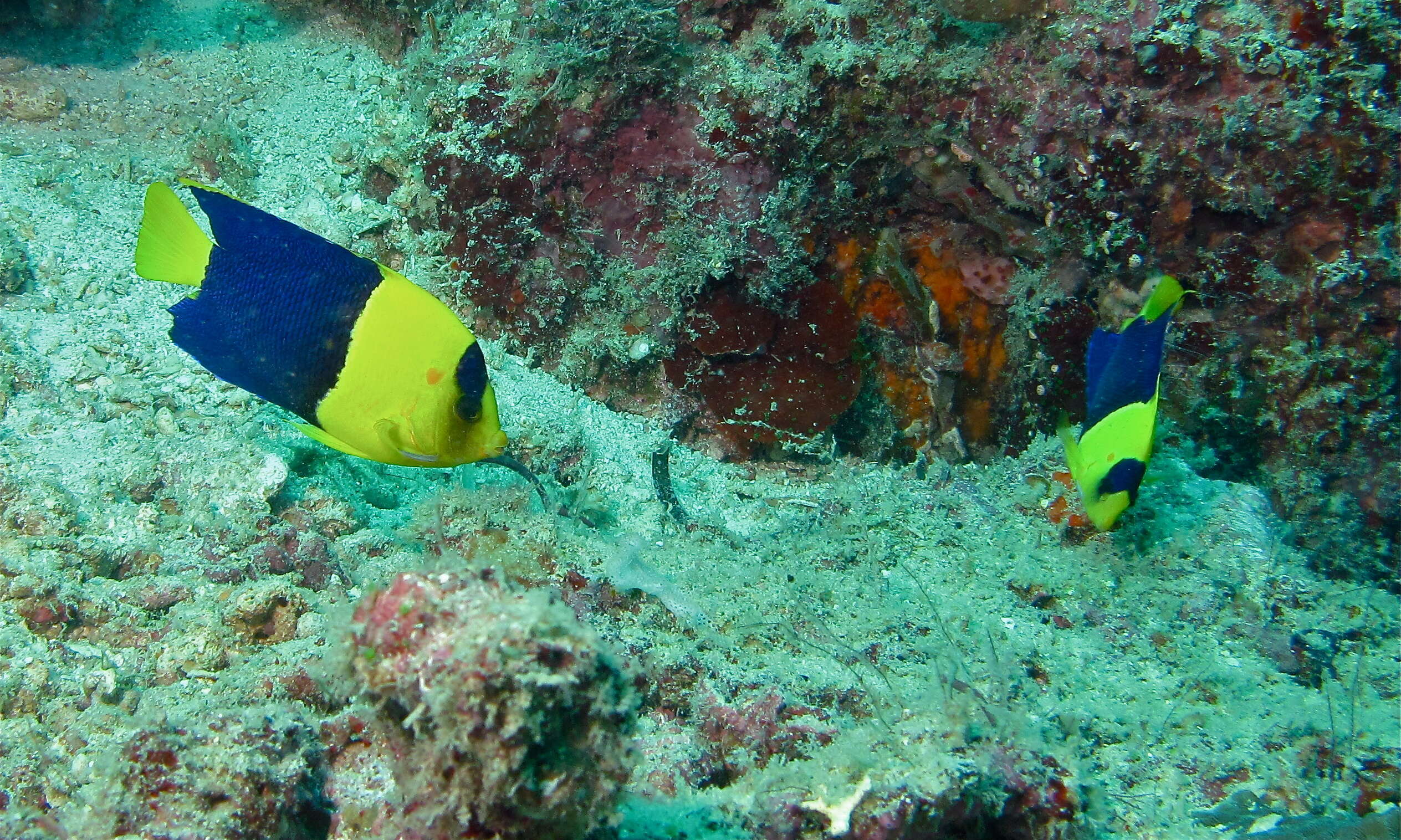
Centropyge bicolor (Bloch, 1787) (Bicolor angelfish)
Inhabits lagoon, channel, or protected seaward reef slopes, drop offs, coral and rubble areas . Usually in pairs or in small groups. Feeds on algae, small crustaceans and worms. Darts from one hiding place to the next. Commonly exported through the aquarium trade .
Pygoplites diacanthus (Boddaert, 1772) (Bluebanded angelfish)
Occurs in coral rich areas of lagoon and seaward reefs to a depth of 48 m or more. Often found in the vicinity of caves and feeds on sponges and tunicates. Solitary or in pairs, or in groups. Frequently exported through the aquarium trade . Rarely survives in the aquarium.
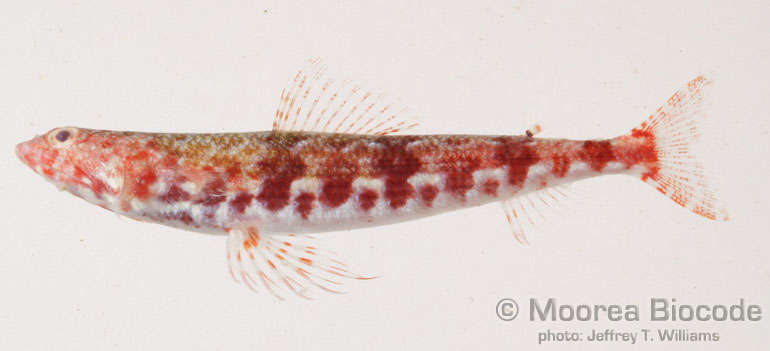
Synodus variegatus (Lacepède, 1803) (Variegated lizardfish)
Inhabits deep lagoon and seaward reefs to depths over 40 m ; sometimes found on sandy bottoms concealing itself in the sand. Prefers to rest on hard surfaces and frequently occurs in pairs . Benthic . Feeds on small fis...
Read More
Read More
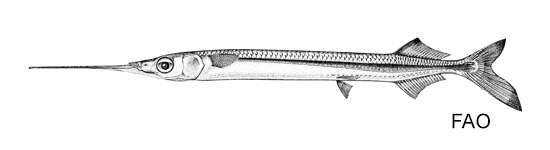
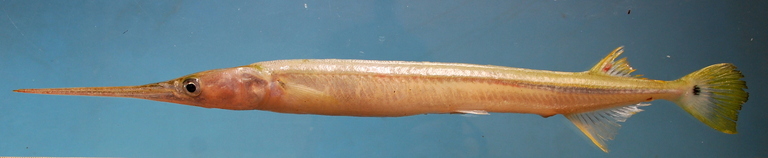
Hyporhamphus balinensis (Bleeker, 1859) (Balinese garfish)
Strongylura strongylura (van Hasselt, 1823) (Spottail needlefish)
Found in coastal areas and mangrove-lined lagoons, also enters freshwater. Carnivorous. Feeds mainly on small fishes, especially clupeoids. Occurs at temperatures ranging from 26 to 29°C . Oviparous . Eggs may be fou...
Read More
Read More
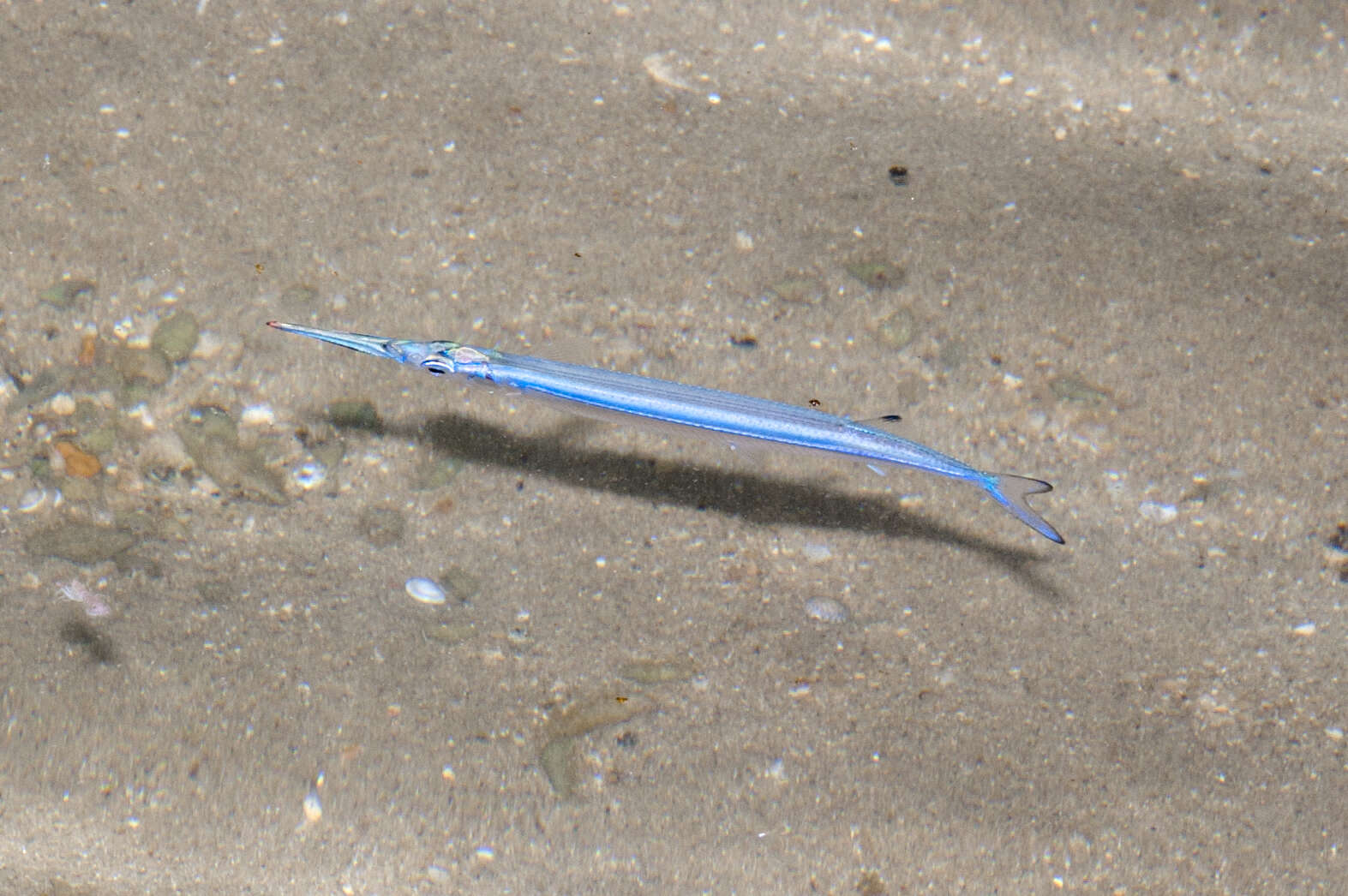
Hyporhamphus quoyi (Valenciennes, 1847) (gaimard's halfbeak)
Inhabits more turbid and estuarine situations than does Hyporhamphus dussumieri and is not found in oceanic islands . May enter rivers . Found in medium to large-sized rivers of the lower Mekong . Occurs in schools . Taken mostly with shore seines; marketed mostly fresh and dried salted .
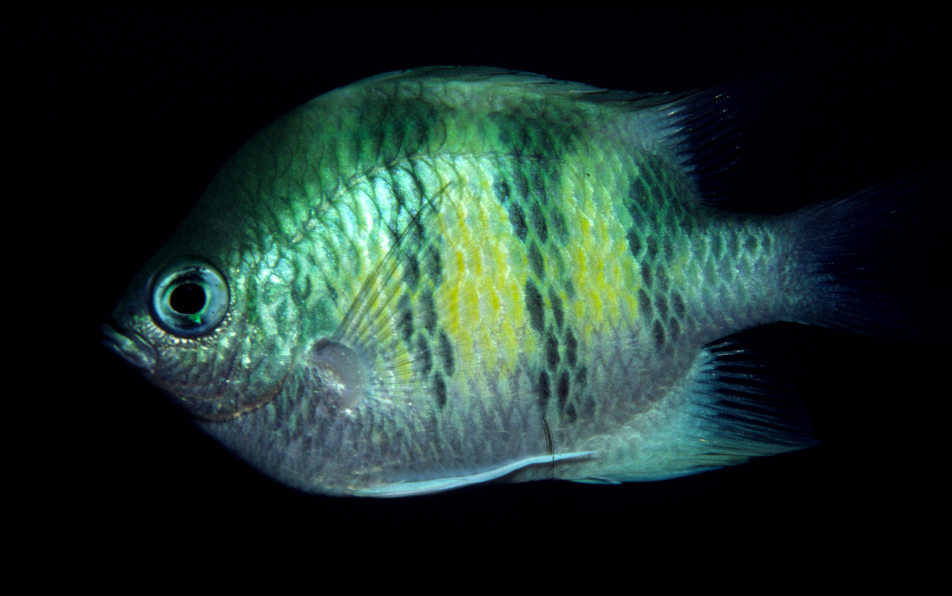
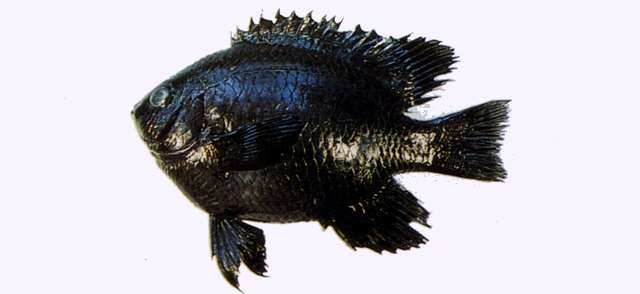
Amblyglyphidodon curacao (Bloch, 1787) (Black-snouted sergeant-major)
Inhabits lagoons, coastal embayments, reef passages and outer reefs. Juveniles often found among Sarcophyton and Sinularia soft corals. Feeding aggregations are frequently observed over growths of the staghorn coral Acro...
Read More
Read More
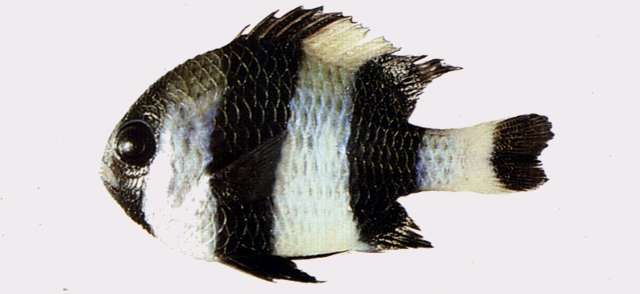
Dascyllus aruanus (Linnaeus, 1758) (black-and-white damselfish)
Territorial, inhabit shallow lagoon and subtidal reef flats. Form large aggregations above staghorn Acropora thickets or in smaller groups above isolated coral heads. Feed on zooplankton, benthic invertebrates, and algae...
Read More
Read More
Pomacentrus brachialis Cuvier, 1830 (Charcoal damsel)
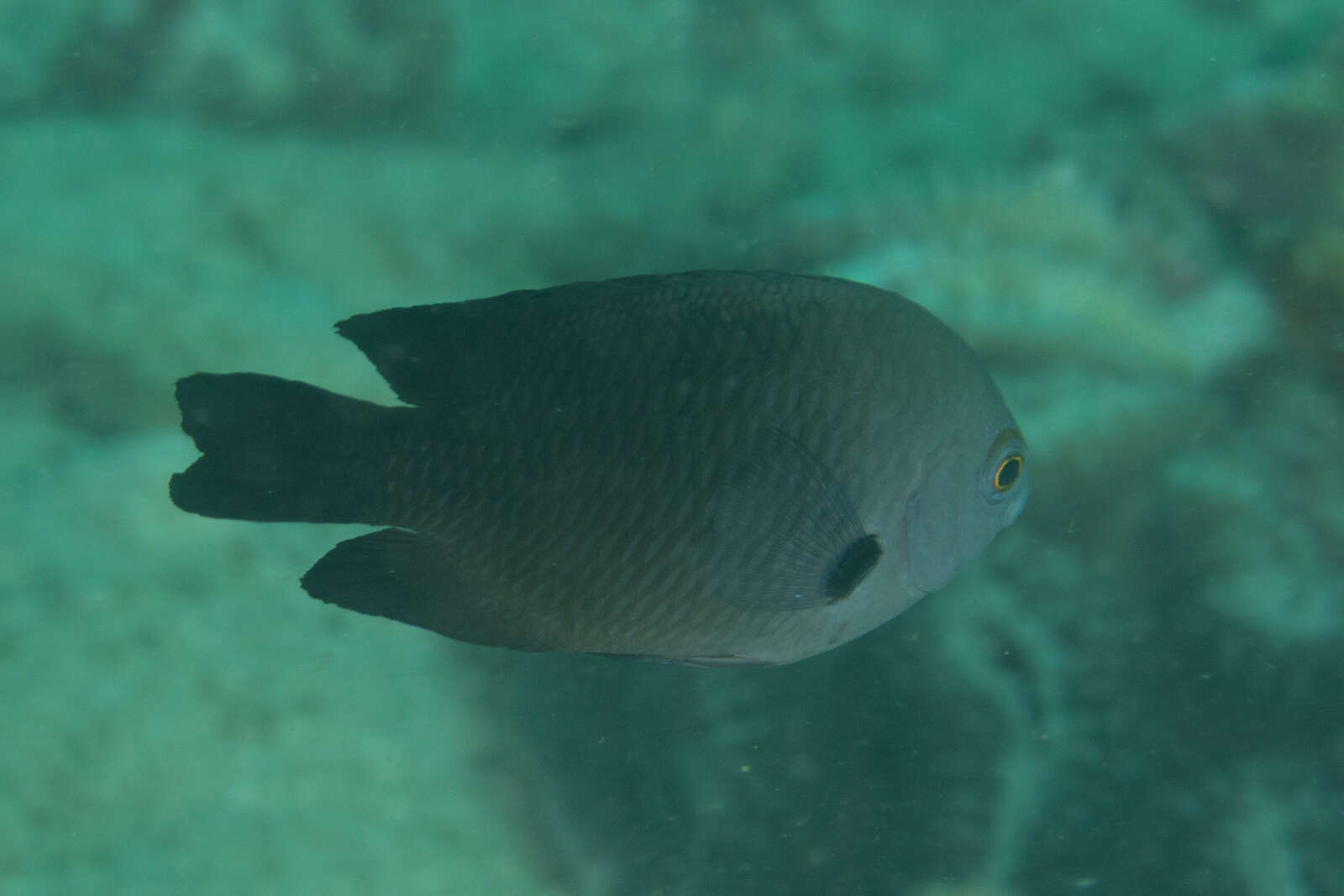
Found in passages and outer reef slopes ; also in current prone and clear water reef flats to 40 m depth . Occurs singly or in small groups . Feeds on zooplankton and benthic algae .
Dascyllus trimaculatus (Rüppell, 1829) (threespot humbug)
Inhabits coral and rocky reefs, juveniles often commensal with large sea anemones, sea urchins, or small coral heads . Occurs in small to large aggregations. Stomach contents include algae, copepods, and other planktonic crustaceans.
Plectroglyphidodon lacrymatus (Quoy and Gaimard, 1825) (whitespeckled demoiselle)
Inhabits clear lagoon and seaward reefs, in areas with mixed coral and rubble or dead coral rocks. Feeds mainly on benthic algae and associated small invertebrates and fish eggs.
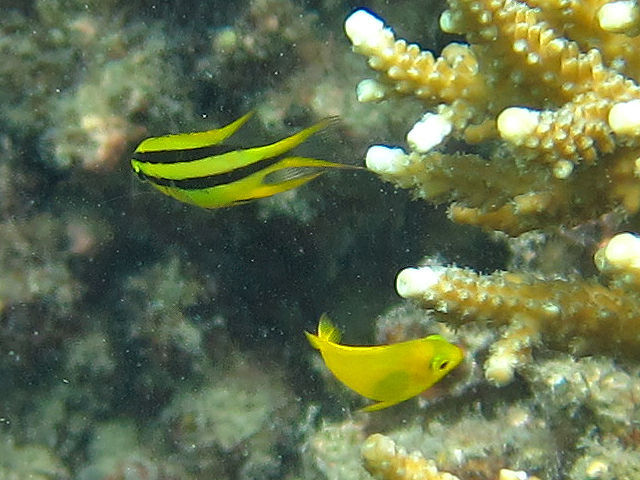
Pomacentrus moluccensis Bleeker, 1853 (Lemon damsel)
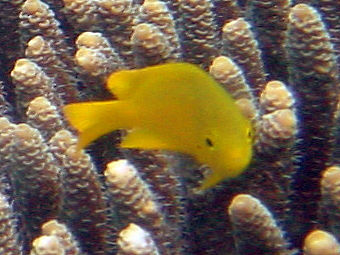
Inhabits clear lagoon and seaward reefs among branching corals. Occurs in small aggregations. Feeds mainly on algae and planktonic crustaceans.
Chromis weberi Fowler and Bean, 1928 (Weber's chromis)
Occurs singly or in small to large aggregations in passes and steep outer reef slopes.
Abudefduf vaigiensis (Quoy and Gaimard, 1825) (Five finger)
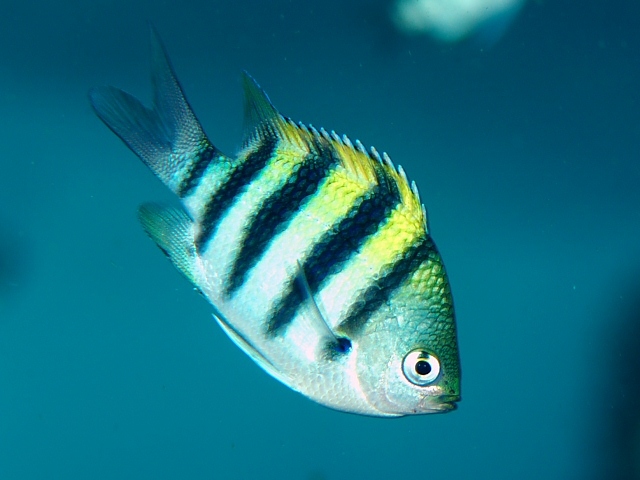
Adults inhabit upper edge of outer reef slopes and inshore rocky reefs. Juveniles associated with drifting seaweed . Benthopelagic . Feed on zooplankton, benthic algae, and small invertebrates . Often in aggregations ...
Read More
Read More
Chrysiptera biocellata (Quoy and Gaimard, 1825) (bluebanded damselfish)
Occurs in protected inner reef flats and shallow lagoons and channels, over rubble and rocky outcrops. Feeds primarily on filamentous algae.
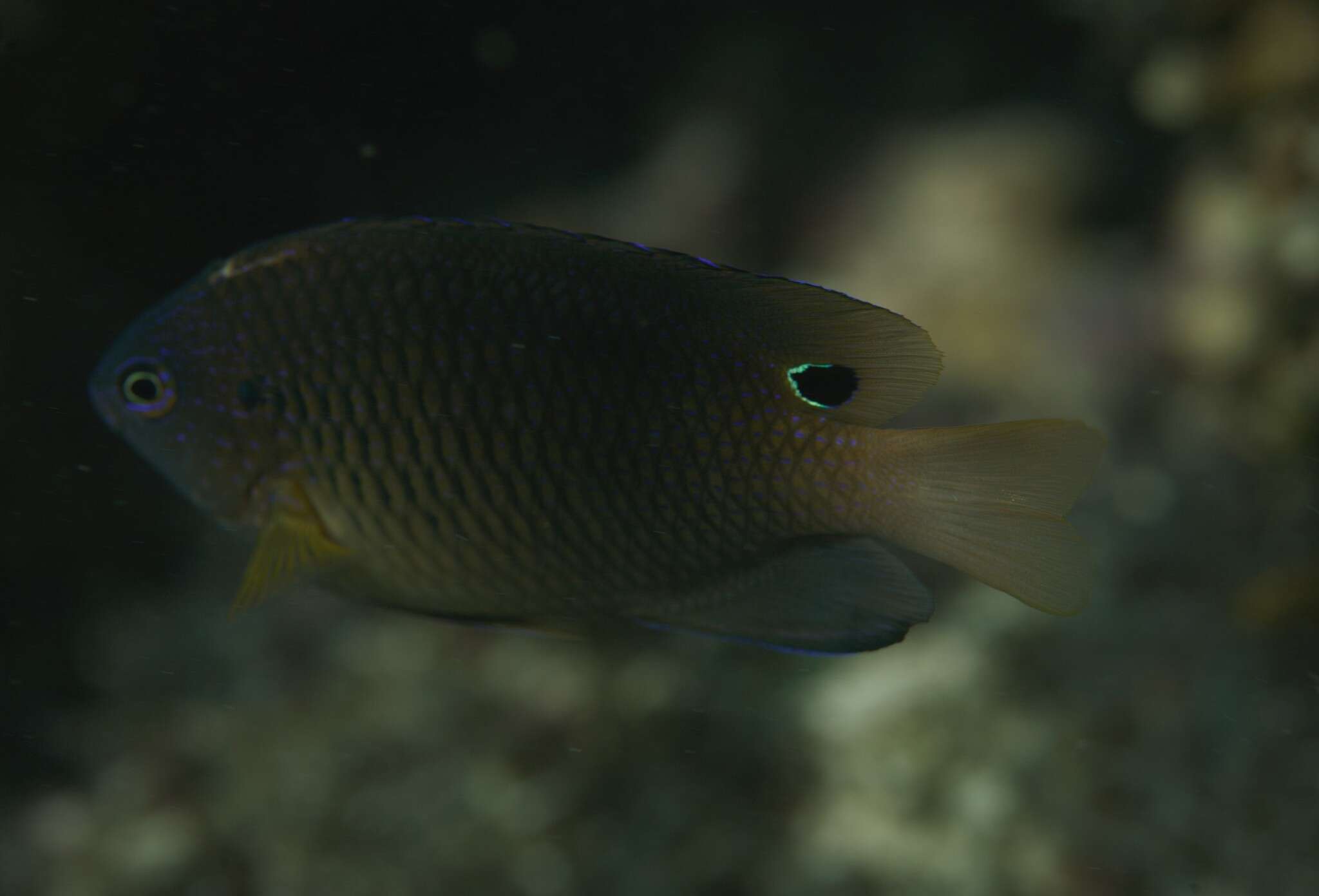
Neoglyphidodon nigroris (Cuvier, 1830) (Yellowfin damsel)
Two forms: long-tailed and black as adults occurs in the Andaman Sea, ranging east to western Bali and north to Japan. Second form, probably valid as N. xanthurus occurs in the rest of the West Pacific and the two overla...
Read More
Read More
Pomacentrus adelus Allen, 1991 (Obscure damsel)
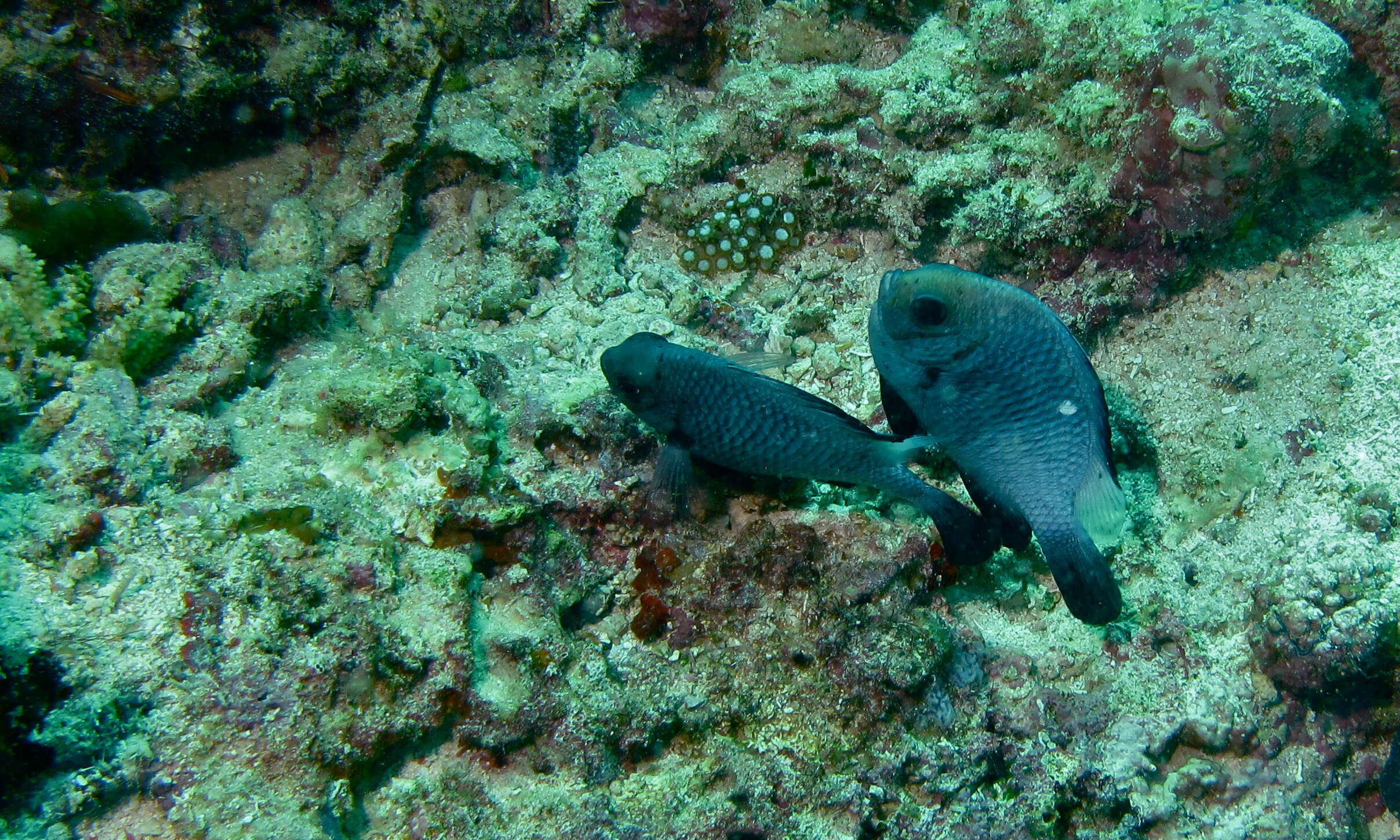
Inhabits lagoon, coastal and seaward reefs , usually on open rubble patches .
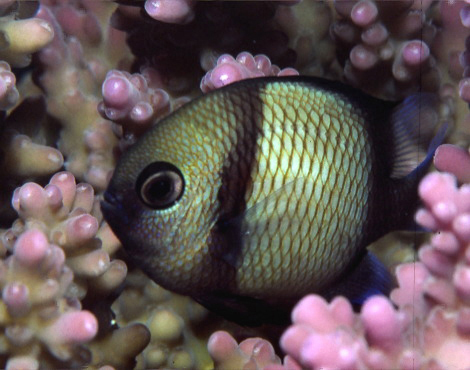
Dascyllus reticulatus (Richardson, 1846) (twostriped damselfish)
Occurs in outer lagoon and seaward reefs. Inhabits branching coral heads, particularly Pocillopora eydouxi. Forms schools, often in silty habitats . Male prepares a nest by cleaning with its mouth a rock or coral surface where the female will attach the eggs .
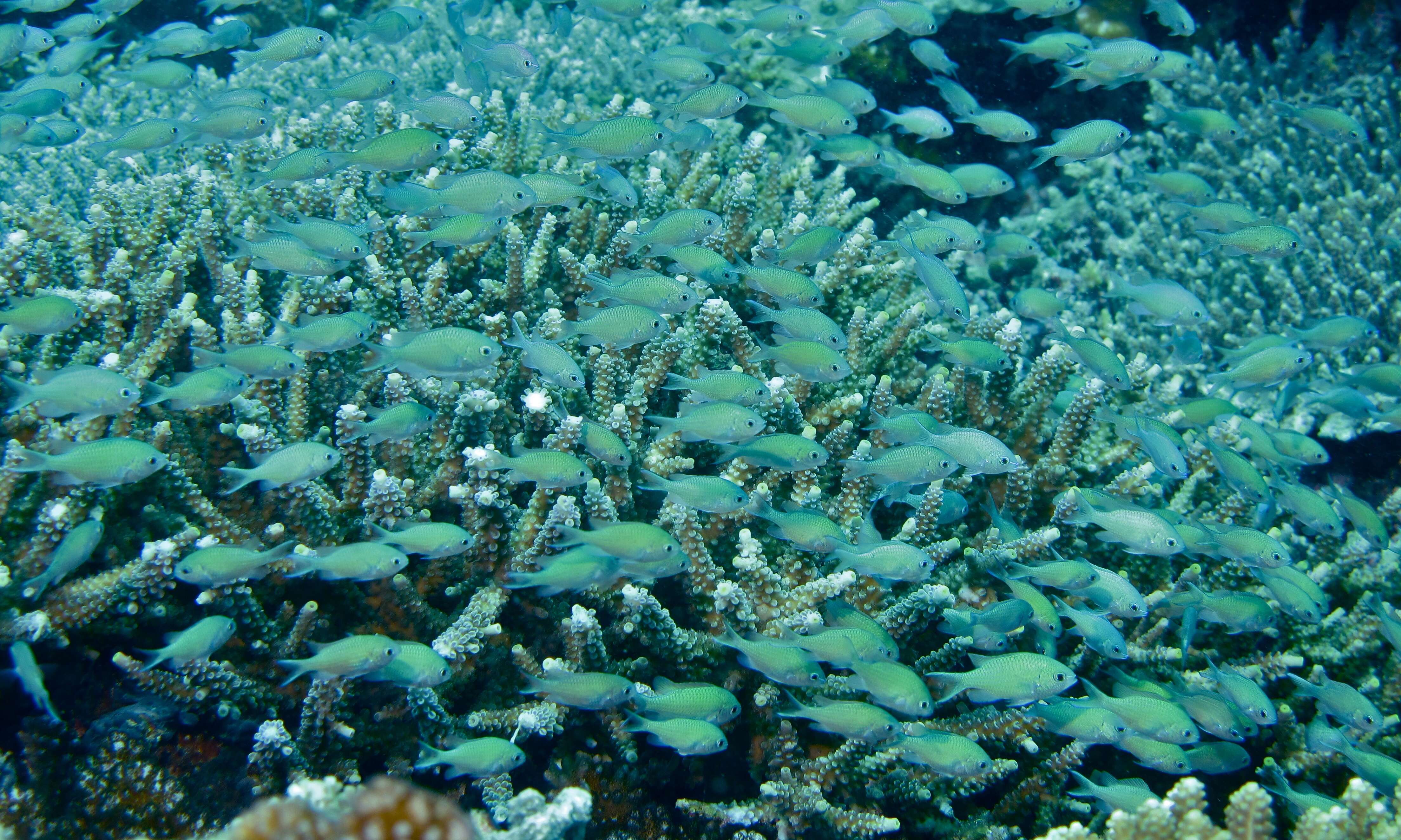
Chromis viridis (Cuvier, 1830) (blue-green chromis)
Found in large aggregations above thickets of branching Acropora corals in sheltered areas such as subtidal reef flats and lagoons. Juveniles closely tied to individual coral heads . Phytoplankton feeders. Breeding is d...
Read More
Read More
Neoglyphidodon melas (Cuvier, 1830) (black damselfish)
Found in coral-rich areas of lagoon and seaward reefs and usually associated with soft corals on which it feeds . Occur singly or in pairs . Juveniles are encountered in around staghorn Acropora corals . Adults often near Tridacna clams and may feed on their feces .
Dascyllus melanurus Bleeker, 1854 (blacktailed humbug)
Schooling species, inhabits sheltered lagoons, harbors and inlets. Also in somewhat open substrates with outcrops of Acropora corals . Often associated with small coral heads. Feeds on a variety of plankton, including l...
Read More
Read More
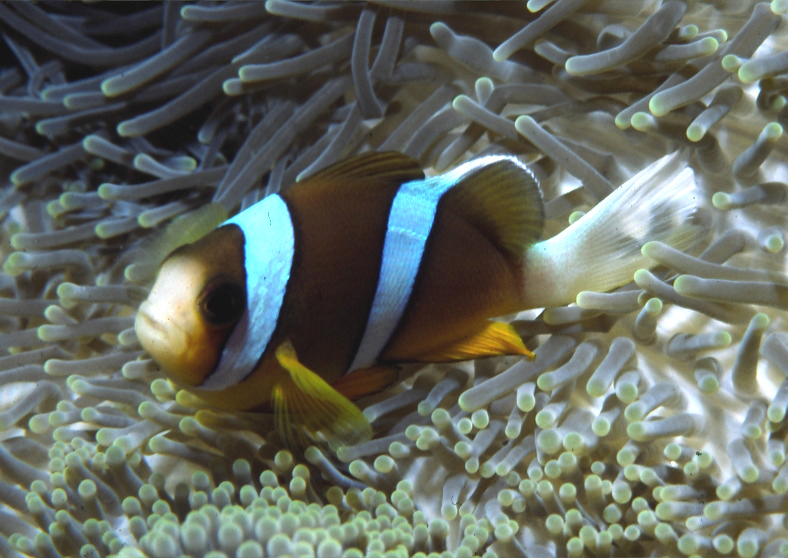
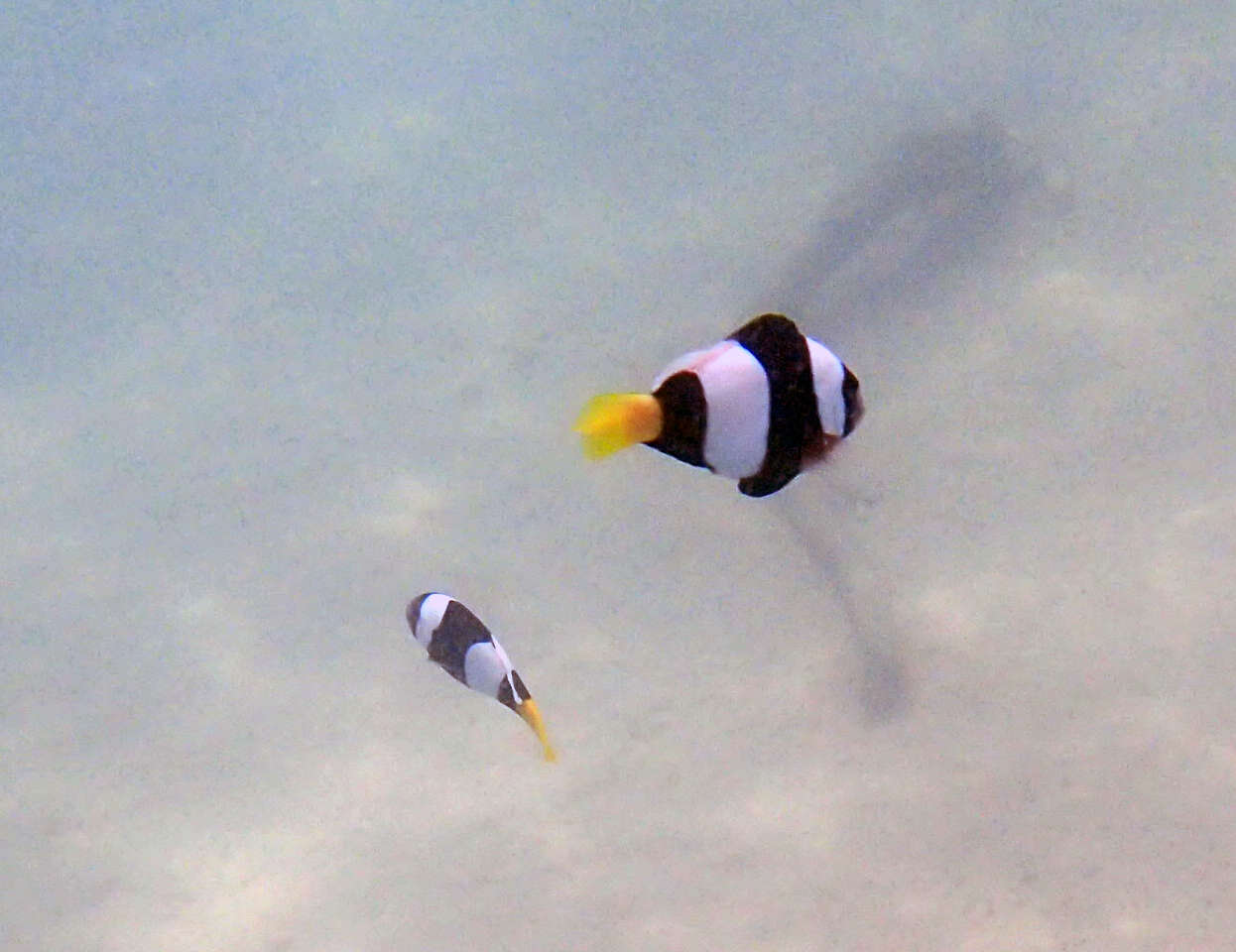
Amphiprion clarkii (Bennett, 1830) (Brown anemonefish)
Inhabits lagoons and outer reef slopes. Omnivorous. Oviparous, with elliptical eggs . Monogamous . Has been reared in captivity . Associated with the anemones: Cryptodendrum adhaesivum, Entacmaea quadricolor, Heterac...
Read More
Read More
Premnas biaculeatus (Bloch, 1790) (Spinecheek anemonefish)
Inhabits lagoon and seaward reefs , found mainly in protected coastal waters and lagoons. Typically found in pairs in which males are much smaller than females . Feeds primarily on zooplankton and benthic algae . Has been reared in captivity . Associated with the anemone Entacmaea quadricolor .
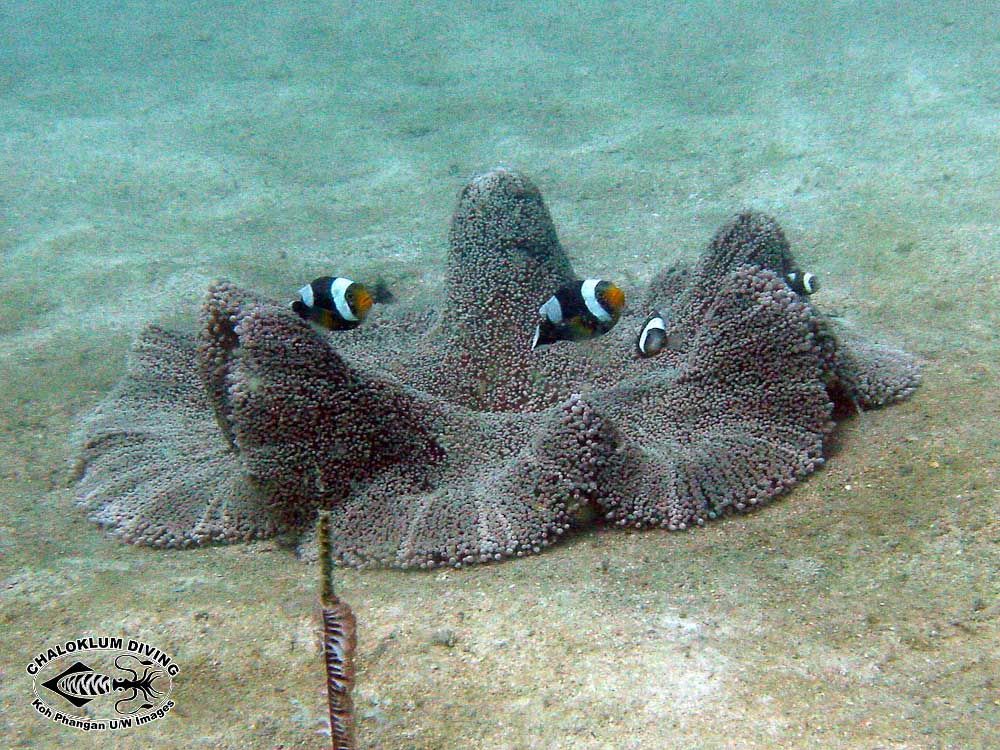
Amphiprion polymnus (Linnaeus, 1758) (yellowfinned anemonefish)
Inhabits silty lagoons and harbors. Monogamous . A protandrous hermaphrodite . Associated with the anemones: Heteractis crispa and Stichodactyla haddoni . Has been reared in captivity .
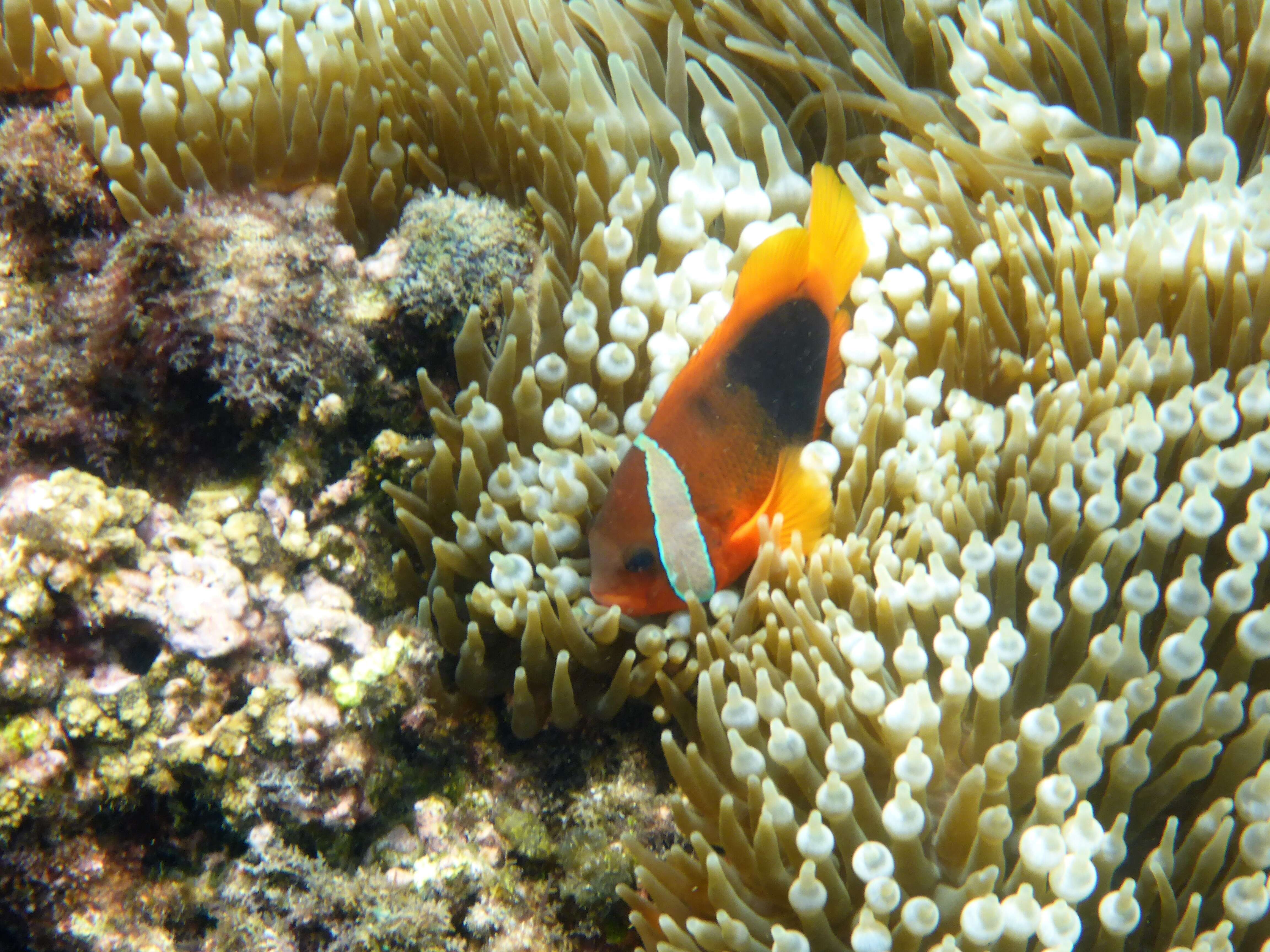
Amphiprion frenatus Brevoort, 1856 (oneband anemonefish)
Found in lagoon reefs and embayment. Monogamous , protandrous hermaphrodite . Associated with the anemone Entacmaea quadricolor . Has been reared in captivity .
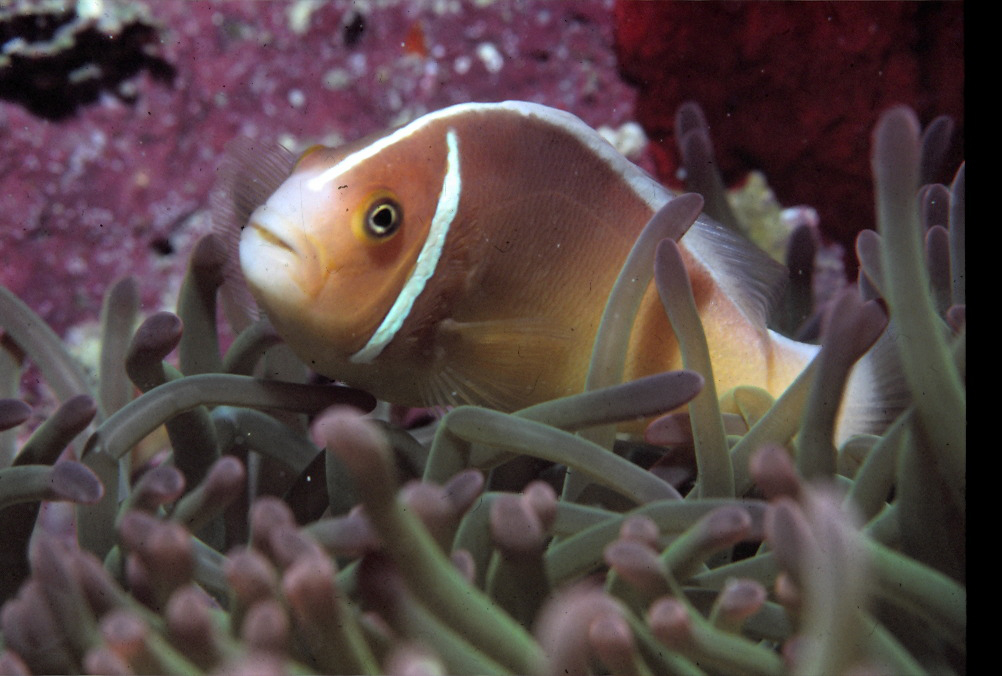
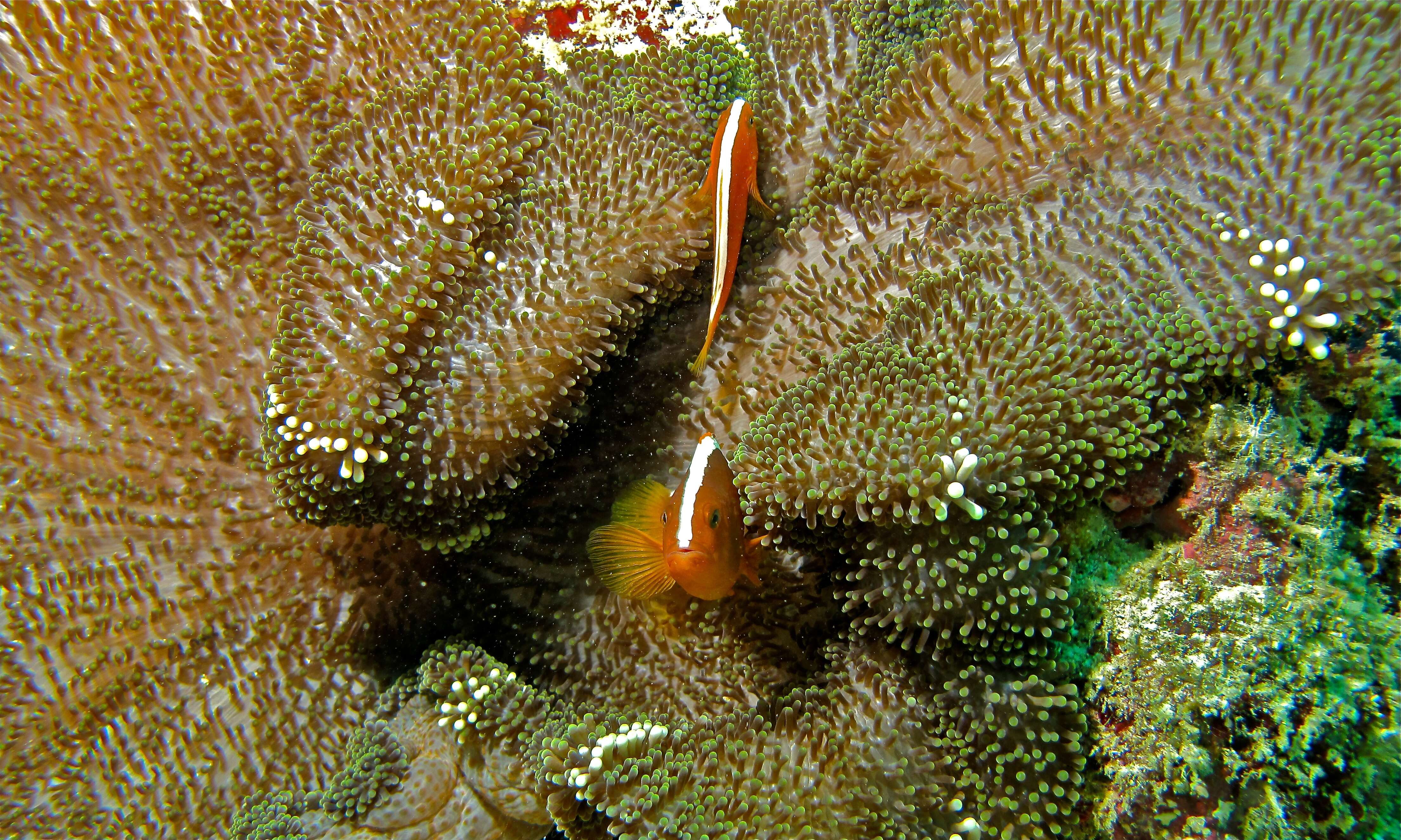
Amphiprion perideraion Bleeker, 1855 (False skunk-striped anemonefish)
Inhabits lagoon and seaward reefs . Mainly diurnal. Non-burrowing. Monogamous . A protandrous hermaphrodite . Associated with the anemones: Heteractis magnifica , Heteractis crispa, Macrodactyla doreensis, and Sticho...
Read More
Read More
Amphiprion ocellaris Cuvier, 1830 (false clown anemonefish)
Amphiprion percula (Lacepède, 1802) (Orange clownfish)
Inhabits lagoon and seaward reefs . Each group of fish consists of a breeding pair and 0-4 non-breeders. Within each group there is a size-based hierarchy: the female is largest, the male is second largest, and the non-...
Read More
Read More
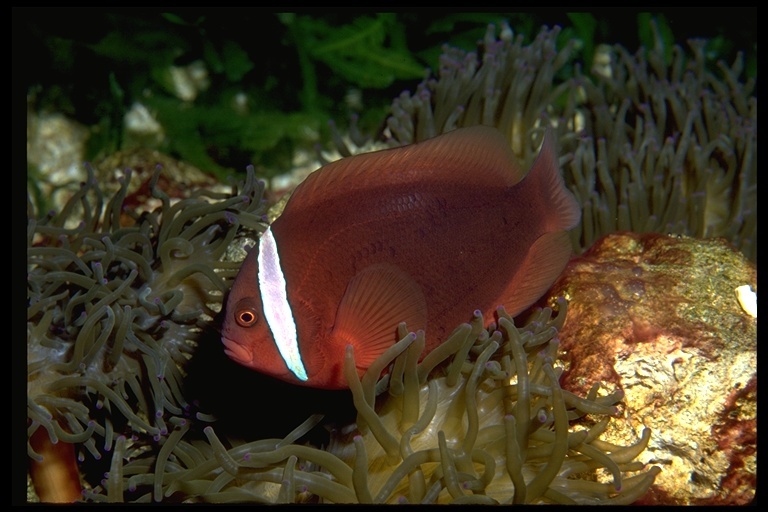
Amphiprion melanopus Bleeker, 1852 (Chocolate clown)
Inhabits lagoon and outer reef environments. Feeds predominantly on planktonic copepods and algae. Has been reared in captivity . Associated with the anemones: Entacmaea quadricolor , Heteractis crispa , and Heteractis magnifica .
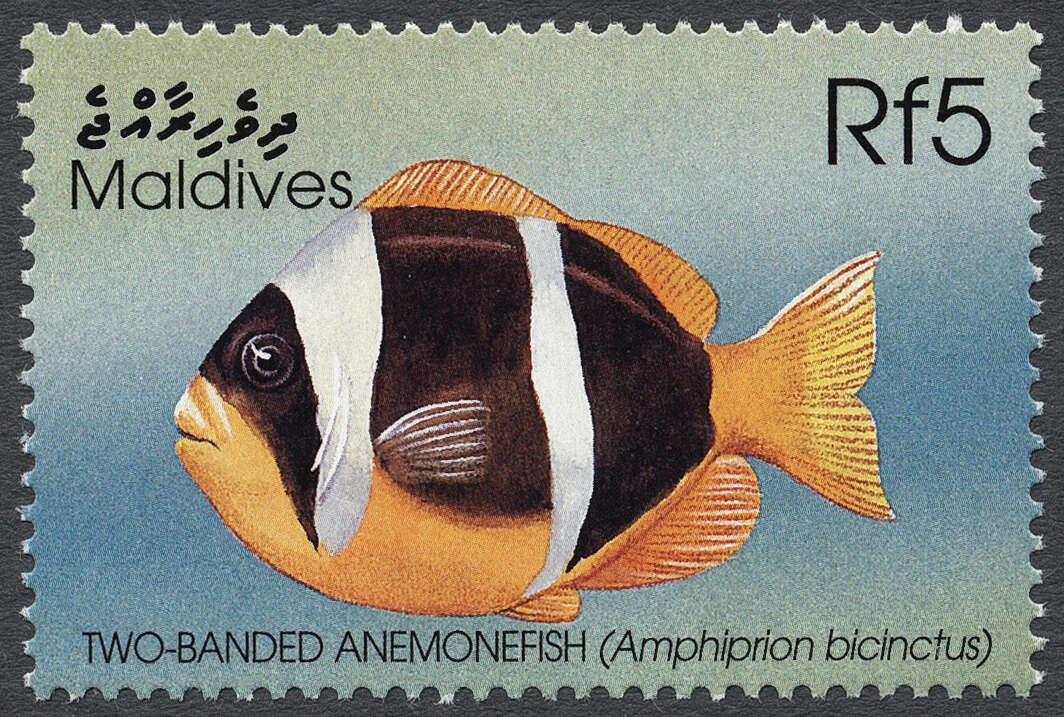
Amphiprion bicinctus Rüppell, 1830 (threebanded anemonefish)
Inhabits lagoons and outer reefs. Oviparous, with elliptical eggs . Monogamous . Has been reared in captivity . Associated with the anemones: Entacmaea quadricolor, Heteractis aurora, Heteractis crispa, Heteractis magnifica, and Stichodactyla gigantea .
Amphiprion sebae Bleeker, 1853 (Sebae anemonefish)
Found in coastal waters and lagoons. It grows rather large . Associated with the anemone Stichodactyla haddoni .
Amphiprion sandaracinos Allen, 1972 (Golden anemonefish)
Occurs in lagoon and outer reefs. Occurs in pairs and small groups . Monogamous . A protandrous hermaphrodite . Associated with the anemones: Heteractis crispa and Stichodactyla mertensii . Has been reared in captivity .
Share on Social Networks
- Facebook:

personalize your shared text as well as its destination (wall, page...) or send as a private message to a friend
- Twitter: Tweet personalize your tweet
- Google Plus:
Direct link to this dive
- Long link:
- Short link:


 We are participating today in the startup contest Techcrunch Disrupt. Support Diveboard by voting for us!
























































































Midway Reef 2nd dive
Drop in on edge of Midway seamount incredible fish life active reef. Circle around edge to left , back to boat. Very good dive, not much macro
solo at end, multilevel